Photo credit: Buffalo's Outdoors/Youtube
Walk a gun show long enough and you start seeing the same pattern. Guys stop at a table, pick up a pistol, work the action once or twice, and set it back down like it’s somebody else’s problem. Too big. Too old. “Weird caliber.” Not the latest carry craze. Then six months later they’re hunting for that exact gun because they finally figured out what it’s good at, or because they owned one years ago and forgot how handy it was until it was gone. Ask me how I know.
Here are 20 handguns that get ignored on folding tables every weekend, even though they’re the kind of guns a practical outdoorsman ends up wanting back.
1. Ruger P95

The P95 is one of those pistols that looks like a cinder block with a trigger. At a gun show it sits there, usually priced fair, usually a little worn, and usually passed over for something slimmer and “more modern.” I get it. It isn’t pretty, and it isn’t a great belt gun if you’re trying to hide it under a light shirt.
But the P95 has a way of running when nicer-looking pistols start acting picky. It feeds junky range ammo, it shrugs off dirt, and the controls are simple enough to work with cold hands. For a glovebox gun or a farm beater that still needs to go bang every time, it’s hard to beat. Replacement mags are around, parts aren’t exotic, and the gun doesn’t make you nervous about scratches. There is nothing fancy about it, and that is kind of the point.
2. Smith & Wesson Model 10
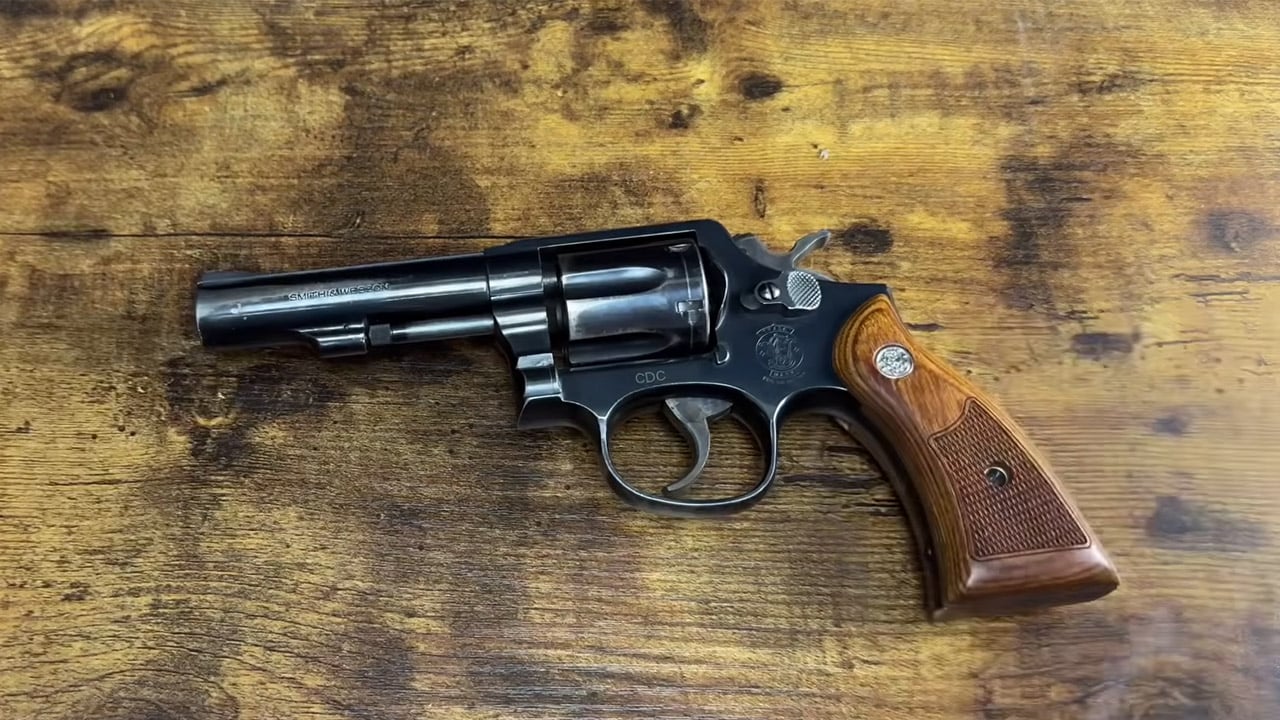
Every show has a couple old Model 10s, usually in a holster-worn blue finish that makes folks think “used up.” Most buyers walk right past to chase stainless, scandium, or something with a rail. The old fixed-sight K-frame doesn’t look exciting sitting under fluorescent lights.
Then somebody actually shoots one and remembers what a real double-action trigger can feel like. With standard-pressure .38 Special, it’s controllable, accurate, and it points like it was built for human hands instead of a spec sheet. It’s also about as close to a “do everything” revolver as the real world gets: trail gun, nightstand gun, and a teaching gun for new shooters. When you find one that locks up tight with a decent bore, it’s a quiet steal. The regret usually comes after you realize how scarce the truly nice ones are getting.
3. CZ 75B

The CZ 75B gets overlooked because it’s not the new hot thing and it isn’t the lightest option on the table. Folks pick it up, notice the weight, and set it down like it’s a liability. If you only think in terms of ounces and optics plates, you’ll miss why people hang onto these.
They shoot flatter than they “should,” the ergonomics fit a lot of hands, and the all-steel feel makes practice sessions actually enjoyable. The DA/SA system isn’t for everyone, but it rewards time on the gun. Magazines are easy enough to find, and the gun has a long track record of just doing the job. If you’re the kind of shooter who actually practices instead of just buying, a CZ 75B can become that one pistol you don’t loan out and don’t sell. It’s not trendy. It’s just good.
4. Beretta 92FS
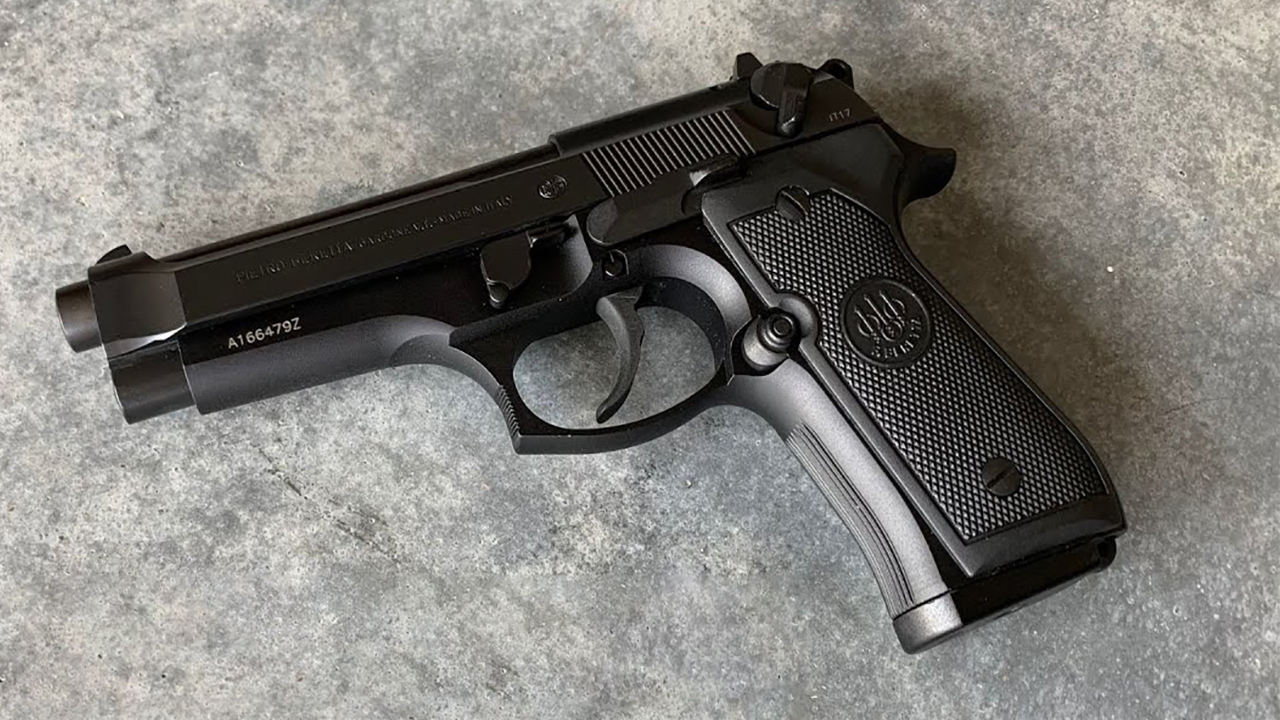
Plenty of shooters act like the 92FS is only for nostalgia or movie points. At a show, people complain it’s “too big for 9mm” and walk off to handle micro-compacts. Sure, it’s a full-size pistol, and the grip can feel like a two-by-four if you’ve got smaller hands.
But the Beretta does a couple things exceptionally well. It’s soft shooting, it runs dirty, and the open-top slide design has a reputation for feeding when other guns start choking. If you’re looking for a home-defense pistol that’s easy to control under stress, it’s a strong option. Holsters and magazines are everywhere, and used prices can be surprisingly reasonable compared to what you get. The downside is carrying it all day, especially if you’re climbing in and out of trucks. Still, the guy who buys one usually stops looking for “the next pistol” for a while.
5. SIG Sauer P229 (DA/SA)
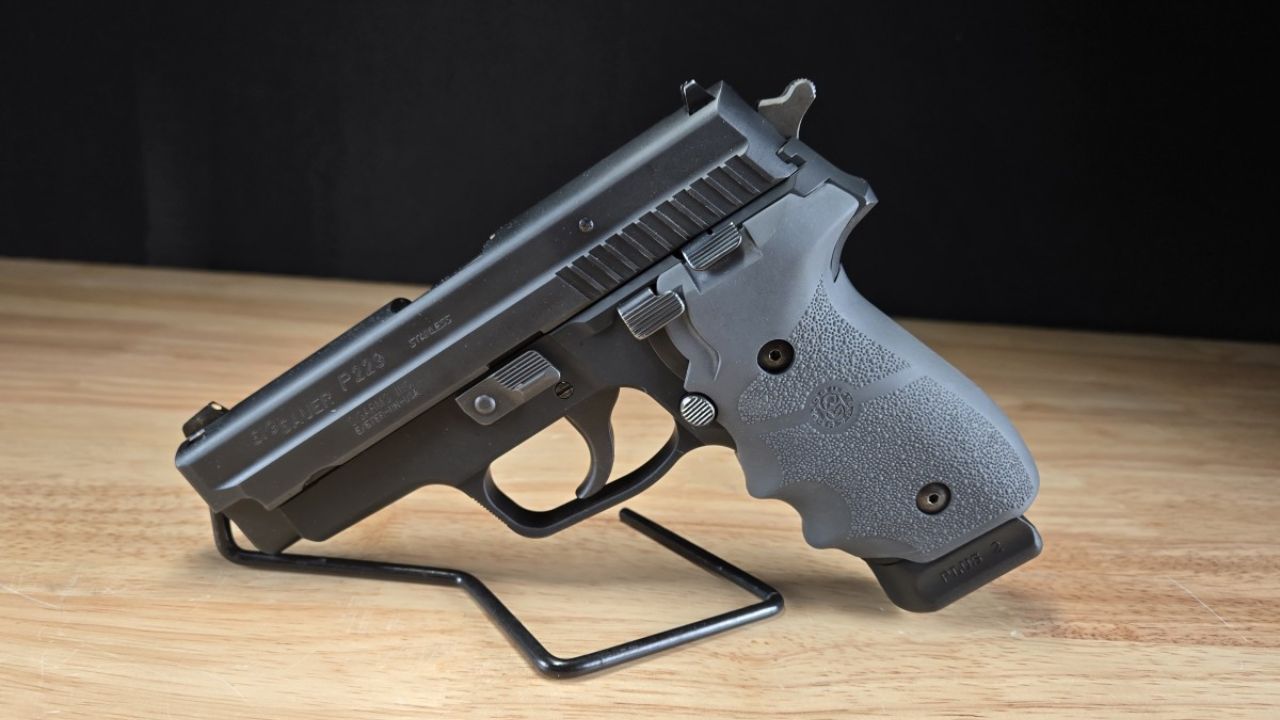
Used P229s show up with honest holster wear and a price tag that makes shoppers hesitate. They’ll pick it up, feel the weight, and decide it’s yesterday’s news. Polymer striker guns have trained people to expect light and simple, and the P229 is neither.
Here’s why it sneaks back into your life: it’s built like a service pistol, because it is one. The slide-to-frame fit, the way it tracks in recoil, and the overall durability make it a gun you can run hard without babying. In .40 S&W it can be snappy, but the gun handles it better than most. In 9mm, it’s just smooth. Parts and mags are available, and good examples tend to hold their value because serious shooters keep buying them. If you ever carried one for work, you already know why you miss it.
6. Ruger SP101

At the table, the SP101 looks thick for a small revolver. It’s not as light as the newer alloy snubs, and it’s not as elegant as a classic Colt. Folks see the price and think they can do better with a cheaper five-shot they’ll “carry more.”
Then comes the part nobody likes to admit: lightweight snub revolvers can be miserable with real defensive loads, especially for newer shooters. The SP101 has enough steel to make .357 Magnum possible and .38 +P actually manageable. It’s a revolver you can practice with, not just tolerate. The lockup is usually solid, the gun lasts, and it works as a real trail companion when you’re cutting firewood, checking fences, or walking a creek line. It carries heavier, yes. It also shoots like it means it. That tradeoff makes more sense with every year.
7. Smith & Wesson Model 36 (Chief’s Special)
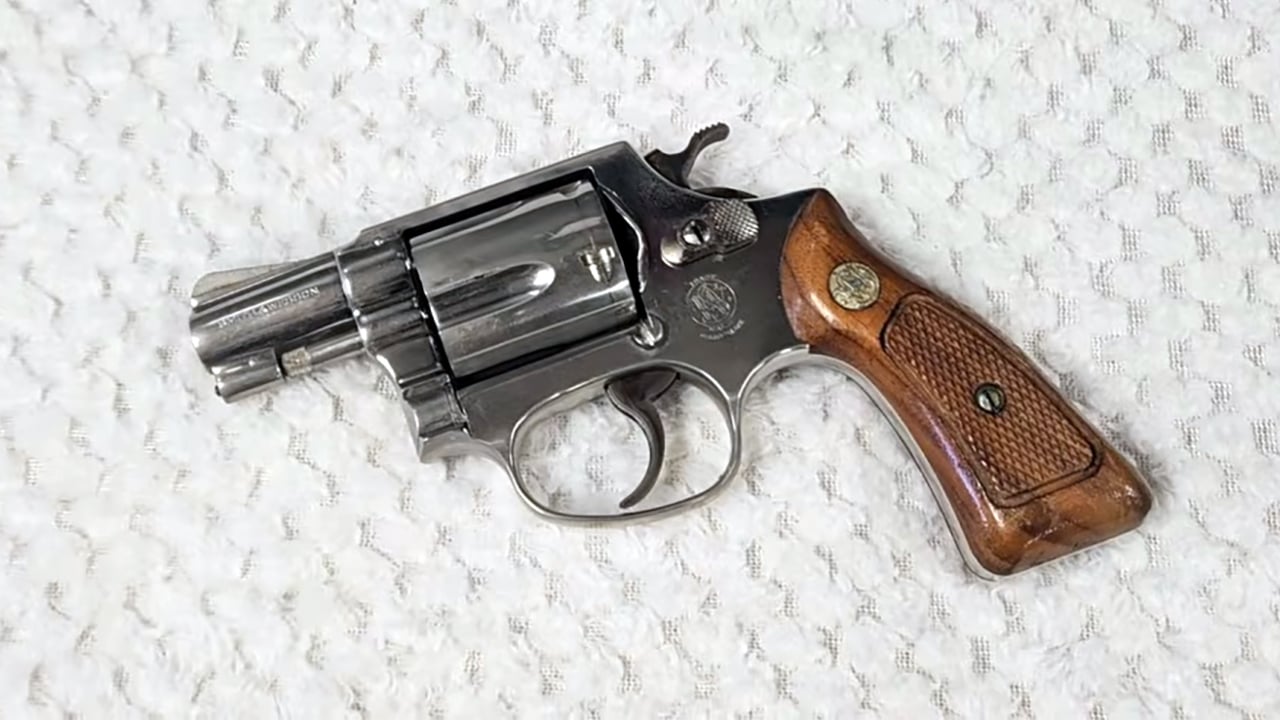
The blued J-frame snubs sit in the case looking like antiques. A lot of buyers want stainless, or they want a light polymer .38 they can forget is on them. The Model 36 gets treated like a collector piece, even when it’s just a plain old working revolver.
What you get is a simple, proven carry gun with a trigger that often feels better than the newest stuff. With wadcutters or standard-pressure loads, it’s easy to shoot well enough at the distances that matter for a snub. The fixed sights are basic, but they’re durable, and the gun carries comfortably in a pocket holster if you dress around it. Where folks get burned is selling one that belonged to a parent or grandparent because they wanted something “higher capacity.” Later they realize the little revolver did what it was supposed to do, and the new gun didn’t mean as much. That one hurts.
8. Glock 23 (Gen 3/Gen 4)

The Glock 23 gets dumped on tables when ammo prices climb or wrists get tired of .40. It’s common to see them priced low, sitting right beside shiny new 9mms with optic cuts. Plenty of shoppers assume .40 is dead and walk right past, which is exactly why they’re worth another look.
A G23 is still one of the better “do a lot with one gun” setups, especially if you already have .40 on hand. It’s compact enough to carry, big enough to fight with, and it runs. Magazines are everywhere. Parts are everywhere. If you like options, the aftermarket support is endless without needing anything exotic. Even if you stick with .40, it’s perfectly workable with the right practice. And if you decide you want 9mm later, you’ve got a platform with plenty of pathways without buying a whole new ecosystem. It’s boring, but boring is usually reliable.
9. Smith & Wesson M&P 2.0 Compact
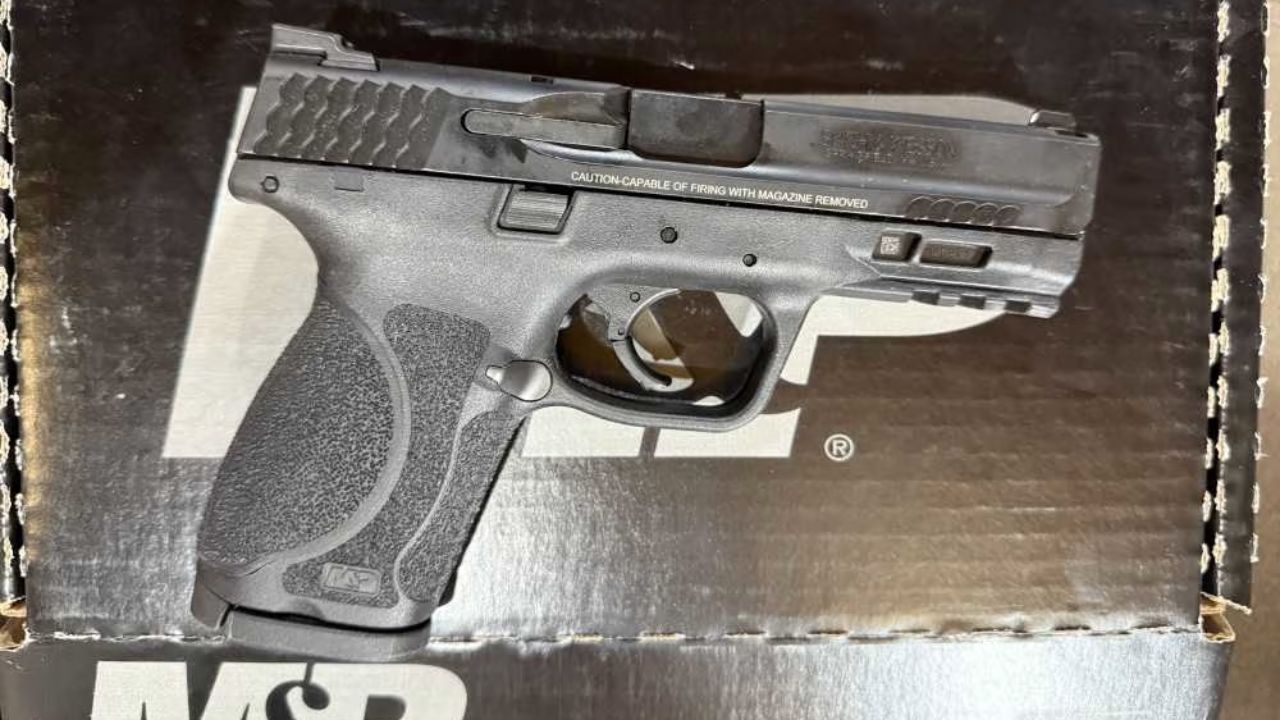
This one doesn’t get ignored because it’s bad. It gets ignored because the table two rows over has a Glock, and most buyers have already decided what they’re “supposed” to carry. The M&P 2.0 Compact ends up being the pistol folks handle, nod at, and then walk away from out of habit.
In the hand, the grip texture is either perfect or it’s too aggressive. For a working gun that might ride under a flannel, I’ll take “grippy” every time. The 2.0 series fixed a lot of what people complained about in earlier models, and the trigger is generally solid. It carries well, shoots flat, and the controls are set up with real-world use in mind. Magazines aren’t hard to find, and it’s a platform with serious duty history behind it. If you shoot one side-by-side with other compacts, you might not walk away so fast. Plenty of guys circle back after they finally try one at the range.
10. Walther P99

The P99 is a classic example of a pistol people don’t understand at a glance. The trigger system variations confuse buyers, and anything that isn’t striker-only and identical to everything else gets treated like it’s complicated. At a show, you’ll see shoppers pick it up, look for the familiar controls, and set it down.
When you actually run one, it becomes clear why owners get attached. The ergonomics are excellent, the gun points naturally, and the build quality is there. The paddle-style mag release (on many models) is a love-it or hate-it thing, but it’s fast once you’re used to it and it works with gloves better than tiny buttons. The P99 also has a track record of reliability that doesn’t get enough credit because it isn’t constantly being promoted. The catch is magazines and some parts can be less common than the mainstream choices, so when you find a clean one with mags, think twice before passing. They’re not getting more common.
Free for gun owners: If something happened to you tomorrow, would your family know where the guns are, who has the safe combination, or what to do first? Our free Gun Owner’s Family Checklist walks them through it. It takes about 15 minutes to fill out. Get your free copy here.
11. Heckler & Koch P2000
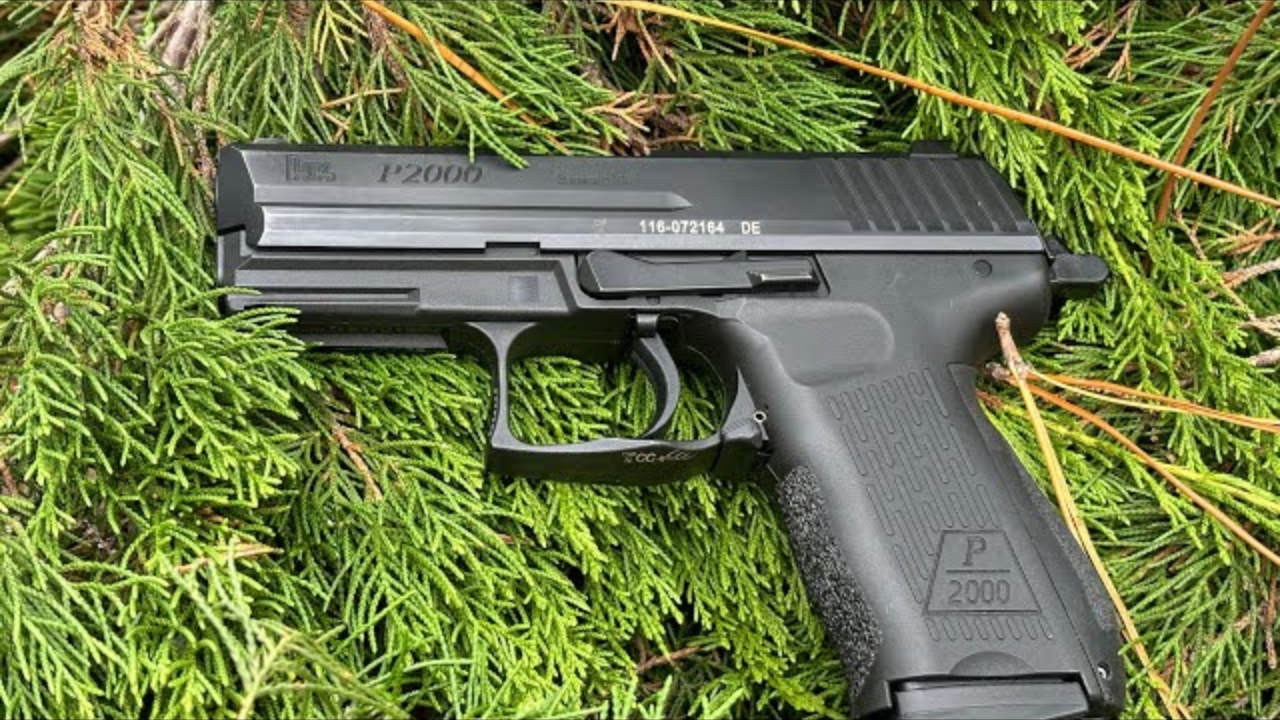
The HK P2000 sits in a strange place: not as famous as a USP, not as new as a VP9, and not cheap enough to be an impulse buy. Gun show shoppers see “HK” and either assume it’s overpriced or assume it’s too “tactical” for their needs. Most keep walking.
What the P2000 does well is the quiet stuff. It’s compact without being tiny, it carries comfortably, and it’s built to take abuse. The controls are well thought out, and the DA/SA versions offer a level of deliberate safety some folks prefer for daily carry. It’s not a range-toy trigger, but it’s predictable and it works. HK magazines cost more than bargain brands, which is a fair complaint, yet they last. If you want a carry gun you can sweat on, bounce around in a truck, and still trust, the P2000 is a sleeper. Once you’ve had one, it’s hard to find a replacement that feels “better” rather than just “different.”
12. Springfield Armory XD-S (single-stack)
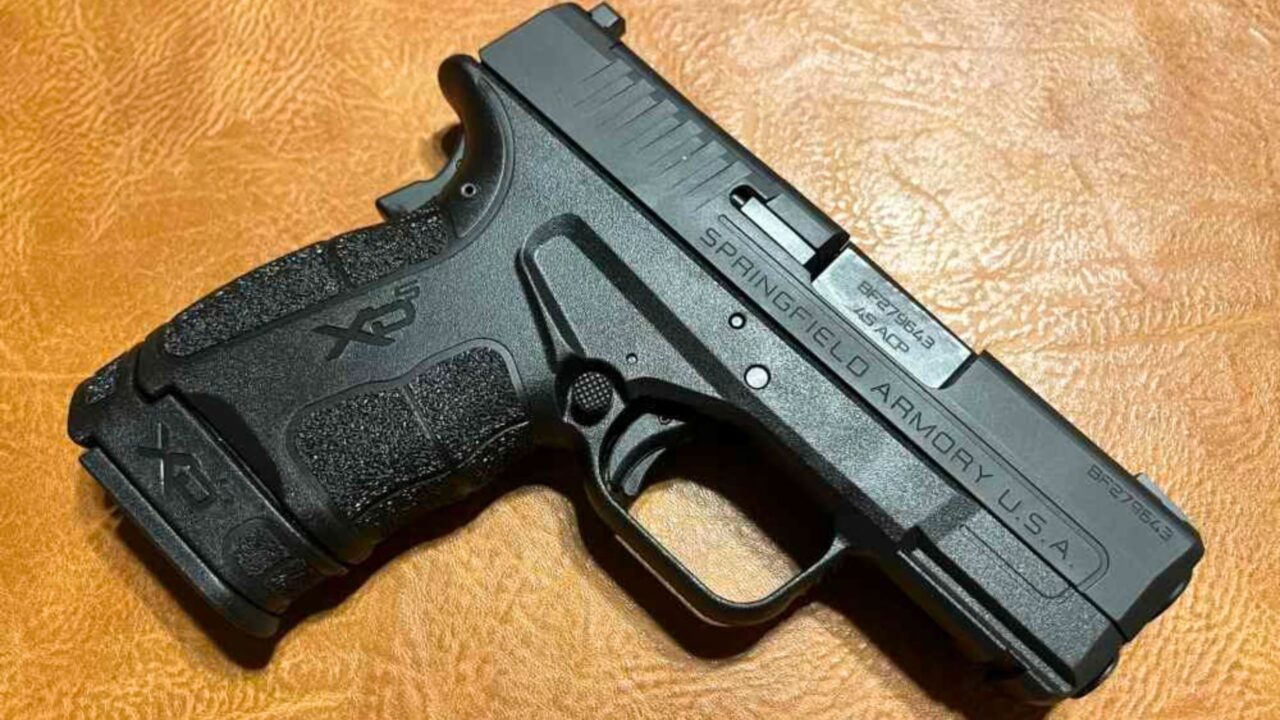
The XD-S gets dismissed now because the market is flooded with higher-capacity micro 9mms. Folks see the single-stack mag and think it’s obsolete. You’ll find them sitting on tables with decent price tags, usually in good shape because a lot of owners didn’t shoot them a ton.
Here’s the thing: not everyone shoots tiny double-stacks well. The XD-S has a slimmer grip that fits some hands better, especially if you’ve got shorter fingers and struggle with wider frames. It also tends to carry comfortably in an inside-the-waistband holster without printing as much as chunkier guns. Recoil can be sharp because it’s small, and the grip safety isn’t everyone’s favorite, but it’s a straightforward pistol that can be very accurate for its size. If you’re buying a carry gun for real day-to-day life, comfort matters because comfort equals consistency. A “less exciting” pistol that you actually carry beats the wonder-nine you leave at home.
13. Ruger LCR (.357 Magnum model)

A lot of shoppers see the LCR and think “lightweight equals painful,” which isn’t wrong. The .357 version looks like a compromise nobody asked for. It’s not pretty, it’s not traditional, and it doesn’t scratch that classic revolver itch. So it sits.
The LCR earns its keep because the trigger is often better than it has any right to be in a lightweight revolver. The frame design and grip soak up recoil better than you’d expect, especially with .38 +P, which is what many owners end up carrying anyway. The .357 model also gives you a bit more weight and durability than the .38-only versions, which can make practice more pleasant. As a pocketable trail revolver, it’s hard to beat for “always there” convenience. It’s also a realistic gun for folks who want revolver simplicity without fighting a heavy, gritty pull. You may not want to shoot a box of magnums through it, but you might carry it every day.
14. Colt Detective Special

Old Colt snubs tend to get treated like safe queens or “collector only” pieces. At a gun show, buyers either get scared of the price or get scared of the mechanism because everybody’s heard Colt parts are hard. The Detective Special sits there, looking classy, while the crowd chases newer guns.
If you find one that’s mechanically sound, it’s a six-shot snub that carries like a five-shot. That extra round matters to some folks, and the balance on these revolvers is just right. The triggers can be excellent, and they have a feel that’s different from modern budget revolvers. Yes, you need to be honest about condition. Timing and lockup matter, and you don’t buy one sight unseen and hope for the best. But that’s also why owners miss them after they’re gone. You can replace “a snub.” Replacing a good Detective Special is another story, especially once you realize how many are worn out or overpriced.
15. Browning Hi-Power (FN or Browning-marked)
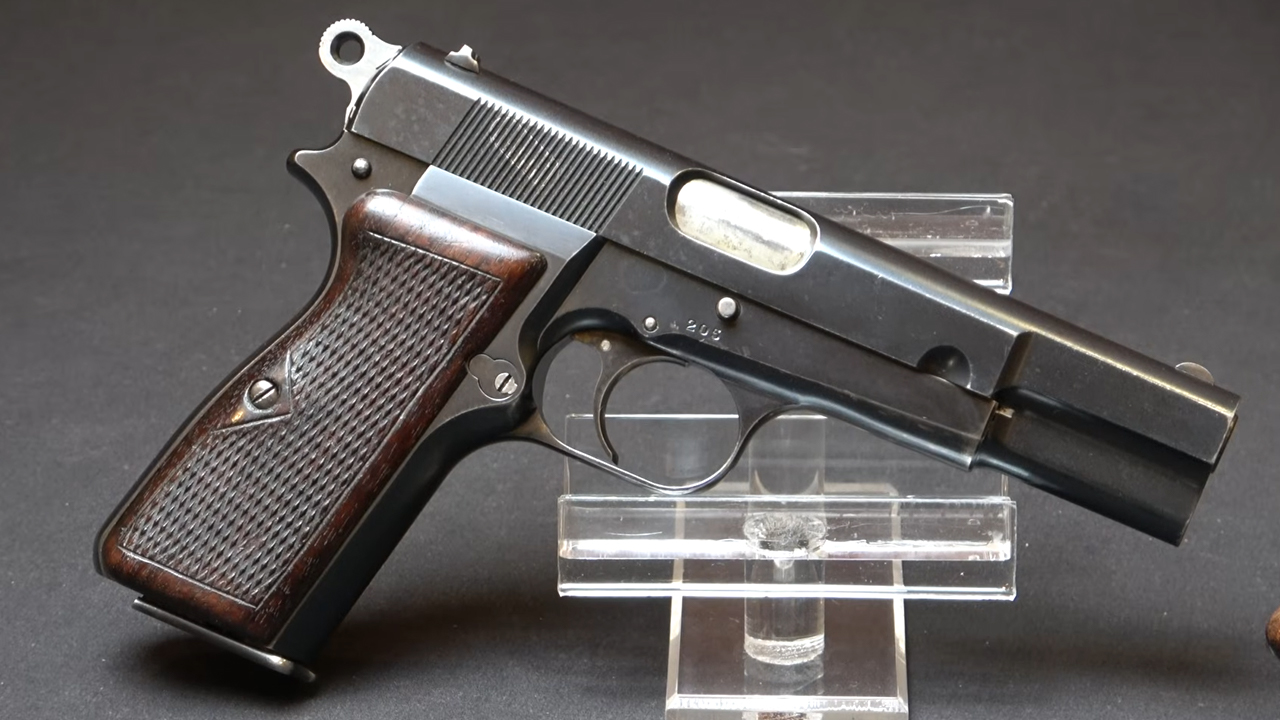
The Hi-Power gets dismissed as an old 9mm with a small safety and a reputation for a mediocre trigger in stock form. That’s enough for some buyers to move along. At a show it can be priced high, too, which makes folks roll their eyes and say they can get a modern pistol for less.
And they can. But the Hi-Power carries and points in a way that makes sense the minute you shoot it. The grip is slim, the gun balances well, and it has a history of real use, not just internet praise. The downside is that you need to know what you’re buying—original mags, overall condition, and whether it’s been “improved” by somebody with more confidence than skill. Even with its quirks, it’s one of those pistols that tends to stick in your memory. Sell it, and later you’ll find yourself comparing every other steel 9mm to it. Most won’t feel the same.
16. Smith & Wesson Model 19
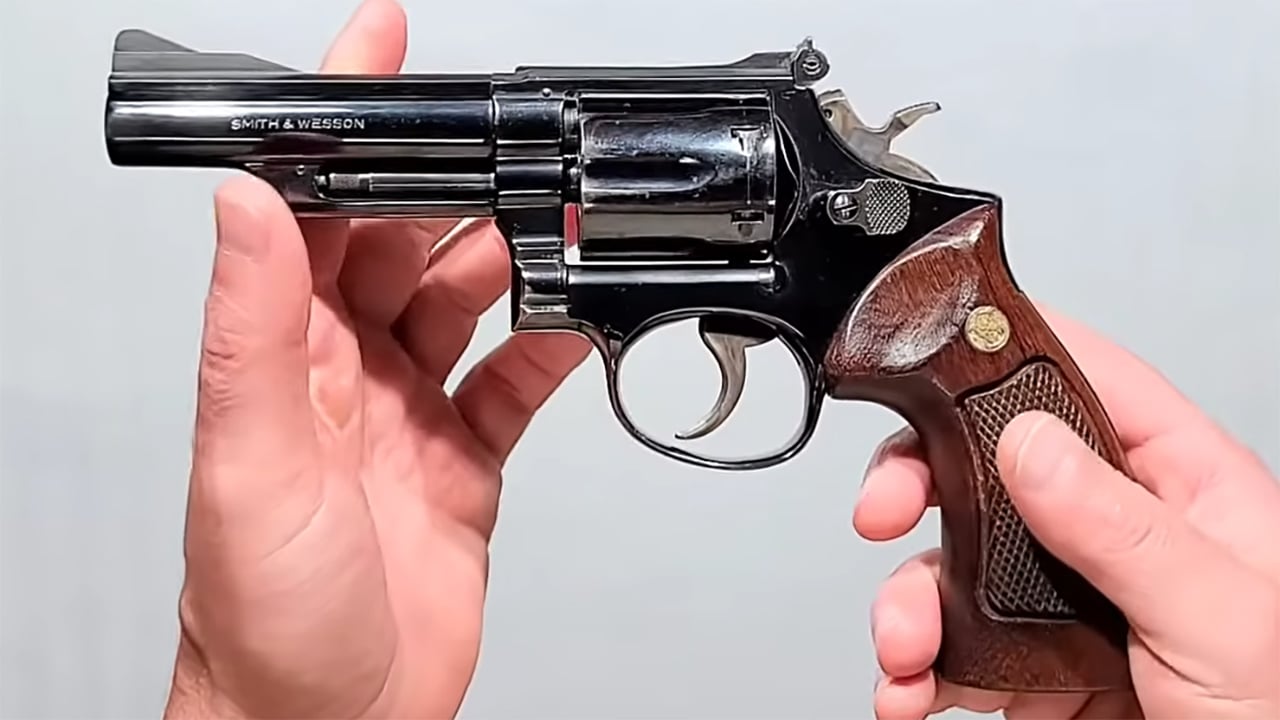
At a gun show, the Model 19 often wears a tag that makes guys hesitate, especially if they’re only thinking “it’s just a .357 revolver.” Some are worn, some have been carried a lot, and a buyer who doesn’t know what to look for might worry about buying problems. So it gets handled, admired, and put back down.
A good Model 19 is one of the nicest .357s to carry and shoot, especially if you’re not trying to live on a steady diet of the hottest loads. The K-frame size hits a sweet spot for belt carry in the woods, and the balance is excellent. Triggers on older Smiths are often the kind you don’t appreciate until you’ve spent time with newer production guns. For a handgun hunter it’s not the first choice, but for a general outdoors sidearm it’s hard to beat. If you grew up around them, you already know why they disappear fast when priced right. When you let one go, you tend to remember it every time you pick up a clunkier revolver.
17. Ruger Blackhawk (.357 or .45 Colt)
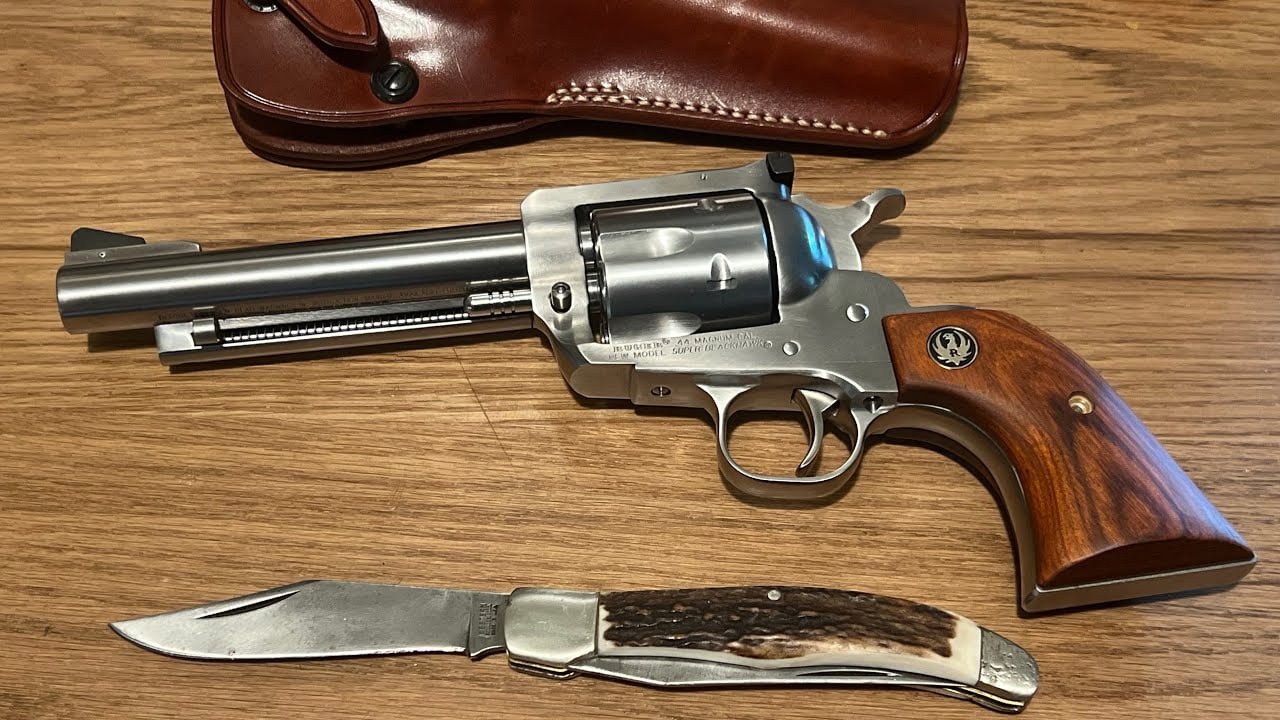
Single-actions are the kings of being ignored at gun shows. Younger buyers see a Blackhawk and think it’s a cowboy prop. Others assume it’s slow, outdated, and only useful if you wear a hat all day. It’s not a defensive pistol for most people, so it gets passed over fast.
In the outdoors, the Blackhawk makes a lot of sense. It’s strong, simple, and it digests heavy loads in calibers like .45 Colt that can be downright impressive from a handgun. It also teaches good shooting habits because the trigger can be clean and the sights are usually easy to work with. There’s a reason these end up in tackle boxes, farm trucks, and hunting camps. They’re also easy to maintain without being delicate. The tradeoff is speed of reload and overall bulk, so you need to be honest about your use. Still, if you want a sidearm for woods wandering and you’re not trying to win a match, a Blackhawk is a lifetime gun. A lot of folks only realize that after they sell one and miss the simplicity.
18. Taurus PT92

The PT92 catches flak because it says Taurus on the slide, and plenty of buyers don’t want to sort through brand reputations at a gun show. It also looks like a Beretta to the casual eye, so shoppers assume it’s a knockoff and not worth their time. That keeps prices lower, which is exactly why it ends up on this list.
A good PT92 can be a solid shooter with a feature some people prefer: frame-mounted safety/decocker placement that feels more natural than slide-mounted controls. The guns tend to be soft shooting, and they make decent range pistols that can also handle home-defense duty. Are there lemons out there? Sure, like with any mass-produced gun, and you should inspect condition and function like you mean it. But when you find one that runs, it’s a lot of pistol for the money, and mags are not hard to come by. The regret angle is simple: guys trade them off chasing a “better name,” then realize the PT92 did everything they needed and didn’t complain.
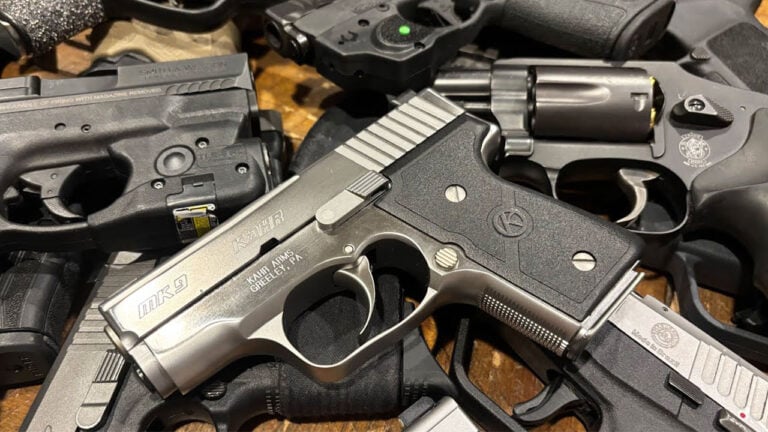
19. Kahr CW9
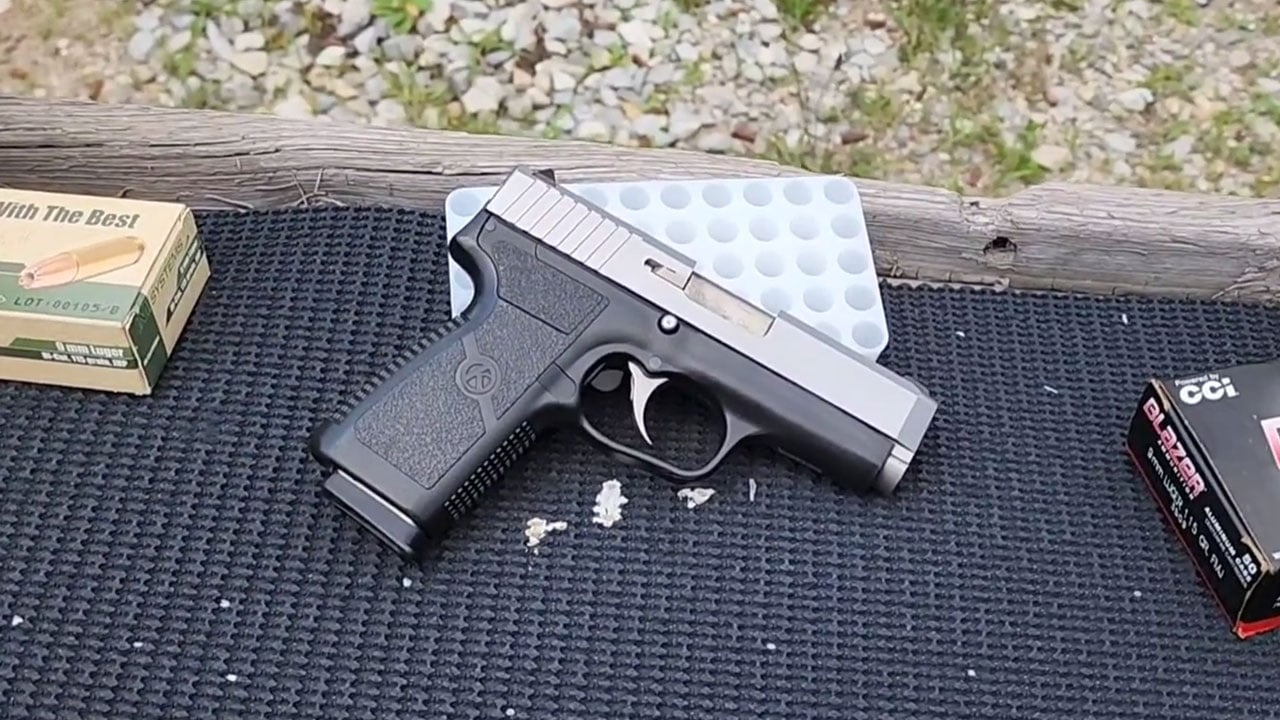
The CW9 isn’t flashy, and the trigger feels different than what most folks are used to. At a show it gets overlooked because it doesn’t come with optic-ready bragging rights and it doesn’t feel like a tiny duty pistol. It feels like a tool. For a lot of buyers, “tool” isn’t exciting.
Then you carry one for a summer and you understand why people keep them. The CW9 is thin, light enough, and shaped in a way that hides well without weird corners digging into you. The long, smooth trigger pull is not a target trigger, but it’s consistent and it can be very shootable with practice. It’s also a pistol that encourages careful shooting instead of slapping the trigger. The negatives are that it’s not a high-capacity design and it isn’t the cheapest to outfit with extra mags. Still, for folks who want a simple 9mm that carries easy and shoots better than most micros, the CW9 is a sleeper. It’s the kind of gun you sell, then miss the first hot week of July.
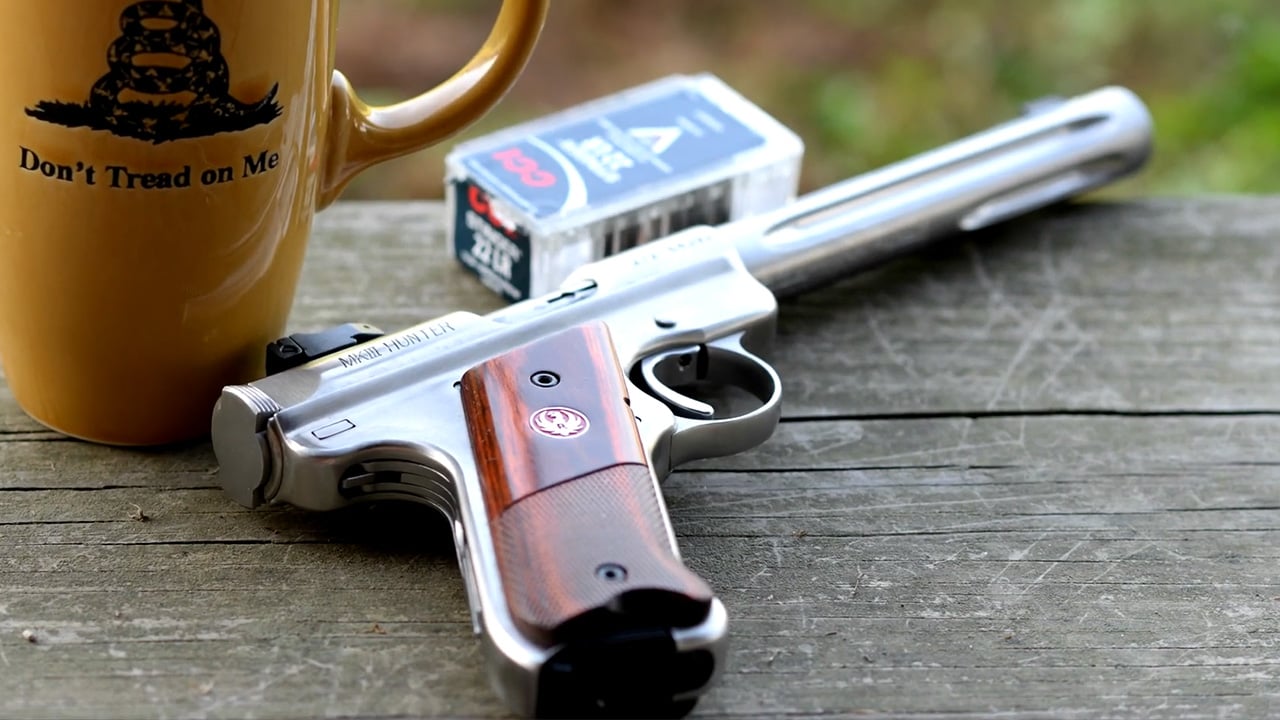
20. Ruger Mark II (or Mark III)
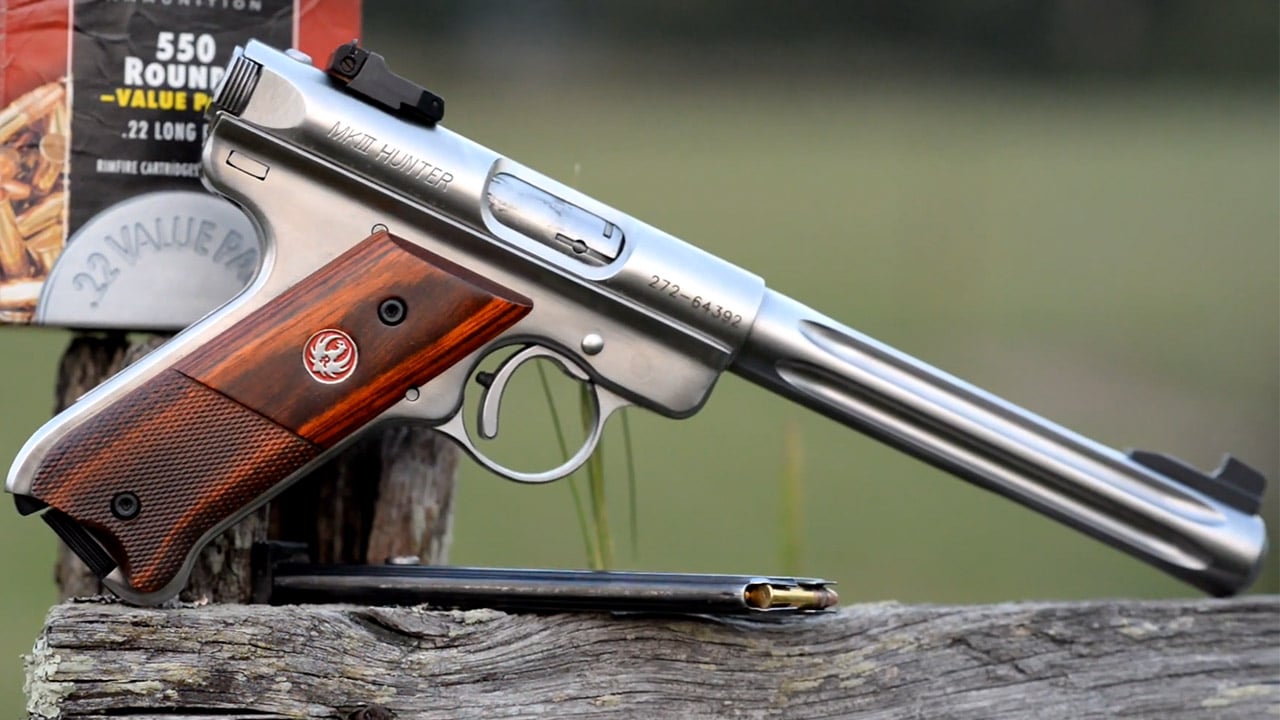
Used .22 pistols get treated like “kid guns” at gun shows. The Ruger Mark II and Mark III will sit there while buyers spend real money on centerfire carry pistols. A .22 doesn’t feel urgent. It doesn’t scratch the self-defense itch. So it gets ignored, even by shooters who should know better.
A good .22 pistol is one of the most useful handguns you can own, especially if you actually spend time outdoors. The Ruger Mark series is accurate, durable, and cheap to feed. It’s perfect for plinking, small-game hunting where legal, and teaching new shooters without turning it into a recoil management lesson. Yes, takedown can be a hassle until you learn the routine, and that frustration causes a lot of “I’m done with it” sales. But once you’ve got it figured out, it’s not a big deal. The real regret shows up later when you want a reliable .22 for camp and you realize the cheap ones don’t run like the Ruger does. A Mark II that’s been cared for is hard to beat.
Gun shows are funny like that. You can walk in looking for one thing and walk right past the pistol that would actually solve your problem, just because it isn’t trendy or it isn’t photogenic. If you’re shopping tables this season, slow down and handle the “boring” guns with an honest eye. The older workhorses and the overlooked carry pistols aren’t always pretty, but they’re the ones that tend to stick around in a safe for decades.
Like The Avid Outdoorsman’s content? Subscribe to our newsletter so you never miss an article.
Here’s more from us: