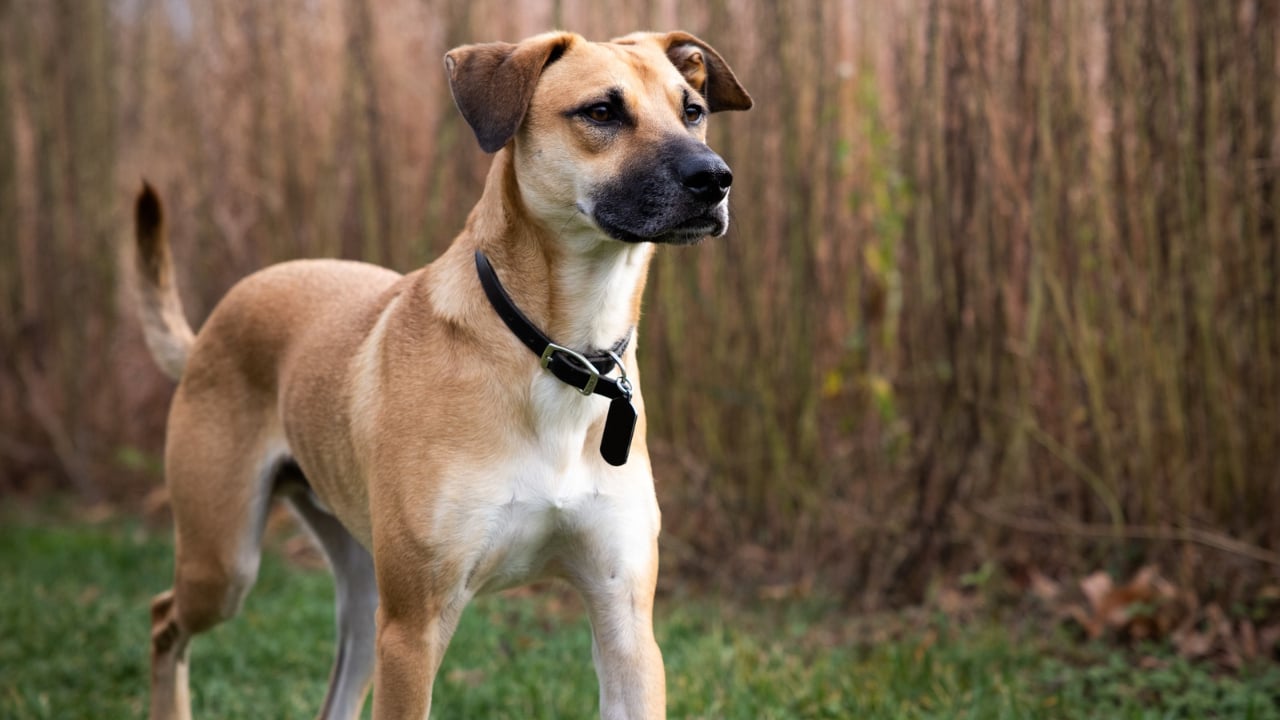
Photo credit: Wirestock Creators/Shutterstock.com
Some dogs look perfectly at home on a couch. Others make a lot more sense with leaves under their feet, a creek nearby, and a few hundred acres to disappear into. Woods dogs were built around jobs that demanded endurance, scenting ability, toughness, independence, and the confidence to keep working when thick brush, rough ground, and bad weather made everything harder.
That does not mean every breed on this list should be turned loose without training. Many have strong prey drive, serious noses, or enough independence to cover more ground than an inexperienced owner expects. What they do have in common is that the woods bring out what they were bred to do. Whether trailing game, treeing coons, flushing birds, tracking wounded deer, or simply working rough country all day, these 20 breeds seem much more natural under a canopy than behind a backyard fence.
Treeing Walker Coonhound

Treeing Walkers were built for covering ground after dark, following scent through timber, and staying with a track until the quarry is treed. Their speed is one of the reasons hunters like them. They can move through woods quickly without losing much of the nose that makes a hound useful in the first place.
They are also built to work at distance. A Walker may range farther than a house-dog owner expects, and that independence is part of the breed rather than a flaw. Their voices carry through timber, which lets a hunter know where the chase is moving even when the dog is well out of sight. Around the house many can be surprisingly laid-back, but once the woods come alive, so do they.
Black and Tan Coonhound
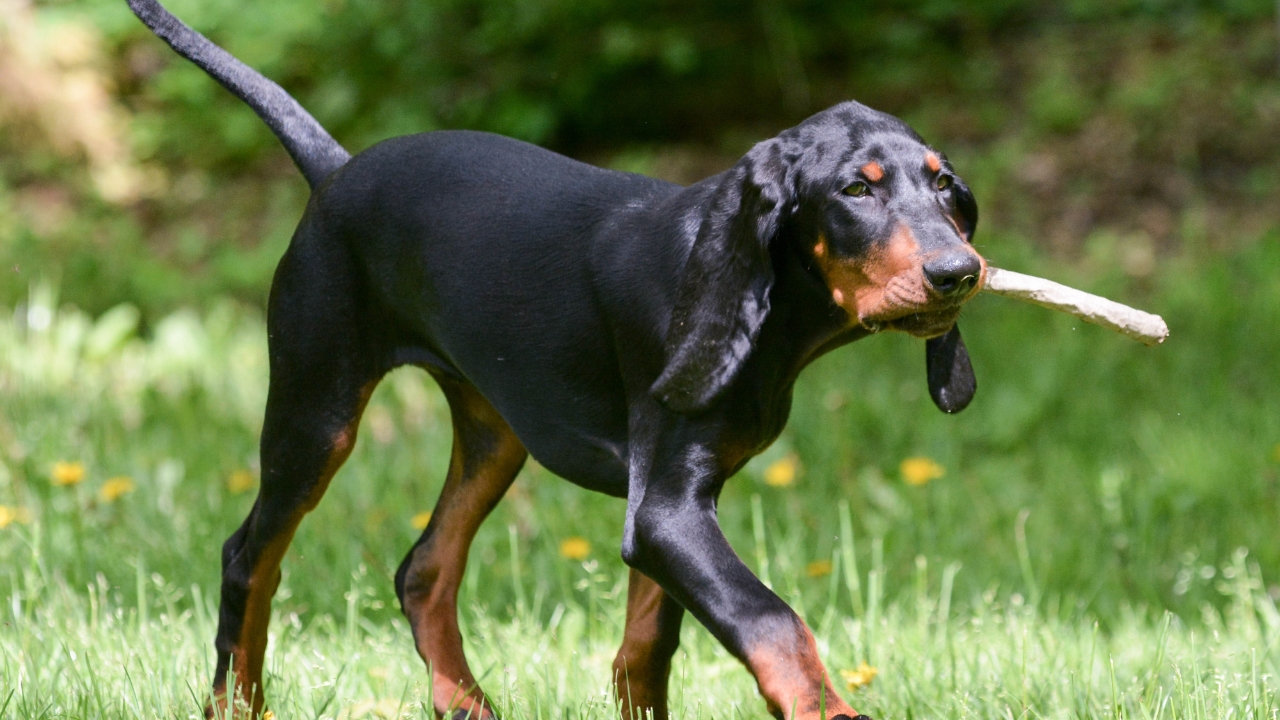
The Black and Tan Coonhound is slower and more deliberate than some faster treeing hounds, but that can be an advantage in rough woods. Its cold nose allows it to work older scent, and the breed has enough stamina to stay on difficult tracks for a long time.
Heavy bone, long ears, and a serious hound voice make it look exactly like the dog it is. This is a breed meant to work through timber rather than race across open ground. It can be independent and stubborn, but those traits matter when a dog is expected to solve scent problems on its own. For hunters who value persistence and nose over pure speed, the Black and Tan remains one of the most natural fits for deep woods.
Bluetick Coonhound
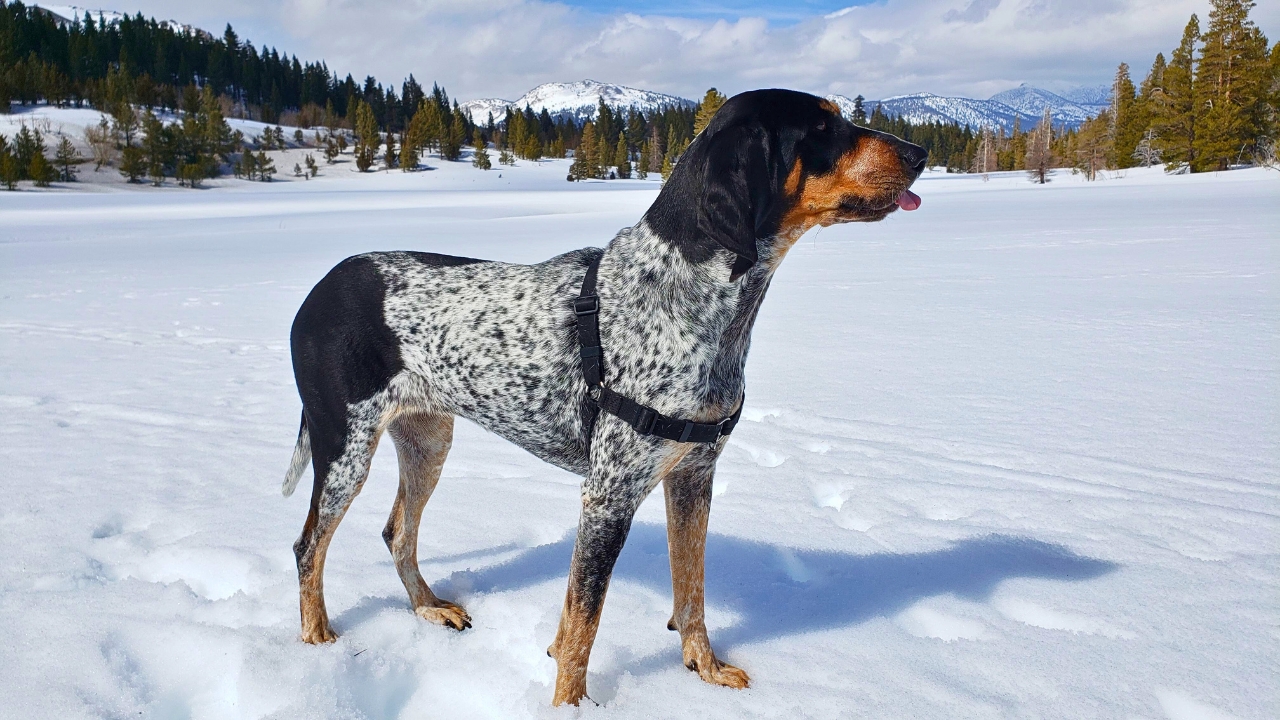
Blueticks have a reputation for being methodical, loud, and intensely focused once they strike a track. They were developed for hunting raccoon and other game through woods where a dog had to keep sorting scent long after the animal disappeared from view.
Their noses are especially good, and they tend to work tracks with more patience than some quicker hounds. That can make them excellent in thick timber where trails twist, cross creeks, and get broken by rough terrain. Blueticks are also physically tough enough to stay out for long hunts. They are not easy off-leash dogs for casual owners because the nose can take control quickly, but in the woods that same trait becomes their greatest asset.
Redbone Coonhound

The Redbone combines speed, endurance, and a strong nose in a lighter, athletic package. They are often excellent at moving through timber without getting bogged down by heavy cover, and they have enough determination to stay with a track for miles.
Their versatility is one reason hunters have used them on more than raccoons. Depending on the line and region, Redbones have been used on bear, cougar, and other game where scenting ability and courage matter. They tend to be affectionate around family, which makes them easier to live with than their hard-working field personality might suggest. Put one in thick woods with a fresh track, though, and the hunting side comes out immediately.
Plott Hound

Plotts were made for tougher work than most people associate with hounds. They became especially respected for hunting bear and hogs, jobs that require courage, stamina, and enough physical toughness to keep going through difficult country.
The breed is athletic and often more intense than softer scent hounds. Plotts can work rough ridges, heavy cover, and steep ground without losing much speed, and they tend to have a strong desire to stay with game. Their noses are good, but their grit is what really separates them. This is not a decorative hound. A serious Plott looks most natural with mud on its legs and miles of timber behind it.
Mountain Cur
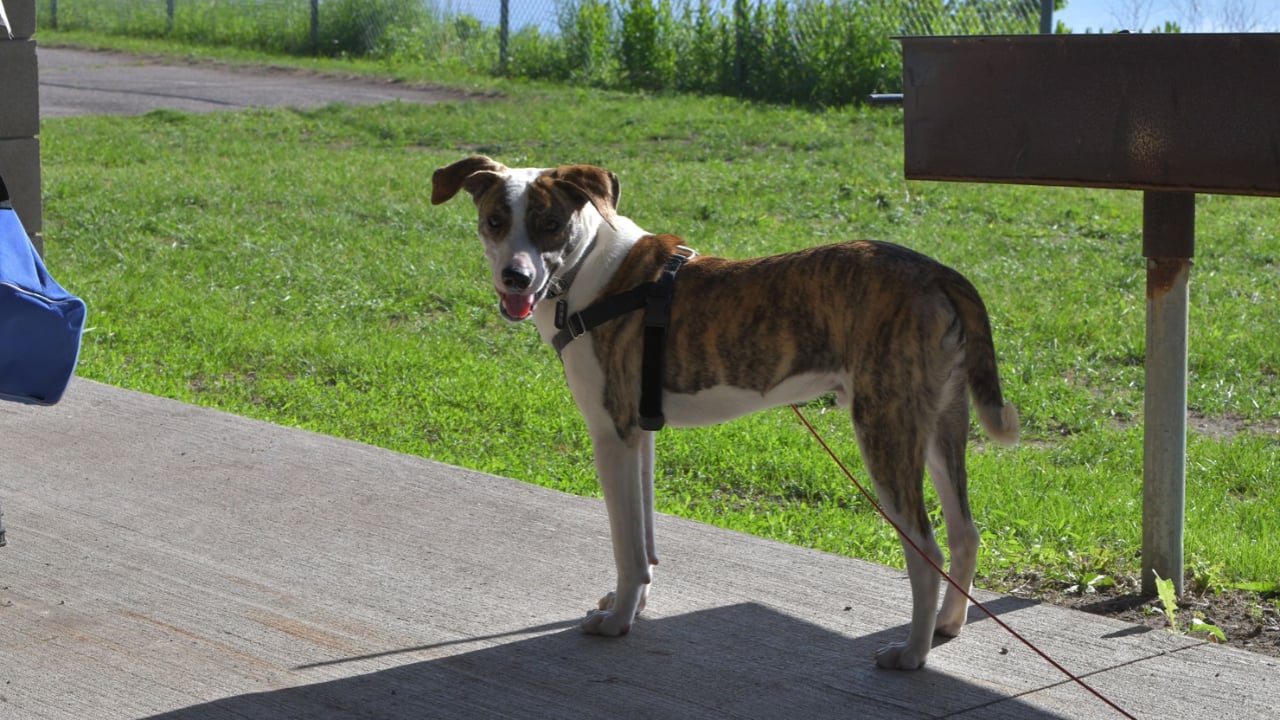
Mountain Curs were developed by families who needed one dog to do several jobs in rough country. They hunted squirrel and raccoon, helped with larger game, watched property, and stayed useful around homesteads where every animal had to earn its feed.
That background made them extremely comfortable in the woods. They are usually quicker and more agile than heavy hounds, and many have an excellent combination of nose, treeing instinct, and intelligence. A good Mountain Cur can range far enough to hunt effectively while still staying connected to the handler. They are also tough without being oversized, which helps when scrambling across creek banks, fallen timber, and steep ridges.
American Leopard Hound

The American Leopard Hound is less famous than the major coonhound breeds, but it has a strong reputation among hunters who know it. These dogs are used for treeing game and are valued for their ability to handle rough ground while staying responsive.
They tend to have good noses, strong treeing instinct, and enough athleticism to cover country efficiently. Many also have a reputation for being easier to handle than some more hardheaded hounds, which can matter when hunting large tracts where recall and cooperation save time. Their flashy coat gets attention, but the real appeal is practical. This is a woods dog built to find game, stay with it, and work without needing constant direction.
Black Mouth Cur

Black Mouth Curs fit the woods because they were developed around practical rural work rather than one narrow job. They have been used for hog hunting, squirrel hunting, cattle work, property protection, and general farm life throughout the South.
That versatility comes from a strong combination of nose, athleticism, and grit. A Cur can move through thick cover quickly, handle heat better than many heavy-coated dogs, and stay engaged for long stretches. They are usually more handler-oriented than many hounds, which can make them easier to keep close when needed. For someone who wants a dog that can hunt woods and still function as a useful farm companion, the Black Mouth Cur is hard to overlook.
Catahoula Leopard Dog
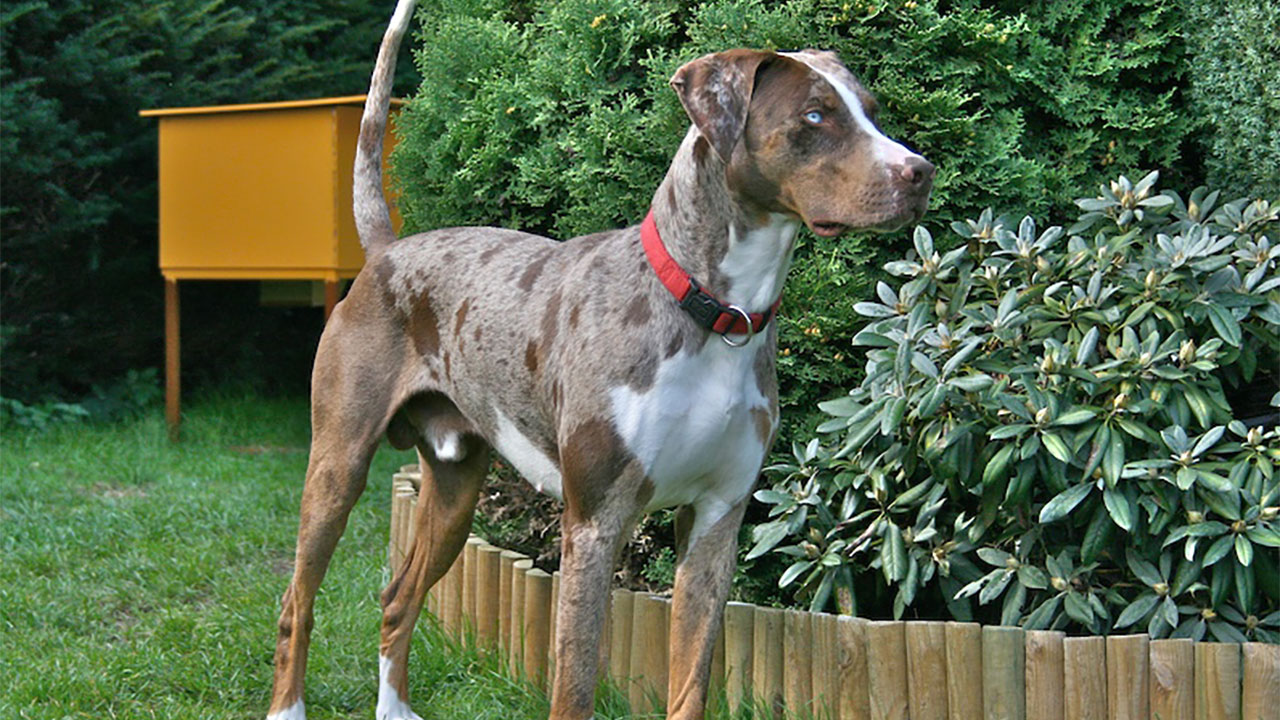
Catahoulas were built for rough jobs where hesitation was not useful. They have been used to work cattle, hunt hogs, and handle difficult terrain where a dog needs confidence and enough independence to make decisions quickly.
In the woods, their athleticism stands out. They can move through mud, brush, and creek bottoms without carrying the heavy build of some guardian-type dogs. Their hunting style is different from a traditional trailing hound, but they are capable of locating and working game in thick country. They can also be protective and strong-willed, so they need experienced handling. Give one a real job in the timber, and its purpose becomes much easier to understand.
Treeing Tennessee Brindle
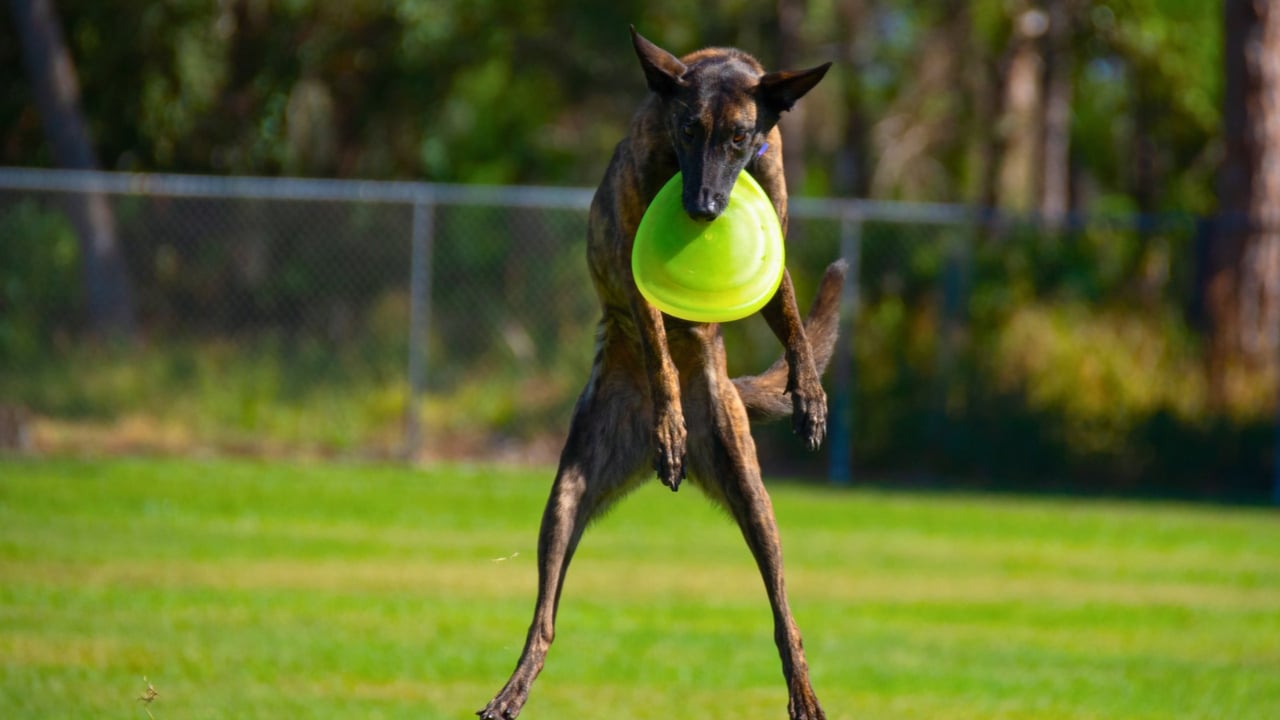
The Treeing Tennessee Brindle is a smaller, agile tree dog that was developed around the ability to locate and tree game efficiently. They are known for being quick in the woods and for having enough voice to keep hunters informed once game is located.
Their size helps them move through dense cover and rough ground without carrying unnecessary weight. They are often used on squirrel and raccoon, where quick movement and a strong treeing instinct matter more than sheer size. Compared with larger hounds, they can be easier to transport and manage while still offering plenty of hunting drive. They are a good reminder that a woods dog does not have to be huge to be extremely effective.
Feist

Feists are one of the classic small woods dogs of the American South. They were developed for squirrel hunting, pest control, and general farm use, and their compact size makes them extremely efficient in dense timber.
They tend to hunt with more visual awareness than many scent hounds, using movement and quick reactions to locate squirrels before treeing them. That creates a fast, lively hunting style that works especially well in hardwood woods. Feists also eat less, take up little room, and usually stay easier to handle than a big hound. For a hunter who mainly wants a squirrel dog and companion, they offer a lot of practical ability without much bulk.
Norwegian Elkhound

Norwegian Elkhounds were developed to hunt large game in harsh northern forests, especially moose. Their thick coats, endurance, and willingness to work independently make them exceptionally well suited to cold woods and rough ground.
They were often expected to locate game and hold it at bay while communicating with the hunter through barking. That requires courage and judgment, not just nose. Their compact, powerful build also helps them work through snow and uneven country without tiring quickly. Elkhounds are vocal and can be stubborn, but those traits are closely tied to what made them useful. In a cold forest, the breed’s design makes far more sense than it ever could in a quiet suburban yard.
Finnish Spitz
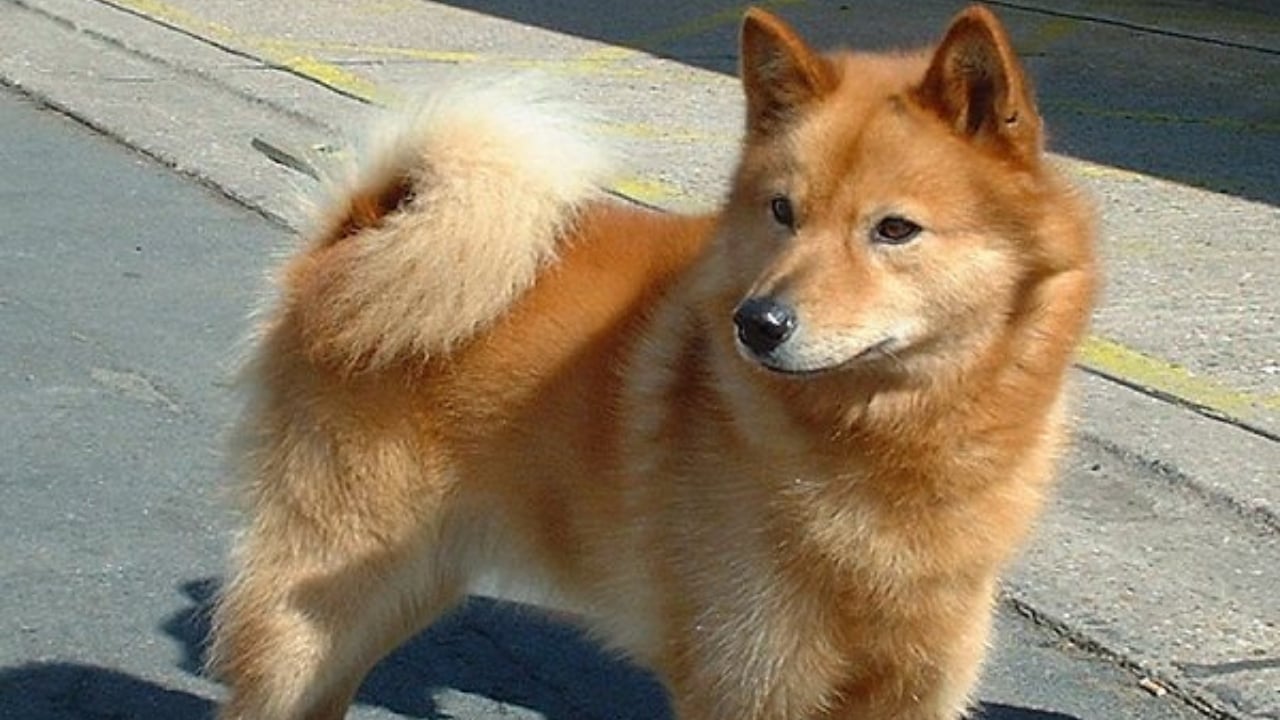
The Finnish Spitz is another northern forest dog built around hunting rather than brute strength. Traditionally used for birds and small game, the breed works by locating game in trees and barking to hold attention while guiding the hunter toward the spot.
That hunting style requires sharp senses, patience, and a willingness to work independently without disappearing completely. Their light build lets them move efficiently through forest terrain, while the dense coat protects them in cold weather. They are lively and extremely vocal, which can be challenging at home but useful in the woods. A Finnish Spitz doing what it was bred to do looks less like a pet and more like a highly specialized hunting partner.
German Jagdterrier
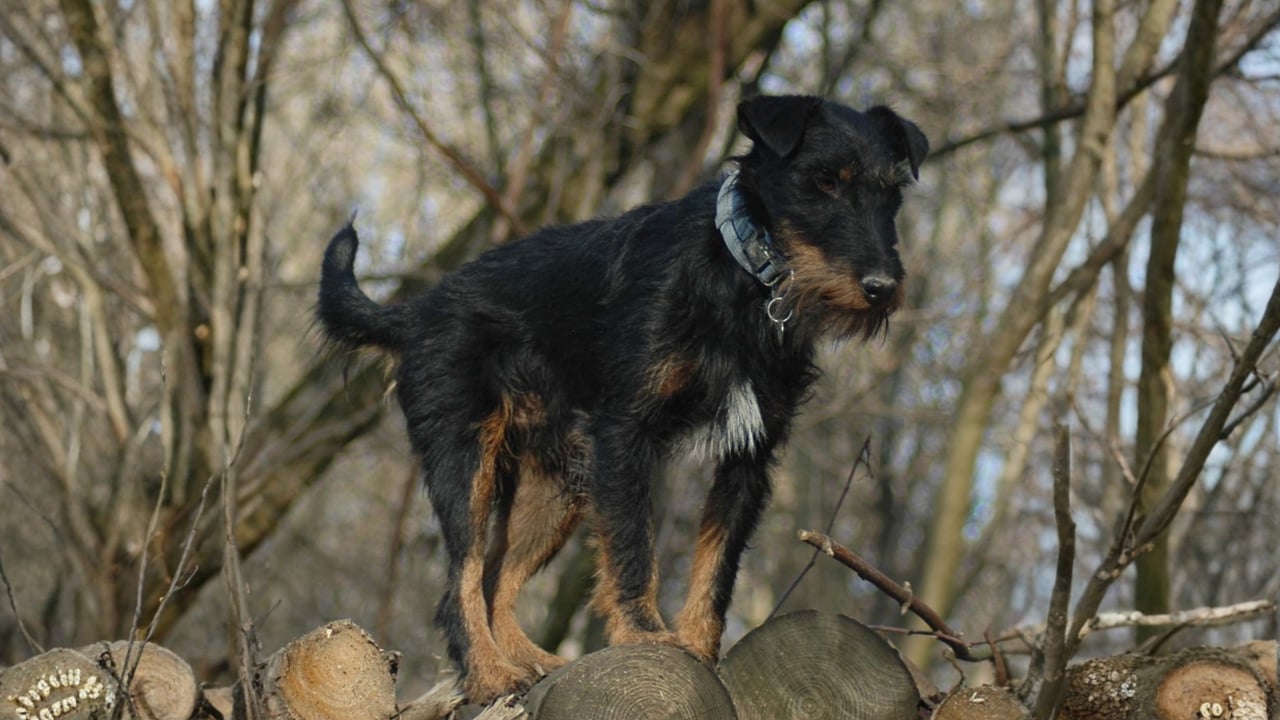
The Jagdterrier is small enough to slip through dense cover easily but tough enough to work game much larger than itself. German hunters developed the breed around serious field performance, including tracking, flushing, and pursuing quarry into tight places.
They are famous for intensity. A Jagdterrier that catches scent or sees game can become completely focused, and that makes training important. Their compact size, athletic build, and willingness to push into heavy brush make them outstanding woods dogs for experienced hunters. They are not casual pets disguised as working terriers. Their drive is the point. If you want a dog that charges into cover instead of hesitating at it, the Jagdterrier fits the job.
German Wirehaired Pointer
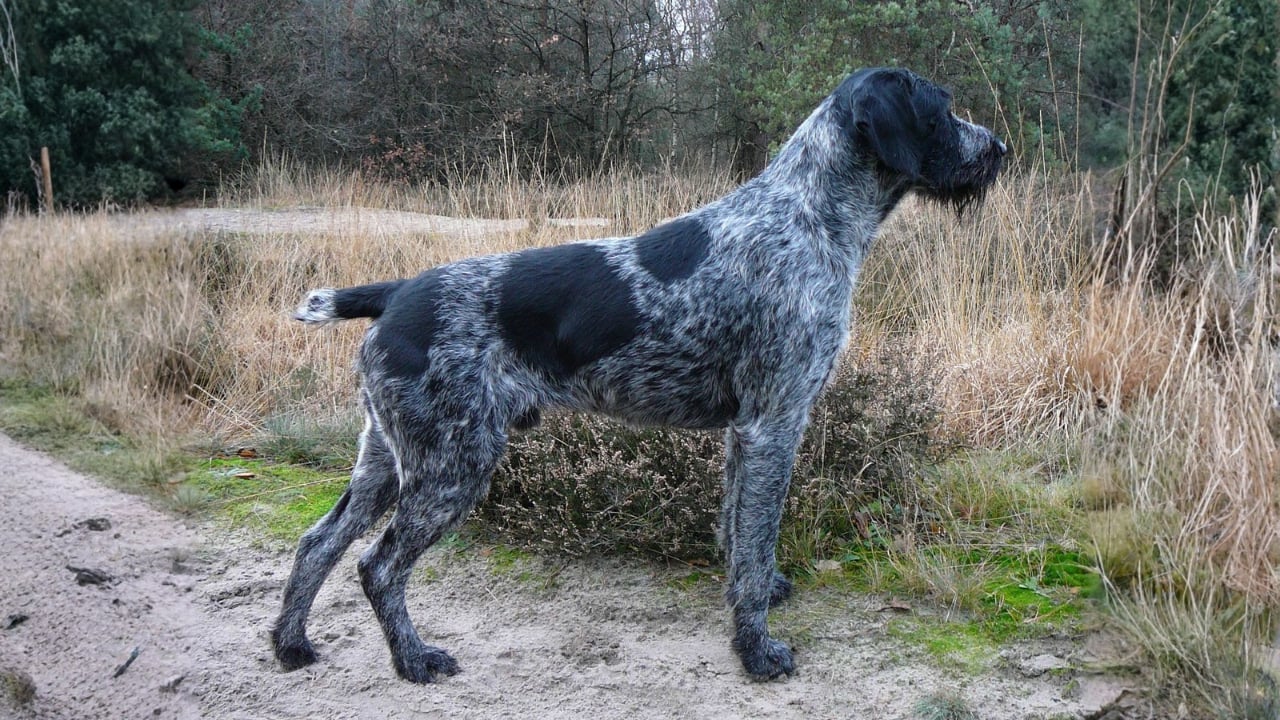
German Wirehaired Pointers were developed to handle multiple hunting roles across difficult terrain, and woods hunting is exactly where that versatility shows. They can point birds, retrieve, track wounded game, and work both land and water without needing a different specialist for every job.
The wiry coat gives them protection in thorns, briars, and wet weather, while their strong build helps them stay effective over long days. They are also more rugged than their polished sporting-dog appearance might suggest. A good Wirehair will push through cover that lighter-coated dogs may avoid. For hunters who move between timber, marsh edges, and fields, few breeds offer a more complete package.
Deutsch-Drahthaar
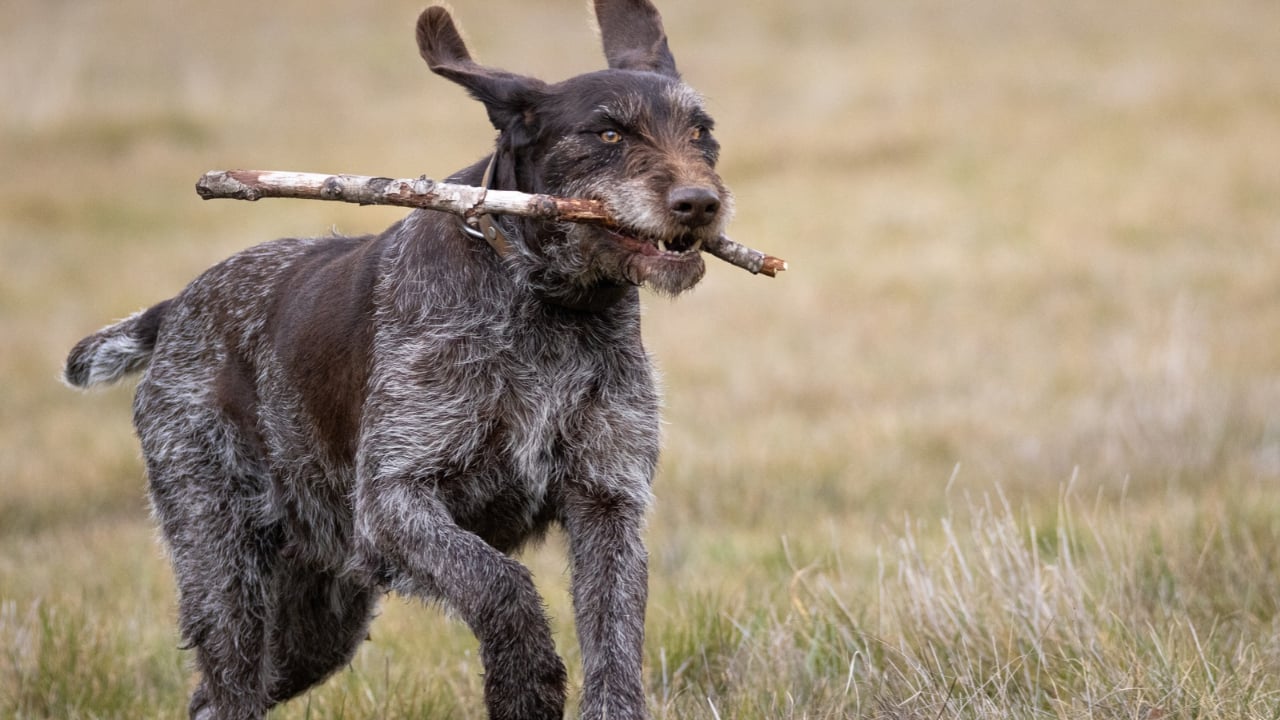
The Deutsch-Drahthaar comes from a tightly controlled German working system where performance matters heavily in breeding decisions. That shows in the field. These dogs are expected to point, retrieve, track, work water, and handle furred game with real determination.
Their coat is built for ugly conditions, and their physical toughness makes them especially useful in rough woods. They tend to have more edge and drive than many softer sporting dogs, which means they need knowledgeable owners. The reward is a dog capable of handling multiple hunting jobs instead of specializing in one narrow task. In thick country where a dog may need to switch from tracking to retrieving to working brush, that versatility earns its keep quickly.
Boykin Spaniel
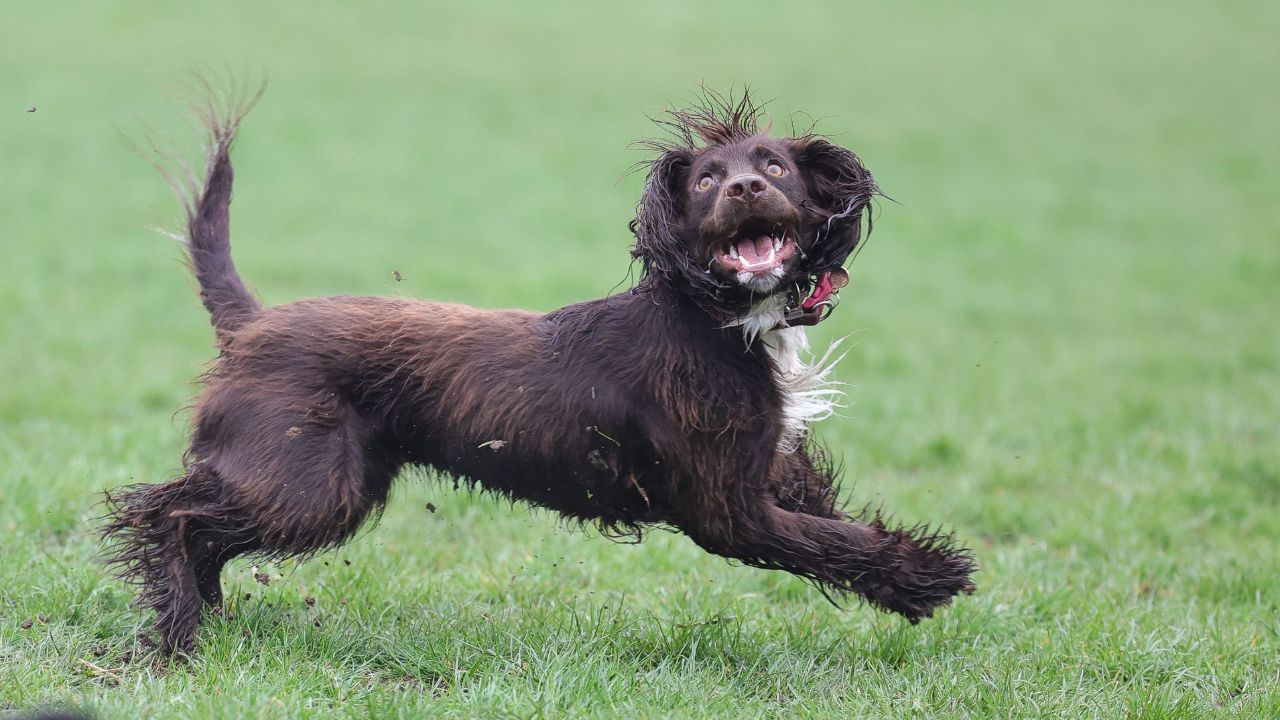
Boykins were developed in the South for hunting from small boats and working tight, swampy country. Their compact size was a major advantage because a smaller dog could fit in a boat without sacrificing much retrieving or flushing ability.
That same size works beautifully in the woods. Boykins can push through thick cover, flush birds, retrieve in water, and stay easier to handle than a large retriever. Their coats give them enough protection for wet conditions, and they tend to have a good balance of drive and cooperation. For hunters working creek bottoms, flooded timber, or dense Southern woods, the Boykin is one of the most naturally suited sporting breeds available.
English Cocker Spaniel
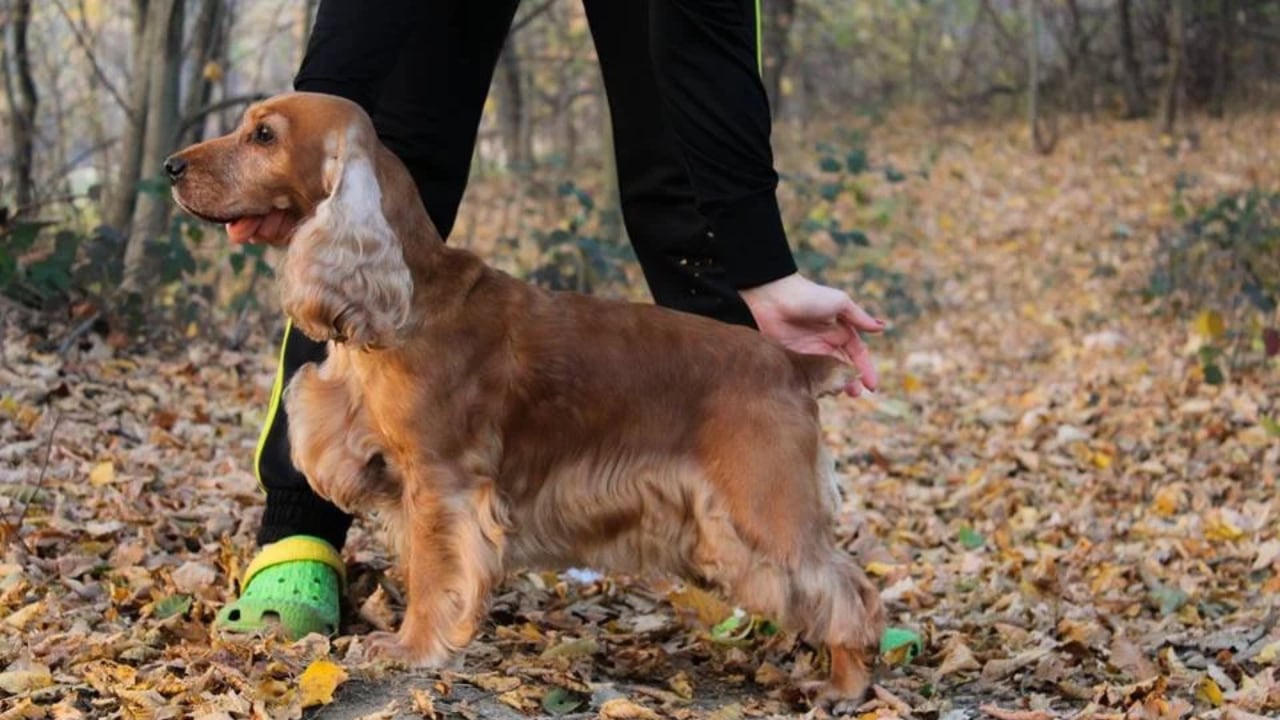
Working English Cockers are compact, energetic flushing dogs that can get into cover larger dogs struggle to penetrate. Their smaller bodies allow them to work under brush and through tangles while staying close enough for shotgun hunters to follow.
They are especially good in thick woods where birds hold tight and a dog has to physically push into cover to get them moving. Despite their size, working Cockers have enormous drive and can hunt all day when properly conditioned. They are also highly responsive, which helps in close quarters where range needs to stay controlled. A good working Cocker can make dense cover look easy and turns rough timber into exactly the kind of environment it was bred to handle.
English Springer Spaniel
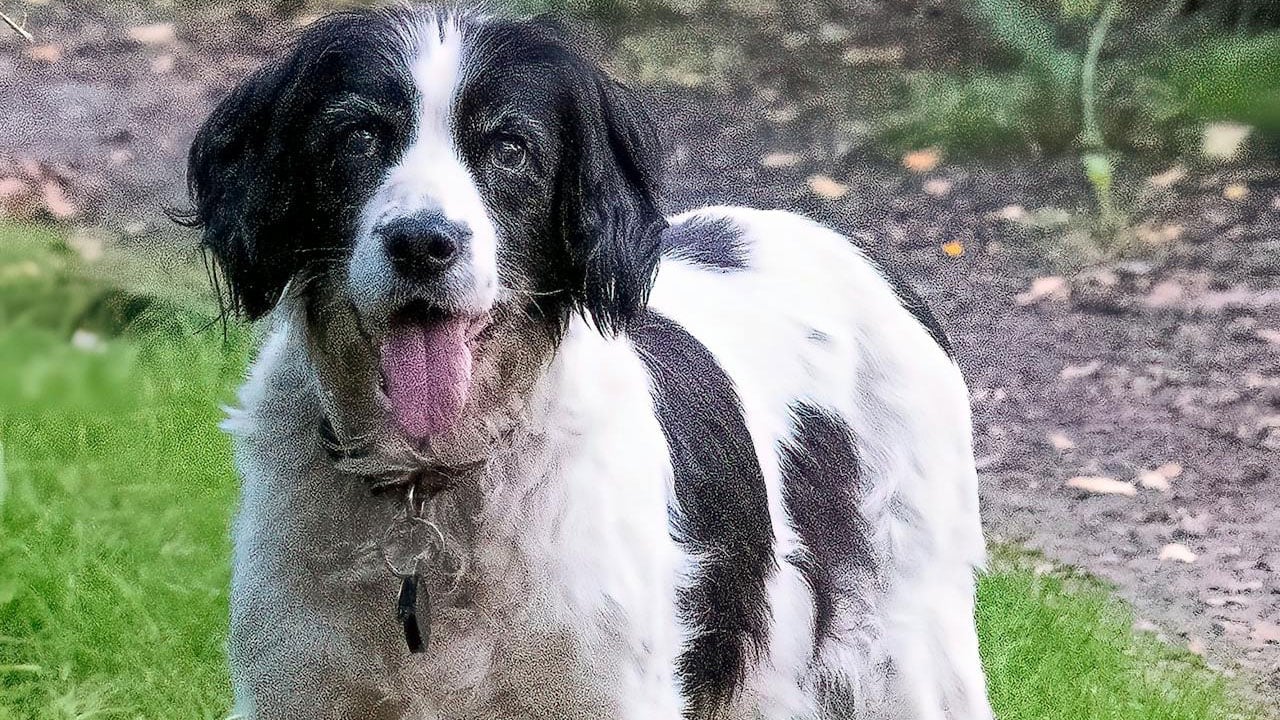
Springers have been one of the classic flushing dogs for generations because they combine power, nose, and cooperation in a size that works well in heavy cover. They are especially effective in woods edges, brushy creek bottoms, and upland habitat where birds are more likely to run or hold tight.
A good Springer hunts with enough range to cover ground efficiently without disappearing into the next county. Their size gives them more strength than smaller spaniels while still keeping them agile in timber. They also retrieve naturally and handle water well enough for mixed hunts. For hunters who need one dog to flush birds through difficult cover and bring them back afterward, the Springer remains one of the most practical choices around.
Hanoverian Scenthound
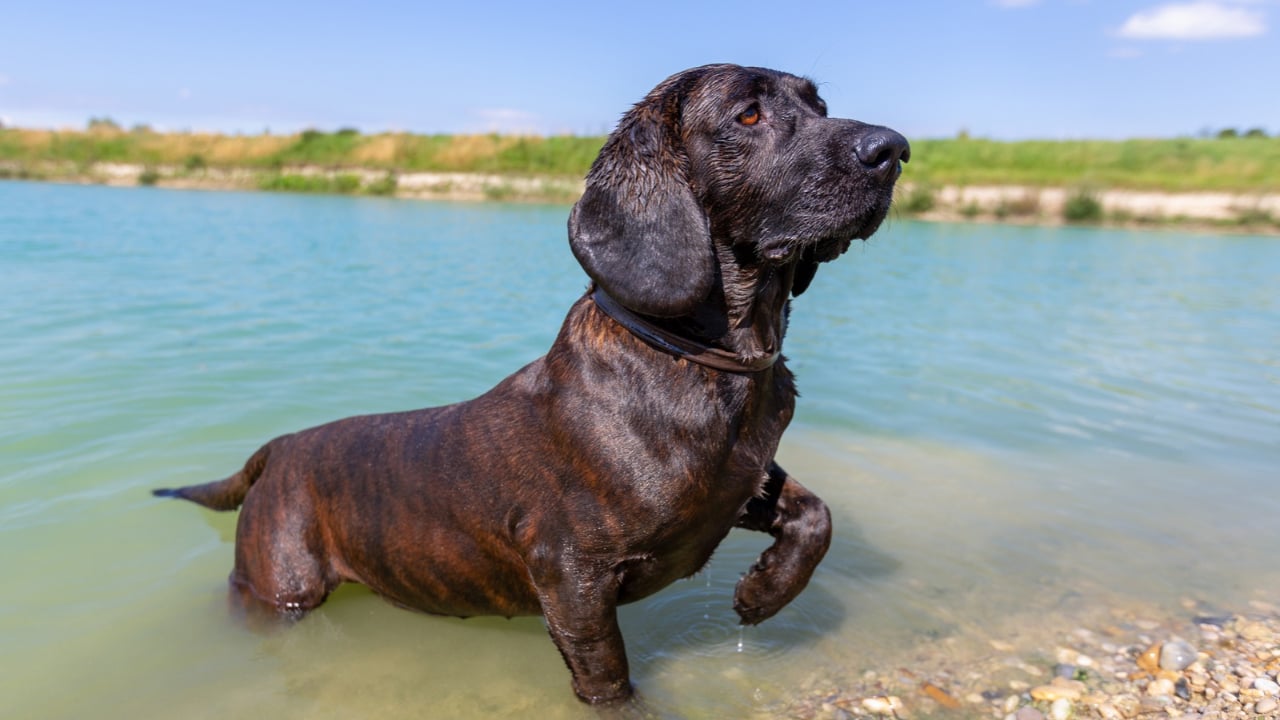
The Hanoverian Scenthound was developed around tracking wounded large game, and few jobs demand more patience or nose. These dogs are built to follow blood and ground scent through forests where visual tracking becomes almost impossible.
They tend to work deliberately rather than racing ahead, which makes them excellent for controlled tracking after a difficult shot. Their build is powerful enough for rough country, and their focus allows them to stay on a trail even when other animal scent crosses it. They are not common family hunting dogs in the United States, but the job they perform is extremely specialized and valuable. In dense woods where wounded game can disappear within seconds, a well-trained Hanoverian can turn an uncertain recovery into a successful one.
Like The Avid Outdoorsman’s content? Subscribe to our newsletter so you never miss an article.
Here’s more from us: