
Photo credit: LifeSizePotato/Youtube
Most modern pistols will run for years if you feed them decent ammo, keep a little lube where it belongs, and don’t treat them like a shovel. That’s why reliability arguments get weird online. The gun is “100%” until one specific condition shows up: cold fingers, cheap magazines, weak grip, pocket lint, a weapon light clamped on too tight, or the kind of neglect that happens during a long hunting season.
Here are 20 handguns I’d generally trust, but I’ve also seen each one get exposed by one particular situation. It’s not about trashing good pistols. It’s about knowing the one thing that can make a dependable tool suddenly act brand new and unfamiliar.
1. Glock 19 (Gen3/Gen4/Gen5) — limp-wristing with soft range ammo

I’ve watched a Glock 19 chew through thousands of rounds like it was bored, then turn around and start short-stroking when a new shooter got tired and loosened up their grip. Pair that with low-powered 115-grain practice ammo, and you can get stovepipes that make a guy swear something “broke.” Most of the time nothing is broken. The gun is just relying on a certain amount of resistance to cycle the slide the same way every time.
For a hunter or landowner who only shoots a couple boxes a year, this matters because the “one condition” might be you shooting awkward from a truck seat, one-handed with a flashlight, or with cold hands. The fix is boring: a firm grip, decent ammo, and actually practicing in the positions you might need. Glocks are tough, but they won’t correct your technique for you.
2. SIG Sauer P365 — going too long without cleaning in a lint-heavy carry life

The P365 earned its reputation because it packs real capacity into a small gun that carries easy. But small guns live hard lives. Pocket carry, dusty dash compartments, and the inside of a sweaty waistband will pack lint and grit into places you don’t see. If you treat it like a big duty pistol that can go forever between cleanings, you’re setting yourself up.
When the P365 gets gunked up, the slide velocity and small springs don’t have as much margin. That’s when you start seeing sluggish return to battery or the occasional hiccup with hollow points. I’m not saying it’s fragile. I’m saying it’s compact, and compact guns punish laziness faster. If it rides on you every day, put it on a schedule: wipe, inspect, light lube, and swap carry ammo once in a while.
3. Smith & Wesson M&P 2.0 9mm — aftermarket trigger parts that change timing

An M&P 2.0 is one of the better “do-it-all” pistols going. Good texture, solid mags, and they shoot flatter than a lot of folks expect. The reliability issues I see usually aren’t the gun. They’re the gun after it’s been “improved” with a pile of aftermarket parts the owner hasn’t vetted with real round counts.
The condition that exposes it is the kitchen-table trigger job that changes the feel but also changes the timing. Lightened springs and altered sears can mean inconsistent ignition, especially with harder primers. Then you get the classic line: “It was flawless before.” Yep. My advice is simple: if it’s a carry pistol or a woods pistol, keep modifications minimal and prove it with your actual ammo, not just one range trip with cheap ball.
4. Springfield Armory Hellcat — riding the slide during a stressed reload
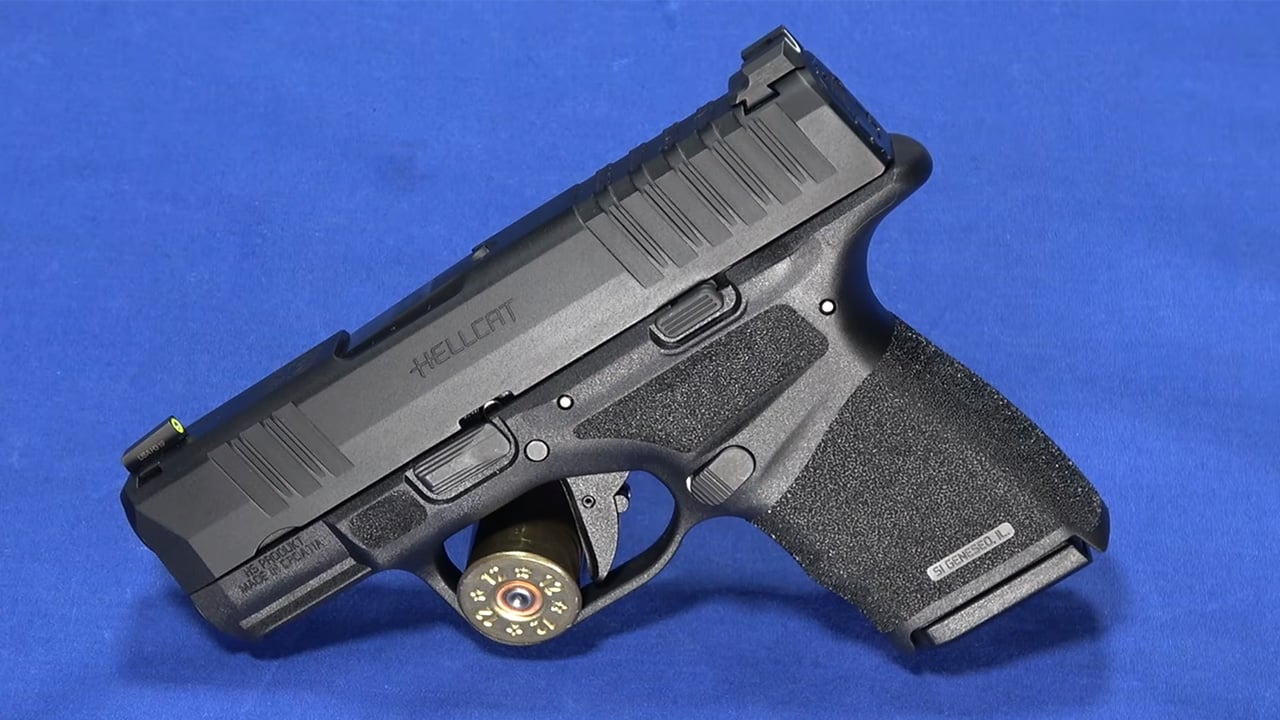
The Hellcat is snappy but it runs, and it carries like it isn’t there. Where I’ve seen it get exposed is during fast manipulation. Under stress, some shooters “ride” the slide forward, especially on little guns, because they’re trying to be careful or they’re fumbling with cold fingers. That can keep the slide from going fully into battery.
On a square range, you notice it and tap the back of the slide. In the real world, it’s a bad time to discover you short-chambered a round. The fix isn’t complicated: slingshot the slide like you mean it, or use the slide stop with authority if that’s your method. Micro-compacts don’t have the same forgiving mass as full-size guns, and they’re less tolerant of half-speed handling.
5. Ruger LCP II — ammo sensitivity when you demand expansion from a tiny .380

The LCP II is a get-out-the-door pistol. It’s what ends up in a pocket when everything else feels like too much. With ball ammo, many of them run fine. The condition that exposes them is when folks try to force the gun to be something it isn’t: a tiny .380 that must feed wide-mouth hollow points flawlessly forever.
Some loads do great, some don’t, and the same pistol might love one brand and hate another. That’s not Ruger “being bad,” it’s physics and geometry in a small package with short feed ramps and little springs doing big work. If you carry an LCP II, test your exact defensive load and don’t assume your buddy’s favorite will run in yours. Also, keep fresh recoil springs. Small guns wear springs faster than people admit.
6. Ruger Security-9 — neglecting lubrication through a dusty season
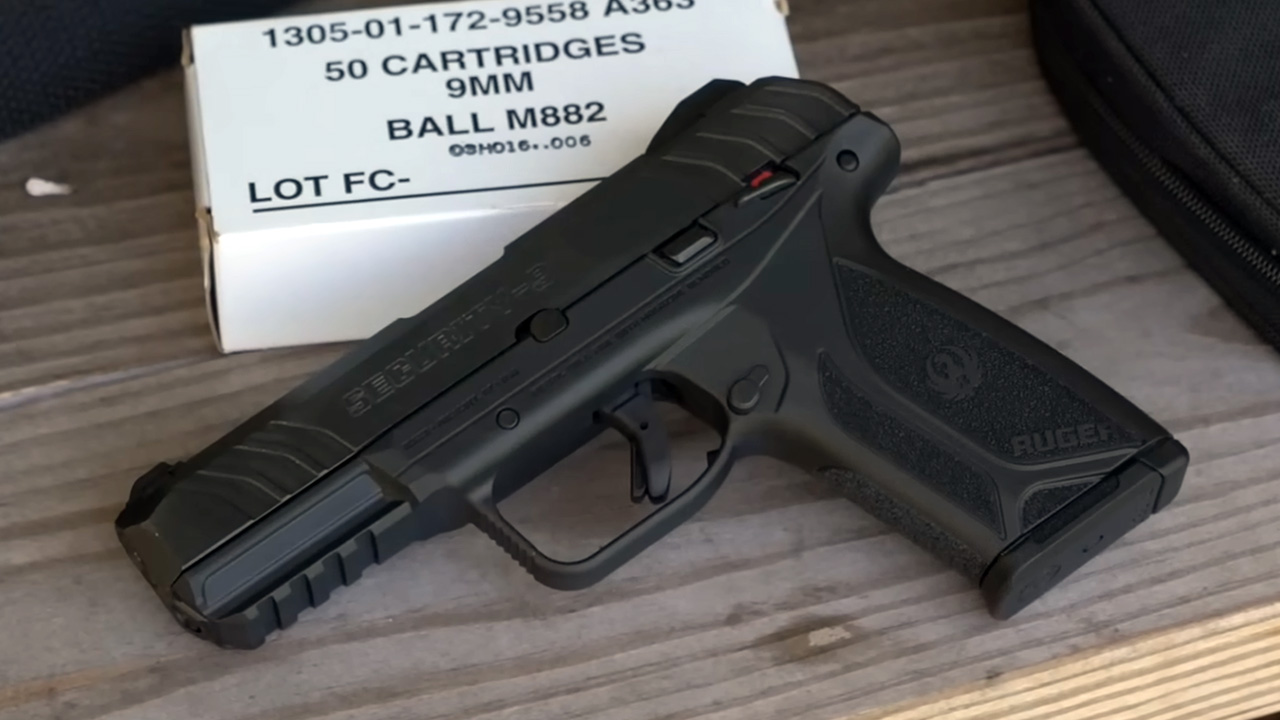
The Security-9 is one of those pistols that doesn’t get much bragging rights, but it’s usually a worker. It’s also a gun that ends up as a glovebox companion, a camp gun, or the “loaner” for a new shooter. That’s where the one condition shows up: dust, grit, and running it nearly dry.
Polymer guns get treated like they don’t need oil. They do. When the Security-9 starts feeling “sandy,” you’ll see sluggish cycling and occasional feed weirdness, especially with cheaper ammo. It’s not picky when it’s reasonably maintained. If you’re going to stash it in a truck or UTV, put it in a proper case, wipe it down, and hit the rails with a light lube now and then. Dust is a mechanical problem, not a personality flaw.
7. CZ 75B — weak magazine springs after years of being “the nightstand gun”

CZ 75Bs are smooth, accurate, and heavy in a comforting way. They also have a habit of becoming a “forever gun” that sits loaded for a decade. The pistol will still feel great. The condition that exposes the system is tired magazine springs that finally stop presenting rounds at the right angle and speed.
Then you get last-round nose dives, sluggish feeding, or failures that look like the gun is suddenly unreliable. Many times, it’s the magazine, not the pistol. Replacement mags aren’t hard to find, but you need to actually rotate them and replace springs like you would on any working tool. If you’re relying on a CZ 75B for home defense, it deserves fresh mags and a quick function check once in a while, not just admiration.
8. Beretta 92FS — slide-mounted safety getting bumped on during hard handling
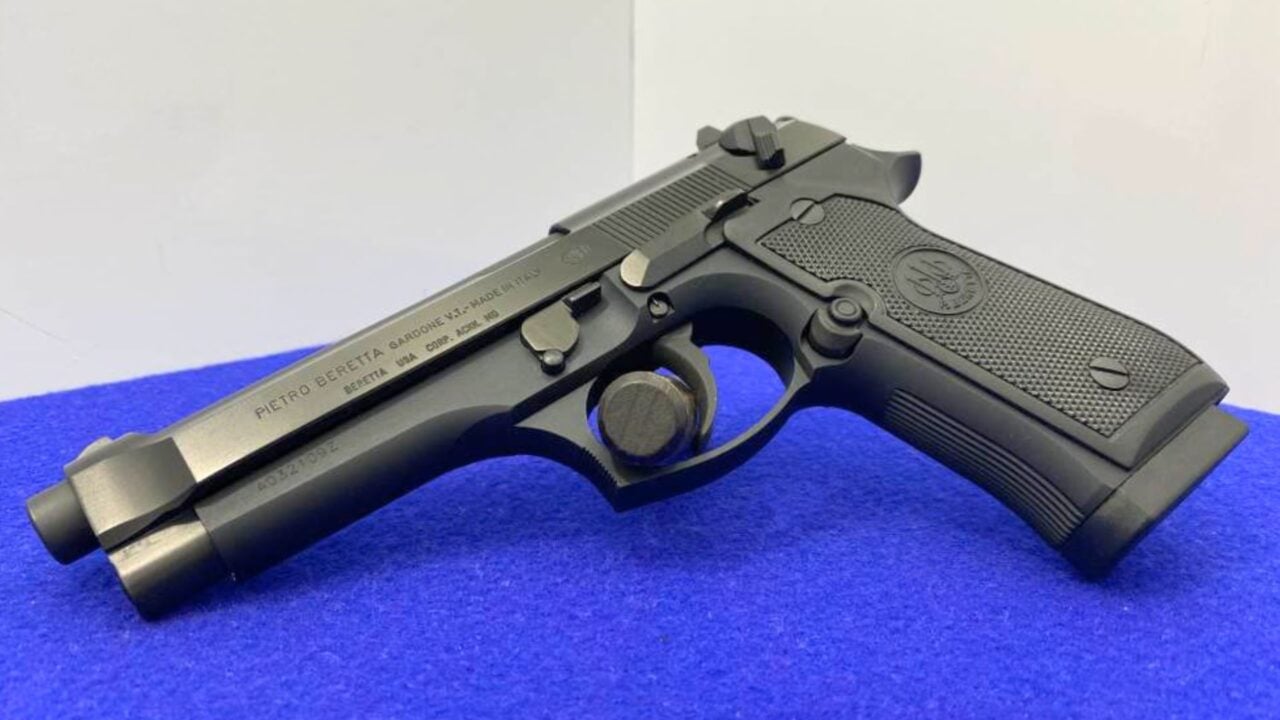
The 92FS is a classic. It runs dirty, it shoots soft, and it’s easy to hit what you’re aiming at. The condition that exposes it isn’t a failure to feed. It’s the control layout when the safety/decocker lives on the slide. Under stress or during an aggressive rack, it’s possible to swipe the lever down and put the gun on safe without realizing it.
On a calm range, no big deal. In a defensive moment, it’s a heart-sink. This is especially common when someone trains on frame-safety guns or striker guns and then picks up a 92FS as their “bedside reliable.” If you run a Beretta with a slide safety, you need a handling routine that avoids that lever, and you need to practice it until it’s subconscious. The pistol is solid. The human interface is where it gets tricky.
9. Walther PDP — out-running your support gear with cheap holsters
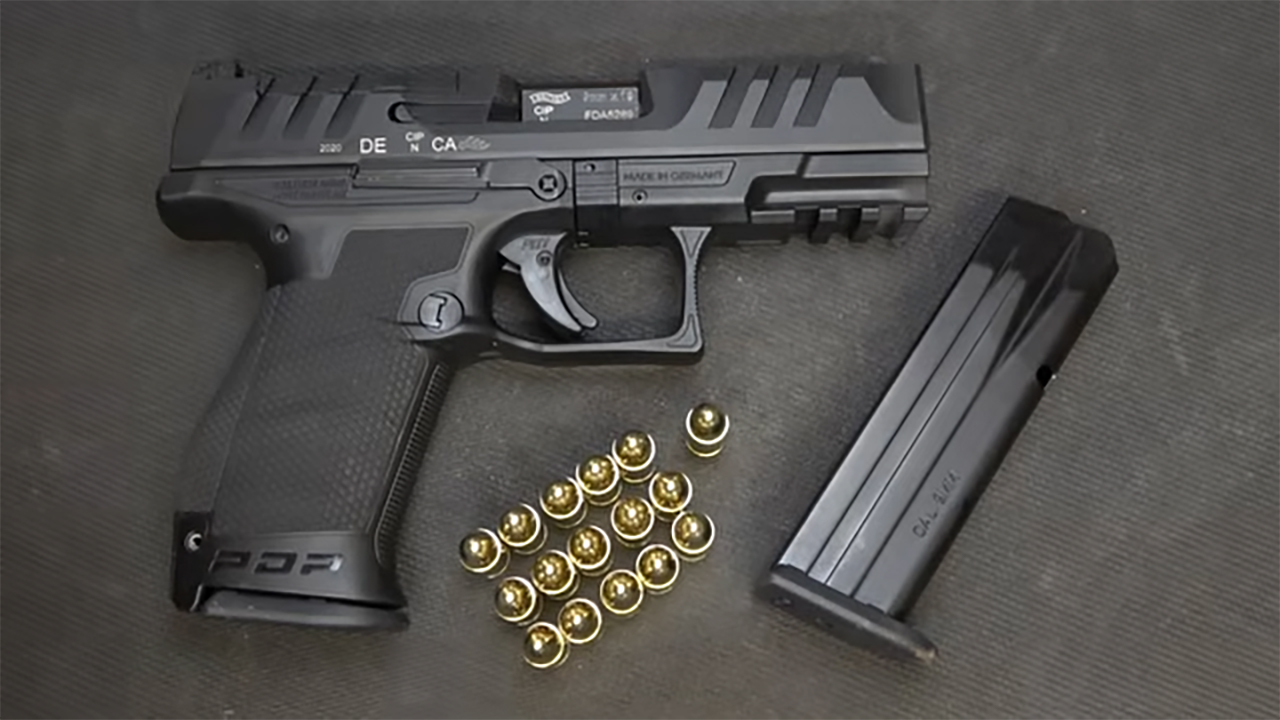
The PDP is a shooter. Great trigger, great grip, and it tends to be reliable with a wide range of ammo. The condition that exposes problems is when folks slap it into a bargain-bin holster that doesn’t cover the trigger properly or collapses on reholster. That’s not a “malfunction,” but it’s a reliability issue in the broader sense: your setup fails when you need it to be predictable and safe.
I’ve also seen cheap holsters drag on the slide or snag the optic (if you’re running one), causing out-of-battery issues when reholstering carelessly. A good pistol deserves good leather or good kydex. If you’re going to carry a PDP on the farm, around gates, and in and out of trucks, you need retention that actually holds and a mouth that doesn’t fold. The gun is fine. The carry system is what bites people.
10. Heckler & Koch VP9 — neglecting dry-fire maintenance on striker channel cleanliness

The VP9 has a reputation for being boring reliable, and that’s earned. The exposure condition I’ve run into is a striker channel that gets contaminated with oil, dust, and residue over time, especially on guns that get sprayed down with solvent and then drenched in lube. Add a lot of dry-fire with debris floating around, and you can start flirting with light strikes.
HK isn’t unique here, but VP9 owners sometimes treat them like they’re immune to maintenance because the gun feels so well-made. Keep the striker channel clean and relatively dry, don’t over-lube it, and don’t blast cleaners in places you can’t properly dry out. If you’re getting light strikes with known-good ammo, check the basics before you start swapping parts. Most “VP9 problems” I’ve seen were maintenance habits, not design.
Free for gun owners: If something happened to you tomorrow, would your family know where the guns are, who has the safe combination, or what to do first? Our free Gun Owner’s Family Checklist walks them through it. It takes about 15 minutes to fill out. Get your free copy here.
11. Glock 43X — aftermarket magazines turning a sure thing into a question mark

A Glock 43X is a simple carry pistol that usually just works. The condition that exposes it is when you step away from factory magazines chasing higher capacity. I get it. More rounds is attractive. But the moment you change the magazine geometry, springs, and feed lips, you’re no longer living in Glock’s safe little world.
I’ve seen extended mags run fine for a while, then start giving random failures to feed when they get dirty or when the springs take a set. It’s the worst kind of issue because it shows up “sometimes,” which makes troubleshooting miserable. If you’re carrying a 43X for serious use, factory mags are boring for a reason. If you insist on aftermarket mags, prove them with a real round count and mark them so you can isolate the problem child.
12. SIG Sauer P320 — tolerance stacking when you mix grip modules, slides, and mags
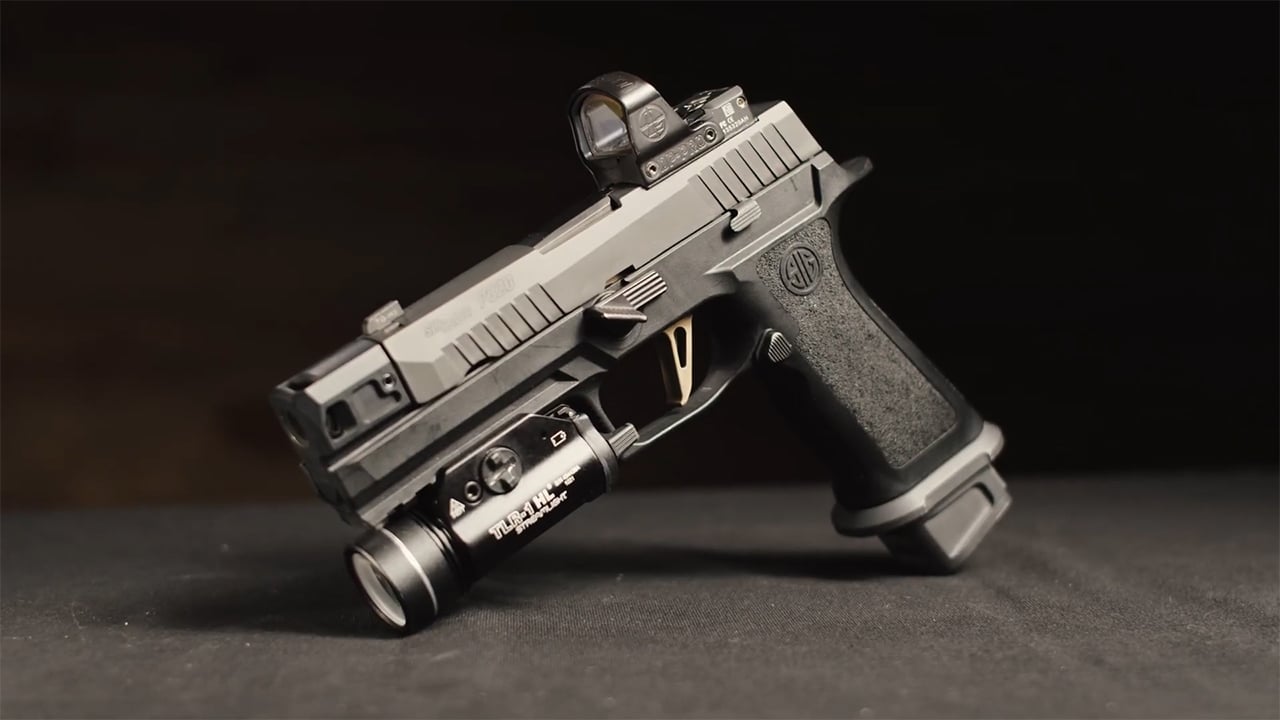
The P320 is a Lego set for adults. Swapping grip modules and slides is part of the appeal. The condition that exposes reliability hiccups is when you start mixing components and magazines across generations and configurations without verifying function. Most of it works. Sometimes you get tolerance stacking that shows up as failures to lock back, weird ejection, or feeding issues with specific mags.
This isn’t a knock on modularity; it’s the cost of it. A dedicated “this is my carry setup” P320 that stays together tends to be solid. The trouble starts when the gun turns into a parts-bin project and then gets trusted like a factory-matched pistol. If you build a P320 configuration, treat it like a new gun: test it with your carry ammo, your carry mags, and in the cold. Modularity is great, but it’s not a substitute for verification.
13. FN 509 — over-tightened weapon lights affecting frame flex
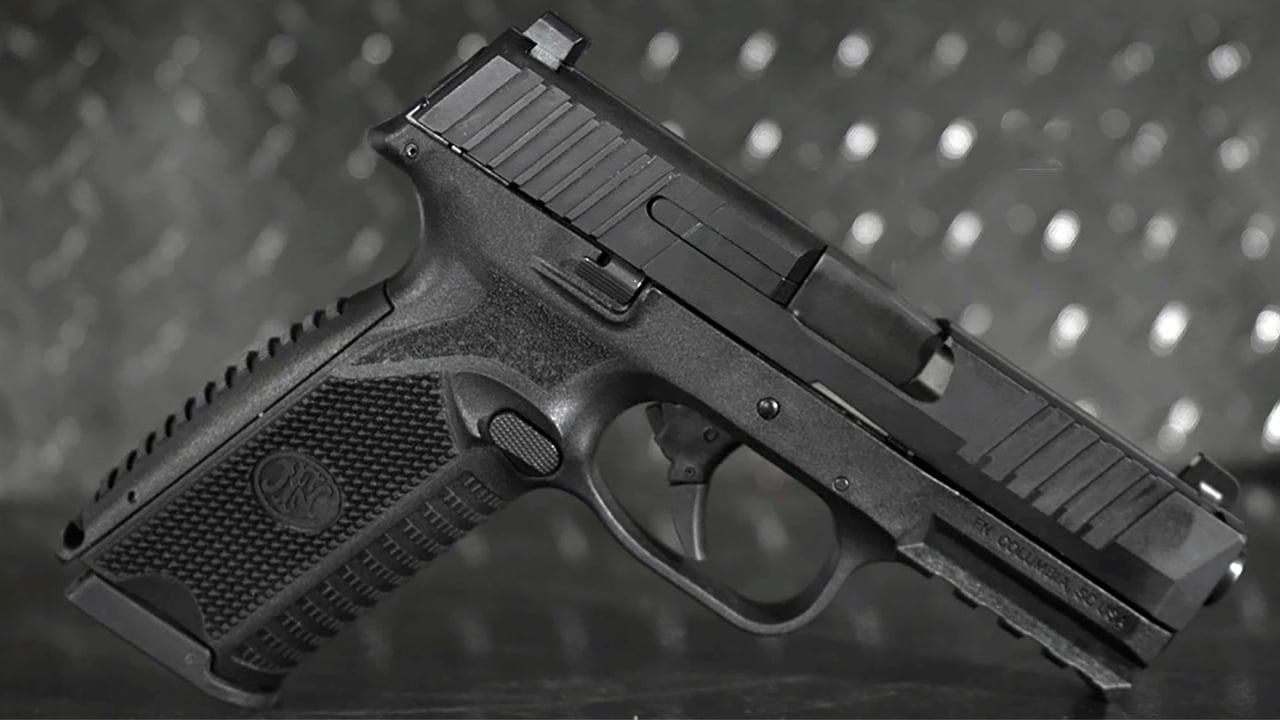
The FN 509 is built like it wants to be used hard. Where I’ve seen problems creep in is with rail-mounted lights. Some pistols don’t care much. Others can get finicky if the light clamp is cranked down like you’re tightening lug nuts. The condition shows up as cycling issues that only happen with the light installed.
It’s frustrating because you’ll shoot it bare and it runs perfect, then you mount the light and suddenly you’ve got failures that don’t make sense. The fix is usually simple: mount the light correctly, don’t over-torque it, and verify function with the exact setup you’re going to carry. If a pistol is destined for nightstand duty with a light, it needs to be tested that way. “Runs great without accessories” doesn’t help you at 2 a.m.
14. Kimber Custom II (1911) — running it dry and expecting polymer-gun tolerance
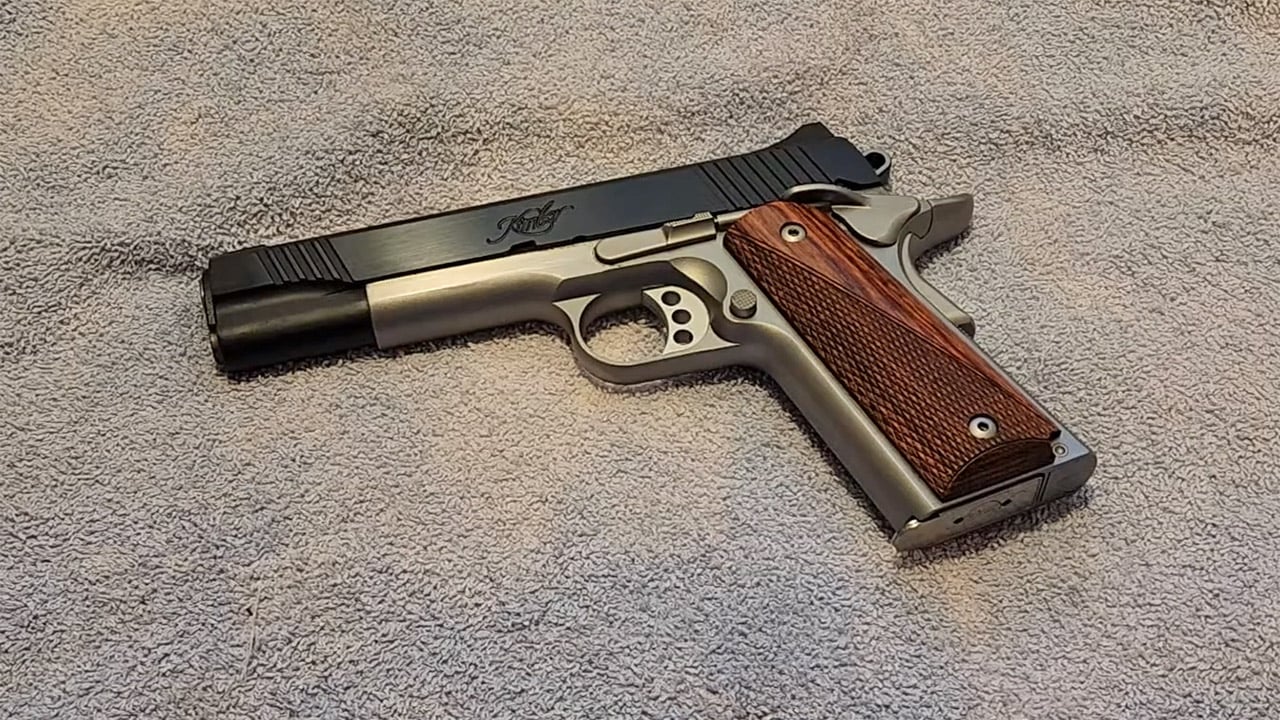
A decent 1911 can be a sweetheart, and plenty of Kimber Custom IIs run well when they’re set up right. The condition that exposes them is when someone treats a tighter 1911 like a striker-fired duty pistol: no lube, minimal cleaning, and a diet of whatever ammo was cheapest. Then they act surprised when the gun starts to feel sluggish and picky.
1911s like to be lubricated, especially on the rails and barrel hood. They also like good magazines, and they can be more sensitive to bullet profile. If you want a “grab it and forget it” pistol for a dusty ranch life, a 1911 is not the simplest choice. If you love the platform, commit to it: quality mags, sensible lube, and enough practice to know what “normal” feels like. A dry 1911 is where the romance ends.
15. Colt Cobra (modern) — heavy double-action pull exposing weak practice habits

The modern Colt Cobra is a handy revolver, and revolvers have a reputation for being immune to malfunctions. They aren’t immune to humans. The condition that exposes the Cobra isn’t mechanical failure so much as a heavy double-action pull revealing who hasn’t been practicing. Guys will shoot it single-action at the range, feel good about it, and then fumble DA shots when it counts.
In cold weather with numb fingers, that trigger feels even heavier. Add gloves and you’re really working. None of this means the Cobra is unreliable. It means your ability to run it might be. If you carry a revolver for trail work, practice double-action until it’s smooth. And make sure your carry ammo is something you can control for follow-up shots. Reliability is also about hitting what you aim at, not just whether the cylinder turns.
16. Ruger SP101 — ejector rod length becoming a problem with sticky cases

The SP101 is built like a tank, and it’s a fine “woods revolver” in .357. The condition that exposes it is when you’re trying to eject fired cases fast, especially with hot loads or when the chambers are dirty. The shorter ejector rod on compact revolvers can leave cases partially in the chambers, and that’s when you’re plucking brass instead of reloading.
On a calm range day, it’s an annoyance. In a real situation, it can be the difference between getting the gun back in the fight or standing there with a cylinder full of half-ejected brass. Keeping the chambers clean helps, and so does choosing ammo that doesn’t stick. The SP101 is reliable in the “it goes bang” sense. The reload process under pressure is where compact revolvers show their limits.
17. Taurus G3 — magazine-related feed issues when you mix and match

The Taurus G3 series has surprised a lot of folks. Many run well and shoot better than their price tag suggests. The condition that exposes them tends to be magazines—especially when owners start mixing older mags, off-brand mags, or questionable aftermarket extensions. That’s when the gun that was “fine” starts doing random nose-dives and failures to feed.
If you keep the G3 on factory mags and you mark your magazines so you can identify a bad one, the platform can be a solid budget pick. But if you treat magazines like they’re all the same, you’ll chase problems that feel like the pistol’s fault. Mags are consumable parts. On a working gun, buy a few good ones, test them, and retire the suspect ones. Saving money on magazines is a false economy.
18. Smith & Wesson Model 642 — bullet pull with ultralight .357-adjacent recoil (and bad ammo choices)
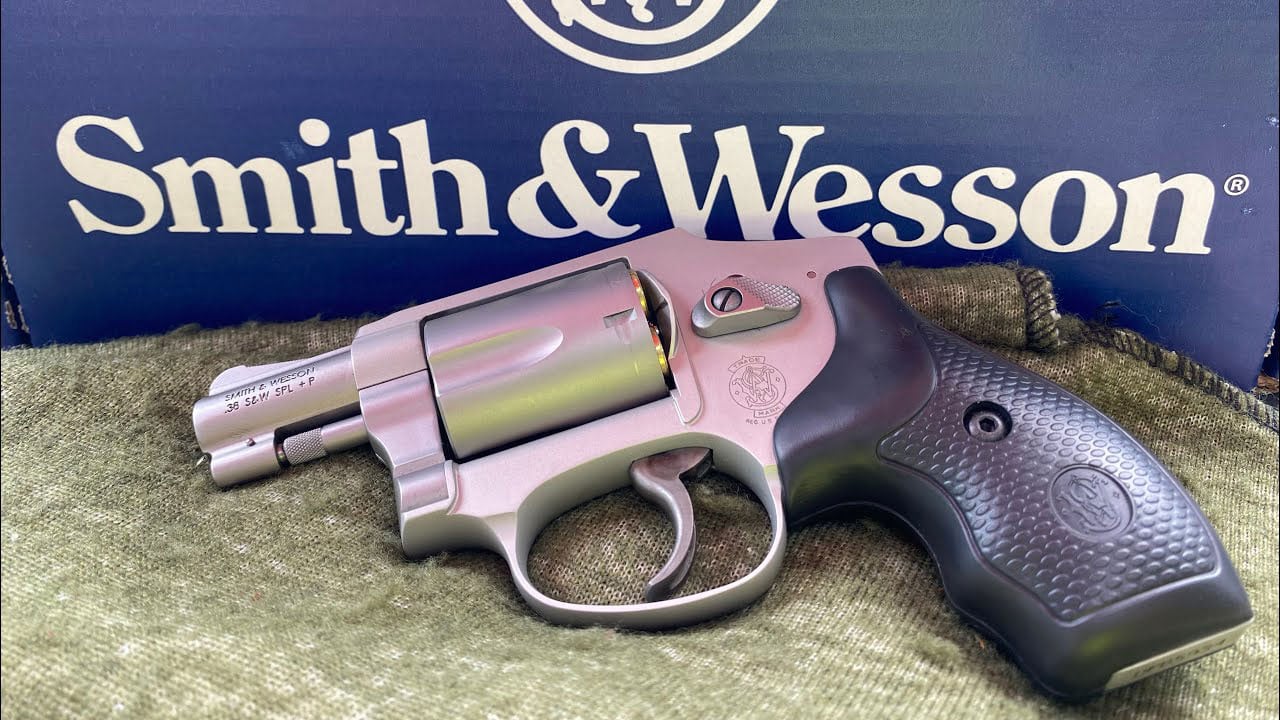
The 642 is a classic pocket revolver, and it’s earned its place. The condition that exposes it is recoil management and ammo choice. Lightweight snubs can be brutal, and with certain loads, recoil can cause bullet pull—where the projectile creeps forward in the case under repeated recoil, potentially tying up the cylinder. It’s not common with quality ammo, but it’s real enough that serious snub carriers check for it.
Even when bullet pull doesn’t happen, the recoil can cause shooters to develop flinches, short-stroke the trigger, or simply avoid practice. Then the “reliable revolver” becomes a gun you can’t shoot well. If you carry a 642, pick a proven load, fire enough of it to trust it, and practice with manageable ammo that keeps your fundamentals intact. Tiny revolvers are easy to carry and hard to master.
19. Walther PPK/S — grip and slide bite changing how you run the gun

The PPK/S has style, and plenty of them run just fine if you respect what it is. The condition that exposes problems is the human factor: these pistols can bite. If the slide nicks your hand, you’ll unconsciously change your grip. Then you can start seeing failures to feed or failures to eject because your grip gets compromised.
Another issue is that some shooters “choke up” high like they do on modern pistols, which doesn’t always play nice with the PPK/S geometry. The gun can be reliable, but it wants to be held a certain way. If you carry one, do yourself a favor and shoot it enough to know if it’s going to chew you up. A pistol that hurts to practice with becomes a pistol you don’t practice with, and that’s its own kind of failure.
20. Jericho 941 (IMI/IWI) — thick slide and stiff recoil spring exposing poor manipulations
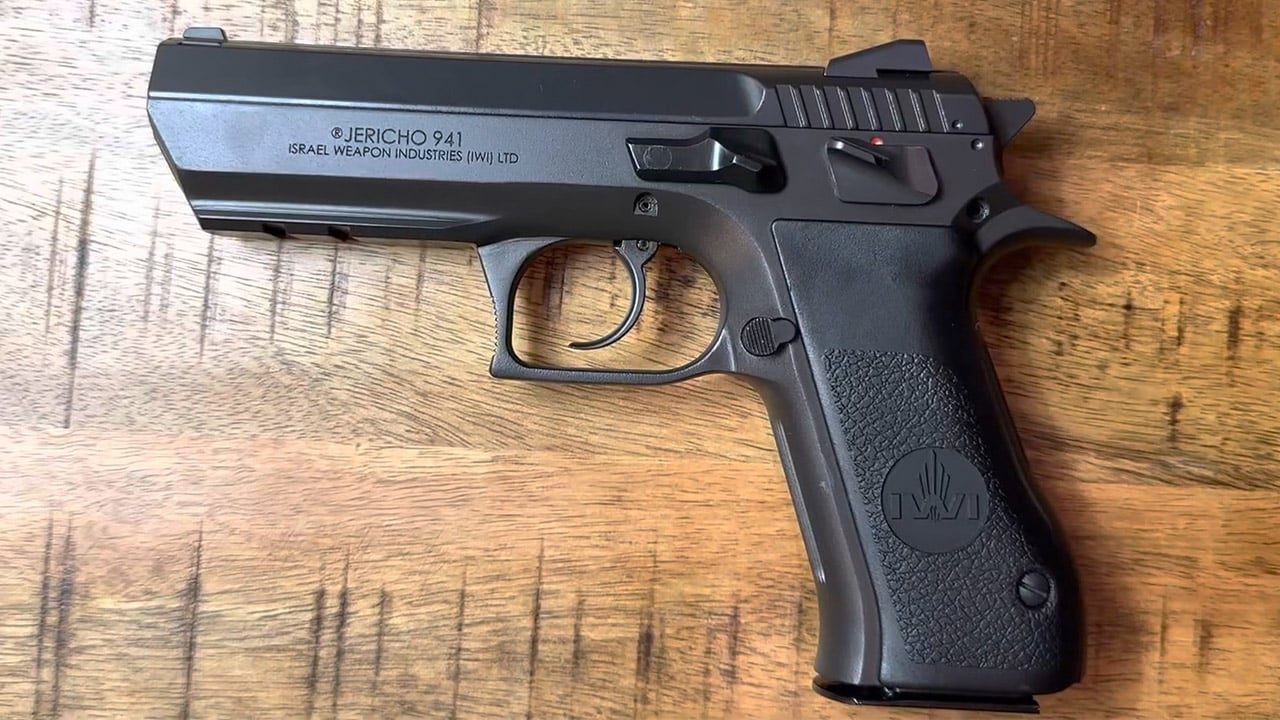
The Jericho 941 is a heavy, accurate, smooth-shooting pistol that often runs like a sewing machine. The condition that exposes it is when someone with less hand strength struggles to rack the slide, especially on examples with stout recoil springs. Under stress, they’ll “pinch rack,” ride the slide, or fail to cycle it fully, and then the gun gets blamed.
This shows up with gloves, cold hands, or awkward positions around a truck door or tree stand rail. The Jericho isn’t a beginner-friendly manipulation gun for everybody, even if it’s a sweetheart once it’s running. If it’s your choice for a home gun or a range gun, get honest about who might need to operate it. Reliability includes being able to load, clear, and confirm status without drama. A heavy, capable pistol still has to be workable.
None of these pistols are “bad.” Most of them are proven, and plenty of them will outlast their owners with basic care. The real lesson is that reliability isn’t a single number you brag about. It’s a relationship between the gun, the ammo, the magazines, the accessories, and how you actually use it when you’re tired, cold, and in a hurry. Find the one condition that trips your setup, fix it on the range, and you’ll be ahead of the next problem that shows up uninvited.
Like The Avid Outdoorsman’s content? Subscribe to our newsletter so you never miss an article.
Here’s more from us: