Photo credit: SPN Firearms/Youtube
I used to open the safe and stare right past the “boring” pistols. The ones that weren’t trendy, weren’t expensive enough to brag about, and didn’t come with a dozen internet-approved upgrades. I’d grab whatever was new and exciting, run a few boxes through it, and then it would become the next safe ornament.
Then I got older and started judging handguns the way I judge boots, chainsaws, and raingear: do they work when you’re tired, cold, and in a hurry? Do you have mags for it? Can you find a holster without a three-week wait? Can you practice with it without dreading the bill? Those safe sitters turned out to be the pistols I should’ve been carrying, training with, and relying on all along.
1. Glock 19 (Gen3/Gen5)
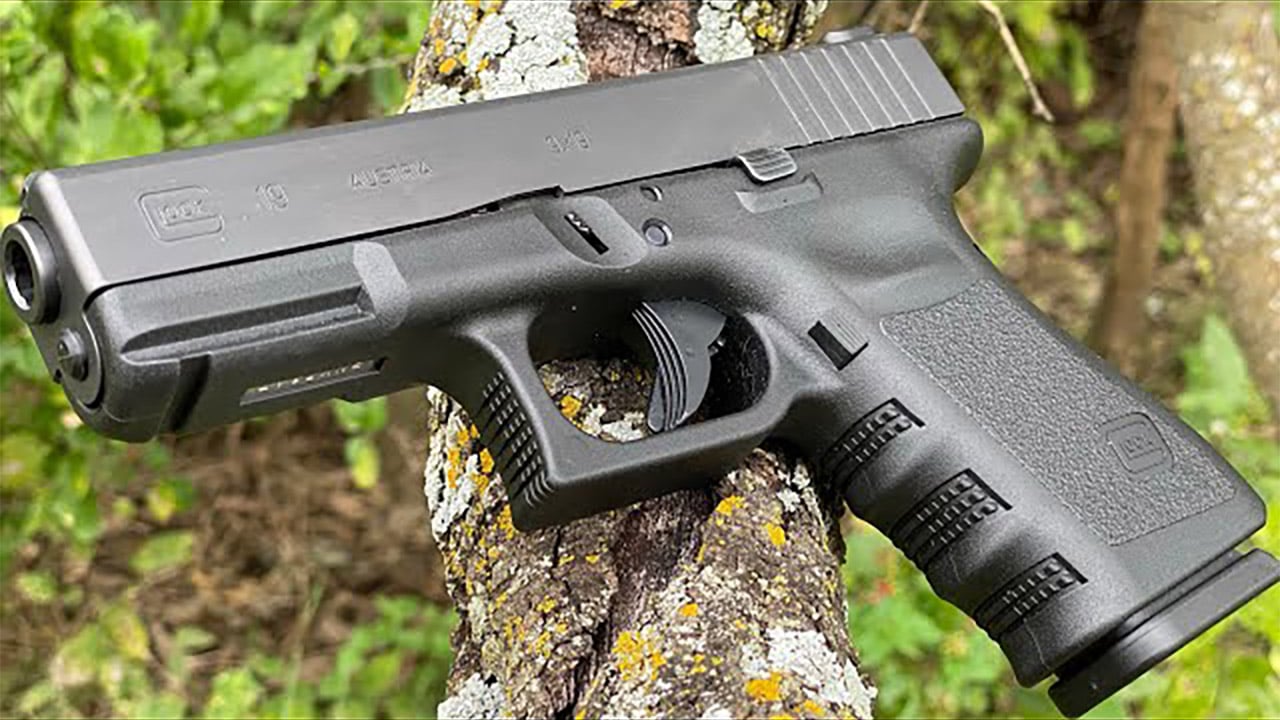
I’ll admit it: I used to think the Glock 19 was the vanilla ice cream of pistols. Nothing to talk about at deer camp. Nothing that makes you want to take pictures of it on the tailgate. And that’s exactly why it sat while I chased smaller guns, bigger guns, and “better triggers.”
After enough classes and enough range days where somebody’s fancy gun went down, the 19 started looking smarter. It carries easy, shoots like a real pistol (not a micro), and magazines are everywhere. Parts, holsters, sights, and competent shops are everywhere too. There’s nothing magical about it, but it’s hard to find a handgun that’s more useful across more situations without being picky about ammo or maintenance.
2. Glock 26
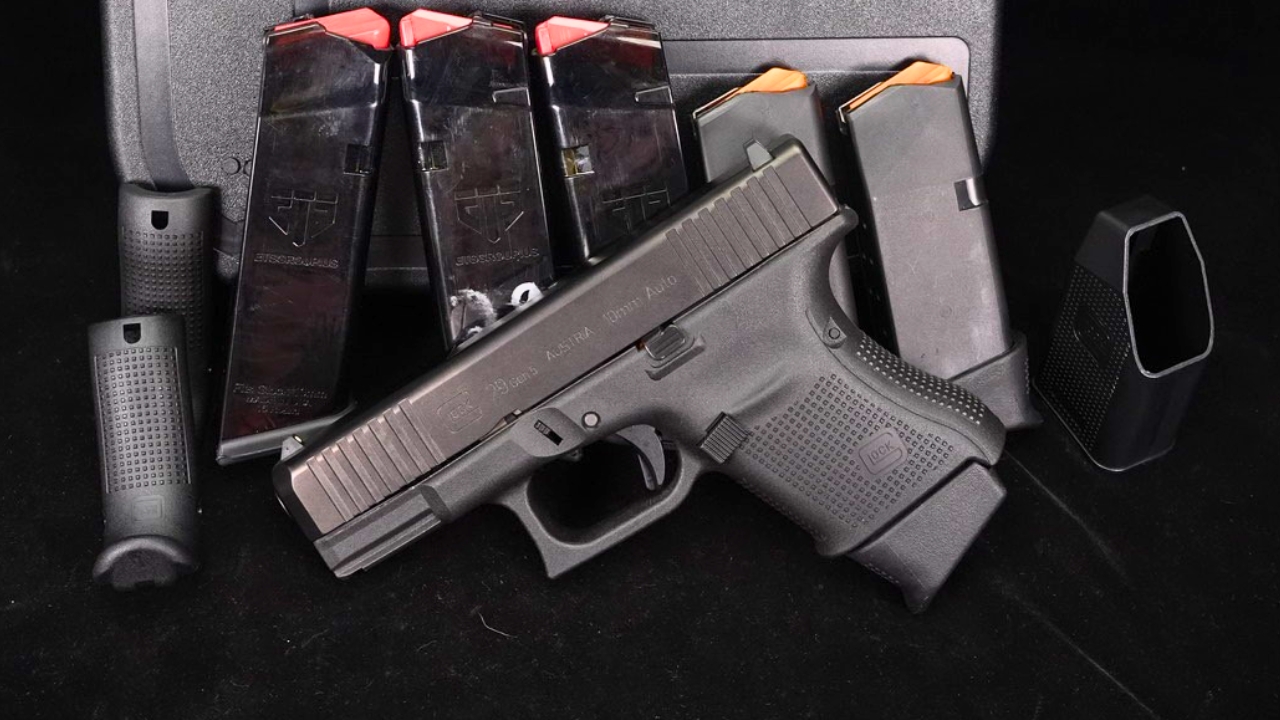
The Glock 26 felt like an awkward compromise when I bought it. Not tiny like the pocket guns. Not as comfortable to shoot as a 19. The grip felt short, and I figured I’d eventually trade it for something “more modern.” So it sat.
What changed my mind was reality: the 26 is small enough to actually conceal under normal clothes, but it still runs like a duty pistol. With a flush mag it disappears, and with a bigger mag it becomes a belt gun again. It’s one of the few subcompacts that doesn’t beat you up in practice, and it’s forgiving if your grip isn’t perfect. When a gun makes you practice more, it becomes one of your best guns whether you meant it to or not.
3. Smith & Wesson M&P9 2.0 Compact

I bought my first M&P because I wanted something different, then I got distracted by other stuff and basically ignored it. The grip texture on the 2.0 almost feels like it’s trying to sand your palm off, and I didn’t appreciate that until I started shooting in heat and rain.
The compact size hits a sweet spot: big enough to draw and shoot fast, small enough to carry all day. It points naturally for a lot of folks, and it tends to feed anything you put in it. The aftermarket isn’t Glock-level, but it’s close enough for real life, and magazines aren’t hard to find. It’s one of those pistols that does nothing “cool” and everything “right,” which is what you actually want.
4. SIG Sauer P365
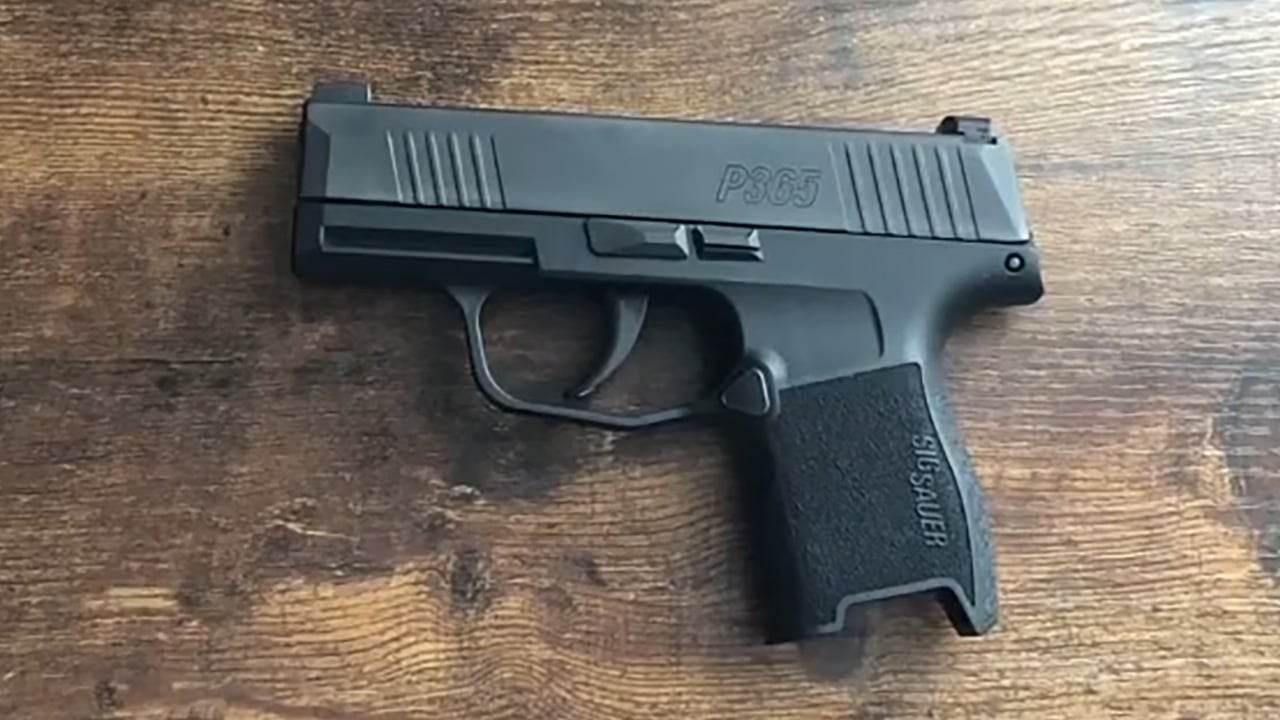
I resisted the P365 for a while because micro-compacts usually mean snappy recoil and miserable practice sessions. I also didn’t need another 9mm. That’s what I told myself, anyway, while it sat in the safe in a perfectly good holster.
Once I started carrying it regularly, I understood the point. It’s easy to live with. It conceals when you’re in a T-shirt, it doesn’t feel like a brick on your belt, and you can still get a real firing grip if you set it up right. The sight picture is decent, the gun is accurate enough for serious work, and it’s one of the few small pistols that makes “always gun” realistic without being a compromise you hate.
5. Ruger LCR (.38 Special)

For years I treated snub-nose revolvers like relics. Heavy trigger, light gun, sharp recoil. I had mine for “just in case,” which is another way of saying it didn’t get carried. Then I had a stretch where I needed something simple for quick trips, odd chores, and sloppy-weather days.
The LCR isn’t pretty, but it carries like a pocketknife. It doesn’t care about lint, awkward angles, or whether you rode the slide. If you can run a revolver well, it’s a serious tool. The trigger on the LCR is better than it has any right to be, and the gun is light enough that you’ll actually stick it in a pocket holster when taking out the trash or checking a noise in the barn. There is nothing fancy about it, and that is kind of the point.
6. Smith & Wesson Model 10
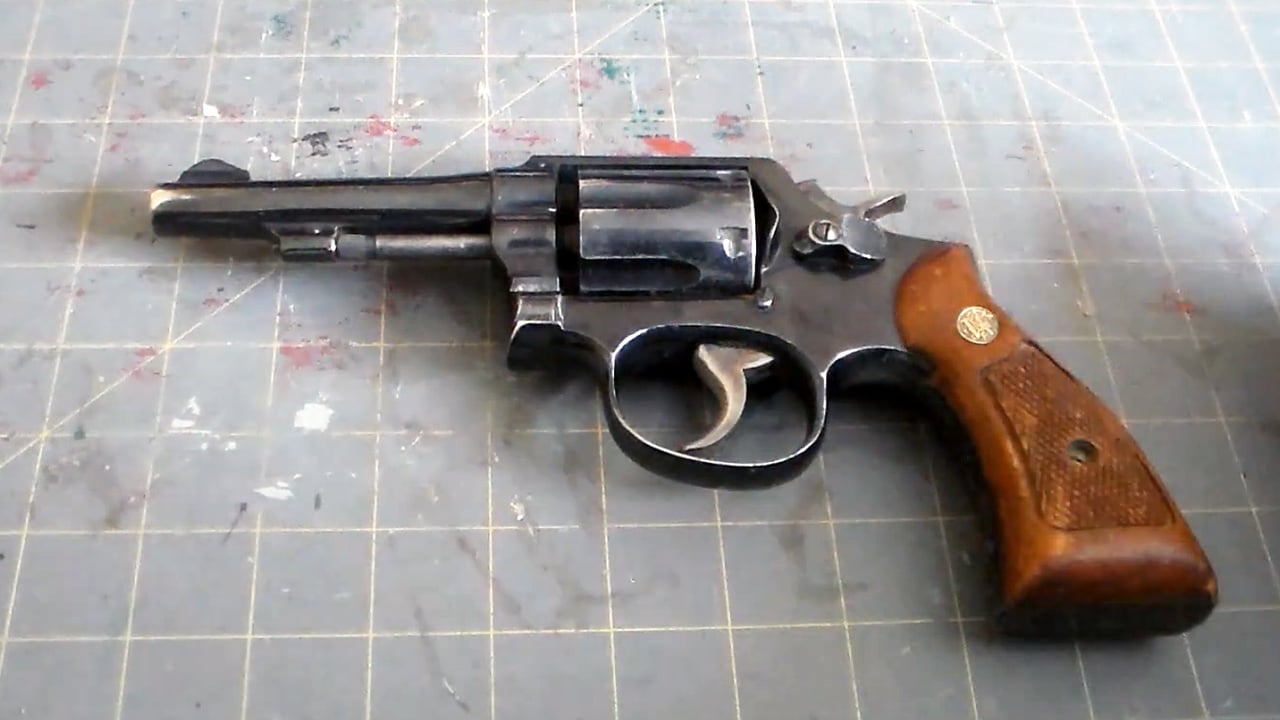
The Model 10 was the “old cop gun” that ended up in my safe because I like classics. I shot it a little, admired it a little, and then went back to semi-autos like everyone else. It stayed clean because it stayed unused.
Then I started paying attention to what makes a handgun easy to shoot well. A good K-frame with a decent set of grips points like your finger and settles down fast. With standard-pressure .38s, it’s not abusive, and it teaches you trigger control in a way striker guns never will. For new shooters or anyone who needs confidence, a solid Model 10 does more good than another plastic wonder-nine. It’s also the kind of gun that keeps working even when it’s not babied.
7. Ruger GP100 (4-inch)
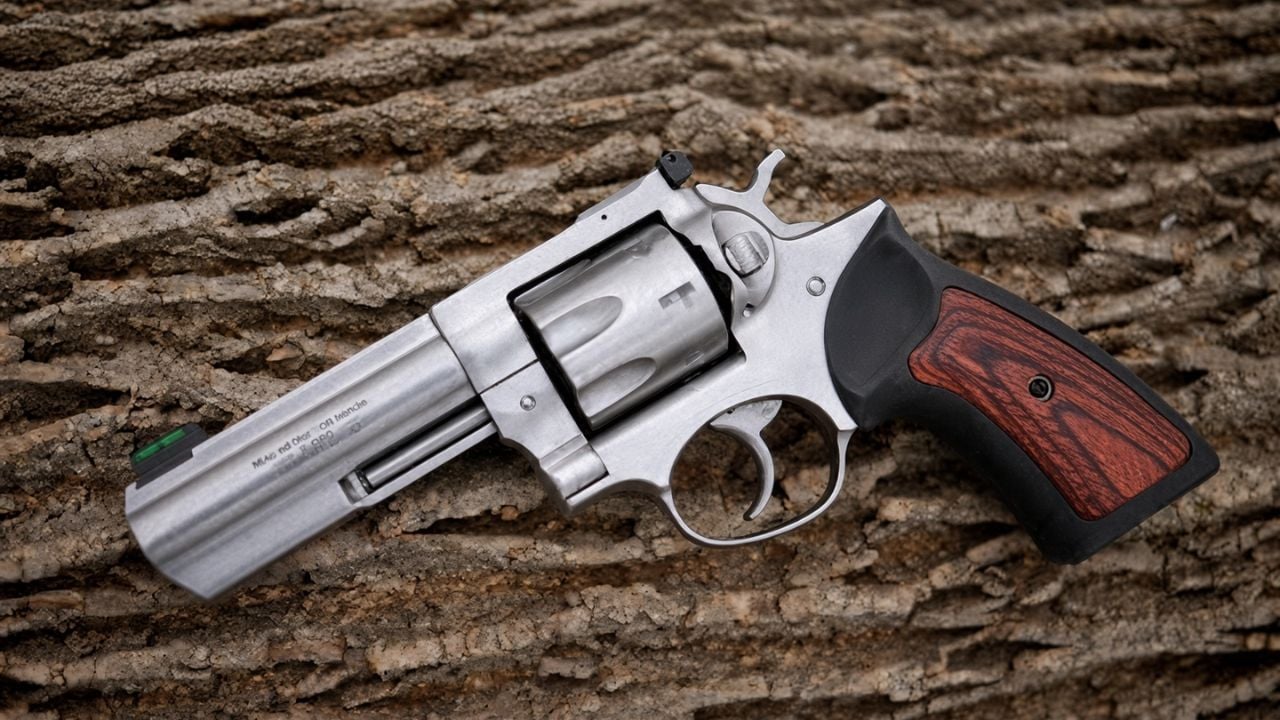
I used to think of the GP100 as a range toy. Big. Heavy. Not something I’d carry. And if I wasn’t carrying it, it didn’t get much attention. That was my mistake.
A 4-inch GP100 is one of the most useful handguns an outdoorsman can own. It’ll handle full-power .357 without feeling like it’s coming apart in your hands, and it’s accurate enough to matter when you’re trying to hit something small at distance. It’s also a great trail gun because it’s not finicky, and it doesn’t mind getting dusty. The weight that makes it annoying on a belt makes it pleasant to shoot, which means it actually gets practiced with. Ask me how I know.
8. Ruger Mark IV
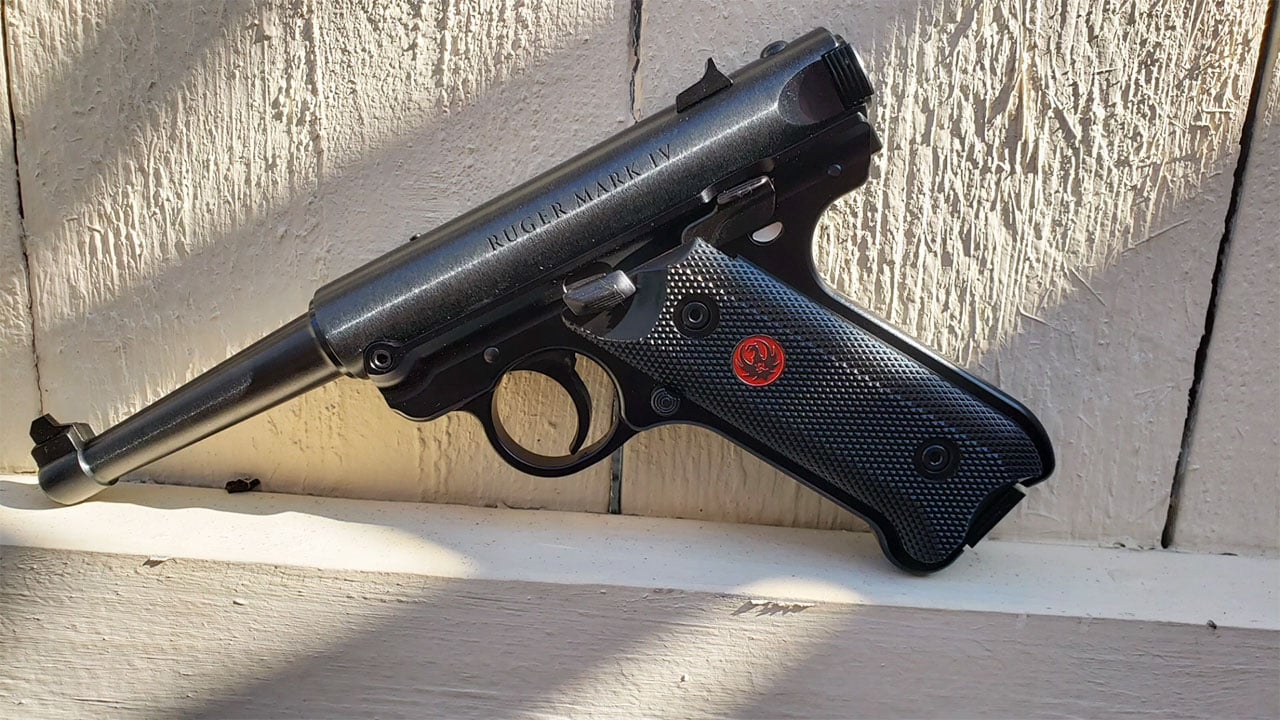
A .22 pistol is easy to ignore because it doesn’t feel “serious.” I had a Mark IV that I treated like a plinker, and then I got busy chasing centerfire stuff. It spent a lot of time in the back of the safe because it wasn’t exciting.
Then ammo got expensive and range time got limited. The Mark IV is a practice machine. It’s accurate enough to call your shots, cheap enough to shoot a lot, and it makes you better with every handgun you own. The simple takedown on the Mark IV matters too, because older rimfire pistols can be a pain to clean. If you care about real skill, not just gear, a good .22 pistol is one of the smartest “guns you already own.”
9. Browning Buck Mark
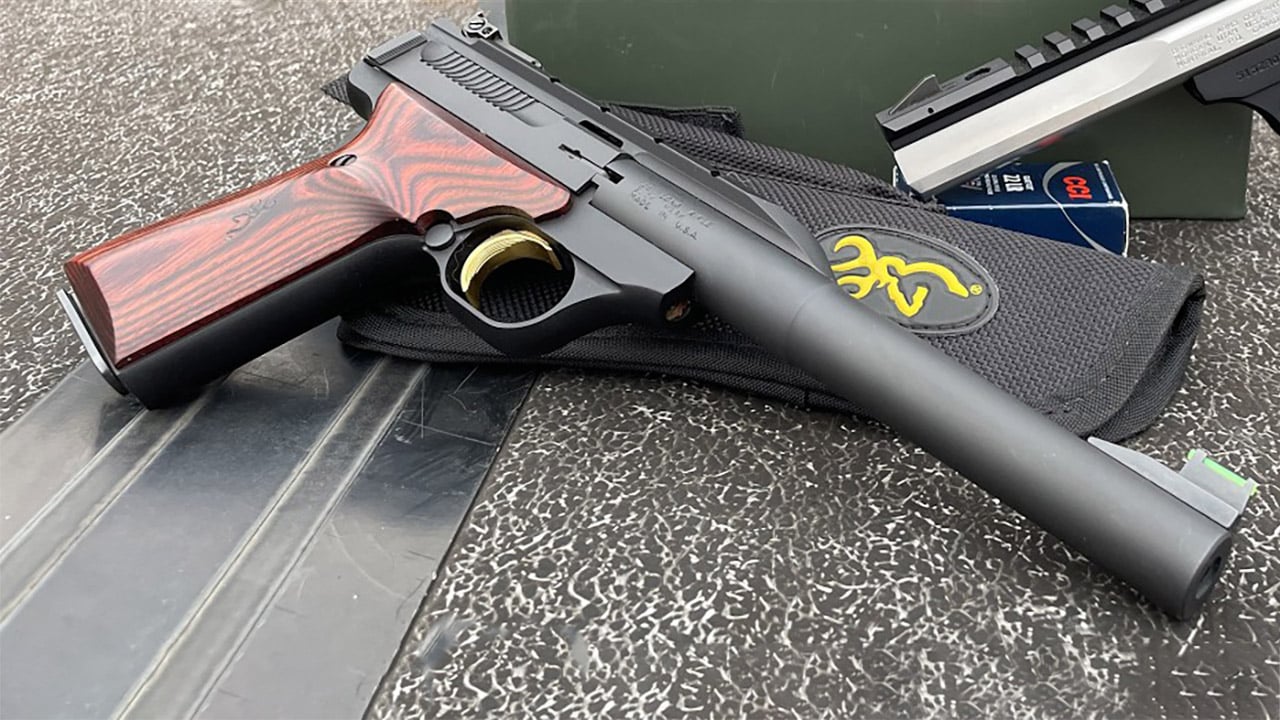
The Buck Mark was another .22 that I didn’t respect enough. It’s not the new hotness, and it doesn’t come with the same fan club as some other rimfire pistols. Mine was basically a “friend gun” for taking new shooters out.
Over time I realized it’s also a consistency gun. The grip angle works for a lot of hands, the trigger tends to be solid, and it just keeps running if you keep it reasonably clean. The Buck Mark is the kind of pistol you can use to check your fundamentals because it doesn’t fight you. When you’re missing with it, it’s you. That’s valuable. And if you hunt small game or just want a camp gun that’s quiet, handy, and accurate, it earns its space.
10. CZ 75B
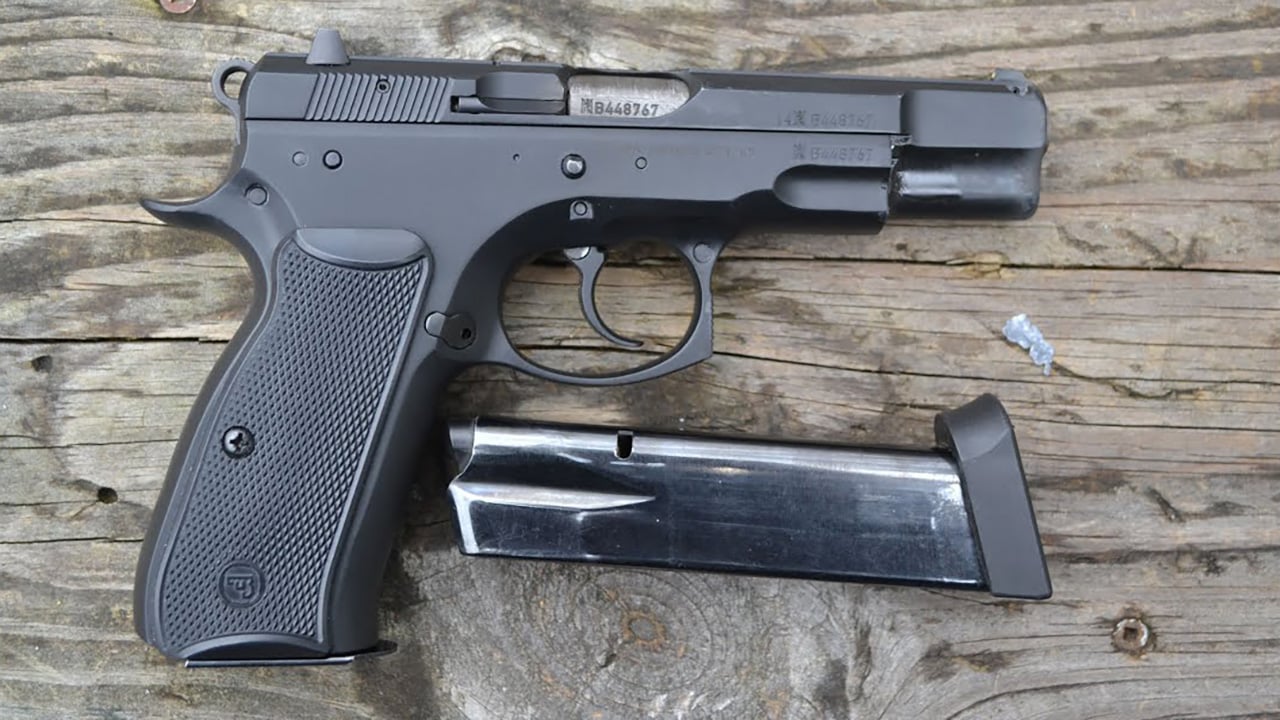
The CZ 75B was my “someday I’ll get into DA/SA” pistol. Heavy steel frame, old-school controls, and it felt like something from another era. I liked the idea of it more than I liked actually learning it, so it sat.
Once I committed to shooting it the way it’s meant to be shot, it clicked. The CZ points naturally, the weight soaks up recoil, and the gun stays flat when you’re shooting fast. The DA first shot takes work, but it’s not wasted work; it makes you disciplined. Magazines are easy enough to find, reliability is usually boring-in-a-good-way, and the accuracy is real. It’s not a lightweight carry answer, but as a “do everything at the range and do it well” pistol, it’s hard to beat.
Free for gun owners: If something happened to you tomorrow, would your family know where the guns are, who has the safe combination, or what to do first? Our free Gun Owner’s Family Checklist walks them through it. It takes about 15 minutes to fill out. Get your free copy here.
11. CZ P-01
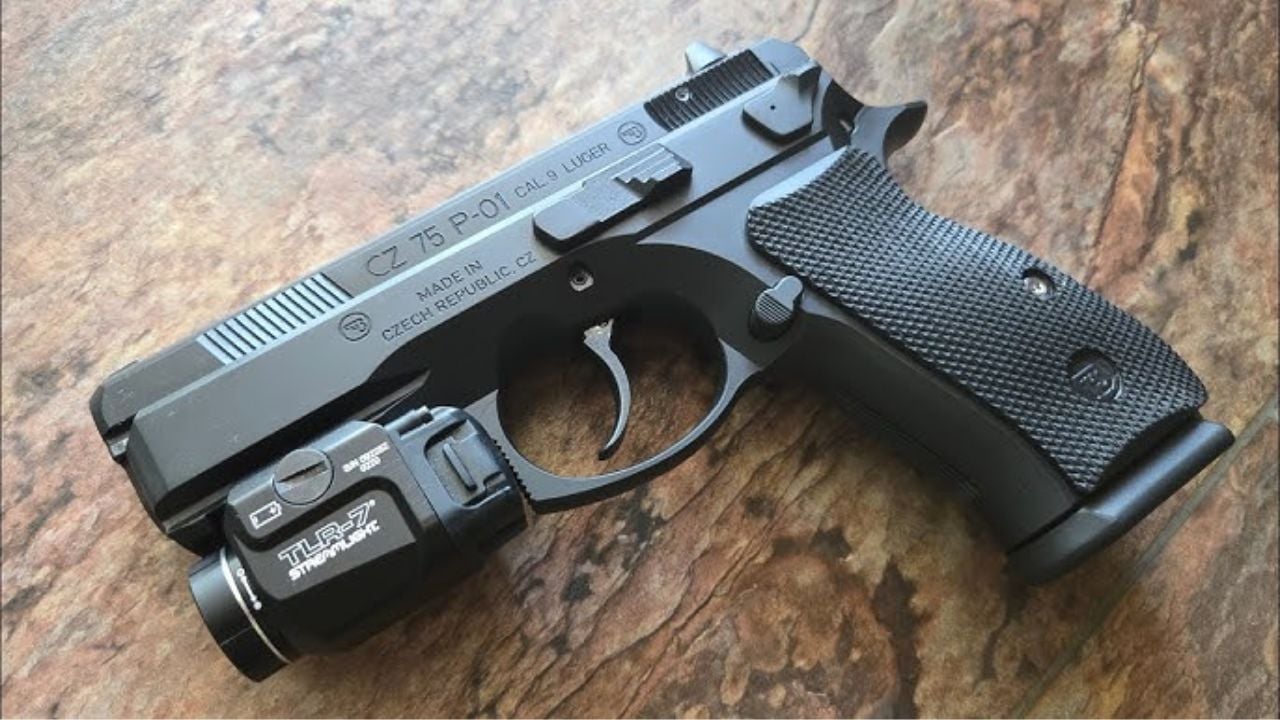
If the 75B is the classic truck, the P-01 is the same idea in a size you’ll actually carry. Mine got overlooked because I had lighter polymer guns and smaller micro-compacts. It felt like it didn’t have a clear job.
Turns out the job is “most balanced pistol in the safe.” The P-01 carries comfortably, but it shoots like a bigger gun. The decocker setup is practical, the ergonomics are excellent, and it’s the kind of handgun you can run hard without feeling like you’re forcing it. It’s also an outdoorsman-friendly size: not so big it’s in the way when you’re climbing into a stand, not so small you hate it at the range. Once you find a holster you like, it becomes a repeat offender on your belt.
12. Beretta 92FS
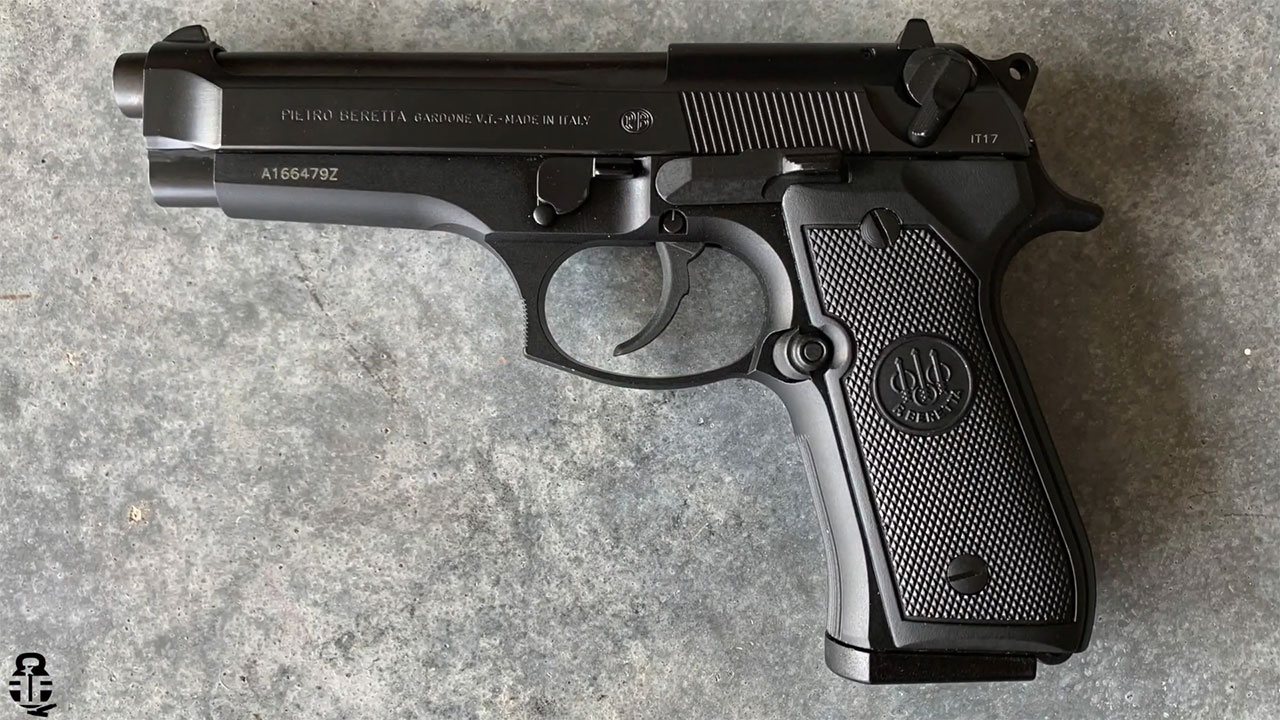
I used to think the 92FS was too big and too “movie gun” to be relevant. It’s not a small pistol, and the slide-mounted safety isn’t everybody’s favorite. Mine mostly came out when somebody wanted to try it.
Then I started appreciating what it does well. The 92FS is soft-shooting for a 9mm, especially when you’re running drills all afternoon. It has a smooth recoil impulse, it’s reliable when it’s maintained, and it’s forgiving with different ammo. The long sight radius helps people shoot better than they think they can, and that matters if you’re trying to bring a new shooter along. It’s not my top concealment pick, but as a “range workhorse that never surprises you,” it’s one of the best pistols Beretta ever put in regular hands.
13. Beretta PX4 Storm Compact
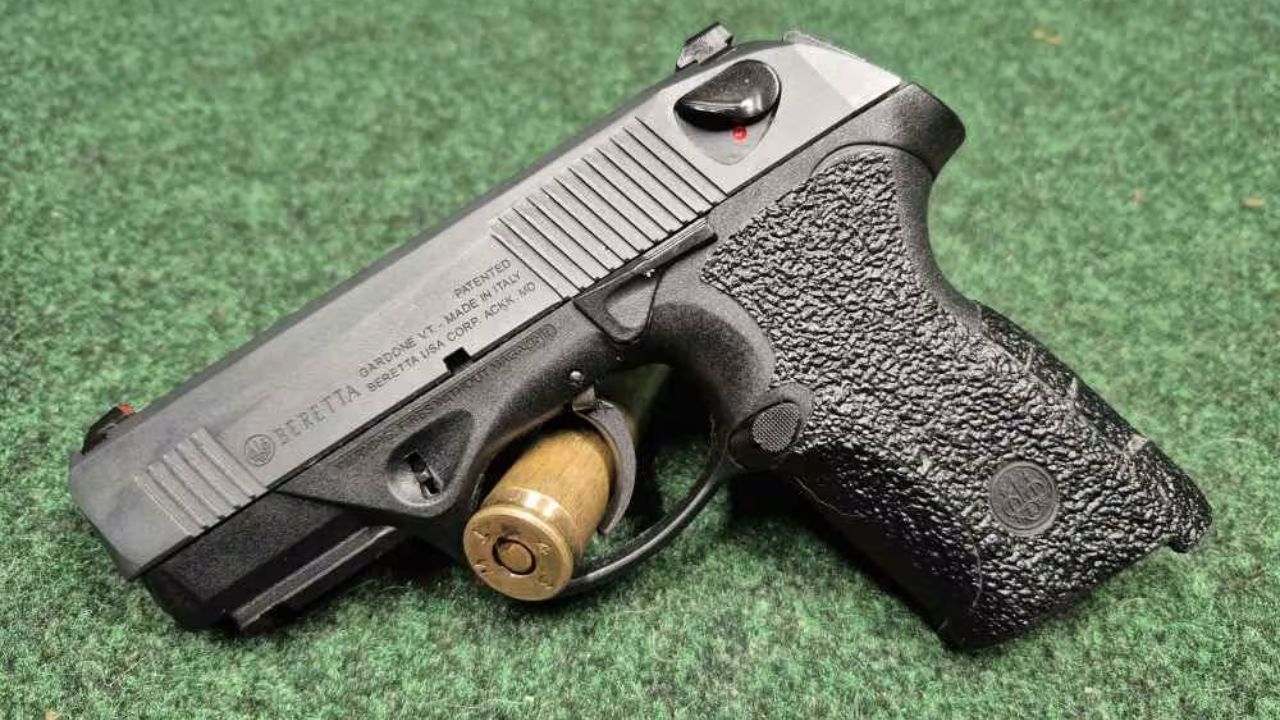
The PX4 Compact spent years being the pistol I forgot I owned. The looks are odd, the rotating barrel system sounds gimmicky, and it didn’t have the cool factor of other guns in the safe. I get why it gets overlooked.
But it shoots. The recoil is smooth, the gun tracks well, and the controls make sense once you decide how you want it set up. It’s also a pistol that can take honest use without being temperamental. For a carry gun that still feels pleasant on a long range day, it deserves more credit than it gets. It isn’t the easiest gun to shop for when it comes to accessories, but it’s not impossible either. If you already own one, it’s worth dusting off and giving it a real chance.
14. Heckler & Koch VP9

I bought the VP9 during a phase where I thought every striker-fired 9mm was basically the same. Then it got put away because I was busy chasing smaller carry guns. The VP9 ended up being “too big to carry, too ordinary to brag about.”
That attitude didn’t survive a few serious range sessions. The VP9 has one of the better out-of-the-box triggers in its class, and the ergonomics are excellent if you take the time to fit the backstraps and side panels. It runs clean, it runs dirty, and it tends to shoot better than you expect. It’s also easy to rack, which matters for a lot of shooters who struggle with stiff recoil springs. If you need a dependable full-size 9mm that feels refined without being fragile, it’s a strong bet.
15. Walther PPQ M2
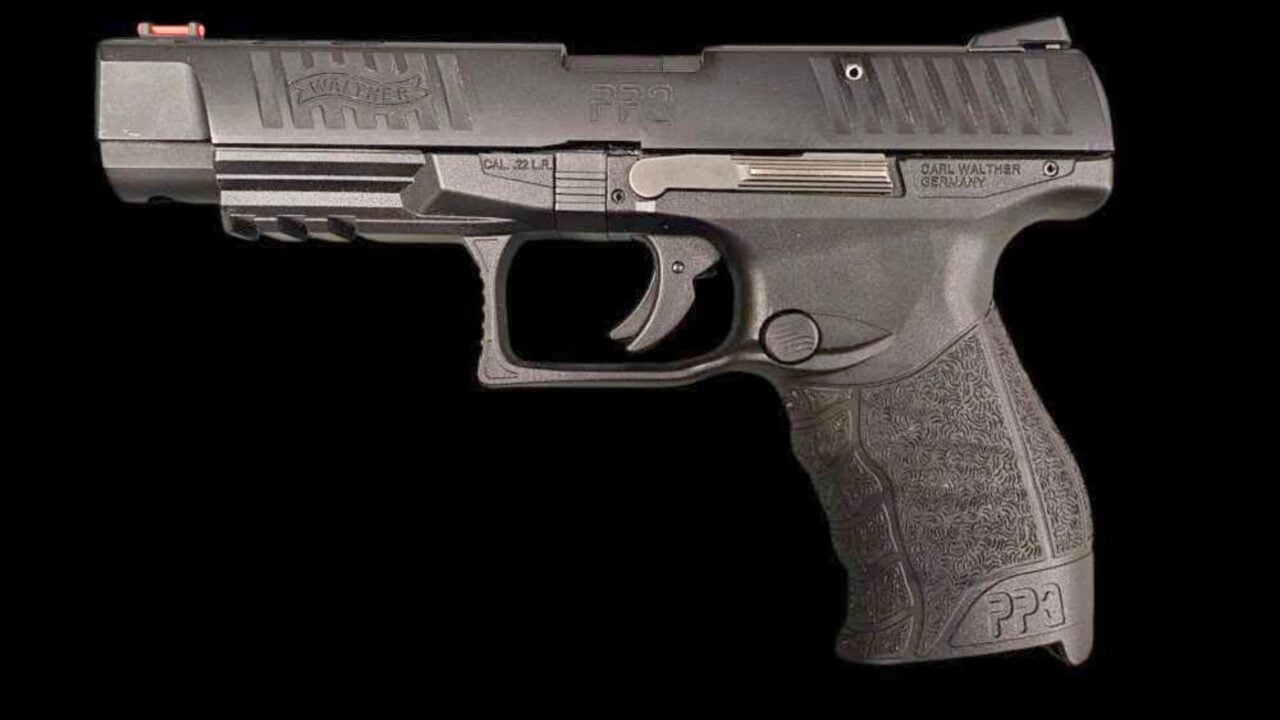
The PPQ M2 got edged out by newer releases, and that’s a shame. Mine sat because I told myself I’d “standardize” on one platform. In real life, that meant the Walther became the gun I forgot about while I standardized on whatever I was currently interested in.
Then I shot it side-by-side with a few other popular striker guns. The trigger is the story here, and it’s not hype. It’s crisp, it resets clean, and it makes accurate shooting feel easy without being unsafe-feeling. The grip shape also works for a lot of hands, so it points naturally. Magazine availability isn’t as universal as Glock, but it’s not a unicorn either. If you have one sitting around, you might find it’s the pistol that makes you look like a better shooter than you are—and then makes you actually become one.
16. Springfield Armory XD-M 9mm
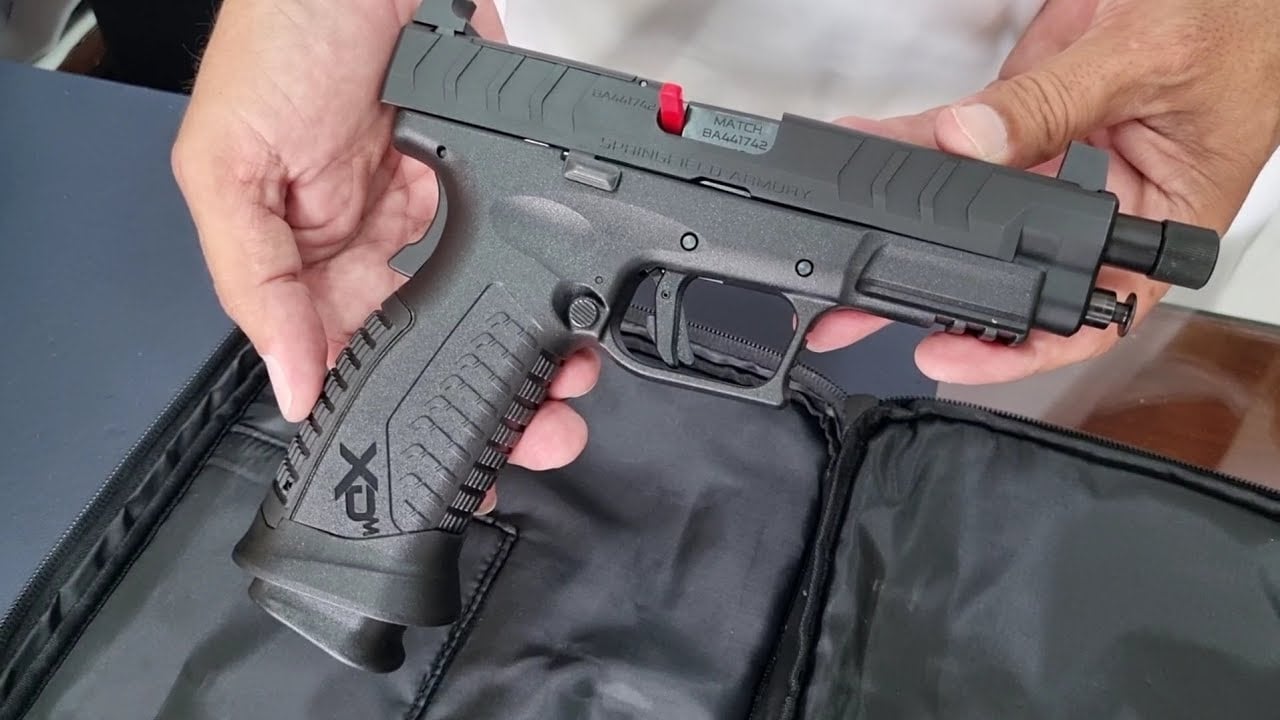
The XD-M isn’t the internet’s favorite, and I understand why. It’s a little chunky, the grip safety turns some folks off, and it didn’t feel trendy once the market got flooded with other striker pistols. Mine became one of those “I’ll keep it, but I won’t shoot it much” guns.
What brought it back was simple reliability and shootability. The XD-M tends to run, and the extra grip length on some models makes it easier to control in fast strings. If you have a version with good sights, it can be a very practical home-defense pistol. The grip safety never bothered me in actual use, but it does require a proper grip, especially with gloves. It’s not the gun I’d tell everyone to buy first, but as a pistol already paid for and already proven, it’s smarter than trading for the next shiny thing.
17. Ruger SR9c
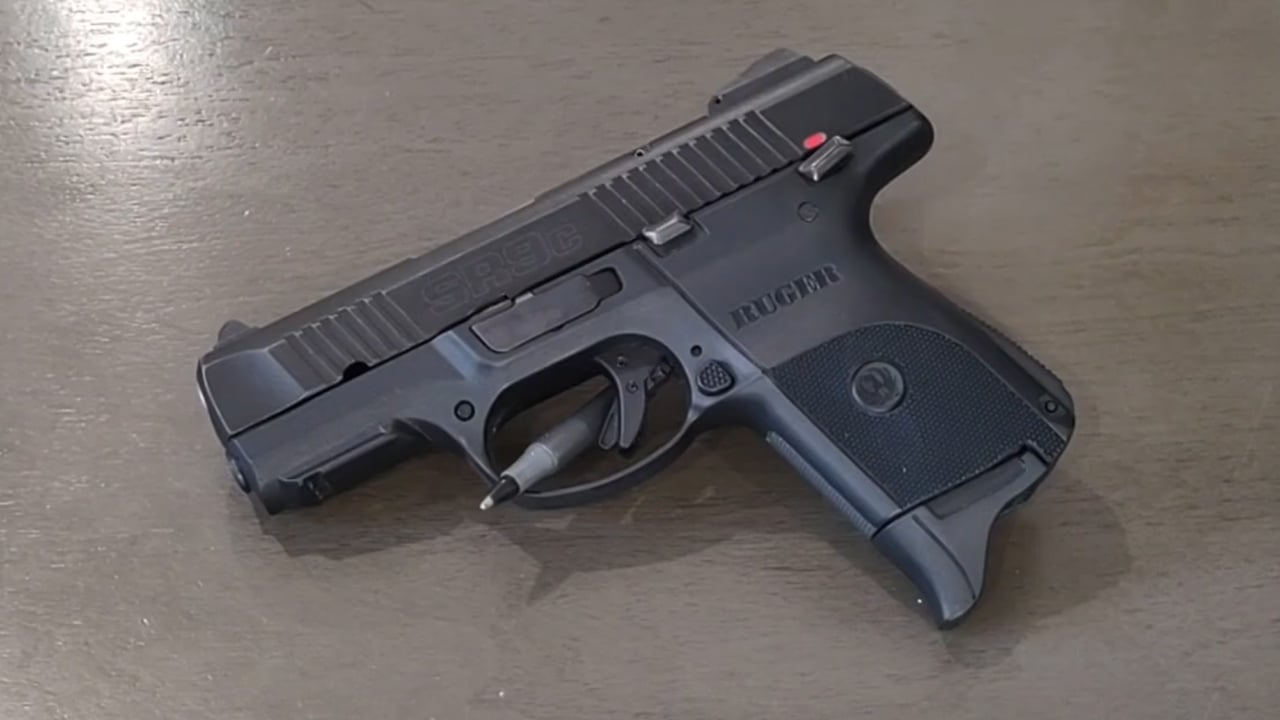
The SR9c is one of those pistols that quietly did its job and got forgotten. It was my “backup 9mm” before micro-compacts took over the world. Once smaller, higher-capacity guns became common, the SR9c felt dated and it got pushed aside.
Here’s what doesn’t get said enough: the SR9c carries well, shoots flatter than you’d think, and has a slim feel that’s comfortable for a lot of body types. The trigger is decent, and the gun is accurate enough for real defensive practice. The manual safety is either a plus or a minus depending on your preference, but it’s not hard to run if you train with it. Magazines and parts aren’t as abundant as the biggest names, yet they’re still out there. If yours has been sitting, it’s worth revisiting as a “simple, dependable carry gun” instead of a “yesterday gun.”
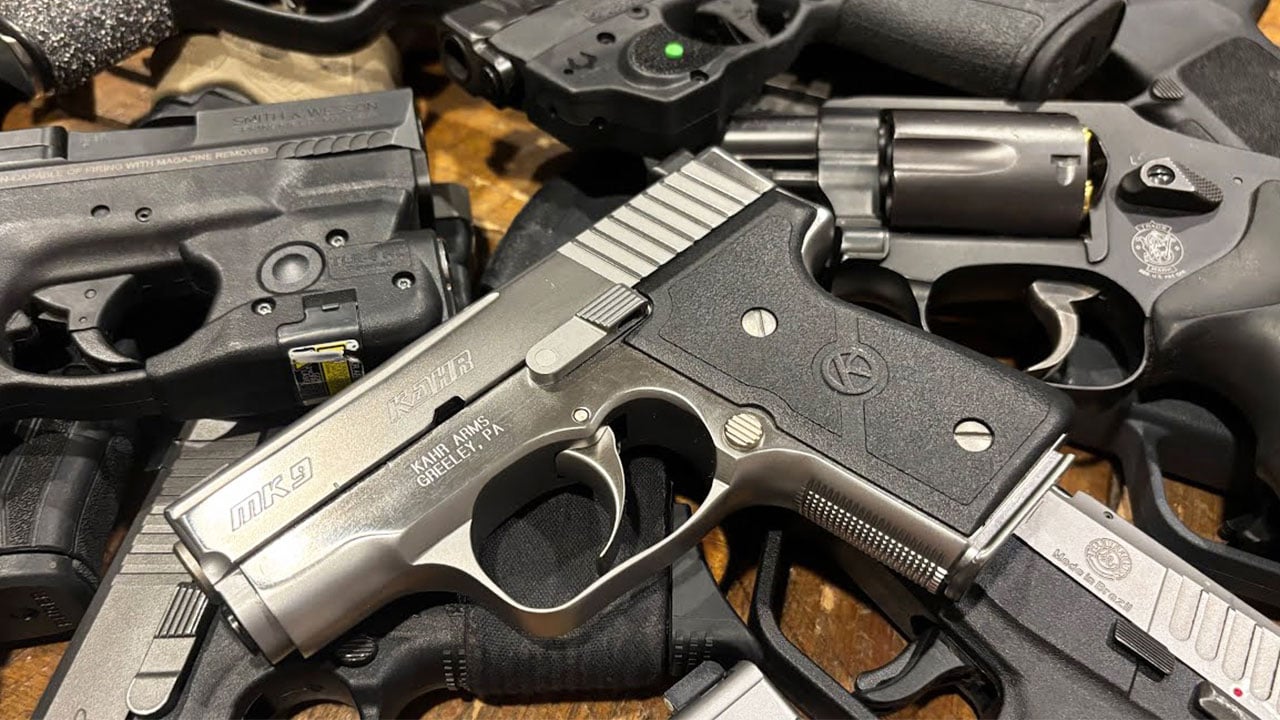
18. Kahr PM9
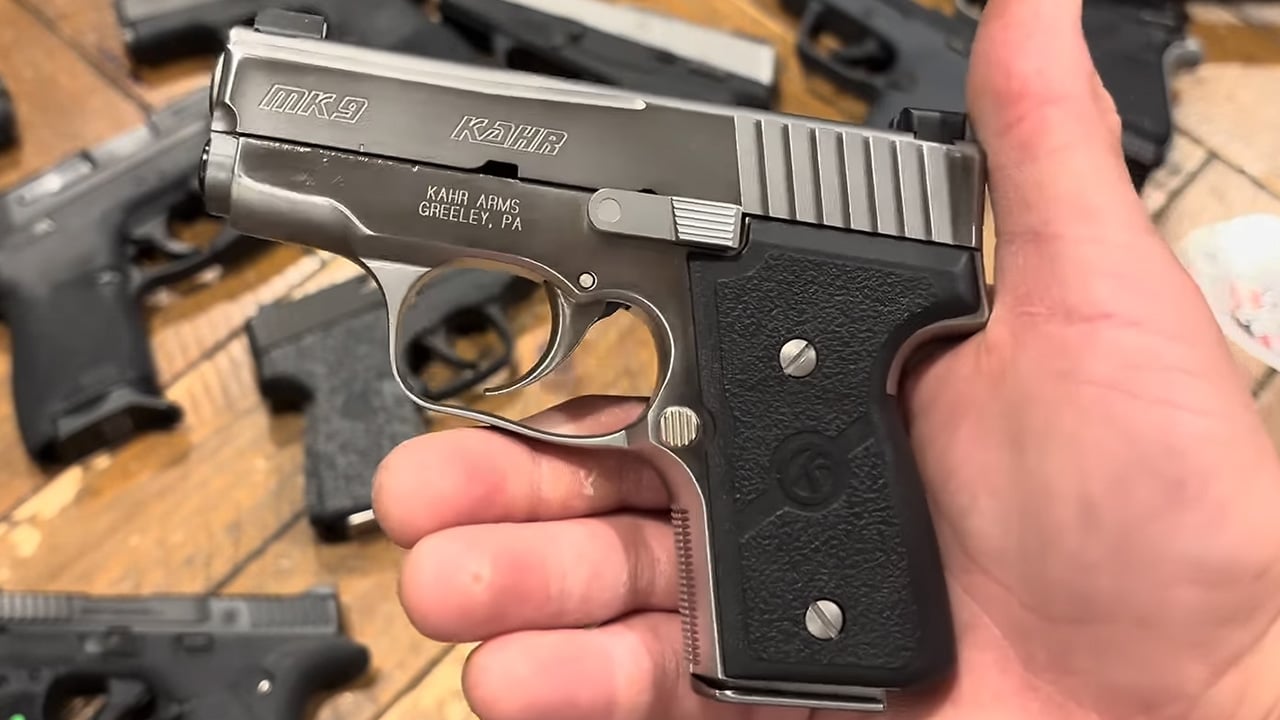
I bought a Kahr PM9 back when thin single-stacks were a big deal. Then higher-capacity micro 9mms showed up, and the PM9 started feeling like old technology overnight. I nearly let it go because I thought it was obsolete.
What the PM9 still does better than a lot of newer guns is carry comfort. It’s thin, it’s smooth, and it doesn’t print much. The trigger is long, which some shooters dislike, but it’s consistent and predictable once you learn it. It’s also a pistol that rewards good fundamentals and punishes sloppy ones, which is not a bad training tool. It’s not the easiest gun for brand-new shooters, and it’s not my pick for high-round-count classes, but as a true concealment piece that you’ll actually keep on you, it’s more relevant than people think.
19. Smith & Wesson J-Frame Model 642

The 642 is not fun. It’s not comfortable. It doesn’t make you feel like an operator. It’s a lightweight revolver that can be downright unpleasant with the wrong ammo, and I avoided shooting mine because it felt like work.
Then I started judging carry guns by whether they actually get carried. The 642 disappears in a pocket holster, rides comfortably on an ankle if you’re into that, and it’s simple in a way that matters when you’re half-awake and checking a bump in the night. With sensible loads, it’s manageable, and it’s accurate enough at realistic distances if you practice. The little gun also forces you to be honest about your skills. No red dot, no big grip, no long sight radius. Just you and the trigger. That one hurts, but it’s good for you.
20. Colt 1911 Government Model (Series 70 style)

I went through a phase where I treated the full-size 1911 like a range-only nostalgia piece. Heavy, low capacity, and more maintenance than polymer guns. Mine spent more time oiled than fired, which is a waste of a perfectly good pistol.
When I finally ran it regularly, I remembered why the design refuses to die. A decent Government Model points naturally, the trigger can be excellent, and it shoots with a rhythm that makes accurate hits feel almost effortless. It’s also a pistol that teaches you to respect fundamentals and maintenance. It won’t forgive neglect the way some modern guns will, and it’s not the gun for someone who refuses to practice. Still, if you own a good one, it’s a mistake to let it become a safe queen. Shoot it, carry it when appropriate, and learn what “good trigger” really means.
Looking back, the pattern is obvious: I kept chasing novelty and ignoring the pistols that were steady, proven, and easy to live with. The best guns in a working safe aren’t always the prettiest or the newest. They’re the ones you can feed, maintain, holster, and trust without drama. If you’ve got a few handguns buried in the back that you’ve been meaning to “upgrade past,” you might already own your best gear. Clean them, check your mags, and go shoot them like you mean it.
Like The Avid Outdoorsman’s content? Subscribe to our newsletter so you never miss an article.
Here’s more from us: