Photo credit: sootch00/YouTube
Walk the used-gun counter long enough and you start noticing patterns. Certain revolvers don’t sit. They come in, get one quick wipe-down, and they’re gone before the next weekend. Not because they’re flashy, either. It’s usually the ones that feel “right” in the hand, the ones with actions you can’t fake, or the ones with a story behind them that new production just can’t touch.
Collectors aren’t just chasing cowboy guns and museum pieces. They’re quietly scooping up working revolvers that still make sense on a farm, in a truck, or on a hip in the woods. Some are discontinued. Some are still made, but the older ones have the features folks actually want. And a few are sleepers that most people ignored until they tried to replace one and got sticker shock. Here are twenty that keep coming up.
1. Colt Python (pre-2005 production)
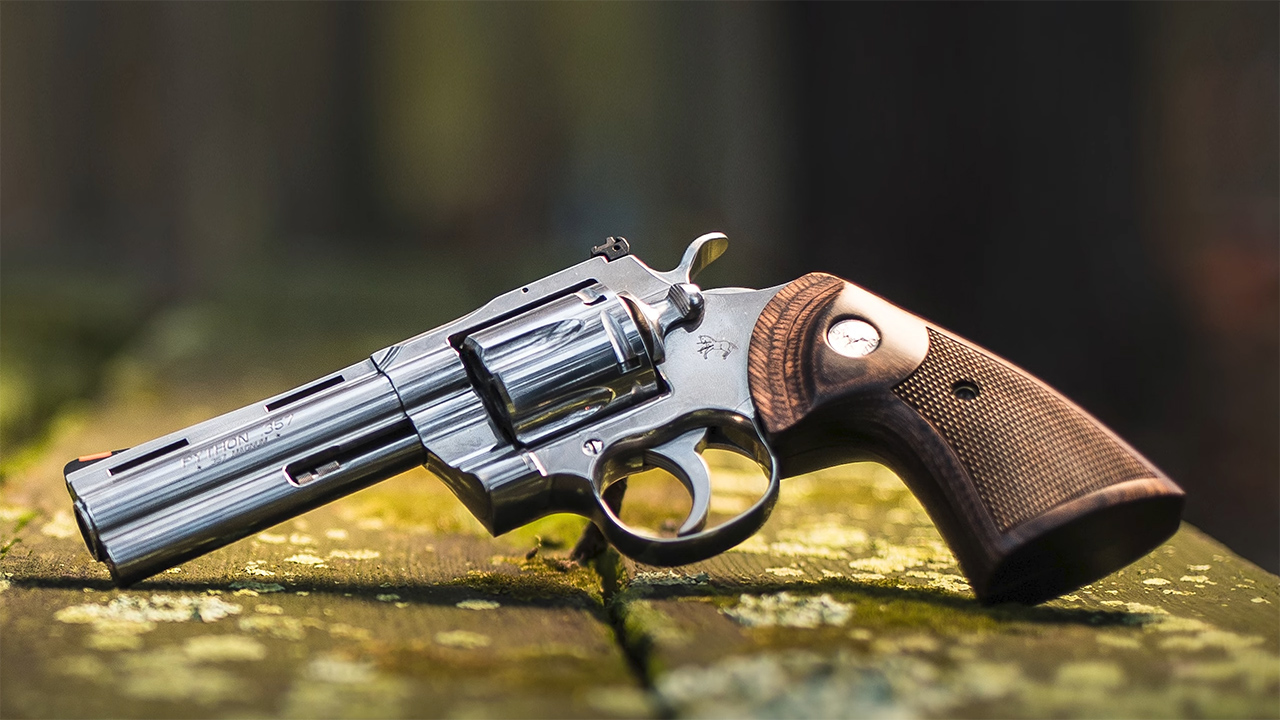
If you’ve ever handled an older Python that hasn’t been abused, you get why the prices went the way they did. The action stacks in that classic Colt way, and the fit and finish on the good ones looks like somebody cared. They’re not “hard use” guns for most folks anymore, but collectors don’t buy them for mud and blood.
The trap is thinking you’ll “grab one later.” Later has been getting more expensive for a long time. Even average examples with honest holster wear seem to disappear fast, because there are only so many original guns and a whole lot of people who finally decided they want one.
2. Colt Detective Special (2-inch)

This is one of those revolvers that points like your finger. It’s a classic snub that still has real shootability if you do your part, and the older steel-framed Colt snubs just have a feel to them. The Detective Special isn’t light by modern standards, but that weight helps with recoil.
Guys who carried them for years are buying them back, and collectors like that it’s a true Colt carry revolver from a different era. Clean originals with good timing don’t sit around, and the price climbs every time another batch gets tucked away in safes.
3. Smith & Wesson Model 19 (Combat Magnum)
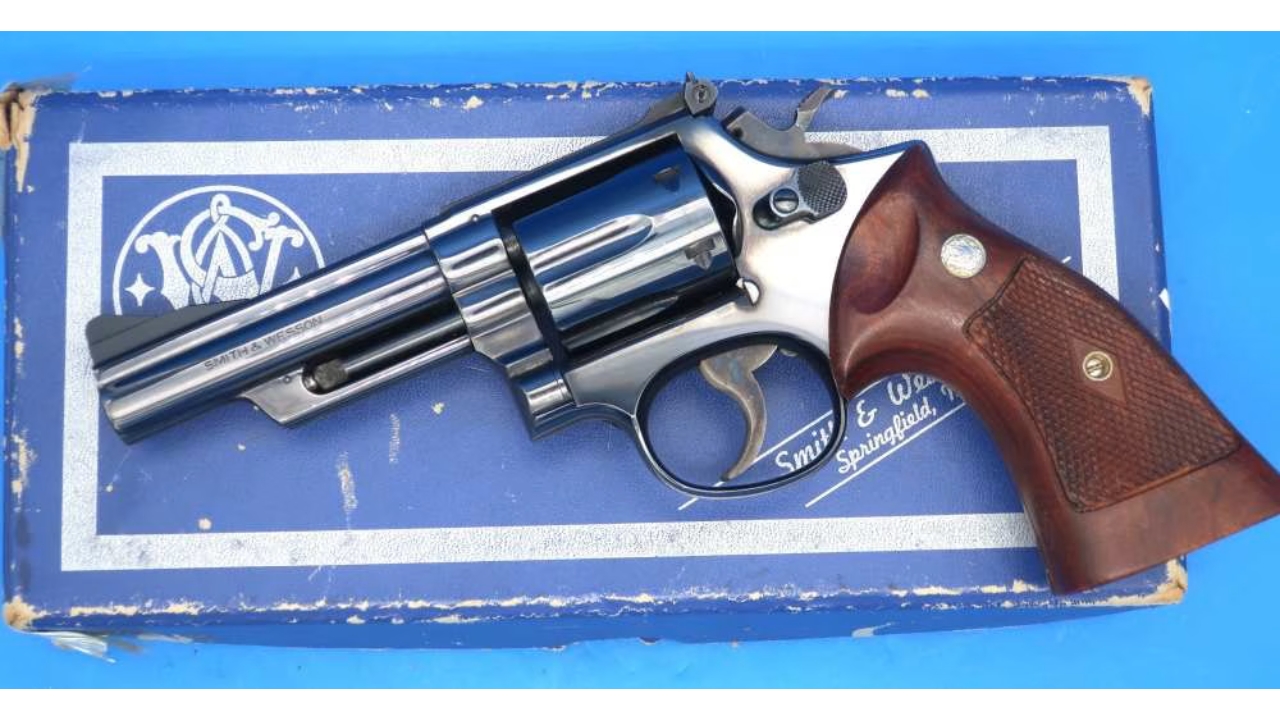
This is the revolver that taught a lot of folks what a .357 can be when it’s balanced right. A 4-inch Model 19 carries easier than you’d think, and the K-frame just feels “alive” compared to a lot of big-block wheelguns. With .38s it’s a kitten. With sensible .357 loads it’s a serious tool.
Collectors chase pinned-and-recessed guns and nice bluing, but even shooter-grade examples are getting harder to find. People finally learned that a clean Model 19 is not the same as any random .357 with a trigger.
4. Smith & Wesson Model 66 (no-lock, early guns)
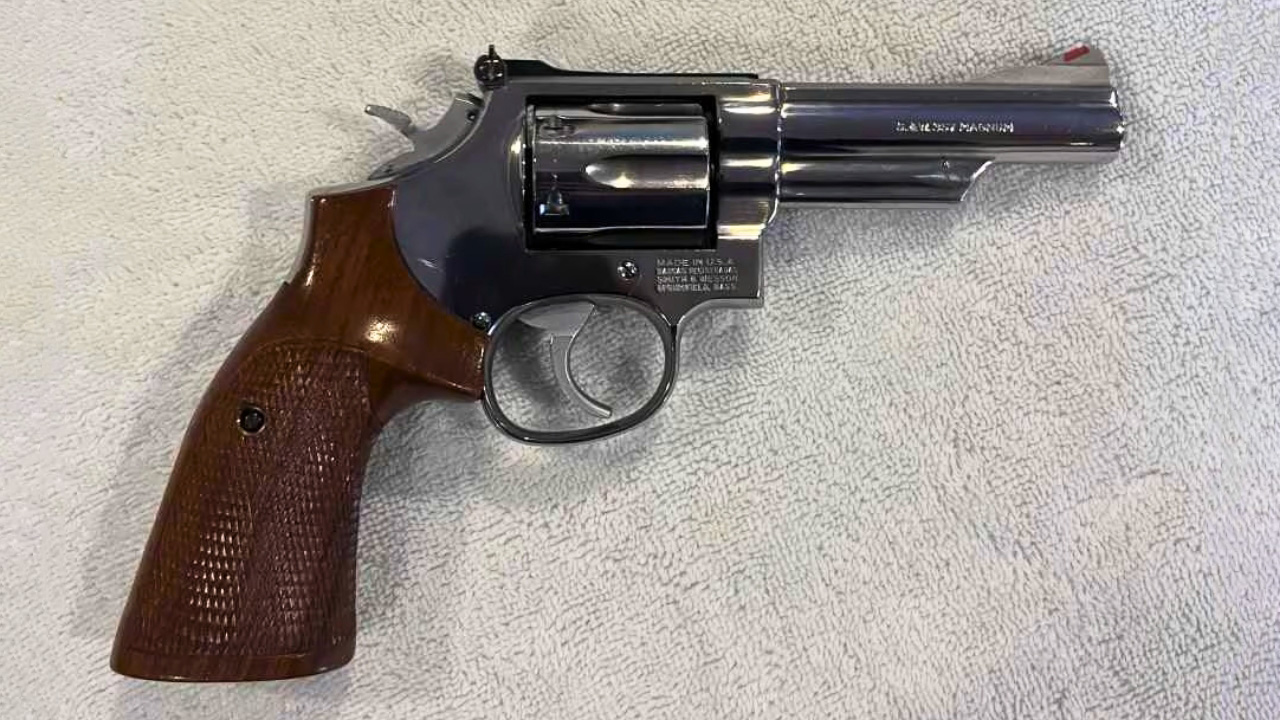
The stainless sibling to the Model 19 is a woods gun if there ever was one. The 2.5-inch guns are handy, but the 4-inch is the sweet spot for most outdoorsmen who actually shoot. It rides well in a belt holster, shrugs off sweat and weather, and still has that K-frame balance.
Early no-lock examples are what a lot of folks want, and that demand keeps pushing them up. If you see a clean one with a good action, it usually isn’t getting cheaper next season.
5. Smith & Wesson Model 27 (N-frame .357)

There’s nothing dainty about a Model 27. It’s a polished, checkered, old-school N-frame that makes .357 feel like it’s barely working. It’s heavy, sure, but if you ever shot one offhand and watched your sights settle back down like they’re on rails, you remember it.
Collectors like the deluxe finish and the “this is how they used to build them” vibe. Outdoors guys like that it will digest a lifetime of magnum shooting without feeling like you’re beating up a lighter gun.
6. Smith & Wesson Model 28 (Highway Patrolman)
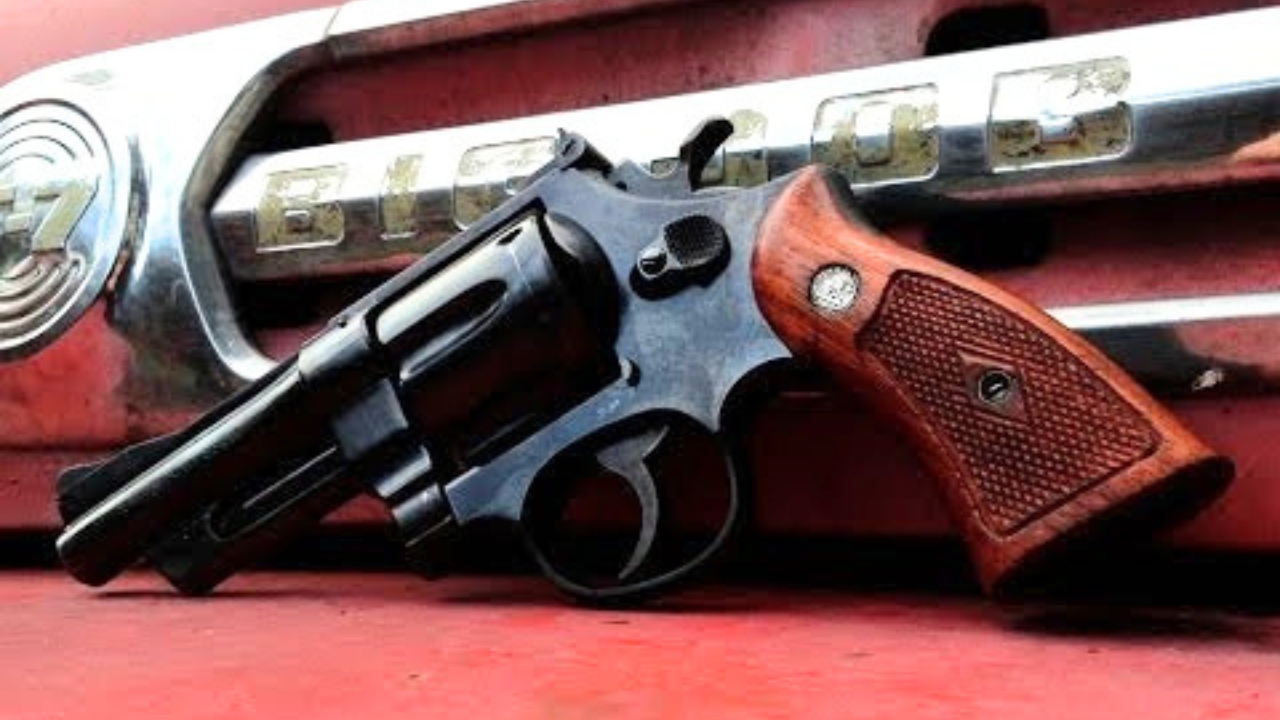
The Model 28 is the working man’s Model 27. Matte finish, same tough bones. It’s not as pretty, but it’s honest. If you want an N-frame .357 you can actually use and not feel guilty about, this is the one that makes sense.
It used to be the “cheap” way into a classic S&W magnum. That window has been closing. Once folks realized they were buying the same strength without the fancy polish, demand crept up and prices followed.
7. Smith & Wesson Model 10 (Military & Police)
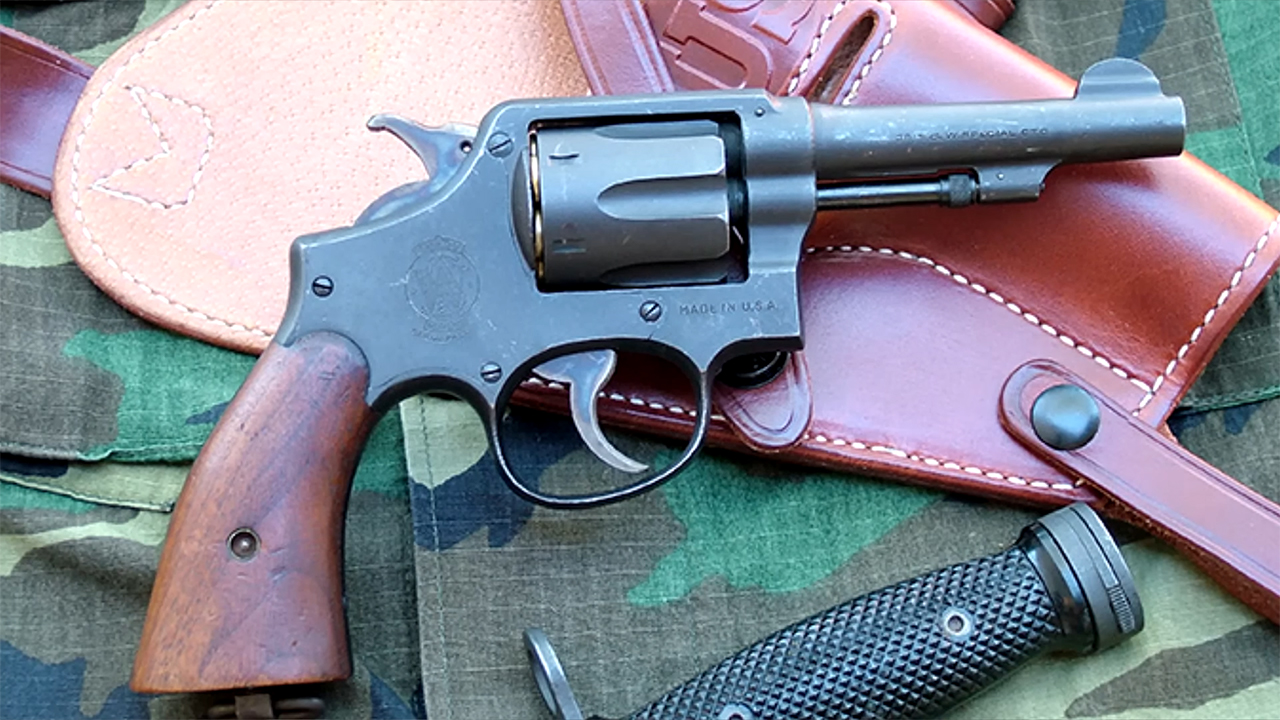
Boring? Maybe. Useful? Absolutely. The Model 10 is one of the most practical revolvers ever made, and the older ones tend to have smooth triggers that shame a lot of modern production. A 4-inch Model 10 with decent sights and a good set of grips is still a pleasure on the range.
Collectors are quietly buying the nice ones because they’re iconic, plentiful enough to collect variations, and still affordable compared to the glamorous stuff. The better examples won’t stay “cheap forever,” and everyone knows it.
8. Smith & Wesson Model 36 (Chief’s Special)
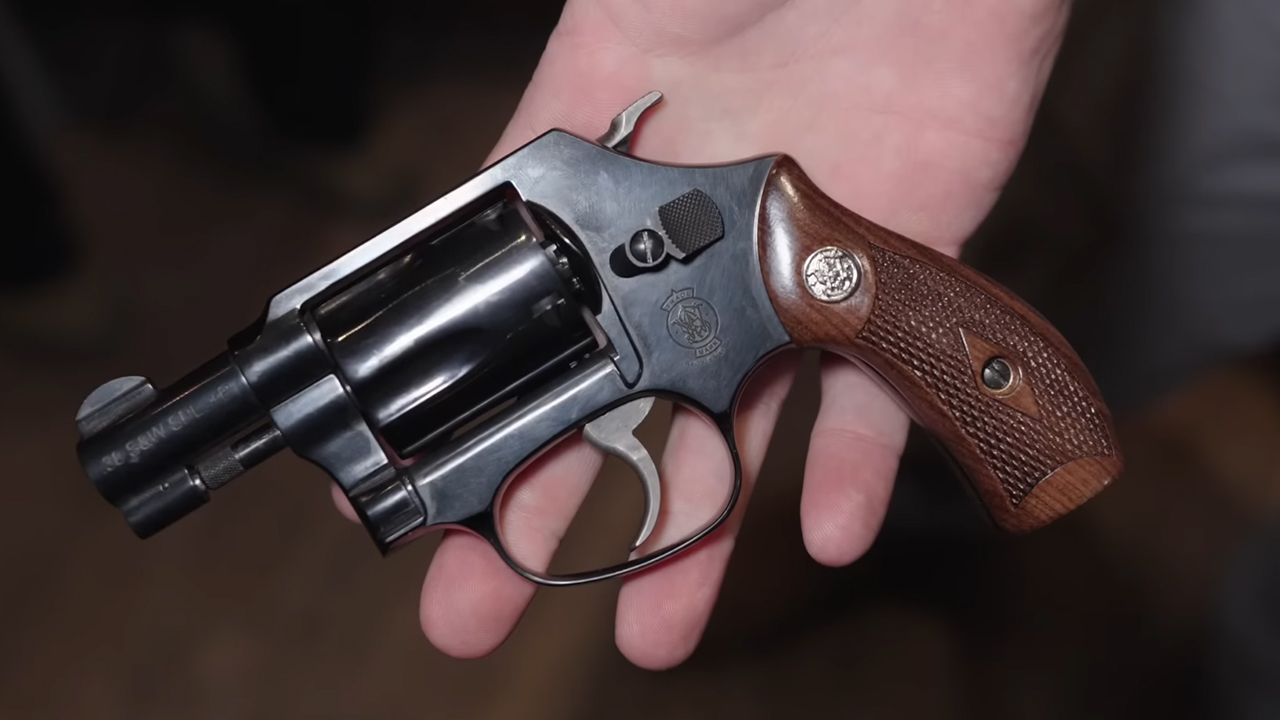
There’s something about a steel J-frame that feels like it belongs. The Model 36 carries well, doesn’t beat you up like ultralights, and it’s simple. It’s also one of those guns that ends up in families for decades because it just keeps doing its job.
The older ones have that classic profile and often a nicer trigger than you’d expect. Good examples get bought fast because they’re collectible, but they’re also still practical if you’re realistic about what a small revolver is.
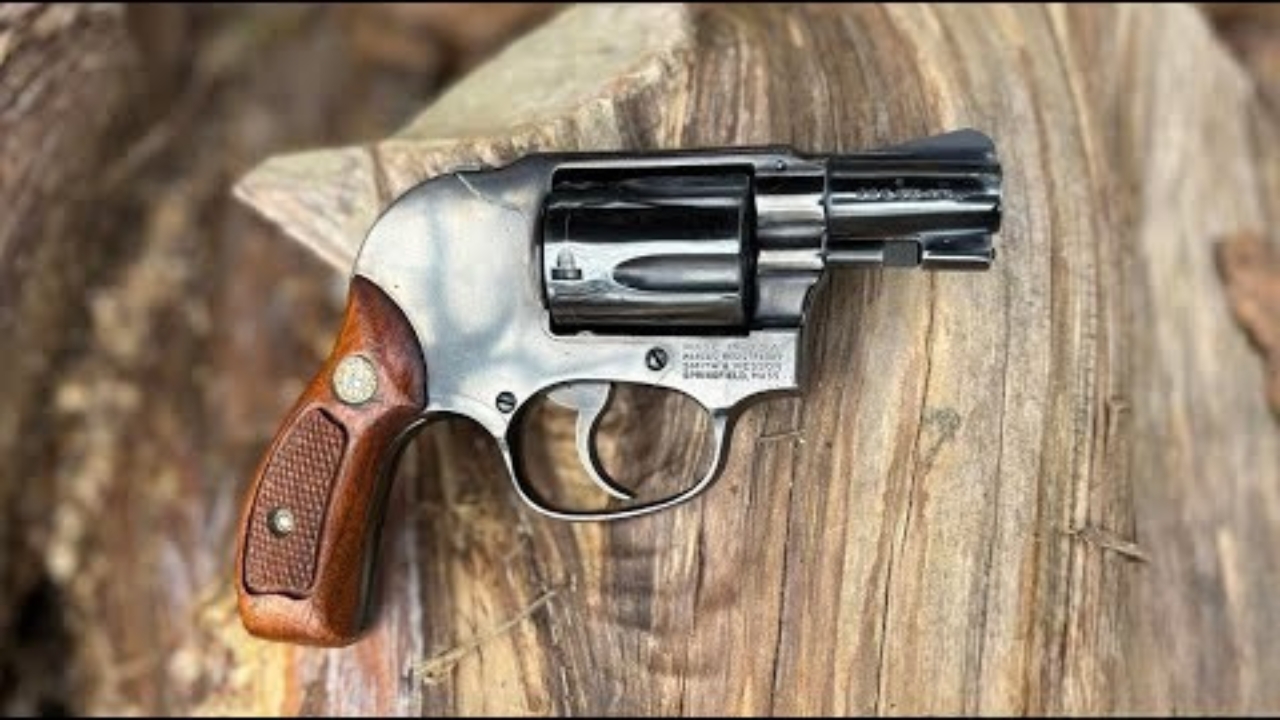
9. Smith & Wesson Model 49 (Bodyguard Airweight)
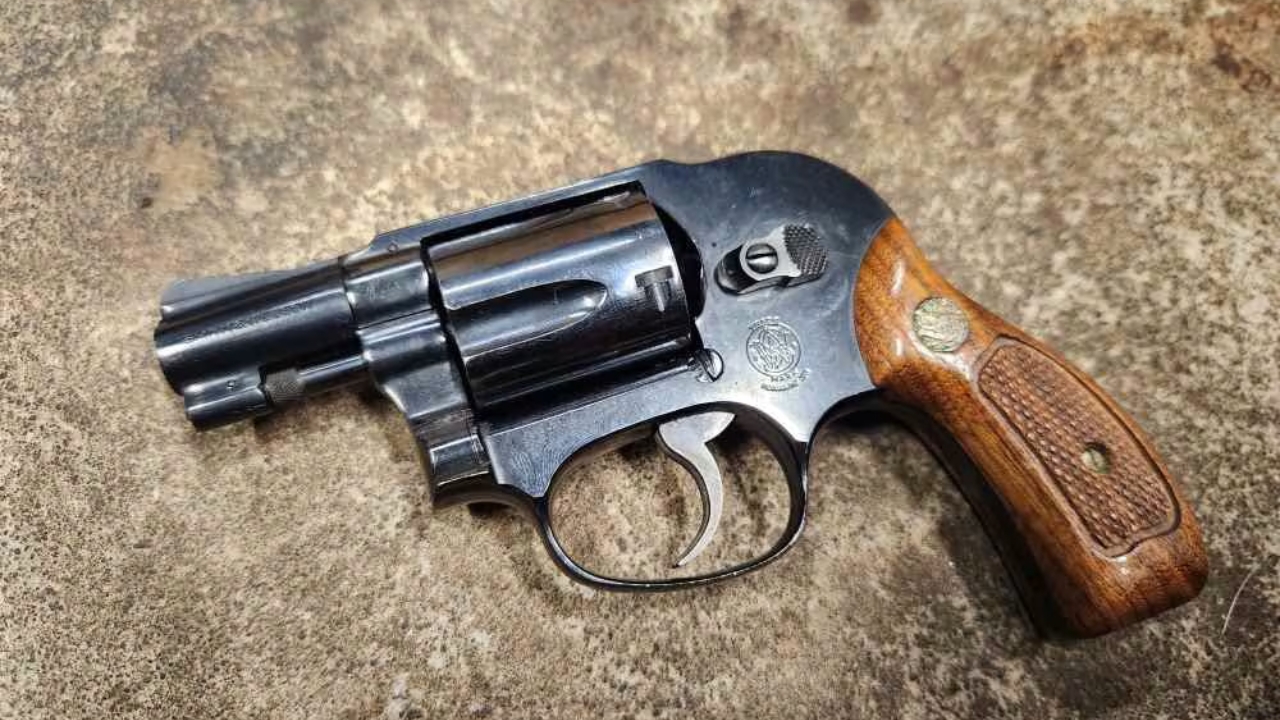
The shrouded-hammer J-frames are a niche that makes sense the second you carry one. You can thumb-cock it if you want, but it won’t snag on everything like an exposed hammer. For a lot of folks, that is the whole point of a snub.
Clean older Model 49s have been getting scarcer. Once you find one that locks up tight and has a decent action, you tend to hold onto it. And the market notices when guns stop circulating.
10. Smith & Wesson Model 586 (L-frame, blued)
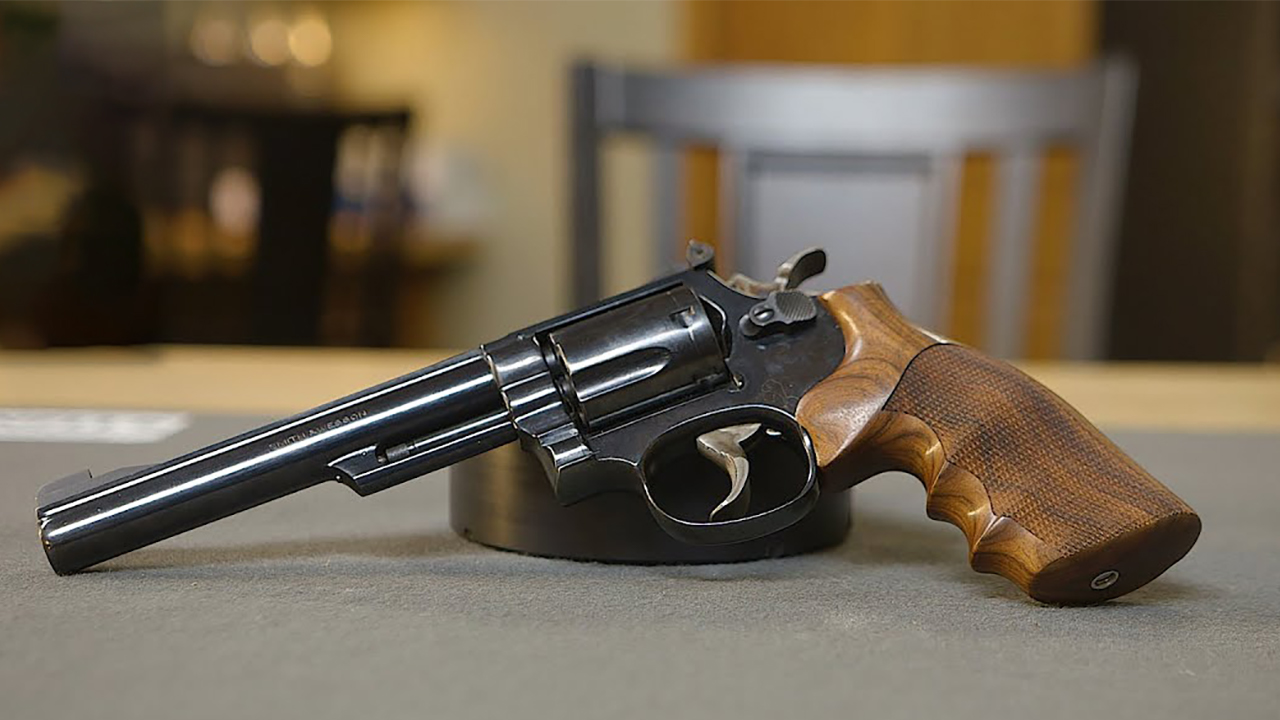
The L-frame is what happens when you want K-frame feel with more meat where it counts. A 586 is a steady shooter, and it can take a steady diet of .357 without the same long-term worries that heavy magnum use can bring in lighter frames. It’s a range gun that can also be a serious field gun.
Collectors chase no-lock examples and specific dash numbers, but even regular shooter guns are getting attention. These are the revolvers guys buy after they’ve owned a few and decide they want to stop experimenting.
11. Smith & Wesson Model 686 (L-frame, stainless)
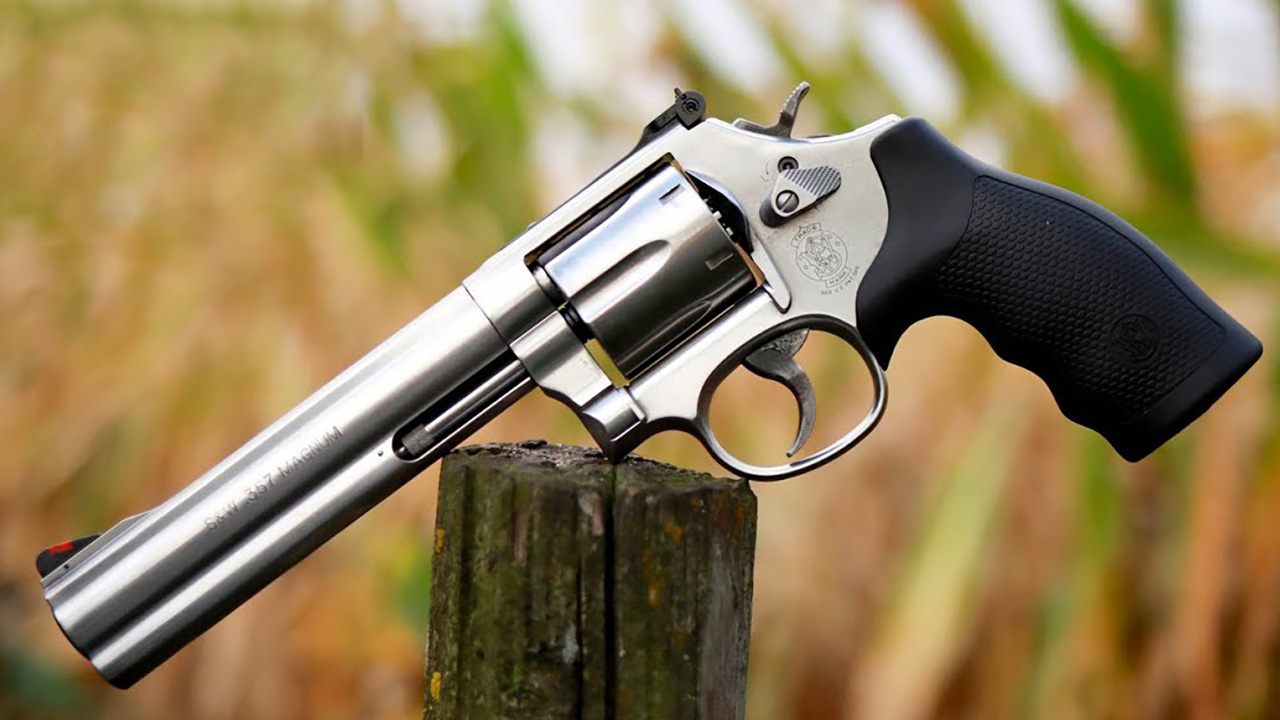
If the 586 is the classic, the 686 is the working stainless version that ends up in tackle boxes, trucks, and camp bags. It’s heavy enough to shoot well, tough enough to last, and common enough that parts and holsters aren’t a scavenger hunt. There’s nothing fancy about it, and that is kind of the point.
Older no-lock guns are the ones collectors quietly target, and the 686 has become one of those “buy it once” revolvers. When a gun gets that reputation, the good ones don’t get cheaper.
12. Ruger Security-Six (and Speed-Six)
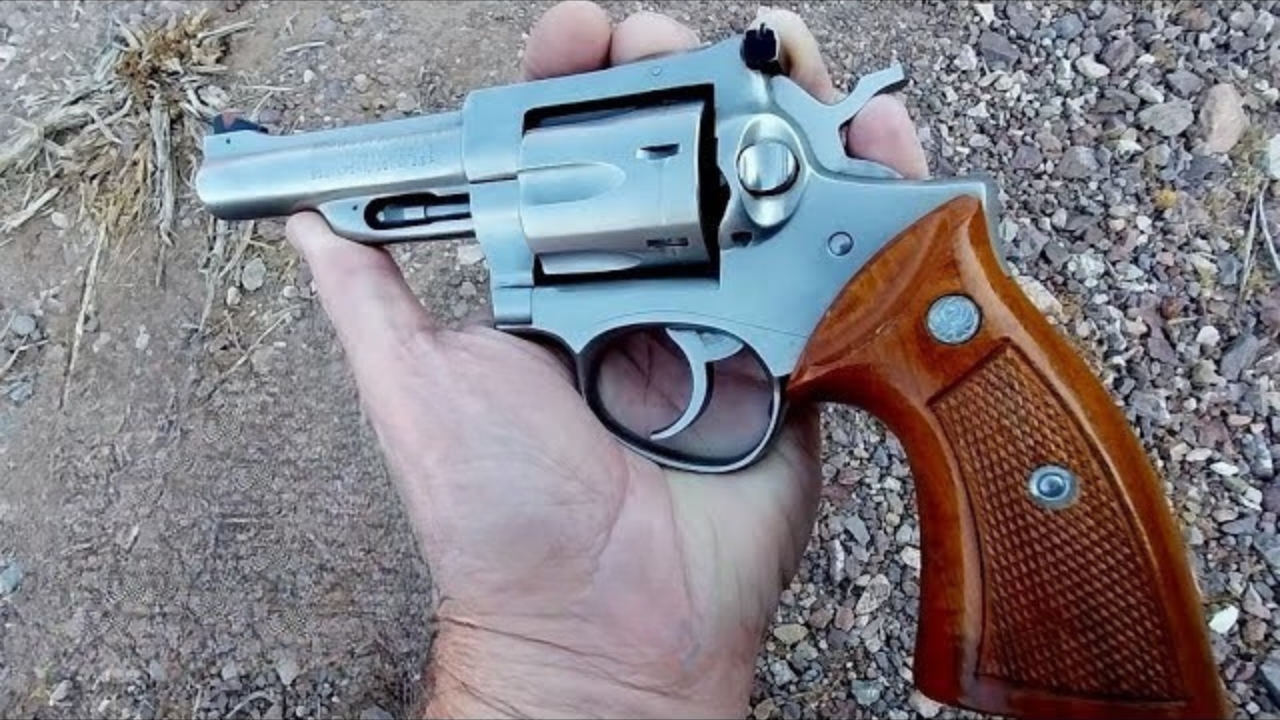
Ruger’s old Six-series revolvers are a big reason you still see used Rugers with a lifetime of mileage that just keep ticking. They aren’t as slick as a tuned Smith, but they’re rugged, and the design has a loyal following. The Speed-Six, in particular, carries well and feels trim for what it is.
They’ve been discontinued long enough that people are starting to treat them like a “buy now” item. When outdoorsmen decide a gun is trustworthy, and collectors decide it’s historically important, the supply dries up fast.
13. Ruger GP100 (early production)
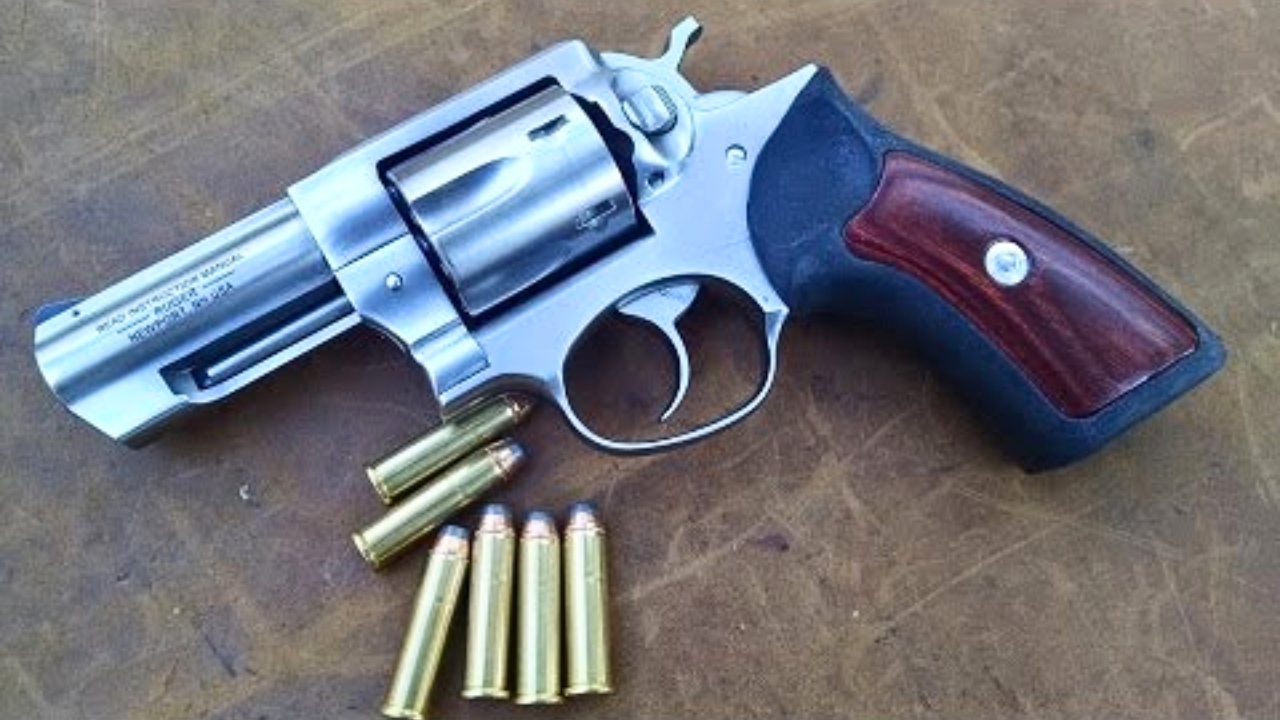
The GP100 is a tank. It’s not the lightest thing on your belt, but it’s hard to argue with when you’re feeding it magnums or running it hard on the range. The grip frame design is friendly to different hand sizes, and a good GP feels like it was built to outlast you.
Collectors are giving early guns and certain configurations more attention, especially the ones with the “old Ruger” vibe. This is also one of those revolvers that folks sell to fund something else and then miss later. Ask me how I know.
14. Ruger SP101 (2.25-inch and 3-inch)
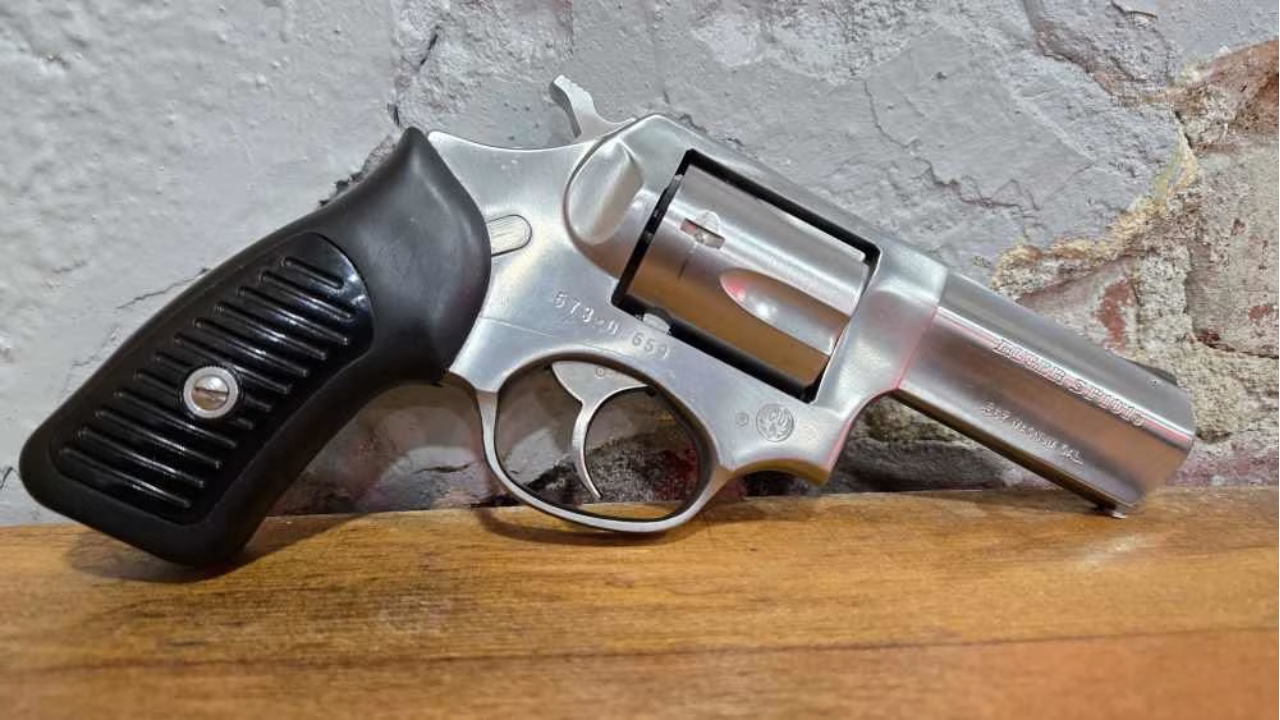
The SP101 fills a sweet spot: small enough to carry, stout enough to shoot real loads without feeling like a toy. The 3-inch version is one of the best trail-companion revolvers ever made, in my opinion. It gives you a longer sight radius and a little more velocity without turning into a brick.
They hold value because they’re useful, and because Ruger doesn’t flood the market with endless variations. When you see a clean SP101 at a fair price, it tends to get snatched up by somebody who actually intends to keep it.
15. Ruger Blackhawk (Old Model, three-screw)

This one is for the single-action crowd, and it’s not just nostalgia. The old three-screw Blackhawks have a feel that’s different than the later transfer-bar guns, and collectors chase them hard. They’re also strong revolvers that can live a long life if they’re treated right.
Prices depend a lot on condition and configuration, but interest keeps creeping up. Even guys who don’t “collect” sometimes decide they want one classic single-action in the safe, and the old models are the ones they look for.
16. Colt Single Action Army (3rd Gen and earlier)
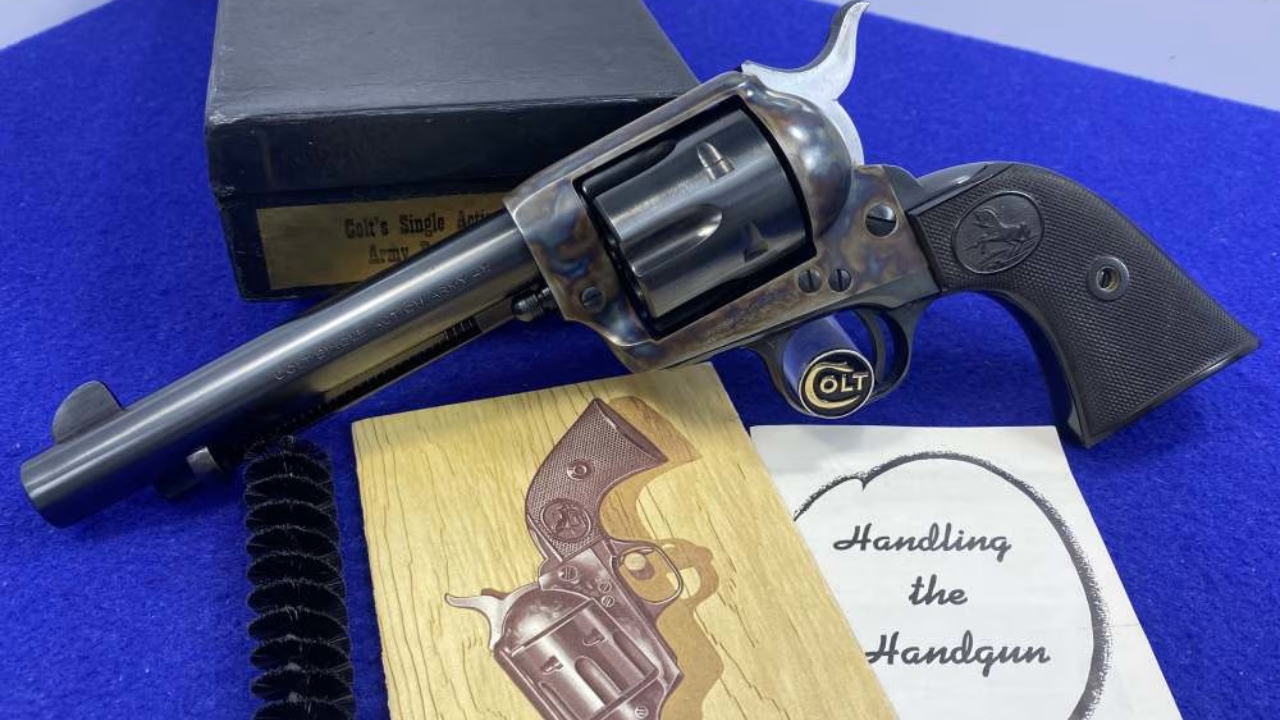
The SAA is a category all its own. It’s not the most practical revolver for most modern needs, but it’s one of the most collected firearms in America for a reason. The shape, the history, the way the hammer clicks through the cycle—there’s nothing else quite like it.
Collectors buy these before they buy a lot of other things, because the demand never really goes away. Condition, originality, and chambering matter a lot, and the “cheap” entry points vanish first.
17. Dan Wesson Model 15 (interchangeable-barrel .357)

Dan Wessons are one of those revolvers that quietly earn respect when you shoot them. The interchangeable barrel system is the headline, but the accuracy is what keeps people chasing them. If you ever ran one from a rest and watched it stack rounds like a target gun, you remember.
They’re not as common on shelves as Ruger and Smith, and that scarcity is part of what’s driving collector interest. When a gun is both oddball and excellent, it doesn’t stay under the radar forever.
18. Colt Trooper Mk III
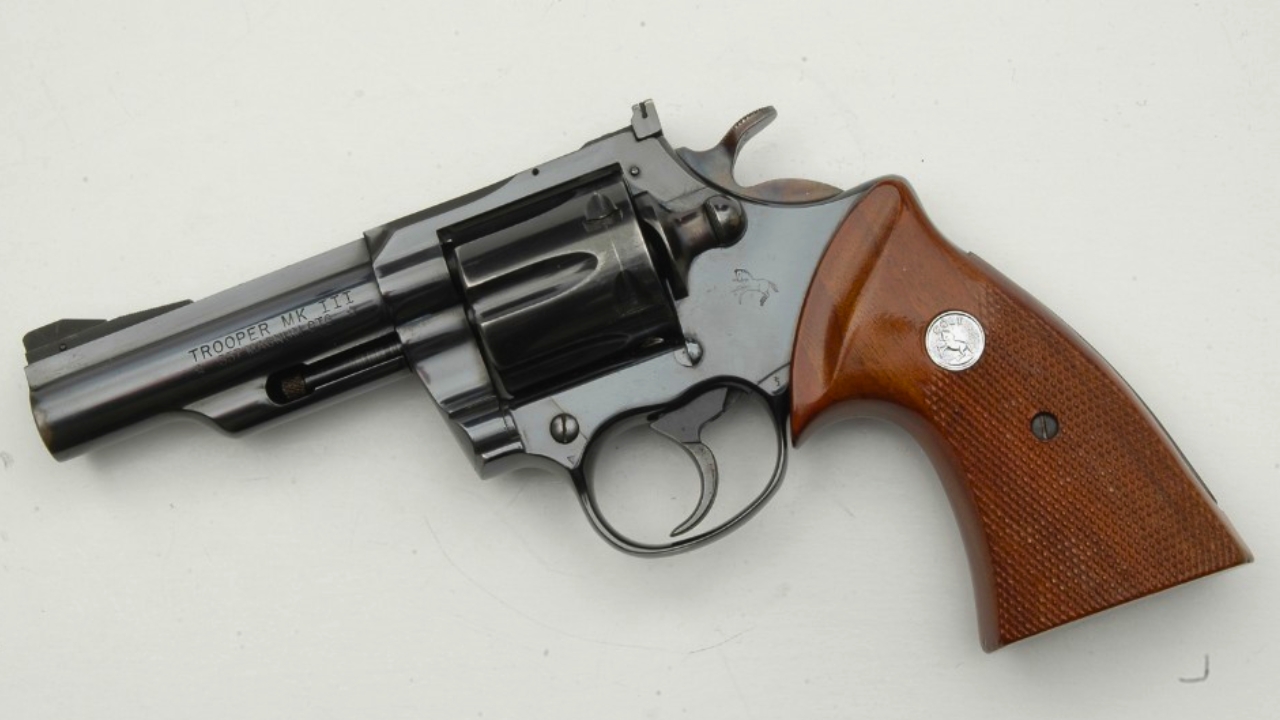
The Trooper Mk III is not a Python, and it doesn’t pretend to be. It’s a strong, serviceable Colt .357 that still has that Colt feel, just in a more utilitarian package. For a long time, these were the “smart buy” Colts that didn’t require Python money.
That gap has been narrowing. Once collectors start viewing a model as the affordable way into a brand’s history, the days of bargain pricing don’t last.
19. Smith & Wesson Model 24 (or 624) in .44 Special
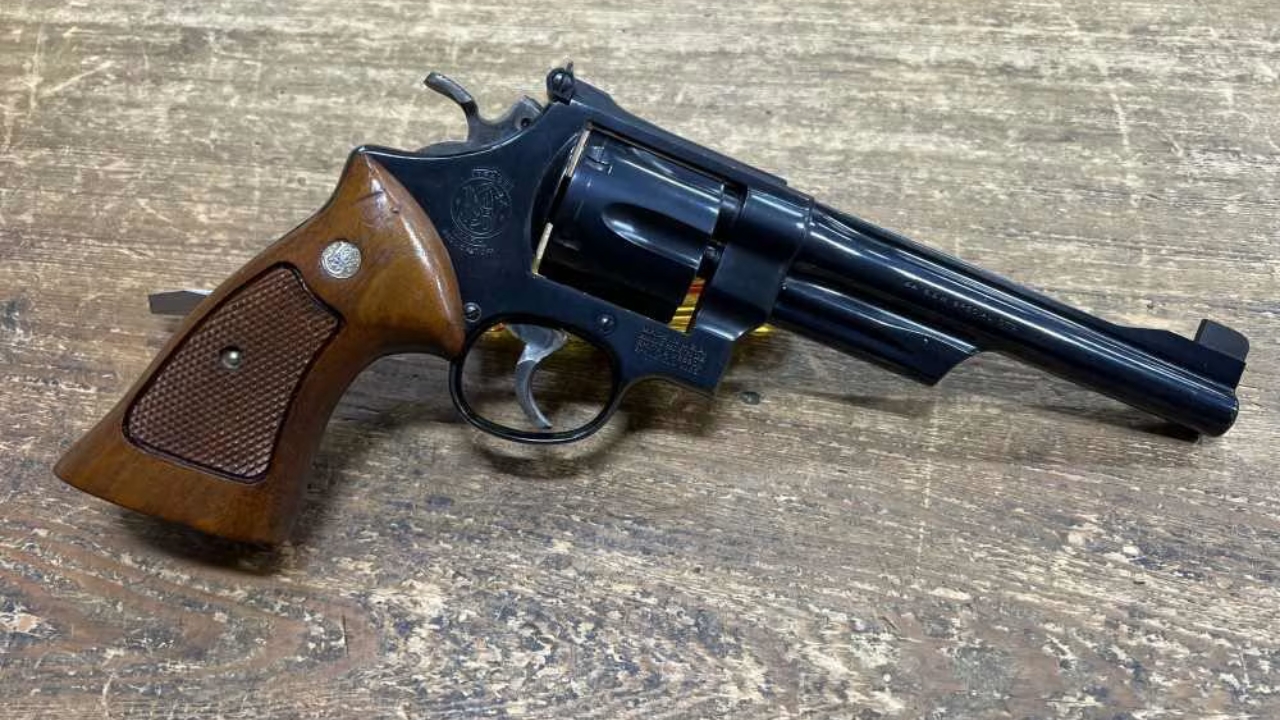
.44 Special is one of those cartridges that makes sense in the real world, especially in a good revolver with a sensible barrel length. A Model 24 or stainless 624 is pleasant to shoot, hits with authority, and doesn’t need to rattle your teeth like a full-house magnum to be effective.
Collectors have been paying attention to .44 Special revolvers again, and availability is not what it used to be. When a niche gets popular, it doesn’t take many buyers to clean out the market.
20. Ruger Redhawk (original .44 Magnum)
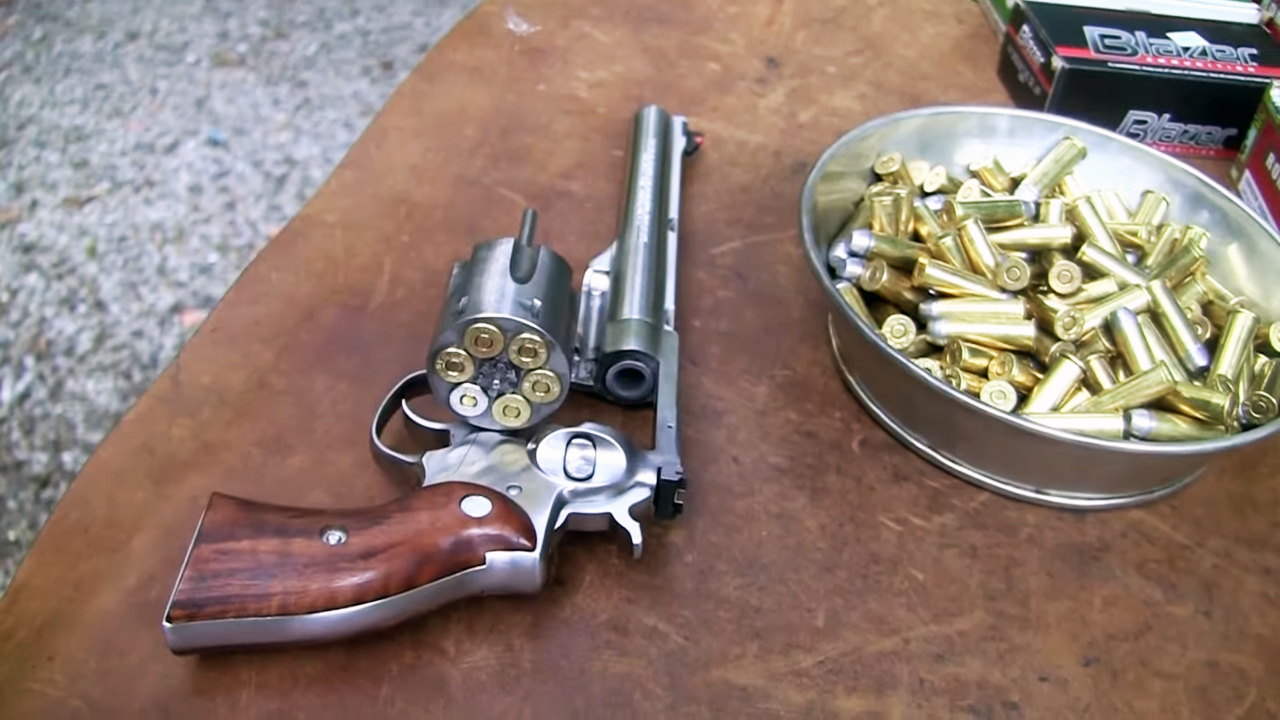
This is the “if I’m going to have one big revolver” choice for a lot of hunters and backwoods types. It’s heavy, the double-action pull can be stout, and it’s not trying to win beauty contests. But it’s built to take real use and keep going.
Collectors are grabbing clean early guns and certain barrel lengths because the Redhawk has become a known quantity. When something earns a reputation for durability, it starts getting treated like a long-term asset, not just a tool.
None of these are magic, and not every one is right for every shooter. But the pattern is clear: the revolvers getting bought quietly are the ones with real workmanship, real history, and real usefulness. If you’ve been thinking about adding one classic wheelgun to the safe, don’t wait until the only ones left are the beat-up examples with “collector pricing” anyway.
Like The Avid Outdoorsman’s content? Subscribe to our newsletter so you never miss an article.
Here’s more from us: