Photo credit: Sagebrush Longshots/YouTube
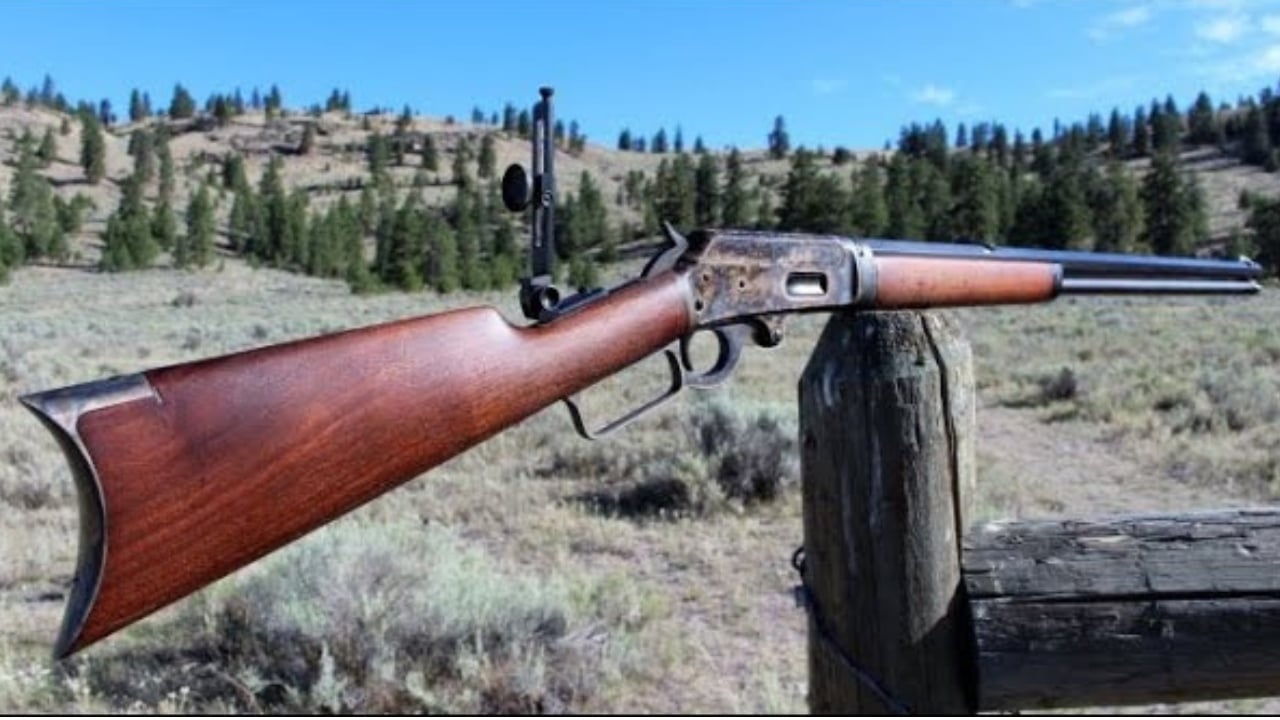
Every few years somebody decides the lever gun is “back,” like it ever left. You’ll see tactical handguards, red dots, and big-loop levers selling a lifestyle. Meanwhile, the plain lever-actions that fed families, guarded wagons, and rode in scabbards are still doing what they’ve always done: carrying easy, cycling fast, and putting a real-world bullet where it needs to go.
Are they perfect? No. Tube magazines are slower to top off, some designs are picky about overall cartridge length, and you’re not mounting night vision without turning the rifle into something it wasn’t meant to be. But for woods hunting, ranch carry, and “grab it and go” practicality, these rifles still embarrass a lot of modern stuff that’s heavier, fussier, and less friendly in the hand.
1. Winchester Model 1873
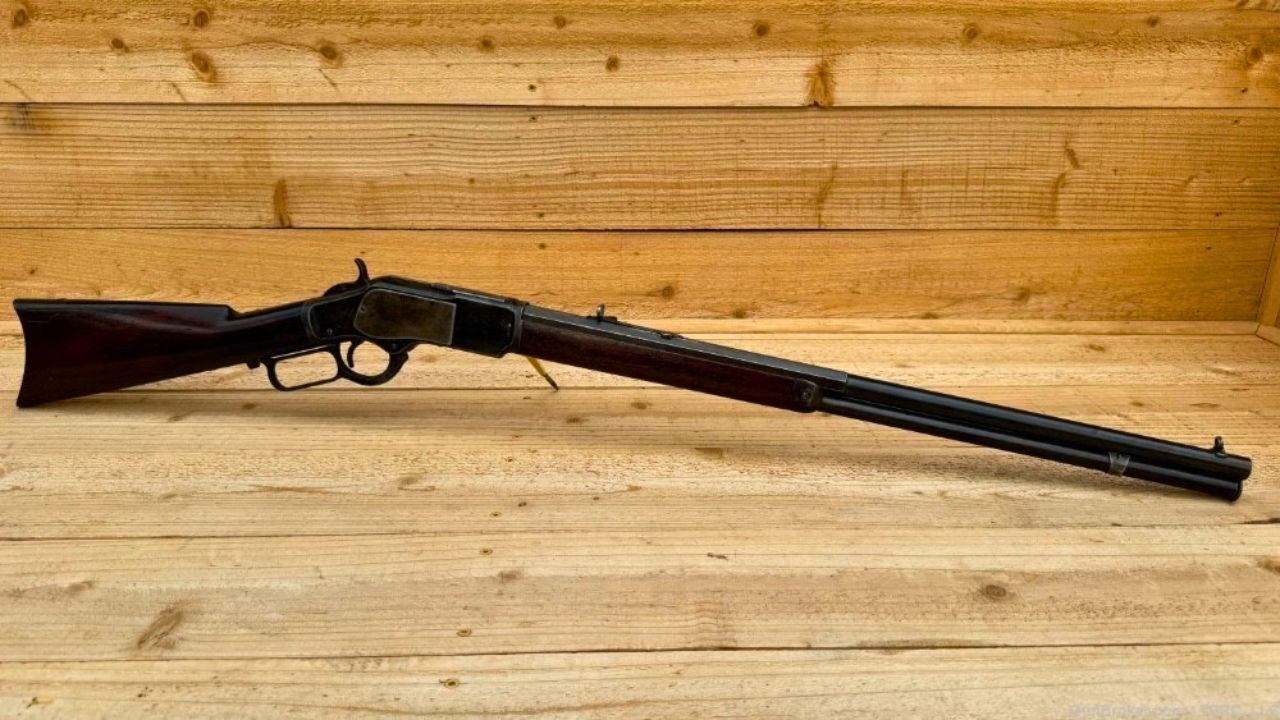
The “’73” is the lever gun that shows up in old photos and old stories for a reason. It points naturally, the action can be slick as river rock when it’s tuned and worn-in, and it’s quick on target in the kind of distances most real rifle work used to happen.
In .44-40 especially, it’s a reminder that you don’t need a magnum to do honest work. You do need good ammo and a rifle in spec. Some of them have seen a lot of hands and a lot of kitchen-table “gunsmithing,” so condition matters.
2. Winchester Model 1892
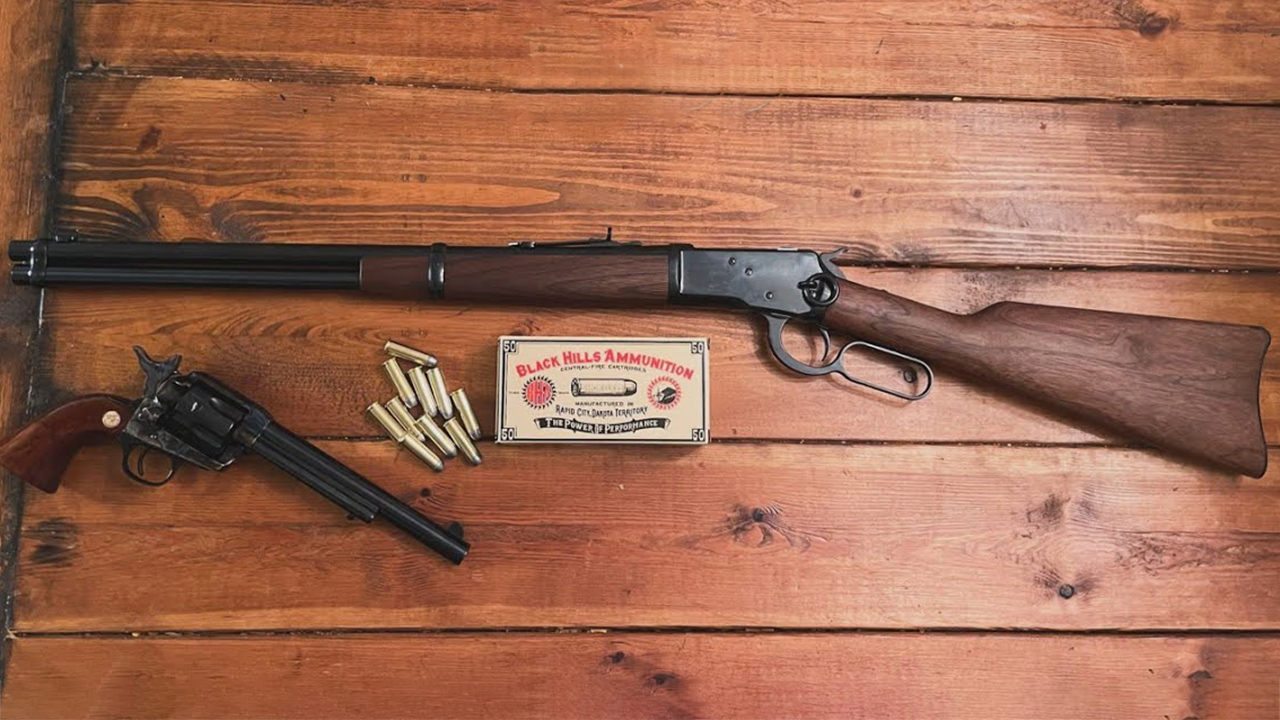
John Browning’s ‘92 is what you carry when you want a handy little rifle that feels alive. It’s lighter and trimmer than the big-frame guns, and it runs like it’s on bearings when it’s right.
In .357 or .44 Magnum, a modern reproduction ‘92 is still one of the best “walk the creek bottom” rifles ever made. It’s not a benchrest gun. It’s a field gun, and it acts like it.
3. Winchester Model 1894
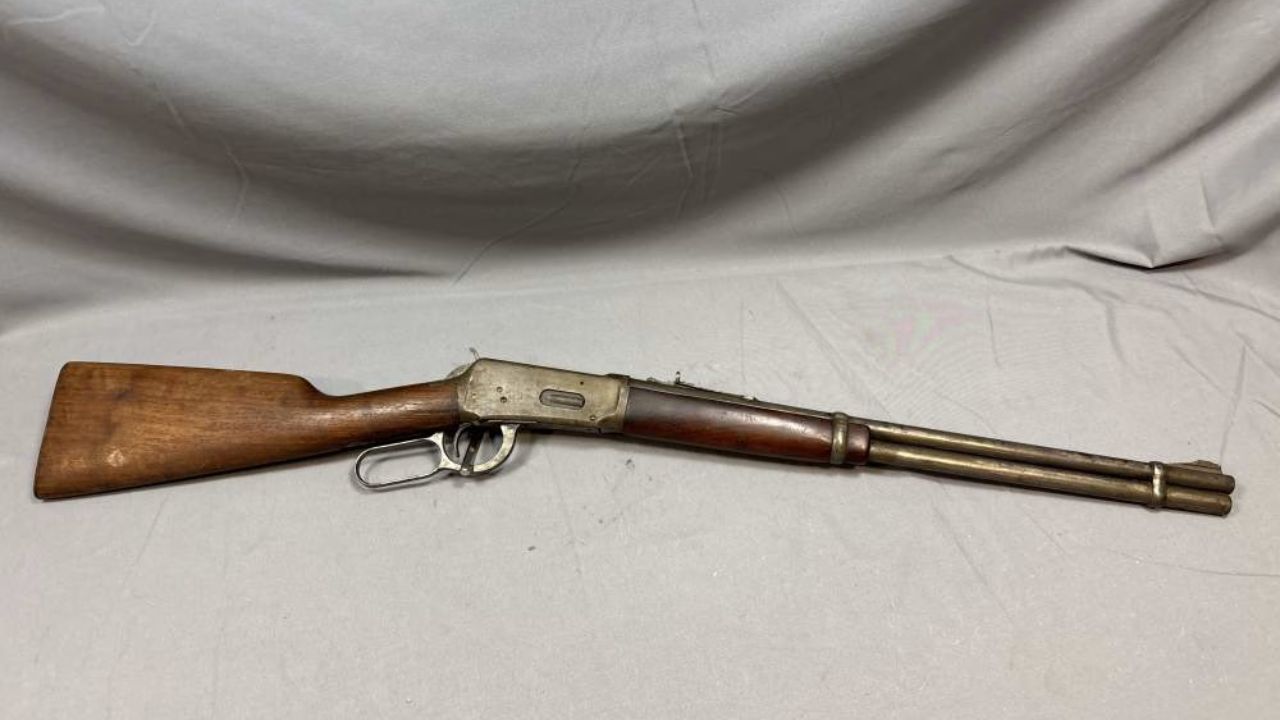
If you grew up around whitetails, you’ve probably seen an ‘94 behind a truck seat or in a closet by the back door. .30-30 made its reputation in this rifle, and it wasn’t by accident. The whole package carries flat, comes up fast, and makes sense in the timber.
Yes, it’s old-school. That’s the point. A decent ‘94 with good sights will kill deer as cleanly now as it did when your granddad was young, and it’ll do it without feeling like you’re lugging a fence post.
4. Winchester Model 1886

The 1886 is a serious rifle for serious cartridges. When you pick one up, you feel the extra steel and the extra authority. This is the one that bridges the gap between lever-gun handiness and big-game power.
In .45-70, it’s a thumper that still balances better than a lot of modern big-bore rigs. It’s not cheap to feed, and it’s not light, but it’s the kind of rifle you keep if you hunt elk in dark timber or want one rifle that doesn’t flinch at hard work.
5. Winchester Model 1895
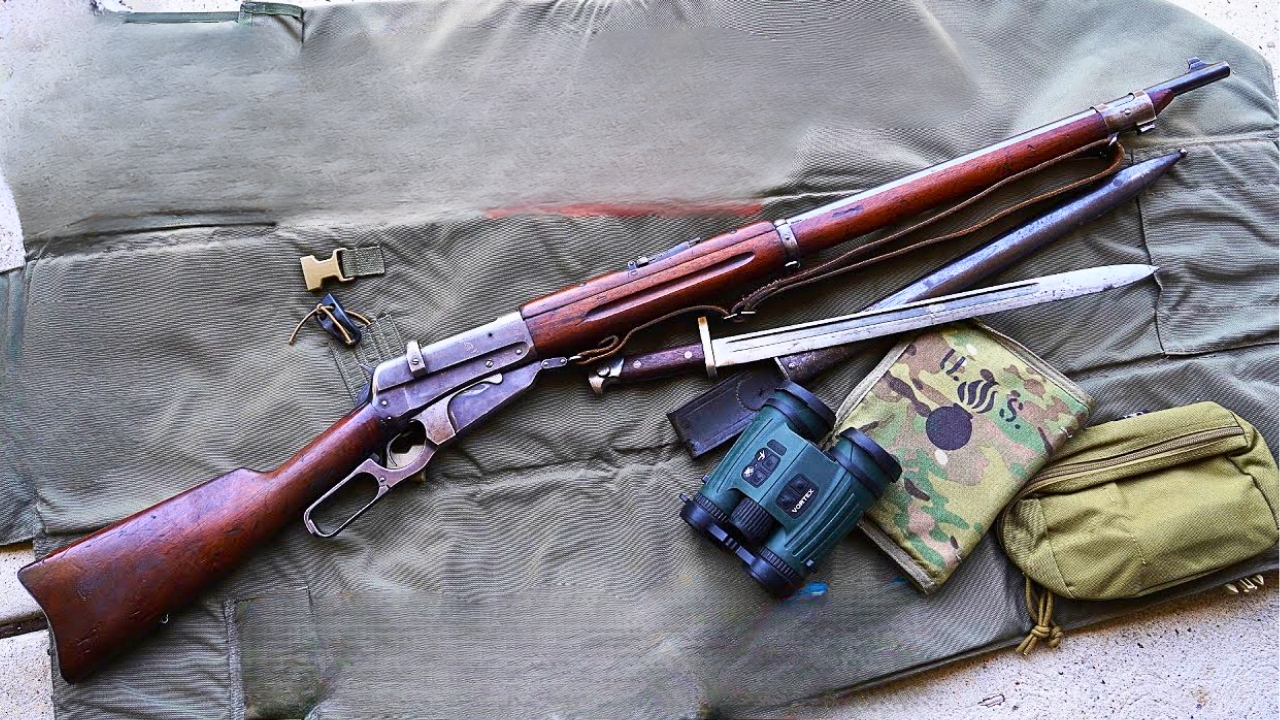
The ‘95 is the oddball that makes sense once you handle it. Box magazine, lever action, and the ability to run spitzer bullets in cartridges like .30-06. It’s a lever gun built for a changing world.
It’s also a rifle you buy because you want it, not because it’s the easiest thing to find parts for. Still, in the field, it shoots flatter than the traditional tube-mag guns and carries with that classic lever feel.
6. Marlin Model 1893
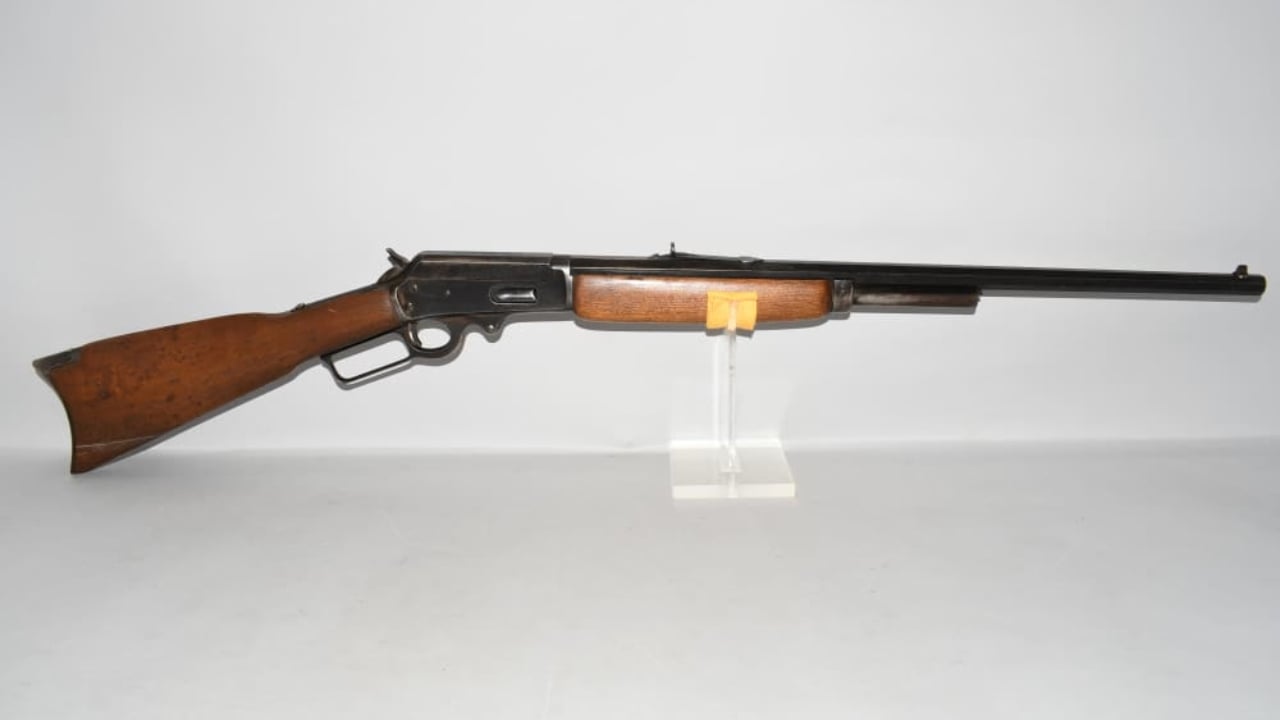
The Marlin 1893 is one of those rifles that quietly did the work without getting the same Hollywood attention. It’s got that Marlin feel: solid, a little blockier than a Winchester, and confidence-inspiring.
Most folks know it as the ancestor to the 336 line, and you can feel that lineage. If you ever handled a good one with a clean bore, you understand why these stayed in service for so long.
7. Marlin Model 336

If there’s a “working man’s lever gun” that still makes sense today, it’s the 336. Side ejection makes scoping easy without turning the rifle into a science project, and the action has a sturdy, no-nonsense feel.
In .30-30 or .35 Remington, it’s a woods rifle that covers 95% of what most deer hunters actually do. It’s not fancy. It’s reliable, accurate enough, and friendly to carry all day without making you hate life by lunch.
8. Marlin Model 1894
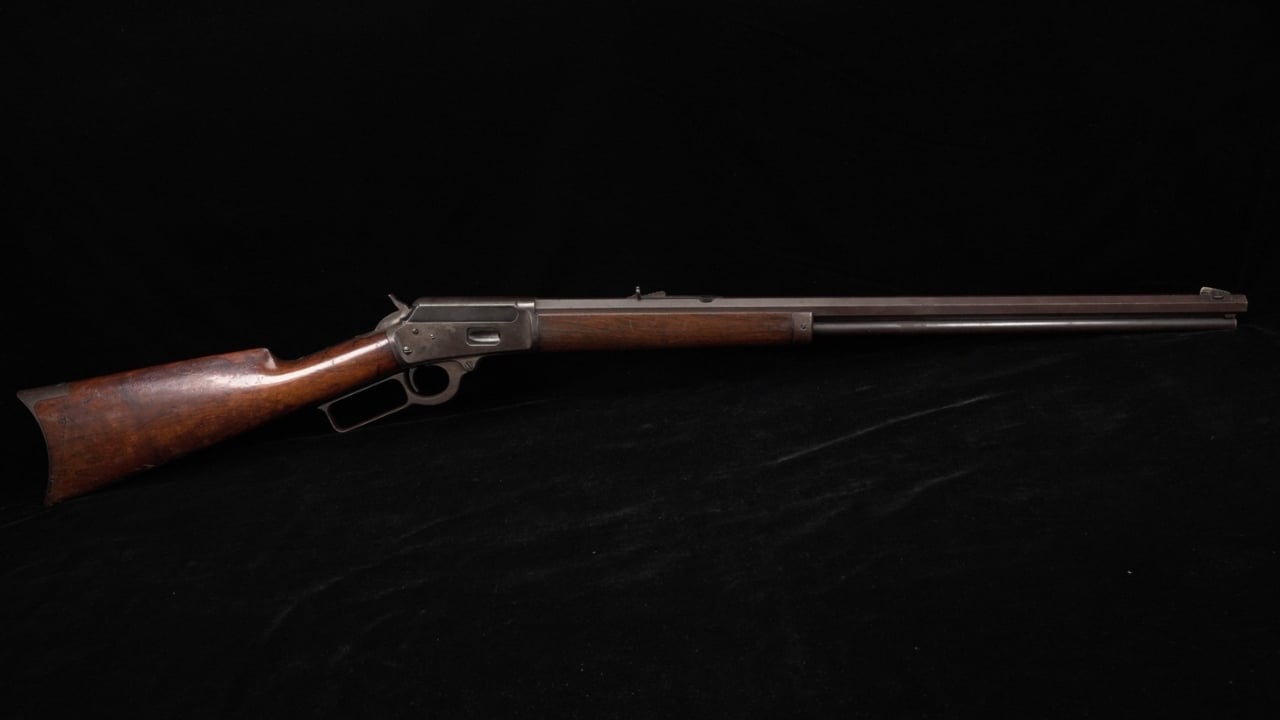
There’s something about a compact Marlin 1894 in a pistol caliber that just fits. It’s fast, handy, and makes a great “farm rifle” for pests and close-range chores where you don’t need a long barrel and a big cartridge.
In .357 Magnum, it’s hard not to grin when you shoot it. In .44 Magnum, it’s more serious, and it’ll still do a number on deer inside sane distances. The only downside is they’ve gotten expensive, and the good ones don’t sit on racks long.
9. Marlin Model 1895

The 1895 in .45-70 is one of those rifles that feels like it belongs in a scabbard on an ATV or a saddle. It’s a hammer, but it’s a manageable hammer if you choose your loads wisely.
Where it outperforms “modern” is in real-world readiness. No magazine to lose, no gas system to foul, no special anything. Keep it clean, keep it fed, and it’ll do what it’s supposed to do every time.
10. Henry Repeating Arms Big Boy (Steel)

Henry gets knocked sometimes because it’s “too nice,” like smooth actions and good fit are a bad thing. The steel Big Boy rifles feel substantial, cycle smoothly, and tend to shoot better than the guy behind the trigger expects.
They’re not lightweight mountain rifles. They’re steady, pleasant shooters that are easy to live with. If you want a lever gun that your kids won’t outgrow and you won’t be afraid to use, this is a solid lane.
11. Henry Repeating Arms All-Weather
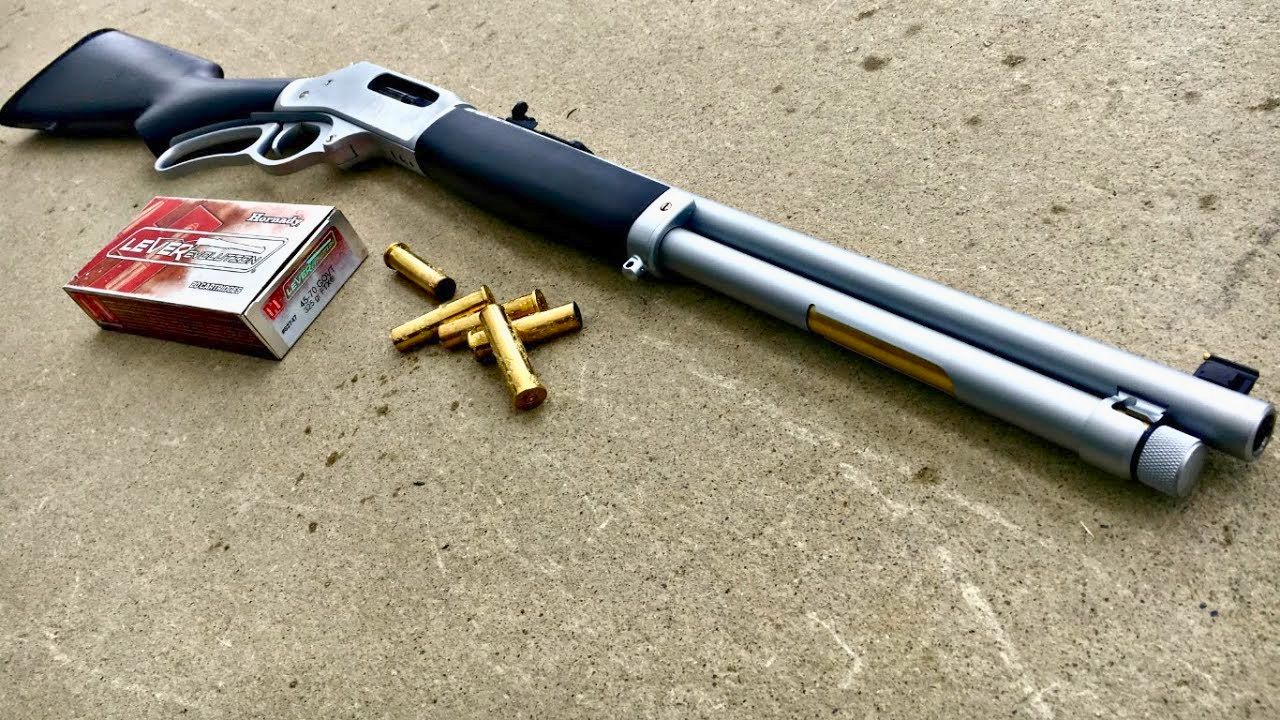
If you actually hunt in bad weather, you start caring less about bluing and more about wiping the gun down and going to bed. The All-Weather rifles are the kind you don’t baby, and that’s a compliment.
They’re not immune to neglect, but they’re forgiving. In a world where plenty of modern guns look tough but hate real exposure, a corrosion-resistant lever gun you’ll actually carry is hard to argue with.
12. Henry Repeating Arms X Model
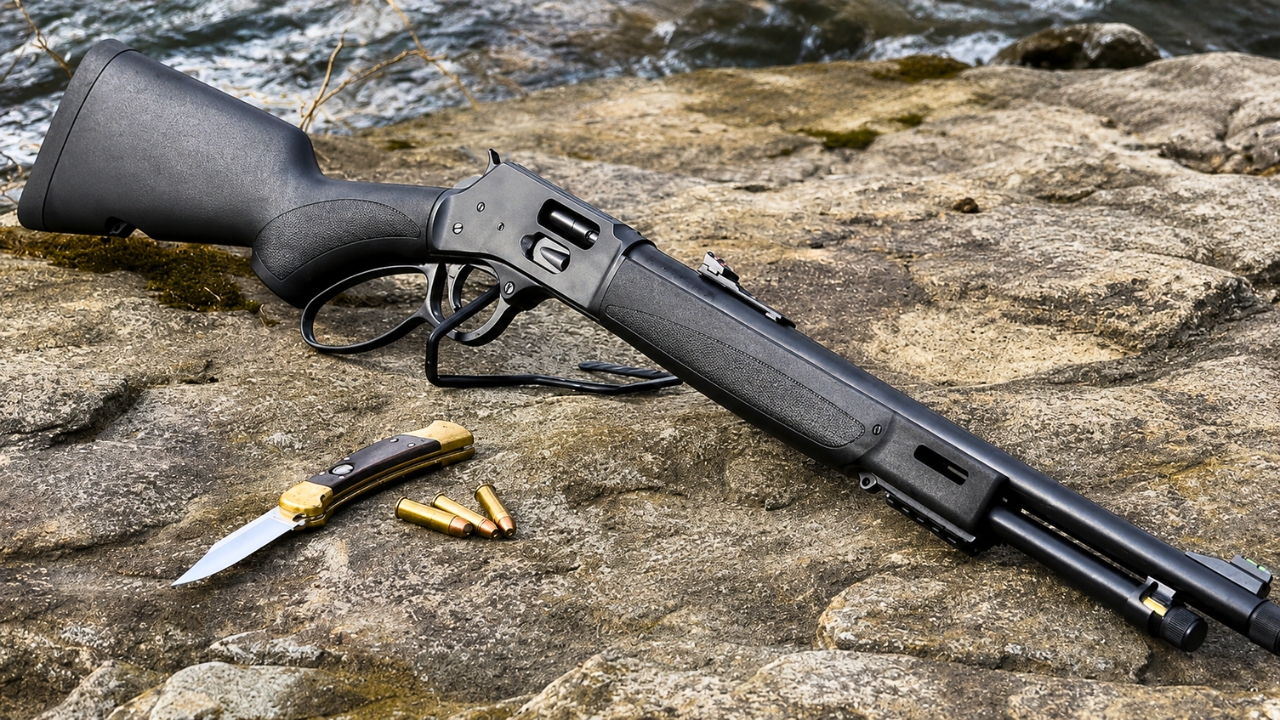
This is Henry leaning into the modern lever crowd, and honestly, it works. Threaded muzzle, more modular furniture, and a tougher vibe without getting too weird. It’s a lever gun that admits you might want a light and a dot, and it doesn’t punish you for it.
What still shines is the basic lever usefulness: fast follow-up shots, simple manual of arms, and a rifle that doesn’t feel like you’re hauling a cinder block. Just don’t buy one and pretend it’s a substitute for practice.
13. Rossi Model 92

Rossi ‘92s have probably put more folks into lever guns than any “premium” brand lately, because the price is usually within reach. Are they all perfect out of the box? No. Some feel rough, and some need a little break-in.
But when you get a good one, you get a lot of rifle for the money. In .357, it’s a cheap way to have a light, effective woods tool that runs on ammo you can actually find most years.
14. Chiappa 1892 (including Take Down)

Chiappa’s 1892-pattern guns can be sleepers. The takedown versions are especially interesting if you travel, ride, or want something compact that still feels like a real rifle when assembled.
It’s not a rifle you buy for “tactical” reasons. You buy it because a compact lever gun you can stow easily is genuinely useful on ranches, in camp, or when you need a rifle that doesn’t announce itself like a long, scoped bolt gun.
15. Uberti 1873
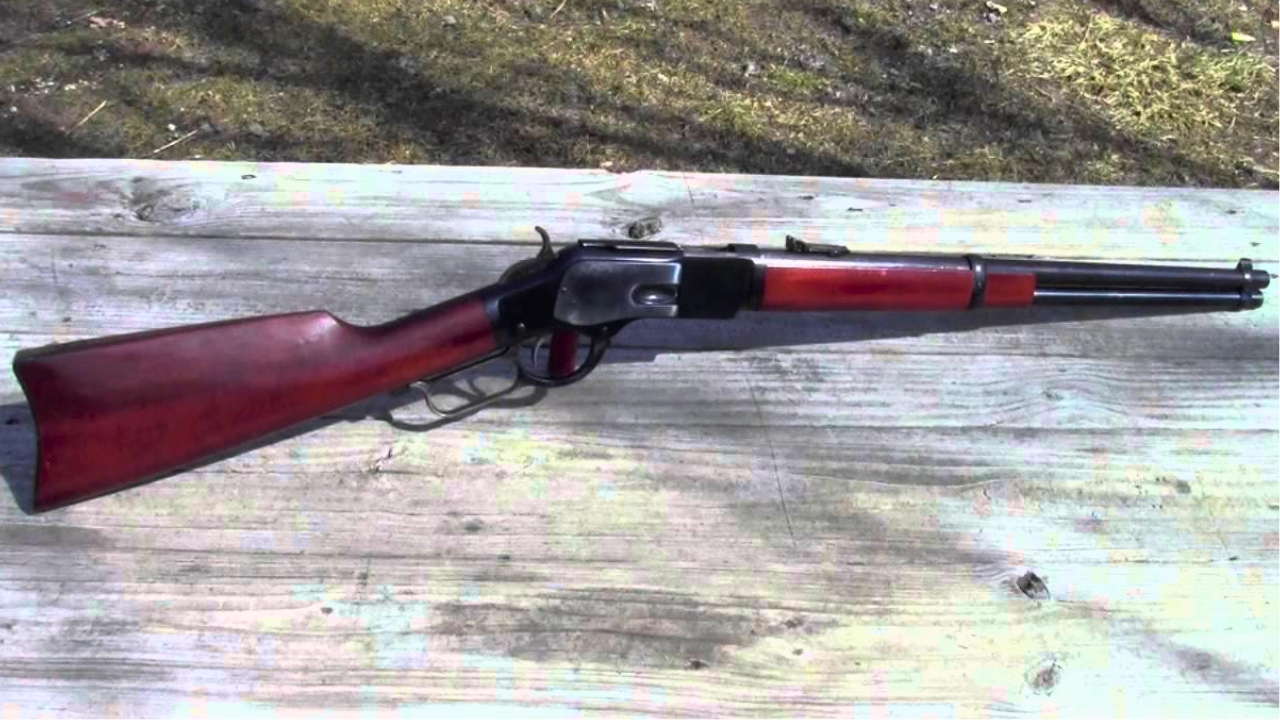
Uberti has made a whole lot of folks understand what a smooth lever action is supposed to feel like. A good Uberti ‘73 cycles fast and clean, and it makes you want to shoot it more than you planned to.
This is where “outperform” isn’t about ballistics, it’s about handling. Fast hits at realistic distances beat slow perfection on paper. If you ever ran one on steel in the woods, you know what I mean.
16. Browning BLR

The BLR is the lever gun for the guy who wants lever handling but refuses to give up modern cartridges. Detachable box magazine, strong action, and chamberings that reach well beyond the classic woods rounds.
It’s not as slim as a 94, and it doesn’t have that old-timey charm. What it has is capability. If you’re hunting mixed terrain and you want a lever rifle that can realistically stretch out, the BLR earns its keep.
17. Savage Model 99
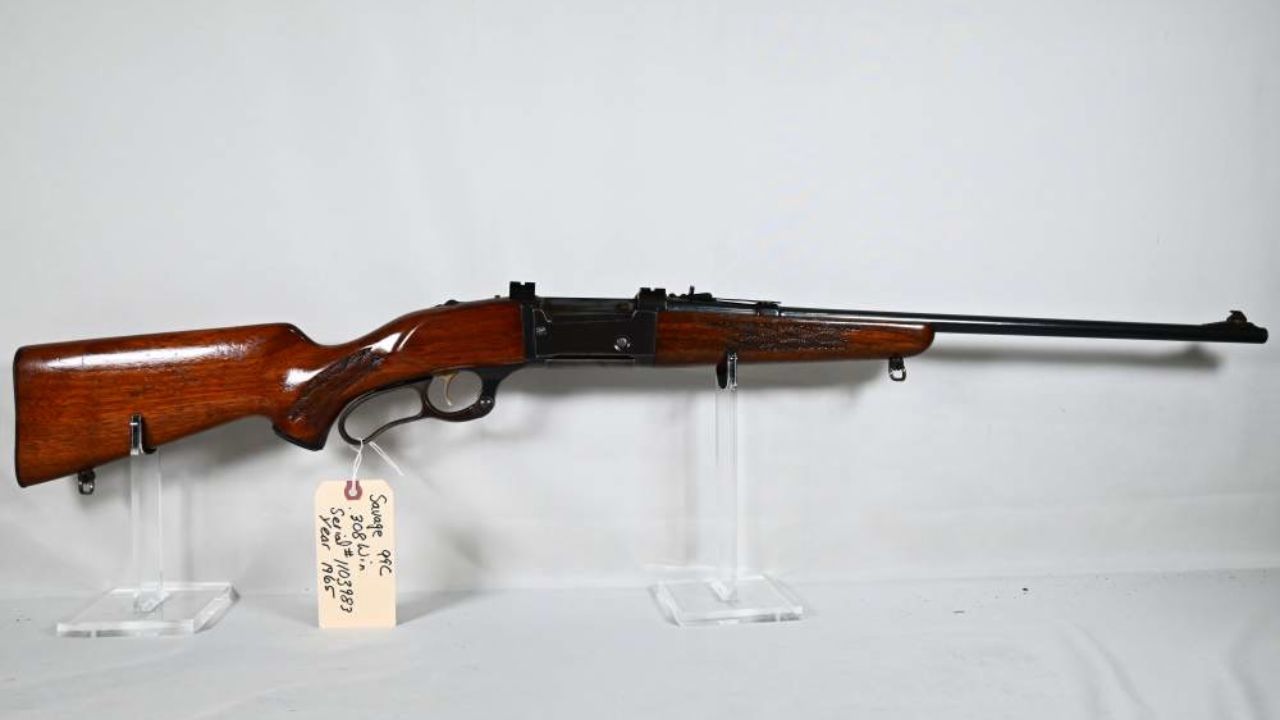
The Savage 99 is one of the coolest “working” rifles ever made. The rotary magazine design and sleek profile make it feel ahead of its time, and it carries in the hand like it was meant for walking.
In cartridges like .300 Savage, it’s still a practical deer and black bear rifle, not just a collector piece. The caution here is parts and gunsmith familiarity. Not every shop wants to tangle with one, so buy condition and don’t abuse it.
18. Winchester Model 71
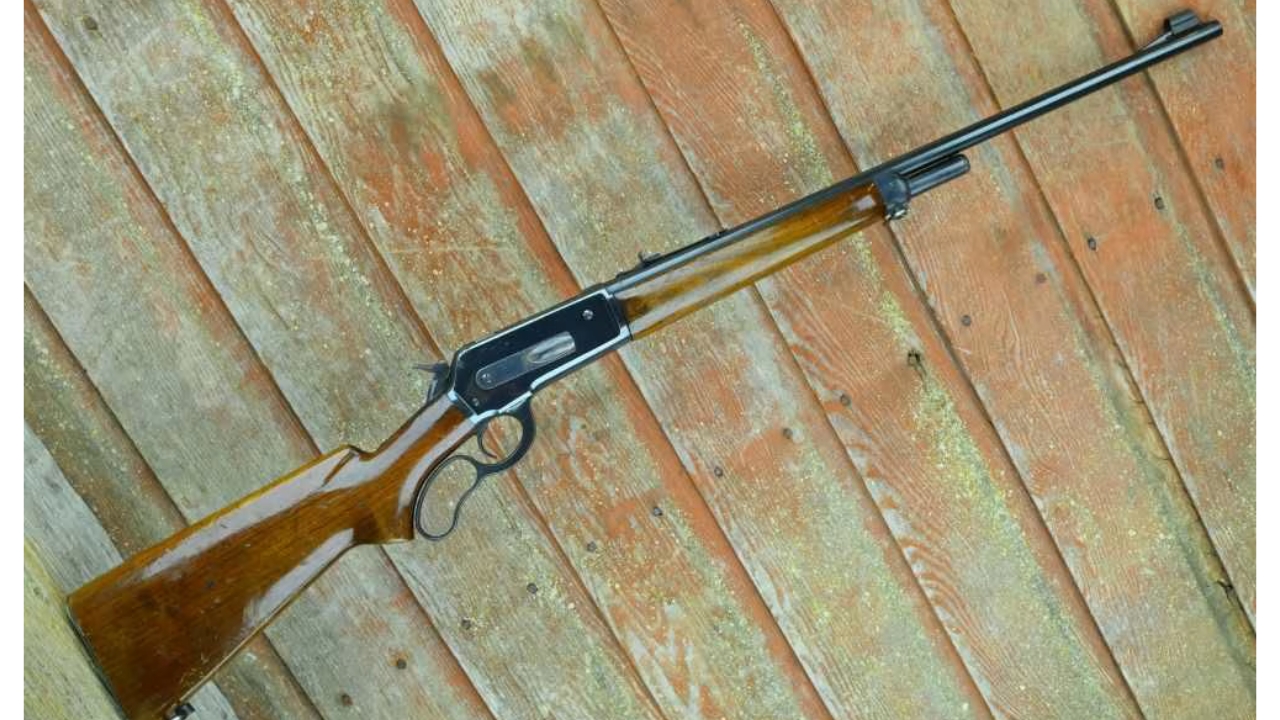
The Model 71 is a bruiser with class. Most folks think “lever gun” and picture a .30-30, but the 71 in .348 Winchester reminds you that lever actions were built for more than whitetails.
It’s not the cheapest rifle to feed, and it’s not for the guy who hates recoil. But if you want a traditional rifle that hits hard and carries well in heavy cover, this one has a reputation it earned honestly.
19. Mossberg 464
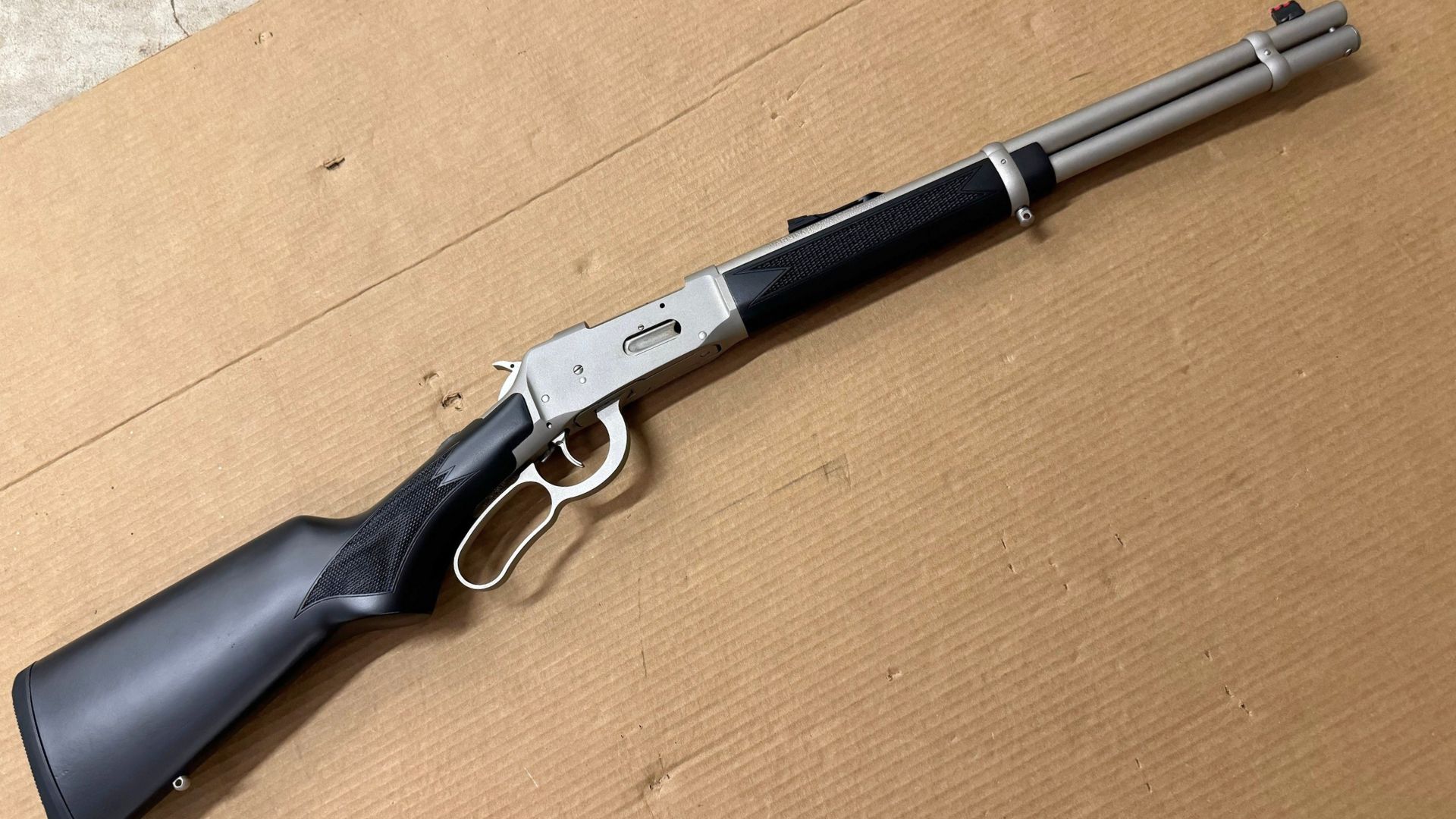
Mossberg’s 464 doesn’t get the romance points, and that’s fine. It’s a straightforward, modern-made .30-30 that tries to keep the classic idea affordable. Some examples feel a little utilitarian, because they are.
What I like is that it puts another honest lever gun in the mix for regular hunters. Not everyone wants to drop collector money to hunt public land in the rain. A serviceable .30-30 with decent sights still solves a lot of problems.
20. Winchester Model 1897 (aka “The 97”)
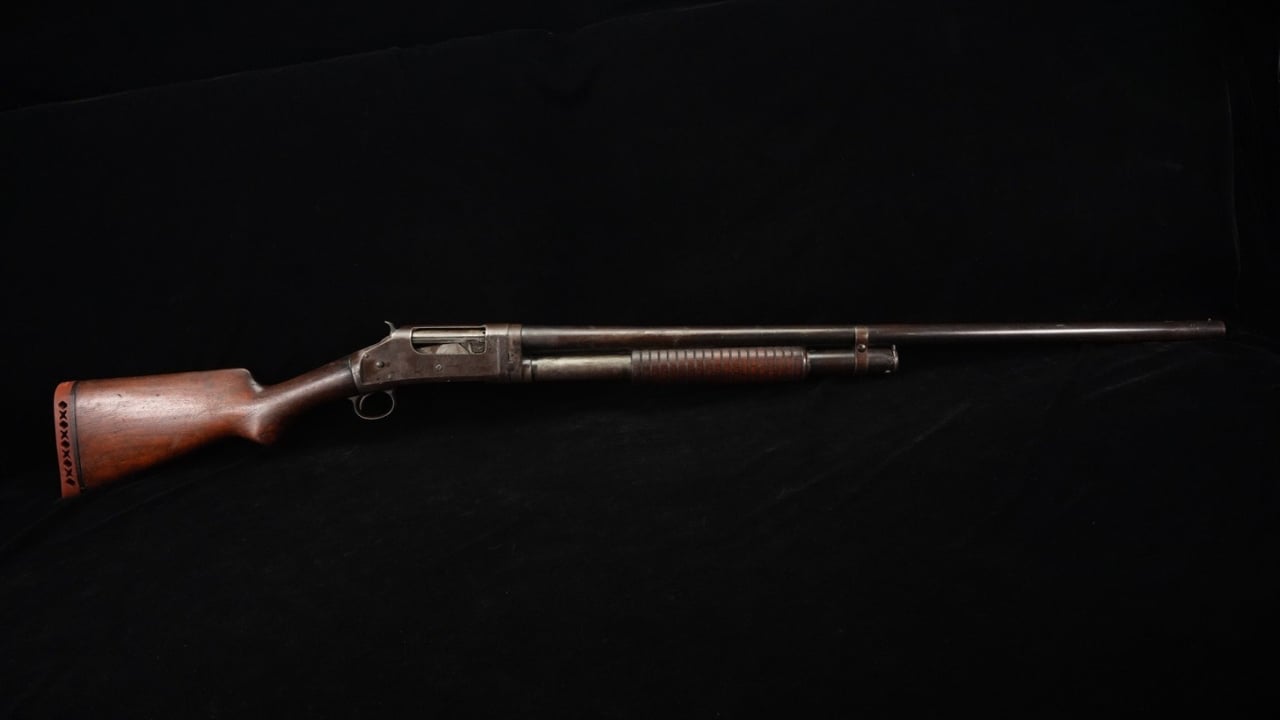
Yes, it’s a shotgun, and no, I’m not sorry. If you want to talk about what actually “built the West,” the old lever-action-style slide gun belongs in the conversation. The 1897 rode in wagons, guarded camps, and kept meat coming when rifles weren’t the tool.
It’s fast, it points naturally, and it’s still effective in thick cover where shots are close and quick. The downside is wear: many have been run hard for a century. But a tight, well-maintained 97 is a reminder that simple, rugged designs don’t age out of usefulness.
Modern guns do a lot of things better on paper. They mount optics easier, they take detachable magazines, and they’re built around today’s accessories. But paper isn’t where most hunting happens. In the woods, in the brush, climbing in and out of a truck, or easing along a fence line, a lever gun that carries right and cycles every time still wins days. If you’ve got one of these that shoots straight, don’t be too quick to trade it off for the newest trend. Ask me how I know.
Like The Avid Outdoorsman’s content? Subscribe to our newsletter so you never miss an article.
Here’s more from us: