Photo credit: mixup98/Youtube
If you spend enough time around a real gunsmith—especially the kind of shop that also does basic carry-gun tune-ups, sight installs, and old revolver timing checks—you start noticing a pattern. The revolvers everybody calls “bulletproof” still show up on the bench. Not because they’re bad guns, but because good reputations make folks run them hard, put them away wet, and ignore little warning signs until the cylinder won’t lock up or the trigger feels like it’s dragging through gravel.
Here are 20 revolvers that get more shop time than their legend would suggest. Most of them are still solid choices. The point is simple: even the good ones break, and a lot of problems come from how they’re used, cleaned, carried, and “improved.” Ask me how I know.
1. Smith & Wesson Model 686

The 686 is the .357 that gets recommended to everybody, and for good reason. It points naturally, it’s accurate with about any load you feed it, and it’ll take real use. That’s also why it shows up at gunsmith shops: it gets shot a lot, and it gets shot fast. When you run heavy magnums and do a bunch of double-action work, little things get magnified.
A common visit is endshake and timing checks after years of hot loads, especially on guns that lived a life of “range toy” more than “nightstand gun.” Another frequent one is a rough or stacking trigger that’s been “fixed” with bargain springs and a YouTube polish job. The 686 is forgiving, but it’s not magic. If the cylinder starts feeling loose or the lockup changes, get it looked at before it turns into an expensive lesson.
2. Smith & Wesson Model 642 Airweight
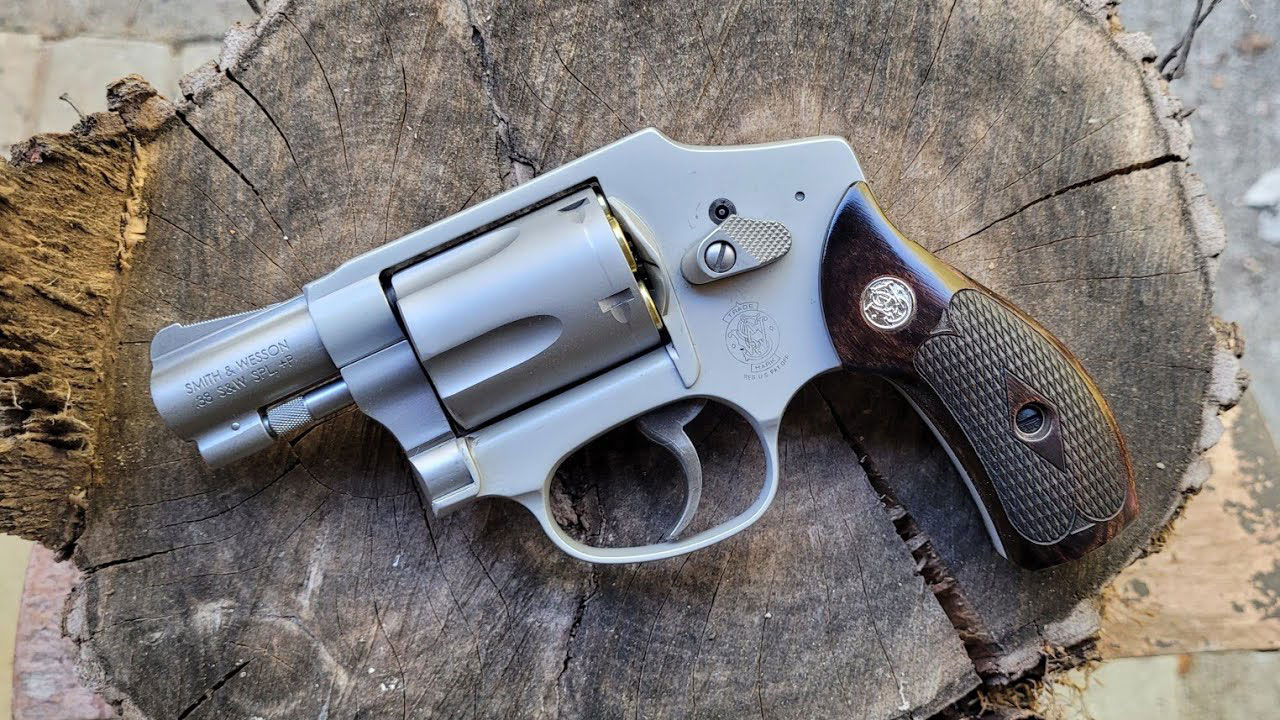
The 642 is one of the most carried revolvers in America, which means it’s one of the most neglected. Pocket carry drags lint, sweat, and fine grit into every corner of the action. Folks will shoot a box of ammo, wipe it down, and figure they’re good for a few years. Then the trigger starts feeling heavy-er than normal, the cylinder release gets sluggish, or you start seeing light primer hits.
Gunsmiths see these for basic clean-outs and for fixes tied to pocket life: battered ejector rods, gummed-up internals, and the occasional sideplate screw that walked out. The other issue is “comfort upgrades.” A lot of 642s wear springs that are too light because the owner wanted a softer pull. That’s how you turn a reliable little snub into a finicky one.
3. Ruger GP100
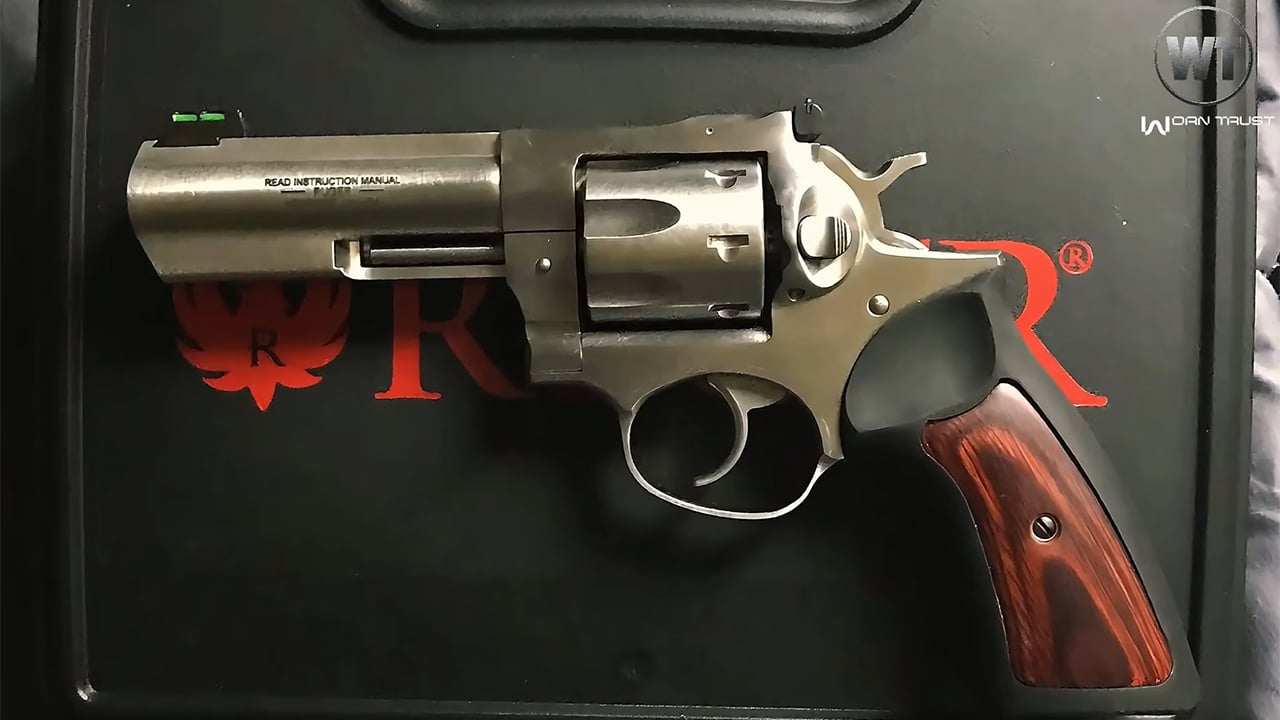
The GP100 has a tough-guy reputation that it mostly earns. It’s the revolver that gets handed to new shooters with full-house .357s because “it can take it.” It can, but the shooter—and the maintenance schedule—might not. When a GP100 comes in, it’s often because it’s been run hard and put away dirty, or because the owner tried to slick it up without understanding how Ruger’s action stacks.
One thing gunsmiths watch on these is overall smoothness after a lot of dry-fire without snap caps and minimal lubrication. Another is the crane/cylinder alignment after someone repeatedly “Hollywood flips” the cylinder shut. The GP100 can survive a lot, but that doesn’t mean the lockwork enjoys abuse. Treated right, it’s a lifetime revolver. Treated like a hammer, it ends up on the bench.
4. Ruger SP101

The SP101 is the small revolver that’s built like a brick. It’s also the small revolver that tempts owners into thinking it’s a full-size range gun. After enough magnum loads, you see the usual small-frame complaints: shooters start anticipating recoil, accuracy falls off, and the gun gets blamed. Then it goes to the gunsmith for “accuracy issues” that are really a mix of heavy trigger, tiny sights, and shooter fatigue.
When it’s actually the gun, it’s often simple stuff: a battered front sight pin, a crown that’s seen one too many careless cleanings, or trigger work that went too far and caused unreliable ignition. SP101s also get carried a lot, and carry guns collect grime. A thorough cleaning and a check of the internals solves more SP101 “mysteries” than most folks want to admit.
5. Colt Python (modern production)
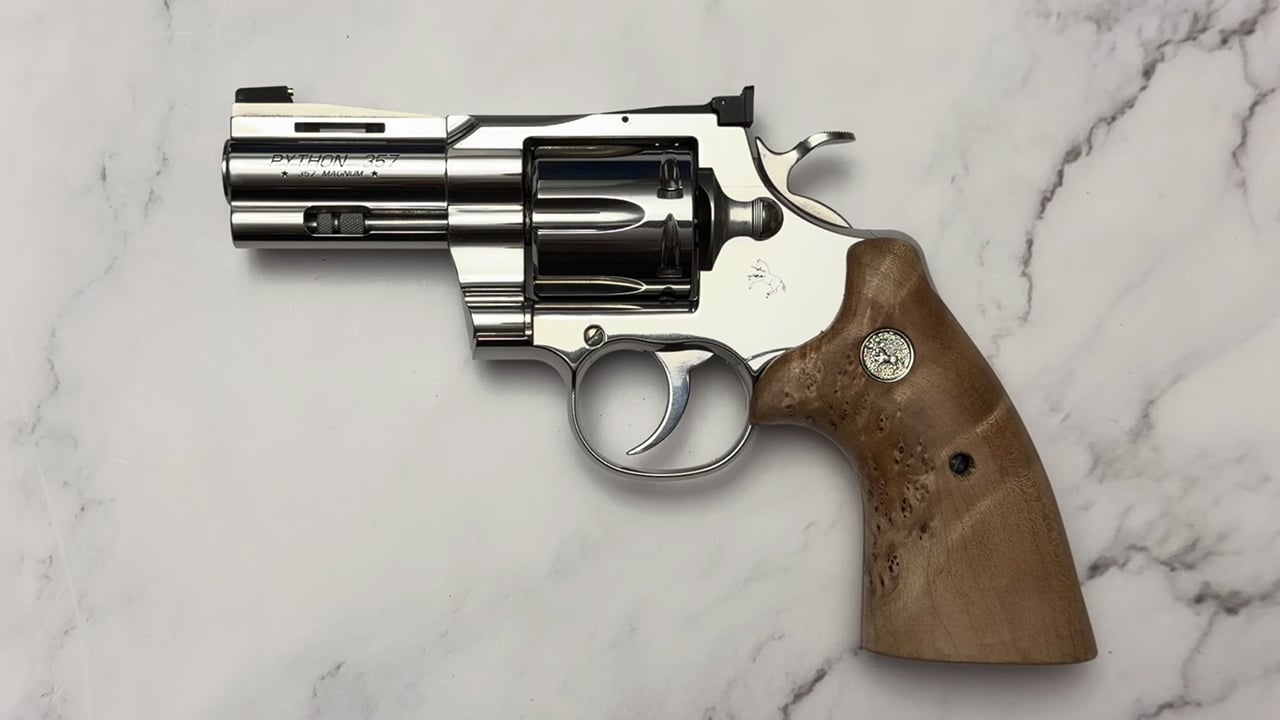
New Pythons are good-looking revolvers with a name that carries weight. They also show up more than you’d think because owners treat them like a custom shop masterpiece and immediately start tinkering. The first trip is often for a trigger that doesn’t feel like the owner imagined it would feel after reading internet comments all winter.
Another reason is that folks buy them as a “forever gun,” then actually shoot them—fast double-action work, heavy .357, long range sessions. That’s not a problem, but any revolver can get out of spec, and Colt lockwork has its own personality. If one starts showing inconsistent cylinder carry-up or the action starts feeling rough in one spot, a competent revolver smith is worth the money. You don’t want trial-and-error on a gun that costs that much to begin with.
6. Colt King Cobra (2019-present)
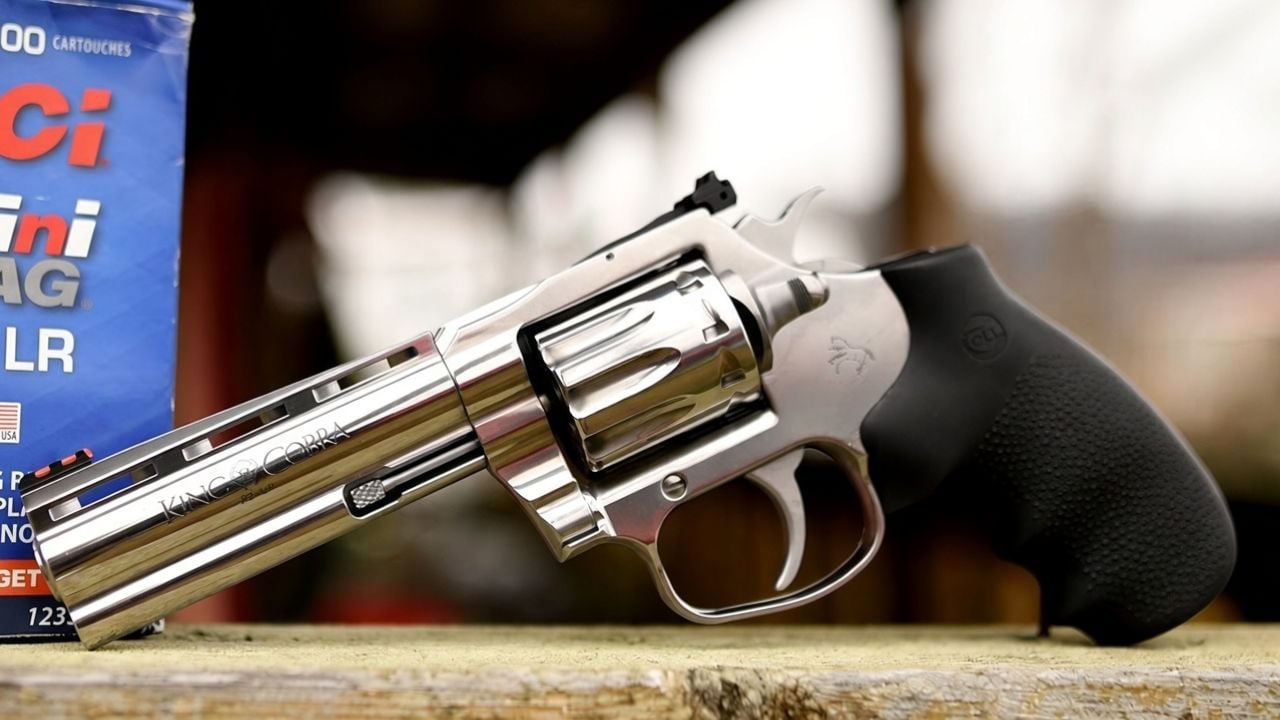
The King Cobra is one of those revolvers that feels just right in the hand. Great size, good balance, and it carries better than most folks expect for a .357. Because it’s “the one that finally fits,” owners put serious rounds through it. Range time reveals little annoyances that don’t show up on the gun counter.
Gunsmiths commonly see these for sight-related tweaks and for action feel complaints after a few thousand rounds. It’s not that they’re fragile; it’s that they’re shot a lot by folks who pay attention. When a trigger starts to feel gritty, it’s tempting to start stoning parts. That’s how you create a bigger issue. The King Cobra usually just needs a proper inspection, cleaning, and maybe minor fitting—not backyard surgery.
7. Smith & Wesson Model 29
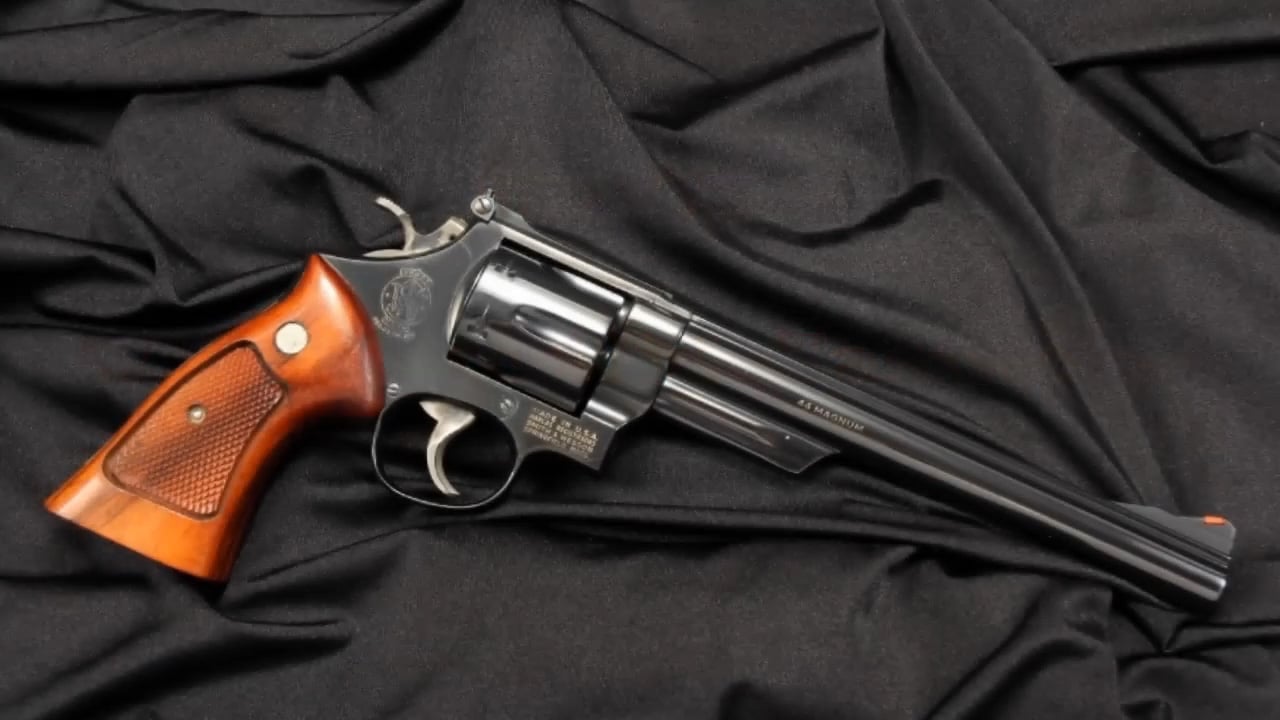
Every year, somebody buys a Model 29 because it’s iconic and because big-bore confidence is a real thing. Then they shoot a diet of hot .44 Magnum like they’re proving something. A steady diet of heavy loads is rough on any revolver. The Model 29 is a classic, not a demolition tool, and it ends up in the shop when the cylinder starts loosening up or the timing starts to drift.
Another common reason is sight trouble. Recoil shakes screws loose, rear sights get battered, and folks chase zero with the wrong driver until they strip something. The Model 29 is still a fine hunting revolver when it’s set up right and fed sane ammo. If you want to shoot maximum-pressure stuff constantly, that’s more Super Redhawk territory.
8. Ruger Super Redhawk

If the Model 29 is the classic .44, the Super Redhawk is the one guys buy when they want “no excuses.” It’s heavy, it’s strong, and it soaks recoil. And because of that, it gets used in the exact situations where problems show up: hard hunting seasons, wet weather, and ammo that’s meant to be serious.
Gunsmith visits are often about small but important things: scope rings that won’t hold zero because something got torqued wrong, or a trigger that feels awful after a misguided spring swap. Another is extraction issues when chambers get dirty from lots of heavy cast loads. The gun isn’t failing; it’s just doing real work. A proper cleaning and a check of tolerances keeps these running, especially if you hunt where grit and pine needles find their way into everything.
9. Smith & Wesson Model 10
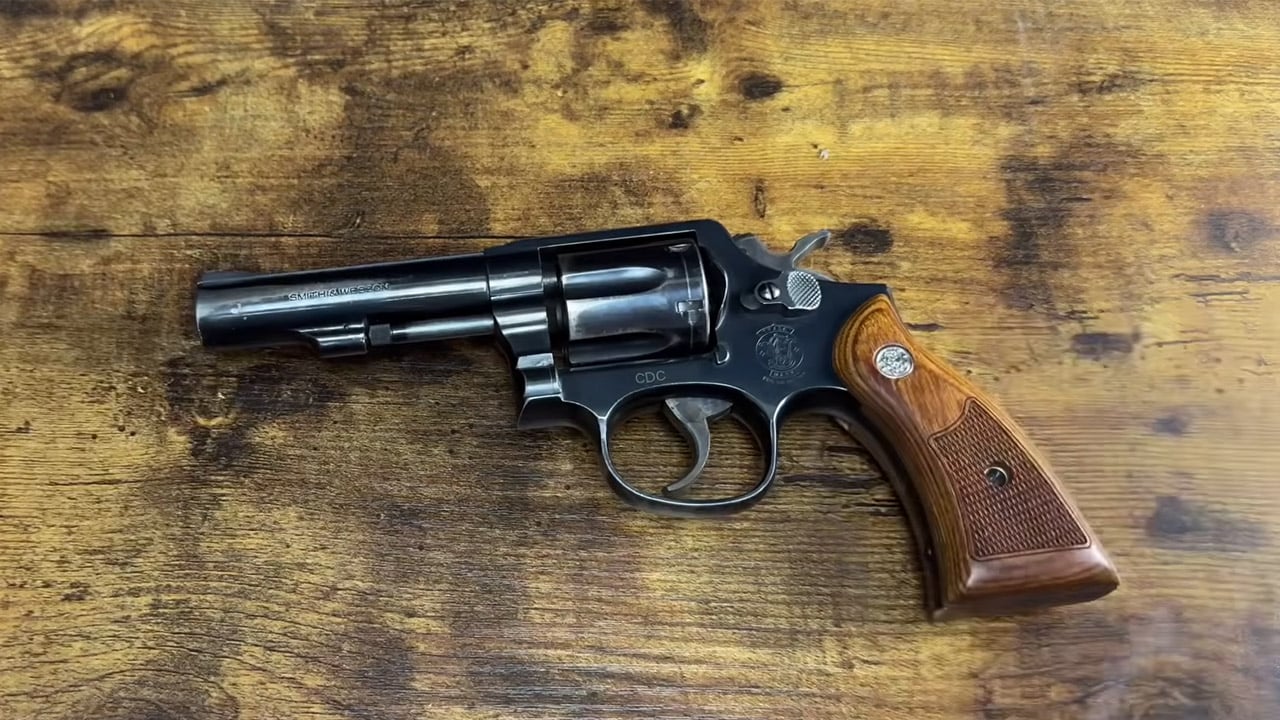
The Model 10 has probably ridden in more holsters and nightstands than any revolver ever made. A lot of them are former service guns, and that means decades of unknown history. When they come into a gunsmith shop, it’s often for a “just make it right” inspection: timing, lockup, cylinder gap, and general safety.
The other common issue is the slow creep of wear from being shot loose over a long life. A Model 10 can run forever, but not if it’s been dry-fired to death, stored without oil, and fed a steady diet of +P when it wasn’t built for that. The good news is parts and knowledge are widely available. The bad news is folks assume “old Smith equals perfect,” and they skip the check-up until something feels off.
10. Smith & Wesson Model 19
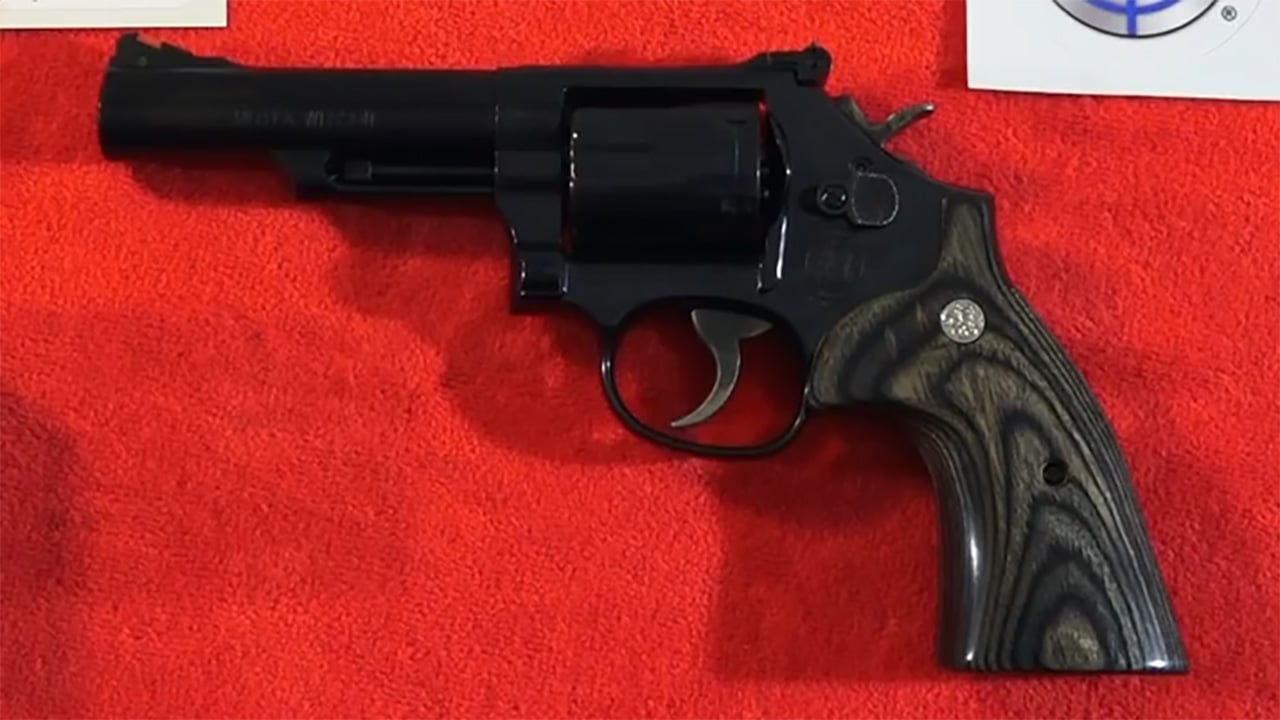
The Model 19 is one of those revolvers everybody loves until they actually run it like a modern training gun. K-frames carry great and balance great, and they’re deadly accurate. The trouble starts when owners push lots of lightweight, high-velocity .357 loads through them like it’s a GP100. That’s when you start hearing about forcing cone issues and timing checks.
Gunsmiths see Model 19s for crack checks, barrel/cylinder gap concerns, and general “it doesn’t feel right anymore” complaints. Many of these guns are also older and have been modified by several owners over the decades. If you’ve got a clean Model 19, treat it like the classic it is: mostly .38s, some reasonable .357, and keep an eye on the hot-rod stuff. It’ll reward you for it.
Free for gun owners: If something happened to you tomorrow, would your family know where the guns are, who has the safe combination, or what to do first? Our free Gun Owner’s Family Checklist walks them through it. It takes about 15 minutes to fill out. Get your free copy here.
11. Smith & Wesson Model 27
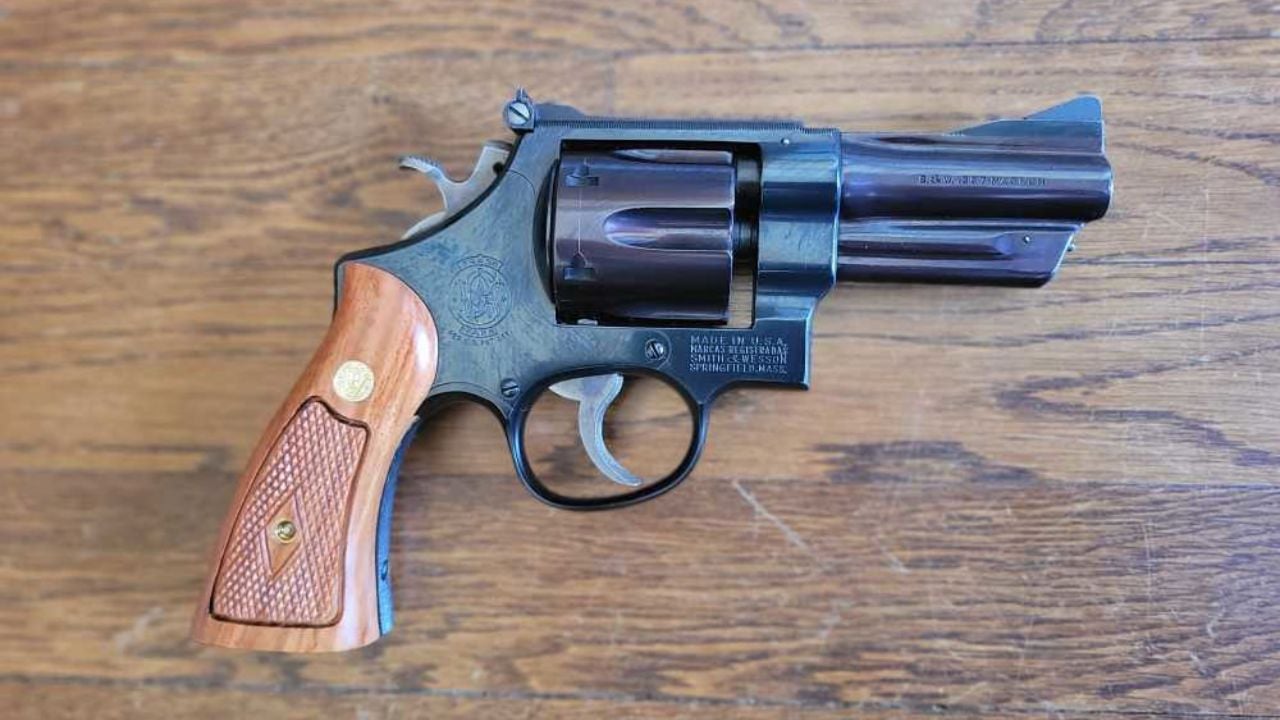
The Model 27 gets called overbuilt, and compared to a lot of revolvers, it is. It’s also an older design in many cases, and older guns come with older expectations. A lot of Model 27s show up because the owner wants it brought back to spec—tightened up, cleaned up, and made trustworthy again.
Another reason is that the 27 attracts tinkering. Folks buy a nice one, then decide they want a lighter trigger, a different sight setup, or modern grips. The wrong “improvement” can make a great revolver feel weird and unreliable. On these, gunsmiths often end up undoing amateur action work, replacing chewed screws, and checking timing after decades of use. When a Model 27 is right, it’s hard to beat. Getting it right is the key.
12. Smith & Wesson Model 60
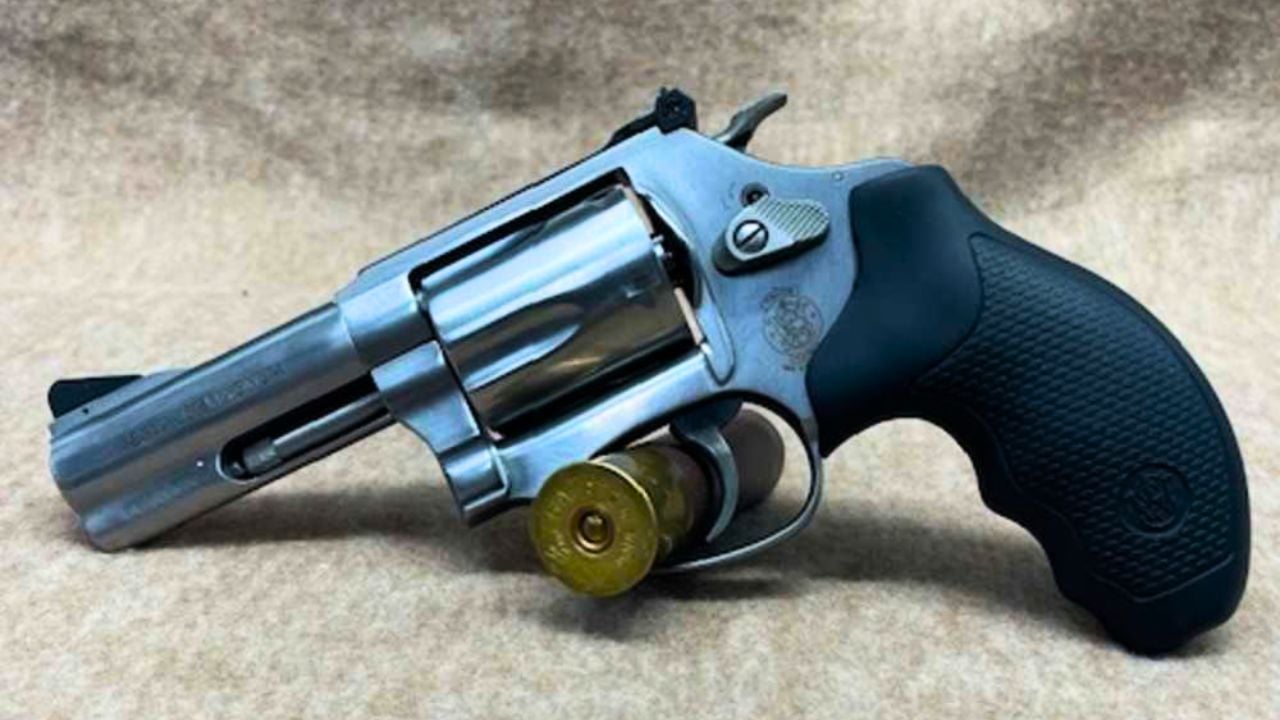
The Model 60 is a stainless J-frame that looks like it should be maintenance-free. Stainless is tougher than bluing in bad weather, but it doesn’t repel pocket sweat and lint by magic. Like other small carry revolvers, it shows up because it’s carried a lot and cleaned less than it should be.
Gunsmiths see Model 60s for sticky extraction, rough actions, and the occasional issue tied to mixed ammo. A snub that’s fed light target loads one day and hot defensive ammo the next can build crud in the chambers that makes the hot stuff harder to eject. That’s not a gun failure; it’s a cleaning and ammo consistency problem. The Model 60 is a great “do everything” revolver if you treat it like gear, not jewelry.
13. Smith & Wesson Model 36 Chief’s Special

The Model 36 has been riding in pockets, purses, tackle boxes, and glove compartments for generations. That’s a lot of years for screws to loosen, oil to dry out, and internal parts to wear. Most of the time when one hits the bench, it’s for a function check and a cleanup after long storage.
Another thing with Model 36s is that they’re often inherited. The new owner wants to carry it because it was granddad’s gun, but they don’t know if it’s been shot loose, dropped, or “fixed” by a buddy. Gunsmiths end up correcting endshake, addressing hand/cylinder timing, and making sure it locks up properly. Sentimental guns deserve a real inspection before they become daily-carry tools. That one hurts to say, but it’s true.
14. Ruger LCR .38 Special
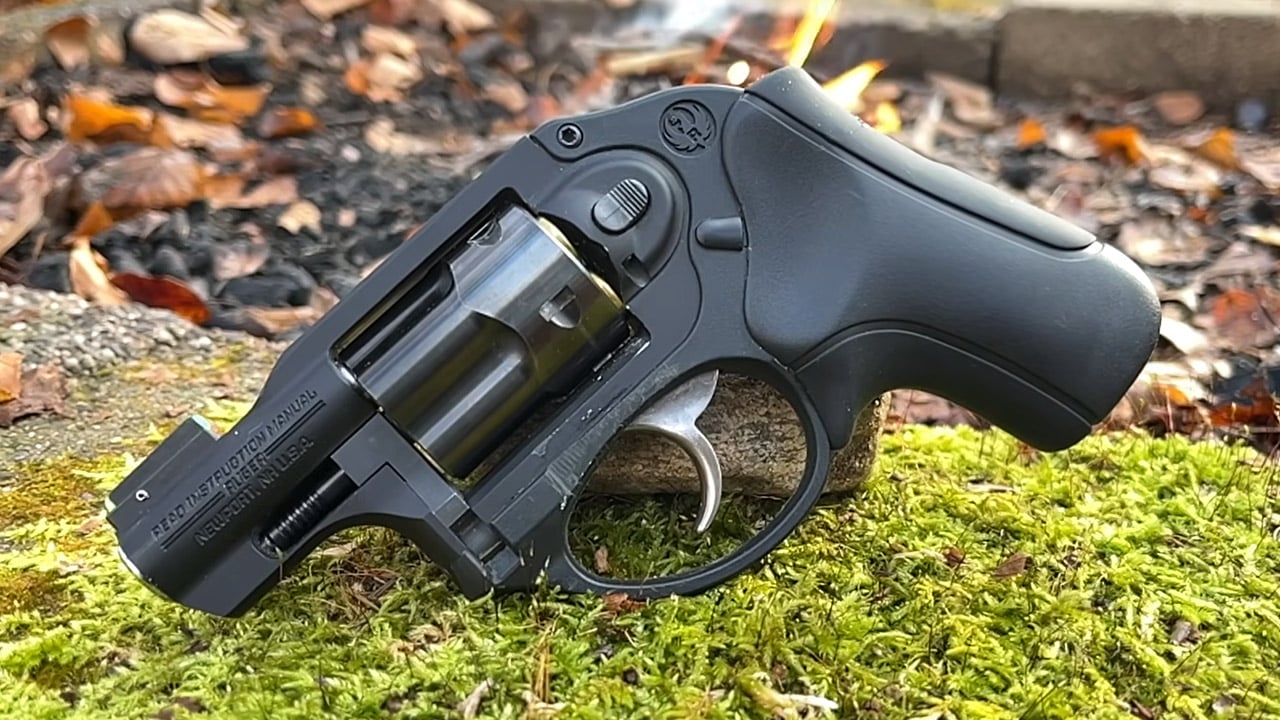
The LCR is lightweight, simple, and it has a trigger that surprises people—in a good way. Its reputation is strong, and it generally deserves it. The reason it shows up is because it’s a true “always gun.” Always carried, always exposed to sweat, dust, and whatever your daily life throws at it.
Most LCR shop trips are not catastrophic. They’re maintenance problems: grit in the action, a cylinder release that’s getting stiff, or a gun that starts binding after a lot of pocket time. Another issue is owners experimenting with grips and lasers and then creating fit problems or loosening hardware. The LCR is not fussy, but it still needs periodic attention. If you carry it every day, schedule a cleaning like you schedule oil changes—before something feels wrong.
15. Taurus Judge
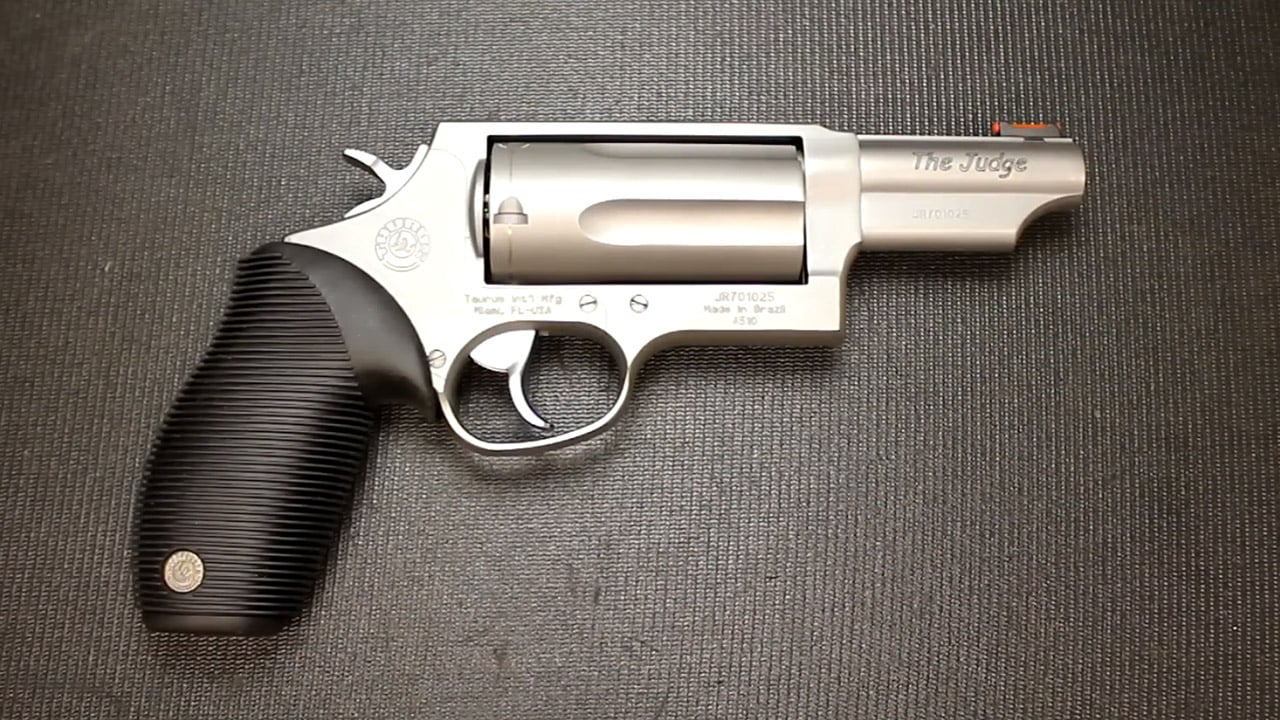
The Judge sells on an idea: shotshells in a handgun for snakes and close-range pests. And to be fair, a lot of them do exactly what the buyer hoped. The gunsmith visits come from reality meeting marketing. Cylinder throats, timing, and general fit can be inconsistent, and mixed ammo—.410 shells and .45 Colt—can expose issues faster than sticking with one load type.
Another common complaint is accuracy expectations. Folks shoot a few .45 Colt rounds and don’t love the groups, then assume something is broken. Sometimes it’s the long jump to the forcing cone and the nature of the platform, not a defect. Other times, there are genuine alignment issues that a gunsmith can diagnose quickly. The Judge is a niche tool. If you buy it expecting a tight-group woods revolver, you may be buying yourself a shop ticket.
16. Taurus Model 85
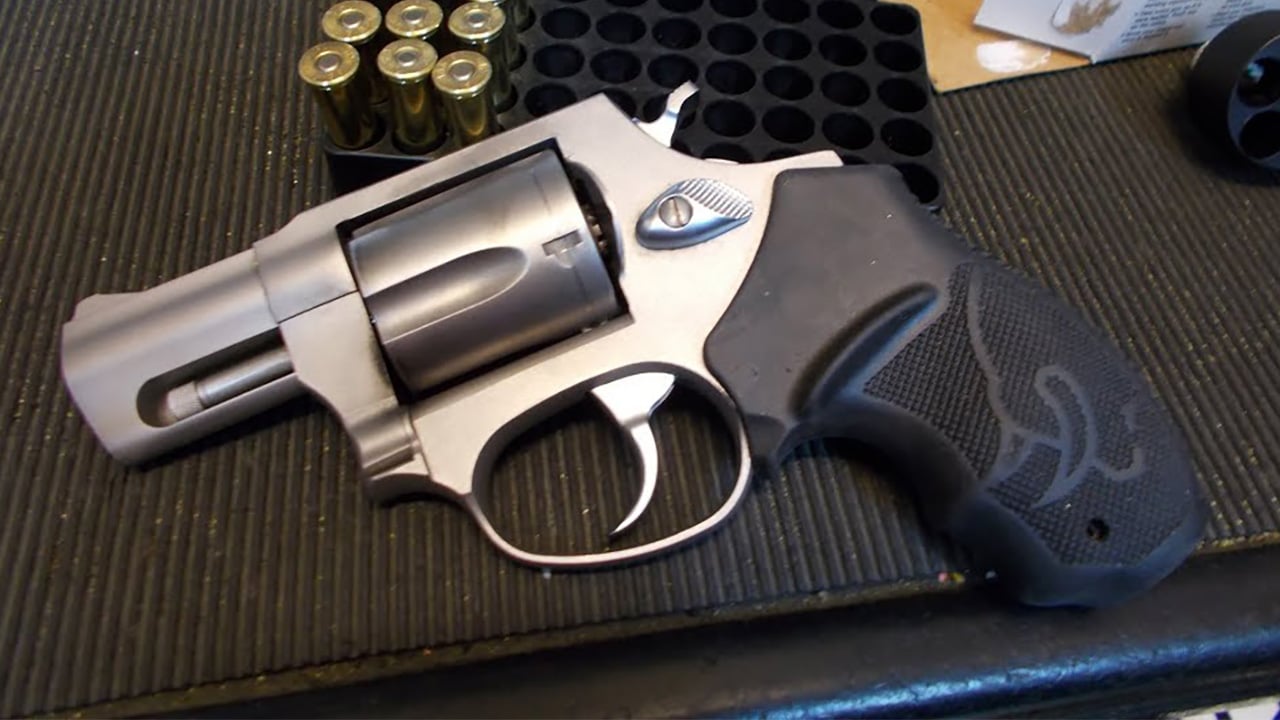
The Taurus 85 has probably introduced more folks to snub-nose carry than we want to admit. It’s affordable, it’s common, and when you get a good one, it can be a solid little revolver. But “common” is exactly why gunsmiths see them more than you’d expect. There are a lot out there, and they get bought by first-time owners who are still learning maintenance and ammo choices.
Shop visits often involve timing and lockup checks, rough triggers that owners tried to “fix” with cheap spring kits, and general reliability complaints that trace back to light strikes. On a small revolver, everything is happening in a tight space with limited leverage. If the mainspring tension gets messed with, ignition goes downhill fast. If you own an 85 that runs, keep it clean, don’t chase a feather-light trigger, and shoot it enough to trust it.
17. Charter Arms Undercover

Charter Arms revolvers are the definition of “simple and handy.” They carry well, they’re lighter than many steel snubs, and plenty of them work just fine. The reason they show up in gunsmith shops is that they’re often bought as working guns—truck guns, tackle box guns, backup guns—and working guns get neglected.
Gunsmiths end up dealing with problems tied to hard use and minimal upkeep: corrosion under grips, gunked-up internals, and timing that’s drifted after a lot of dry fire or rough handling. The Undercover is also a revolver that owners are tempted to “upgrade” on the cheap, which can create issues with reliability. They aren’t fancy, and that’s kind of the point. Treat it like any serious tool, not a disposable one, and it usually behaves.
18. Kimber K6s

The K6s has a strong reputation for a reason. It’s a small revolver that holds six rounds, it’s nicely finished, and it has a trigger that makes a lot of snub-nose guns feel crude. When they end up at a gunsmith, it’s often because owners are actually training with them—drawing, firing fast, and putting real mileage on a compact revolver.
Another reason is that tight, modern revolvers can be less forgiving of neglect. Pocket lint and dried sweat don’t care what brand is stamped on the side. Gunsmiths also see K6s guns after owners experiment with grips and holsters and end up with rubbed screws or loosened hardware. The K6s can be an excellent carry gun, but it’s still a machine. If the cylinder starts to drag or the trigger feel changes suddenly, don’t just muscle through it.
19. Smith & Wesson Model 617
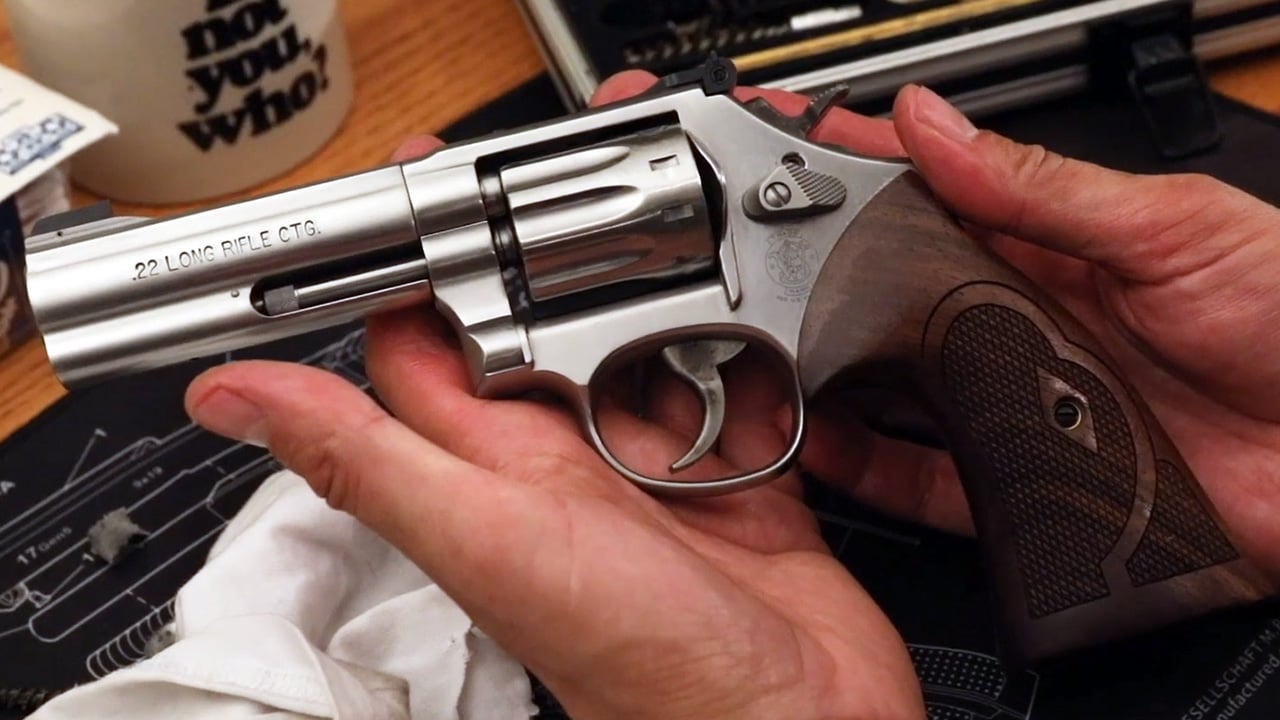
The 617 is a .22 revolver that a lot of shooters use for cheap practice. That alone guarantees it’ll see a lot of rounds, and .22 is filthy ammo compared to centerfire. A high-round-count .22 revolver gets crusty in ways that surprise people. Then they show up at the shop saying the trigger got heavy or the cylinder won’t spin freely.
Most of the time, it’s built-up fouling under the extractor star, carbon rings in the chambers, or a general need for a real cleaning. Another issue is that the 617 often gets handed around to new shooters, and new shooters do new shooter things—like slamming cylinders and dry-firing without thinking. The 617 is a great trainer and small-game gun, but it’s not maintenance-free. Keep it clean and it’ll keep teaching.
20. Ruger Wrangler
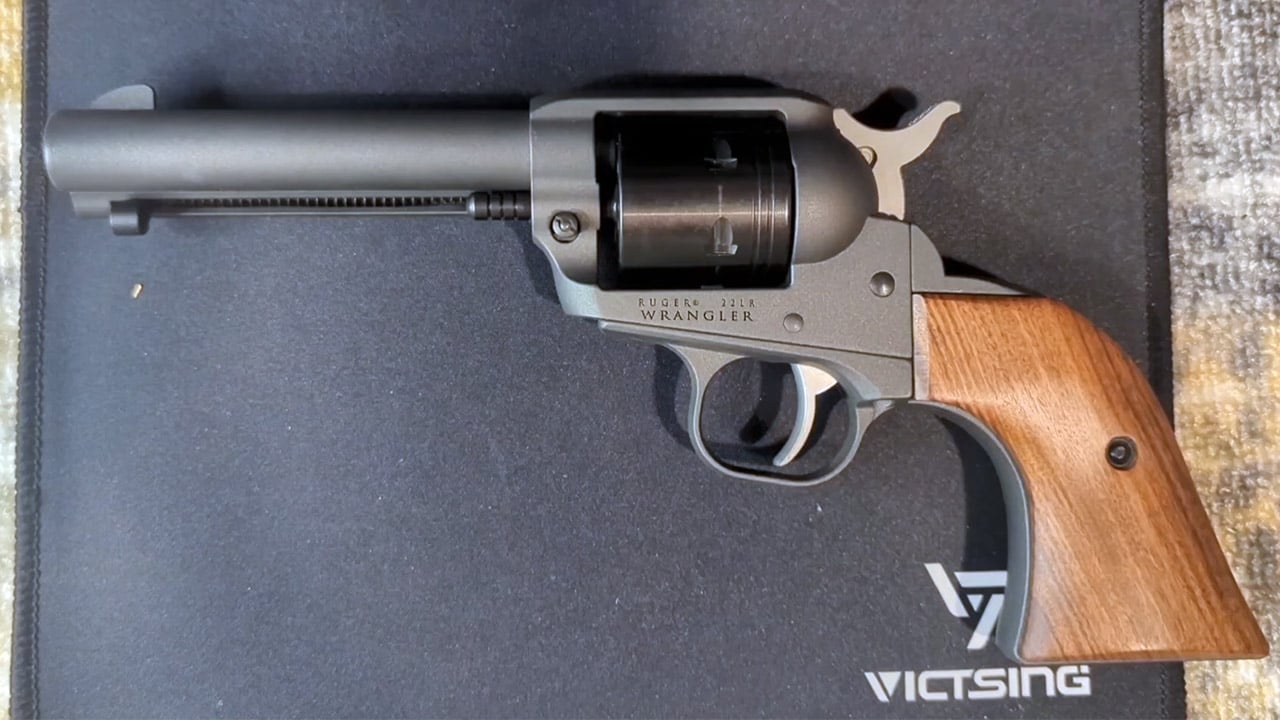
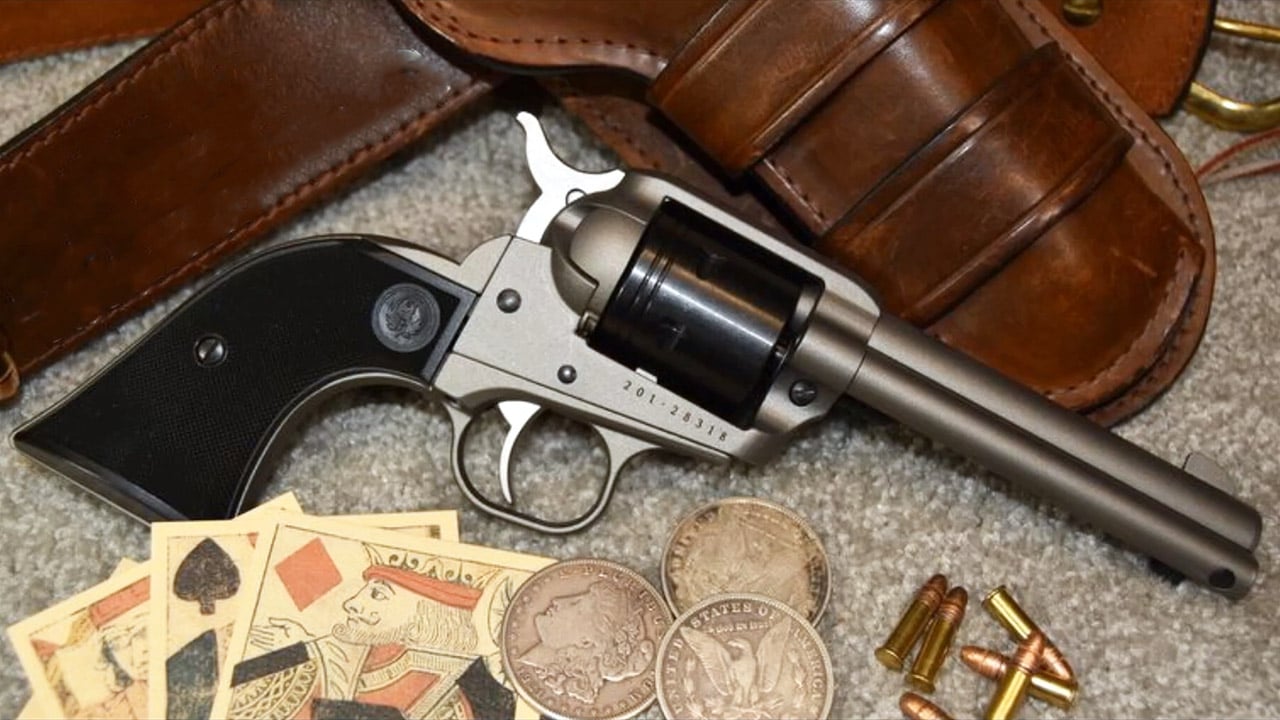
The Wrangler is a budget rimfire single-action that’s brought a lot of folks back to simple shooting. Because it’s inexpensive, it gets treated like it’s indestructible. It rides in UTVs, gets used for pest control, and gets tossed in a bag for plinking days. That’s exactly how a “cheap but good” revolver ends up needing a gunsmith.
Most Wrangler issues are straightforward: timing that’s off after rough handling, screws backing out because nobody checks them, or a gun that’s full of dust and unburned powder. Another common one is owners trying to smooth the action themselves and going too far. The Wrangler is a handy tool, but it’s still a mechanical device with tolerances that matter. If it starts spitting lead or acting odd, don’t ignore it just because it didn’t cost a fortune.
Revolver reputations are usually earned. Still, the guns that “never break” tend to be the ones that get carried daily, shot hard, and trusted without question. If you own any of these, don’t take this as a knock. Take it as a reminder to clean what you carry, check what you shoot, and stop treating springs and stones like a hobby kit. A quick checkup beats a ruined range day—and it sure beats finding out the hard way in the woods.
Like The Avid Outdoorsman’s content? Subscribe to our newsletter so you never miss an article.
Here’s more from us: