Photo credit: Marian Weyo/Shutterstock.com
The internet loves the “72-hour” idea because it sounds clean. Three days. Simple. Ride it out. You’ll be fine. And yeah, three days is a good baseline. The problem is most people build a 72-hour plan like it’s a checklist instead of a reality test. They stack gear, buy a few supplies, and assume they’ve covered the bases. Then the moment the situation is inconvenient, the plan starts shedding parts. Water runs low faster than expected. The house gets colder than expected. Somebody gets stressed and stops eating. The kids won’t sleep. You realize you can’t cook the way you thought you could. None of that shows up in the tidy online version of preparedness, but it shows up fast in real life.
A plan that holds up for 72 hours isn’t about having the coolest gear. It’s about having a routine you can actually live with when you’re tired, uncomfortable, and dealing with uncertainty. Most “plans” fall apart because they ignore the boring stuff: sanitation, heat management, safe cooking, communications, and the human side of stress. People think they’re planning for disaster, but they’re really planning for camping at home. Those are not the same thing.
The first failure is usually water, not food
Most people stock food first because it’s easy to buy and store. Water gets treated like an afterthought. They’ll stash a few cases of bottles and call it handled. But water isn’t just drinking. It’s basic hygiene, dish cleanup, and the ability to keep things from turning nasty in the kitchen and bathroom. Even if you’re trying to conserve, you’ll burn through more than you think, especially if you have kids. And if your water source is compromised or shut off, then your “just boil it” plan becomes a lot harder than it sounded.
A real 72-hour plan needs a clear water strategy: how much you have on hand, how you’ll ration it without running yourself into dehydration, and how you’ll treat more if needed. It also needs the discipline piece. People say they’ll conserve, then they start doing “normal” habits out of frustration. That’s how supplies disappear. Water is where that shows first.
Cooking is where the fantasy breaks
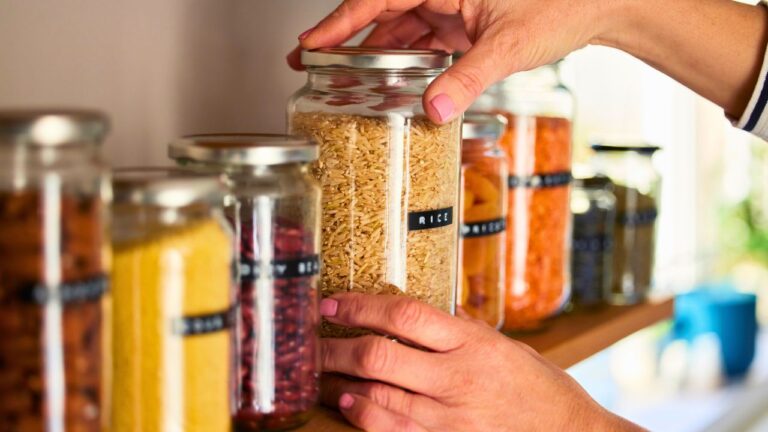
This is the part most people get wrong. They assume they can cook the same way they always do. In a power outage, that’s not guaranteed. In a winter storm, it can get complicated fast. People end up running unsafe heat sources indoors, or they realize their cooking plan burns through fuel way faster than expected. A bag of rice looks like a smart staple until you remember it needs time and heat. Freeze-dried food looks convenient until you remember it needs hot water and a way to boil it. Canned food is a lifesaver because it doesn’t demand much, but people don’t stock enough of the stuff they’ll actually eat cold.
If you want a 72-hour plan that works, your food plan should include plenty of options that don’t require cooking. If you can cook, great. If you can’t, you still eat. That’s the difference between a plan and a pile of ingredients.
Sanitation is the quiet problem nobody wants to plan for
Here’s a blunt truth: most people can tolerate being hungry for a bit, but once the house starts smelling bad and basic hygiene gets weird, the stress level jumps. If your water is limited, toilets become a problem. Trash becomes a problem. Dirty dishes become a problem. A 72-hour outage can turn into a hygiene mess way faster than folks expect, especially with kids. And when your environment feels gross, people start making rushed decisions. They leave to “go find something,” they take risks on roads, they overuse fuel, they break their own plan because the house is getting uncomfortable.
A real plan considers how you’re going to keep things clean enough to function. That doesn’t mean perfection. It means not letting the basics collapse. It means having a simple trash strategy, a simple dish strategy, and at least a basic backup for bathroom issues if water becomes limited.
The human factor is what makes people quit early
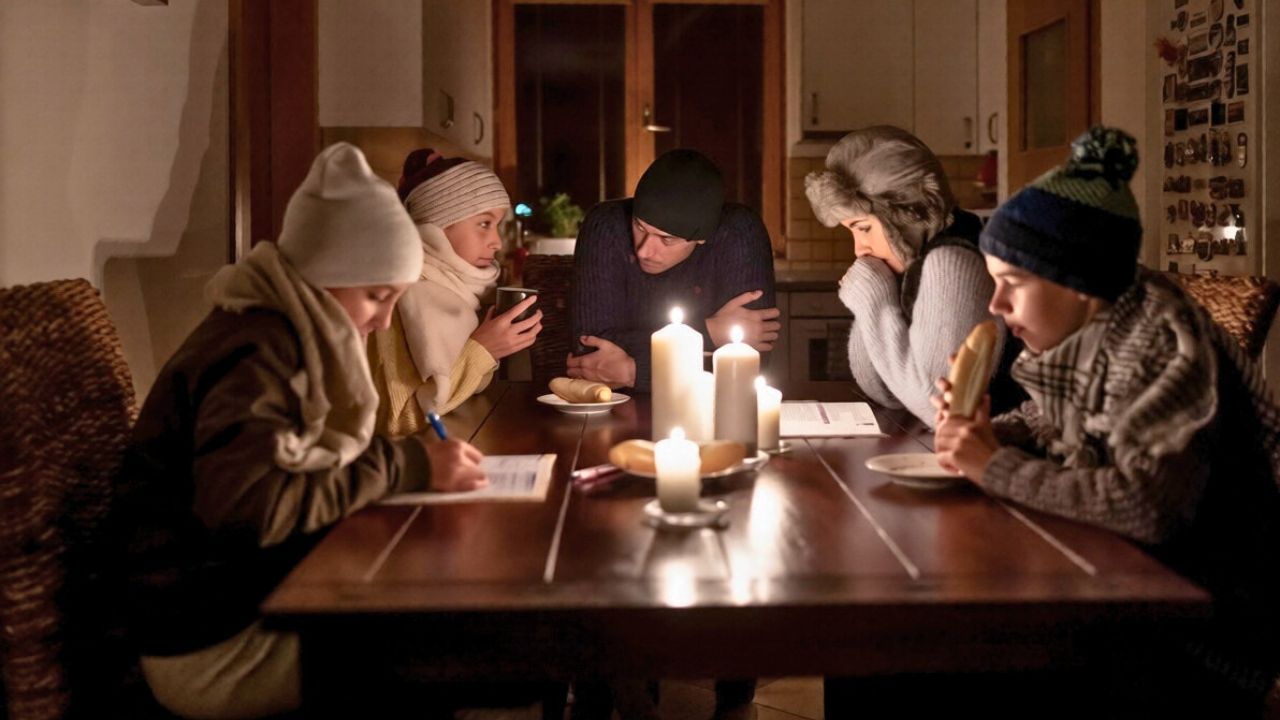
This is the part that separates tough talk from actual preparedness. When the lights go out, people get irritated. When it’s cold, people get short-tempered. When kids can’t sleep, the whole house goes sideways. The plan falls apart because the emotional load wasn’t accounted for. Nobody likes to admit it, but a lot of “preparedness” is managing stress so you don’t make dumb choices. A plan that ignores comfort completely tends to fail, because comfort is what keeps people calm enough to follow the plan.
I’m not saying you need luxury items. I’m saying you need a realistic way to keep the house livable. Warmth, light, a way to communicate, and routines that keep people from spiraling. That’s what gets you through three days without turning it into chaos.
The fix is to build a routine, not a checklist
If you want a 72-hour plan that doesn’t collapse, stop thinking in terms of gear first and start thinking in terms of how the next three days will actually run. How will you handle water each morning? How will you ration it? What meals will you eat if you can’t cook? What will you do for light after dark? How will you keep warm safely? How will you keep the house from turning into a mess? How will you get news or updates without draining your phone in a few hours?
The toughest-sounding plans are usually the most fragile because they rely on willpower. The strongest plans are the ones that feel almost boring because they’re built around habits and simple systems. Three days isn’t hard when you’ve got a routine. Three days is miserable when your “plan” is just a pile of stuff and a lot of confidence.
Like The Avid Outdoorsman’s content? Subscribe to our newsletter so you never miss an article.
Here’s more from us: