Photo credit: npapaioannou/Pixabay.com
The spike in “problem animal” calls isn’t your imagination. State agencies, USDA Wildlife Services, and even city animal-control budgets are all showing the same thing: nuisance wildlife complaints are climbing. This list pulls from recent state reports and a national bear-encounter analysis that flagged 18 states with fast-rising conflicts. It’s not a perfect ranking, but these are the places where the numbers – and the boots-on-the-ground stories – say the complaints are jumping the hardest.
Colorado

Colorado has turned into a case study in what happens when booming bear numbers meet booming human growth. Colorado Parks and Wildlife logged more than 5,200 bear reports between January 1 and December 1, 2025, the highest since they started digital tracking and well above the seven-year average. Most of that isn’t “photo op” sightings – it’s trash raids, break-ins, livestock hits, and campground problems.
For hunters and backcountry folks, that means animals are getting more comfortable around people and human scent doesn’t mean much in some drainages anymore. At the same time, CPW is pouring money into conflict-reduction grants and BearWise education, which tells you how seriously they’re taking it. If you draw a Colorado tag now, assume you’re sharing the trailhead with bears that already know the dumpster schedule.
Connecticut

Connecticut doesn’t have the biggest bear population in the Northeast, but it’s leading the pack in how often those bears cause trouble. DEEP’s 2025 State of the Bears report logged more than 3,000 human–bear conflicts in 2024, plus a record 67 home entries, far more incidents than neighboring states with larger bear numbers. That’s a huge swing for a state that was basically bear-free within living memory.
Add in a booming bobcat population and heavy suburban sprawl and you’ve got a state where wildlife is bumping into people constantly. For hunters, that means more competition on bird feeders, more pressure on backyard chickens and small livestock, and more calls for tighter rules on how you handle carcasses, bait, and trash. The conflict curve here is still pointed up.
Florida

Florida’s problem list reads like a wildlife-control manual: black bears raiding trash, gators in retention ponds, hogs tearing up neighborhoods, and now the state’s first likely fatal black bear attack on a human. The Fish and Wildlife Conservation Commission is pushing a 2025 bear hunt in part because human-bear encounters have climbed so hard in fast-growing counties.
When you stack that on top of chronic gator complaints, exploding hog numbers, and year-round warm weather that keeps everything active, Florida looks less like “Disney and beaches” and more like a living experiment in human-wildlife conflict. For hunters and anglers, access stays solid, but expect more rules around trash, baiting, neighborhood feeding, and how close the critters are allowed to get before the state steps in.
California

California has always had bears and mountain lions, but the combination of wildfire, drought, and endless development has pushed them right into people’s laps. The state just logged its first confirmed fatal black bear attack and keeps seeing highly publicized cases like a 550-pound bear living under a house in Altadena after being relocated once already. Wildlife officials also blame post-fire habitat loss around places like Lake Tahoe for pushing bears into town.
At the same time, a national analysis flagged California as one of 18 states where human–black-bear encounters have surged, with incidents more than doubling nationwide since 2015. Add in urban coyotes, sea lions, and the usual crop-damage complaints, and you’ve got agencies and city governments spending more time on wildlife than ever. For Western hunters, that pressure often turns into new regulations, tighter camping rules, and more heat on how carcasses and attractants are handled.
Wisconsin
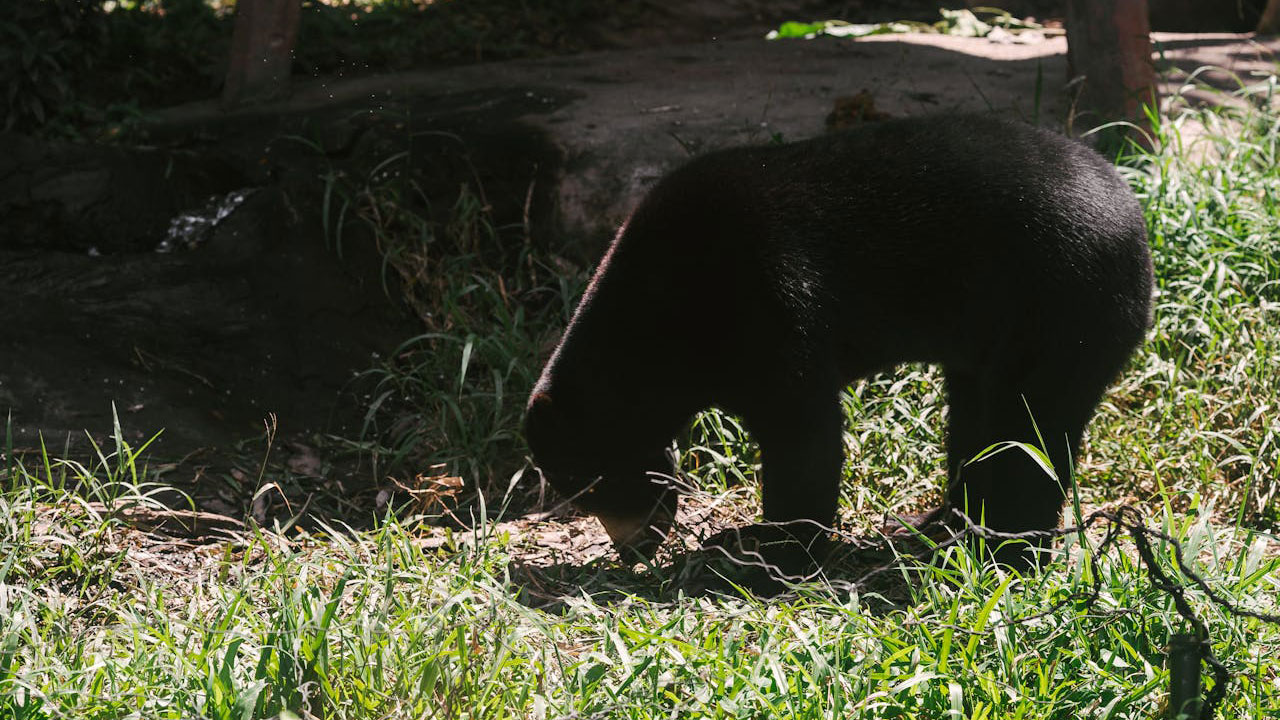
Wisconsin’s bear population has held roughly steady near 24,000 animals, but the problems tied to them definitely haven’t. Wildlife Services logged 647 bear complaints in 2023; in 2024 that jumped to 847, a big increase in a single year. Most of those calls are classic “nuisance” issues – bird feeders, garbage, livestock, and crop damage – not wilderness encounters.
That spike tells you the human side of the equation is changing fast. More cabins, more hobby livestock, more people leaving feed out on the edges of good bear habitat. For hunters, it means more local pushback on baiting and hounds in some areas and more pressure on agencies to “do something” about animals that get too bold. Wisconsin is a good reminder that complaint numbers can surge even when actual wildlife populations are flat.
Michigan
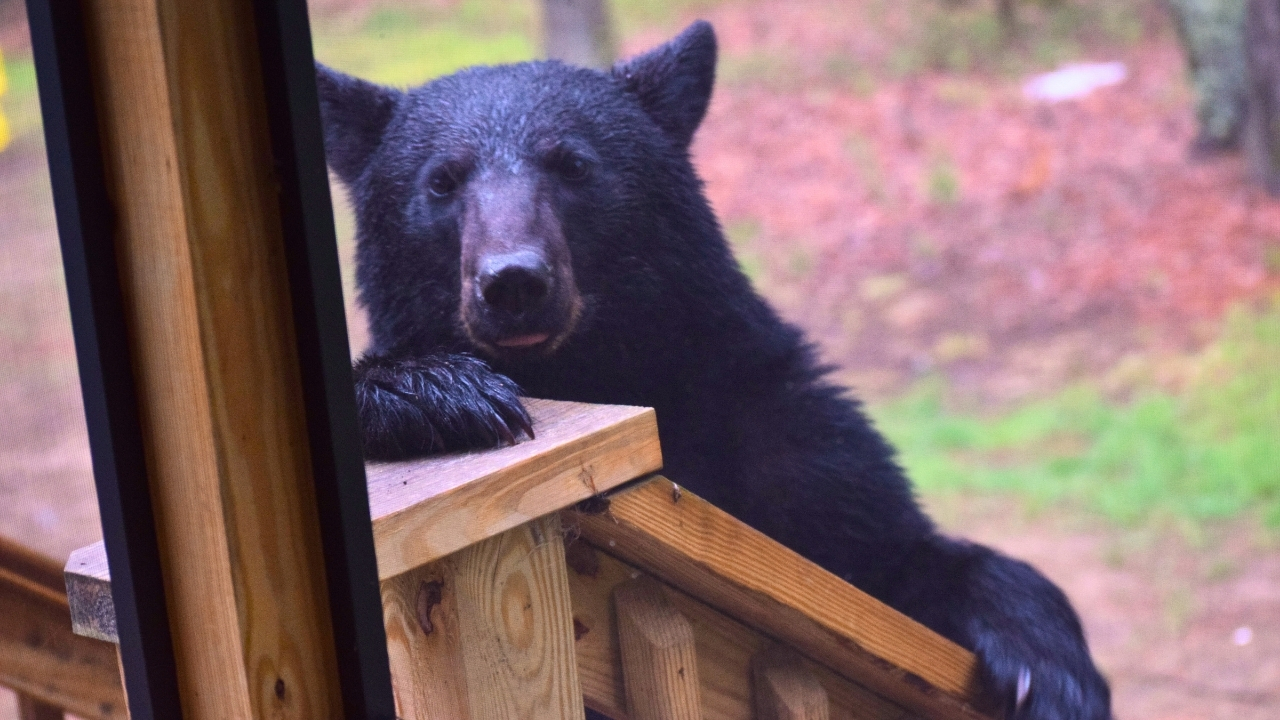
Michigan’s bears are spreading south and the complaint curve is following them. The DNR says they normally see around 285 bear complaints a year, but 2024 bumped that up to just over 300, with hot spots in counties that haven’t historically had bears at all. People in places like Traverse City and Petoskey aren’t used to having to lock down their trash like Yoopers have for years.
That expansion is great news if you like seeing bears in the woods, but it also means more chances for them to get into backyard chickens, campsites, and unsecured food. Michigan’s message is pretty simple: treat the new bear country like bear country, or the complaints – and problem bears – will keep climbing. Hunters are already seeing more “bear aware” messaging in areas that used to feel like strictly deer and turkey ground.
Vermont

Vermont has turned into one of the sharpest examples of what a fast bear rebound looks like on the ground. State data cited in recent coverage shows human–bear reports jumping from the hundreds into the thousands in a single year, and they’ve stayed high since. Officials say nearly half of the incidents involve garbage, bird feeders, or backyard chickens – all things people control.
For hunters, that surge shows up as more “problem” bear removals, more calls for bait and attractant rules, and more scrutiny on how carcasses and deer guts get handled around homes and camps. Vermont’s bears are a success story biologically, but socially they’re forcing a lot of folks to change how they live in the woods.
Texas

Texas has feral hogs, growing bear numbers in the west, raccoons and opossums in the suburbs, and a long history of human–wildlife conflict. Wildlife Services has been helping resolve everything from predator depredation to crop damage for more than a century, and the state’s own reports talk about “abundant wildlife” creating more friction with human uses.
Add in urban growth around Dallas–Fort Worth and other metros, and you see why complaints are climbing – especially for critters that raid trash, hit poultry, or chew up landscaping. For hunters and landowners, it means more depredation permits, more night-hunting pressure on hogs and predators, and more neighbors who suddenly care a lot about what’s moving after dark along the fence line.
Kansas
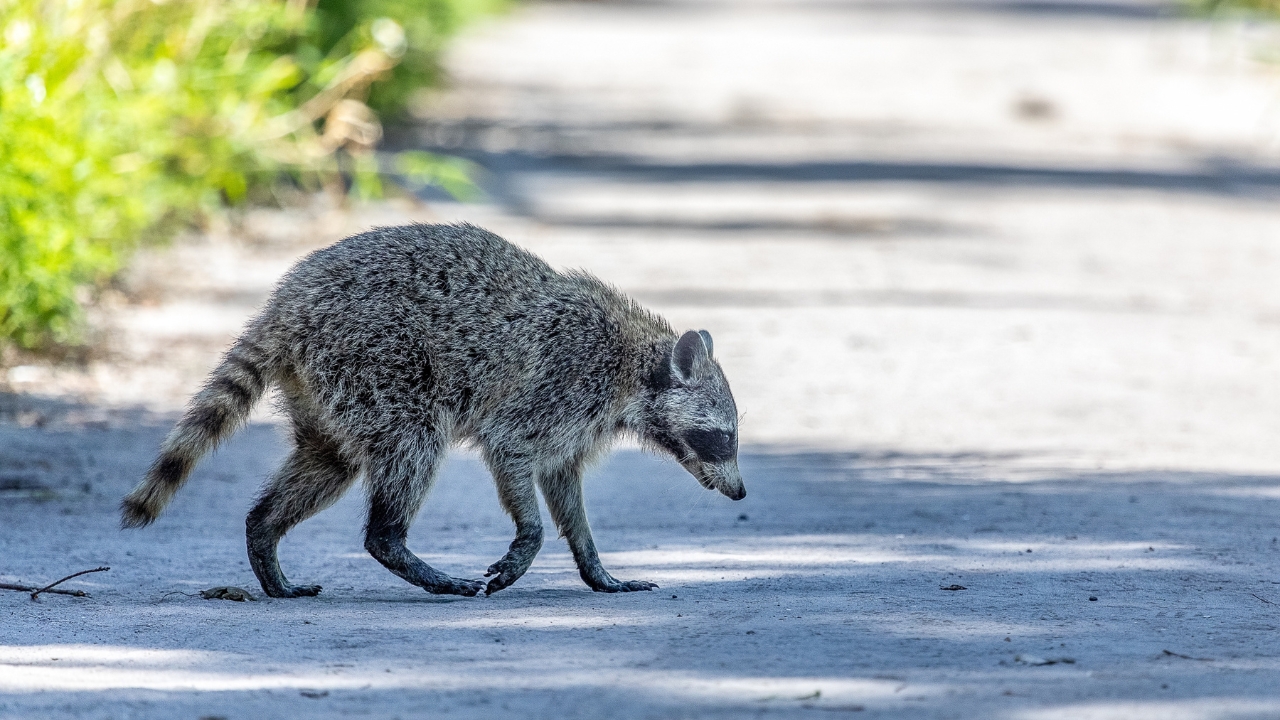
Kansas isn’t usually the first state people name when they think “nuisance wildlife,” but raccoons have changed that. State biologists say raccoon numbers have been climbing for decades while trapping participation and fur prices have dropped, which means more animals and fewer people out there taking them off the landscape.
That shift is showing up as more crop damage, more nest predation, and more homeowners calling about coons in the attic instead of handling it themselves. For hunters and landowners, Kansas is a reminder that when you take pressure off prolific furbearers for long enough, the complaint line eventually lights up – and predators start chewing into turkeys, waterfowl, and upland birds too.
Ohio

Ohio’s seeing the urban side of the same trend. Cleveland’s animal-control division trapped roughly 20% more “critters” – groundhogs, raccoons, opossums, skunks – in 2024 than in 2023, even though previous years only ticked up a few percent. Those aren’t wilderness calls; that’s city residents suddenly dealing with wild neighbors they didn’t think much about before.
As suburbs creep into farm ground and river corridors, animals that were once “out there” are now in people’s crawl spaces and under decks. For hunters, that dense edge habitat can mean more deer and small game, but it also means more nonhunters demanding action on wildlife they see as pests first, resource second. That pressure filters back into how state agencies set seasons, quotas, and damage-control programs.
Alabama

Alabama showed up in a 2024 analysis of 18 states where human–black-bear encounters are surging, part of a national jump from about 21,000 bear complaints in 2015 to more than 46,000 in 2022. Add in feral hogs and coyotes and you’ve got a cocktail of critters that push farmers, rural homeowners, and deer managers to call for help more often.
Most of the complaints focus on crop and pasture damage, hog rooting, and bears and coyotes hitting garbage, feeders, or livestock. As those numbers climb, so does the push for more flexible depredation rules, night hunting, and tools like thermal optics. If you hunt in Alabama, assume more of the management conversation is going to be driven by damage and conflict, not just recreation.
Arizona

Arizona made the same “surging bear encounter” list, and it’s dealing with drought-driven wildlife problems on top of that. As water gets scarce and urban areas sprawl into desert washes, bears, lions, and javelina have more reason to nose around neighborhoods, campgrounds, and golf-course greenbelts.
Most of the complaints don’t make national news, but agency folks will tell you the call volume is there – especially in dry years when natural forage tanks. For hunters and hikers, that means more “bear country” warnings in places that didn’t used to have them, more closures around water, and more pressure to keep camps tight and clean so those complaints don’t keep climbing.
Nevada

Nevada’s on the bear-encounter surge list too, and Lake Tahoe is a big part of why. Black bears there have started skipping hibernation some winters thanks to easy food and milder conditions, and that keeps them active – and in trouble – longer each year. When they’re not tearing into trash, they’re breaking into cabins or cruising neighborhoods that sit right on the timber edge.
Nevada also has plenty of smaller nuisance critters around Reno, Vegas, and the smaller farming towns – everything from skunks to coyotes cutting into pets and livestock. As that stack of complaints grows, so does the political appetite for new rules and tools. If you’re hunting or camping in Nevada now, don’t assume the wildlife is “way out there.” In a lot of places, it’s closer than people realize.
New Jersey

New Jersey might be the best example of suburbia colliding with a serious bear population. The Newsweek analysis that pegged 18 states for surging bear encounters used a New Jersey backyard incident as its lead example and listed the state among the hot spots for rising conflicts. Residents are running into bears in driveways, on sidewalks, and around backyard grills, not just on remote hiking trails.
That has turned every management decision – baiting, hunting, relocations – into a political fight, even as agencies deal with more calls about bears getting bold around homes and schools. For hunters, it’s a reminder that conflict numbers don’t rise in a vacuum. They rise when people teach animals that neighborhoods equal easy calories.
North Carolina

North Carolina shows up on that same 18-state list and has its own long roster of human–wildlife conflicts: bears in the mountains and coastal plain, gators in the southeast, and a lot of deer and smaller predators around fast-growing metros. State working-group notes talk about depredation issues from deer and elk and ongoing complaints about geese and small game around residential areas.
Most of that never makes a headline, but it shapes the rules hunters deal with – special seasons, dog-training rules, depredation permits, and how access is managed where suburbs meet game country. North Carolina’s complaint trend is a textbook case of what happens when strong wildlife populations overlap with a booming human one: sooner or later, the phone at the agency office starts ringing more.
Like The Avid Outdoorsman’s content? Be sure to follow us.
Here’s more from us: