Photo credit: Harry Collins Photography/Shutterstock.com
We may earn revenue from products featured on this page through affiliate links.
Coyotes and deer can live on the same ridge, but they don’t demand the same cartridge. A lot of rounds that are flat, fast, and perfect for fur turn into a headache when you point them at a whitetail. Sometimes it’s bullet construction. Sometimes it’s impact velocity up close. And sometimes it’s the simple fact that a “predator” cartridge doesn’t give you much margin when the shot angle isn’t perfect.
If you’ve ever watched a deer soak up a hit that looked good through the scope, you already know the lesson: caliber is only part of the equation. The wrong bullet, the wrong speed, or the wrong angle can turn a clean hunt into a long track job. These are calibers that make a lot of sense for coyotes, but can make deer season more complicated than it needs to be.
.17 HMR
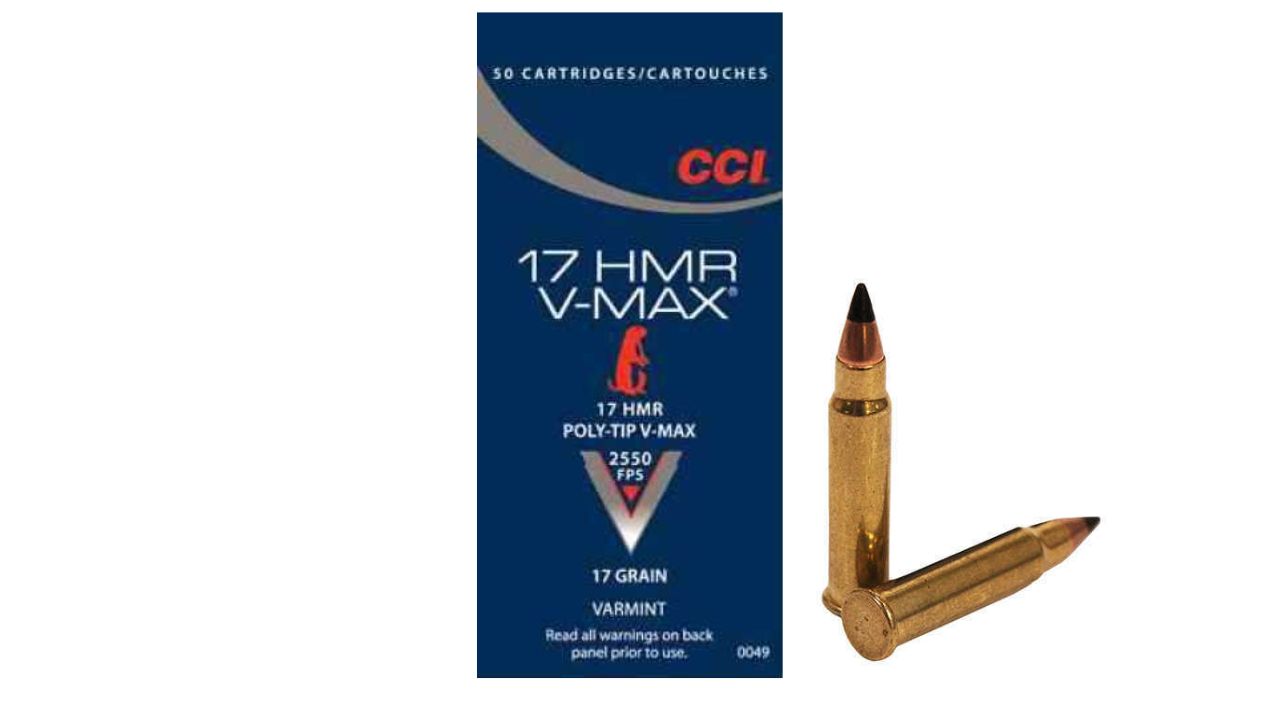
On coyotes, .17 HMR is a niche tool. Up close with perfect shot placement, it can work, but most hunters use it where it shines—small targets and minimal recoil. The problem is that its performance margin is thin even on predators, especially when conditions aren’t calm.
On deer, it’s a headache because you’re asking a tiny rimfire to do centerfire work. Penetration is limited, and the bullets are built to expand quickly on small critters. Even if you could place a shot perfectly, you’re still dealing with a cartridge that wasn’t designed for that job. The result is a high risk of wounding and a bad blood trail situation.
.22 WMR
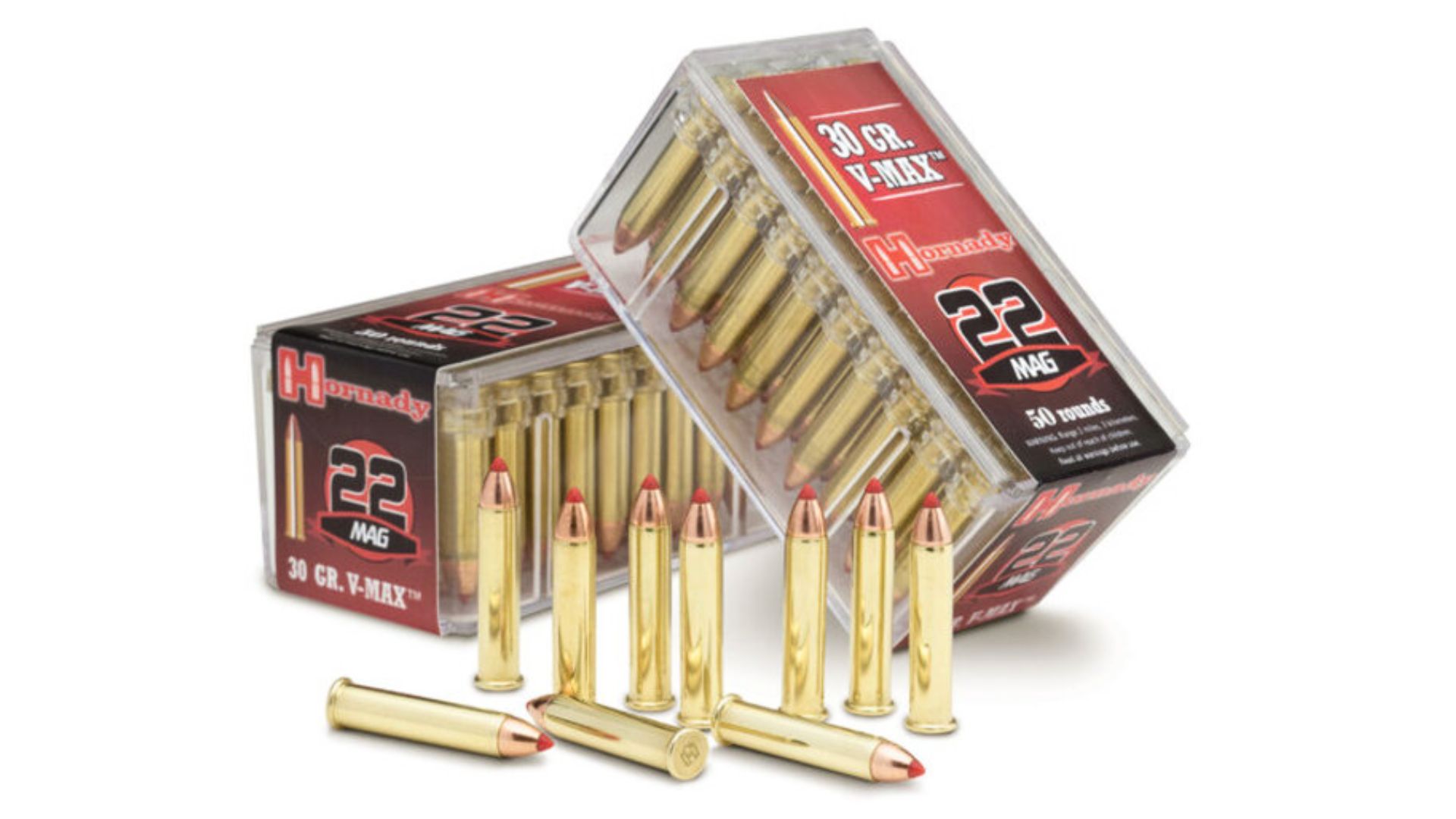
The .22 Magnum is a handy predator and varmint round around farms and brushy edges. It’s easy to shoot well, quiet compared to centerfires, and it can anchor smaller coyotes when you keep distances realistic and pick your shot.
For deer, it turns into a problem fast. You don’t get reliable penetration through shoulder, and you don’t get enough energy to make up for less-than-perfect angles. The bullet designs that work on pests tend to expand early and shed momentum. That can look “good” on impact and still fail to reach the vitals. When you’re trying to kill deer cleanly, that lack of margin is exactly what creates long tracking jobs.
.22 Hornet
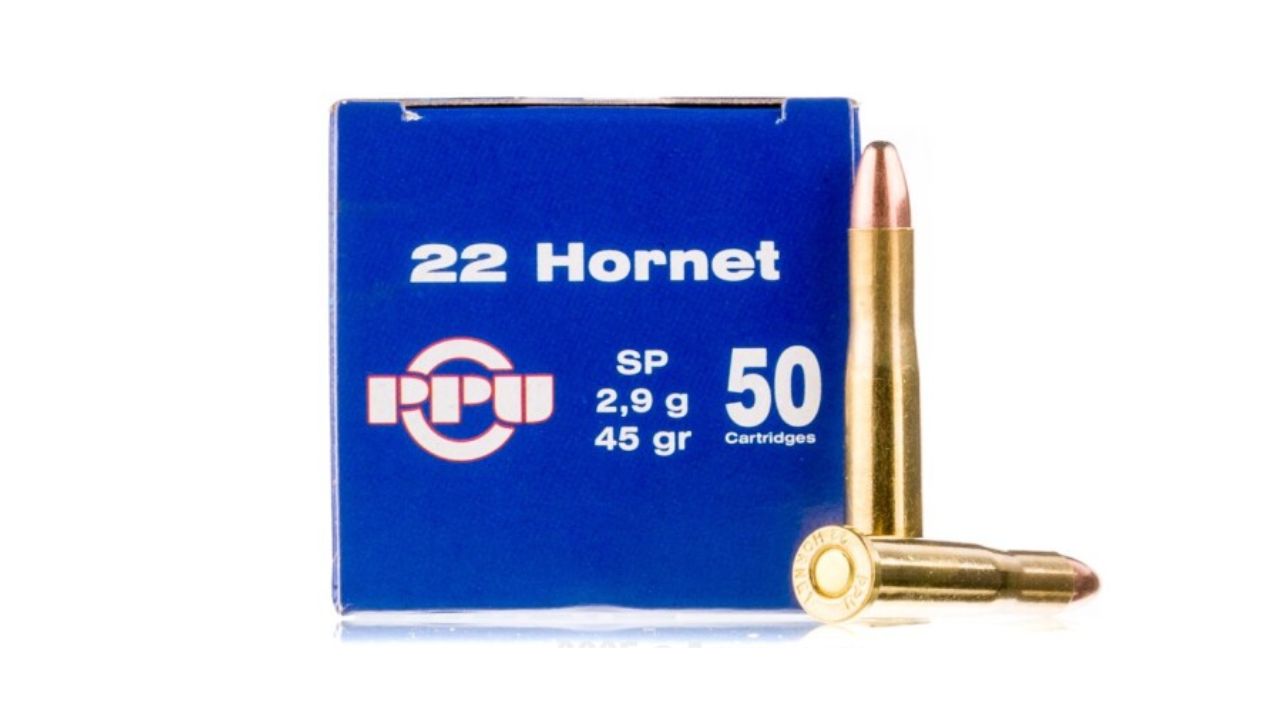
The .22 Hornet is one of those old-school rounds that still makes sense for calling predators on calm days. It’s mild, accurate, and doesn’t tear up hides like bigger .22 centerfires can. With the right bullet, it’s a clean coyote cartridge inside reasonable distance.
On deer, the Hornet becomes a juggling act. Some bullets are too fragile and come apart early. Others hold together better but still don’t carry much weight for penetration, especially on quartering shots. You end up needing perfect broadside angles and controlled expansion bullets, and even then you’re operating with very little cushion. That’s why it’s great at what it was built for—and a headache when you try to stretch it into deer work.
.204 Ruger

.204 Ruger is a laser on coyotes. It shoots flat, bucks wind better than people expect for the caliber, and it can fold a dog quickly with the right hit. It’s also easy on you, which means you tend to shoot it well and spot your own impacts.
That speed is exactly why deer can get tricky. A lot of common .204 bullets are built to open violently on small game, not to penetrate through ribs, shoulder, and muscle. At close range, impact velocity can be high enough to make the wrong bullet act like a grenade. You might see a dramatic entrance and still not get a clean pass-through or a reliable blood trail. If you insist on using it, bullet choice becomes everything—and that’s not where you want to live during deer season.
.223 Remington

For coyotes, .223 is the workhorse. It’s cheap, accurate, low recoil, and it’s easy to feed. With good bullets, it kills coyotes cleanly without beating you up or heating barrels too fast during long stands.
On deer, .223 can work, but it’s the cartridge that exposes sloppy bullet choices in a hurry. Light varmint bullets can blow up and fail to penetrate. Tougher bonded or copper bullets help a lot, but you still want disciplined shot angles and a calm trigger. The headache shows up when you treat it like a bigger deer round and start taking quartering-to shots or trying to break shoulders. The margin is smaller, and that’s what turns “it’ll do” into a tracking lesson.
.22-250 Remington

Coyotes and .22-250 go together for a reason. It’s fast, flat, and it hits hard on predators, especially across open country where you might need reach without dialing. It also tends to shoot accurately in a wide variety of rifles.
On deer, the speed is the trap. A lot of loads are tuned around thin-jacketed bullets meant to explode in a coyote’s chest. On a deer at 40 yards, that can mean shallow penetration and a messy surface wound that looks like a knockdown hit until the animal runs. Yes, there are better bullets for deer, but you have to be intentional about it. If you’re not building the load around controlled expansion, the .22-250 can turn an easy broadside opportunity into a frustrating recovery problem.
.220 Swift

The Swift is the hot-rod predator round that still earns respect. It shoots flat, carries speed, and it can make coyotes drop like the floor opened up. If you like classic cartridges, it’s hard not to appreciate what it does well.
Deer is where that extra velocity can backfire. Swift loads are often paired with bullets designed for varmints, and at close range the impact speed can be violent. You get rapid expansion, sometimes fragmentation, and not enough deep damage where it counts. You can load sturdier bullets, but then you’re in a narrow lane where everything has to line up—bullet, distance, angle, and your own discipline. That’s why it’s a great coyote round and a common source of “I thought that was a perfect hit” stories on deer.
.243 Winchester with light varmint bullets

.243 is a classic crossover cartridge, and that’s the problem. It’s so good on coyotes that people start using whatever is on the shelf—often light, explosive varmint bullets. On predators, those loads can be flat-shooting and dramatic.
On deer, those same bullets can create headaches. You’re dealing with high velocity and thin jackets, and that combination can come apart on shoulder or even heavy ribs. The .243 itself is not the issue. It’s the temptation to treat a deer like a bigger coyote and run the wrong projectile. When you step up to controlled expansion bullets in the 90–105 grain range, the cartridge behaves much better. But with light varmint ammo, you’re setting yourself up for shallow wounds and poor blood trails.
5.56 NATO out of short barrels
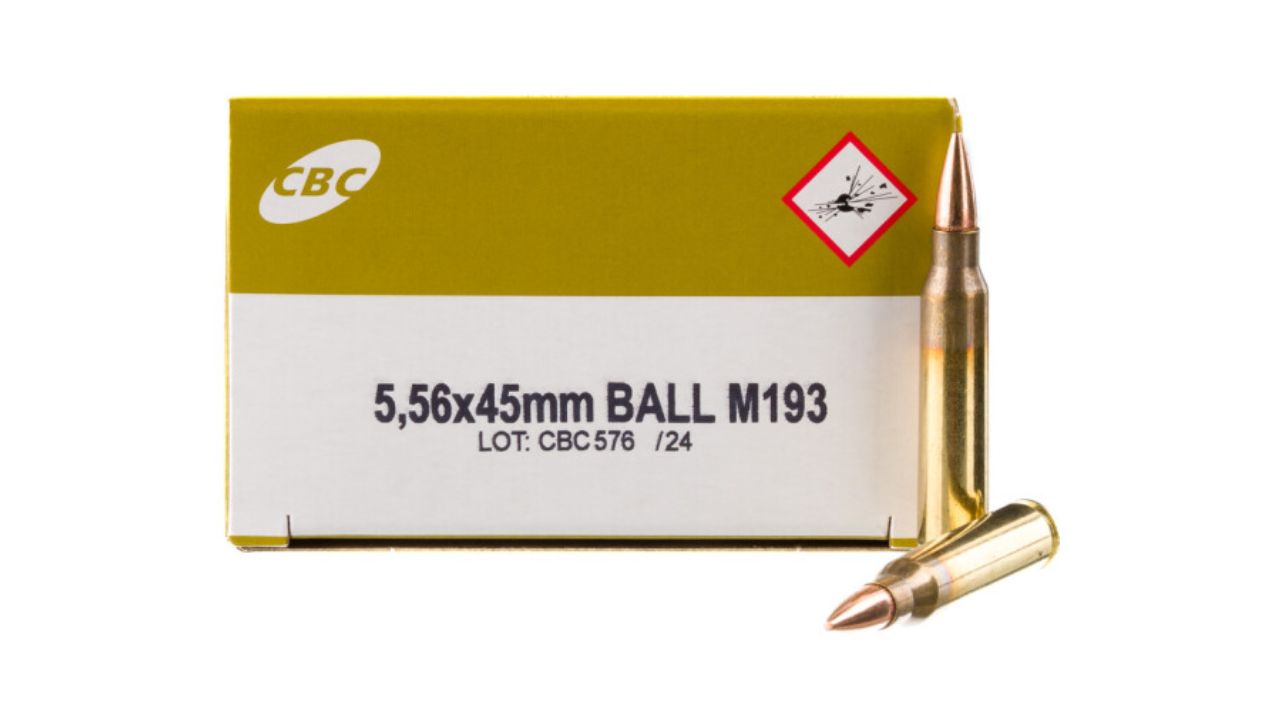
Short ARs in 5.56 are handy for coyotes. They’re quick in the truck, quick in brush, and they let you get on target fast. At typical predator distances, they can still hit hard enough to do the job, especially with proper bullets.
Deer is where barrel length can bite you. Short barrels shed velocity, and many 5.56 loads depend on speed for reliable terminal performance. Pair that with the wrong bullet and you get inconsistent expansion and less penetration than you expect. That inconsistency is what creates headaches—good hits that don’t bleed much, or bullets that don’t behave the same at 40 yards and 140 yards. If you’re going to run a short 5.56 on deer, you need purpose-built bullets and realistic shot angles, not general range ammo.
.300 Blackout with light, fast bullets
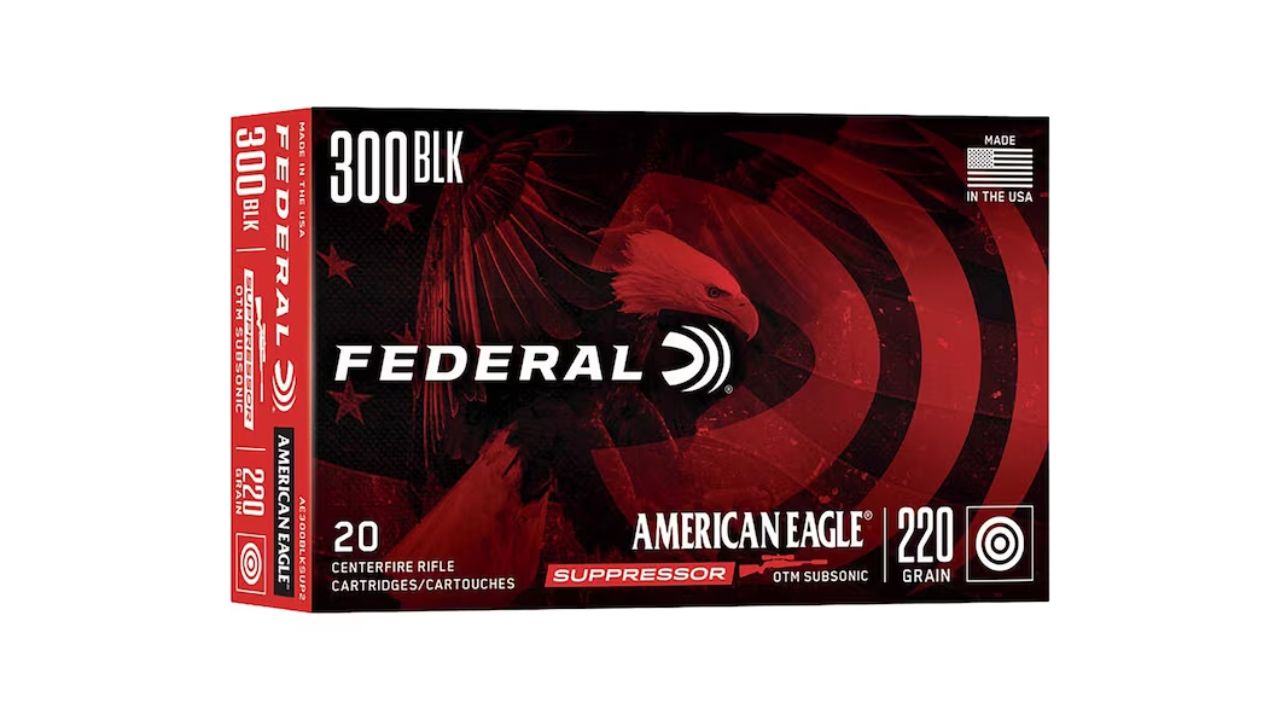
For coyotes, .300 Blackout can be a solid choice, especially when you’re hunting around houses or tighter property lines where you want a cartridge that behaves well in short barrels. With the right load, it hits hard and doesn’t punish you.
On deer, the headache usually comes from treating it like a do-everything round and grabbing whatever ammo is available. Some lighter supersonic bullets expand fast and don’t penetrate as well as you’d expect. Subsonic loads can work too, but they rely heavily on bullet design and placement, and they don’t create the same kind of damage you get from higher velocity rounds. The .300 Blackout can be effective, but it demands that you match bullet and range carefully. When you don’t, it’s easy to end up tracking.
7.62×39 with soft, inconsistent bullets
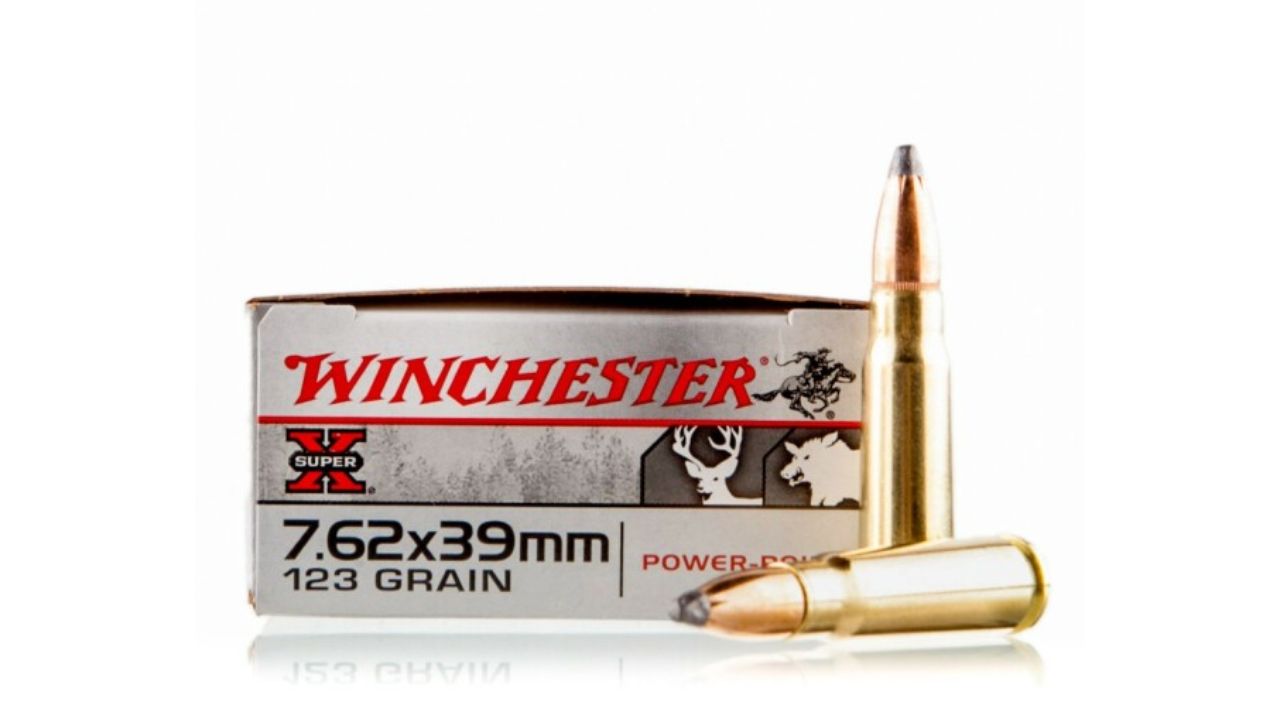
Coyotes don’t require a perfect bullet to go down, and 7.62×39 usually has enough punch to get it done. It’s affordable, available, and it runs well in simple rifles that you don’t mind banging around. Inside 150 yards, it can be a very practical predator tool.
On deer, the headaches show up with ammo quality and bullet construction. Some soft-point loads expand well. Others behave unpredictably, and some imported ammo isn’t built with consistent terminal performance in mind. You can also run into accuracy limitations depending on the rifle and ammo pairing, which matters more when you’re trying to thread a shot through a tight window. With good hunting loads it can work fine, but the common “whatever’s cheapest” approach is how 7.62×39 turns deer season into a recovery lesson.
.357 Magnum from a carbine with light bullets

A .357 lever gun is a sweetheart for coyotes in thick cover. It’s quick, handy, and with light bullets it can shoot flatter than people expect out to sane ranges. It’s also easy to run fast, which helps on moving predators.
On deer, the problem is that many people stay in “coyote mode” and use lighter bullets meant to expand quickly. That can lead to shallow penetration, especially if you hit shoulder or take a quartering shot. The .357 can be a fine deer tool out of a carbine, but it wants heavier bullets and controlled expansion, and it wants you to keep ranges honest. When you don’t, you get a deer that runs farther than it should, and you start blaming the cartridge instead of the setup.
.44 Magnum with fast-expanding hollow points

For coyotes, .44 Magnum can be surprisingly effective when you’re calling in brush and want a hard-hitting option that stops things right now. It also gives you a wide range of loads, from mild to serious, and it works well out of carbines and revolvers.
On deer, the headache comes from choosing defensive-style hollow points that expand too quickly and don’t penetrate well through heavy bone. A deer’s shoulder isn’t a soft target, and if your bullet mushrooms early and slows down fast, you can end up with incomplete penetration and a weak blood trail. With proper hunting bullets—hardcast or controlled-expansion soft points—the .44 does great work. But if you grab “big hollow points” because they look tough, you can create problems that don’t show up on coyotes.
6mm ARC with varmint-first load choices

6mm ARC is a great modern predator cartridge, especially if you like the AR platform but want better wind performance and downrange energy than small .22s. It shoots well, carries nicely, and it has a lot of potential for coyotes across open country.
Deer is where it gets complicated if you don’t treat it like a deer cartridge. Some 6mm bullets are built for rapid expansion on thin-skinned targets, and at ARC velocities they can still be too soft for shoulder hits or steep angles. The cartridge can absolutely work with the right projectiles, but the temptation is to run the same light, explosive bullets you love on coyotes. That’s how a smart cartridge turns into a headache—because you’re pairing it with the wrong job description.
6.5 Grendel with match bullets

6.5 Grendel is popular because it shoots well out of compact rifles and carries energy better than many small rounds. For coyotes, it’s easy: it hits hard and it bucks wind well enough to make longer shots feel manageable.
On deer, the headache shows up when people run match bullets because they group great on paper. Match bullets can behave unpredictably on game, especially at varying impact speeds. Some will fragment, some will pencil, and some will do a mix depending on distance and angle. That inconsistency is the real problem. With proper hunting bullets, the Grendel can be a very effective deer cartridge inside its comfort zone. But if you choose loads based on tiny groups alone, you’re rolling the dice on terminal performance, and deer season is not where you want dice.
.25-06 Remington with light, high-speed bullets

.25-06 is a hammer on coyotes when you’re shooting open ground. It shoots flat, hits hard, and it can make those longer predator shots feel almost too easy. It’s also a cartridge that rewards good marksmanship because it doesn’t give you much reason to flinch.
On deer, it can be excellent, but it becomes a headache when you treat it like a varmint round and run light bullets at full speed. High impact velocity up close can cause dramatic expansion and more meat damage than you planned, and the wrong bullet can still fail to penetrate the way you expect on tougher angles. The cartridge isn’t the villain. The mistake is picking a bullet that was built to come apart fast, then acting surprised when it does exactly that on a deer.
.270 Winchester with explosive “deer/varmint” hybrids
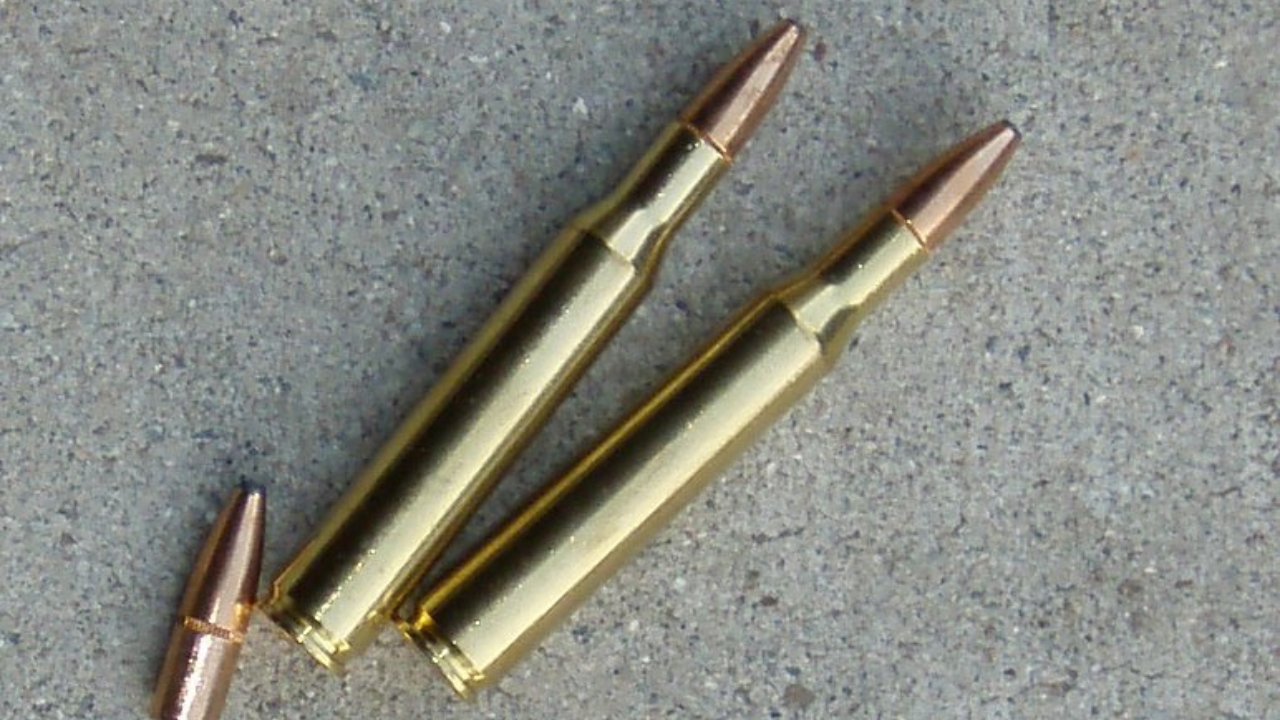
The .270 has probably killed more deer cleanly than most cartridges ever will, and it’s also flat enough to be useful on coyotes. That versatility is why it ends up on this list. A lot of hunters buy one rifle and try to make one load cover everything.
The headache comes when you pick bullets marketed as do-all solutions—fast-expanding designs that perform great on coyotes but can be rough on deer up close. You can get big bloodshot zones, lost shoulders, and exits that aren’t as consistent as you’d expect when you hit heavy bone. With controlled-expansion bullets, the .270 is steady and predictable on deer. But if you’re loading it like a predator rifle and expecting deer results, you’ll end up dealing with meat loss and tracking problems you didn’t need.
Like The Avid Outdoorsman’s content? Subscribe to our newsletter so you never miss an article.
Here’s more from us: