Photo credit: NPS/rawpixel
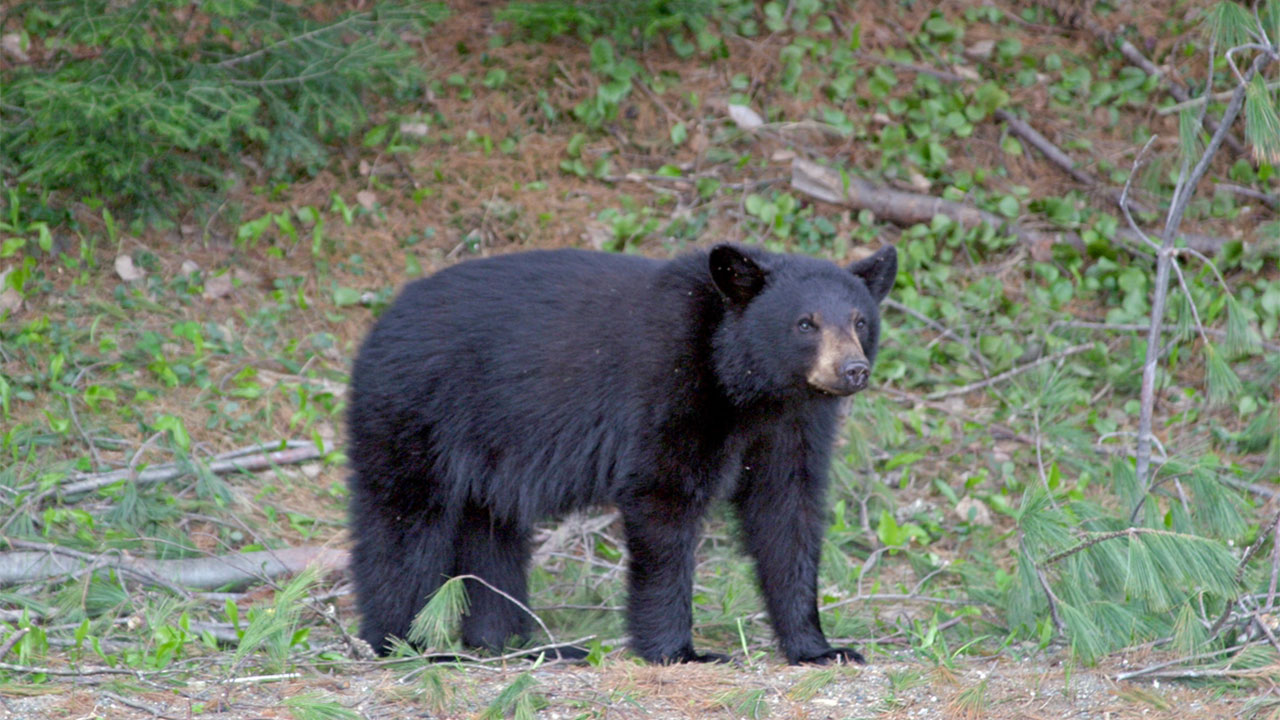
Black bears are still shy compared with a lot of people’s worst assumptions, but wildlife agencies in a growing number of states are saying the same basic thing: bears are showing up around homes, subdivisions, bird feeders, trash cans, porches, sheds, and backyard pet food more often than they used to. In some places that is tied to population growth. In others, it is range expansion, development pushing deeper into bear country, or simple food-conditioning when bears learn neighborhoods are easier than the woods. Connecticut, Massachusetts, New York, New Jersey, Florida, Colorado, Pennsylvania, Maryland, Virginia, North Carolina, Tennessee, Georgia, South Carolina, California, and Maine all have public guidance or recent reporting that points to the same trend line — more bears near people, and more chances for a bad surprise if homeowners get careless.
Connecticut

Connecticut is one of the clearest examples in the country right now. State officials say bear conflicts have followed a long-term upward trend, and the state’s own reports show bears turning up essentially everywhere. DEEP has said bears were reported in 165 of 169 towns and cities in 2023, and its 2025 material said home entries remained far higher than in neighboring states. When you start seeing bears not just crossing roads but actually going into homes, garages, and neighborhoods for food, that tells you the line between “bear country” and suburbia is getting thinner.
What stands out in Connecticut is how often attractants are the real story. Bird feeders, unsecured trash, and outdoor food sources are a big part of why bears keep circling back. DEEP and Audubon Connecticut even pushed residents to remove feeders because they pull bears straight into residential areas and increase the risk of dangerous encounters. That does not mean every backyard visit turns into a crisis, but it does mean a lot more people are now living in places where seeing a bear near the swing set or driveway is no longer unusual.
Massachusetts
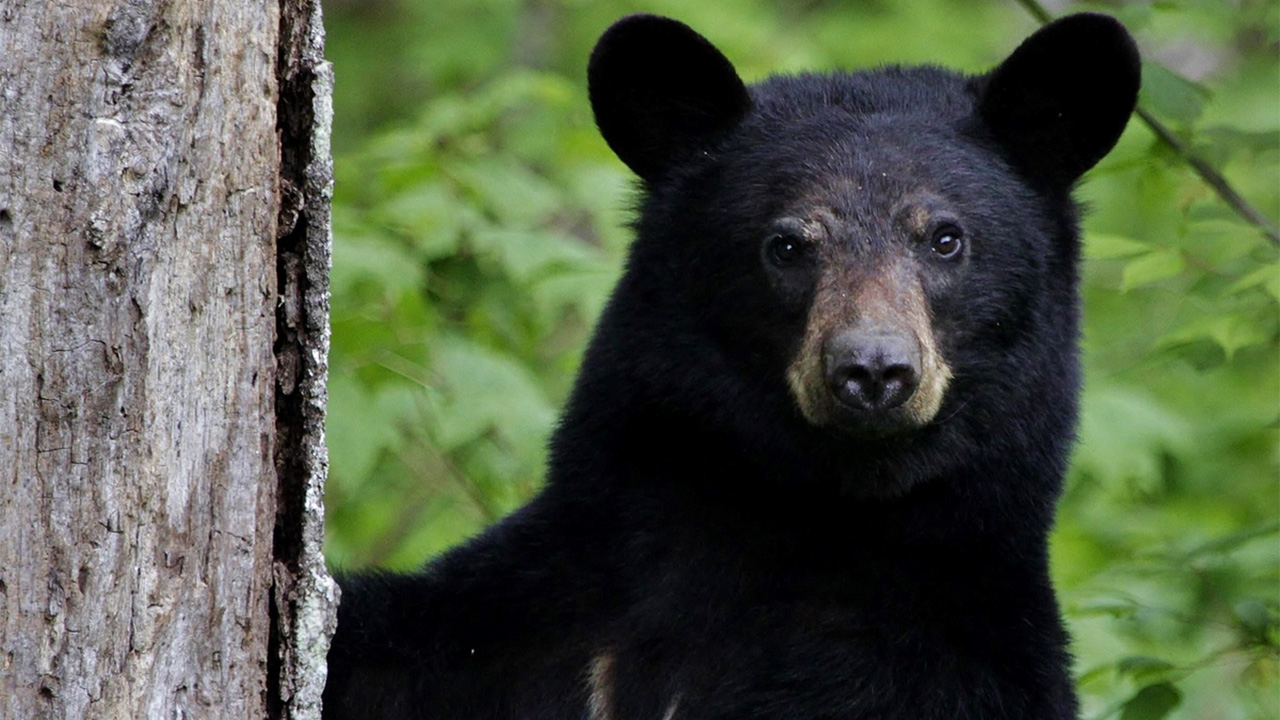
Massachusetts has been saying for a while that black bears are common in western and central parts of the state, but what matters for this topic is the eastward expansion. MassWildlife says the range is moving toward the more densely populated parts of the state, and that alone changes the equation for neighborhoods. A bear in remote hill country is one thing. A bear wandering through places with tighter housing, backyard grills, and trash pickup schedules is another. The more that range pushes east, the more average homeowners end up dealing with a wild animal they did not really plan for.
The state has also said the population is growing, with at least 4,500 black bears in Massachusetts. That does not automatically mean aggressive behavior, but it does mean more overlap with people. And once bears learn that bird seed, chicken feed, compost, and pet food are easy calories, they get more comfortable around homes than anybody wants. Massachusetts is a good reminder that “bear country” is not staying put. It is slowly stretching into areas where people still act surprised to see one on a back deck.
New York
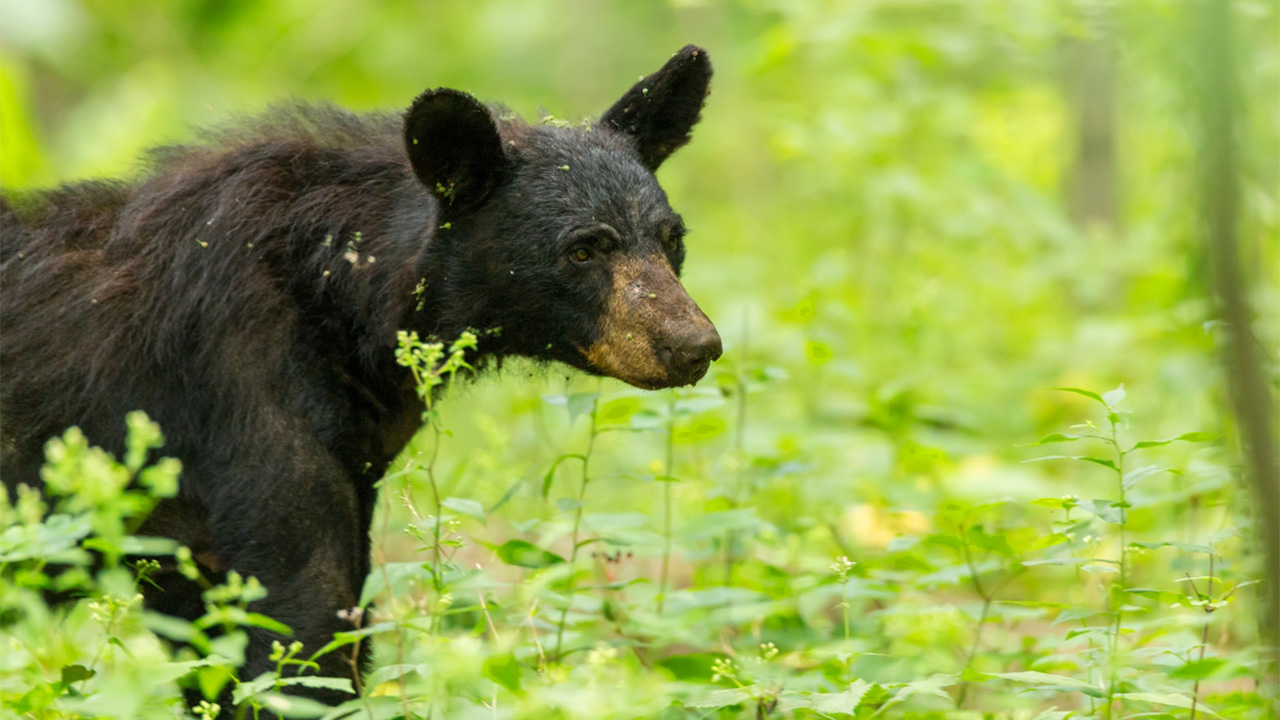
New York DEC has been pretty direct about this: as black bear populations increase and more people live and recreate in bear habitat, human-bear conflicts also increase. That is not vague language. That is the state spelling out the exact reason more neighborhood encounters are happening. DEC has also said bears are roaming neighborhoods in several parts of upstate New York, and its management material notes that repeat access to human food can make bears bolder around residential areas.
New York is a strong example because it is not just about deep woods towns in the Adirondacks anymore. Once populations expand and food conditioning enters the picture, suburban edges and small-town neighborhoods start seeing the effects too. A bear that learns where garbage day happens or where bird feeders stay full does not need to be “aggressive” in the Hollywood sense to become a real problem. It just needs to stop fearing people enough. That is usually how these encounters get more serious than folks expect.
New Jersey
New Jersey has been dealing with black bear conflict for years, especially in the northwest counties, and state advisories keep coming back to the same warning: secure trash and food sources because bear activity around people remains a real issue. A lot of folks still picture New Jersey as too built up for frequent bear trouble, but that is exactly why it catches people off guard. You can have dense development and still have enough wooded travel corridors, food attractants, and edge habitat to bring bears right into residential spaces.
The practical problem in New Jersey is that a state can have plenty of people and still have bears that know how to work around them. Once you mix neighborhood trash, outdoor pet food, grills, and bird seed with bears already established in the region, you get regular home-area visits instead of one-off sightings. That is why New Jersey belongs on this list. It is not because bears are suddenly everywhere. It is because plenty of homeowners in the bear zone are having more direct overlap with them than they used to.
Florida

Florida surprises people because a lot of them do not think “bear state” when they think of Orlando, Jacksonville, or Tampa. But FWC said in 2025 that bear sightings tend to increase this time of year in suburban and urban areas, including cities like those. That is a big clue that the issue is not staying tucked away in wild corners. Florida’s own guidance frames neighborhood sightings as something residents should expect, not treat like a freak event.
What makes Florida different is how fast human development can run into bear movement corridors and natural range. Bears looking for food do not care that a place feels suburban. If trash, outdoor food, or unsecured attractants are there, they will check it out. FWC also warns that feeding bears or letting them keep finding food can make them lose their natural fear of people. That is the part homeowners need to pay attention to. A bear in the neighborhood is one problem. A food-conditioned bear that keeps coming back is a much bigger one.
Colorado

Colorado Parks and Wildlife reported an increase in human-bear conflicts in both 2024 and 2025, and the agency’s bear reporting system has logged tens of thousands of sightings and conflicts since 2019. That alone tells you Colorado is not dealing with isolated stories. In some Front Range and mountain-adjacent communities, CPW said conflicts were especially high in residential areas because limited natural food and easy access to trash and bird feeders kept drawing bears in.
Colorado is one of those states where people often assume they know the deal because they live near mountains. But a lot of the trouble is not happening on some remote trail. It is happening near homes, garages, neighborhoods, and mountain subdivisions where bears learn human food is easier than natural forage. Once that lesson sticks, a bear starts acting less like a passing wild animal and more like a repeat nuisance with a very strong nose and plenty of confidence. That is why Colorado keeps earning a spot in these conversations.
Pennsylvania

Pennsylvania’s Game Commission says bear populations have the potential to further increase, which can lead to more frequent human-bear conflicts, and older state guidance says the population has been increasing for years and bringing bears and people into contact more than ever before. That is a pretty clean summary of why Pennsylvania belongs here. It is a big state with plenty of bear habitat, but it is also full of towns, rural homes, farms, and exurban neighborhoods where people live right on the edge of woods and creek bottoms bears use to travel.
In Pennsylvania, the risk is often less about dramatic attacks and more about homeowners underestimating how normal bear traffic has become in some areas. When a population grows and spreads, neighborhoods on the fringe stop being fringe. They become routine bear-use areas. That is when unsecured garbage, bird seed, backyard chickens, and pet food start mattering a lot more than people think. If a state has to actively manage populations partly because of human-bear conflicts, that is not a state where the neighborhood problem is imaginary.
Maryland

Maryland says black bear populations have increased dramatically over recent years, with the highest numbers in Garrett and Allegany counties and rising numbers in the remaining western areas. The state also notes that bears now use all areas of Maryland’s four western counties year-round, with sightings farther east showing up too. That matters because year-round use and range spread mean more people are likely to run into bears close to homes, farms, and neighborhood edges instead of only during rare dispersal events.
Maryland’s situation also shows how quickly “bear issue” can stop feeling remote. Once population expansion and property complaints start climbing together, you are no longer talking about a wildlife success story in the abstract. You are talking about people checking porches, bee yards, trash sites, and outbuildings because a bear may have already figured them out. That is usually how the public notices the shift — not from population charts, but from what starts happening around the house.
Virginia

Virginia says black bears occur throughout most of the Commonwealth, including residential areas. That wording matters. A lot of state wildlife pages still separate “wild” from “developed,” but Virginia flat-out acknowledges the overlap. The state’s living-with-bears guidance also warns hikers and residents about surprising bears where visibility is limited, which fits a broader reality: more bears are using spaces close enough to people that chance encounters are not rare anymore.
Virginia is a good reminder that neighborhood bear issues are not always about some exploding emergency. Sometimes it is simply a broad, established bear presence meeting expanding development. But that can still create a lot of trouble. A bear cutting through a subdivision, getting into bird seed, or moving along a wooded creek behind homes may never make national news, but it is still exactly the kind of encounter more residents are reporting across bear states. In Virginia, the geography is wide enough that plenty of homeowners are learning that firsthand.
North Carolina

North Carolina wildlife officials have said interactions with bears are rising across the state along with the increasing human population. After Hurricane Helene, the state also reported an increase in human-black bear interactions around Asheville and Buncombe County. That is important because it shows how quickly pressure on habitat, weather disruptions, food shifts, and human density can all combine to push bears closer to homes and neighborhoods.
North Carolina has enough mountain towns, wooded subdivisions, and semi-rural development to create ideal overlap. A lot of residents are close enough to habitat that they can feel removed from the woods while still living in a place bears use regularly. Add unsecured garbage or bird feeders, and that sense of distance disappears fast. In North Carolina, the encounter trend feels more common because more people are settling in the exact kinds of edge environments bears can navigate without much trouble at all.
Tennessee

Tennessee says black bears are making a dramatic comeback in the Southeast, and recent transportation research tied to the state also pointed to increased black bear populations. That does not by itself prove every neighborhood is getting hammered with bear problems, but it does support the larger pattern: more bears on the landscape usually means more overlap with people, especially in growing mountain and foothill communities. The wildlife damage guidance from Tennessee also notes that urban growth increases the chances of wild animal and human interactions.
Tennessee belongs on the list because comeback stories always have a second chapter. First the population recovers. Then people realize recovered wildlife still shows up behind the house. In East Tennessee especially, it does not take much for a bear moving through cover to wind up near cabins, sheds, or neighborhood trash. That does not mean panic is the right response. It means residents should stop treating bear visits like some impossible event and start treating attractant control like normal home maintenance in bear country.
Georgia

Georgia’s bear numbers are a conservation success, but the state has also acknowledged that human population growth and development into bear habitat have increased conflicts between people and bears. Even older planning documents and archived public warnings show the same pattern: more sightings, more overlap, and a stronger need for BearWise behavior. When wildlife managers are repeatedly telling the public how to handle spring and late-summer sightings, that is usually because bears near homes are not some one-time novelty.
Georgia is interesting because it shows how this can happen in more than one part of a state. North Georgia gets the attention, but central Georgia documents have also noted increased sightings tied to greater bear numbers and more housing encroachment. That means the issue is not only “deep mountain bear country.” It is also people building or living in places that now sit inside movement zones bears were already using, or are starting to use more confidently.
South Carolina

South Carolina has long dealt with increasing bear sightings in the fast-growing northern coastal counties, and state guidance says dispersing juvenile bears are being seen in many counties. The agency also notes that food shortages and shifting home ranges can bring bears into contact with the public. That is pretty much the recipe for surprise neighborhood sightings: a young or wandering bear, development pressing into habitat, and easy food somewhere nearby.
South Carolina’s pattern matters because it is not always about huge established populations right beside every subdivision. Sometimes it is transient movement that still creates very real encounters. People wake up, check the ring camera, and there is a bear in the driveway because habitat pressure and food search pushed it through. That is enough to make the average neighborhood feel a whole lot less removed from wildlife than it did a few years ago.
California

California’s bear issue has become impossible to ignore in some communities because state guidance talks openly about bears using outbuildings, porches, decks, crawl spaces, RVs, and vacation homes, especially in places like the Tahoe Basin. California also warns that black bears can become habituated to humans and create public-safety concerns as they search for food. When a wildlife agency is talking in that level of detail about structures around homes, you are well past the stage of “occasional woodland sighting.”
California is a good example of how a bear problem can grow in communities that sit right beside heavy recreation and natural habitat. Vacation areas, mountain neighborhoods, and even more settled residential zones can all create a buffet of unsecured attractants. And once bears learn how to rip into vents, doors, or weak storage areas, residents start dealing with an animal that is not merely passing through. It is actively testing human spaces for calories and shelter.
Maine

Maine may not always make flashy headlines for neighborhood bear trouble, but the state explicitly gives residents advice for avoiding bears in the woods, backyard, and neighborhood, and it has handled hundreds of nuisance bear complaints annually. That says plenty on its own. A state does not build that kind of routine public guidance unless bears around homes are a regular enough issue to justify it.
What puts Maine on this list is not some claim that suburban bear chaos is exploding statewide. It is the fact that complaints, backyard guidance, and neighborhood-specific warnings all point to steady overlap where people live. Maine has the habitat for it, the attractants for it, and enough semi-rural living that a bear can move from woods to yard to shed in a hurry. For a lot of homeowners there, the better mindset is not “Could this happen here?” It is “What am I doing that might invite it?”
Like The Avid Outdoorsman’s content? Subscribe to our newsletter so you never miss an article.
Here’s more from us: