Photo credit: Connie Spicer/Pexels.com
Predators do not stay hidden by accident. The ones that live close to people, work the edges of fields, or move through hunting ground without getting noticed are using cover on purpose. They know where they can travel without being outlined, where they can stop and watch without being seen, and where they can hold tight until the light changes in their favor. A lot of folks think predators disappear because there are not many around. More often, they disappear because the land gives them exactly what they need to stay out of sight.
That matters whether you are hunting, running trail cams, checking stock, or just trying to understand what is working around your place after dark. If you know the kind of cover predators trust, you stop treating the land like one open piece and start seeing the hidden routes inside it. These are the kinds of cover predators use when they do not want to be seen, and once you start noticing them, you will realize how much country looks empty when it really is not.
Creek bottoms
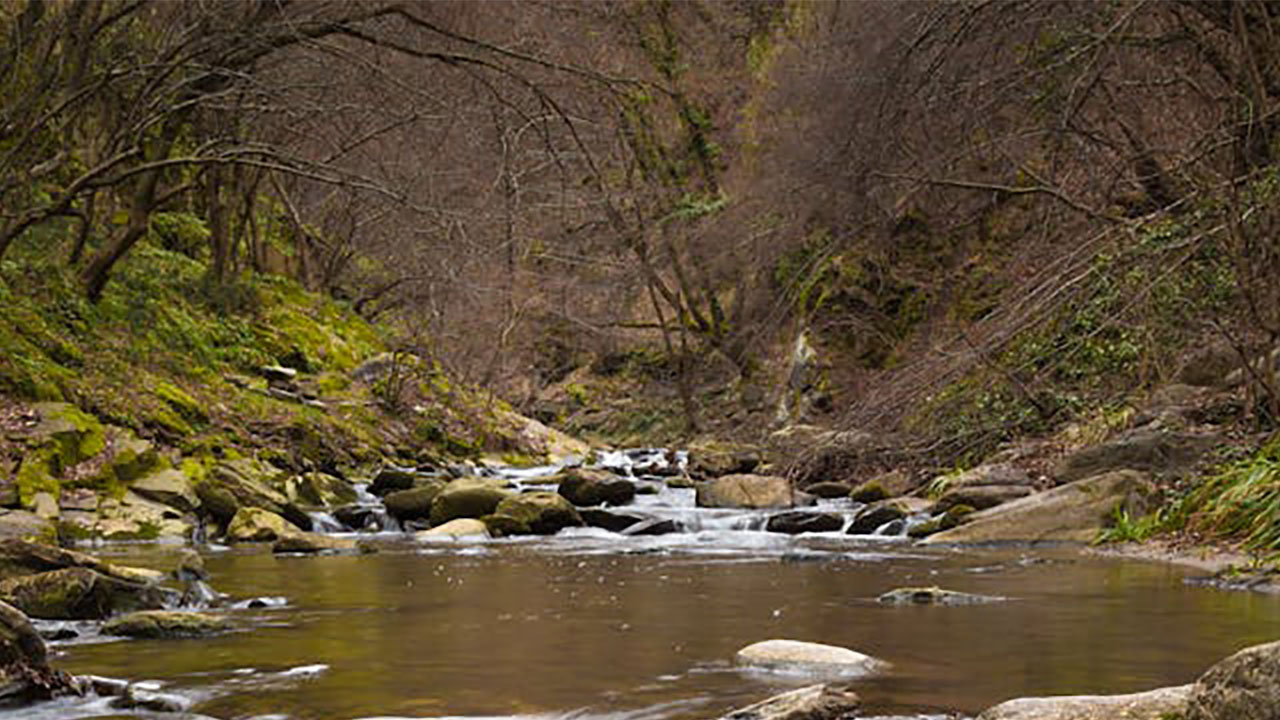
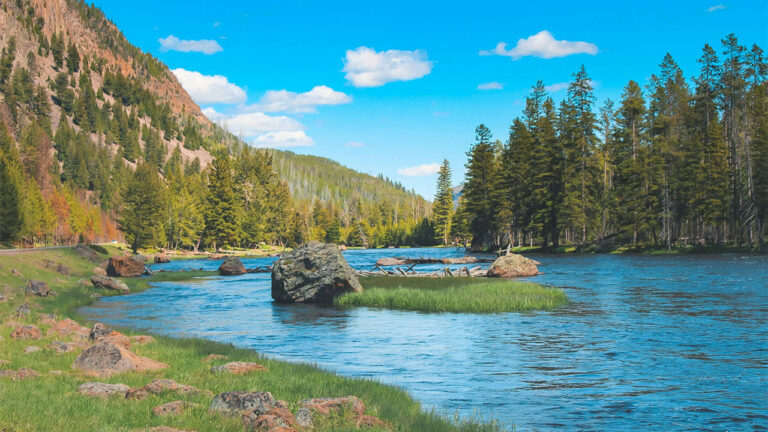
Creek bottoms are some of the best predator cover on the landscape because they give animals everything at once. There is shade, softer ground, water, prey, and a natural travel corridor that already cuts through the country without much effort. Coyotes, bobcats, bears, hogs, and even mountain lions in the right country will use creek bottoms to move without exposing themselves. The banks break up their outline, the brush holds scent and sound, and the winding shape lets them stay hidden while still covering ground.
What makes creek bottoms so reliable is that they stay useful in almost every season. In hot weather, they are cooler. In dry weather, they still hold moisture and movement. In pressured country, they give predators a way to move from one block of cover to another without stepping out where they can be seen from roads, fields, or houses. If you are trying to figure out how something keeps getting across a property unseen, start with the creek bottom. More times than not, that is the highway.
Brush-choked fence lines
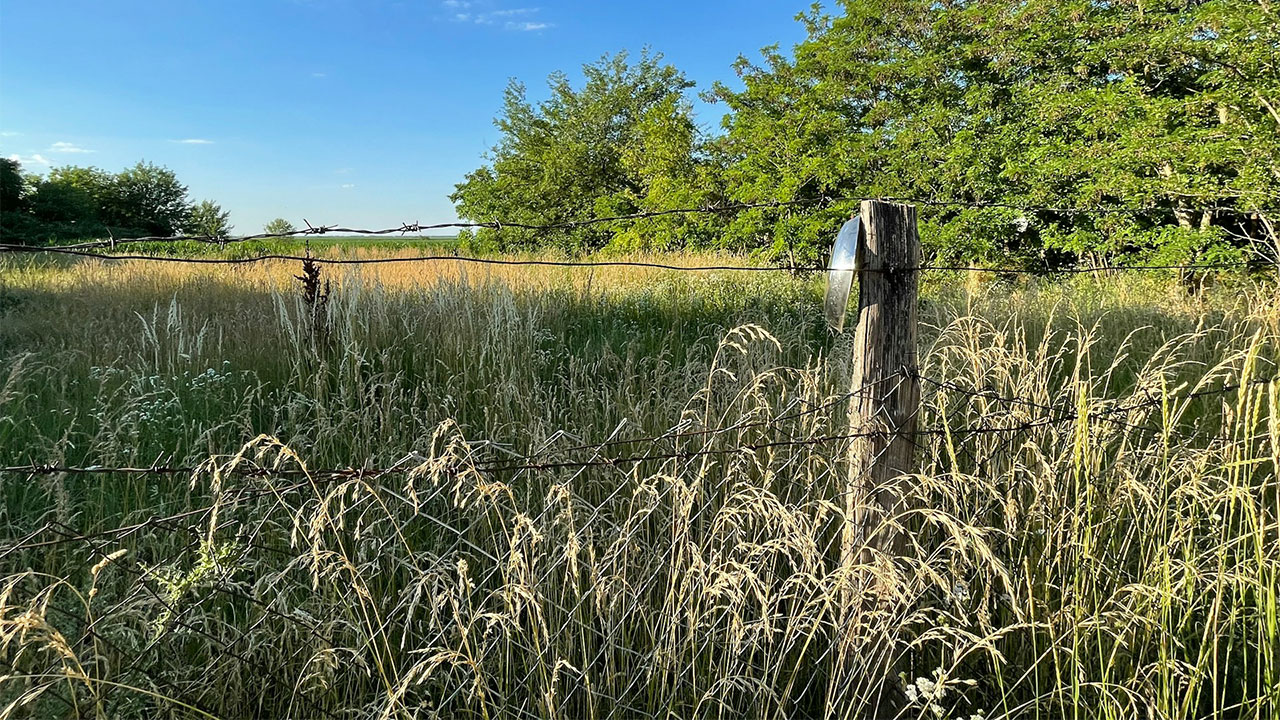
Fence lines do a whole lot more than mark property. When they grow up in briars, saplings, honeysuckle, plum thickets, or volunteer brush, they become hidden travel lanes for predators that want to move with structure around them. Coyotes love them. Foxes use them. Bobcats will slip right along them if the cover stays thick enough. Even smaller predators like raccoons and skunks work those edges because they connect food, bedding, and escape cover without making the animal step out into the open.
The reason these fence lines matter so much is that people stop seeing them after a while. They become background. Meanwhile predators are using them like a map. A grown-up fence line along a pasture edge or between two old fields gives just enough screening for nighttime movement and just enough protection to hold a predator in place if it wants to stop and watch. If your land has one that ties together woods, water, or feed, you can bet something is using it.
Tall grass on field edges
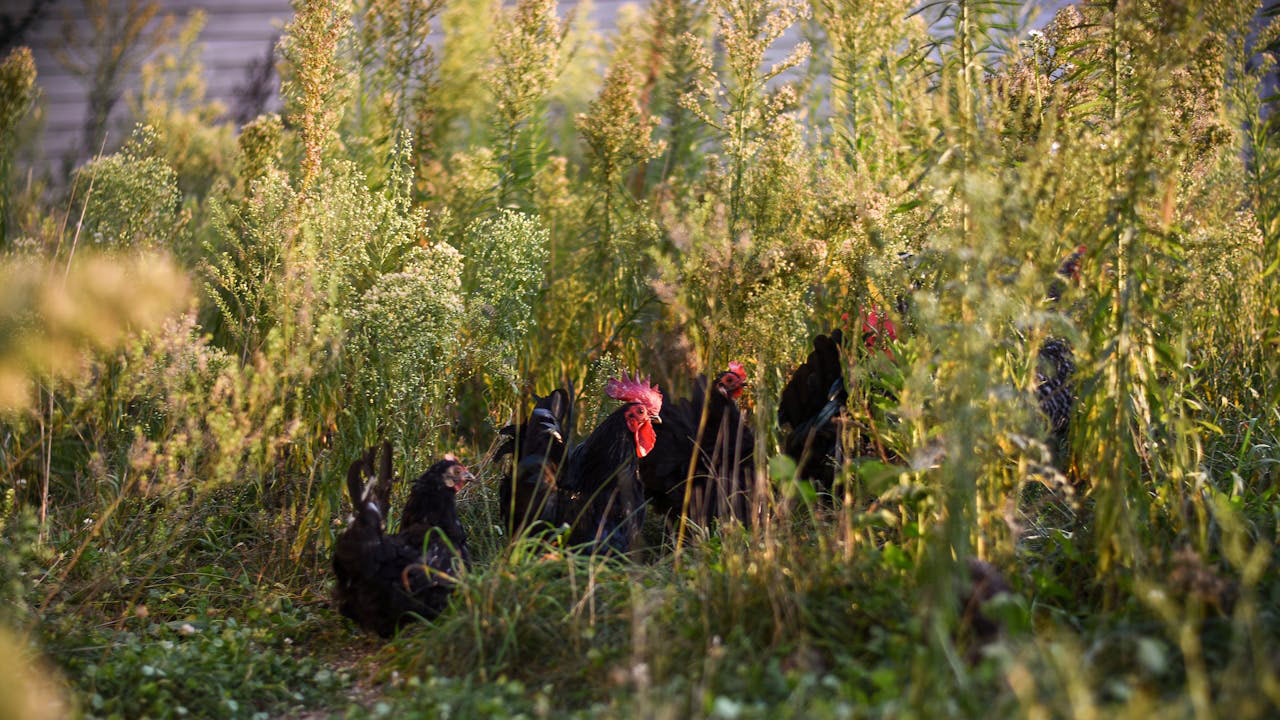
Tall grass does not look like much from a truck window or a porch, but to a predator it can be perfect low-profile cover. Coyotes, foxes, bobcats, and even hogs will use tall grass on field edges to move while keeping most of their body hidden. They do not need chest-high brush if the ground cover is thick enough to break up movement and let them stay low. Add in mice, rabbits, birds, and easy access to open feeding areas, and those grassy edges become prime working ground.
This is especially true where fields meet rough, unmanaged corners. A predator can bed just inside the cover, ease out at last light, and slip right back in without ever crossing the open in a way most people would notice. Folks often focus too hard on big timber when they think about hidden movement. But a coyote in waist-high grass with the wind right and the light low can disappear almost as well as anything in the woods. That kind of cover gets overlooked all the time.
Briar patches and thorn thickets

Briar patches are some of the nastiest places on a property to push through, which is exactly why predators love them. If a place is thick enough to slow people down, grab clothing, and make a dog think twice, it usually offers the kind of security predators trust. Bobcats especially love ugly cover like this. Coyotes will bed on the edge or move through it. Foxes, raccoons, and all kinds of smaller predators use thorny tangles as daytime hideouts and staging areas before dark.
The value of a briar patch is not just in hiding the animal. It also gives them a layer of protection from pressure. People avoid it. Vehicles cannot get through it. Sound dies in it. A predator can tuck into a mess of briars ten yards from a path and never be noticed unless the wind, tracks, or camera tells on it. If your place has old hedge rows, blackberry tangles, greenbrier patches, or thorn thickets along a ditch or wood edge, those spots deserve a hard look.
Blowdowns and storm-felled timber
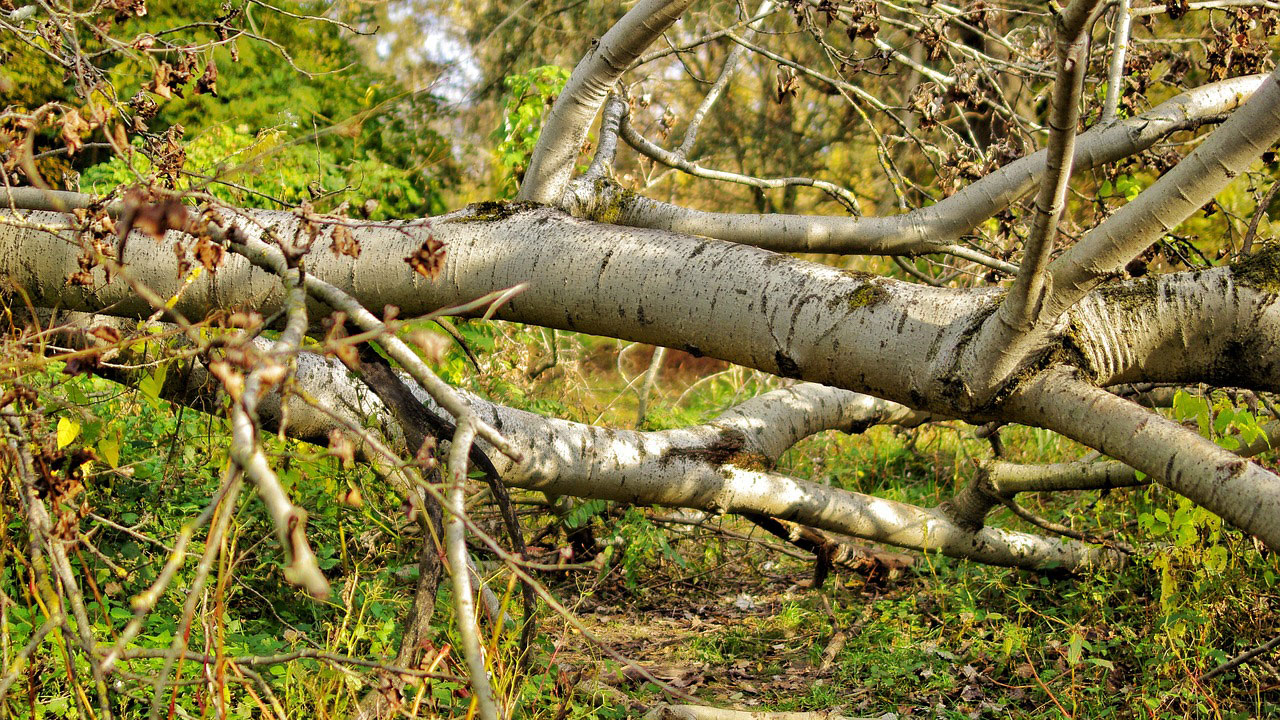
A stretch of timber that got hammered by wind looks messy to people, but to predators it can be gold. Blowdowns create shadows, lanes, crawl spaces, ambush points, and den sites all in one spot. A bobcat can work through that timber like it was built for it. Coyotes will use the edges. Bears and hogs bed in the thickest parts. Small prey species pile in there too, which means predators have another reason to stay close. That ugly, tangled timber often holds more life than the cleaner woods around it.
Another reason storm-felled cover matters is because it changes sightlines. You may think you can see pretty well into a patch of trees, but one big tangle of tops and trunks can hide movement surprisingly close. Predators know they can use the backside of those blowdowns to stay invisible while still keeping an eye on what is happening around them. If something keeps slipping through a timber block without showing itself, look at the storm damage. That kind of cover gives animals options.
Cattail sloughs and marsh edges
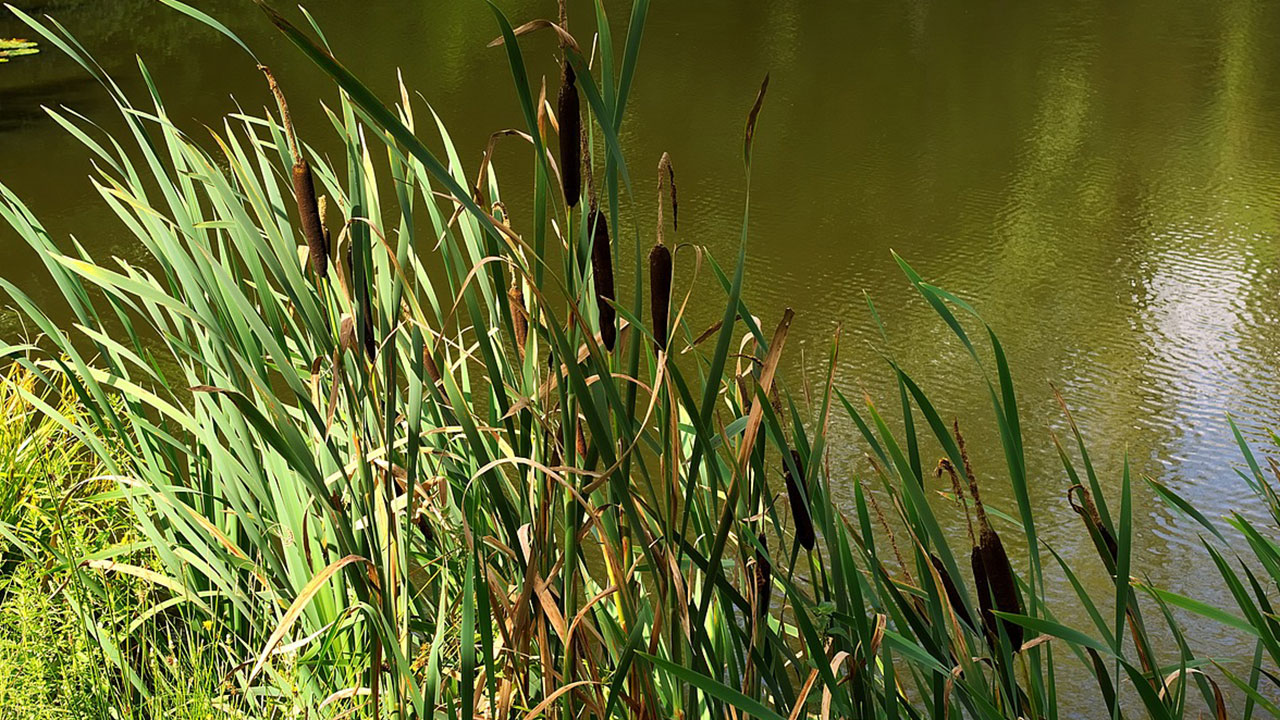
Wet ground keeps people out, and that alone makes marsh cover attractive to predators. Cattail sloughs, marsh edges, reed beds, and swampy corners give coyotes, bobcats, otters, raccoons, and all kinds of predators a place to move and stage without being seen clearly. The thick vertical cover breaks up shape and movement, and the wet edge usually holds frogs, snakes, birds, rodents, fish, and other food sources that make it worth the trouble.
What makes marsh cover so effective is how uncomfortable it is for human movement. Most folks skirt it, glance over it, and keep going. Meanwhile an animal can travel the edge, slip into the interior, or sit tight just off the dry ground and watch. In low light, that cover gets even better. A predator does not need a deep swamp to benefit from it either. A narrow cattail strip around a pond or a wet drainage across pasture can be enough to hide a lot more movement than people think.
Rock piles and ledges
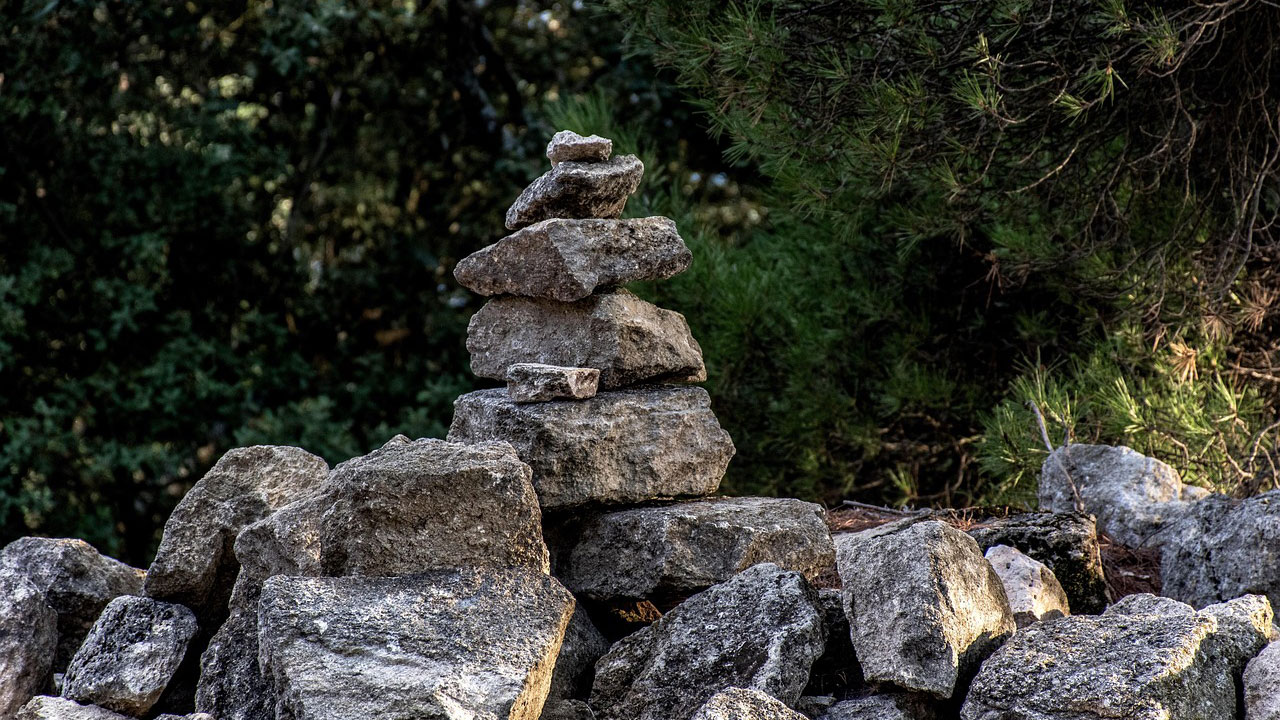
Rock cover matters more than people realize, especially for predators that like tight, protected spaces. Bobcats love rocky country. Foxes den in it. Snakes use it. Smaller predators and prey both work around it because it gives them shade, cracks, denning space, and temperature stability through weather swings. In rough ground, rock ledges and broken piles can hide an animal almost in plain sight. A predator does not have to be deep in a cave to disappear. It just needs enough structure to break up its body and control what can approach.
This kind of cover becomes even more valuable on open properties where there is not much brush or timber. One rocky cut, one stacked pile from old field clearing, or one ledge line above a draw can turn into the main hidden zone on the whole place. If something is bedding close and not showing itself much in daylight, rock cover is always worth checking. Animals trust hard cover that stays cool, dry, and defensible, and rock gives them all three.
Culverts and drainage ditches
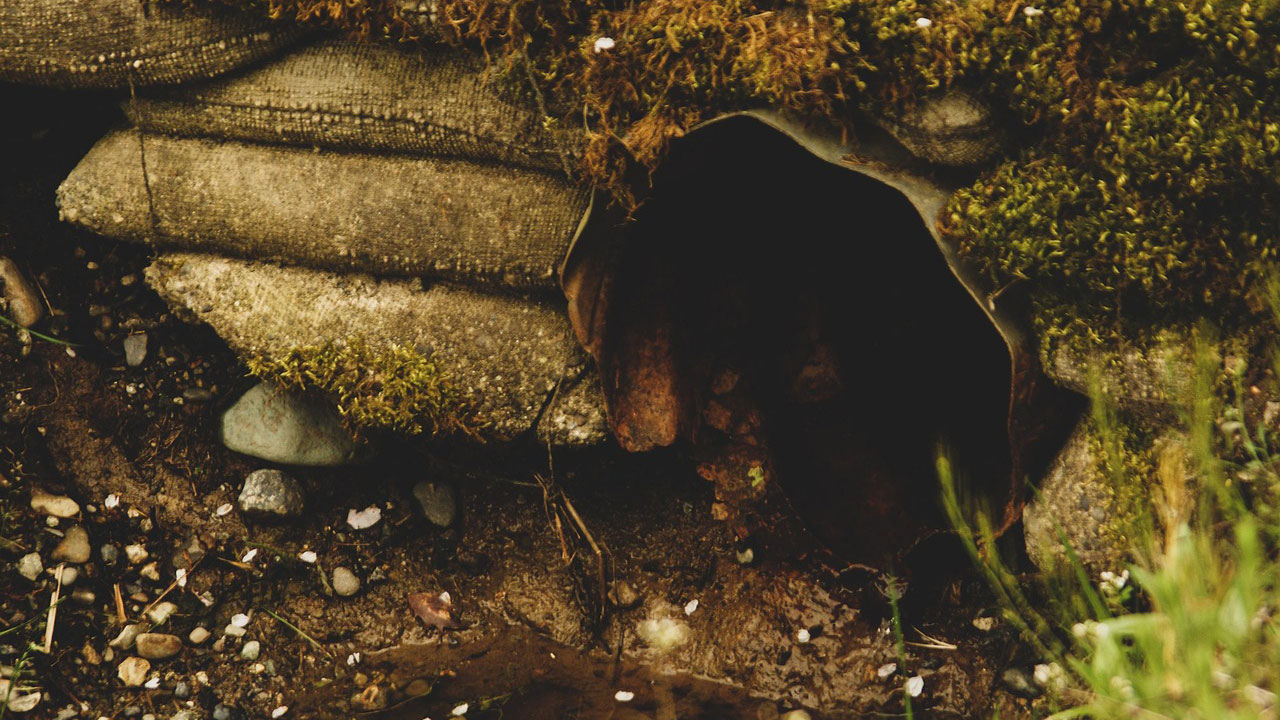
A drainage ditch may not look wild, but predators use them constantly. A ditch gives them a low line to travel in, often with weeds or brush on the edges, and lets them move below sight level across otherwise open country. Culverts add another layer because they create a tunnel, bottleneck, and hide spot all at once. Around roads, subdivisions, farms, and small acreages, coyotes, raccoons, foxes, bobcats, and even hogs use drainage systems to move unseen from one piece of habitat to another.
This is one of the main reasons predators show up close to people without many sightings. They are not marching down the driveway. They are using the ditch behind the fence, the culvert under the road, and the overgrown drainage that ties one property to the next. Once you start looking at drainage as cover instead of just water control, a lot of “mystery” movement makes more sense. These manmade features work like natural corridors if enough cover grows around them.
Pine plantations and young timber
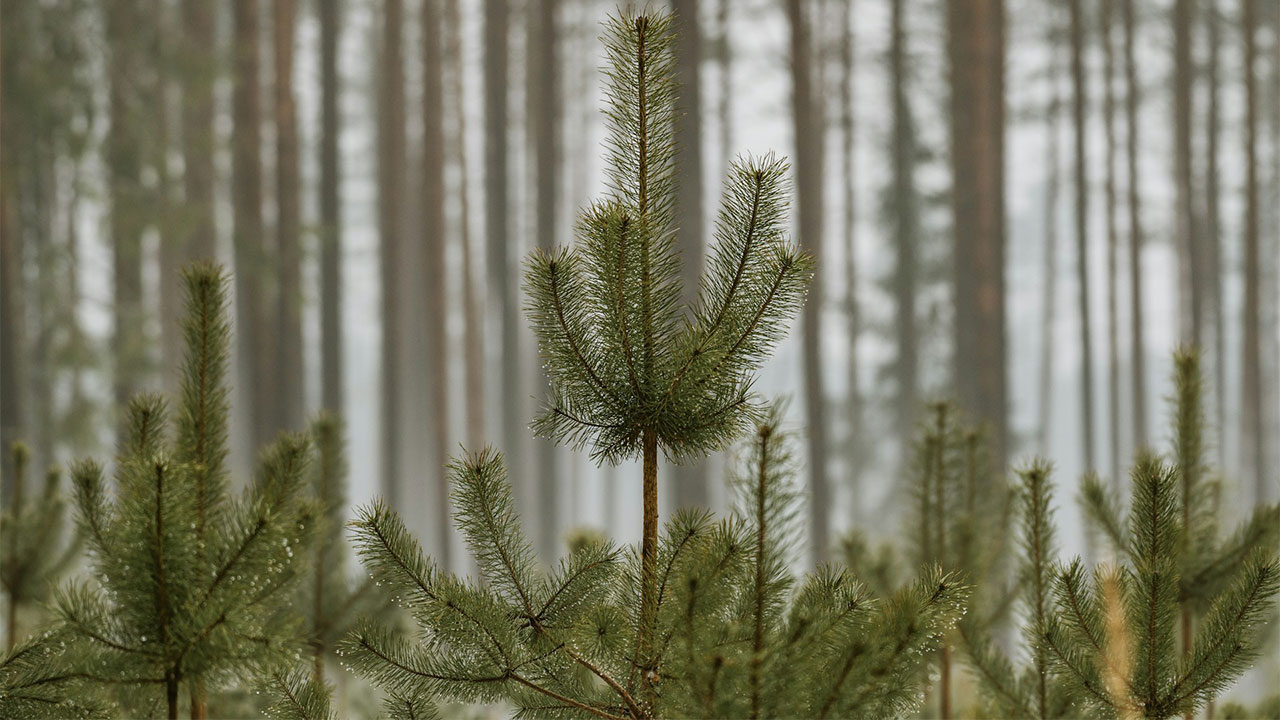
Young pine stands can be some of the best concealment on a property, especially once the rows have enough height and lower growth to shut down visibility. To people, it may just look like planted timber. To predators, it is a maze of shade, low branches, soft ground, and screened movement. Coyotes use these stands all the time. Bobcats do too. Deer bed in them, rodents work the floor, and predators can move through the rows without ever offering a clean look.
What makes young timber especially useful is the way it balances security and movement. Some cover gets so thick it is hard to travel through. Good pine cover often gives an animal both. It can slip through the lanes, stop in the shadow, and stay hidden with very little effort. On southern ground in particular, a planted pine block near food, water, or pasture edges is one of the first places I would check if predators seem to appear and disappear without much trace.
Brushy creek crossings
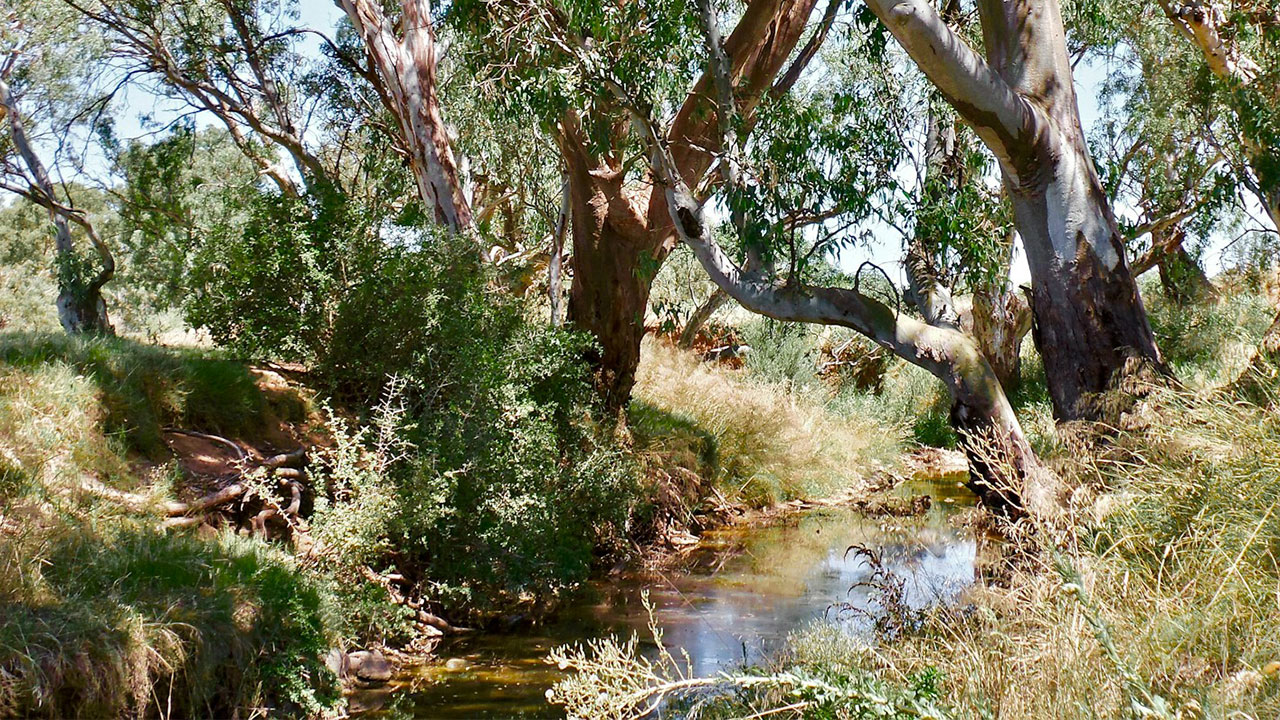
Crossings matter because they force movement into predictable spots, and predators know that. A shallow place in the creek, a narrow break in the bank, or a natural crossing with brush around it can become one of the most heavily used hidden routes on a property. The brush keeps the animal covered on approach, the crossing gives it easy movement, and the tight structure lets it funnel both prey and predator traffic through one manageable point. Cameras on these spots can tell you a lot in a hurry.
The reason crossings are so useful to predators is that they give them control. Instead of exposing themselves anywhere along the creek, they can use the same hidden place over and over. Coyotes do this constantly. Bobcats will too if the cover feels right. If you are seeing signs on both sides of a drainage but not much in between, do not overthink it. Find the crossing with the best cover. Odds are that is where the movement is happening.
Old barns, sheds, and abandoned structures
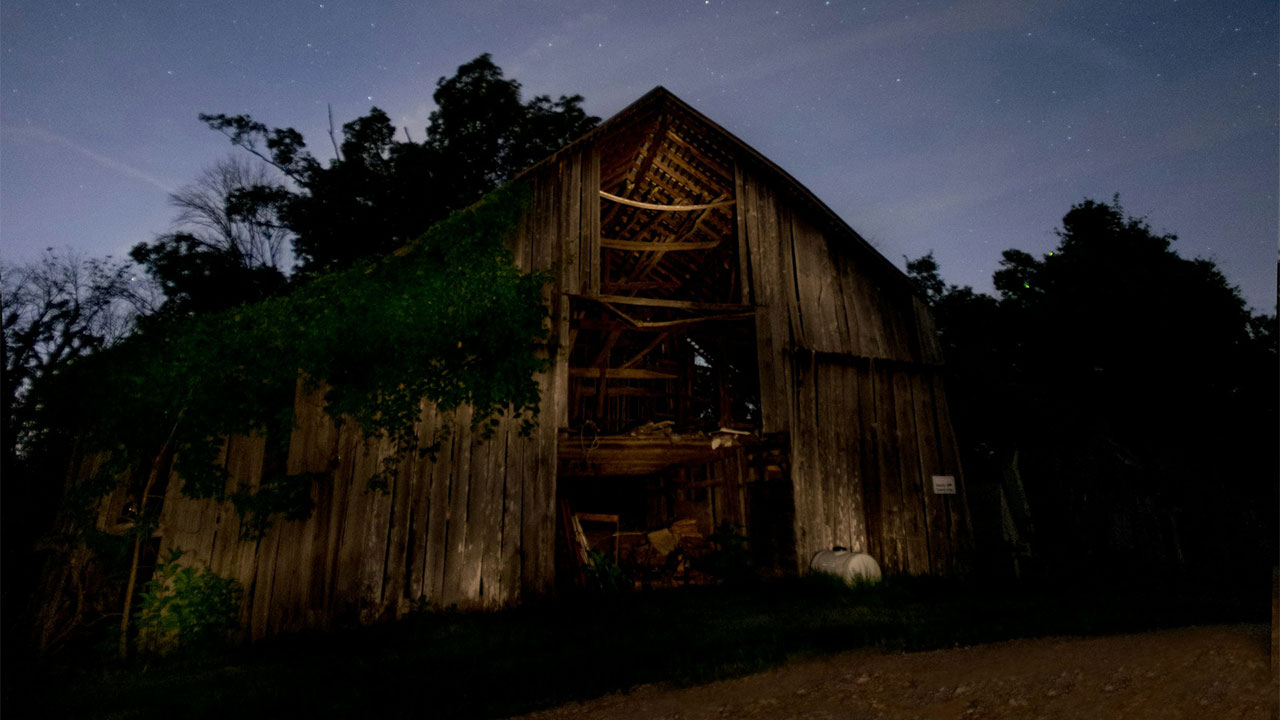
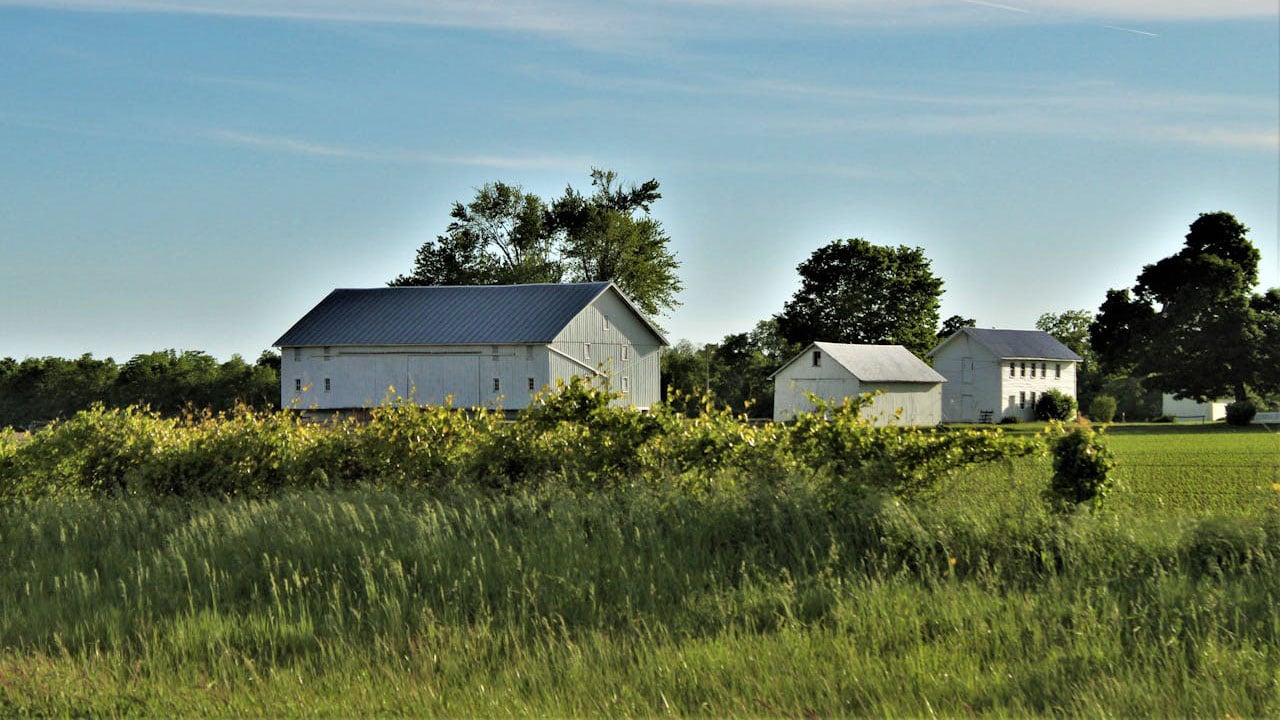
Predators do not always need natural cover. Old structures can work just as well when they start falling apart and blending into the land. A sagging shed, collapsed barn, old chicken house, or abandoned equipment line can give raccoons, foxes, bobcats, snakes, and smaller predators exactly what they want: shade, dry ground, hidden entry points, and prey nearby. Rodents move in, birds nest, and suddenly the whole place becomes a working hub for animals most people assume stay in the woods.
The thing about old structures is that people either ignore them or think of them only as junk. Predators see edges, holes, crawl spaces, and easy ambush points. Around a homestead or small acreage, these places can hold more nighttime movement than the actual woods if food and cover are both close. If something seems to be hanging around the property itself instead of just passing through, start looking at what is old, quiet, and partly forgotten. That is often where the hidden traffic starts.
Overgrown pond dams and levees
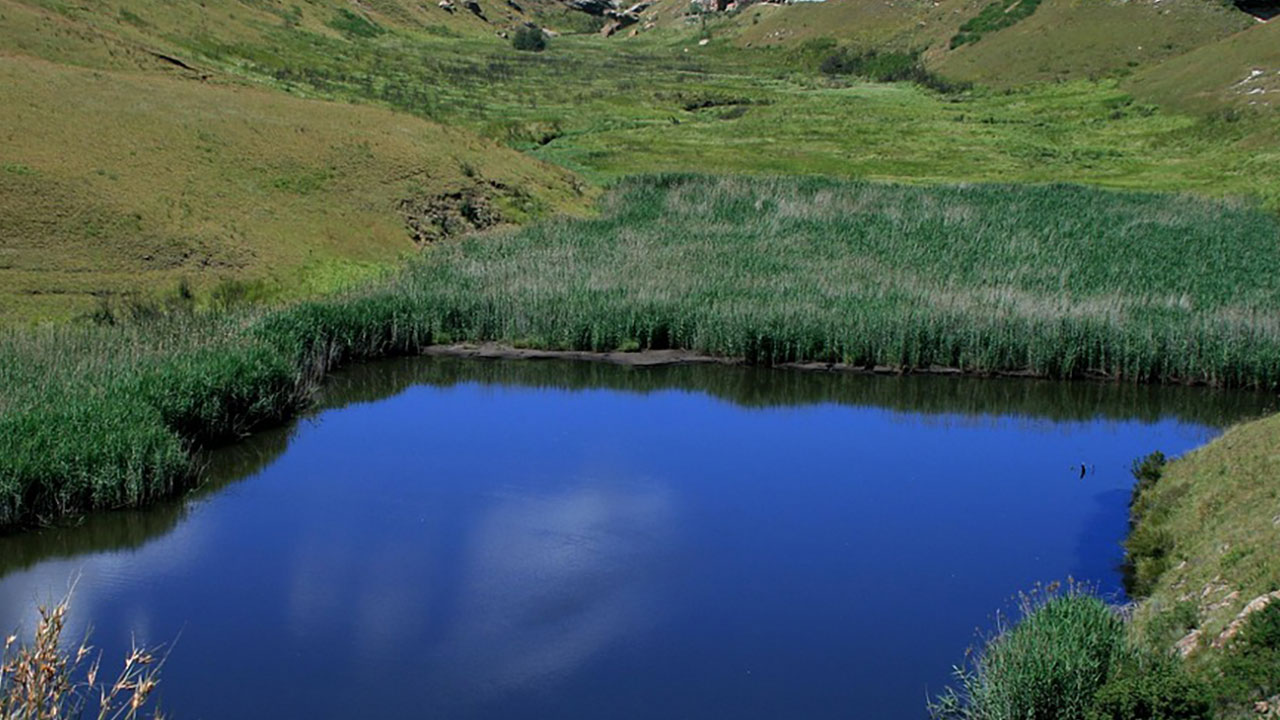
A pond dam with thick weeds, brush, and rough edges can become one of the easiest hidden travel lanes on a place. It gives predators a raised, dry path right through a wet or open area, and if the cover is left alone, they can use it without showing themselves much at all. Coyotes love that kind of path. So do raccoons, foxes, and snakes. If the pond also pulls in ducks, frogs, fish, rodents, or livestock activity, the dam becomes even more attractive.
The reason pond edges matter so much is that people usually focus on the water and not the path around it. But predators think in edges. A brushy dam lets them circle the pond, check scent, work for nests or small prey, and move between one side of the property and the other under cover. If you are getting odd pond activity, missing ducks, or night movement around the water, do not just watch the bank itself. Watch the rough path that wraps it.
Shadow lines along hardwood edges
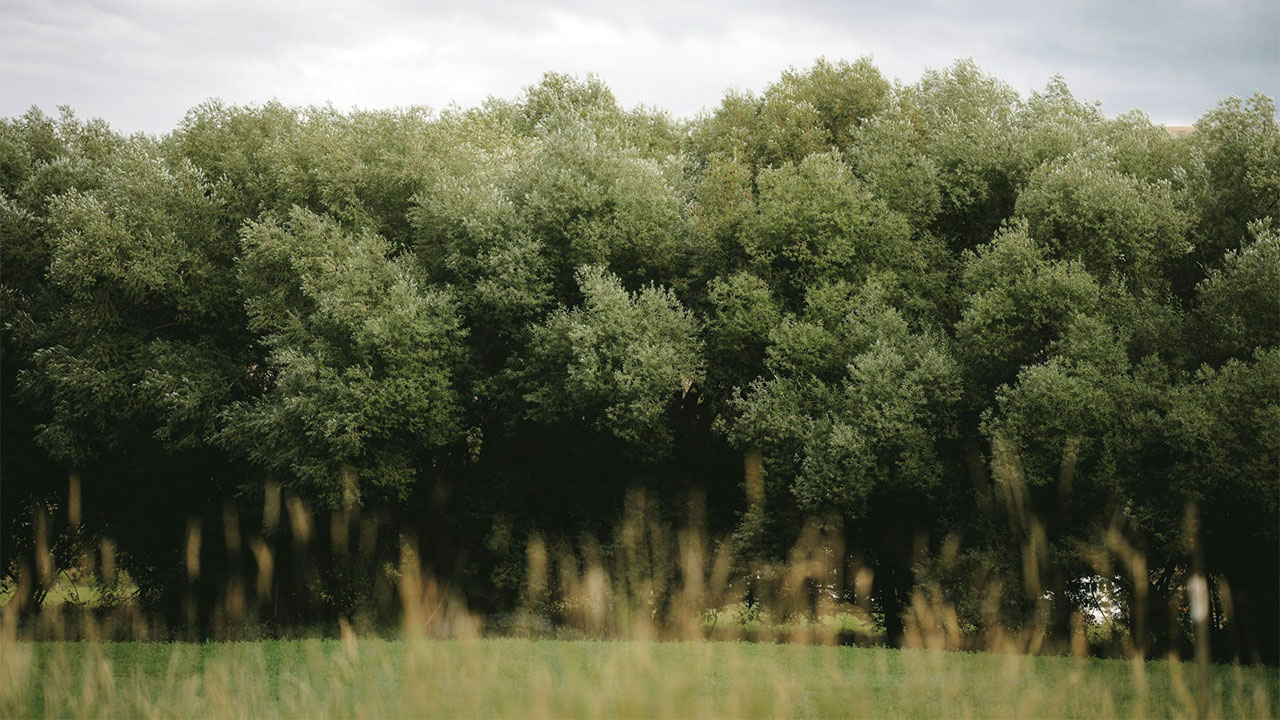
Predators love structure, but they also love contrast. A hardwood edge at first light or last light creates shadow lines that let animals move where they can see out better than they can be seen in. Coyotes use this constantly. Bobcats do too. They will skirt the line where open ground meets timber, staying just inside the darker edge and using the light gap to their advantage. To the casual eye, the edge looks empty. In reality, it can be one of the most active routes on the whole property.
This kind of cover is easy to miss because it is not about thickness alone. It is about visibility control. The timber edge gives a predator a place to stop, watch, and move without stepping fully into the open. If deer are feeding in a field, if pets are moving near a yard edge, or if rabbits are using the first strip of grass, that shadow line becomes prime cover. A lot of predators kill more from edges than from deep cover, and this is one reason why.
Junk piles and stacked materials
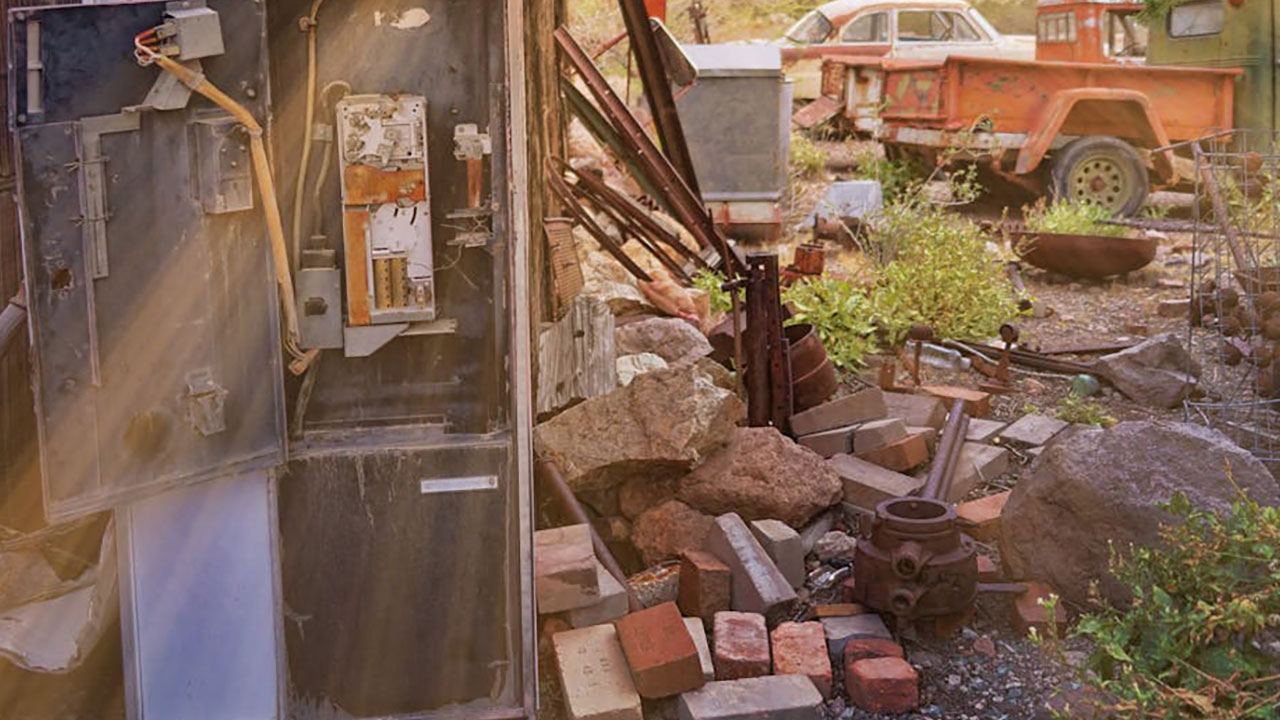
Old lumber, stacked tin, brush piles, pallets, pipe, and half-forgotten farm junk can create predator cover faster than people realize. These spots hold shade, rodents, snakes, rabbits, and all kinds of scent. Small predators may den there. Larger predators may check them regularly for food. Around homesites and working properties, these piles often sit right where human activity fades into rough ground, which makes them perfect transition cover for nighttime movement.
People usually think of junk piles as ugly, not important. But to a predator, a brush pile behind the shed or a stack of old materials by the fence can function like a little fortress. It gives shelter during the day and food opportunities after dark. If you have a spot on the property that seems to draw unwanted movement and it also happens to be cluttered, overgrown, and undisturbed, that is not a coincidence. Predators love a place that hides both them and what they want to eat.
Narrow strips between pressure and safety
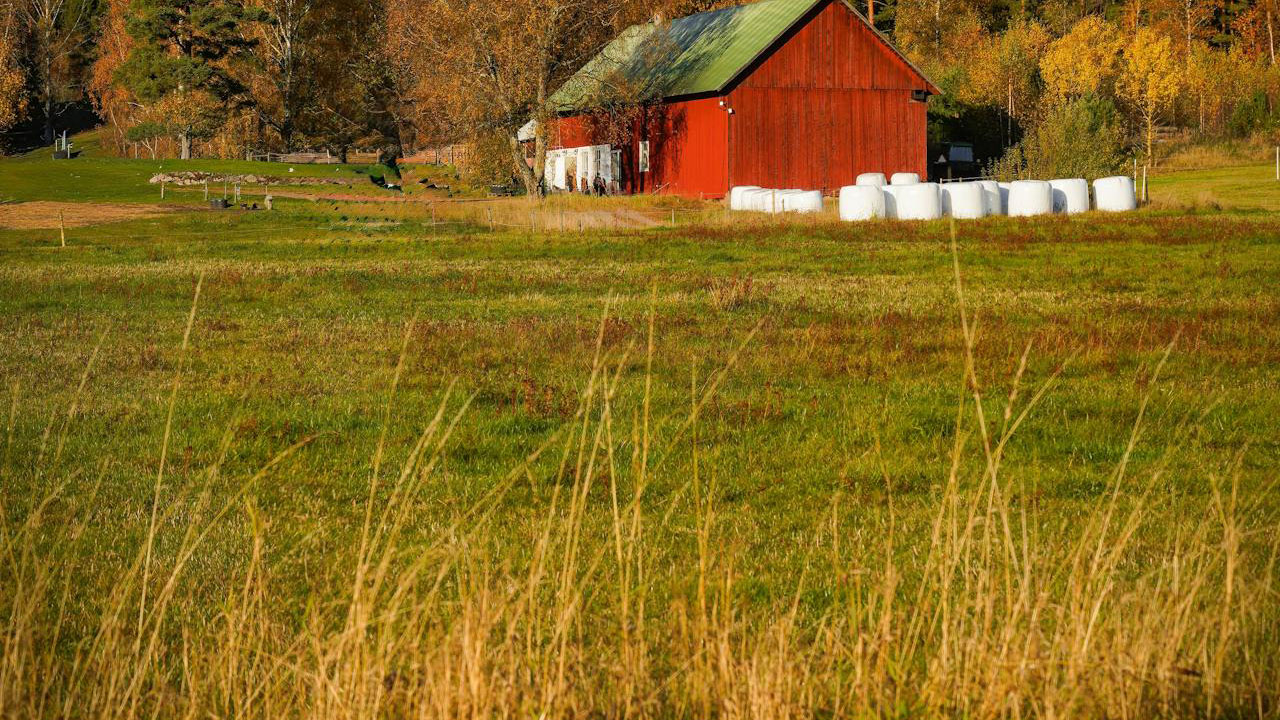
Sometimes the best cover is not one obvious thing. It is the narrow strip between two kinds of ground. The line between pasture and woods, the band between a yard and a creek, the rough edge between a road and a field, that in-between space often becomes the place predators trust most. It lets them stay close to food while keeping one foot in safety. They can test the open, duck back fast, and repeat that pattern night after night without exposing much of themselves.
That is one of the biggest lessons people miss. Predators do not always hide in the thickest, wildest part of the land. A lot of them prefer that skinny zone where they can use cover, watch opportunity, and bail out instantly if something feels wrong. Once you learn to spot those transition strips, you stop asking why predators keep showing up “out of nowhere.” They are not coming out of nowhere. They are coming out of the exact kind of cover built for staying unseen.
Like The Avid Outdoorsman’s content? Subscribe to our newsletter so you never miss an article.
Here’s more from us: