Photo credit: DesignfolioS/Shutterstock.com
Trash is the easiest kind of wildlife food. It doesn’t run, it doesn’t hide, and it smells like a buffet from halfway down the block. Once an animal gets a reward out of your can—meat scraps, greasy wrappers, pet food bags, even sweet fruit peelings—it learns a fast lesson: your place pays. That’s why “one-time” trash raids almost never stay one-time. You’re not dealing with curiosity. You’re dealing with an animal building a routine.
The real problem is that trash teaches confidence. It pulls animals closer to houses, closer to people, and closer to pets. And the longer it works, the bolder they get about showing up earlier, hanging around longer, and trying harder. These are the animals that tend to keep coming back once they find your trash—and the patterns you’ll notice when they do.
Raccoons
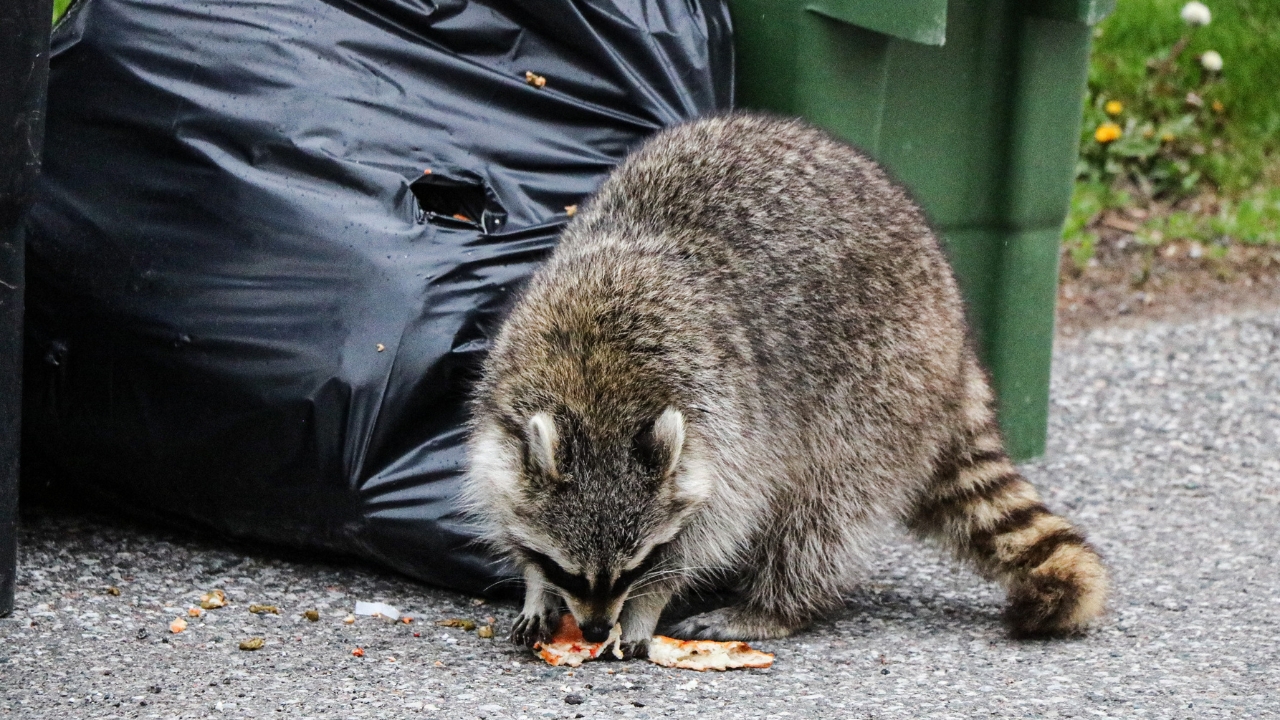
Raccoons are the repeat offenders for a reason. They have hands, patience, and a brain that seems built for figuring out lids, latches, and weak spots. If a raccoon gets into your can once, it’ll check that same spot again like it’s on a schedule. You’ll often find the classic mess: bags pulled out, food scraps scattered, and a trail that looks like someone shook out a lunchbox and kept walking.
The other clue is timing. Raccoons don’t always hit and run. If the food reward is strong, they’ll linger near fences, decks, or sheds and come back night after night. The fix is boring but effective: tight lids, no loose bags, store cans inside when possible, and don’t leave pet food outside. Once raccoons learn your trash is easy, they don’t forget.
Black bears
Bears don’t “browse” trash the way smaller animals do. When a bear decides your garbage is food, it becomes a destination. Bears learn quickly, and once they’re rewarded, they often return with more confidence, sometimes on a regular route that includes multiple homes. The first sign is usually a tipped can, crushed lid, or a can that looks like it got treated like a toy. If you see that kind of damage, you’re not dealing with a casual visitor.
The bigger issue is what happens next. A bear that learns to eat near houses becomes a bear that hangs around houses. That’s bad for you and usually worse for the bear long-term. If you’re in bear country, the standard is simple: keep trash secured until pickup morning, clean residue off cans, and use bear-resistant containers where they’re required. A bear that finds your trash will keep checking until the reward stops.
Coyotes
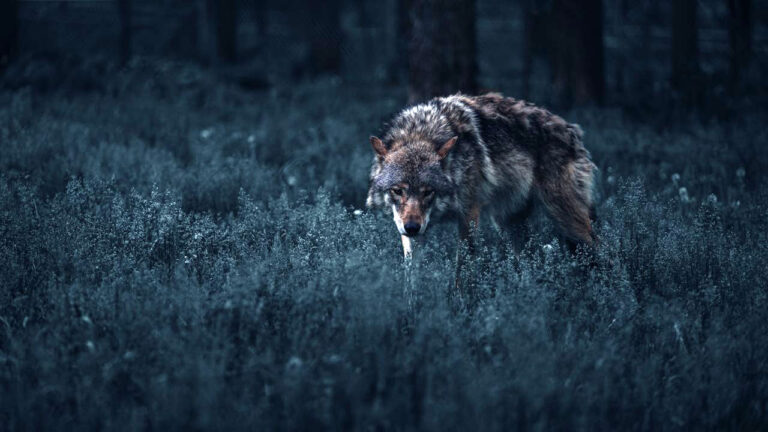
Coyotes don’t always look like “trash animals,” but in neighborhoods they’ll absolutely work garbage if it’s easy. What often happens first is indirect: trash attracts rats and mice, then coyotes show up for the rodents. After that, they learn the trash itself can pay off, especially with meat scraps, fast food waste, and pet food bags. You may notice scattered trash plus coyote tracks along fence lines or the same path through a greenbelt.
The repeat behavior shows up as routine. Coyotes start cruising the same street at the same time, checking cans left out overnight, and hanging near alleys and collection points. The risk here is that trash teaches them to operate closer to people and pets. Tight lids, curb placement timing, and cleaning up spilled food is what breaks the loop. If coyotes are working your trash, you’re feeding a pattern you don’t want.
Opossums
Opossums are quieter than raccoons, which is why people miss how often they’re the ones doing the damage. They’ll slip in, tear a bag, and leave less drama behind—sometimes just enough to attract other animals later. If you keep finding small rips in bags, a knocked-over can without heavy damage, or food scraps moved a short distance and eaten in place, an opossum can be the culprit.
Once they find food, they’ll return because they’re all about easy calories. They also like the cover that often comes with trash areas: bushes, crawlspace edges, and the shadowed side of garages. The best way to break the habit is the same: secure the can, reduce smell, and avoid leaving overflow bags beside the bin. Opossums aren’t usually aggressive, but they’re persistent, and persistence is what turns a small nuisance into a regular mess.
Skunks
Skunks don’t need much to decide your trash is worth visiting. A little grease, a leaky bag, or a can that’s easy to tip can turn into a nightly stop. People often notice them after dark because skunks move slowly and aren’t shy about taking their time. You’ll see cans nudged open, loose trash around the base, and sometimes small holes torn into bags rather than the full “raccoon tornado” treatment.
The reason skunks become repeat visitors is simple: they’re efficient. If your trash area feels safe and the food reward is steady, they’ll keep showing up. That becomes a bigger headache when skunks start denning under sheds or porches nearby. Clean up spills, keep lids tight, and don’t leave food waste exposed in open bins. If you’re seeing skunks around trash, you’re one step away from the smell problem nobody wants to learn about the hard way.
Rats
Rats are the long-term consequences animal, and they’re often the reason your trash problem never really ends. A loose lid, spilled food, or bags left beside the can can support a rat population fast. Then it becomes a loop: rats feed at night, reproduce nearby, and keep coming back because the buffet keeps resetting. You may never see them at first, but you’ll notice gnaw marks, shredded bags, and small droppings around the trash area.
Once rats move in, other wildlife follows. Coyotes, raccoons, and even outdoor cats start cruising for an easy meal. That’s how a simple trash issue turns into a neighborhood wildlife pipeline. The fix is less about chasing rats and more about starving them out. Hard containers, no loose bags, clean cans, and removing food sources outside the bin makes the whole system collapse. If rats find your trash, they don’t “visit.” They move in.
Feral cats
Outdoor and feral cats come back for trash more often than people think, especially when food smells are strong or when trash is paired with intentional feeding nearby. A torn pet food bag, a discarded rotisserie chicken container, or a can that regularly overflows becomes a reliable stop. The signs are usually subtle: small tears, food removed without much mess, and cats lingering near the trash area at dawn or after dark.
The bigger issue is what follows them. Outdoor feeding and accessible trash pulls in raccoons, skunks, rats, and sometimes coyotes. That’s how one “harmless” cat routine creates a wider wildlife problem. If cats are working your trash, you’re also advertising food to everything else. The practical move is to secure the cans and avoid leaving pet food outside overnight. Cats will keep coming back as long as the reward is steady, and they’re rarely the only ones that show up for it.
Crows and ravens
Crows and ravens are the daytime trash specialists. They learn pickup schedules, they watch people, and they remember which houses are easy targets. If your lid doesn’t seal or you leave bags outside the can, they’ll rip them open and spread food across the yard like they’re setting a table. You’ll often see the same pattern: trash pulled out in strips, lighter items carried off, and a mess that looks worse than what most mammals create.
Once they’re rewarded, they’ll keep checking, and they’ll bring friends. You may also notice them hanging in trees near your can in the morning, waiting for someone to leave or for the neighborhood to quiet down. The fix is simple but strict: secure the lid, don’t leave loose bags, and keep trash contained until pickup time. Birds don’t need darkness to raid you. They just need access, and they’re patient.
Stray dogs
Stray and roaming dogs are less consistent than raccoons, but when they find trash they can create the biggest single mess. A dog will often tip a can, tear bags wide open, and drag food across the yard. You’ll recognize it because it looks like a full-on scatter, not careful picking. In neighborhoods with roaming dogs, trash night can turn into a predictable disaster if cans are left out early.
The bigger concern is that dogs learn routes. Once a dog figures out which street puts cans out the night before, it starts cruising like it’s working a job. That can also increase dog conflict with other pets and people in the area. The solution is mostly management: keep trash secured until the morning of pickup, use heavier cans with tight lids, and avoid leaving food-heavy bags outside the bin. A roaming dog that gets fed by trash will keep hunting it.
Like The Avid Outdoorsman’s content? Subscribe to our newsletter so you never miss an article.
Here’s more from us: