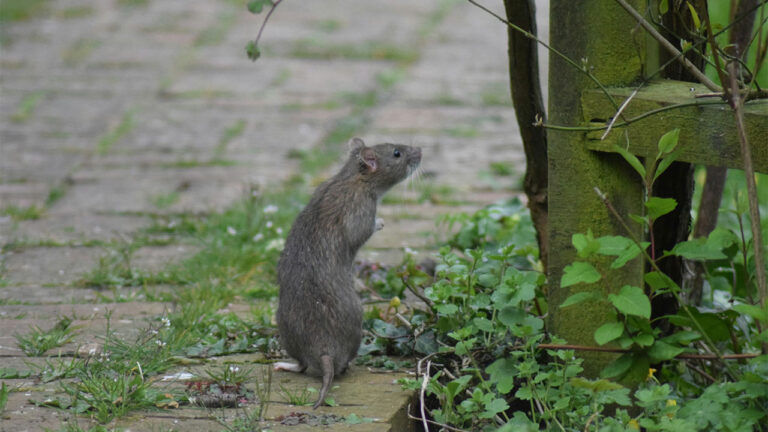
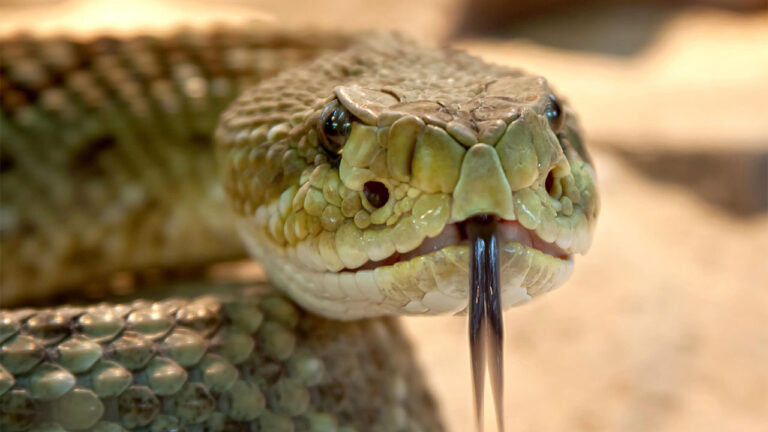
Photo credit: Victor Arita/Shutterstock.com
Backyard danger usually isn’t some movie scene. It’s a trash can tipped over at dusk, a dog barking at the fence line, or a shadow moving along the woodline behind your shed. As suburbs spread into brush, swamp, and timber, you end up living closer to wildlife than you think. Add bird feeders, pet food, compost, fallen fruit, and you’ve built a little buffet that can pull in animals that don’t belong near people.
Most wild animals want to avoid you. The problem starts when they get comfortable, get cornered, or get hungry. The “most dangerous” backyard visitors are the ones that can hurt you fast, the ones that carry disease, and the ones that don’t give you much warning once they’re committed. If you walk outside half-asleep, let the dog out, or try to chase something off, these are the animals you need to take seriously.
Black bear

A black bear in a neighborhood is often there for calories, not conflict. Trash, bird seed, pet food, and grills do more to invite bears than most people want to admit. The danger shows up when you surprise one at close range, get between a sow and her cubs, or a bear starts treating your yard like a regular stop.
If a bear is in your backyard, your goal is distance and a clear exit route for the bear. Keep kids and dogs inside, stay out of the bear’s path, and do not try to haze it at arm’s length. A bear that keeps coming back is not “getting used to you” in a harmless way. It’s learning that your yard pays.
Grizzly bear

Danita Delimont/Shutterstock.com
If you live in grizzly country, the stakes change. Grizzlies are bigger, stronger, and more likely to react hard when surprised. A backyard encounter can happen around cabins, rural homes, and edge-of-town places where bear habitat blends into people habitat. The risk climbs fast if you step outside at dawn or dusk and stumble into a bear that’s already focused on food.
Your best protection is prevention and space. Keep attractants locked down, keep windows and doors secured, and never approach a bear on foot to get a better look. If you see a grizzly in the yard, you treat it like an immediate hazard and get indoors. In grizzly country, a close-range mistake can end in seconds.
Mountain lion

A mountain lion can pass through a yard so quietly you never know it happened. That’s part of what makes them dangerous. In many regions, lions follow deer and smaller prey into neighborhoods, especially where greenbelts, creek bottoms, and wooded lots connect to open country. The rare attacks that do happen tend to be fast, close, and hard to stop.
You protect yourself by controlling the conditions lions like. Keep pets inside at night, supervise kids outdoors, and avoid giving a lion a hidden approach path near play areas. If you spot one, you do not run. You stay upright, create distance, and get to shelter while keeping eyes on it. A lion that lingers near homes deserves an immediate call to local wildlife authorities.
Moose

Moose don’t look like backyard predators, but they send a lot of people to the hospital every year in places where they live. A bull can be aggressive in the rut, and cows with calves can explode without warning. The danger is that moose read normal human behavior as pressure. If you keep closing the gap, they often respond with a charge instead of retreating.
In a yard, moose conflicts often start when someone tries to push one off a porch, driveway, or garden. Give them room and a clear route out. Keep dogs away, because dogs trigger moose like a switch. If a moose pins its ears back, raises its hackles, or starts walking you down, you get behind something solid fast. They are big enough to stomp, break bones, and keep going.
Feral hog

Feral hogs are a real backyard threat in parts of the country where they’re expanding. They root lawns like a rototiller, tear up gardens, and they can be aggressive when surprised. The danger goes up around sows with piglets, and around boars that are used to pressure from hunting or dogs. Their teeth are built to cut, and a close-range hit can be ugly.
If hogs show up, you avoid trying to chase them off on foot. Keep pets inside, keep distance, and use barriers and lighting to reduce repeat visits. Hogs that get comfortable around homes tend to keep coming back, especially if there’s easy food. In hog country, you treat a group in the yard like you would treat a cornered animal in the woods. You do not wade into that.
Coyote

Coyotes are common, adaptable, and way more comfortable around people than most folks realize. In many neighborhoods, coyotes travel fence lines and drainage ditches like highways. The risk is highest for small pets, and for people who try to intervene at close range when a coyote is already committed. A bold coyote can also bite, especially if it’s sick or if people have been feeding them.
A backyard coyote problem is usually a routine problem that turns serious when boundaries disappear. Keep garbage secured, remove outdoor pet food, and do not let small dogs out alone at night. If a coyote is hanging around in daylight, treat it as a red flag, not a curiosity. You want coyotes staying wary, because a fearless coyote is the one that causes trouble.
Wolf

Wolves are not a daily backyard visitor for most people, but in some regions they do show up near rural homes, especially where deer and livestock draw them in. A wolf encounter around a yard can feel unreal because of their size and the way they move with purpose. Direct attacks on people are rare, but the risk is real for pets, and for situations where a wolf feels cornered or is habituated.
If you live where wolves roam, you handle a yard sighting with distance and respect. Bring pets in, keep doors closed, and do not try to push a wolf off the property on foot. Wolves that lose fear of people can become a management problem quickly. Your job is to avoid turning a passing animal into a close-range confrontation.
Bobcat

Bobcats are smaller than lions, but they can still cause serious injuries, especially in close quarters. In many places, bobcats live closer than you think, slipping through brushy edges and hunting rabbits and birds around homes. Most of the time they want nothing to do with you. The danger spikes if one is sick, cornered, or tangled up with a pet.
Backyard risk with bobcats is mostly about pets and surprise encounters. Keep small pets inside at night and do not leave food outside that attracts prey animals. If you see a bobcat acting oddly, staggering, or showing no fear, treat it as a potential rabies threat. You keep distance and call it in. A healthy bobcat usually disappears. A bold one deserves your full attention.
Alligator

If you live anywhere near warm-water gator country, an alligator can end up in a backyard pond, pool, or drainage ditch. The danger is not that they stalk you across the lawn. It’s that they blend in, they sit still, and they can grab fast when someone gets too close to the water’s edge. Small pets are at real risk near any water where gators live.
Backyard gator safety is about treating every body of water like it could hold one. Keep kids and dogs away from edges, especially at dusk and at night. Do not feed them or toss scraps, because that teaches gators to associate homes with food. If a gator is in your yard, you do not handle it yourself. You back off and get the right people involved.
Rattlesnake
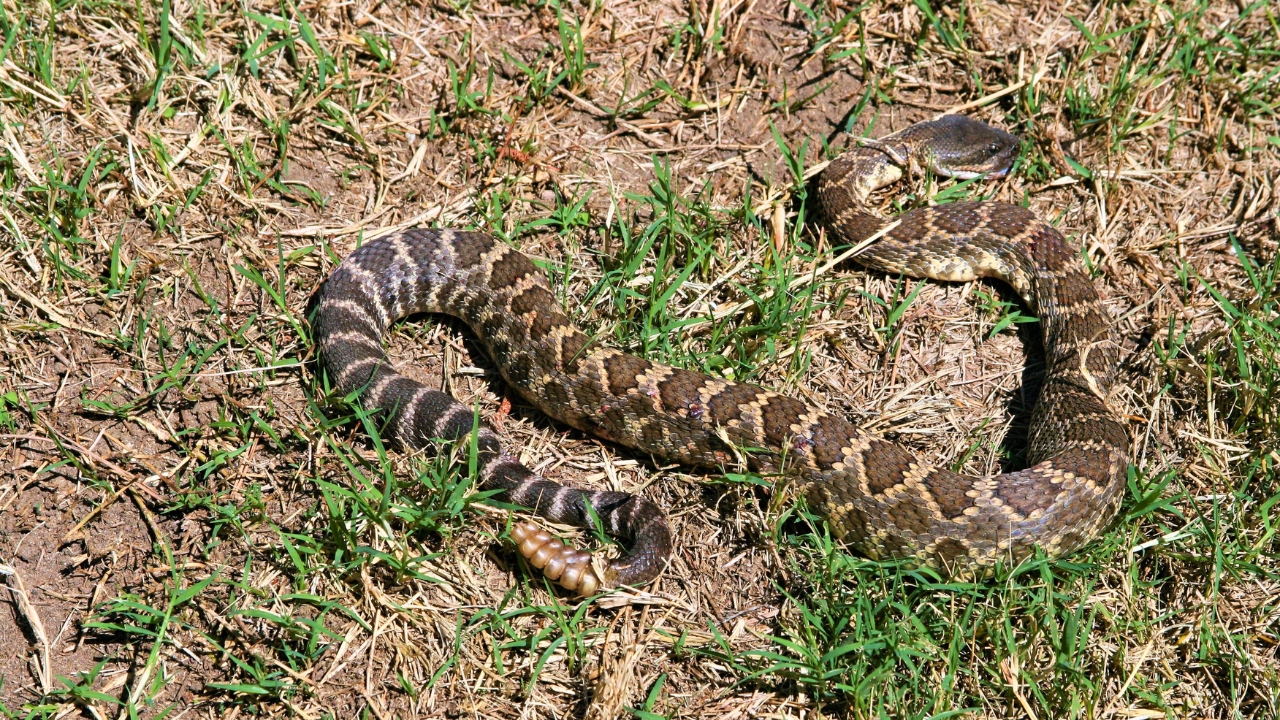
Rattlesnakes show up in yards in the West and parts of the South because yards attract what snakes eat. Rodents hide under sheds, woodpiles, and tall grass. Snakes follow. The danger is that you often spot them at the last second, and a bite can happen when you step over a log, reach into brush, or let a dog investigate.
You lower the odds by keeping grass trimmed, removing junk piles, and sealing gaps under structures where rodents live. Wear shoes when you step outside, especially at night. If you find a rattlesnake, you give it space and keep pets and kids away. Do not try to pin it, kill it, or move it with a shovel unless you’re trained. A bad choice around a rattlesnake turns a normal day into an emergency.
Copperhead

Copperheads are masters of blending in, and that camouflage is what gets people bitten. In their range, they show up under leaf litter, along stone edges, and around wood stacks and landscaping timbers. Many bites happen because someone never saw the snake until it moved. Copperheads are not out hunting you, but they will defend themselves when stepped on or grabbed.
Backyard habits matter here. Keep leaves cleared from high-traffic areas, use lights when you walk the dog at night, and don’t reach into brushy spots without looking. Teach kids to treat any snake as hands-off. If a copperhead is in your yard, keep distance and get help removing it if needed. The risk is less about aggression and more about surprise, and surprise is common around copperheads.
Cottonmouth

Cottonmouths, also called water moccasins, are tied to water and wet ground. In the Southeast, they can show up around backyard creeks, retention ponds, and swampy edges. They are often described as aggressive, but the real danger is proximity and poor visibility. A cottonmouth can sit near a bank or in shallow water where you don’t see it until you are close.
If you have water on your property, you treat the edges with respect. Keep grass and weeds cut back, reduce brush piles, and keep pets from nosing into the bank line. Do not attempt to catch or corner one. If you see a cottonmouth, you back away and control the area, then contact the right local resource if removal is needed. A bite around water is especially dangerous because help can be farther away than you think.
Coral snake

Coral snakes are less common sightings, but in parts of the South they do show up in yards, especially in sandy soil and leaf litter. Their venom is serious, and the risk comes from people underestimating them because they’re small and not as thick-bodied as other venomous snakes. A coral snake bite is not something you brush off, even if the initial pain feels mild.
The safest approach is the same approach for every snake. Hands off, distance, and controlled movement around where you put your feet and hands. Clear yard debris where snakes and their prey hide, and avoid grabbing “pretty” snakes to identify them. If you find one near the house, keep kids and pets inside until it’s gone or removed. With coral snakes, the danger is that the consequences can be delayed and severe.
Rabid raccoon
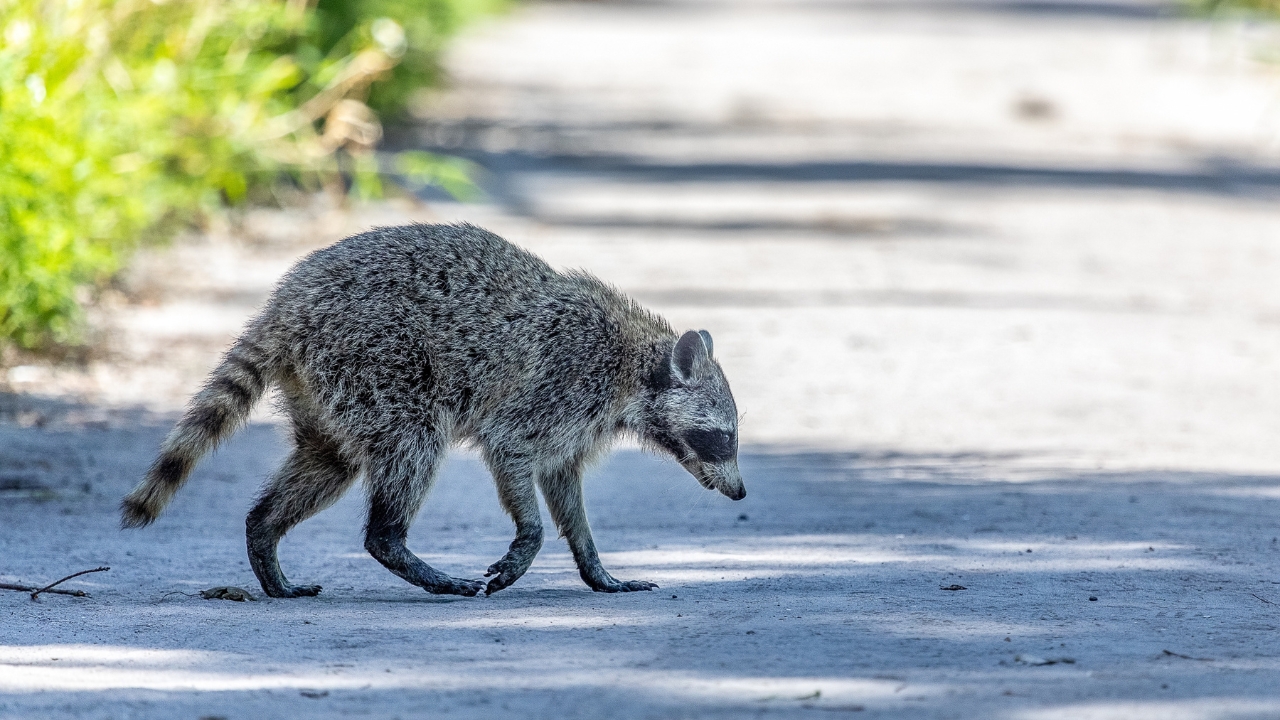
A raccoon in the yard is common. A raccoon acting wrong is dangerous. Rabies is rare, but when it shows up, raccoons are one of the animals you take seriously. The warning signs can include staggering, unusual aggression, confusion, or being out in daylight without any fear. A rabid raccoon can bite without the normal “back off” behavior you expect.
You do not try to corner it, trap it, or chase it with a broom. Keep people and pets inside, and keep distance until professionals handle it. Also treat any raccoon that fights a dog or keeps returning at odd hours as a problem that needs to be reported. You’re not dealing with a nuisance at that point. You’re dealing with a health risk that can affect your family and your animals.
Rabid skunk

Skunks are another animal that can bring rabies into a yard, and they’re especially risky because people get close without thinking. A skunk that wanders up to a porch in daylight, bumps into things, or shows no fear is not a normal skunk. The bite risk is real, and the disease risk is the bigger issue.
You handle a strange skunk the same way you handle a strange raccoon. Keep distance, keep pets inside, and call it in. Do not assume the lack of aggression means it’s safe. Rabies can show up as odd behavior before it shows up as outright attack behavior. The smartest backyard move is treating any abnormal skunk as a serious problem, not a story to tell later.
Like The Avid Outdoorsman’s content? Subscribe to our newsletter so you never miss an article.
Here’s more from us: