Photo credit: Chris Parkin Shooting Sports/YouTube
A lot of “underrated” hunting rifles aren’t underrated because they can’t shoot. They’re underrated because they don’t have a loud fan club, they don’t get pushed by every influencer, or they don’t come with a backstory that sells itself. What you end up with is a pile of rifles that quietly kill deer every fall, stack bullets close enough for any ethical shot, and keep working when they’ve been knocked around in trucks, scabbards, and wet cases.
If you care about results, these are the rifles you learn to respect. They tend to be priced like working tools, built around proven actions, and easy to live with. Set them up with a sane scope, confirm your zero, and spend your energy on field positions and cold-bore shots instead of chasing gear drama.
Howa 1500

The Howa 1500 gets overlooked because it isn’t flashy, but it’s one of the most dependable bolt actions in its price range. You get a solid receiver, a smooth bolt throw once it breaks in, and a reputation for consistent accuracy with normal hunting ammo. It also has real aftermarket support, so you can keep it stock or tune it over time without turning it into a science project.
In the field, you notice how steady it feels. The gun balances well, feeds cleanly, and the action doesn’t feel fragile. A lot of hunters end up with one after chasing deals, then keep it because it keeps doing what a hunting rifle is supposed to do. If you want a rifle that earns respect through repetition, the 1500 does that.
Weatherby Vanguard

The Weatherby Vanguard lives in the shadow of the Mark V, which is exactly why it’s underrated. It’s a practical rifle that often shoots better than people expect, and it carries itself like a hunting tool instead of a safe queen. The action is proven, the rifle usually feeds smoothly, and it tends to hold up to real seasons without feeling loose or temperamental.
Where it shines is as a “buy it, hunt it” rifle. You can mount a reliable scope, pick a load it likes, and stop worrying about it. The Vanguard also gives you enough weight to settle on sticks or a pack without being a boat anchor. It’s not the rifle guys brag about at camp, but it’s the rifle that keeps punching tags.
Winchester XPR

The Winchester XPR doesn’t get the romance that older Model 70s get, but it’s a modern hunting rifle that works hard for the money. It’s straightforward to run, easy to carry, and often surprises people with how well it shoots once you find a load it agrees with. The trigger is usually usable out of the box, and the rifle’s layout feels familiar fast.
In real hunting conditions, the XPR’s value is consistency. It feeds reliably, the bolt lift isn’t a fight, and the rifle doesn’t require babying. It’s a good pick for the guy who wants to hunt more than he wants to tinker. You see them a lot in trucks and cabins for a reason: they’re dependable, accurate enough for honest work, and priced where you can spend the extra on ammo and time behind the rifle.
Browning AB3

The Browning AB3 gets dismissed because it isn’t an A-Bolt or an X-Bolt, but it’s a legitimate hunting rifle that deserves more credit. It carries well, shoulders naturally, and tends to be accurate enough that the rifle isn’t the limiting factor on normal big-game distances. The design is clean and practical, with no weird controls to learn under pressure.
What you learn after a season is that the AB3 is easy to live with. It cycles smoothly, stays predictable in the cold, and doesn’t punish you during long practice sessions if you pick a sensible cartridge. It’s also one of those rifles that doesn’t beg you to upgrade it immediately. Mount good glass, torque your screws correctly, and go hunt. Plenty of rifles cost more and don’t put more meat in the freezer.
Mossberg Patriot

The Mossberg Patriot is easy to overlook because of the price tag and the plain presentation, but a good Patriot can flat-out hunt. It’s light enough to carry all day, it handles quickly in the woods, and many examples shoot well with common factory loads. It’s the kind of rifle that gets bought as a “starter” and then quietly stays in the rotation.
The key is treating it like a hunting rifle, not a benchrest toy. Confirm your zero, check your action screws, and feed it ammo it likes. The Patriot’s strengths show up in real use: it’s easy to maneuver, it points naturally, and it doesn’t feel precious. If you hunt hard and don’t want to baby your gear, it’s a rifle that can earn respect through results, not reputation.
Savage Axis II

The Savage Axis II often gets labeled a beginner rifle, which is why it’s underrated by experienced hunters. The truth is that it can shoot, it can hunt, and it can do both without draining your wallet. The AccuTrigger-equipped versions give you a controllable trigger, and the rifle tends to be forgiving with a wide range of hunting ammo.
In the field, the Axis II’s advantage is that you don’t hesitate to carry it into ugly places. It’s light, it’s functional, and it doesn’t mind getting scratched. You set it up with a reliable scope, put in enough practice to learn your holds, and you’ve got a rifle that will take deer, hogs, and black bear within sane distances. It isn’t glamorous, but it’s effective, and that’s the whole point.
Remington 783

The Remington 783 gets ignored because it’s not a Model 700, but it’s a more capable hunting rifle than most people give it credit for. The action is simple and functional, the rifle often shoots well with factory ammo, and the design is built around getting results without fuss. It’s a working rifle, not a nostalgia piece.
What makes the 783 earn respect is how easy it is to put into service. You can mount a scope, find a load it groups, and go hunt without feeling like you need a pile of upgrades first. The rifle also carries well and points naturally in the woods. It won’t impress someone who only judges rifles by internet status, but it will impress you when it keeps stacking venison seasons without drama.
Thompson/Center Compass II
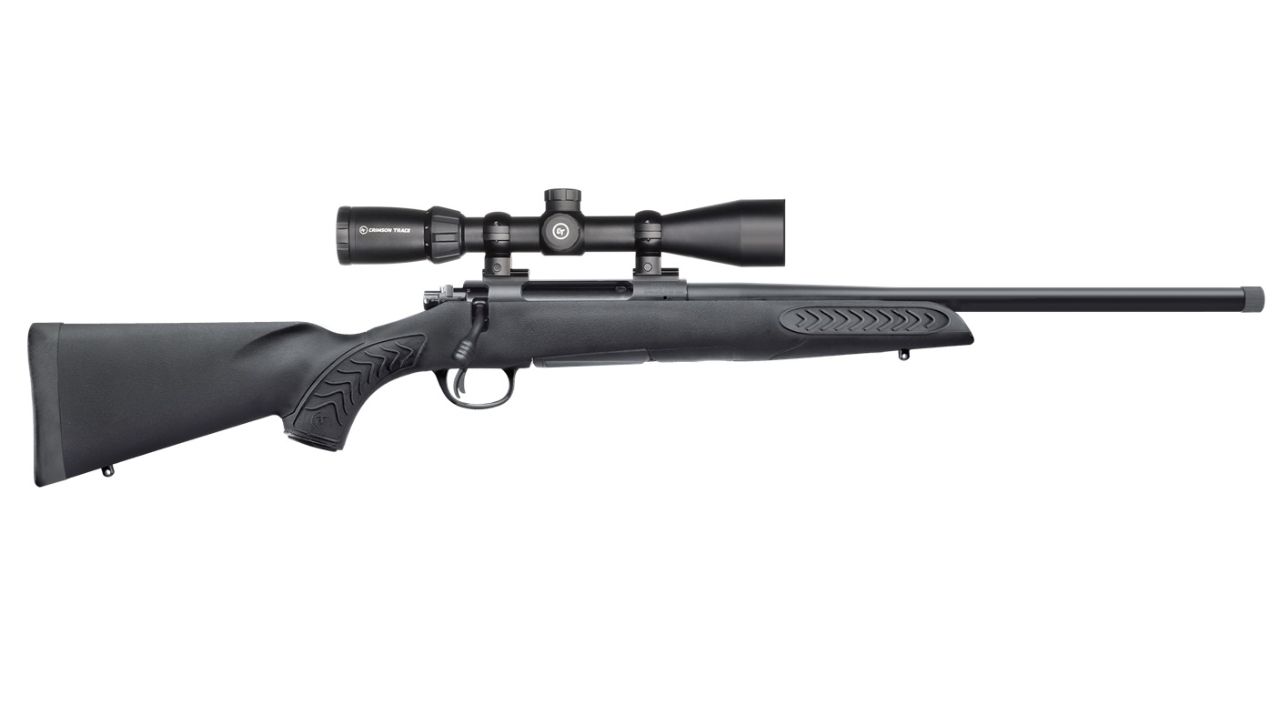
The T/C Compass II is one of those rifles people buy on a deal, then quietly keep because it performs. It doesn’t look fancy, but it’s built for practical hunting: manageable weight, usable ergonomics, and accuracy that’s often better than you’d assume at the price. With normal hunting ammo, it can shoot tight enough to make you forget what you paid for it.
In real use, the Compass II is easy to carry and easy to trust. The bolt runs fine, the trigger is workable, and the rifle doesn’t demand constant tinkering. If you set it up correctly—solid mounts, proper torque, and a scope that holds zero—you’ve got a rifle that can handle a full season without baby treatment. It’s a good reminder that “underrated” often means “not marketed as loudly,” not “can’t shoot.”
CVA Cascade

CVA built its name in muzzleloaders, so a lot of hunters still don’t take the Cascade seriously. That’s a mistake. The Cascade is a modern bolt gun that tends to shoot well, handle smoothly, and carry like a rifle meant for real terrain. The design feels clean and practical, with nothing on it that gets in your way when you’re cold and tired.
What you notice in the field is balance. The Cascade comes up naturally, sits steady on sticks, and doesn’t feel awkward slung for long hikes. It also has a reputation for respectable accuracy with common loads, which is all you need for big-game work. If you want a rifle that feels more refined than its price suggests, and you don’t care about brand snobbery, the Cascade deserves a spot in your lineup.
Ruger American Rifle Gen II
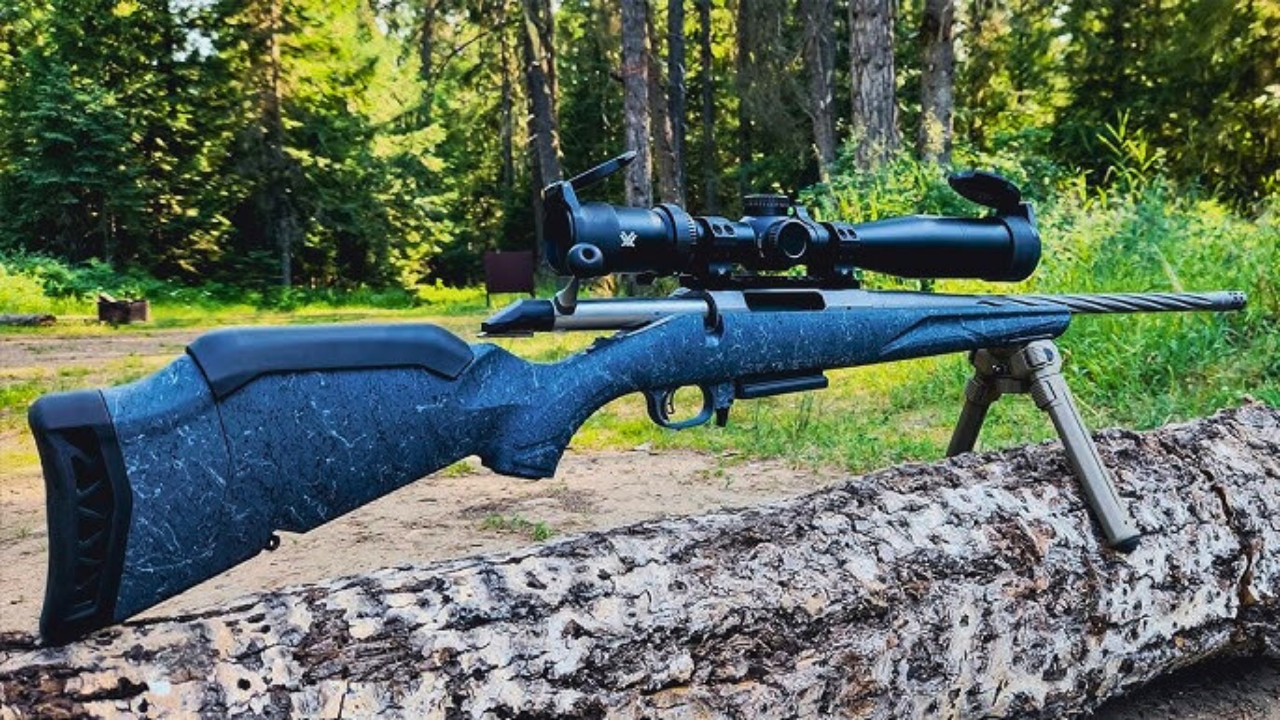
The Ruger American has put a lot of animals on the ground, but plenty of hunters still treat it like a bargain-bin option. The Gen II versions tighten up the feel and keep the same core strength: they shoot, they carry well, and they don’t ask you to be a gunsmith. For a hunting rifle you’re going to drag through brush, that matters.
In practical terms, you get a rifle that’s light enough to climb with and steady enough to shoot off a pack. Many Ruger Americans are picky about some loads and love others, so it pays to test a few options. Once you find what it likes, you stop thinking about the rifle and start thinking about the shot. That’s what an underrated rifle does—it disappears in your hands and shows up on the target.
CZ 600 Alpha

CZ rifles have always had a loyal following, but the CZ 600 Alpha still doesn’t get talked about like it should. It’s a clean, modern hunting rifle that feels built for real use: good ergonomics, a solid action feel, and accuracy that often hangs with rifles costing more. The Alpha trim keeps it practical, not flashy.
In the field, it’s a rifle that behaves predictably. It carries well, cycles smoothly, and doesn’t feel like it needs constant attention. You can set it up with a sensible scope and hunt hard without worrying about the rifle turning temperamental when the weather shifts. A lot of hunters sleep on it because they’re still thinking in older CZ models or they haven’t handled one yet. If you want something different that still performs, the 600 Alpha deserves a look.
Franchi Momentum

The Franchi Momentum doesn’t get the respect it should because it isn’t a legacy “campfire brand” in bolt guns. But as a hunting rifle, it checks the boxes that matter: it carries well, it’s comfortable to shoot, and many of them group better than people expect with factory hunting ammo. The rifle feels modern without being weird.
What makes it underrated is that it’s easy to hunt with immediately. The stock geometry tends to manage recoil well, the bolt operation is serviceable, and the rifle points naturally when you’re shooting offhand in the timber. It’s not trying to be a precision rig. It’s trying to be the rifle you grab when the season is short and you want something that works. For the hunter who values function over status, the Momentum makes a strong case.
Bergara B-14 Hunter

Bergara gets plenty of attention in precision circles, but the B-14 Hunter still flies under the radar for a lot of everyday deer hunters. It’s a hunting rifle that often shoots extremely well for its class, with a smooth action feel and a barrel reputation that’s earned. The Hunter version keeps the profile practical, not bulky.
In the woods, it’s the kind of rifle that makes you feel like you’ve got margin. Your cold-bore shot tends to land where it should, the rifle settles on support easily, and it feeds reliably when you’re working fast. It’s also built on a familiar footprint, so mounts and support are easy. If you want a rifle that behaves like a more expensive rig without turning into a heavy range toy, the B-14 Hunter deserves more respect than it gets in the general hunting crowd.
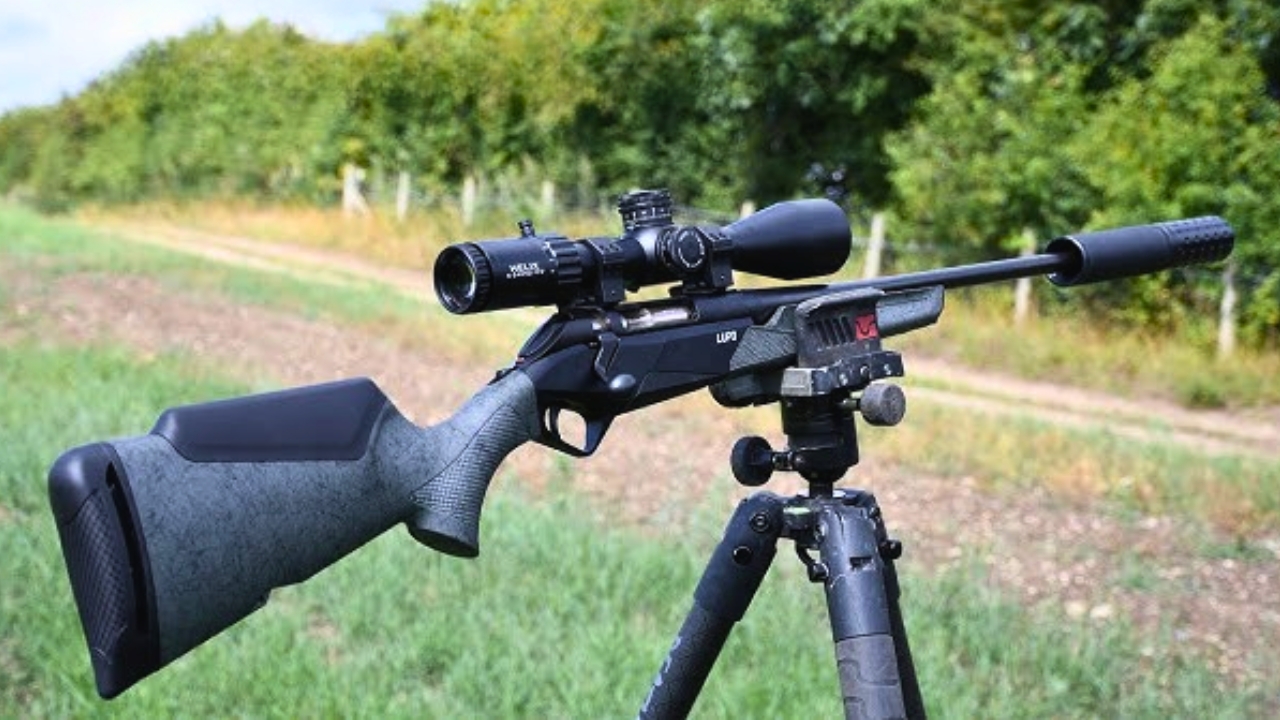
Benelli Lupo

The Benelli Lupo is often overlooked because people think “shotguns” when they hear Benelli, and they don’t expect a bolt gun to be this competent. The Lupo is a modern hunting rifle that’s designed around shootability and fit. It looks understated, but it tends to feel stable and controllable once you start putting rounds downrange.
For hunting, the value is comfort and repeatability. The rifle’s stock system can help you get your eye behind the scope the same way every time, which is a bigger deal than most hunters admit. It also carries well and feels balanced in the hands. The Lupo isn’t the cheapest option on this list, but it’s underrated because it gets dismissed before it’s shot. If you’ve handled one, you know it’s built to hunt, not to impress a forum.
Sauer 100

The Sauer 100 is one of those rifles that serious hunters respect, but it still doesn’t get mainstream attention in the U.S. like it should. It’s a clean, well-made hunting rifle with a smooth bolt feel and a level of refinement you notice immediately. It doesn’t need loud styling because it performs where it counts.
In the field, the Sauer 100 feels steady and predictable. The rifle carries well, shoulders naturally, and tends to shoot accurately with quality hunting ammunition. It’s also the kind of rifle you can run for years without feeling like it’s loosening up or getting sloppy. If you want a rifle that feels like a step up in build quality without turning into a fragile showpiece, the Sauer 100 is an underrated choice that earns respect the old-fashioned way: by doing the job season after season.
Like The Avid Outdoorsman’s content? Subscribe to our newsletter so you never miss an article.
Here’s more from us: