Photo credit: Jordi Mora/Shutterstock.com
A “good” hunting caliber isn’t the one that looks best on paper or wins arguments online. It’s the one you can shoot well when your heart rate spikes, that gives you enough bullet options to match the game, and that still performs even when your shot angle isn’t perfect. The calibers that last across generations usually share a few traits: manageable recoil, predictable terminal performance with modern bullets, and enough real-world track record that you’re not gambling on theory.
If you’re new, these rounds help you learn without getting beat up. If you’ve been hunting for years, they keep earning their spot because they work in the field, not because they’re trendy. None of these are magic. But in the hands of a hunter who practices, they’re hard to outgrow.
.243 Winchester

The .243 is one of the easiest ways to build confidence fast. Recoil is light enough that you don’t dread the trigger, and that matters more than most folks admit. With good bullets, it can be very effective on deer-sized game, especially when you keep shots responsible and put them where they belong.
Experienced hunters still respect the .243 because it’s accurate, flat enough for normal ranges, and easy to shoot well off real positions. It’s also a great “teacher” caliber—if you can’t make a .243 work, the problem isn’t recoil. It’s you. And that’s a lesson that pays off for the rest of your hunting life.
.270 Winchester
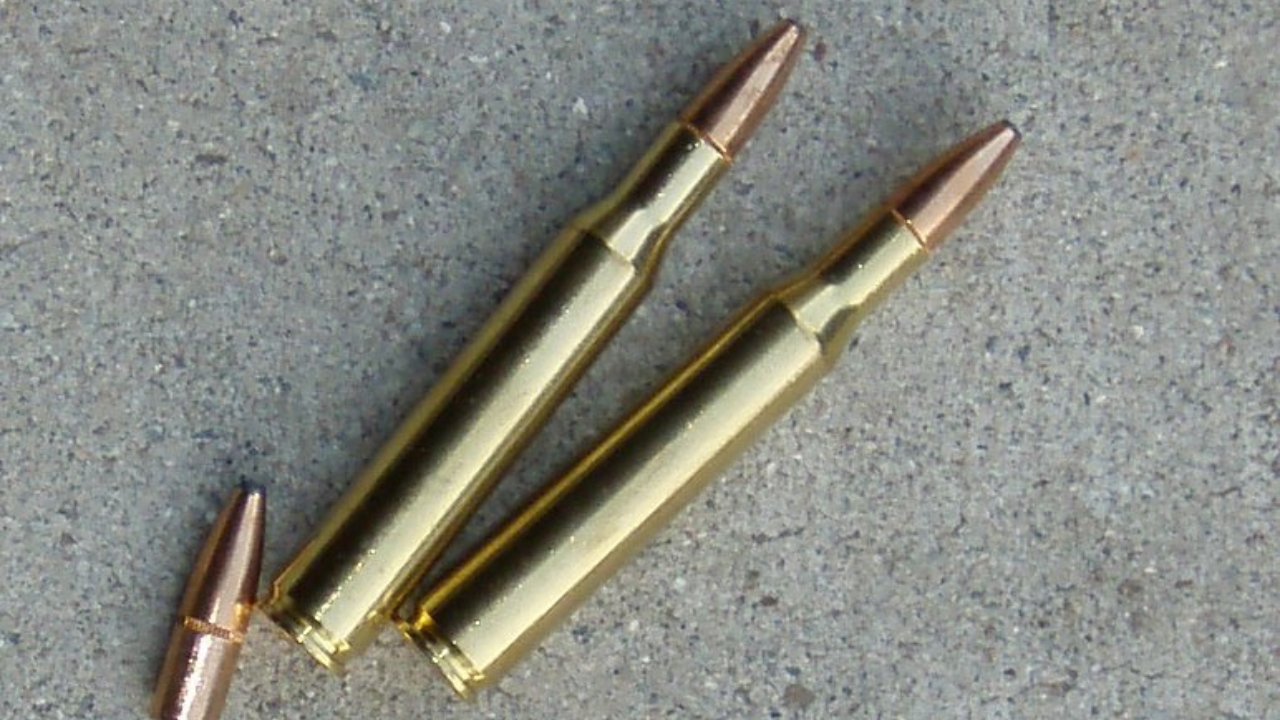
The .270 has been killing deer cleanly for a long time, and it’s still one of the most forgiving all-around rounds out there. Recoil is noticeable but not punishing, and the cartridge has enough speed to shoot flat without needing complicated holdovers inside normal hunting distances.
Seasoned hunters stick with .270 because it doesn’t require drama to work. Bullet selection is strong, and it handles deer, antelope, and even elk with the right projectile and good shot placement. It’s also a round that tends to shoot well in a lot of rifles, which matters when you’re trying to find a setup you can trust year after year.
.308 Winchester

The .308 is a “do what you need” caliber that’s hard to wear out. It’s easy to find ammo for, easy to load for, and it performs well with a wide range of bullet weights. Recoil is moderate, but it’s usually more of a push than the sharp snap you get with some faster cartridges.
For new hunters, the .308 is forgiving because it’s predictable. It doesn’t rely on extreme velocity to do its job, and it tends to penetrate well. For experienced hunters, it’s still a favorite because it works from short barrels, doesn’t beat up rifles or shooters, and has a track record that doesn’t need defending.
.30-06 Springfield

The .30-06 is still the old reliable for a reason: it covers a lot of game without forcing you into a specialized lane. You can load it mild for deer or step up in bullet weight for bigger animals. Recoil can be stout in lightweight rifles, but in a properly set-up hunting gun it’s manageable for most people.
Veteran hunters keep the .30-06 around because it’s flexible and proven. You don’t have to chase the latest cartridge to get real performance. With modern bullets, it’s even more consistent than it used to be, and it still has the reach and authority to handle elk, moose, and bear when the shooter does their part.
6.5 Creedmoor

The 6.5 Creedmoor caught on because it’s easy to shoot well, not because it’s a miracle round. Recoil is mild, and that helps new hunters build good habits instead of flinching. It also tends to be accurate in a lot of rifles, which makes practice feel rewarding instead of frustrating.
Experienced hunters appreciate it because it performs well with modern bullets and holds up at realistic ranges. It’s not the best answer for every animal on earth, but for deer and similar game it’s highly effective when you pick a proper hunting bullet. The best part is you can practice more, shoot better, and that’s what actually fills tags.
7mm-08 Remington

The 7mm-08 is one of the most balanced hunting cartridges ever made, and it still doesn’t get talked about enough. Recoil is comfortable, it carries energy well, and it hits a sweet spot for deer hunters who want more authority than a .243 without jumping into heavy recoil.
For newer hunters, it’s forgiving because it’s easy to shoot from field positions and it doesn’t punish you on the bench. For experienced hunters, it’s a round that keeps working in thick woods, open fields, and everything in between. With good bullets, it’s also a legitimate option for elk at sane distances, which makes it a true “one rifle” caliber for a lot of people.
.30-30 Winchester

The .30-30 is still one of the best deer rounds ever made, especially in the real world where most shots happen inside 150 yards. Recoil is mild, rifles tend to be handy, and the cartridge hits with a kind of practical authority that’s hard to argue with.
New hunters do well with .30-30 because the guns are often simple to run and the recoil doesn’t cause bad habits. Seasoned hunters keep it because it works in thick cover, it drops deer quickly with modern ammo, and it’s a round you can trust when shots come fast. It’s not a long-range cartridge, but it’s a dependable woods round that keeps earning its place.
.257 Roberts

The .257 Roberts is one of those calibers that quietly does everything a deer hunter needs without beating you up. It shoots flat enough for normal hunting ranges, recoil stays friendly, and it has a reputation for clean kills when you use proper bullets and don’t get reckless with distance.
For newer hunters, it’s a confidence builder—more punch than it looks like, with recoil that stays comfortable. For experienced hunters, it’s a classic that still holds up because it’s efficient and effective. You won’t see it in every store, but the people who own rifles in .257 Roberts tend to keep them. It’s the kind of cartridge that makes you wonder why you ever thought you needed more.
.25-06 Remington

The .25-06 brings speed and a flat trajectory without the shoulder punishment you’d expect. It’s a strong option for hunters who want a cartridge that feels easy to shoot well but still hits with enough authority for deer and pronghorn, especially across open country.
Beginners tend to like it because it helps take some of the guesswork out of distance inside reasonable ranges. It’s also a cartridge that rewards good marksmanship, because it shoots accurately and doesn’t yank you around on recoil. Experienced hunters stick with it because it’s deadly on deer-sized game when you choose the right bullet and keep your shots smart. It’s fast, practical, and still underrated.
.35 Remington

The .35 Remington is a great example of a cartridge that doesn’t need speed to work. It hits hard at woods ranges, penetrates well, and tends to put deer down with authority when shots are inside its comfort zone. Recoil is there, but it’s usually manageable in the rifles that chamber it.
New hunters can do well with it because it’s straightforward: you’re not trying to thread needles at long range, you’re hunting like a hunter. Experienced hunters appreciate the .35 because it performs in thick cover and on tougher angles where lighter rounds can run out of steam. It’s not the easiest ammo to find everywhere, but in the right rifle it’s a serious tool.
.44 Magnum

If you hunt with a lever gun or handgun, .44 Magnum is one of the most practical “big hole” options you can carry. Recoil can be sharp in lightweight revolvers, but in carbines it’s much more controllable, and the performance on deer and hogs at close range can be excellent.
Beginners like it in a rifle because it’s easy to handle and doesn’t require long-range skills. Experienced hunters keep it around because it’s handy, hits hard in thick cover, and works well for short, fast opportunities. With modern loads and good bullets, it’s more capable than people assume. Just respect the range limits and treat it like the close-range hammer it is.
.357 Magnum

.357 Magnum is a sleeper when you put it in a lever-action carbine. Recoil stays light, the gun stays handy, and the cartridge picks up meaningful velocity compared to a revolver. With the right hunting load, it can be effective on deer at modest distances, and it’s excellent for smaller game and general woods use.
For newer hunters, it’s approachable and easy to practice with, especially if you also shoot .38 Special for training. For experienced hunters, it’s a practical camp and woods caliber that’s fun to shoot and surprisingly useful. It’s not an elk round, and it’s not a long-range answer, but inside its lane it can work very well and keep you shooting confidently.
6.5×55 Swedish

The 6.5×55 has a long hunting history for good reason. Recoil is friendly, accuracy is often excellent, and the cartridge has a reputation for deep penetration with the right bullets. It’s one of those rounds that feels calm and controllable even when you’re shooting from awkward field positions.
New hunters benefit because it’s easy to shoot well and tends to behave predictably on game. Experienced hunters respect it because it has real track record, not just modern marketing. The downside is ammo and rifle availability can vary depending on where you live, but if you have one, it’s hard to argue with the results. It’s a classic that still performs like it belongs in the modern lineup.
.45-70 Government

.45-70 is the definition of practical power at close range. In a lever gun, it’s a serious tool for thick cover, hogs, and big-bodied game where penetration matters. Recoil depends heavily on the load and the rifle, and that’s the key—choose sensible hunting loads if you want shootability.
Beginners can do well with it if they don’t get lured into punishing hot loads that make them flinch. Seasoned hunters keep it around because it hits hard, works on tough angles, and gives you confidence when the brush is tight and the shot is quick. It’s not meant for stretching distances, but inside its comfort zone it performs in a way that makes you understand why it never disappeared.
12 Gauge Slug

A 12 gauge with slugs is one of the most effective “anyone can hunt with this” options when rifles aren’t allowed or when cover is thick. The recoil can be heavy, but the simplicity is hard to beat: point it like a shotgun, keep the range honest, and you get serious terminal performance on deer-sized game.
For novices, the biggest benefit is accessibility—shotguns are common, and the learning curve is manageable. For experienced hunters, modern sabot slugs and dedicated slug guns have pushed accuracy farther than most people realize, while still delivering big energy up close. It’s not glamorous and it’s not fun to shoot all day, but it’s a dependable hunting tool that keeps putting meat in the freezer when conditions and regulations call for it.
Like The Avid Outdoorsman’s content? Subscribe to our newsletter so you never miss an article.
Here’s more from us: