Photo credit: Ron Spomer Outdoors/YouTube
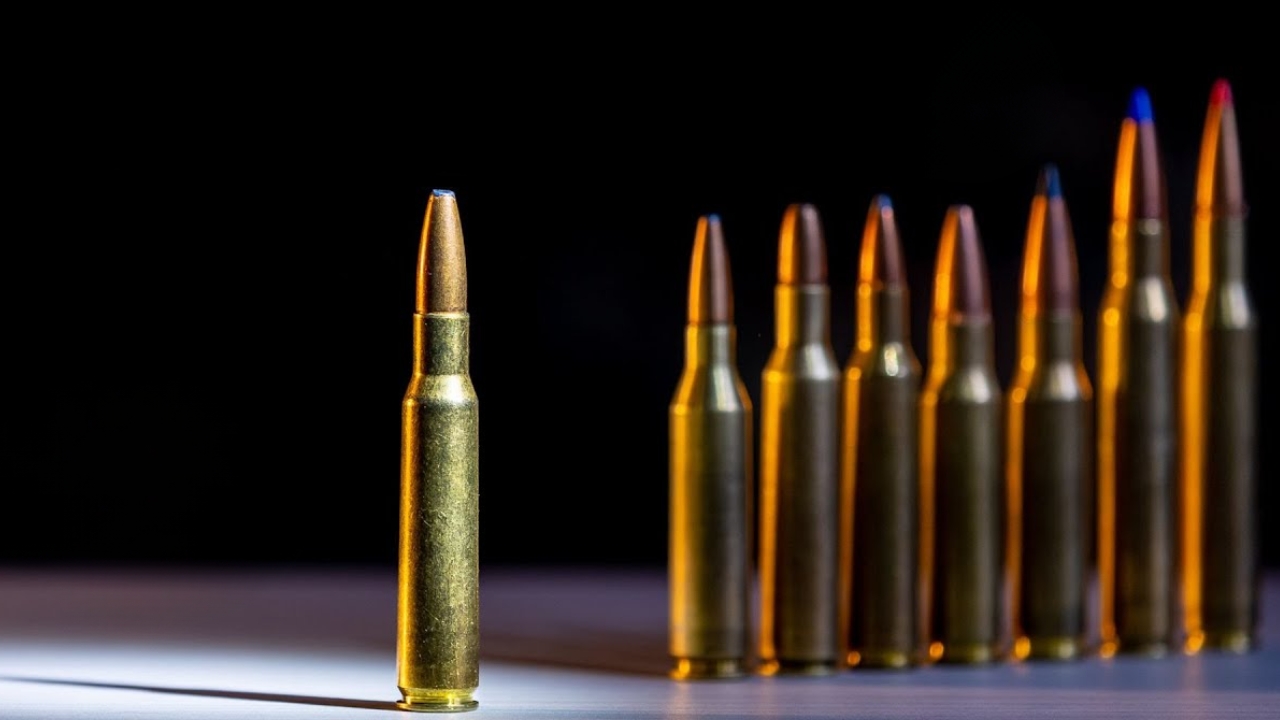
The cartridge world is loud in 2026. Every season there’s a “new standard,” a new must-have, and a pile of hot takes claiming everything older than last Tuesday is obsolete. But once you’ve hunted long enough, you start noticing a pattern: the cartridges that actually make you more effective aren’t always the ones getting the biggest marketing push. The ones that earn a permanent spot in your rotation usually solve a real problem—recoil you can live with, performance at the distances you actually shoot, bullets that behave on bone, and accuracy that doesn’t fall apart when you’re cold, tired, or shooting off a pack in the wind.
When I say “cartridges you probably haven’t heard of,” I don’t mean weird wildcats you can’t buy ammo for. I mean rounds that got overshadowed by trends, or that live in the shadow of more popular cousins, even though they do the job with less drama. These are the cartridges that quietly make hunters better because they’re easy to shoot well, they hit game in a predictable way, and they don’t force you into a heavy rifle or a punishing recoil cycle just to get respectable performance. If you pick one based on your real hunting distances and you feed it the right bullet, you’ll wonder why you spent so much time chasing hype.
The “boring” 6.5s that work because they’re easy to shoot right
A lot of shooters think “6.5” automatically means one specific modern cartridge, but the truth is there are several 6.5 options that keep delivering because they’re balanced, not flashy. The 6.5×55 has been doing this for a long time, and it’s still one of the most honest deer and antelope rounds you can run if you like mild recoil and reliable penetration. It’s the kind of cartridge that makes you practice more because it doesn’t punish you, and that practice shows up when you’re shooting at 180 yards in a stiff crosswind from kneeling. With 120- to 140-grain hunting bullets, it has enough sectional density to keep driving even when you clip rib on entry, and it tends to shoot accurately in rifles that aren’t finicky about load choices.
If you want something that plays well in shorter actions and shorter barrels, the .260 Remington and the 6.5 Grendel deserve more respect than they get. The .260 is basically a “shootable .308 case” option that carries a sleek bullet without needing magnum noise, and it stays comfortable in lightweight mountain rifles where recoil can make people flinch. The 6.5 Grendel is a different animal, but it’s a great example of a cartridge that fits real-world hunting distances. Inside 250 yards, with a bullet built for expansion at moderate velocities, it can be a clean killer on deer-sized game while keeping recoil low enough that you can spot impacts and correct quickly. That matters, because the fastest way to become a better hunter is to watch what your bullet actually did instead of guessing and walking forward hoping.
The 7mm cartridges that give you “reach” without the shoulder abuse
A lot of hunters either jump straight to a fast 7mm magnum or they ignore 7mm entirely, and that’s a mistake because the middle of the 7mm world is where the practical magic happens. The 7×57 is one of those cartridges that never needed a rebrand to be effective; it simply works. It pushes a 140- to 160-grain bullet at sane velocities, and that combination tends to penetrate well and kill cleanly without turning recoil into a training problem. On deer, it’s plenty, and on larger-bodied animals it can still do the job if you choose a controlled-expansion bullet and keep your angles reasonable. The biggest thing it offers is confidence, because it’s easy to shoot accurately from field positions, and confidence is what keeps you from rushing the trigger when a buck stops for two seconds and starts to move again.
Modern shooters who want the same idea in a more common rifle selection often end up with 7mm-08, and there’s a reason it has a quiet fan base that doesn’t care what’s trending. It’s one of the best “do most things well” cartridges ever made for hunters who actually practice. It’s flat enough for normal deer country, it holds up in the wind better than a lot of light .30 caliber loads, and it doesn’t beat you up in a seven-pound rifle. If you’ve ever tried to shoot quickly from sticks at 80 yards while your breathing is up, you know recoil management matters just as much as raw power. A cartridge that lets you stay calm, break the shot cleanly, and get right back on the animal for a follow-up is a cartridge that makes you more lethal in the real world, not just on paper.
Quarter-bores that kill clean without turning your rifle into a punishment stick
Quarter-bore cartridges live in a weird spot because they’re never the loudest option in the room, but they’re often the smartest for the hunter who values clean kills and low recoil. The .257 Roberts is a classic example of a cartridge that keeps fans for one simple reason: it’s easy to shoot well, and it kills deer like it’s supposed to when you put a proper bullet in the right place. It’s not trying to be a long-range hammer, and it doesn’t need to be. At 80 to 250 yards, where most deer are actually shot, a good 100- to 120-grain hunting bullet placed through ribs gives you quick blood loss and reliable exits without the blast and recoil that make some shooters rush their shots. When you can practice more and you’re not dreading the trigger press, your hit quality improves, and that’s the whole point.
If you want something in the same spirit but with a little more speed potential, the 6mm Remington is a sleeper that gets ignored because it doesn’t have the modern hype cycle behind it. When it’s loaded appropriately and used within realistic distances, it’s a clean killer that can also be a great crossover for coyotes and smaller game, especially if you’re the kind of hunter who likes one rifle to do multiple jobs. The important part is bullet selection, because lighter, fragile bullets can blow up on shoulder and leave you tracking longer than you want. Run a controlled-expansion hunting bullet, keep your shots honest, and you’ll see why these “old” quarter-bore and near-quarter-bore rounds still create fiercely loyal owners. They don’t win arguments online, but they win seasons.
The underappreciated .30s that keep your life simple
Everybody knows the big .30-caliber names, but there are a couple that deserve a second look because they solve practical problems without the baggage. The .300 Savage is one of those cartridges that gets treated like a history lesson, but in the woods it can still be a very effective deer round. It was built around efficiency, not max velocity, and that shows up in how it behaves on game. With a well-constructed 150- to 180-grain bullet at moderate speed, it tends to penetrate without turning the inside of the deer into soup, and it doesn’t hammer you in lightweight rifles. If you hunt thick timber where shots are 30 to 120 yards and you care more about fast handling than ballistic tables, that kind of cartridge can feel like the right tool instead of an overpowered compromise.
There’s also a category of “.308-class performance without the drama” that matters when you’re hunting from awkward positions or you’re trying to shoot quickly at moving pigs. A cartridge that doesn’t force you into a hard recoil cycle keeps your shooting honest. It reduces flinch risk, and it helps you keep the reticle where it belongs for fast second shots. That’s not just comfort talk—it’s performance. If you can’t stay on the gun, you can’t correct fast, and correction is how you clean up real hunting situations when the first shot wasn’t perfect or the animal turns at the wrong moment.
The mild-recoiling thumpers that hit harder than people expect
Some hunters think “hard hit” automatically means “hard recoil,” and that’s only true when you choose the wrong combination of rifle weight, cartridge, and bullet design. The .35 Remington is a great example of a cartridge that delivers real-world authority without demanding a punishing rifle. It throws a heavier bullet at moderate speed, and that tends to create straight-line penetration and a wide wound channel inside typical woods distances. It’s not a 300-yard flat shooter, but that’s not the point. The point is that inside 150 yards, on deer and hogs, it hits with a kind of calm confidence that doesn’t require you to be a recoil junkie. It also tends to perform well when angles are imperfect, because mass and construction can carry through tissue and bone more predictably than lighter, faster bullets that come apart early.
The .358 Winchester is another one that doesn’t get talked about enough because it doesn’t fit the trendy narrative, but it’s a serious tool if your hunting includes hogs, black bear, or larger-bodied deer in cover. It’s basically a “short-action hammer” that can be very manageable in a properly set up rifle, especially if you’re not chasing max velocity loads and you’re using bullets built to hold together. The mechanism here is simple: heavier bullets with decent frontal area often do more consistent work at typical hunting distances, and they don’t require the high pressures and blast that make people hate practice. When the cartridge encourages practice instead of avoiding it, your field performance improves, and that’s why these thumpers keep earning loyalty even if they don’t get constant attention.
Modern niche cartridges that make sense when you match them to the job
Not every “new-ish” cartridge is hype, and not every niche cartridge is a dead end. Some exist because they solve a specific problem better than the mainstream options. Straight-wall hunting rules are a perfect example. The .350 Legend is easy to dismiss until you realize how many hunters are operating under straight-wall constraints and still want a cartridge that doesn’t beat them up. In that lane, it makes a lot of sense. With the right bullet, it can be effective on deer and hogs inside typical straight-wall distances, and recoil stays in a zone that lets newer hunters shoot better. The reason it works is not magic power, it’s practicality: manageable recoil, acceptable trajectory for the distances involved, and enough bullet weight to get predictable penetration without forcing a big, heavy rifle.
On the small-frame and crossover side, cartridges like 6mm ARC are interesting because they deliver useful downrange behavior without demanding a heavy recoil cycle. When you’re shooting predators, hunting smaller deer, or trying to run a rifle fast on hogs with quick follow-up shots, that kind of cartridge can make you more effective simply by keeping you on target. The limitation is that you have to be honest about what it is. It’s not a sledgehammer, and it’s not meant to replace a larger cartridge when you’re pushing bad angles on big animals. But if you match it to real distances and you choose bullets that expand at the velocities you’re actually getting from your barrel, it becomes a practical, shootable option that can outperform “more powerful” choices in the hands of a hunter who shoots calmly and accurately.
If you take one thing from all of this, let it be this: the cartridge you “should start using” is the one that makes you shoot better and makes your kills more predictable, not the one that wins arguments online. Pick based on your real distances, your typical weather and terrain, and the animals you’re actually hunting, then choose a bullet that matches the impact speeds you’ll see at those distances. When you do that, the so-called forgotten cartridges stop being obscure trivia and start looking like smart tools that have been waiting for you the whole time.
Like The Avid Outdoorsman’s content? Subscribe to our newsletter so you never miss an article.
Here’s more from us: