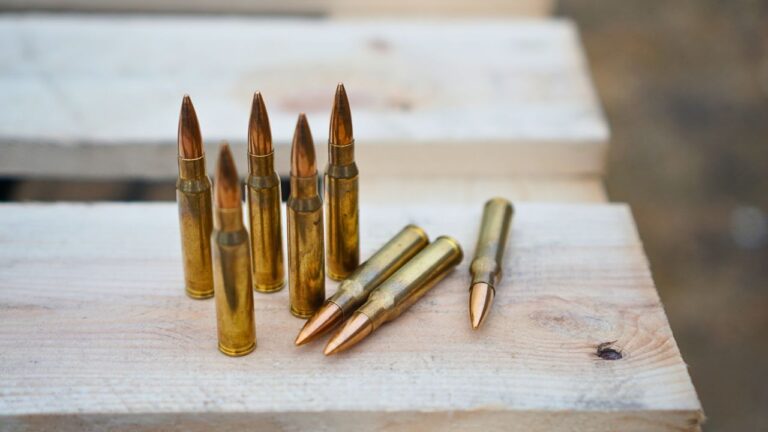
Photo credit: Gear Know-How/YouTube
A lot of carry pistols get bought in the gun shop for one reason above all others: they disappear easily. That makes sense right up until you start shooting them hard. The same things that make a pistol easy to hide—short barrels, slim grips, low weight, and abbreviated frames—also make recoil feel sharper, sight tracking harder to read, and follow-up shots more work than many buyers expect. Current factory specs make that tradeoff pretty plain. The Glock 43 is a 3.41-inch, 16.23-ounce 9mm, the standard Hellcat runs a 3-inch barrel and about 18 ounces, and the FN Reflex sits at 18.4 ounces with a 3.3-inch barrel. Those are useful carry dimensions, but they are still very small guns doing centerfire work.
That is why so many compact carry guns look perfect on paper and then end up traded, sold, or replaced by something slightly bigger. It usually is not because the gun is bad. It is because concealment got prioritized over shootability, and recoil is where that decision starts collecting interest. A pistol you can hide but do not enjoy practicing with is a pistol a lot of shooters eventually stop trusting.
Glock 43

The Glock 43 is one of the clearest examples of a pistol people buy because it is easy to conceal and then struggle with because it is still a very small 9mm. Glock’s own specs list it at 16.23 ounces without a magazine, with a 3.41-inch barrel and a standard 6-round magazine. That is a practical carry package, but it is not much gun to soak up recoil.
That is why the G43 can feel sharper than buyers expect, especially if they came from larger range pistols or shot it only briefly before buying. It carries cleanly, but the short grip and light weight mean the gun asks more from your hands than a slightly larger compact does. Plenty of shooters like it. Plenty of others realize after a few range sessions that the concealment is great, but the shooting experience is not what they want to live with long term.
SIG Sauer P365

The standard P365 changed the market because it packed 10+1 capacity into a genuinely tiny footprint. SIG still describes it as lightweight, easy to conceal, chambered in 9mm, and rated for +P ammunition. That is exactly why so many people buy one fast: you get serious capacity in a truly small pistol.
The catch is that small and light still matter when recoil shows up. The P365 is smartly designed, but it is still a micro-compact, and micro-compacts ask more of the shooter when you start running them beyond slow, deliberate fire. A lot of buyers discover that the size is excellent for carry but less forgiving on the range than they expected. That is where some people start looking at larger grip modules or simply move to a bigger gun altogether.
Springfield Hellcat
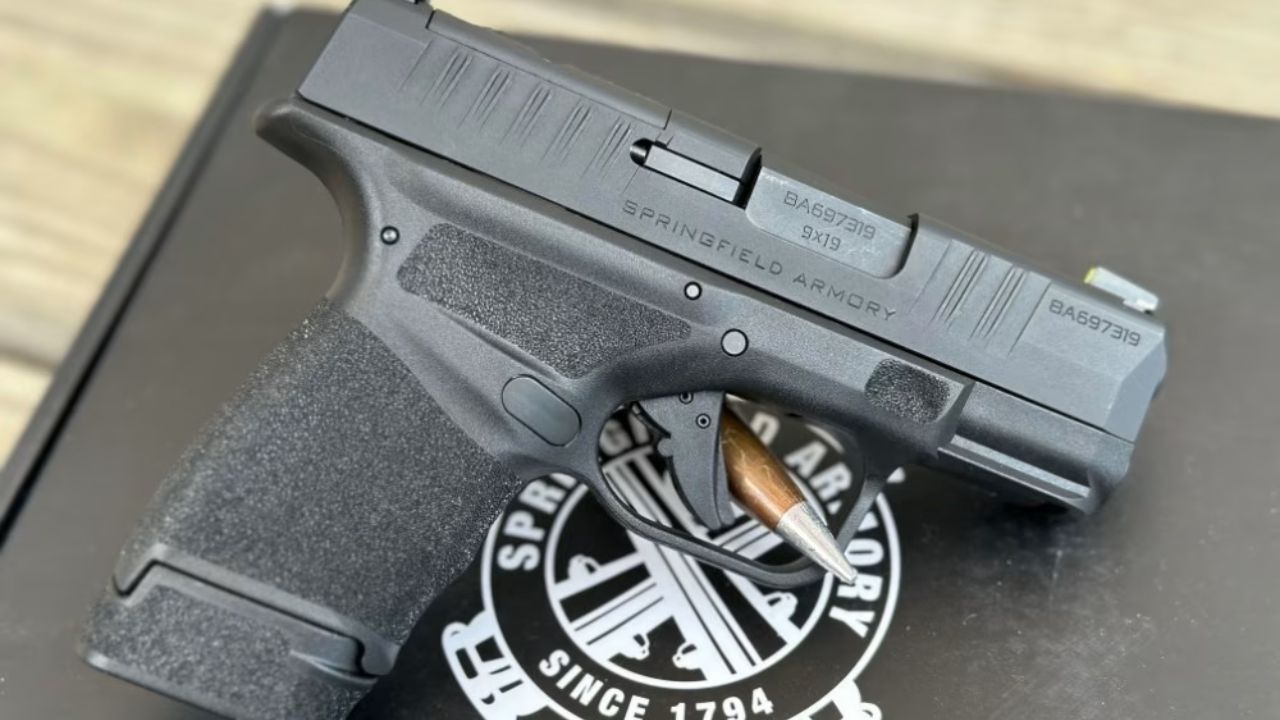
The Hellcat became popular for obvious reasons. Springfield says the 3-inch Hellcat is only 1 inch wide, weighs 18.3 ounces empty, and carries 11 rounds flush or 13 with the extended magazine. That is a lot of ammunition in a very small pistol, and that kind of spec sheet sells guns quickly.
It also means the pistol is doing a lot in a very compact package. High capacity and tiny size sound great at the counter, but they do not change the fact that the gun is short, light, and narrow. For some shooters, that adds up to a pistol that feels snappier and harder to keep flat than they expected. The Hellcat is effective and well thought out, but it is exactly the kind of carry gun people sometimes buy for the dimensions and later move on from because the recoil impulse feels busier than they wanted.
Smith & Wesson Shield Plus
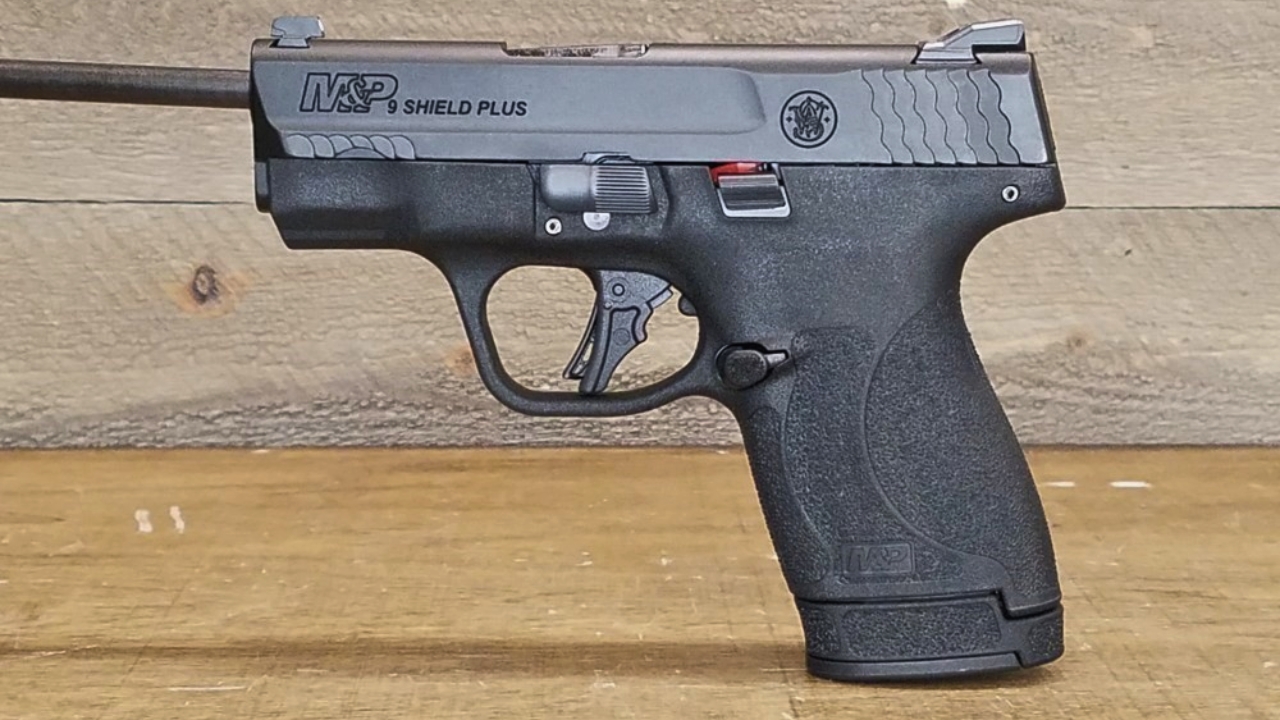
The Shield Plus sits in a smart middle ground, but it still lands on this list because its small size can fool people into thinking it will shoot like a larger compact. Smith & Wesson’s current specs put the standard 9mm Shield Plus at 6.1 inches long, 1.1 inches wide, and about 20.2 ounces. That is carry-friendly, but still much closer to micro-compact territory than to full-size comfort.
What happens with the Shield Plus is that buyers often assume the slightly fuller grip means recoil will be an afterthought. It helps, but it does not erase the fact that you are still dealing with a short, slim 9mm built for concealment first. Many shooters do very well with it. Others find that while the gun hides nicely, it still has enough snap to make longer practice sessions less pleasant than they hoped. That is where some of them start drifting toward heavier compacts.
Ruger MAX-9

The MAX-9 gets attention because Ruger managed to make it slim, optics-ready, and still carry 12+1 rounds with a 3.20-inch barrel. Ruger’s law-enforcement catalog page lists exactly that: 9mm, 12+1 capacity, and a 3.20-inch barrel in a compact carry format. That is the kind of feature set that makes people feel like they are getting a lot of pistol in a very trim package.
But the same math still applies. A slim 9mm with that barrel length is built to disappear more than to feel luxurious under recoil. For shooters who buy it because the specs look like a perfect answer, the surprise is often how lively a small, light, narrow gun can feel once they start shooting fast or running standard range drills. It is a useful carry pistol, but it is also the kind of gun that can push buyers toward something slightly larger after the honeymoon wears off.
Taurus GX4

The GX4 has become a common pick because it offers solid capacity in a tiny, modern package without a painful price tag. Taurus lists the standard GX4 at 18.70 ounces unloaded, with a 3.06-inch barrel and a 6.05-inch overall length. Those are strong concealment numbers, and that is exactly why people are drawn to it.
The tradeoff is that it is still a short, light 9mm. That does not mean it is unmanageable, but it does mean recoil tends to feel more abrupt than it would in a larger pistol with more slide mass and more grip to hold onto. For buyers who focus mainly on footprint in the store, the GX4 can feel like a perfect fit. For buyers who spend a lot of time actually practicing with it, it can start to feel like a pistol that demands more effort than they expected from something they thought would be easy.
FN Reflex
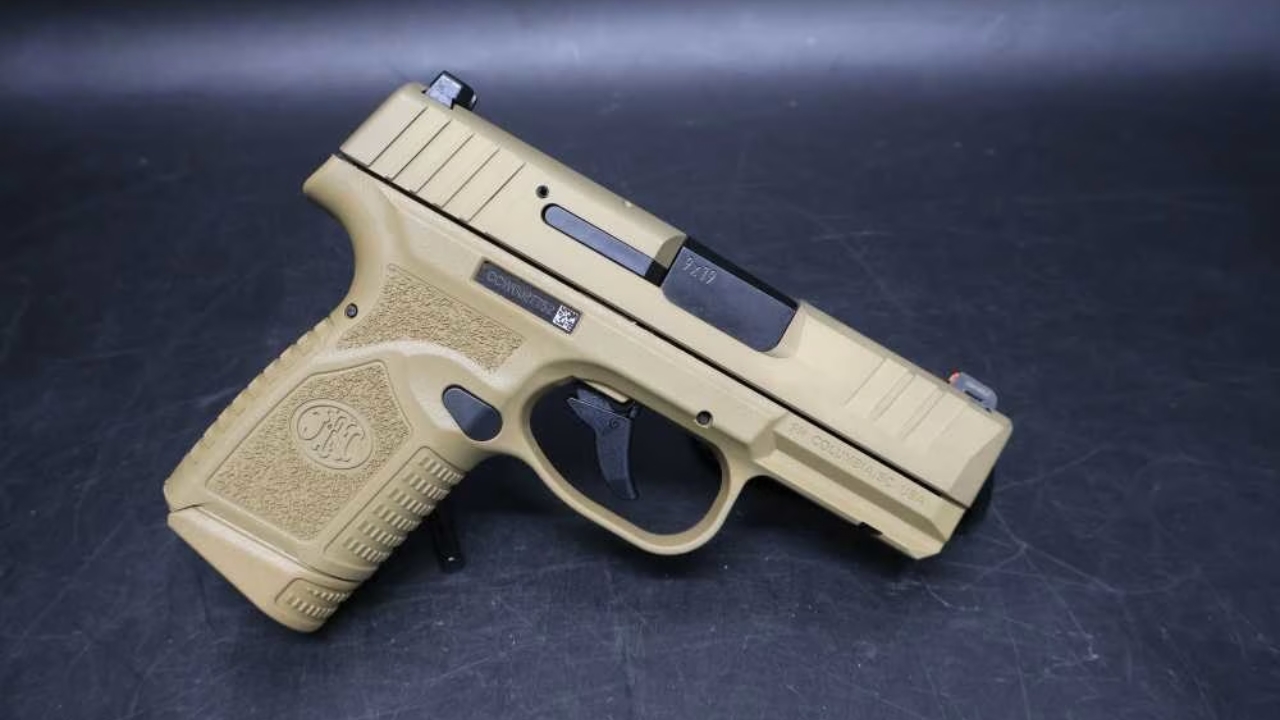
The FN Reflex is a very smart carry gun on paper. FN lists it at 18.4 ounces with a 3.3-inch barrel, 6.2-inch overall length, and 10- or 11-round flush options, with 15-round extended magazines available. That gives buyers a modern, high-capacity micro-compact with a notably good trigger and a very slim profile.
That same profile is also why it can surprise people on the range. The Reflex is still a small 9mm, and small 9mms are always balancing concealability against control. FN clearly designed it well, but design can only do so much when the gun remains light and compact. A lot of shooters love what it offers. Others eventually decide that the easy carry is not enough to offset the sharper feel they get during longer practice sessions and faster strings.
Ruger LCP
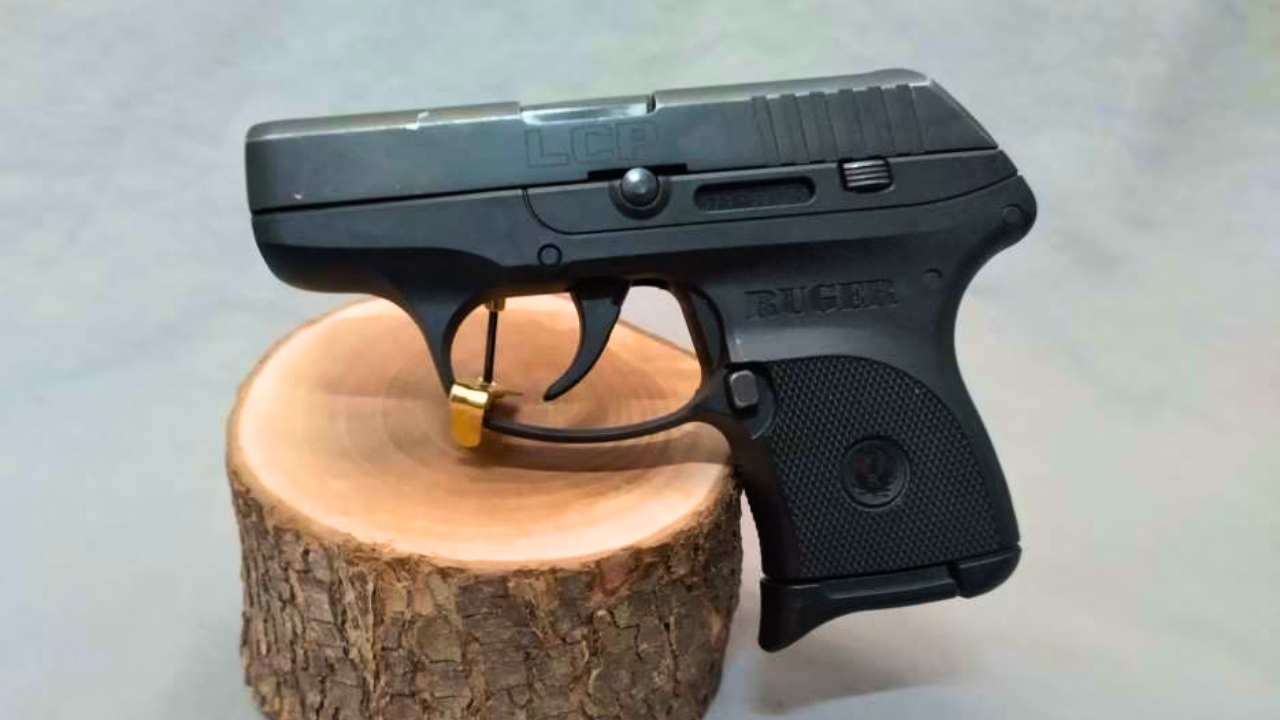
The original LCP is one of the best examples of this whole category. Ruger’s specs show a 2.75-inch barrel, 5.16-inch overall length, 0.82-inch width, and a weight of only 9.6 ounces. That is excellent for pocket carry and exactly why the pistol sold so well for so long.
It is also why so many people discover that “small” and “pleasant” are not the same thing. Even in .380 Auto, a pistol this light and this short can feel sharp in the hand, especially once you shoot more than a couple magazines at a time. The LCP still makes sense as a true last-ditch or deep-concealment gun, but a lot of buyers who were excited by how tiny it felt in the store ended up moving on because the recoil and minimal sights made serious practice less enjoyable than they wanted.
Ruger LCP MAX

The LCP MAX improves the formula by giving you 10+1 rounds in roughly the same footprint as the LCP II. Ruger says exactly that on the model page, and the specs show a 2.8-inch barrel and about 10.6 ounces, depending on model. That gives buyers more capacity without losing the pocket-pistol identity that made the line popular in the first place.
But even with the capacity bump, it is still an ultra-light .380. That means the recoil is often sharper than people assume when they hear “just a .380.” In a pistol barely over ten ounces, even mild calibers can feel lively. The LCP MAX is a very useful concealment tool, but it still lives in the same reality as the original: outstanding carry convenience, paired with a shooting experience that many owners eventually decide is more work than they want.
Smith & Wesson Bodyguard 2.0
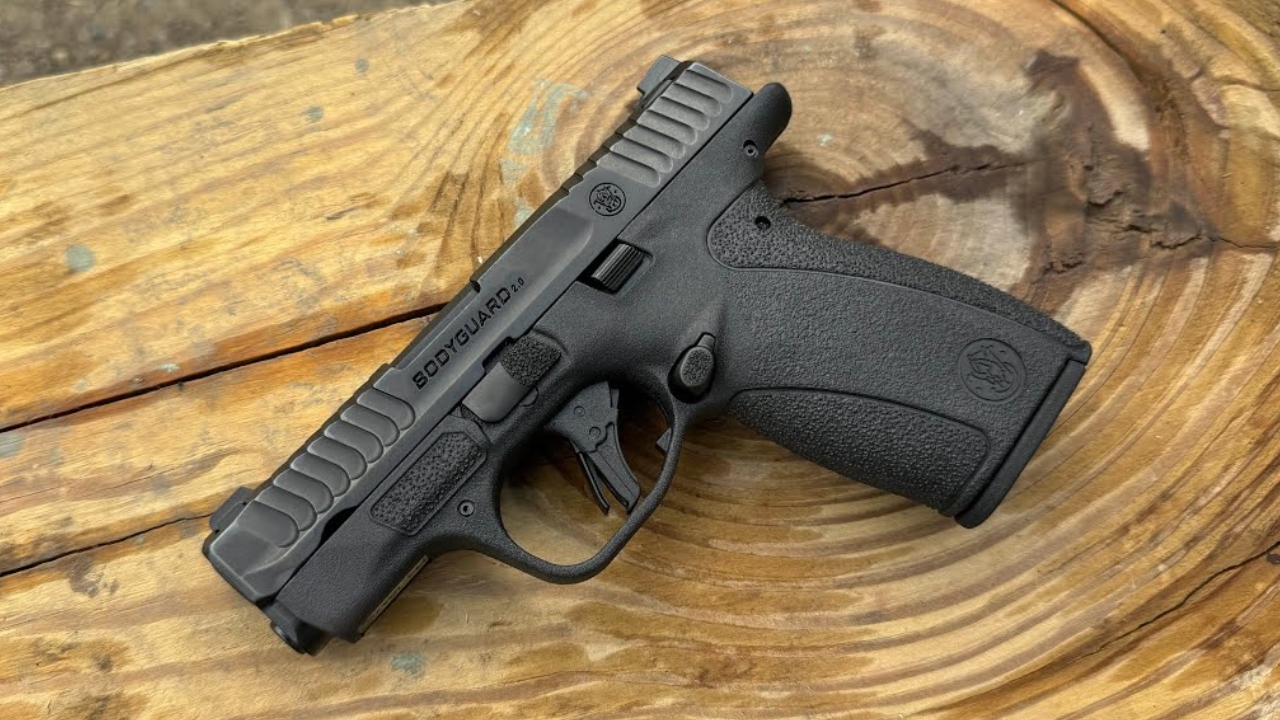
The Bodyguard 2.0 is a modern example of how far pocket .380s have come—and how unforgiving the category still is. Smith & Wesson lists it at only 9.8 ounces, 0.88 inch wide, with 10- and 12-round capacity options. Those numbers make a very strong carry case right away. It is hard to argue with a pistol that light and that easy to conceal.
The problem is that less than ten ounces is still less than ten ounces. Even with a smarter layout and better capacity than old pocket pistols, the Bodyguard 2.0 remains an extremely light handgun, and that means recoil will feel more abrupt than many buyers expect. It is a practical answer for deep carry, but it is also the kind of gun people sometimes buy for the size and later replace because they realize they shoot something only slightly larger a whole lot better.
Kimber Micro 9

The Kimber Micro 9 draws people in because it looks familiar, slim, and refined while staying genuinely small. Kimber’s specs put the Micro 9 at 6.1 inches long and 15.6 ounces empty, depending on model, with a barrel around 3.15 inches. That is a very easy gun to like in the hand before you fire it.
The surprise comes when buyers remember that this is still a very light, very small 9mm. The metal frame can help, but it does not magically make a sub-16-ounce pistol soft. For many shooters, the Micro 9 feels better than the tiniest polymer 9s. For others, it still lands in the same category: bought because it looks compact and classy, then sold because the recoil and abbreviated grip make regular practice less comfortable than a slightly larger pistol would.
SIG Sauer P938

The P938 has always appealed to people who wanted a truly small pistol with real 9mm power. SIG says the P938 packs 7+1 rounds of 9mm into an all-metal frame with dimensions only slightly larger than its .380 counterpart. That is a strong selling point, especially for shooters who like the 1911-style layout and want something tiny that still hits harder than a pocket .380.
But that same formula is exactly why it can be a short-lived purchase for some buyers. A very small 9mm, even in metal, still asks a lot from the shooter. The all-metal frame helps, but the gun remains short in the grip and short in the sighting plane. People often buy it because the size is so attractive. Then they realize they do not love how much concentration it takes to shoot it quickly and comfortably.
Glock 43X

The Glock 43X is what a lot of people buy after discovering the original G43 is a little too small to shoot comfortably. Glock lists the 43X at 16.40 ounces without a magazine, with the same 3.41-inch barrel length as the G43 but a longer grip and 10-round standard capacity. That longer grip is the whole reason the gun exists.
Even so, it still fits this article because slimline pistols can fool people. The 43X is easier to control than the G43 for many shooters, but it is still a light, narrow 9mm. Some buyers expect the longer grip to make it feel like a compact service pistol, and it does not. It usually shoots better than the smaller 43, but it still carries enough snap that some people eventually move to thicker, heavier compacts once they realize they want comfort on the range as much as concealment in the holster.
SIG Sauer P365 SAS

The P365 SAS is a classic “sounds perfect, feels different in practice” carry pistol. SIG says it was designed for the serious CCW user, with anti-snag treatment, flush controls, and the FT Bullseye sight embedded into the slide to remove the front sight as a snag point. That makes the gun extremely smooth for concealed carry, which is exactly why it grabs attention.
But the SAS is still built on the same tiny P365 footprint, which means it carries the same micro-compact recoil reality. On top of that, its special sighting system can be a love-it-or-hate-it feature for shooters who already feel like they are working harder to control a very small 9mm. It hides beautifully. That part is real. The part that goes stale for some owners is realizing that a smooth draw does not automatically mean a pistol they enjoy shooting enough to keep.
Mossberg MC2sc

The Mossberg MC2sc often catches buyers because it gives them a micro-compact profile with a little more grip and a 3.4-inch barrel. Mossberg’s launch material calls it an easy-to-carry micro-compact and notes the 3.4-inch barrel, 18-degree grip angle, palm swell, and aggressive texturing for a positive, comfortable grip. That makes it sound like a micro gun that solves many of the usual micro-gun complaints.
And to be fair, the ergonomics do help. But it is still living in the same basic category: small, light, and built for concealment first. That means some buyers still discover that even a well-shaped micro 9 can feel busier under recoil than they want. The MC2sc is not badly designed. It is simply another reminder that carry size and shooting comfort are not the same thing, no matter how smart the grip texture looks in the ad.
Canik METE MC9

The original METE MC9 belongs here because it hits that same tempting spec profile buyers love. Canik’s product sheet lists a 3.18-inch barrel, 6.1-inch overall length, and about 21.27 ounces with an empty 12-round magazine. That gives you more weight than the tiniest micro 9s, but it is still very much a carry-first gun built around small dimensions.
That is why it can still disappoint buyers who expected “small but easy” to be the same thing. The extra ounces help, but the gun remains short, slim, and optimized for concealment. For some shooters, it lands in a good middle ground. For others, it still winds up in the familiar pattern: bought because the size is appealing, then replaced because a compact pistol with more slide mass and more grip simply shoots flatter and feels better over time.
SIG Sauer P365-380
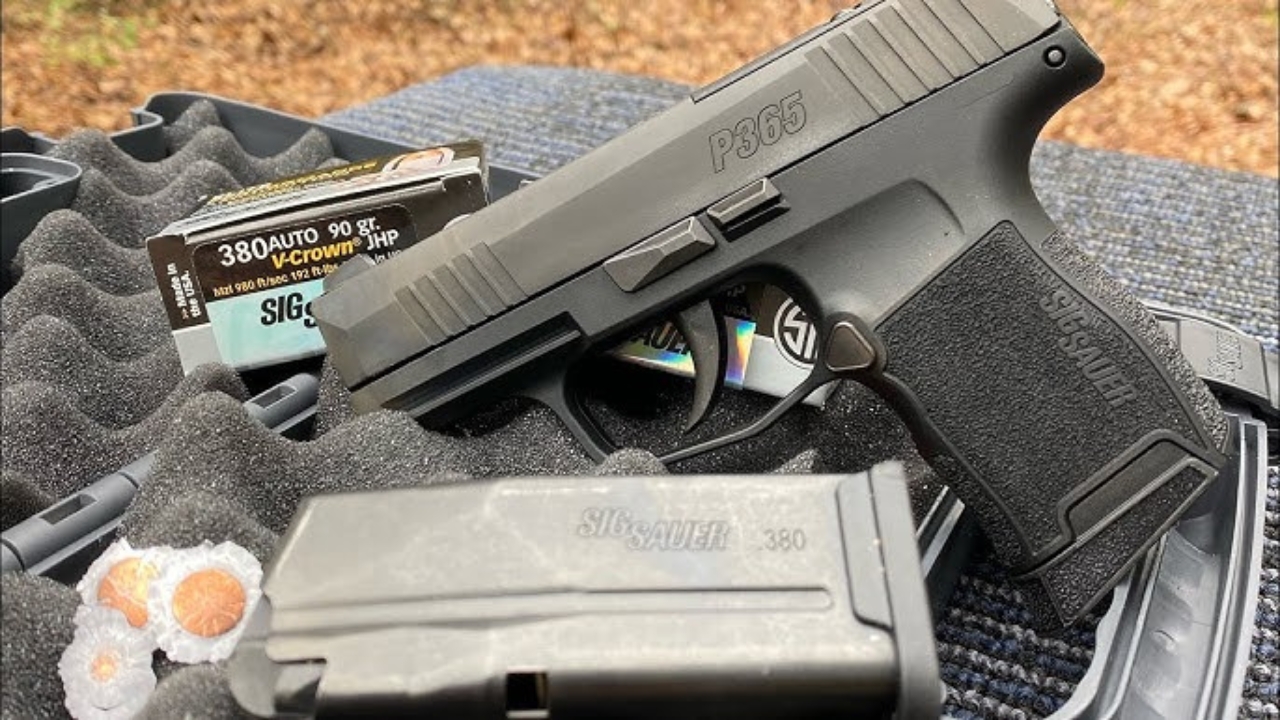
The P365-380 is the pistol people often end up buying after learning this lesson the hard way. SIG’s current page lists it as a .380 Auto version of the P365 with a 3.1-inch barrel, 5.8-inch overall length, and 1.0-inch width. It keeps the familiar carry-friendly shape, but swaps to a softer cartridge.
That matters because this is the kind of move many shooters make after selling a snappier micro 9. They still want the concealment, but they want less work every time the trigger breaks. The P365-380 is not on this list because it kicks hard. It is here because it is the kind of gun people buy after they realize they were chasing the smallest 9mm they could tolerate, instead of the smallest carry pistol they could actually shoot well and keep practicing with.
Like The Avid Outdoorsman’s content? Subscribe to our newsletter so you never miss an article.
Here’s more from us: