Photo credit: Mike B/YouTube
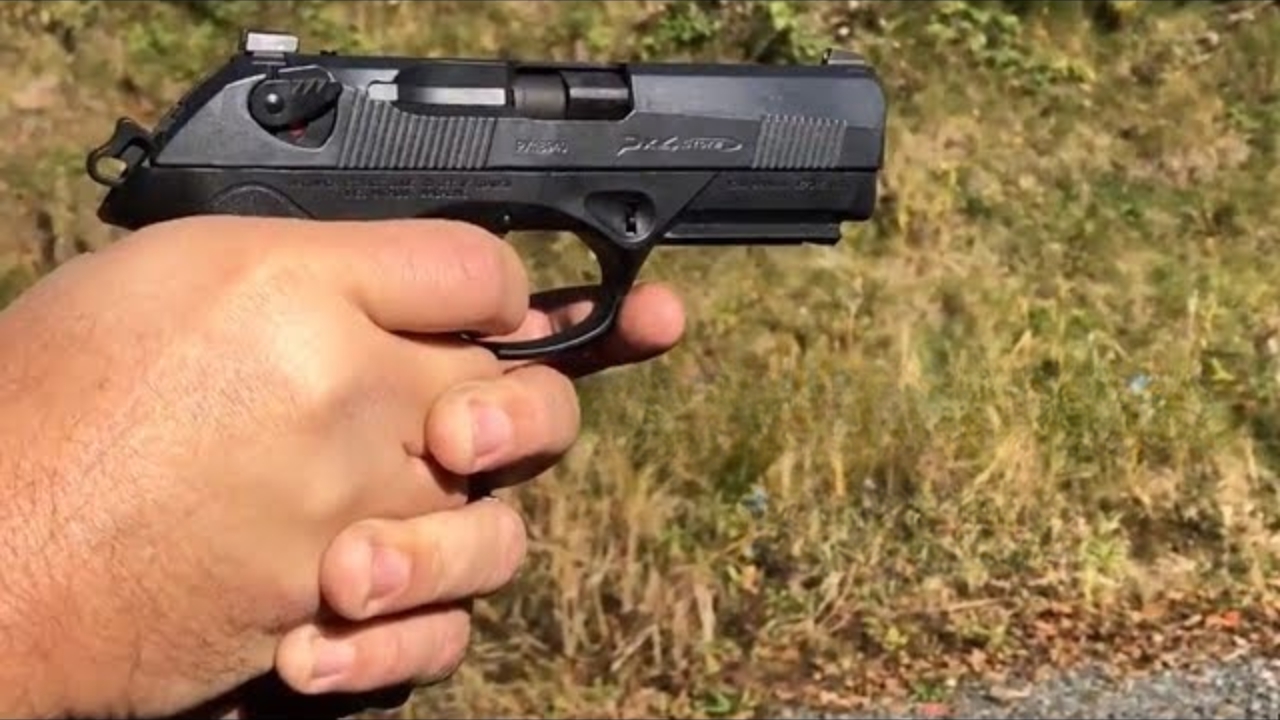
The grip change that wrecks follow-up shots more than anything else is letting the strong hand creep higher and tighter while the support hand becomes passive. It usually happens without the shooter realizing it. They watch a video, hear “high grip” a hundred times, and they start chasing height like it’s the only thing that matters. So the strong hand climbs, the wrist locks hard, and the shooter starts squeezing like they’re trying to strangle the gun. The support hand, instead of doing the real work of stabilizing the gun, ends up along for the ride. That combination makes the gun flip and twist in recoil, and it makes the shooter’s trigger press worse at the exact moment they’re trying to be faster. Follow-up shots slow down because the sights don’t return predictably, and the shooter starts “steering” the gun back onto target instead of letting it track naturally.
This is why someone can shoot a decent first shot and then fall apart on the second and third. The first shot happens while everything is relatively calm. The follow-ups happen while the gun is moving, and that’s where an imbalanced grip shows up. The shooter thinks they need “more grip,” but what they really need is the right grip distribution and a support hand that’s actually driving the gun.
The strong-hand clamp creates trigger problems and adds wobble
When the strong hand takes over, the trigger finger has to work against a ton of tension. That tends to produce sympathetic movement—your fingers tighten together, your knuckles whiten, and your trigger press becomes less isolated. The result is shots that dip, yank, or spread as you speed up. A lot of shooters interpret that as “recoil control issues,” but it’s often a trigger press issue caused by too much strong-hand tension. It’s also fatiguing. After a few magazines, your hand gets tired, your grip changes again, and now you’re chasing consistency on a moving foundation.
The irony is that people do this because they want control. The end result is less control, because the gun isn’t tracking in a repeatable way and the trigger press is getting dirtier under speed.
A passive support hand lets the gun rotate and costs you time
Your support hand is your recoil management hand. If it’s passive, the gun will rotate and rise more than it needs to. Rotation is the killer because rotation changes your sight picture and your return path. When the gun comes back down, it doesn’t come back to the same place. Now you’re taking extra time to re-find the front sight or dot, and you’re adding micro-corrections with your hands. Those micro-corrections are why your splits get slower and why your second shot is often “late” even though you feel like you’re working hard.
A strong support hand doesn’t mean “crush the gun.” It means consistent pressure that keeps the gun from twisting, with the wrists set so the gun tracks up and down predictably. When that happens, follow-up shots speed up because you stop wasting time fixing what the gun did.
The “thumbs-forward but loose” mistake that creates a slippery grip
Another grip change that wrecks follow-ups is switching to a thumbs-forward style but leaving the support hand loose and low, with not enough contact on the grip. People copy the look without building the structure. The gun feels fine at first, then under recoil it shifts slightly. That shift forces you to re-grip during the string, and re-gripping is the enemy of speed. It’s also why some shooters think their gun is “snappy.” The gun isn’t the whole issue. Their hands aren’t locked in with enough surface contact and consistent pressure.
This is especially common on slim guns where there’s less grip surface. If you don’t maximize contact, the gun will move. Movement equals wasted time.
The fix is grip balance, not grip aggression
A grip that supports fast follow-ups usually has a few consistent traits: the strong hand is firm but not death-gripping, the support hand adds the majority of stabilizing pressure, and the wrists are set so the gun tracks in a predictable arc. The goal is not “no movement.” The goal is movement you can predict. Predictable tracking is what lets your eyes and brain accept the sight picture faster and press again without hesitation.
If you want to diagnose this quickly, film yourself from the side and from behind while you shoot controlled pairs. Watch what the gun does. If it twists, if it returns off-line, if your hands shift during the string, your grip balance is off. Fixing it often makes your follow-up shots faster without you trying any harder.
The practical drill that exposes it immediately
Run a simple drill: two shots on an 8-inch circle at 7 yards, from a cold start. Don’t chase a hero time. Watch what happens to your second shot. If the second shot is consistently wide or late, focus on making the gun track straight up and down by letting the support hand do more of the work. A timer helps you see improvements, but your hits tell you the truth even without one. If you need targets or a basic timer, Bass Pro Shops is an easy place to grab them, but the real work is building a grip you can repeat under stress.
The grip change that wrecks follow-up shots is turning your strong hand into a clamp and letting your support hand go passive. It feels like control, but it creates trigger issues, rotation, and an inconsistent sight return that costs you time. Balance the grip—support hand drives stability, strong hand stays firm but clean—and your follow-up shots get faster because the gun returns to the same place every time.
Like The Avid Outdoorsman’s content? Be sure to follow us.
Here’s more from us: