
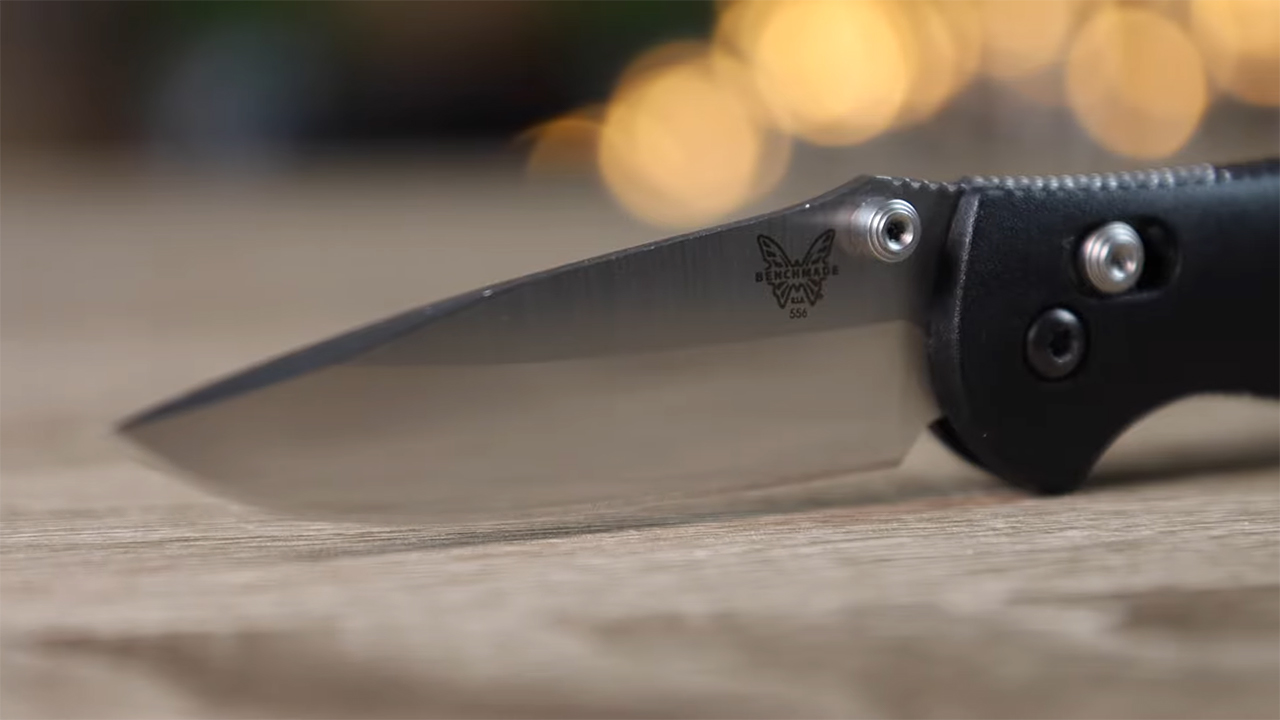
Photo credit: Knife Review/Youtube
Small knives get dismissed by guys who think bigger always equals better. Then those same guys try doing detail work with a thick, long blade and wonder why everything feels clumsy. A small knife that’s built right can be faster, cleaner, and easier to control for the stuff you actually do every week—opening feed bags, trimming cordage, breaking down boxes, cleaning up small cuts around camp, even handling careful slicing when you don’t want to overcut.
The key is picking small knives with real ergonomics and practical cutting geometry. “Small” shouldn’t mean “useless.” These are compact knives that feel like tools, not toys.
Spyderco Dragonfly 2
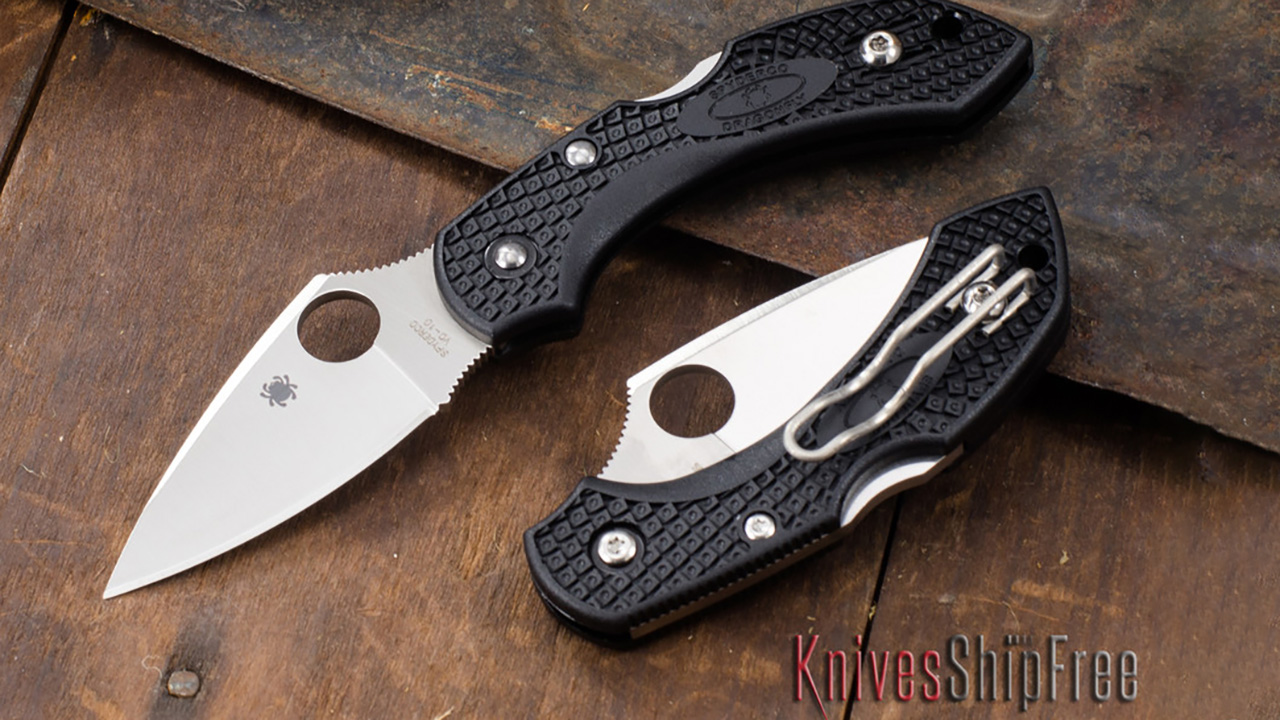
The Dragonfly 2 is famous for one reason: it feels way bigger in use than it looks in your pocket. Spyderco nails ergonomics on small knives, and the Dragonfly’s finger choil and handle shape let you get a secure grip for real cutting. It’s excellent for opening packages, trimming zip ties, cutting cordage, and doing careful work where a longer blade feels awkward. The blade profile is also efficient—more slicey than “thick and wedgey”—so it doesn’t fight you. If you’ve ever carried a tiny knife that felt sketchy because you couldn’t get a real grip, the Dragonfly fixes that. It’s a small knife you can actually bear down on. That’s what “punches above its size” really means: control, comfort, and confidence in a compact package.
Benchmade Mini Griptilian
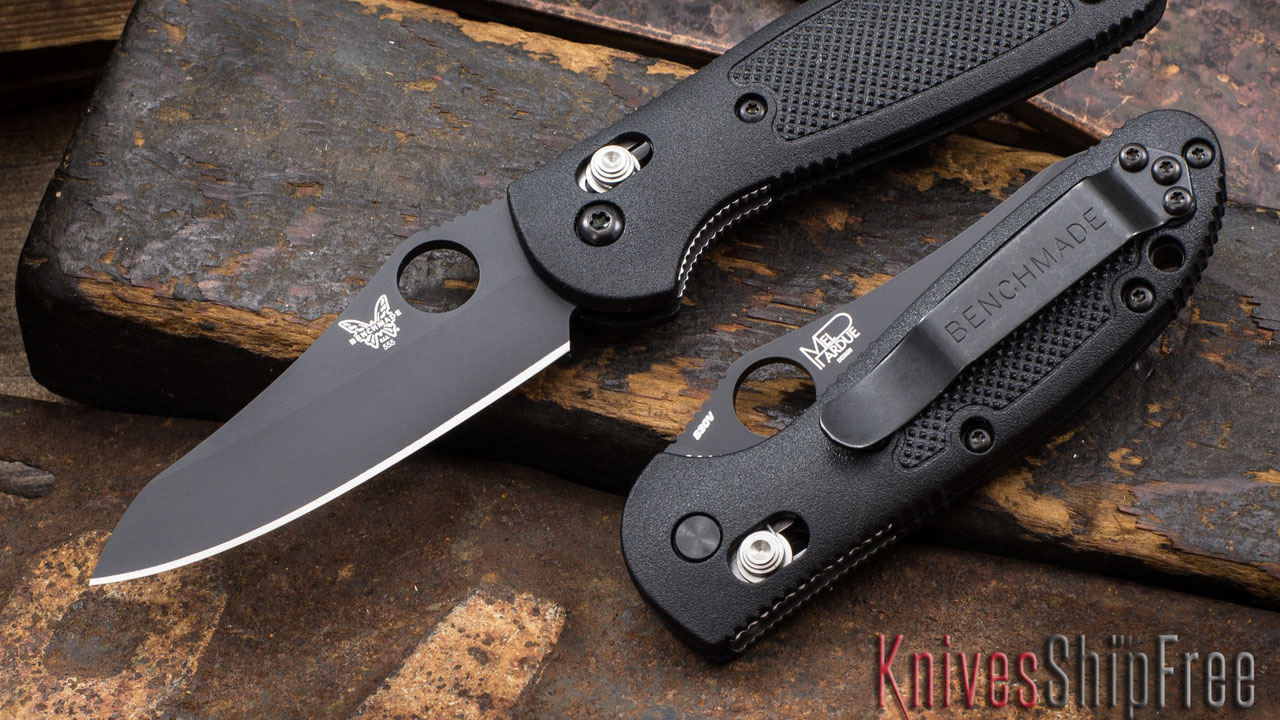
The Mini Griptilian has been a long-time favorite because it’s compact, easy to carry, and still feels like a serious working knife. The handle gives you enough real estate to grip properly, and the blade shapes offered tend to be practical for utility work. This is a great knife for daily chores because it’s not fragile and it’s not overly specialized. You can cut rope, cardboard, feed bag plastic, and all the random stuff that shows up in a normal week. The “mini” label scares some people, but in hand it doesn’t feel tiny. It feels like a normal knife that happens to carry well. If you want a small-ish knife that doesn’t make you baby it, and you want something that can actually do real work without drama, the Mini Griptilian has earned its reputation.
Civivi Baby Banter
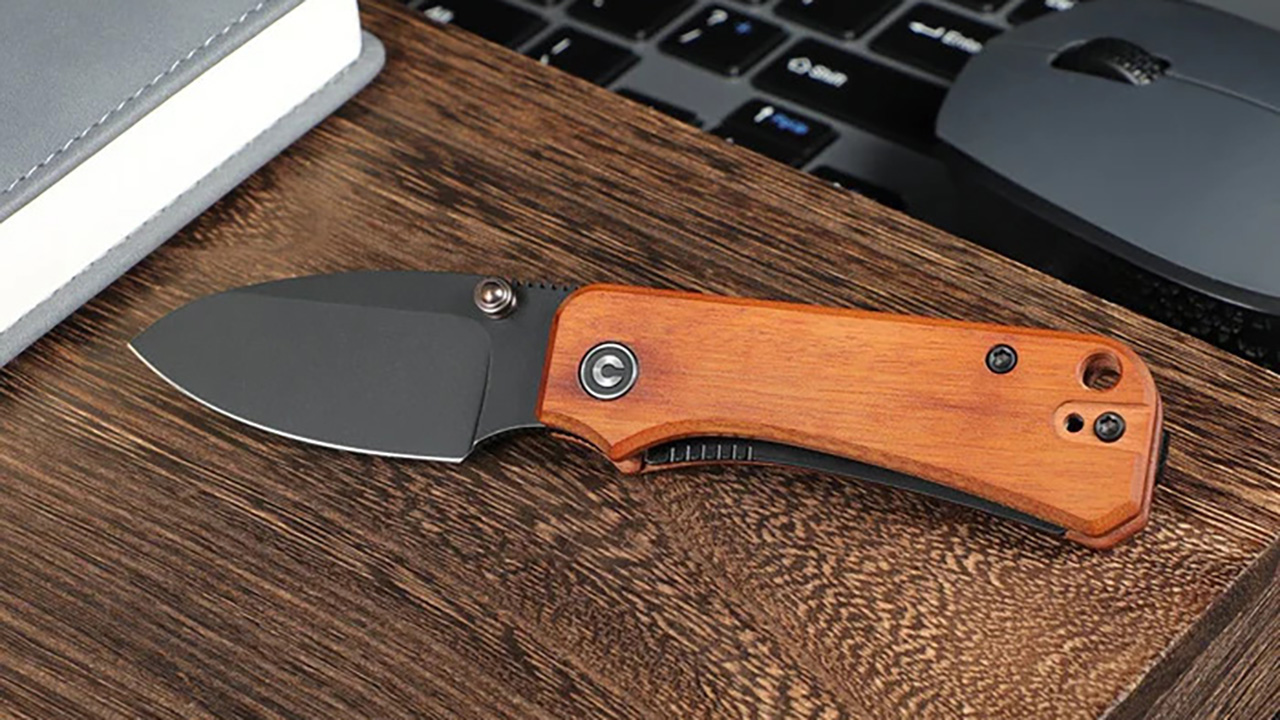
The Baby Banter is one of the best examples of a small knife that still gives you a usable grip. A lot of compact folders sacrifice handle comfort, and that’s where they lose. The Baby Banter doesn’t. It’s got a compact footprint but a shape that locks into the hand, which makes it more capable for real cutting. It’s excellent for daily chores: opening packages, cutting cordage, trimming tape and strap, cleaning up loose threads, and doing small repairs where you want control more than blade length. It also tends to be smooth and easy to carry, which matters because the best knife is the one you actually have on you. A little knife that disappears in your pocket but still feels stable when you bear down is exactly what most people should be carrying day to day.
Civivi Elementum (compact carry)
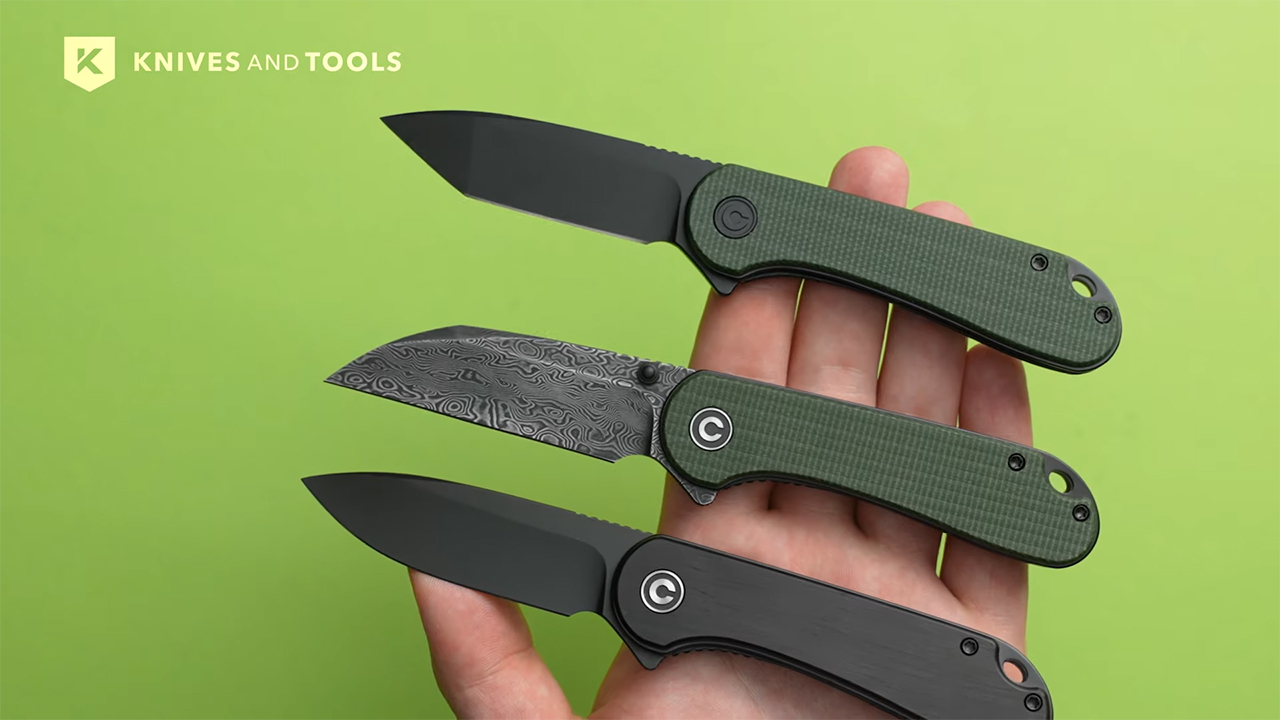
Even though the Elementum isn’t “tiny,” it’s compact enough to carry like a small knife while still giving you real blade and real grip. That’s why it punches above its size: you get a practical cutting tool without a bulky profile. It handles chores well—cardboard, rope, plastic, food, whatever—and it’s comfortable enough that you don’t feel like you’re pinching a blade. The blade geometry on many Elementum variants tends to cut efficiently, which is what you want in a knife you actually use. It’s also a knife that new owners tend to carry consistently because it doesn’t annoy them. No weird hotspots, no awkward pocket clip placement on most versions, no bulky handle slab taking up space. It’s a “small in the pocket, capable in the hand” kind of knife.
Ontario RAT Model 2
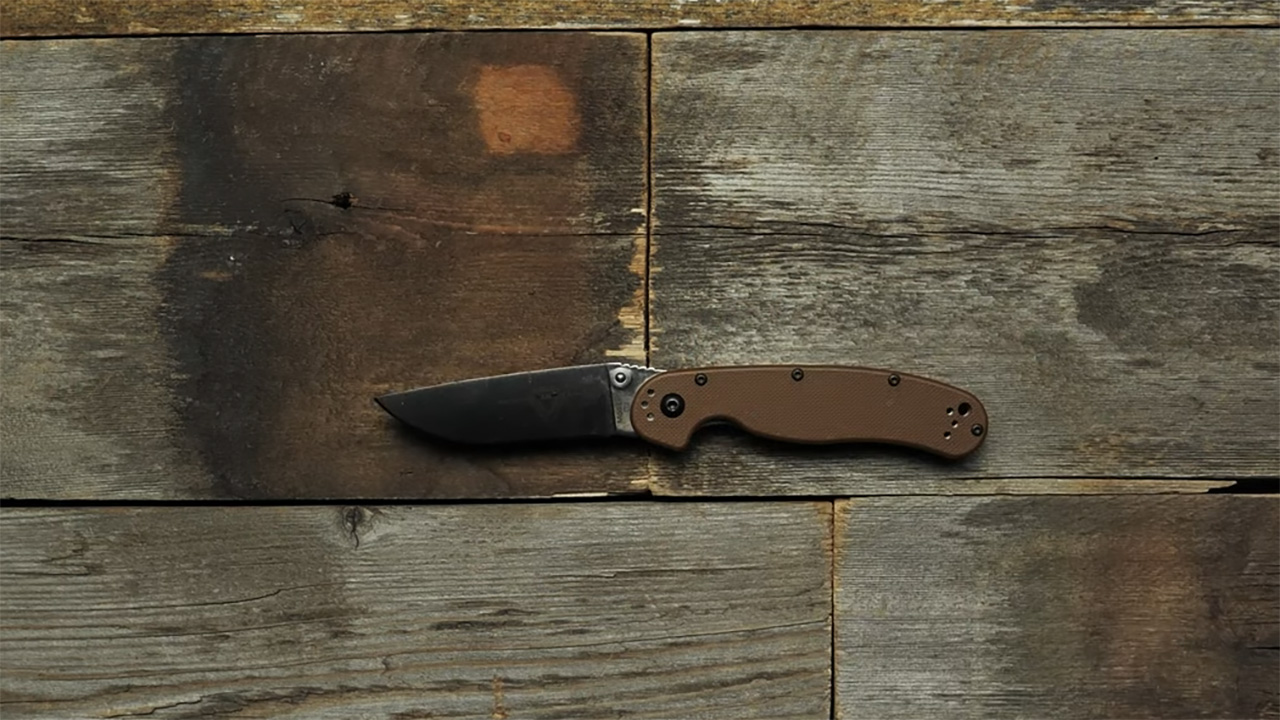
The RAT 2 shows up again because it’s one of the most honest “small work knives” out there. It’s not a fashion piece, but it’s compact and still gives you enough handle to do real cutting without feeling unsafe. That matters. When a knife is too small to grip, you end up doing weird hand positions, and that’s how you slip. The RAT 2 stays usable. It’s great for breaking down boxes, cutting rope, opening stubborn packaging, and handling everyday chores around a property without you thinking twice. It also carries easily and doesn’t feel precious, which is a big part of why people actually use it. A lot of knives get carried and never used. The RAT 2 gets used because it feels like a tool and it’s sized right for real life.
Kershaw Leek

The Leek is slim and light, and that’s exactly why it works as a “small knife that does big knife chores” in daily life. It’s easy to carry, but it still gives you a useful blade length and a handle that doesn’t feel toy-like. The blade shape is especially handy for slicing tasks—packages, tape, cordage—because it tends to feel more precise than thick, chunky designs. People sometimes forget that “real chores” are often small chores: you’re not batoning logs every day, you’re cutting stuff cleanly and safely. The Leek shines there. It’s also a knife that a lot of guys keep going back to because it’s been proven for years. Compact carry, efficient cutting, and it doesn’t take up pocket space like a brick.
Buck 112 Slim Select

The 112 Slim Select is compact in the pocket but still gives you a real handle and a blade shape that works for normal cutting. It’s also a knife that carries like a lightweight modern folder instead of a heavy traditional lockback, which makes it more likely to actually ride in your pocket every day. Price-wise it’s commonly in the budget-friendly zone, and Buck even lists it in their under-$50 category, which is wild for how usable it is. As far as “punch above size,” the 112 does it by being simple and stable: lockback security, comfortable grip, and a blade you can trust for daily chores without fuss. For homestead life, truck life, and everyday carry, it’s an easy win.
CRKT Pilar
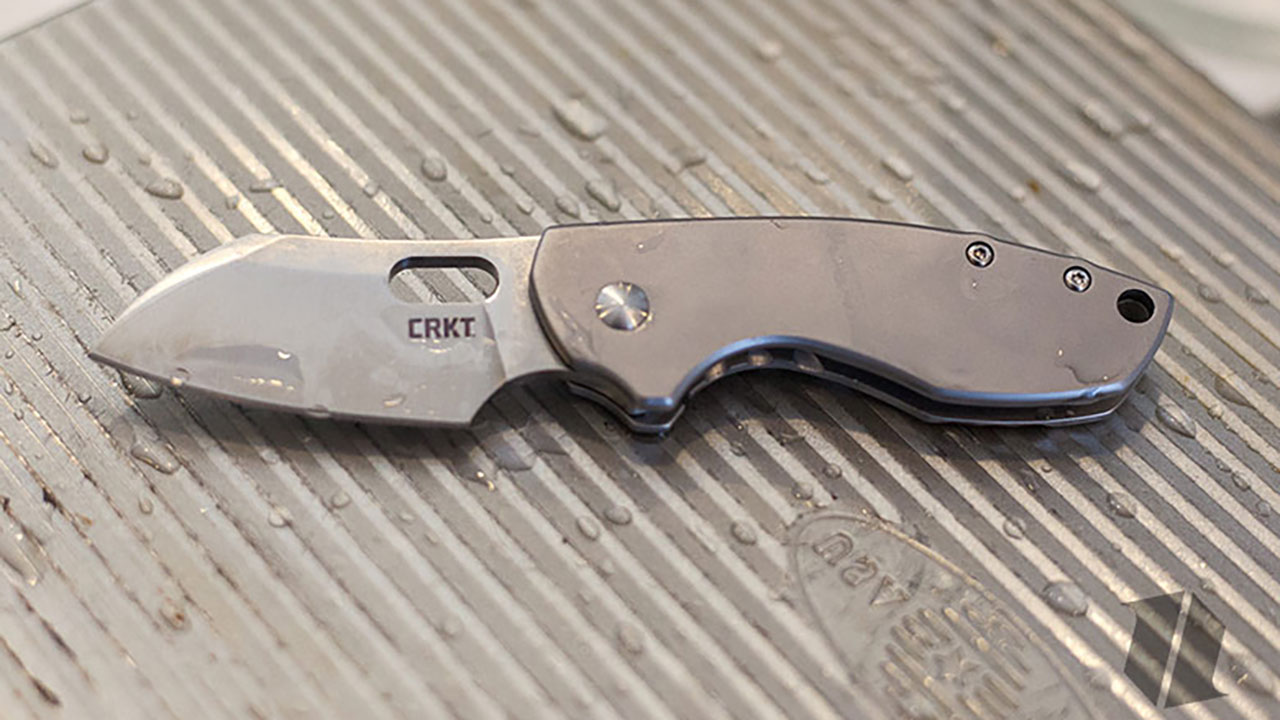
The Pilar is a chunky little knife in the best way. It’s small, but it feels stout and confident for utility work. That makes it good for the chores that punish dainty knives—heavy cardboard, thick plastic, cutting strap, and rough “I just need this cut” moments where you don’t want to baby your gear. The handle shape typically gives you a secure grip, and the blade profile is made for control. This is a great knife for someone who wants a compact folder that feels more like a small tool than a lightweight slicer. It won’t out-slice a thin-bladed knife, but it holds its own in the rough-and-ready jobs that small knives often get bullied by. It’s a pocket-friendly beater that still feels solid.
Cold Steel Tuff Lite

The Tuff Lite is ugly in the way a good tool can be ugly. It’s small, it’s grippy, and it’s built around a blade profile that’s excellent for utility cuts. The wharncliffe-style shape gives you control and strength at the tip, which is huge for chores like opening feed bags, cutting plastic, trimming rope, and doing controlled slicing without the blade wandering. The handle is also designed for real grip—wet hands, gloves, cold mornings—it doesn’t care. This is one of those knives that people end up trusting because it feels secure even when you’re rushing. If you want a small knife for hard daily use where safety and control matter more than looking cool, the Tuff Lite is a workhorse.
Victorinox Classic SD (keychain reality)

Yeah, it’s tiny. And yeah, it still earns a spot because “real chores” often include little annoying problems: loose threads, packaging, splinters, broken nail, small snips, opening something when you don’t have your main knife. A Classic SD on your keys means you’ve always got something—and “always having something” solves more problems than the perfect knife you left at home. The small blade is surprisingly useful for precise cutting, and the scissors handle a ton of everyday tasks better than people expect. No, you’re not cutting rope all day with it. But for quick fixes, trimming, and the kind of small interruptions that happen constantly, it punches way above its weight simply because it’s always there.
Spyderco Delica 4

The Delica has been a long-running favorite because it’s light, slim, and genuinely capable. It carries like a small knife, but it cuts like a full-size EDC because the geometry is practical and the handle gives you enough control. It’s excellent for cardboard, rope, and daily cutting tasks, and it doesn’t feel flimsy when you actually put pressure into a cut. The Delica is also one of those knives that “disappears” in the pocket, which matters if you’re the kind of guy who hates bulky carry. For chores around the property, it’s a great size: enough blade to get work done, not so much that it feels clumsy. It’s proof that a knife doesn’t have to be big to be serious.
Leatherman Skeletool KB
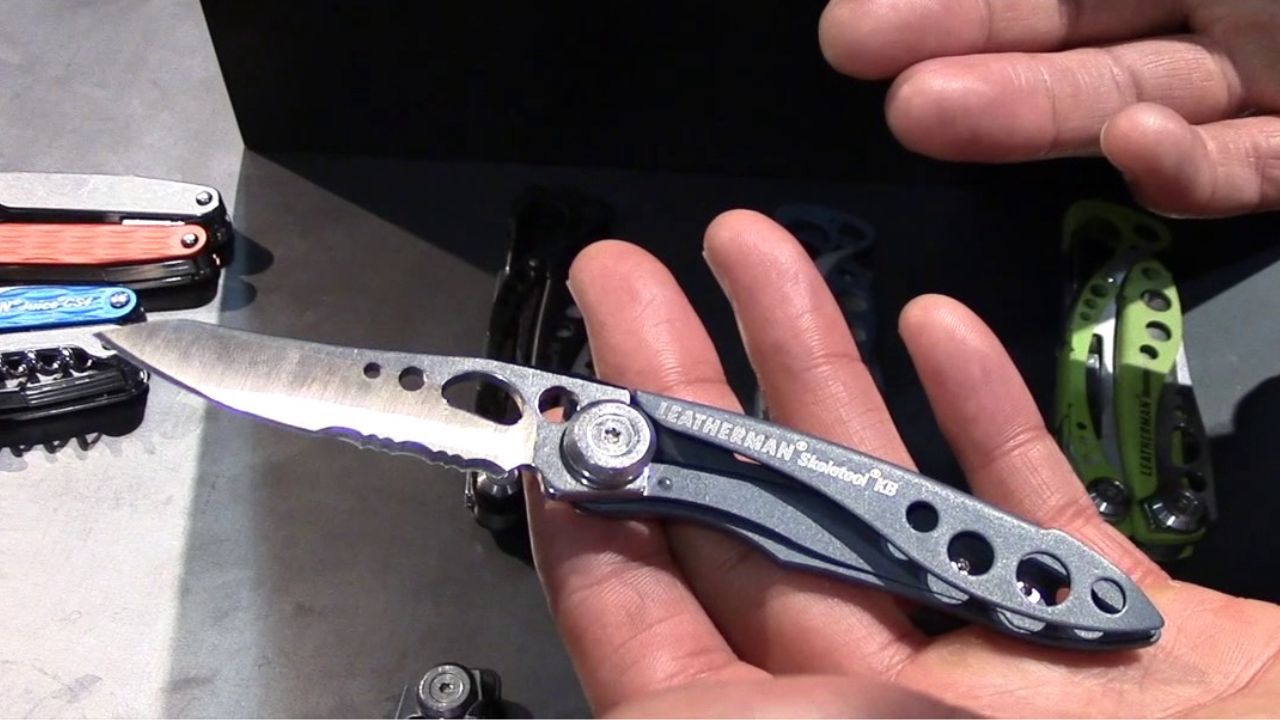
The Skeletool KB is simple and light, and it’s designed around being a compact cutter you’ll actually carry. That’s the win. It’s not trying to be a giant folder with a huge blade; it’s trying to be a slim knife that shows up when you need it. It does well for the constant little chores—opening packaging, cutting tape, trimming cordage—without taking up space. The advantage here is convenience: it rides easy, it’s quick to deploy, and it’s comfortable enough for short bursts of work. Is it a dedicated heavy-duty work knife? No. But for 90% of what most people do with a pocket knife, it handles the job and doesn’t annoy you. That’s a big deal in real life.
Opinel No. 6
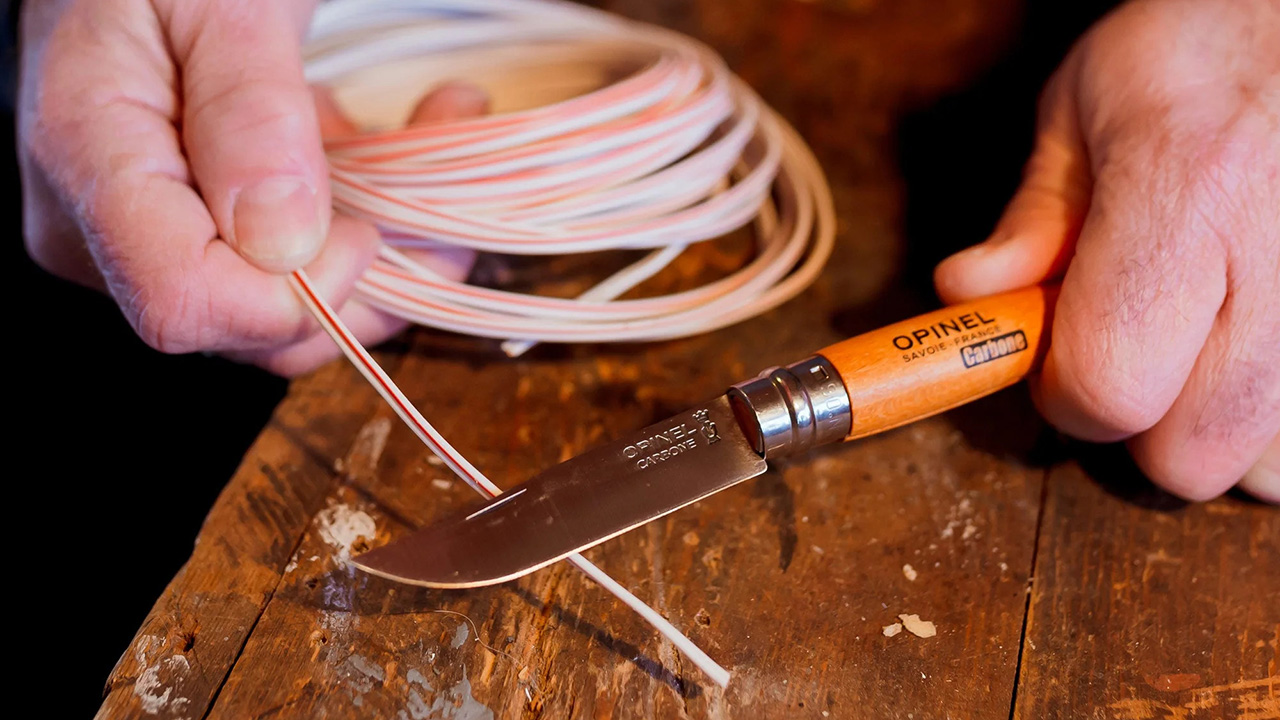
Opinels look old-school because they are, but they cut like crazy. Thin blade geometry and simple design make them fantastic slicers, especially for food prep, light utility cutting, and camp use. The No. 6 is small enough to be pocket-friendly, but it still gives you enough blade to do real work—especially if your chores involve slicing instead of prying. The biggest thing with an Opinel is respecting what it is: a cutting tool, not a pry bar. If you do that, it’s one of the best “small knives that acts bigger” options around. It’s also a great knife to keep in a pack for camp food because it slices cleanly and doesn’t feel like you’re trying to carve a sandwich with a hatchet.
Case Peanut (traditional small carry)
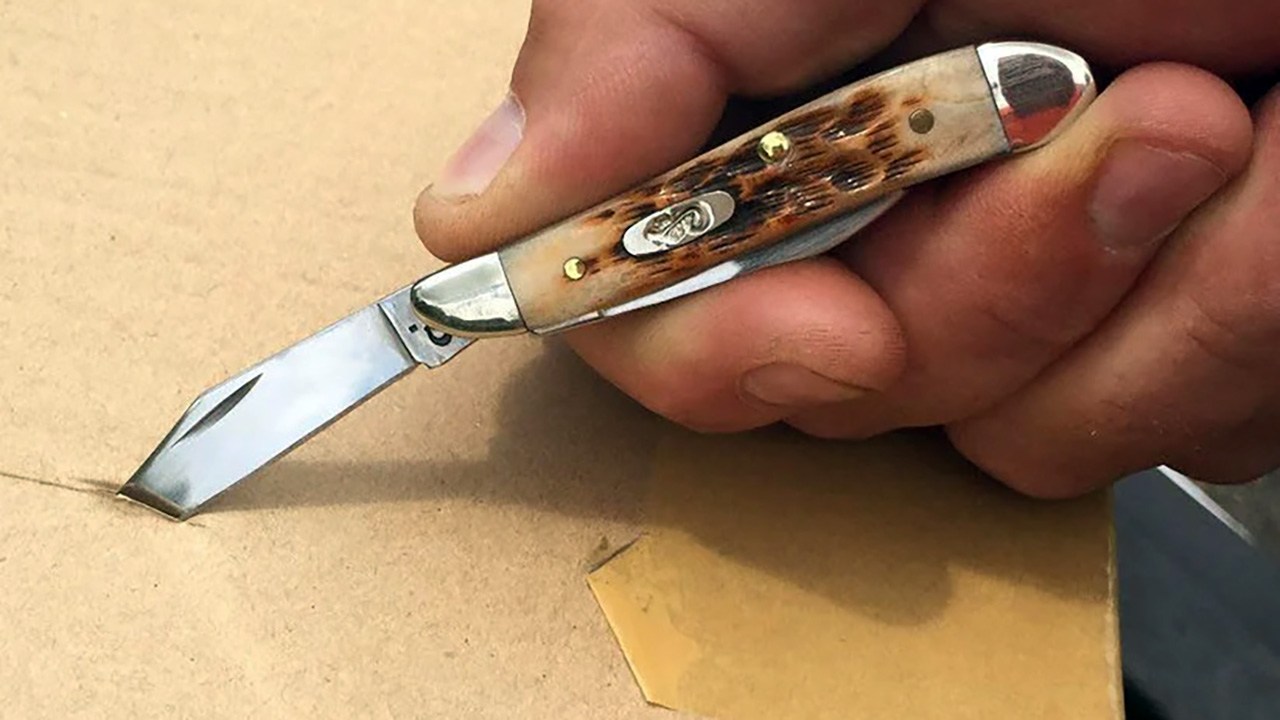
A Case Peanut is small, classic, and more capable than people expect if you treat it like the everyday cutter it was meant to be. It’s great for the “gentleman chores” that still matter: opening packages, cutting tape, trimming loose ends, light rope and cord, and handling quick cuts without looking like you’re carrying a pry bar. The big advantage is that it carries easy and it’s always ready. Traditional slipjoints require good habits, but in normal cutting tasks they’re simple and effective. If you want a small knife that feels like it belongs in a pocket every single day—especially if you hate bulky modern folders—the Peanut is a legit option. It’s not flashy. It’s useful.
Gerber EAB Lite (utility blade cheat code)

If you want a “small knife” that absolutely punches above its size, a compact utility-knife setup is hard to beat. The EAB Lite is basically a razor blade holder that carries like a pocket knife. That means you always have a screaming-sharp edge for cardboard, plastic, strap, and nasty cutting tasks that would dull a normal knife fast. When the blade gets dull, you swap it. That’s the whole advantage. For homestead and shop life, this can be one of the smartest “small knife” solutions because it’s efficient and low-drama. It’s not sexy, and it won’t be your field-dressing knife, but for everyday abuse work, it’s ridiculously practical. Sometimes the best small knife is the one that stays sharp on purpose.
Like The Avid Outdoorsman’s content? Subscribe to our newsletter so you never miss an article.
Here’s more from us:


