Photo credit: Browning
Some gun brands get hot because of marketing, timing, or one product that catches the right wave at the right moment. Others earn their standing in a slower, harder way. They build it through years of rifles and pistols that actually work, through law enforcement contracts, military use, hunting camps, competition circuits, and the kind of customer loyalty that only forms when a company keeps turning out firearms people trust. That kind of reputation usually takes a long time to build and a lot of chances to lose.
What makes these brands different is that their name means something because shooters attached it to real experience. Not every model was perfect, and not every era was equally strong, but these companies earned their place by surviving hard use and hard judgment. They were tested by people who depended on the guns, not only admired them at a counter. That is why their reputation stuck. It was built by performance first and image second.
Winchester
Winchester built its reputation the hard way because its name became tied to practical American rifle use long before branding alone could carry a company. Lever guns like the Model 1873, Model 1894, and bolt actions like the Model 70 earned trust by doing real work in the field. Hunters, ranchers, and working shooters did not keep Winchester alive out of sentiment alone. They kept buying the rifles because they handled well, lasted, and felt like tools made by people who understood what rifles were supposed to do.
That long reputation also came from consistency across eras that mattered. Winchester was not always perfect, and collectors can argue all day about when the company was at its best, but the name stayed meaningful because too many good rifles carried it for too many years. Brands that build their reputation the hard way usually end up tied to lived experience more than hype. Winchester fits that description as well as any gun name in America.
Smith & Wesson
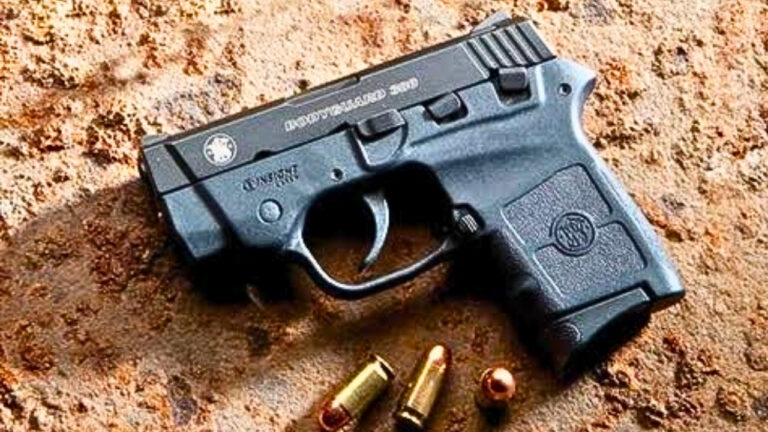
Smith & Wesson earned its reputation through decades of revolvers and pistols that found their way into police holsters, private ownership, and serious range use because they worked. The company did not build its standing on one style of gun alone. It built it through service revolvers, defensive handguns, target pistols, and later polymer carry guns that proved the company could adapt without giving up the trust it had already established. That kind of range matters when a brand is trying to last.
A big part of that respect came from shooters who learned what a dependable revolver felt like with a Smith & Wesson in hand. Models like the 10, 19, 27, 29, and 686 gave the company a foundation that did not depend on marketing language. Later products expanded the brand, but the reputation had already been built through years of real use. A company earns that kind of standing by surviving scrutiny from people who know guns well.
Ruger
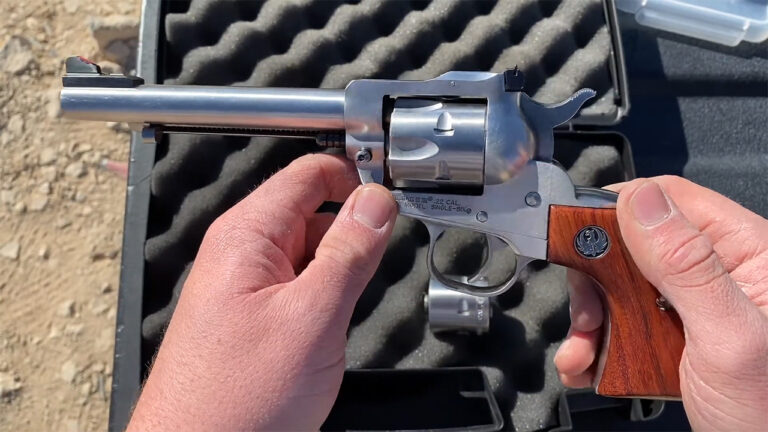
Ruger built its reputation the hard way by becoming the brand many shooters learned to trust when they needed strength, practicality, and value in the same package. It did not always produce the prettiest gun in the room, but it made firearms that were known for being durable and serviceable in real-world use. Whether it was the 10/22, the Blackhawk, the GP100, the Mini-14, or later hunting and carry guns, Ruger built a name on firearms that ordinary owners could use hard without feeling like they were carrying something delicate.
That matters because a lot of shooters came to Ruger through actual ownership, not aspiration. The company earned loyalty from people who bought the guns to hunt, carry, ranch with, plink with, and keep around for years. Brands that build their reputation the hard way usually win because they make products people stop worrying about once they start using them. Ruger has done that for a very long time.
Colt
Colt built its reputation the hard way because it was attached to foundational firearms that shaped entire categories before the industry looked the way it does now. The Single Action Army, 1911, Python, Detective Special, and AR-platform rifles linked the company to major parts of American firearms history, but that reputation did not come from symbolism alone. Those guns earned standing because they were used, copied, carried, and judged by people who expected them to perform in real life, not simply carry a famous rollmark.
Colt’s reputation has had highs and lows, which actually says something important. A brand with no hard history behind it cannot survive much turbulence. Colt kept remaining relevant because the foundation was built on firearms that established trust the old-fashioned way. Even when shooters argue about modern Colt versus older Colt, that argument itself proves how much the brand had already earned through long-term influence and hard use.
Browning
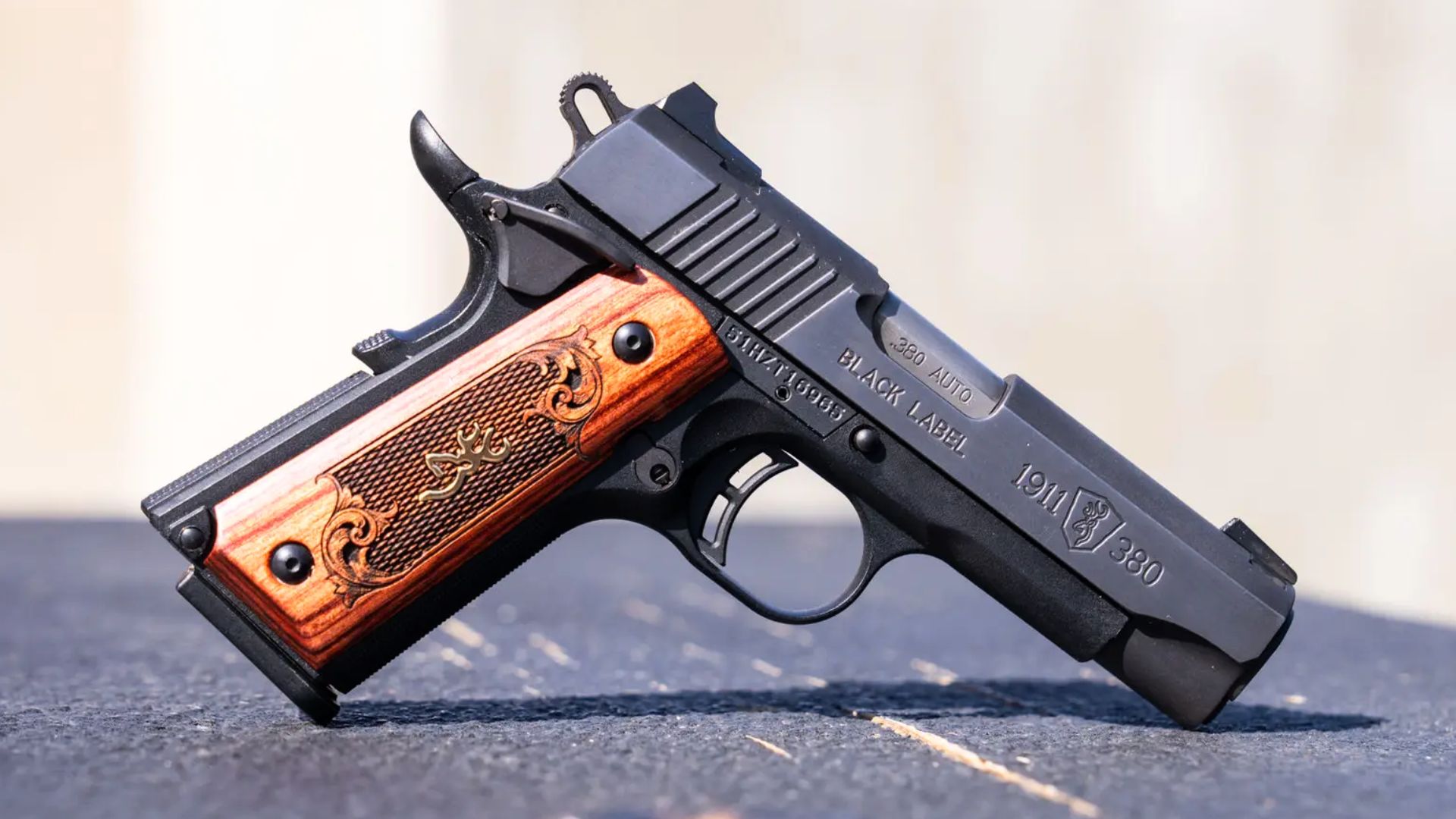
Browning built its reputation through design quality and long-term usefulness across shotguns, rifles, and pistols that shooters kept coming back to because they felt right and performed well. The company’s standing was not built around one narrow lane. It came from the Auto-5, the Hi-Power, the Superposed, the Citori, the BAR, and a long list of firearms that found loyal followings among hunters, sport shooters, and serious handgun users. That kind of broad respect is not easy to fake.
What really hardens a brand’s reputation is when people trust it in different categories for different reasons, and Browning achieved that. One shooter may know the name from bird guns. Another from a classic pistol. Another from a centerfire hunting rifle. When a company earns respect across that much ground, it is usually because the products themselves kept delivering over many years. Browning did not become Browning through clever packaging. It became Browning through staying power.
Remington
Remington built its reputation the hard way by putting rifles and shotguns into the hands of generations of hunters and shooters who came to see the brand as part of ordinary American gun ownership. The Model 700 and the 870 alone would have given the company a major place in firearms history, but the broader reputation came from how widespread and familiar Remington firearms became in camps, closets, trucks, and ranges across the country. That kind of trust takes time and repeated success.
The company has had very public problems in more recent years, but that does not erase how the name was originally built. In fact, the fall only makes the earlier reputation easier to understand. Brands that build their standing through hard use create expectations that are difficult to meet forever. Remington earned those expectations because it had spent decades producing guns people depended on. That is not the sort of legacy a company stumbles into by accident.
Glock
Glock built its reputation the hard way by entering a market full of skepticism and then beating that skepticism through repetition. At first, a polymer-framed striker-fired pistol from Austria did not fit what many shooters thought a serious handgun was supposed to be. Then the guns started proving themselves. Law enforcement adoption, reliability under harsh use, simple controls, and easy maintenance all helped Glock go from an outsider idea to one of the defining handgun brands of the modern era.
What matters is that Glock earned that position through performance under scrutiny. Shooters tested the pistols hard, agencies adopted them in large numbers, and private owners kept finding that the guns worked with very little drama. It is easy now to forget how much doubt Glock had to overcome early on. The company’s reputation became strong precisely because it had to win people over the hard way, one reliable pistol at a time.
Mossberg
Mossberg built its reputation by becoming a dependable name for shooters who wanted practical firearms without paying for a lot of extra polish they did not need. The Mossberg 500 in particular helped establish the company as a maker of shotguns people could actually afford and trust. Over time, that expanded into other categories, but the core reputation came from useful guns that kept doing their job in the hands of hunters, homeowners, and working shooters.
That kind of brand strength usually comes from being useful to ordinary people, not merely admired by collectors. Mossberg earned its place because its firearms kept making sense in the field and in the safe. A company does not keep its name alive across generations by offering theoretical value. It does it by putting out guns people buy, use, and end up recommending because they have already seen them hold up.
SIG Sauer
SIG Sauer built its reputation the hard way through pistols that developed serious followings among military, law enforcement, and civilian shooters who valued reliability, accuracy, and a sense of mechanical quality. Pistols like the P220, P226, P229, and later carry guns gave the company a strong foundation because they performed in roles where performance mattered more than clever styling. The guns felt deliberate, and people who used them seriously noticed.
That reputation also came from the fact that SIG products often had to prove themselves in demanding company. The service-pistol space is crowded with respected names, and standing out there is never easy. SIG did it by making guns that shot well, lasted, and gave users a reason to stay loyal once they learned the platform. Brands that earn that kind of trust do it through long-term performance, not quick excitement.
Beretta
Beretta built its reputation the hard way because it survived across centuries by continuing to make firearms people actually trusted in the field, on duty, and in competition. That kind of longevity does not happen because of heritage alone. It happens because products like the 92 series, strong over-under shotguns, and sporting arms with real handling quality kept giving shooters reasons to respect the name beyond its age. A very old brand still has to prove itself in the present.
The 92 in particular helped harden Beretta’s modern reputation by showing that the company could produce a service pistol that stayed reliable, shootable, and relevant through years of heavy use and wide scrutiny. The same goes for the shotgun side of the business, where Beretta built loyalty through quality and consistency. Brands that build their reputation the hard way usually survive because they perform in more than one arena. Beretta has done exactly that.
CZ
CZ built its reputation more quietly than some companies, which is often a sign that the reputation was earned instead of shouted. The CZ 75 alone gave the brand a serious foundation with shooters who appreciated ergonomics, shootability, and robust design. Over time, the company strengthened that standing through practical rifles, modern pistols, and a reputation for making firearms that often felt more useful than flashy. That kind of respect usually grows through word of mouth and owner experience more than mass-market image.
What makes CZ interesting is that so much of its reputation came from people discovering the guns, not from being told what to think about them. Shooters handled them, shot them, and ended up recommending them because the products kept delivering. That is one of the clearest ways a brand builds its name the hard way. It earns loyalty in the hands of users who were not looking for a logo as much as a firearm that simply works very well.
Benelli
Benelli built its reputation the hard way by becoming a shotgun brand associated with reliability, modern performance, and the kind of field confidence that serious hunters and practical shooters care about. The company did not earn that place just because its shotguns looked modern. It earned it because inertia-driven guns like the M1, M2, and Super Black Eagle proved themselves in waterfowl blinds, harsh weather, and hard use where excuses do not last very long.
That kind of reputation is difficult to build in the shotgun world because shooters remember quickly when a semi-auto becomes fussy or fragile. Benelli survived that test by producing guns people learned they could trust when conditions were dirty, wet, and repetitive. Brands that build their standing the hard way often do it by staying dependable in places where shooters get impatient fast. Benelli’s reputation comes straight from that kind of proof.
Like The Avid Outdoorsman’s content? Subscribe to our newsletter so you never miss an article.
Here’s more from us: