Photo credit: Target Suite/YouTube
Collector markets do weird things to otherwise sensible people. A gun gets some scarcity behind it, a little mythology around the name, maybe a military tie-in or a stretch of old magazine praise, and suddenly buyers stop acting like buyers. They start acting like believers. Price becomes secondary, flaws become “character,” and every compromise gets explained away because admitting the truth would mean admitting they paid way too much for the experience of owning the thing.
That is where these guns live. Some are historically important. Some are genuinely desirable. A few are even excellent firearms. But they also attract a very specific kind of buyer behavior: people paying inflated money and then defending the purchase like it became part of their personality. These are the collector guns that get overpriced, overprotected, and overexplained long after the math stops making any sense.
Colt Python

The Colt Python may be the king of this category. The name alone is enough to make buyers start rationalizing before the revolver is even in their hands. They hear “Python,” think prestige, polish, old-school Colt mystique, and suddenly a very expensive revolver starts sounding like a completely reasonable decision no matter what the actual condition or price looks like.
That is why people defend them so hard after the sale. They almost have to. Once that much money changes hands, every flaw gets softened with words like “legendary” and “iconic.” A Python can absolutely be a fine revolver, but there are a lot of buyers paying massive premiums for the name and then spending years pretending the premium itself proves they made a wise move.
Luger P08

The Luger P08 gets people acting irrationally because it looks like history the second you see it. The shape, the wartime associations, and the instant recognition all combine to make buyers feel like they are purchasing something almost sacred. That emotional charge pushes prices into territory where common sense usually would have tapped out much earlier.
Then come the excuses. Matching numbers become “close enough.” Condition problems become “honest age.” Dubious stories suddenly sound believable because the buyer needs them to. That is how a collectible turns into a personality test. The Luger is important, no question, but a lot of buyers massively overpay and then start defending every detail because the alternative is admitting the silhouette did most of the convincing.
Mauser C96

The Mauser C96 gets massively overpaid for because it looks unlike almost anything else. Buyers see the broomhandle profile and stop thinking in normal handgun terms. The gun instantly feels rarer, more exotic, and more culturally important than almost anything sitting nearby. That effect is strong enough to make a lot of people pay for the visual and historical drama without stopping long enough to ask whether the specific example in front of them deserves the price.
Afterward, the defense mechanism kicks in fast. Suddenly the awkwardness is “part of its genius,” and the limited practical enjoyment is reframed as proof they bought an artifact, not a shooter. Some of that is fair. A lot of it is coping. The C96 is fascinating, but many buyers are not paying for grounded value. They are paying to own one of the coolest outlines in gun history.
Browning Hi-Power

The Browning Hi-Power attracts a lot of serious admiration, and some of it is very well earned. The problem is that admiration turns into inflation fast, especially when buyers convince themselves every Belgian-marked or older example must be worth chasing at almost any price. Once the phrase “classic service pistol” enters the conversation, people start spending very emotionally.
That is when the post-purchase defense starts. Buyers begin acting like every premium was justified by history alone, even if the pistol is not especially rare, not especially pristine, or not especially practical compared with what else the money could have bought. The Hi-Power is important, but it is also one of those collector guns people massively overpay for and then protect with endless speeches about refinement and pedigree.
Pre-64 Winchester Model 70

The pre-64 Winchester Model 70 has become such a loaded phrase that buyers often pay for the label first and the actual rifle second. Once “pre-64” enters the listing, the whole tone changes. Ordinary caution disappears and the rifle starts wearing a premium based on identity more than the actual chambering, condition, or usefulness of that specific example.
That is why owners defend them so intensely. The more they paid, the more sacred the phrase becomes. Suddenly every common chambering is a classic, every worn stock is “honest hunting history,” and every inflated price becomes something you just “don’t understand unless you know rifles.” Some pre-64s absolutely deserve real respect. Plenty of others are simply riding one of the strongest collector phrases in the American gun market.
Winchester 94 Trapper

The Winchester 94 Trapper gets overpaid for because it combines two very expensive forces: Winchester nostalgia and short-rifle cool factor. A compact lever gun already pulls hard on buyers, and once the Winchester name gets involved, people start acting like every decent example is a once-in-a-lifetime opportunity. That is how prices drift away from reason.
Then the defensive talking starts. Buyers explain the size, the balance, the rarity, the era, the “you just had to be there” appeal. Some of that has truth behind it. A lot of it is still a reaction to having spent more than they planned and needing the purchase to feel smarter than it probably was. The Trapper is desirable, but the emotional markup around it is often doing most of the work.
HK P7 PSP

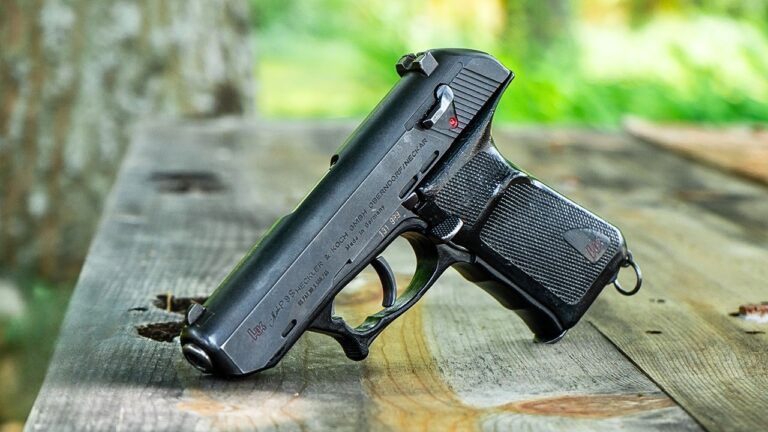
The HK P7 PSP turns otherwise practical people into excuse machines. The squeeze-cocker, the German engineering, and the cult mystique all make buyers feel like they are joining a more informed class of gun ownership. That feeling is powerful enough to carry very painful prices, especially once clean surplus and import examples start drying up.
After the purchase, the defense gets almost academic. Heat buildup becomes charming. Expensive magazines become “the price of genius.” Limited parts support becomes proof that they own something special. The P7 is clever and genuinely interesting, but it is also one of the clearest examples of buyers massively overpaying for mystique and then defending every inconvenience like it was part of the original genius.
Smith & Wesson Model 29

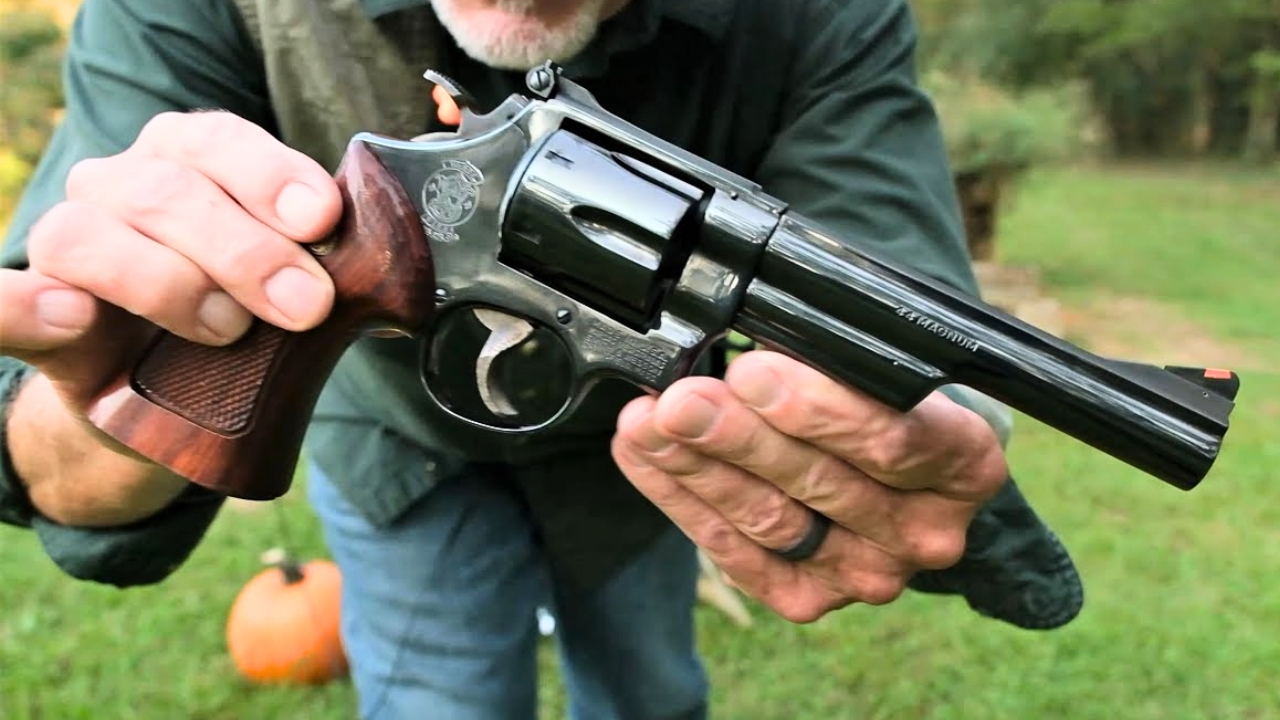
Pinned-and-recessed Model 29 revolvers attract the kind of money that makes buyers start speaking in reverent tones immediately afterward. The Dirty Harry effect, the old Smith & Wesson craftsmanship, and the broad .44 Magnum aura all combine to make people feel like they are not merely buying a revolver. They are buying status, heritage, and proof that they appreciate “the real ones.”
That is why the defense gets so intense. Once somebody pays heavily for one, every little detail becomes sacred. Wear is “character.” The premium is “obvious to anyone who knows.” In some cases, sure. In others, it is a buyer trying very hard not to notice how much the market is charging for a story he badly wanted to own. Great revolver, yes. Rational pricing, not always.
Colt Detective Special
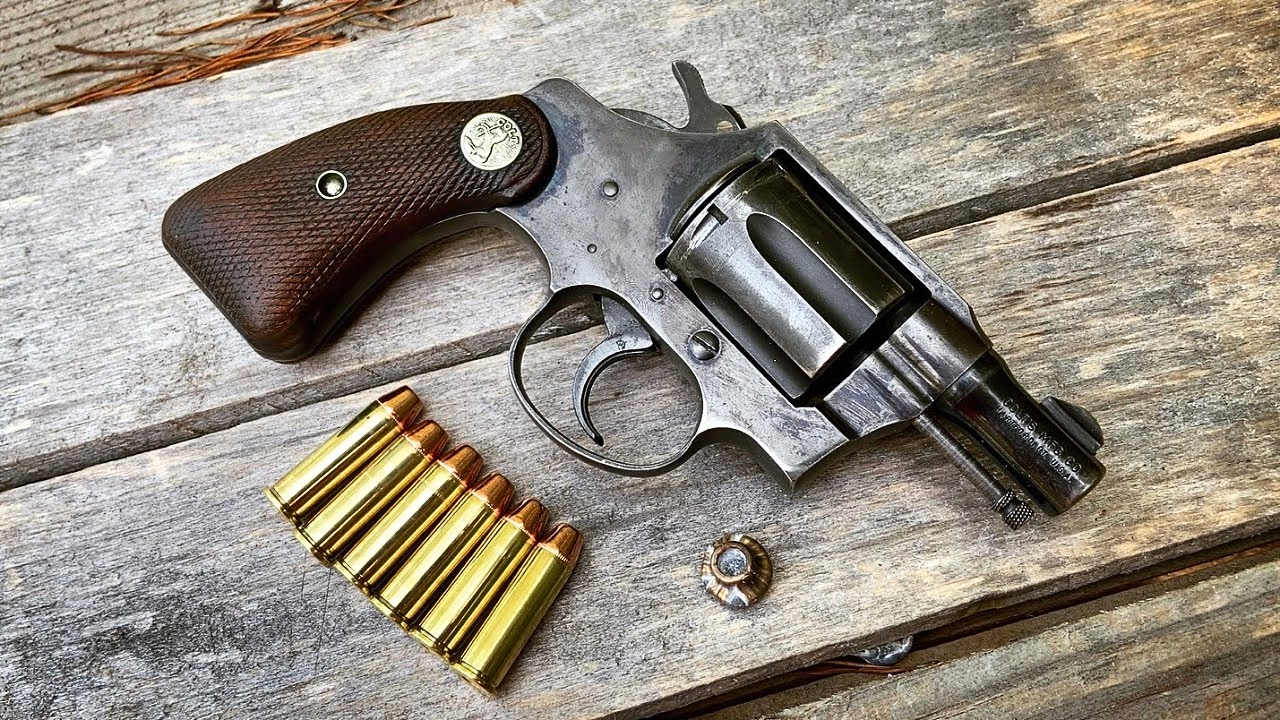
The Colt Detective Special gets buyers into trouble because it feels cool in a believable, grounded way. It is not cartoonishly collectible. It feels practical, stylish, and historically important all at once, which makes it easy for people to pay more than they should while still feeling smart. That is a dangerous combination.
Then the defense starts. The Colt name, the detective-era romance, the old-school carry appeal all get turned into shields against any honest conversation about price. Buyers start acting like every Detective Special is a historic artifact instead of an older snub-nose revolver with a big emotional premium attached. They are neat guns, but the market around them often runs much hotter than the practical value case can really support.
Swiss K31

The Swiss K31 gets massively overpaid for by buyers who love sounding like they made the smartest surplus-rifle decision in the room. It is accurate, well made, and historically interesting, no question. But once the surplus-bargain era ended, prices started climbing on a wave of “the Swiss quality difference,” and that phrase has been doing a lot of emotional heavy lifting ever since.
That is why owners defend the rifle so fiercely. They do not want to admit they paid collector money for something they once could have bought cheaply by the crate if timing had been better. So the script becomes all about straight-pull brilliance, Swiss precision, and how anybody questioning the price simply does not get it. Good rifle? Absolutely. Immune to overpaying? Not even close.
Ruger No. 1
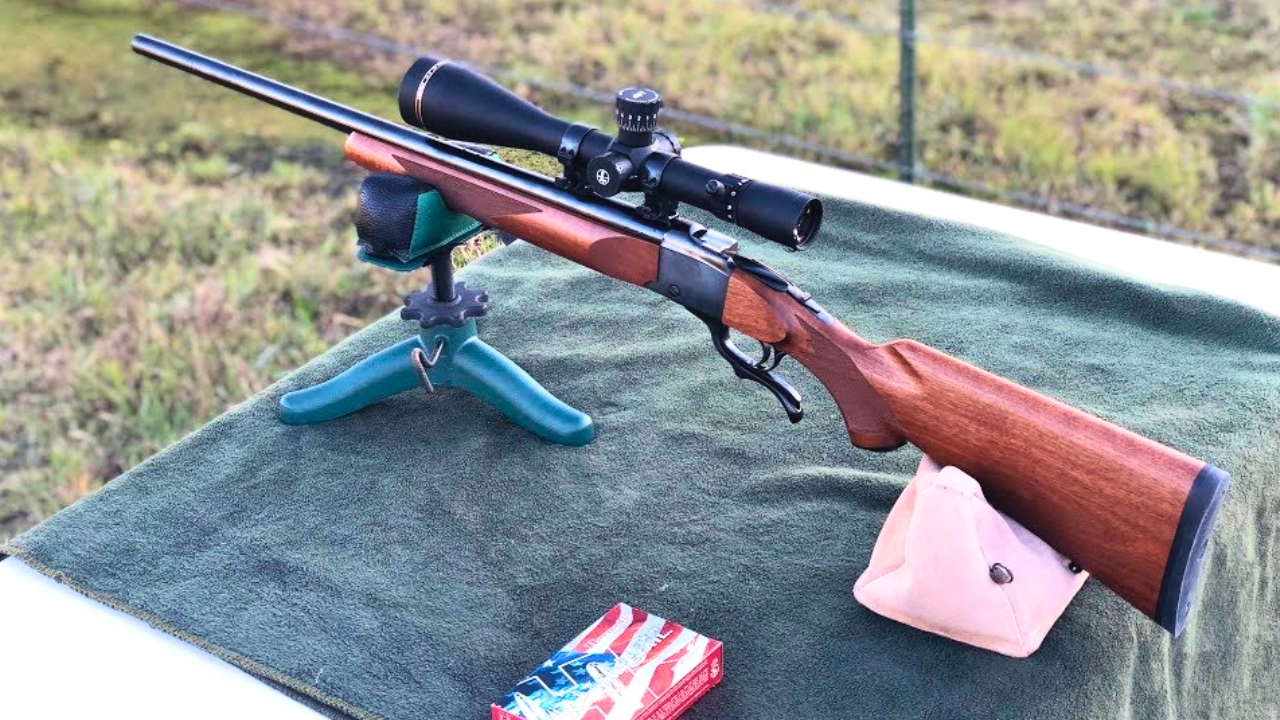
The Ruger No. 1 gets overpaid for by people who want elegance to count as hard financial logic. The rifle is undeniably handsome, and buyers often convince themselves that beauty plus falling-block mystique equals permanent value. That can push prices high in a hurry, especially in certain chamberings or wood configurations.
Then, after the purchase, the defense becomes almost philosophical. Now the rifle is not merely a single-shot. It is a statement of taste. It proves the owner appreciates refinement over utility. That may even be true, but it is also a very convenient way to avoid talking honestly about what the rifle cost and how much of that cost was driven by image. A No. 1 can be wonderful. It can also be massively overpaid for.
Colt Woodsman

The Colt Woodsman gets people into collector trouble because it sits at the intersection of classy old rimfire and Colt-name gravity. Buyers start talking themselves into paying premium money because the gun feels refined, old-world, and “not something they make anymore.” That line works surprisingly well, especially once condition and originality begin sounding like magic words.
Then the defense begins. The owner starts talking like the Woodsman is the final answer in rimfire taste, even if the price paid was driven mostly by collector mood and Colt branding. It is a very cool pistol, but many examples are not rare enough or transformative enough to justify the money changing hands. That does not stop buyers from trying to explain it afterward like they joined a higher form of gun ownership.
Walther P38

The Walther P38 gets overpaid for by buyers who let historical importance blur into personal value too easily. They see wartime roots, recognizable design, and enough collector energy to make the purchase feel automatically intelligent. That is how average examples end up bringing stronger money than their actual condition or long-term enjoyment might justify.
Once the deal is done, the owner tends to lean hard into history as a defense mechanism. Every practical complaint becomes irrelevant because “it is a P38.” That line gets repeated in different ways over and over, usually because admitting the price got ahead of the experience would be painful. Important gun? Yes. Always worth what people pay? Not remotely.
Savage 99

The Savage 99 gets overpaid for by buyers who want to feel like they appreciate something subtler than the obvious Winchester and Marlin crowd. That underdog sophistication gives the rifle a lot of pricing power. People love the rotary magazine, the old-deer-rifle aura, and the feeling that they are buying one of the “smart collector” choices.
Then they defend the purchase like it was a genius move no matter what they actually bought. Common chamberings, average condition, extra holes, worn stocks, all of it gets softened by a flood of talk about how underappreciated the 99 is. That may be partly true. It is also how buyers justify paying more than the rifle sometimes realistically deserved. The 99 is good enough to admire. It is not immune to being massively overpaid for.
Beretta 84 Cheetah

The Beretta 84 Cheetah gets overpaid for because older metal-frame .380s now hit a sweet spot for buyers who want vintage style without stepping all the way into obscure collector territory. The pistol feels classy, European, and just uncommon enough to trigger urgency. That is enough to make people spend aggressively while telling themselves they are making a sophisticated choice.
Then the defense takes over. The owner starts talking about Italian quality, old-world feel, and how modern buyers just do not understand guns like this anymore. Sometimes that is insight. Sometimes it is simply a buyer trying to explain why he paid collector-adjacent money for a stylish .380 that made his heart beat faster at the wrong moment. It is a likable pistol. It is also very easy to overpay for and then rationalize endlessly.
Like The Avid Outdoorsman’s content? Subscribe to our newsletter so you never miss an article.
Here’s more from us: