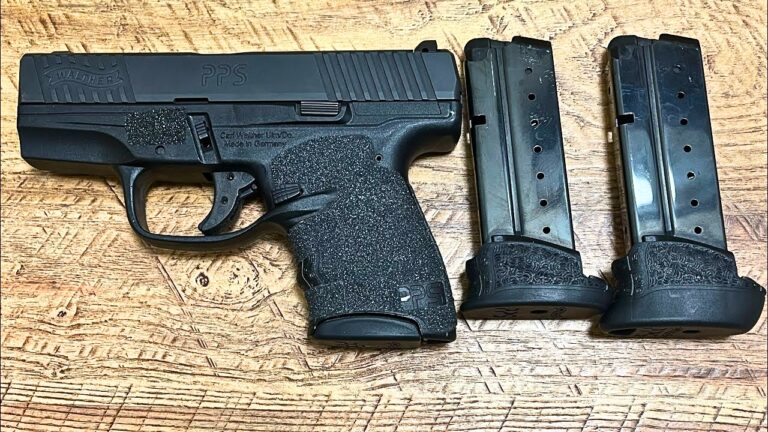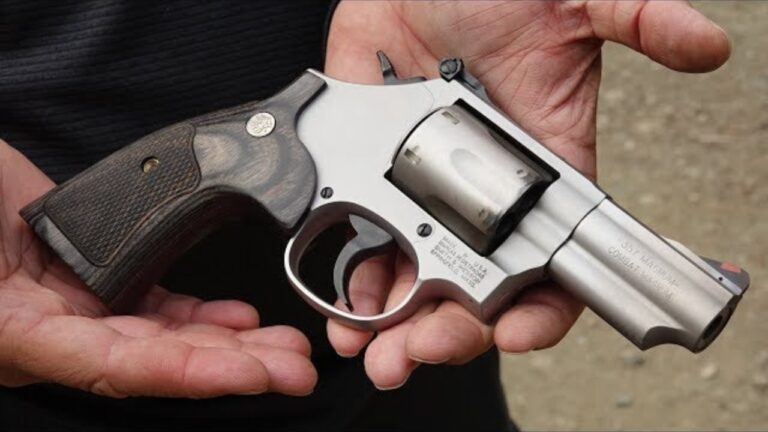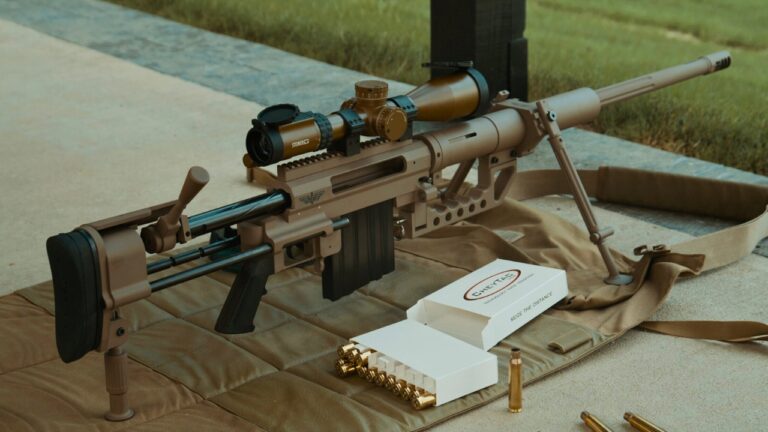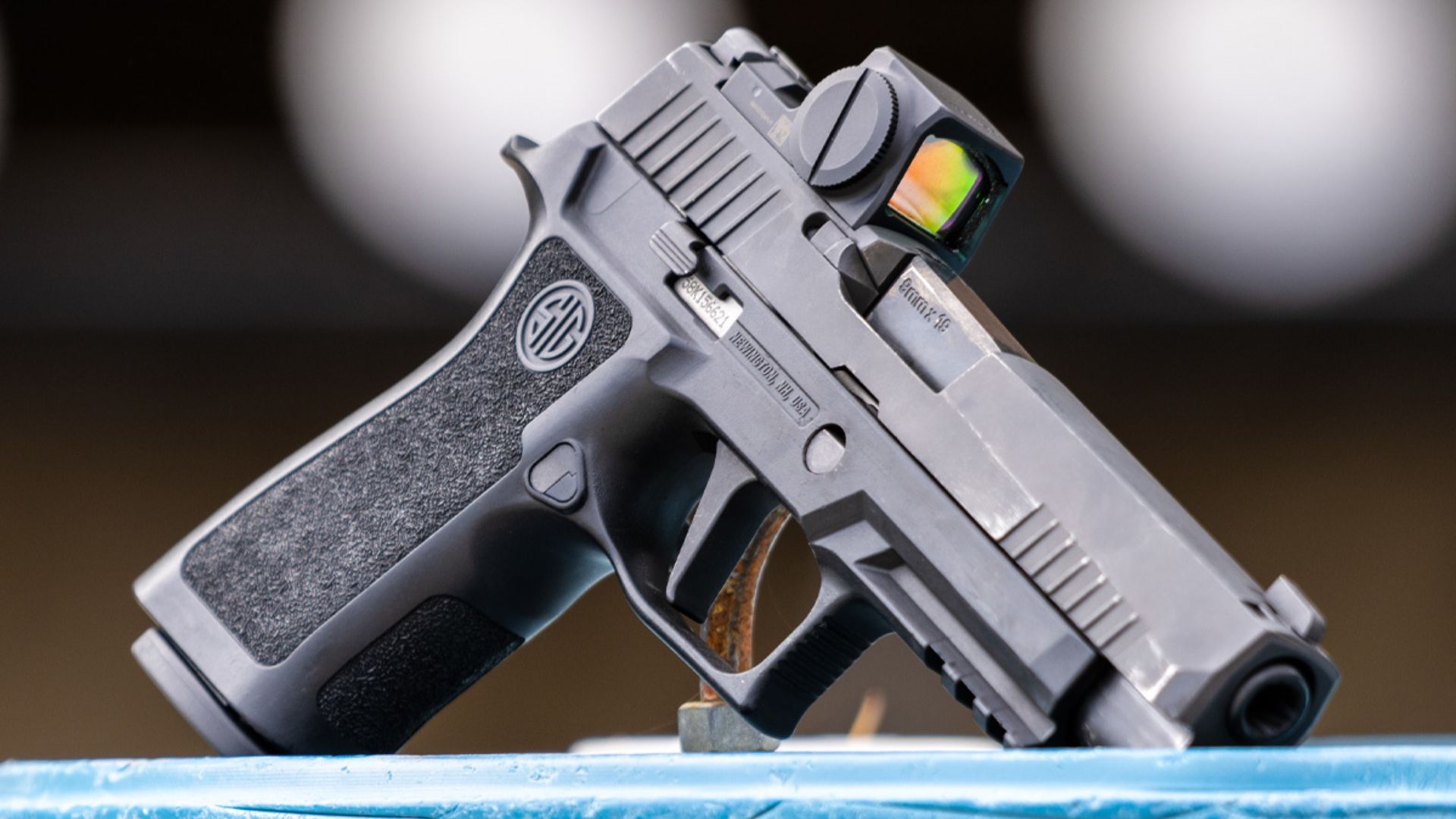
Photo credit: Sig Sauer
Brand loyalty is one of the strongest forces in the gun world. It’s not always irrational, either. Some companies earn trust the hard way with decades of dependable designs, deep parts support, and a track record that shows up in holsters and hunting camps. The trouble starts when loyalty becomes a shield. That’s when obvious problems get brushed off as “normal,” blamed on the user, or waved away because the logo on the slide feels like part of someone’s identity.
If you’ve been around enough ranges and gun counters, you’ve seen it. Every brand has strengths. Every brand also has quirks, misses, and occasional lemons. The healthiest following admits both. The most stubborn followings do the opposite—defend the flaws harder than they defend the gun. These are the gun brands with loyal fan bases that sometimes ignore problems everyone else can see.
Glock
Glock loyalty is real because the pistols are simple, durable, and supported everywhere. That’s the upside. The blind spot comes when fans act like the platform is beyond criticism, or like any complaint must be operator error. You’ll hear people dismiss ergonomics issues, personal fit, and the fact that not everyone shoots a Glock well right away. If the grip angle or trigger feel doesn’t work for you, you’re told you’ll “get used to it,” as if you owe the gun an adjustment period.
The other habit is treating modifications like a requirement while still calling the gun perfect. Plenty of shooters swap triggers, connectors, sights, and small parts immediately, then insist the stock gun needs no improvement. That isn’t hate—it’s reality. Glocks are great tools, but the fan culture can turn basic preferences and valid critiques into a loyalty test.
SIG Sauer
SIG has a following because the guns often feel refined, shoot well, and carry a serious reputation. The blind spot is how quickly fans excuse inconsistency across models and generations. Some shooters talk like the name guarantees the same experience every time, then act surprised when a new release feels different, needs sorting, or doesn’t match the older gun they loved. You’ll see a lot of “mine is flawless” used as a shield against broader complaints.
Another common dodge is treating high price as proof of perfection. A premium pistol can still have rough edges, and a strong brand can still ship a model that isn’t fully baked. SIG makes some excellent firearms. The issue is the fan tendency to defend the brand first, then evaluate the gun second. That’s backwards. You don’t buy a logo. You buy a tool you have to live with.
Kimber
Kimber loyalty is driven by looks, feel, and the idea of a slick 1911 that carries well and shoots clean. The blind spot is how often fans normalize finicky behavior as “just 1911 stuff,” even when plenty of 1911s don’t act that way. You’ll hear people talk themselves into a cycle of magazine swapping, ammo sensitivity, and break-in expectations like those are badges of seriousness instead of warning lights.
There’s also a tendency to treat a pretty gun as a good gun, and those aren’t the same thing. A handsome finish and crisp checkering don’t help if the pistol becomes a project. Kimber makes models that run great, but the following can be quick to blame the shooter, the ammo, the magazines—anything except the possibility that the pistol should have run better out of the box. A carry gun shouldn’t require you to become its mechanic.
Springfield Armory
Springfield has loyal fans because the company covers a lot of ground—1911s, polymer pistols, and rifles that hit popular price points. The blind spot shows up when supporters treat “value” as immunity from criticism. If an issue pops up, the defense is often “for the money, it’s fine,” even when the buyer paid enough that “fine” isn’t really acceptable. Value is a real strength, but it doesn’t erase design quirks or quality variation.
Another pattern is brand identity. Springfield fans often speak like the company’s best models represent the entire catalog, and that’s not always fair or accurate. A brand can make excellent products and still have a model that doesn’t shine. The healthiest approach is picking individual winners, not defending everything with the same enthusiasm. When loyalty turns into blanket approval, you stop evaluating what’s in your hands and start repeating talking points.
Taurus
Taurus loyalty has grown because the company offers feature-heavy guns at prices that let more people get into shooting. That’s a genuine benefit. The blind spot is how quickly fans dismiss concerns about consistency. You’ll hear “mine has been perfect” used as the whole argument, as if one good example proves the brand can’t have problems. It’s a tempting defense because nobody wants to feel like they compromised.
Another issue is how often the conversation turns into pride. A bargain buy can be smart, but it can also push people to ignore small warning signs because admitting them feels like admitting they made a bad call. Taurus makes guns that run and guns that don’t, like most companies. The difference is that the fan base sometimes treats criticism as snobbery instead of what it often is: a buyer trying to avoid headaches later.
Ruger
Ruger fans love Ruger for good reasons: tough designs, practical pricing, and a long history of guns that take abuse. The blind spot is the way “rugged” becomes an excuse for roughness. You’ll see fans wave away heavy triggers, sharp edges, or chunky ergonomics because the gun is “built like a tank.” Tough is great, but shootability matters too, especially if you want people to practice and improve.
There’s also a habit of defending design choices that feel behind the curve, as if being late to a trend automatically means being wiser than the trend. Sometimes that’s true. Sometimes it’s just the company moving slowly. Ruger often gets the fundamentals right, but fans can act like any complaint is nitpicking. A gun can be durable and still deserve better refinement. You shouldn’t have to choose between “will last forever” and “feels good to run.”
Colt
Colt loyalty is fueled by history. The name carries weight, and a lot of buyers want that connection to classic American firearms. The blind spot is treating the rollmark like it guarantees performance, consistency, or modern value. Plenty of Colt guns are excellent. The problem is when fans defend pricing and scarcity like they’re the same as quality. Sometimes you’re paying for the name and the story more than the shooting experience.
Another common flaw-ignoring pattern is excusing dated features as “authentic.” Authentic can be cool, but it doesn’t always align with how you actually shoot today. A classic design can still be evaluated honestly. Colt makes iconic pistols and revolvers, but the fan base can turn honest critique into heresy. If you’re buying a shooter, the question isn’t “is it Colt?” The question is “does this one do what I need without excuses?”
Smith & Wesson
Smith & Wesson has a loyal base because the company has made a lot of proven revolvers and modern pistols that many people genuinely like. The blind spot shows up in how quickly fans dismiss hits-and-misses across different eras and product lines. A brand with a long history will have high points and low points, and pretending otherwise doesn’t help buyers. You’ll also see people defend certain design changes as if acknowledging tradeoffs is disloyal.
Another pattern is overconfidence in the badge. A buyer will assume the gun will be “good because it’s a Smith,” then ignore early signs that something feels off because they don’t want to believe it. Smith makes excellent guns, but any company can ship a rough example. The fan culture sometimes treats criticism like an attack on tradition. It isn’t. It’s a reminder that the name on the frame doesn’t replace careful inspection and honest range time.
Remington
Remington loyalty is complicated because it’s tied to old trust, old hunting culture, and guns that were once the default in a lot of camps. The blind spot is how often fans defend the brand based on what it used to be, not what a buyer is actually getting today. You’ll hear people recommend a model purely because their uncle’s version ran forever, even if the current buyer is shopping a different era of production.
Another issue is nostalgia turning into denial. If a brand has had rough years, admitting that doesn’t erase the good guns it made. It simply helps you buy smarter. Remington has classics that earned their reputations, but “classic” doesn’t automatically mean “every example is a safe bet.” Loyal followings can keep a brand’s legend alive, which is fine. The mistake is letting that legend replace real evaluation of the specific rifle or shotgun in your hands.
Like The Avid Outdoorsman’s content? Subscribe to our newsletter so you never miss an article.
Here’s more from us: