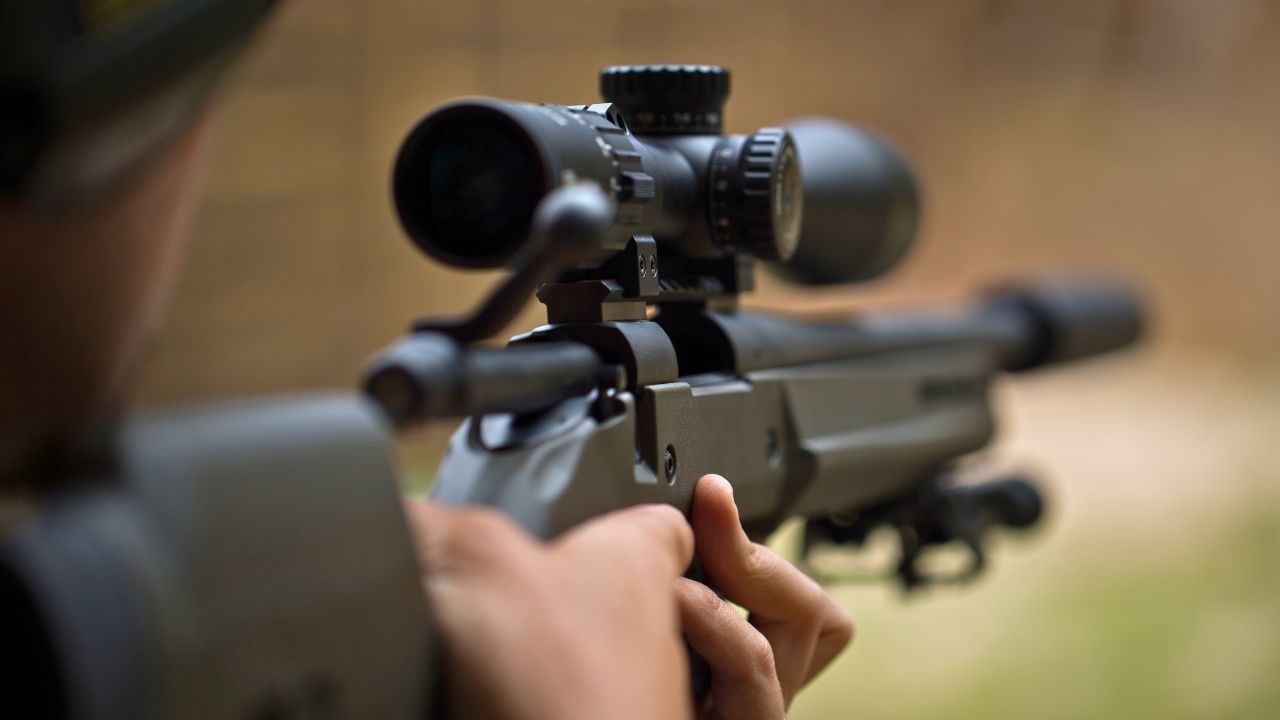
Photo credit: Studio Peace/ShutterStock.com
It’s easy to throw a fancy optic on your rifle and assume the job’s done. But even a high-dollar scope won’t save you from bad habits and setup mistakes. Whether you’re hunting, punching paper, or prepping for worst-case scenarios, your optics can either help you hit or leave you guessing. A lot of folks keep repeating the same problems and wonder why their groups don’t line up. Here are 10 optic-related mistakes that quietly mess with your accuracy—and how to fix them for good.
Mounting Without Checking Level
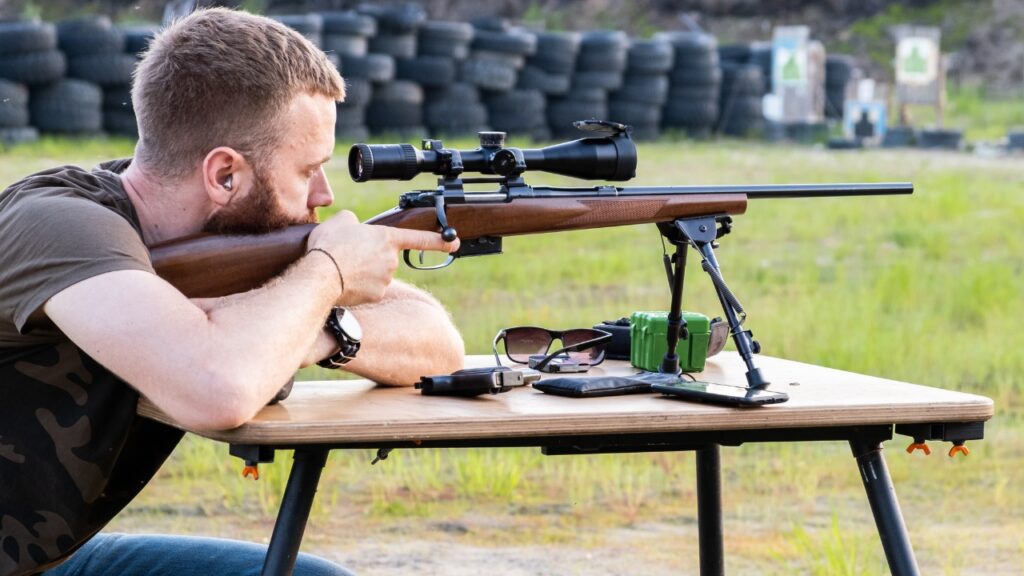
Eyeballing it won’t cut it. If your scope isn’t perfectly level, it’ll skew your windage and elevation adjustments, especially past 100 yards. You’ll chase your zero and think something’s wrong with the rifle.
This one’s easy to fix with a bubble level or a scope leveling tool. Don’t skip it. If your crosshairs are tilted and your turret clicks aren’t matching your impacts, it’s probably because your setup was off from the start. A level scope keeps everything aligned, shot after shot.
Skipping Proper Torque
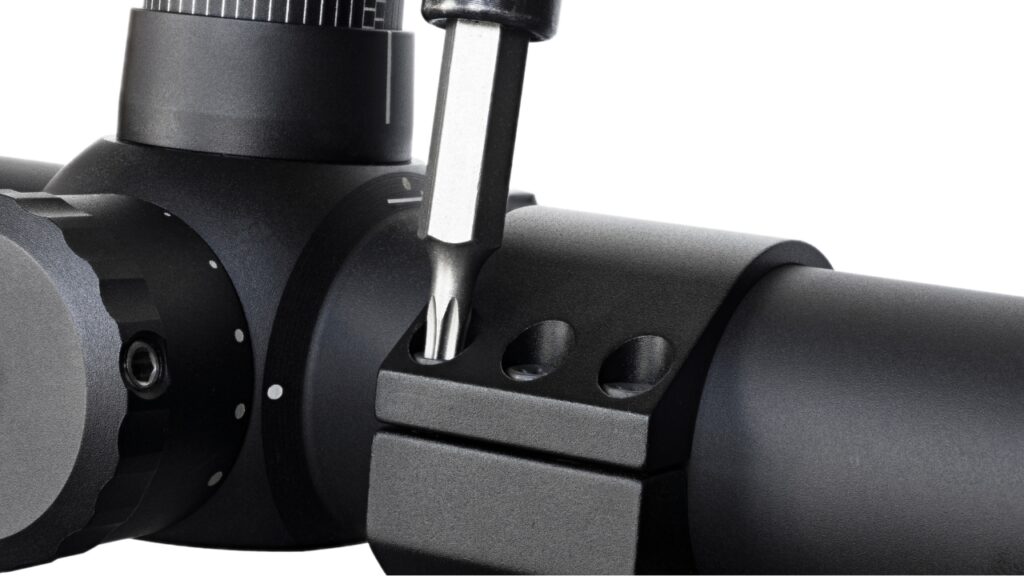
Over-tighten your rings and you could damage your tube. Leave them too loose and your scope walks with every shot. Either way, your zero won’t hold, and you’ll wonder why your rifle’s acting up.
A torque wrench is cheap insurance. Follow the specs from the scope or ring manufacturer and torque everything evenly. It’s a step a lot of folks rush, but it’s one of the most important for long-term consistency. Sloppy mounting leads to sloppy shooting, no matter how good your optic is.
Using the Wrong Rings or Mount
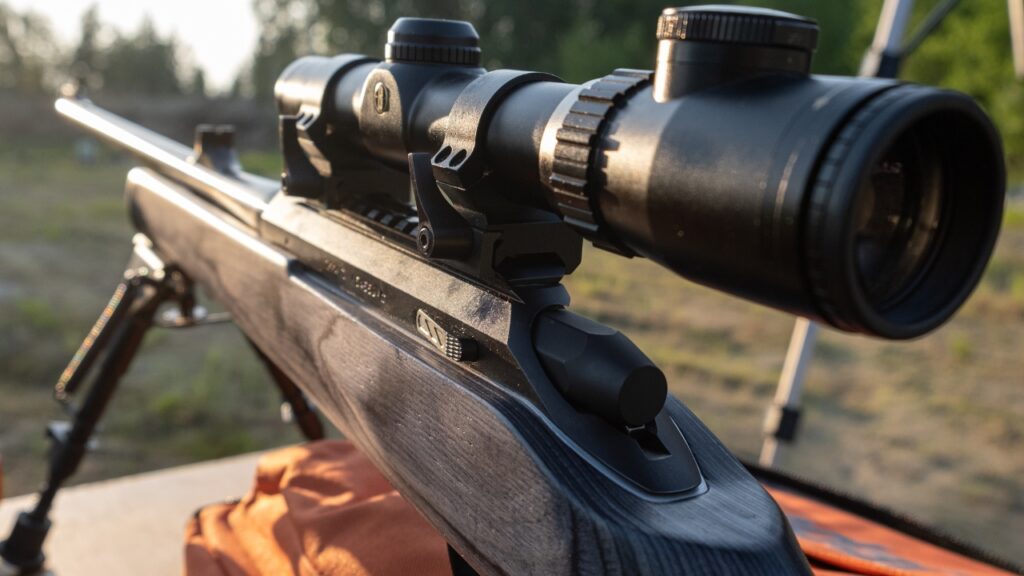
All mounts aren’t made equal. Too tall, too short, or not matched to your optic’s tube size, and you’ll struggle with eye relief or even scope damage. And cheap mounts? They shift under recoil more than you think.
Pick rings or mounts that fit your scope and your rifle. Make sure they’re solid, match your tube diameter, and keep the optic where your eye naturally lands. A good optic in a bad mount is like a racecar on bald tires—it’s not going to perform right.
Ignoring Eye Relief
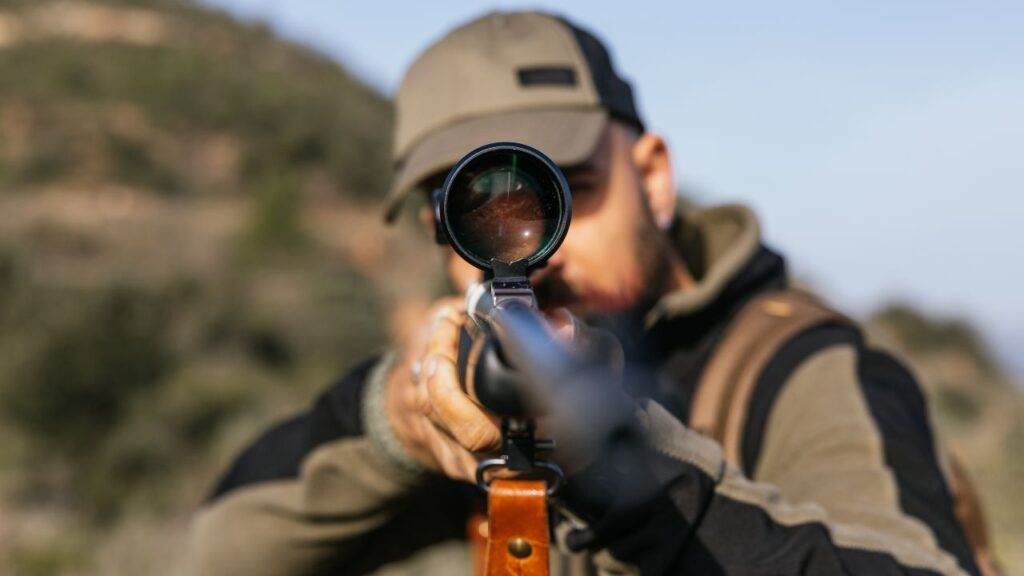
If you have to stretch your neck forward or back just to see through the scope, you’ve got a problem. Bad eye relief doesn’t just affect comfort—it impacts your field of view and consistency.
Every scope has a “sweet spot” where you get a full, clear image. If you’re fighting to find that spot every time, you’ll rush shots or break your form. Fix it by adjusting your mount position or choosing a scope with better eye relief for your setup.
Not Re-Zeroing After Changes
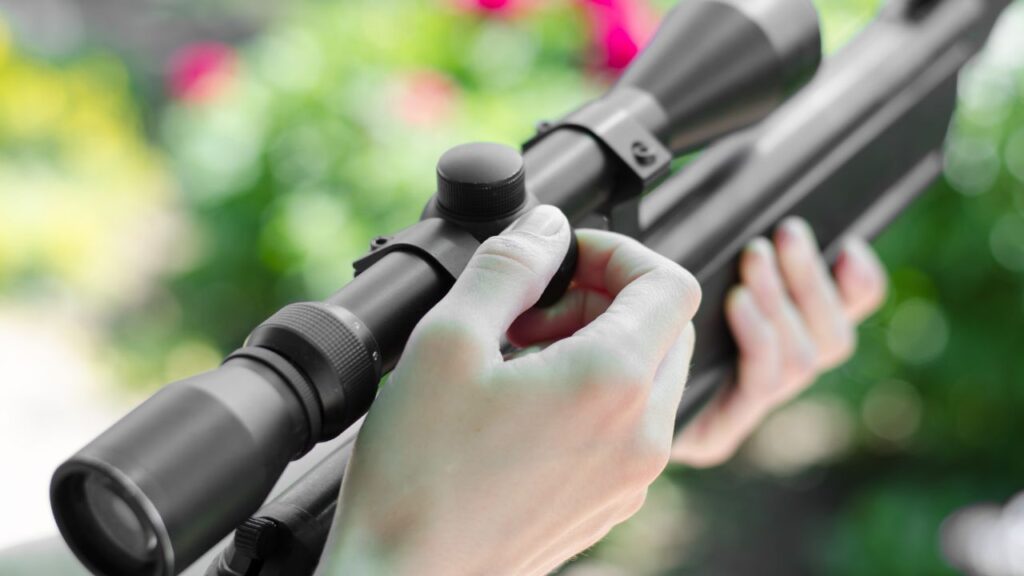
Switching ammo, changing mounts, or bumping your rifle in the truck can all mess with your zero. But a lot of folks don’t check it again until they miss a shot and start second-guessing everything else.
Re-zeroing only takes a few rounds. Any time you make a change—or at the start of a new season—get back on the bench and confirm your point of impact. It’s basic, but easy to forget when everything “seems fine.” Don’t wait for a miss to remind you.
Over-Trusting Cheap Turrets
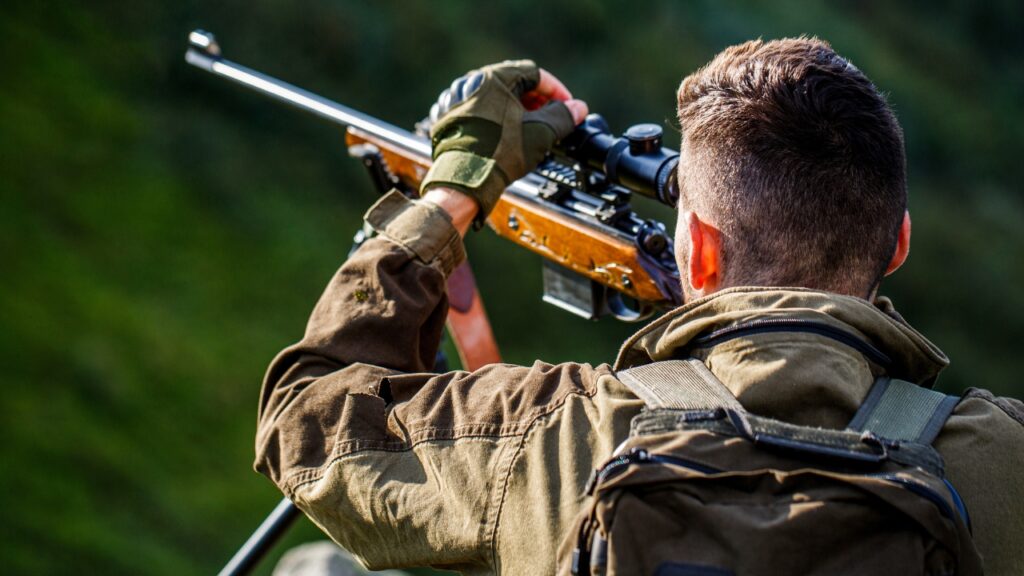
Budget optics often come with turrets that feel spongy or don’t track cleanly. You dial 4 clicks up and expect 4 inches—but your bullet says otherwise. Inconsistent tracking throws off elevation and windage adjustments fast.
If you’ve tested your turret adjustments and they don’t return to zero or match your dope, don’t rely on them. Either hold over or upgrade to better glass. Trusting faulty turrets is a recipe for frustration, especially on longer shots where every click matters.
Cranking Too Much Magnification
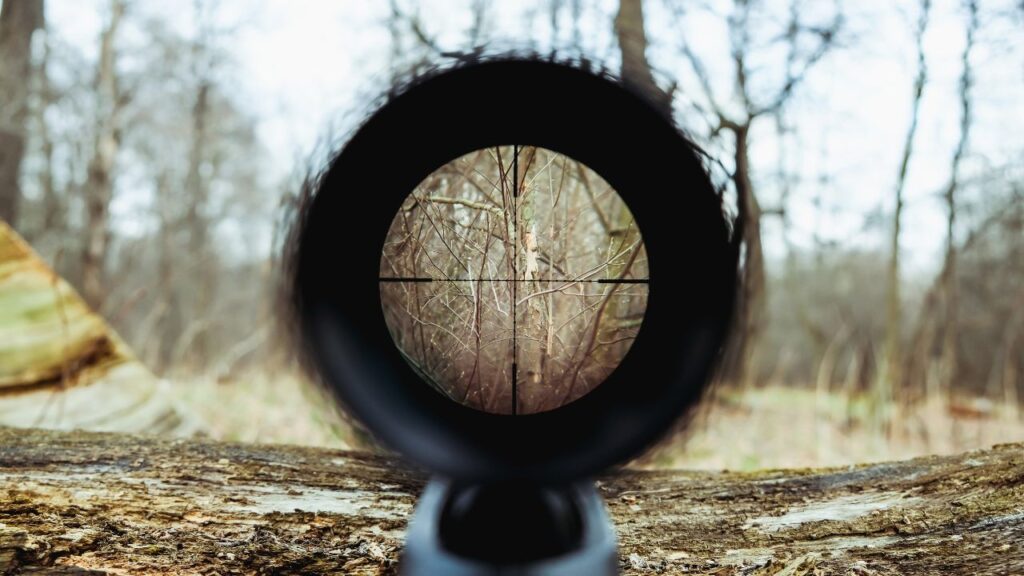
Max zoom sounds good in theory, but in practice it can shake like crazy and narrow your view. If you’re at 16x and can’t hold steady or find your target fast, you’re not doing yourself any favors.
Dialing back to 6x or 8x can actually help you shoot better. You’ll get a wider field of view and a more stable sight picture. High magnification is great for benchrest or spotting, but for real shooting, less can be more—especially in the field.
*This article was developed with AI-powered tools and has been carefully reviewed by our editors.