Photo credit: 1957Shep/YouTube
A lot of gun buyers spend years staring at the same obvious names. They chase the rifles and pistols everybody already talks about, the ones with the loud collector hype, the flashy auction headlines, and the nonstop internet chatter. Meanwhile, a different kind of gun starts moving in the background. It is not always the one people brag about first. It is the one they ignored for too long, mocked for being ordinary, or assumed would always be cheap and easy to find.
That is how some of the biggest value jumps happen. Not with the guns everybody expected, but with the ones sitting quietly on used racks until the supply got thin and the market finally woke up. By the time most people notice, the cheap days are gone. Here are 15 guns that quietly jumped in value while a lot of buyers were busy watching the wrong stuff.
Marlin 1894
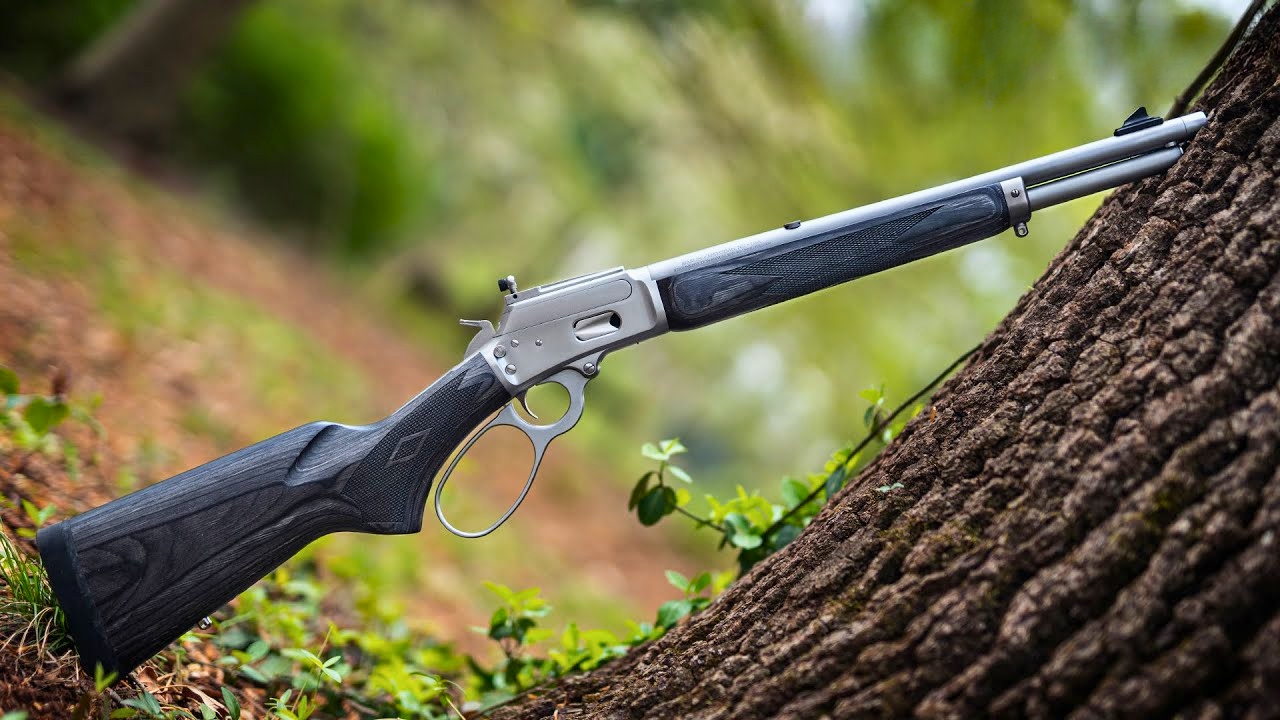
For a long time, the 1894 felt like a fun extra instead of a serious prize. A lot of buyers saw pistol-caliber lever guns as range toys, cowboy-action pieces, or just something neat to own later. That kept people relaxed about them. They assumed there would always be another one around when they finally decided they wanted one.
That turned out to be a bad assumption. Once lever guns surged again and buyers started wanting compact rifles in .357 Magnum, .44 Magnum, and .45 Colt, the 1894 stopped being a casual buy. Clean rifles got harder to find, demand got louder, and prices moved a lot faster than plenty of buyers were ready for. While people kept talking about more obvious collector rifles, these were getting expensive in plain sight.
Winchester 9422
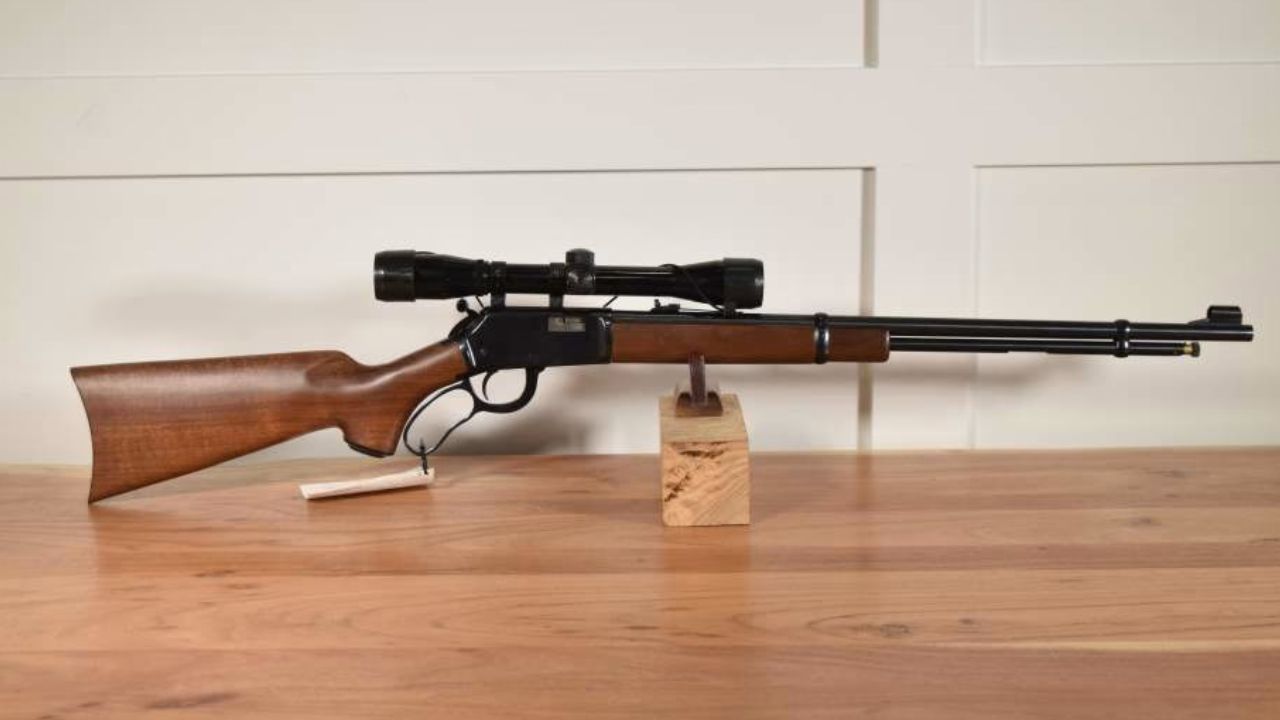
The 9422 got overlooked for one simple reason: a lot of people never take rimfires seriously until it is too late. It was a beautiful little lever-action .22, but for years that description alone kept some buyers from thinking of it as something worth chasing aggressively. It was easy to admire and easy to postpone.
That hesitation cost people. Once more buyers realized how well-made these rifles really were, the market changed fast. Nice examples stopped feeling like “just a .22” and started getting treated like the special rifles they had always been. Plenty of people were busy chasing louder centerfires while the 9422 quietly became one of the rimfires they suddenly could not buy cheaply anymore.
Smith & Wesson Model 66

A lot of buyers spent years obsessing over Python prices and high-profile snake-gun talk while good Model 66 revolvers kept building value in a quieter, steadier way. The 66 was never some mystery to experienced shooters, but it was often treated like a practical revolver first and a collectible second. That kept some people from grabbing clean ones while they still made sense.
Then the market caught up. K-frame magnums with strong condition, desirable dash variants, and original boxes stopped sitting around. Buyers who thought they were being clever by ignoring the “less sexy” Smiths eventually realized the 66 had become one of those revolvers that balanced actual shootability with collector pull. That combination usually ends up costing real money.
Ruger No. 1

The No. 1 is exactly the kind of rifle people admire while talking themselves out of buying. Too elegant, too niche, too expensive at the time, too impractical for people obsessed with repeaters. That mindset kept a lot of them moving slowly for years, especially compared to whatever louder tactical or long-range trend happened to be dominating the conversation.
Then those same buyers looked back and saw what happened. Different chamberings, limited runs, strong wood, and the simple fact that Ruger was never going to flood the world with them forever all started mattering much more. While buyers obsessed over trendier rifles, the No. 1 kept turning from “maybe someday” into “I should have bought that when it was sitting there.”
Colt Detective Special

Everybody knows the big Colt names. That is exactly why the Detective Special managed to rise more quietly than it should have. It did not have the same immediate flex value as a Python or an old Single Action Army, so a lot of buyers treated it like a nice little carry revolver with some history, not like something that needed urgent attention.
That old attitude has become expensive. Nice examples, especially early or cleaner guns, now get looked at very differently. Buyers finally remembered that compact Colts with real history do not stay cheap once enough people start wanting them at the same time. The Detective Special kept moving while the crowd was staring at more obvious trophies.
Marlin 39A

The 39A was another rifle that suffered from being “only a .22” in the minds of too many buyers. People respected it, sure, but a lot of them still treated it like the kind of rimfire they could always circle back to. That is one of the easiest ways to miss a great buy. Familiarity makes people lazy.
Then reality showed up. The 39A was not just another rimfire. It was a beautifully made lever-action with real quality behind it, and once production stopped and good examples started tightening up, prices followed. While the market was busy making noise about other categories, the 39A quietly turned into one of the rifles buyers wish they had grabbed when it still felt easy.
Browning BLR

The BLR spent years in an awkward middle lane. It was not the lever gun traditionalists romanticized, and it was not the straightforward bolt-action that most hunters bought by habit. That made it easy to like without feeling much urgency. Plenty of buyers told themselves they would get one eventually, especially if they stumbled across a good price.
That window narrowed quickly. Once shooters started appreciating the detachable magazine setup, stronger chamberings, and genuinely useful field handling, the BLR stopped being a rifle that waited around. Nice older examples, especially in appealing calibers, got a lot less casual. The rifle people once left on the rack because it was “interesting but not today” became the one they started searching for when it was already too late.
Smith & Wesson Model 41

While a lot of handgun buyers were busy chasing defensive pistols, duty guns, and whatever new carry gun got hyped online, the Model 41 kept climbing in the background. It never disappeared from serious shooters’ radar, but it did stay outside the center of the loudest mainstream collector talk for a long time.
That helped it move quietly. A beautifully made target .22 pistol with real pedigree was never going to stay cheap forever, especially once buyers started appreciating quality rimfires and target pistols more seriously. The Model 41 was one of those handguns that did not always get the same noisy attention as flashier collector pieces, but the prices kept telling the real story anyway.
Winchester 88

The Winchester 88 was easy to overlook because it never fit neatly into the categories people get most sentimental about. It was not the classic lever gun look many buyers wanted, and it was not the standard bolt rifle they trusted by habit. That left it underappreciated for a lot longer than it should have been.
Once the market started rewarding uniqueness and field-smart designs, the 88 began to look much sharper. Clean rifles stopped being easy to bump into, and buyers realized the rifle had more real-world appeal than its old “odd Winchester” reputation suggested. While people kept fighting over more predictable choices, the 88 got harder to touch without paying up.
Ruger Blackhawk three-screw revolvers

A lot of buyers paid attention to Colt single-actions and ignored just how much old Ruger three-screw revolvers were doing in the background. They had loyal fans, but they did not always get talked about with the same collector intensity. That kept some people from seeing how much upside was sitting there.
Then more buyers started waking up to originality, condition, and the simple appeal of old Ruger single-actions with real character. Good three-screw guns began moving much harder than many casual buyers expected. While people were busy watching the obvious big-dollar Western names, these revolvers kept climbing with a lot less noise and a lot more surprise.
SKS

The SKS may be one of the best examples of this whole pattern. For years, people treated them like surplus leftovers that would stay cheap forever. They chopped them up, tossed original stocks, and acted like matching, clean examples would always be sitting in a corner somewhere for easy money. That kind of confidence almost always ages badly.
And it did. Once imports tightened and originality started mattering, buyers suddenly had to pay real attention. Matching rifles, cleaner imports, and unmolested examples started pulling much stronger money than people were used to seeing. Plenty of buyers were too busy chasing black-rifle status symbols to notice that the old SKS had quietly become far more valuable than anybody expected.
Browning Safari Grade rifles
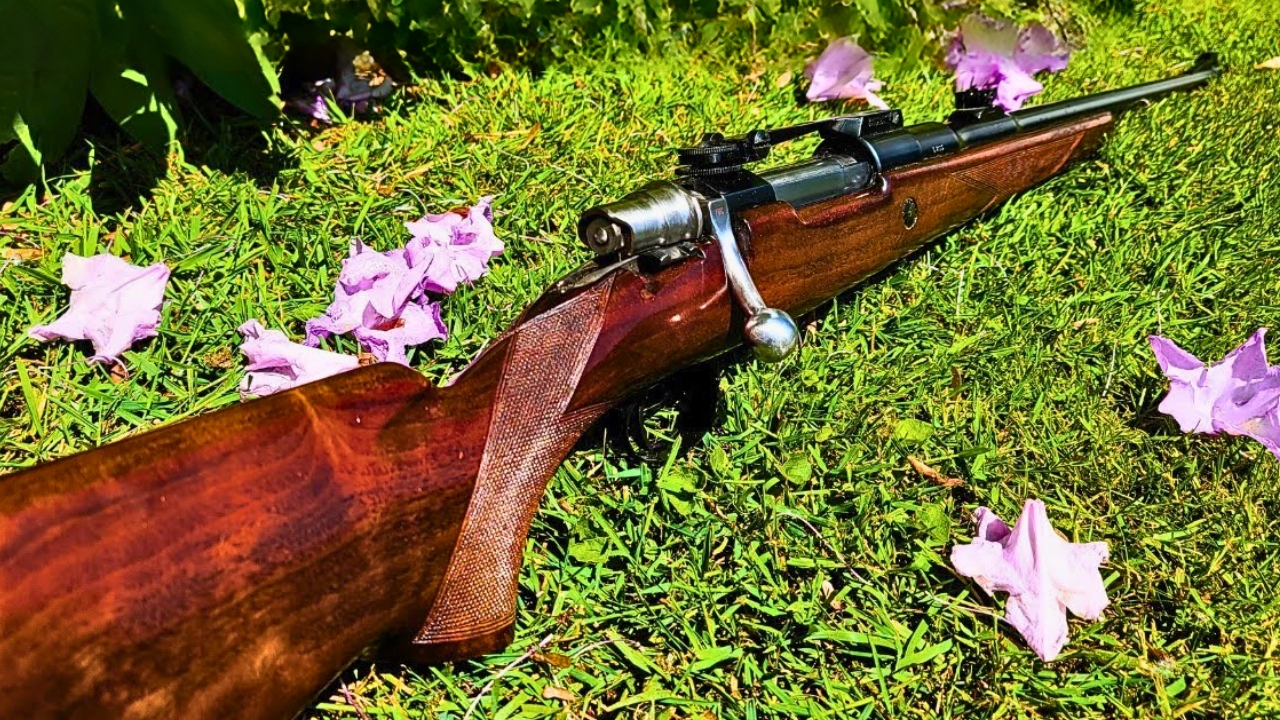
Safari Grades used to be the kind of rifles people admired without always pouncing on. Nice wood, strong fit and finish, and real class were all there, but many buyers still talked themselves into more modern or cheaper rifles because the Safari Grade felt like something they could always come back for later.
Later got much more expensive. Once collectors and hunters started valuing older Browning sporting rifles with stronger urgency, those old bargains disappeared. While buyers watched the wrong categories and waited too long, these rifles slipped into a much pricier lane and did not look back.
Colt Woodsman

The Woodsman was always respected, but it did not always get chased the way some of Colt’s louder revolvers and centerfire pistols did. That gave buyers the illusion that these elegant little .22s could wait. A lot of them figured they would grab one eventually, especially if they stumbled across a clean one at a reasonable number.
That thinking aged poorly. As more people started appreciating old Colt rimfires for their design, feel, and condition-sensitive collectibility, the Woodsman became much less forgiving to late buyers. While everyone else watched the obvious centerfire names, this one kept building value in a much quieter, smarter way.
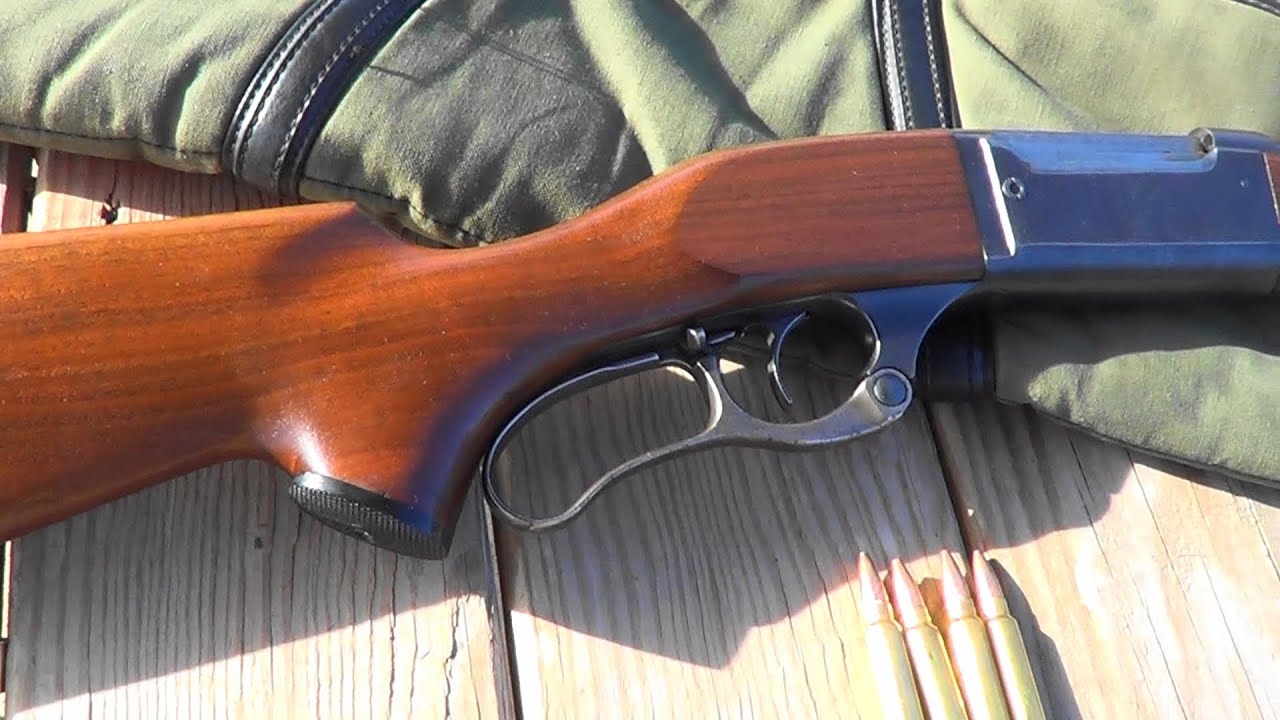
Savage 99
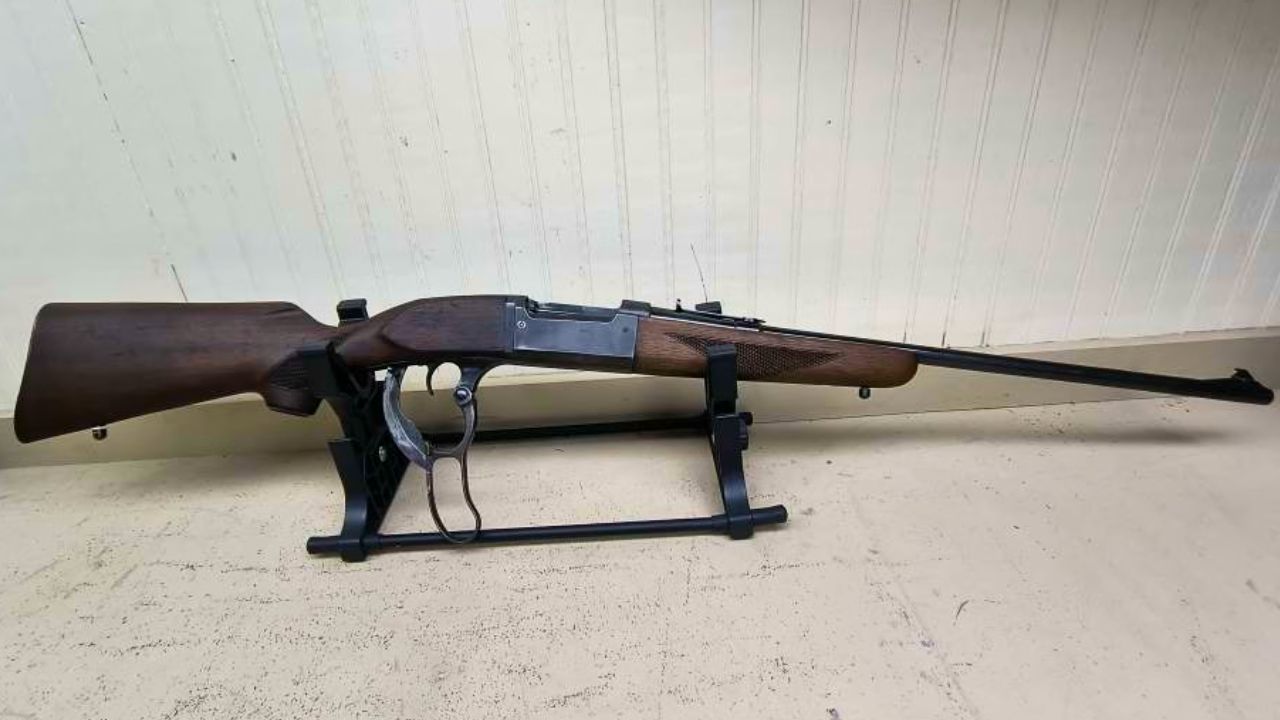
The Savage 99 had a long run of being respected but not urgently pursued by the broader buying crowd. It was clever, it was historic, and it had loyal fans, but plenty of people still treated it like a neat old lever gun they could always circle back to. That kind of delay is exactly how good guns quietly become expensive.
Once enough shooters and collectors started appreciating the rifle’s real design appeal, balance, and scarcity in better configurations, prices started moving. The 99 was not screaming for attention like some other classics. It did not need to. It just kept climbing while people looked elsewhere.
Remington Nylon 66

The Nylon 66 is another one that got punished for looking too different too early. Plenty of buyers saw it as odd, too synthetic, too light, or too unusual to ever matter as much as more traditional rifles. That helped keep values from catching up right away, even though the rifle had real charm and a very distinct place in firearms history.
Then buyers started reevaluating what made certain guns collectible. Distinctive design, era-specific character, and surviving examples in strong shape all began to matter more. While the market was making louder noise about other guns, the Nylon 66 quietly stopped being a novelty and started being something buyers actually had to think hard about before paying.
CZ 527

The CZ 527 always had people who knew how good it was, but that does not mean the wider market treated it with enough urgency. For years, it was easy for buyers to appreciate the trim action and practical field feel without believing they needed to buy one immediately. The rifle had fans, but it was still underhunted compared to louder names.
Once it was gone, the tone changed. Buyers started noticing how few rifles still offered that same small-action charm and honest field handling. Good 527s in useful chamberings stopped being casual finds. While buyers stared at trendier bolt guns and tactical setups, the little CZ kept getting harder to buy without stretching the budget.
Like The Avid Outdoorsman’s content? Subscribe to our newsletter so you never miss an article.
Here’s more from us: