Photo credit: Anastasiya Shatyrova/Shutterstock.com
It’s easy to assume the problem is you when something isn’t working on the range. Most of us have heard it enough times—focus on fundamentals, work on your trigger control, tighten up your grip. All of that is solid advice, and a lot of the time it’s exactly what you need. That’s why I spent longer than I should have blaming my own shooting when my groups started opening up for no clear reason. I kept telling myself I needed more practice, more discipline, more reps. What I didn’t want to admit was that something felt off in a way that didn’t match how I was actually shooting. The gun was steady, my trigger press felt clean, but the results weren’t lining up.
That disconnect is what finally pushed me to look closer at the optic. Up until that point, I had trusted it without question. It held zero when I first mounted it, and nothing seemed obviously wrong. But as I kept shooting, I started noticing small inconsistencies that didn’t make sense. Shots would drift slightly from where they should have been, and the pattern wasn’t consistent enough to blame on my technique alone. That’s when it started to sink in that the optic might be introducing problems I was trying to fix with practice. Once I started testing that idea, it became clear that I hadn’t been the issue the whole time.
Inconsistent groups are a warning sign
The first real clue was the inconsistency in my groups. It wasn’t that I couldn’t hit the target—it was that my hits didn’t cluster the way they normally would. Some groups looked fine, others spread out in ways that didn’t match how I was shooting. That kind of inconsistency is one of the hardest things to diagnose because it doesn’t point clearly to one problem. If it’s your fundamentals, the pattern usually shows it. If it’s the equipment, the pattern can feel random.
I started paying closer attention to each shot, focusing on what I saw through the optic before and during the trigger press. Everything looked right, but the results didn’t match. That’s a frustrating place to be as a shooter because it makes you question your own ability. In reality, it was the optic failing to provide a stable, reliable point of reference.
Optics can fail without completely breaking
One of the biggest misconceptions is that an optic has to completely fail to be the problem. In reality, optics can develop small issues that don’t look dramatic but still affect performance. Slight shifts in zero, inconsistent internal adjustments, or even subtle movement under recoil can all throw off your accuracy.
In my case, the optic wasn’t falling apart or going completely dead. It was just inconsistent enough to cause problems. That made it harder to identify because there wasn’t a clear moment where it obviously failed. It just slowly stopped performing the way it should have.
Mounting and internal issues both matter
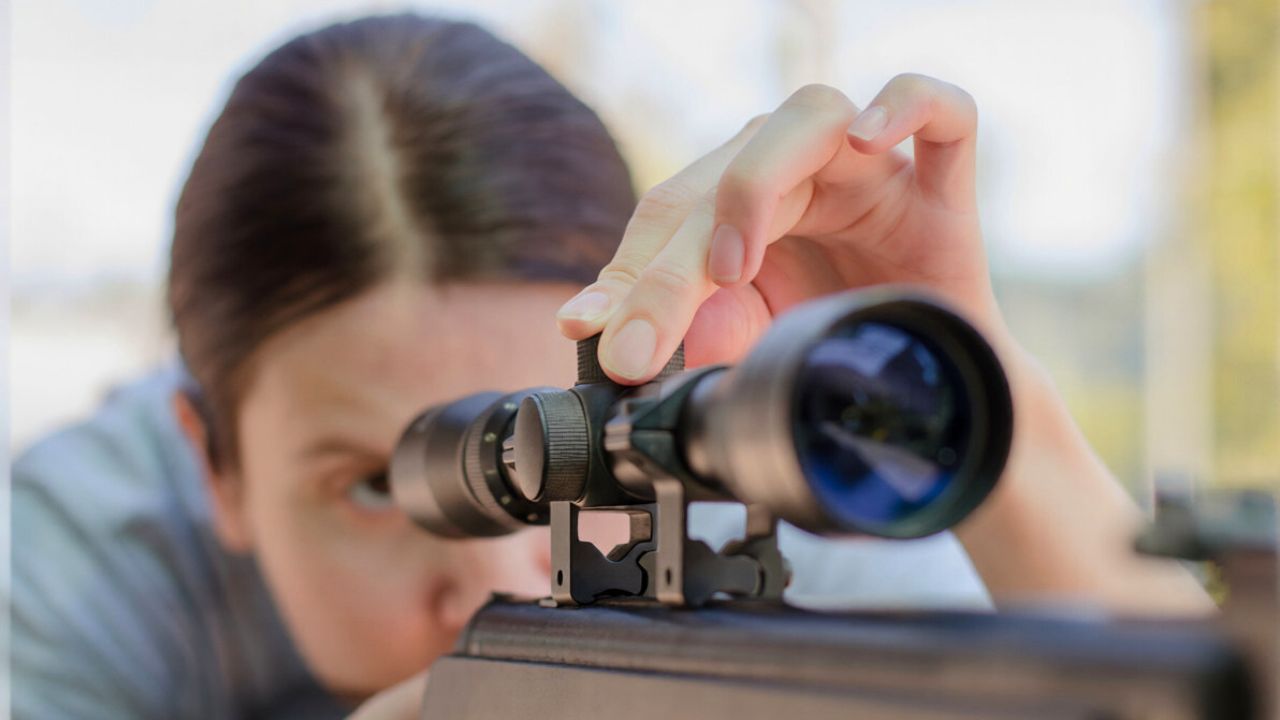
I also had to consider whether the issue was the optic itself or how it was mounted. Loose mounting hardware can create similar problems, so I checked everything—tightened screws, confirmed alignment, and made sure nothing was shifting externally. When the problem persisted, it pointed more directly to the optic.
Internal issues are harder to see but just as important. If the components inside the optic aren’t holding steady under recoil, your point of aim can shift without any visible sign. That’s exactly the kind of problem that leads shooters to blame themselves first.
The difference was obvious once I swapped optics
The moment I replaced that optic, everything changed. My groups tightened immediately, and the inconsistency disappeared. I didn’t suddenly become a better shooter overnight—the variable that changed was the equipment.
That experience stuck with me because it showed how easy it is to misdiagnose a problem. Shooters are taught to look inward first, and that’s usually the right move. But sometimes the gear is the weak link, and no amount of practice will fix it.
Not every problem is a training issue
There’s value in pushing yourself to improve, but there’s also value in recognizing when something isn’t right with your equipment. If you’re doing everything the same way and getting inconsistent results, it’s worth taking a closer look at the gear you’re using.
That doesn’t mean jumping to blame equipment every time something goes wrong. It means being honest about patterns and paying attention to what the gun is telling you over time.
Good optics build confidence
Once I had a reliable optic in place, the entire shooting experience felt more consistent. I trusted what I was seeing, and that trust allowed me to focus fully on my shooting instead of second-guessing it.
That’s what good equipment does. It removes doubt. It lets you focus on execution instead of troubleshooting.
Sometimes the problem isn’t you
That was the hardest part to admit. I had spent a lot of time assuming I was the issue, working harder to fix something that wasn’t entirely my fault. Once I accepted that the optic was the problem, everything made more sense.
It’s a lesson I’ve carried forward. Fundamentals matter, but equipment matters too. And sometimes, the smartest thing you can do is stop blaming yourself long enough to take a hard look at the gear you’re running.
Like The Avid Outdoorsman’s content? Subscribe to our newsletter so you never miss an article.
Here’s more from us: