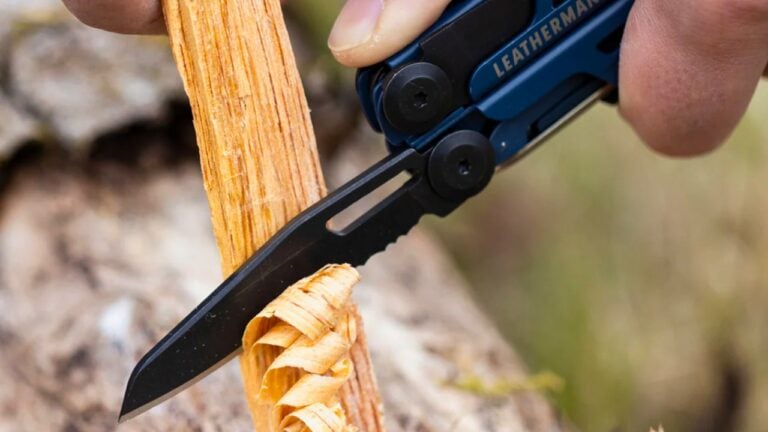
Photo credit: Morakniv
Custom knives are cool. I get it. A hand-rubbed finish, a maker’s mark, exotic scales, and a sheath that looks like it belongs on a magazine cover. But out in the woods, most of us need a knife that cuts, carries, sharpens back up without drama, and doesn’t make you nervous every time you bump a rock or drop it in the leaves.
Here are 20 production knives that flat-out perform. Some are inexpensive, some aren’t “cheap,” but all of them make the leap to a high-dollar one-off blade a lot harder to justify if what you want is a dependable tool for hunting, fishing, camp chores, and everyday carry.
1. Morakniv Companion (Fixed Blade)

There’s nothing fancy about it, and that is kind of the point. The Companion cuts way above its price, especially for camp food, cordage, feather sticks, and the hundred little chores that happen around a truck tailgate. The handle fills the hand even when it’s cold, and the plastic sheath actually rides well on a belt without flopping around.
Steel options vary, but even the basic versions sharpen fast and don’t punish you for learning. You can beat one up, lose it, replace it, and keep moving. If you’re honest with yourself, a lot of “custom-level” knife use is just clean slicing and basic control work. The Companion does that all day.
2. Morakniv Garberg (Full Tang)
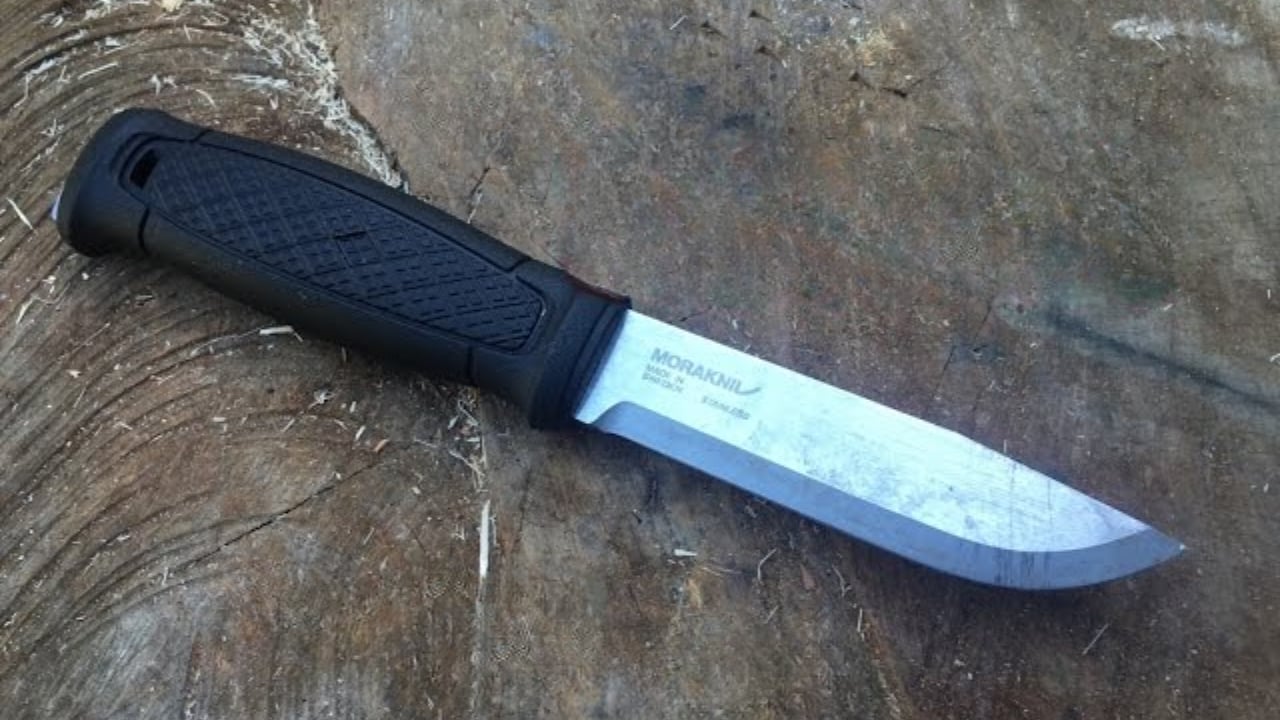
The Garberg is what a lot of folks wish their “do everything” knife was when the weather turns mean. Full tang, stout spine, and enough blade thickness to handle real work without feeling like a pry bar. It’s a good fit for someone who wants one fixed blade for camp, fire prep, and general woods carry.
What makes it hard to ignore is how predictable it is. The grind cuts well, the handle doesn’t chew your hand up, and it’s easy to touch up in the field. You can spend custom money chasing “bombproof,” or you can buy this and put the extra cash into boots, fuel, or tags.
3. ESEE-4 (1095 Carbon Steel)

I’ve seen ESEE knives look rough after a few seasons and still be completely trustworthy. The ESEE-4 hits a sweet spot for hunters and campers because it’s not huge, but it’s not dainty either. It rides well on a pack strap or belt, and it’s stout enough that you don’t baby it.
1095 takes a patina and will rust if you ignore it, so you do need a little common sense. The upside is field sharpening is easy, and the edge geometry is practical. It’s a knife you can actually use hard without feeling like you’re damaging a showpiece.
4. ESEE Izula II
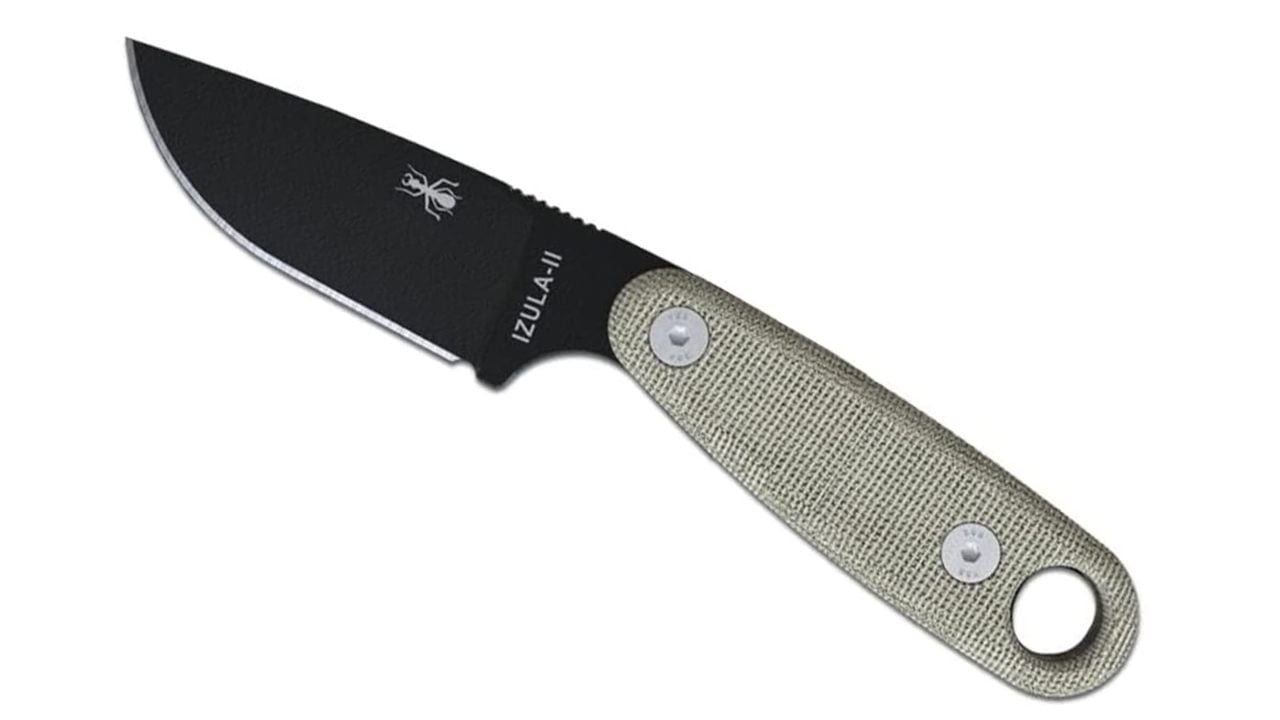
The Izula II is the “always on you” fixed blade that ends up doing more than the big knife back at camp. It’s small enough to disappear on a belt or in a pocket sheath, but the slightly longer handle on the II version makes it usable with real control. For small game, fishing chores, and backup blade duty, it’s a workhorse.
This is one of those knives that makes you question why you’d carry something expensive for daily cutting. It sharpens easily, takes abuse, and doesn’t care if it gets rained on. If you want a simple tool that earns its keep, the Izula II gets there without drama.
5. KA-BAR USMC (1217)
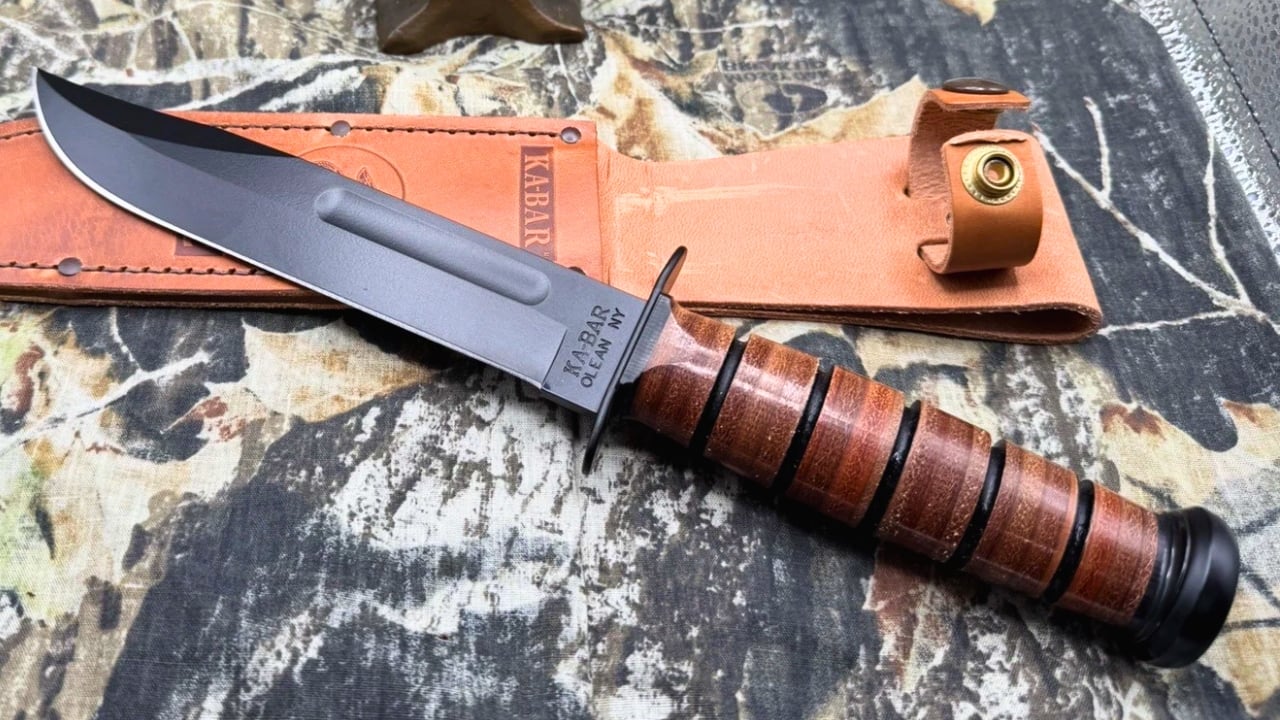
It’s big, it’s classic, and it’s still relevant. The USMC pattern has been around forever because it works for general camp chores and tough use, especially when you want some reach and a handle that’s easy to index. It’s not a scalpel, and it’s not meant to be.
The magic here is value and replaceability. You can take one hunting, keep one in a truck kit, and not feel like you’re risking a collector piece. If you want a knife that feels like a “real knife” in the hand and can take a bump or two, this one keeps showing up for a reason.
6. Buck 110 Folding Hunter
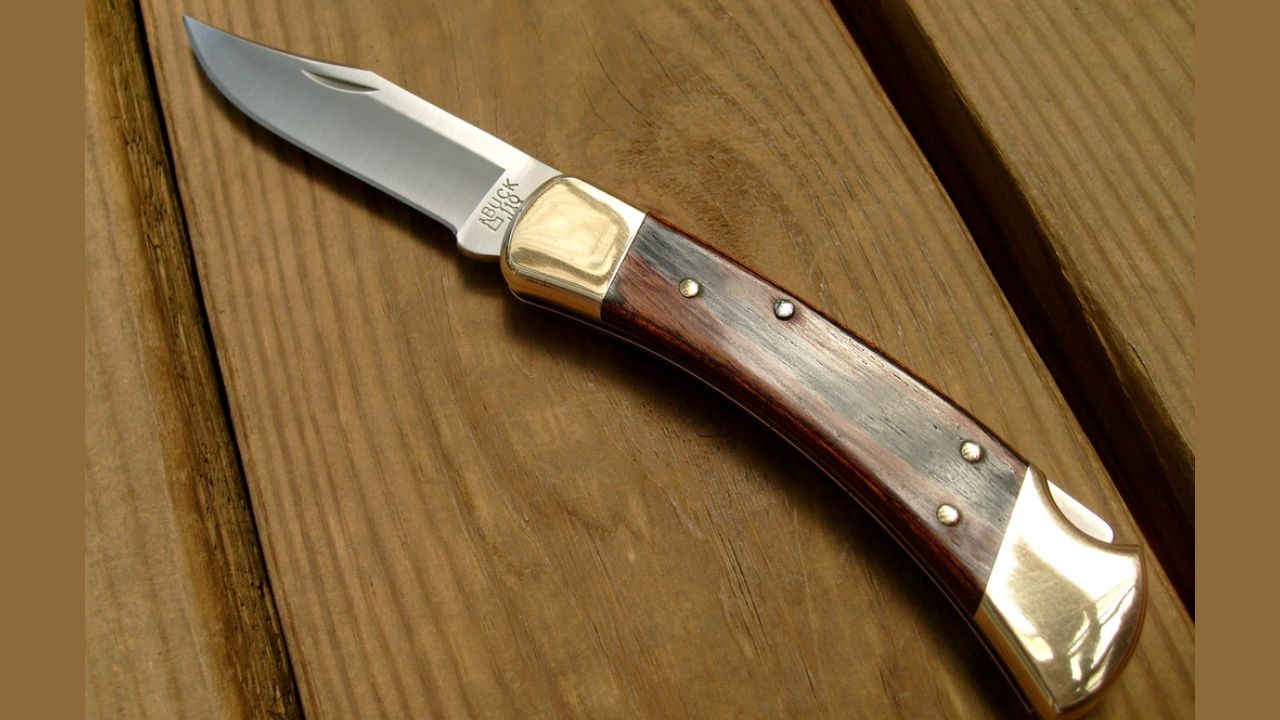
If you’ve hunted long enough, you’ve seen one of these on somebody’s belt. The Buck 110 is not light, not trendy, and not trying to be. It’s a solid lockback with enough blade to dress deer, cut rope, or handle camp chores without feeling like you’re working with a toy.
The 110’s edge holding is legit, and the blade shape just works on hide and tissue. Yes, it’s heavier than modern folders, and the nail nick isn’t fast. But it’s the kind of knife that still functions after years of pocket lint, dust, and honest use. Custom looks are nice; this is the real deal for normal work.
7. Buck 119 Special

The 119 is one of those knives that shows up in old photos for a reason. It’s a straightforward fixed blade that does hunting tasks well, from opening up a deer to trimming around joints. The handle shape is comfortable for long sessions, especially when your hands are wet or cold.
Is it the fanciest steel? No. But it sharpens easily, carries well in the included sheath, and doesn’t ask for special treatment. A lot of expensive knives are “too pretty” to get bloody and scratched. The 119 doesn’t care, and that’s what makes it useful.
8. Ontario RAT-1 (AUS-8 or D2)
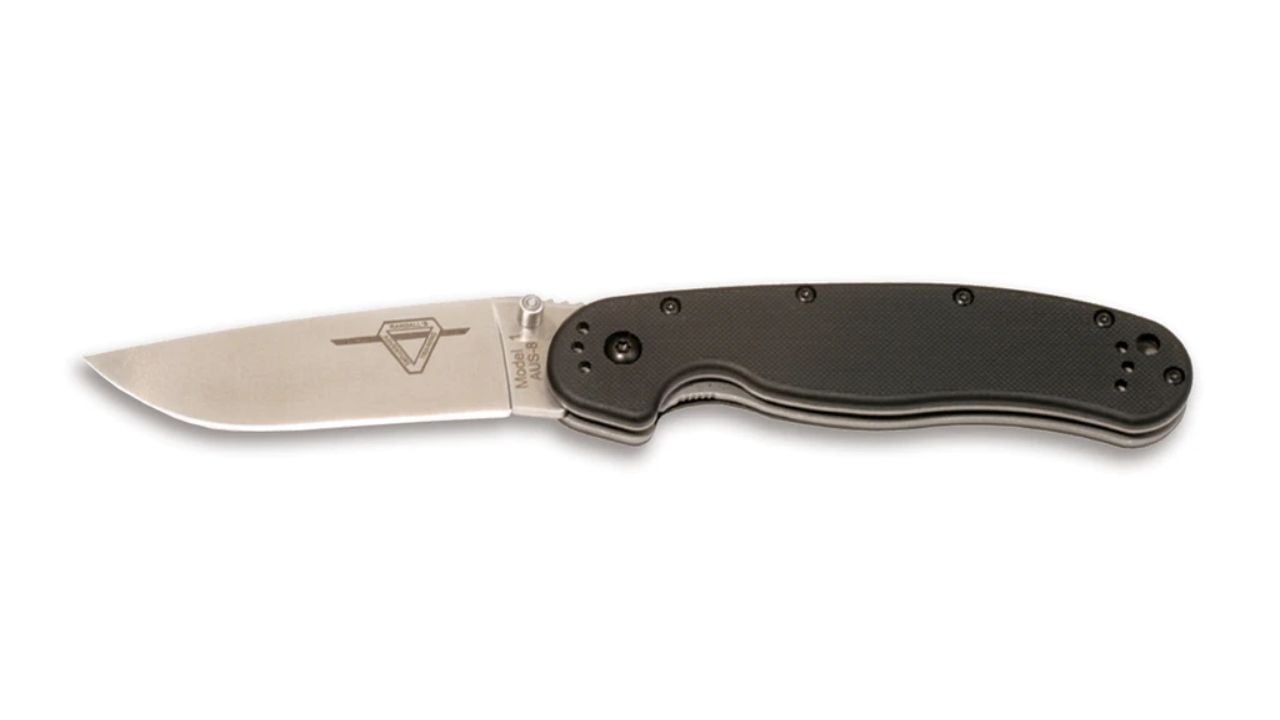
The RAT-1 is a budget folder that feels like it should cost more. Good ergonomics, plenty of grip, and a blade shape that’s actually useful for slicing. It’s not a tiny EDC toy; it’s a working knife you can carry when you’re doing real tasks around a property or camp.
It’s also easy to live with. The action is usually solid, the lockup is dependable, and the knife isn’t finicky about sharpening. For the money, it’s hard to argue you “need” a custom folder for daily cutting. Unless you just want the art, the RAT-1 gets the job done.
9. Ontario RAT-2

The RAT-2 is what happens when you want the RAT-1 feel but in a pocket-friendlier package. It disappears easier in lightweight pants, rides well clipped, and still gives you a full grip. For around-the-house chores, fishing days, and general carry, it’s a sweet spot.
Where it shines is being boring in a good way. You don’t worry about it. You use it. You touch it up and keep going. A custom knife can make you hesitate on dirty jobs like cutting feed bags, trimming rubber hose, or breaking down cardboard. The RAT-2 is happy to be used.
10. Spyderco Delica 4

The Delica is one of the best “real world” cutting tools ever made, and I’ll stand by that. The blade geometry is thin enough to slice like crazy, and the ergonomics are better than they look. In the pocket, it’s light, secure, and not a nuisance when you’re climbing into a stand or hopping in and out of a truck.
The opening hole is not just a gimmick; it’s easy with gloves once you learn it. Steel options are usually sensible, and the knife is easy to maintain. If your day is mostly cutting rope, tags, tape, and food, the Delica covers a lot of ground that expensive customs claim to own.
11. Spyderco Para Military 2
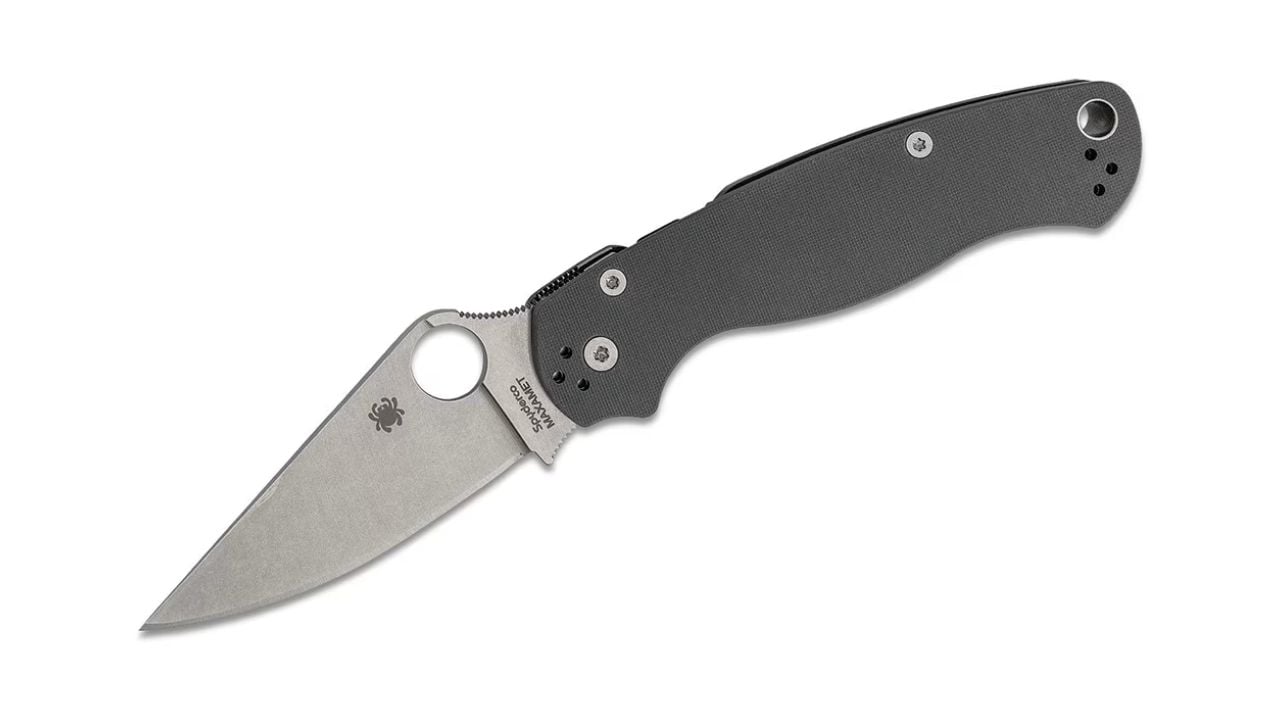
The PM2 is bigger than a Delica and feels like a serious tool. It’s a knife you can actually grip hard, and the compression lock is one of the safer, more confidence-inspiring systems out there for a working folder. It’s not cheap, but it’s still a production knife you can replace without begging a maker for a slot.
What keeps it in the conversation is how well it carries for its size and how well it cuts. The blade shape does everything from food prep to heavier slicing. Plenty of folks buy a “custom hard-use folder” and then realize they’re basically carrying a PM2-shaped job anyway.
12. Benchmade Bugout

The Bugout is almost comically light, and that’s why it keeps getting carried. If you’re walking miles, climbing ridges, or just sick of heavy pockets, it’s a breath of fresh air. It’s not a pry tool, but it cuts well and disappears until you need it.
The aftermarket world is huge, which is both a blessing and a temptation. You can keep it bone stock and use it, or you can tune it to your taste over time. Either way, it’s a practical knife that handles normal outdoor cutting without feeling fragile, and it does it at a price that still makes sense.
13. Benchmade 940 Osborne

The 940 has been around long enough to prove it isn’t a fad. It carries slim, opens fast, and the blade shape is surprisingly useful for both slicing and controlled tip work. In the hand, it feels like a “gentleman’s knife” that can still earn its keep in the woods.
Benchmade’s Axis-style lock makes one-handed closing easy without putting your fingers in the path of the blade. That matters when you’re tired or wearing gloves. The 940 costs enough that you’ll notice it, but not so much that you’ll refuse to use it. That balance is where a lot of customs lose the plot.
14. Cold Steel SRK (Survival Rescue Knife)

The SRK is one of the most no-nonsense fixed blades you can buy. It’s sized right for camp work, batonning kindling, and the ugly jobs where you don’t want to risk a thin, fancy edge. The handle is grippy, and the overall design is about function, not showing off.
Steel varies by version, but the concept stays the same: tough, practical, and easy to maintain. This is the sort of knife that makes you question spending big money on a “survival” blade that’s too pretty to grind on a stone. The SRK will look used because it will be used.
15. Cold Steel Recon 1

The Recon 1 is a hard-use folder that’s built like it means it. It’s not the lightest, and it’s not the sleekest, but it’s a confidence knife. When you’re cutting heavy material, working around a farm, or just want something that feels overbuilt, this one fits.
The lock strength reputation didn’t happen by accident. It’s a knife you can grip with gloves, and the blade shapes offered are all pretty practical. Custom tactical folders can get expensive fast, and a lot of them still end up doing the same chores: straps, rope, tarp, and feed bags. The Recon 1 covers that ground without draining your wallet.
16. Kershaw Leek
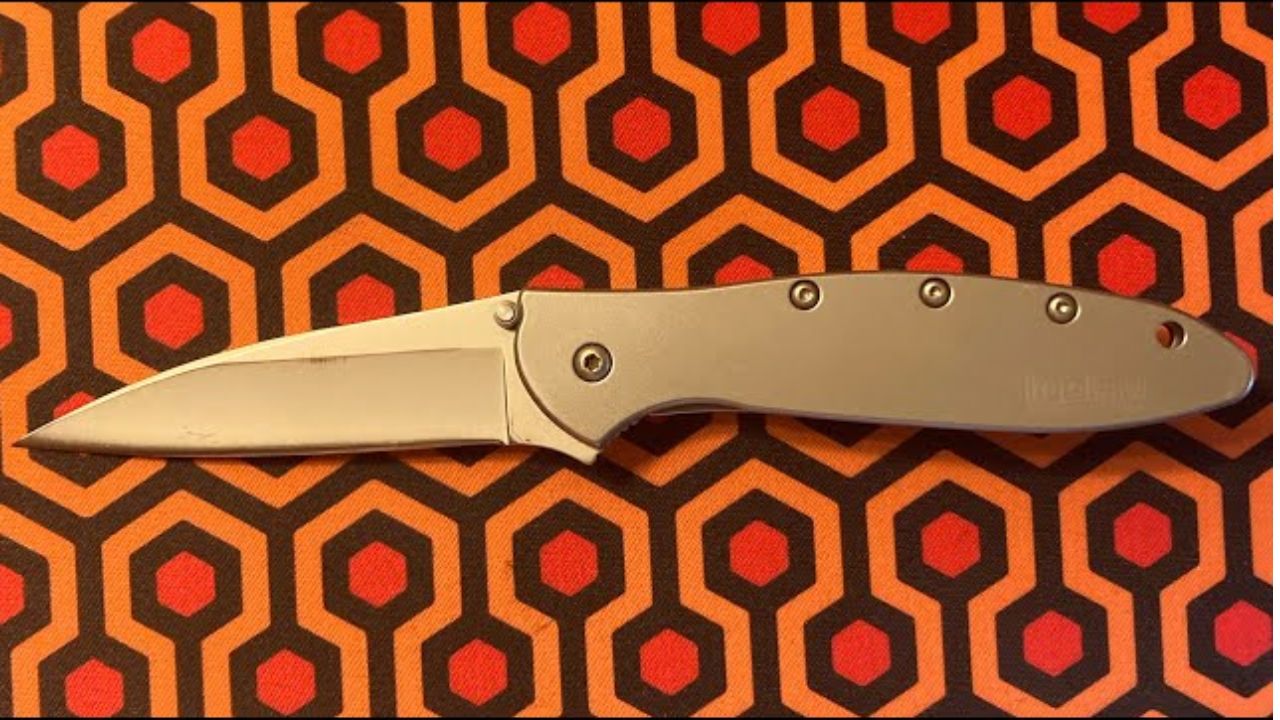
The Leek is slim, quick, and handy, and it’s one of the few assisted openers that actually makes sense for everyday tasks. It carries like a pen, and it’s great for the small cutting you do 20 times a day. Opening packages, trimming line, cutting tape, and prepping lunch at camp—this is where it lives.
It’s not a hard-use pry tool, and the tip is fine enough that you should respect it. But as an affordable, sharp, precise cutter, it’s hard to beat. A lot of expensive customs are bought for “EDC,” then they spend their lives opening mail. The Leek does that job and doesn’t pretend otherwise.
17. Kershaw Blur

The Blur is a more glove-friendly, outdoors-ready Kershaw that still carries well. The handle inserts add traction when your hands are wet, cold, or dirty. The blade has enough belly for slicing and enough spine for control. It’s a good “truck knife” or “property knife” that won’t make you wince if it gets scratched up.
In actual use, the Blur is reliable and comfortable. The assisted opening is quick, and the knife tends to hold up to grit and daily wear. Could you buy a custom folder with fancy milling and premium steel? Sure. But for most folks, the Blur is already beyond what the tasks demand.
18. Victorinox Swiss Army Knife (Huntsman)
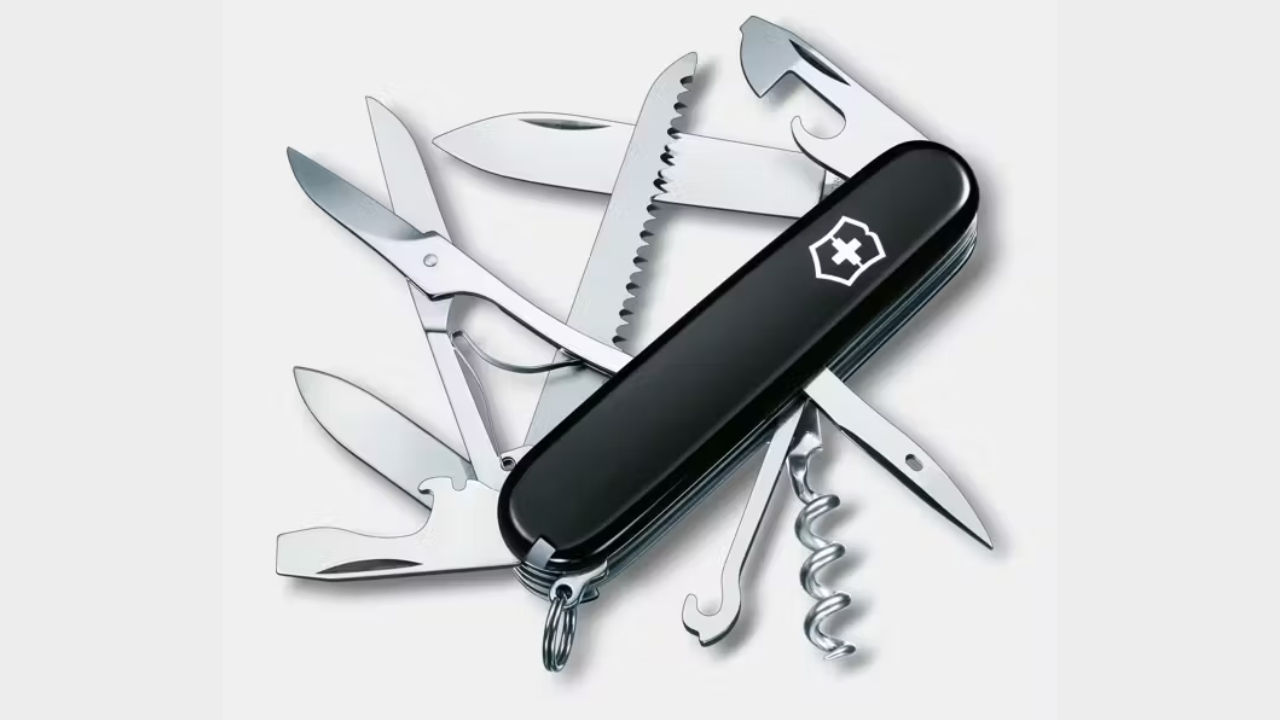
This is where the custom argument really starts to wobble. A Huntsman isn’t sexy. It’s a pocket tool that quietly solves problems: a second blade, scissors, saw, awl, and the little odds and ends you end up needing at camp. It’s the knife you reach for when you’re trying not to turn a small issue into a big one.
The saw will handle small limbs for shooting lanes or camp tasks, and the scissors are genuinely useful for first-aid tape, fishing line, and gear repair. No single-blade custom does what this does in the real world. If you carry a fixed blade for the heavy stuff, a Huntsman in the pocket fills gaps you didn’t know you had.
19. Leatherman Wave+

If you’ve ever tightened a loose scope ring at camp, pulled a hook, fixed a stove, or crimped something that had no business failing, you know why the Wave+ stays popular. It’s not a “knife guy” knife. It’s a working person’s tool that happens to include a very usable blade.
Custom knives don’t come with pliers, drivers, and a file, and those are the things that keep a weekend from going sideways. The Wave+ carries well in a sheath, and it earns its weight when something breaks far from the house. For hunters and anglers, that kind of utility can matter more than premium steel and perfect grinds.
20. Gerber StrongArm
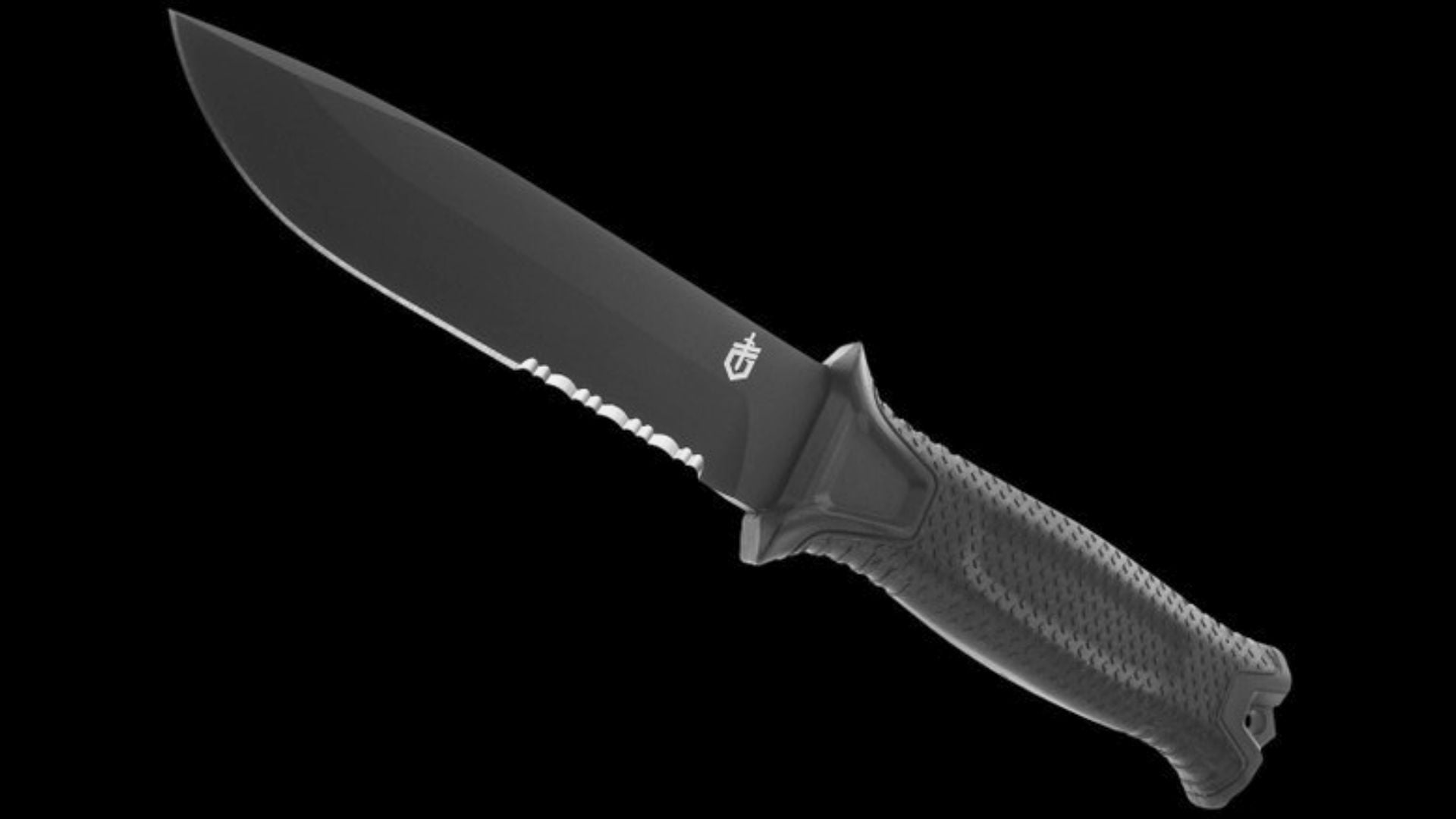
The StrongArm isn’t trying to impress collectors. It’s trying to ride on your belt, get used, and keep going. The mounting system is flexible, the grip is secure, and the blade is sized right for general outdoor work. It’s a knife that fits into a truck kit, a hunting pack, or a canoe bag without being precious.
Is it the highest-end steel? No, and that’s fine. It sharpens without a fight, and it’s tough enough for the kind of chores most of us actually do—cutting, scraping, making kindling, and handling messy work around camp. If your goal is a dependable field tool, this one makes “custom-only” thinking hard to defend.
A custom knife can be a lifetime piece, and there’s nothing wrong with buying one if you want the craftsmanship and the story. But if you’re honest about what your knife really does—rope, food, hide, tape, kindling, and the occasional dumb task you shouldn’t be doing with a knife—good production blades cover it. Spend your money where it matters, carry a knife you’ll actually use, and don’t confuse “expensive” with “necessary.”
Like The Avid Outdoorsman’s content? Subscribe to our newsletter so you never miss an article.
Here’s more from us: