Photo credit: THE URBAN SURVIVALIST/YouTube
I’ve owned pocket knives that rode in my jeans every day until the pocket wore thin, and I’ve owned others that barely left the drawer. Funny thing is, some of the ones that don’t get carried are the hardest to part with. Not because they’re “too nice,” but because they’re genuinely useful, historically important, tough to replace, or they just flat work in a way newer stuff sometimes doesn’t.
This isn’t a carry list. This is the stash list. The knives you keep even if you’re in a season of life where you’re mostly opening feed bags, breaking down boxes, and cutting baling twine. If you’ve ever sold one and felt that little sting later, you’ll understand why these made it.
1. Buck 110 Folding Hunter
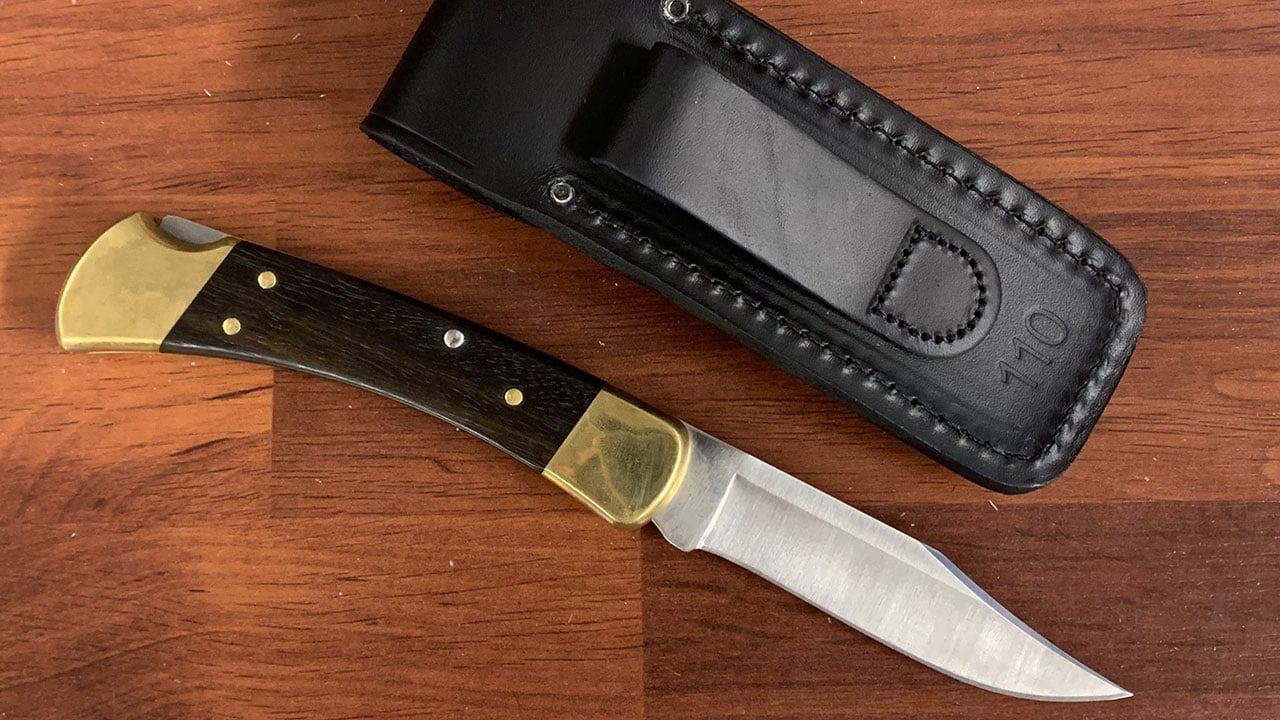
The Buck 110 is the knife that taught a lot of outdoorsmen what “lockback” even meant. It’s not a great pocket carry for most folks unless you run the belt sheath, because it’s heavy and it prints like a brick. Still, it’s one of those knives that makes sense the second you’re dressing a deer or trimming hide with cold fingers.
It’s also a knife that holds up. The lock is strong, the blade shape works, and the handle fills your hand without being fancy. If you inherit one with scuffs and a dulled edge, don’t dismiss it. Clean it, sharpen it right, and you’ll understand why it keeps ending up in camp bags even when it’s not in anyone’s pocket.
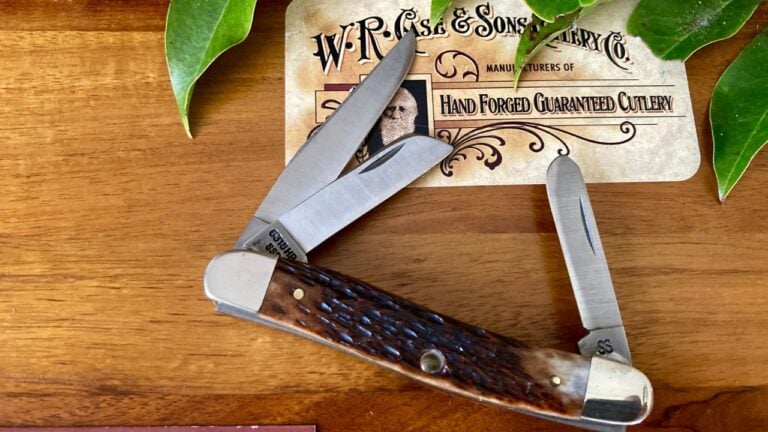
2. Case Trapper (CV or Tru-Sharp)

A Case Trapper isn’t tacticool and it isn’t trying to be. It’s a slipjoint that feels like it belongs next to a tin of .22s and a pocketful of dog-eared hunting tags. The trapper pattern just works: one blade for general cutting, one that can be kept a little keener for finer stuff.
Even if you never carry slipjoints anymore, a good Case still earns a spot because it’s part tool, part tradition. They’re also the kind of knife you’ll hand to a kid someday with a quick talk about keeping fingers out of the blade path. And if you ever try to replace an older one you sold off cheap, you’ll learn fast that “just buy another” isn’t always true.
3. Victorinox Swiss Army Knife (Huntsman)
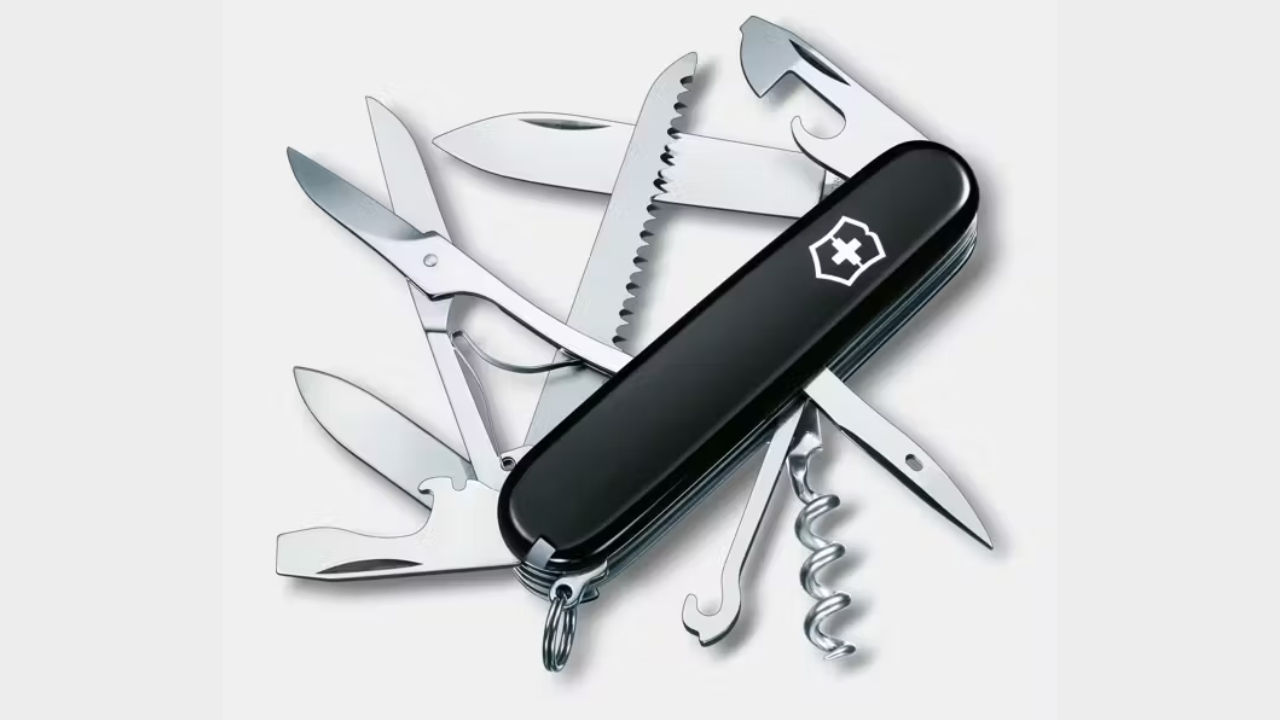
The Huntsman is a walking reminder that “multitool” didn’t start with a pocket clip. Scissors, saw, corkscrew (which is also handy for knots), tweezers, toothpick—none of it is glamorous, and all of it gets used when you’re away from the toolbox. It’s also one of the few pocket tools that doesn’t scare non-knife people when you pull it out.
I’ve watched guys laugh at a Swiss Army Knife until they need to cut moleskin, fix a loose screw on binoculars, or clean a fingernail full of fish slime. The saw won’t replace a real folding saw, but it’ll bail you out in a pinch. Even if it lives in a pack or glove box, it’s a smart keep.
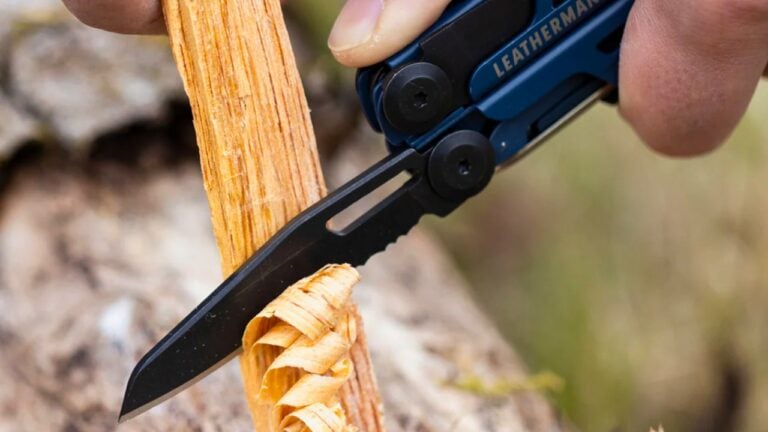
4. Leatherman Wave+

The Wave+ is the multitool that ends arguments. Pliers you can actually grab with, blades that cut, a bit driver that fixes the thing you didn’t know would loosen up halfway through a trip. It’s not light, and it’s not something everyone wants swinging on their belt every day.
But the first time you need to crimp a split shot, twist wire on a broken gate latch, or pull a hook out of something that shouldn’t have eaten it, the Wave+ earns its space. Parts and accessories are everywhere, and they tend to age well if you keep a little oil on the pivots. Even if it’s “too bulky to carry,” it’s rarely too bulky to own.
5. Spyderco Delica 4

The Delica is one of those knives that disappears in the pocket and still works hard. It’s light, thin, and slices better than a lot of heavier “hard use” folders. The blade shape is practical, the ergonomics are better than they look, and the thumb hole is easy with gloves once you’re used to it.
If you stop carrying it because you moved to a bigger knife, don’t sell it. The Delica is the kind of backup that ends up in a truck console, a tackle bag, or a hunting pack for years, and it never complains. It’s also a great “loaner” knife because it cuts well without feeling delicate. That makes it a keeper even when it’s not your daily driver.
6. Spyderco Endura 4

The Endura is basically the Delica’s bigger, longer-reaching cousin. For a lot of hands, it’s the sweet spot where a folding knife feels like it can do real work without feeling like a pry bar. The blade gives you more leverage and more slicing length, which matters when you’re breaking down big cardboard, cutting strap, or dealing with heavier rope.
I don’t always want an Endura in my pocket, especially in summer clothes, but I always like having one around. It’s also one of those knives that keeps its usefulness even when it’s beat up. Scratches don’t matter. A little blade wear doesn’t matter. It’s a working knife that still has “I can depend on this” vibes after years of use.
7. Benchmade 940 Osborne
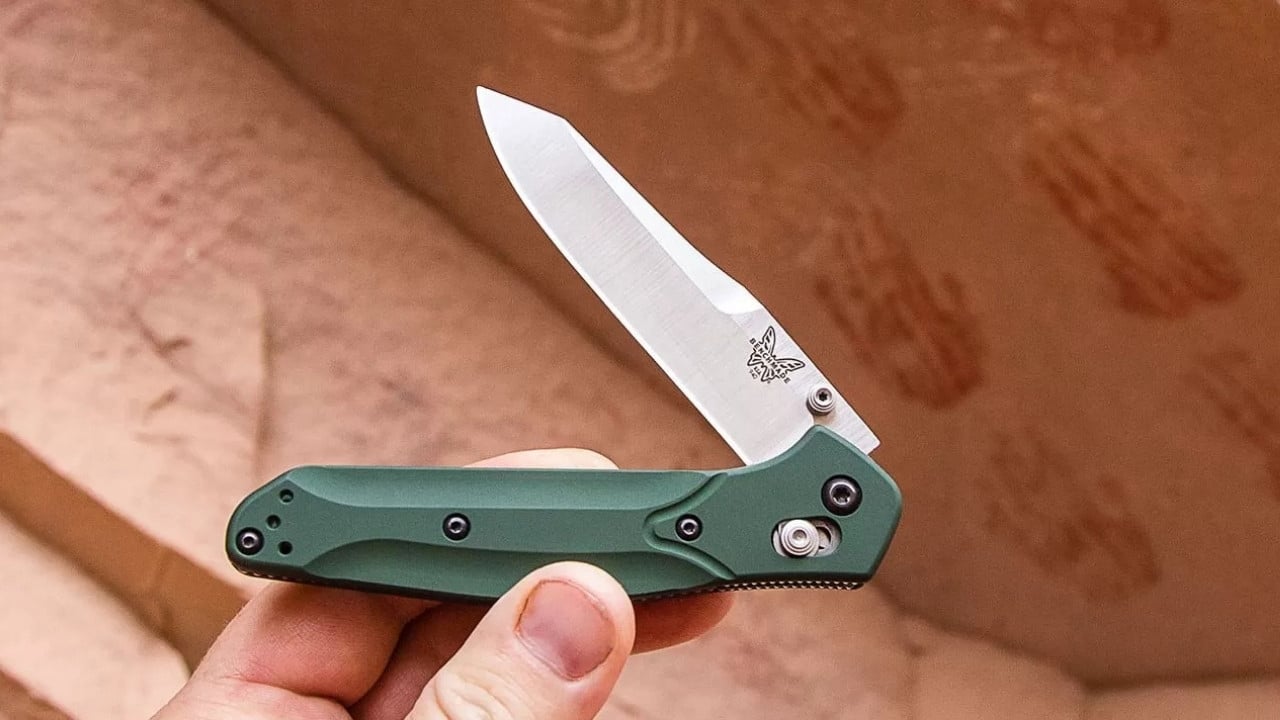
The 940 is thin, carries easy, and has that Axis lock feel that a lot of folks either love or don’t care about until they use it for a while. The blade shape is more “do a bunch of things pretty well” than “specialized slicer,” but it’s tough enough for day-to-day abuse and light camp chores.
Even if you don’t carry it, it’s worth keeping because it’s one of those modern classics that always has a following. It’s also a benchmark knife—if you own one, you understand what a well-executed folder feels like. I get why people sell them when bills hit. Still, I would not be quick to let one go, because replacing it later usually costs more than it should.
8. Benchmade Griptilian (551/550)
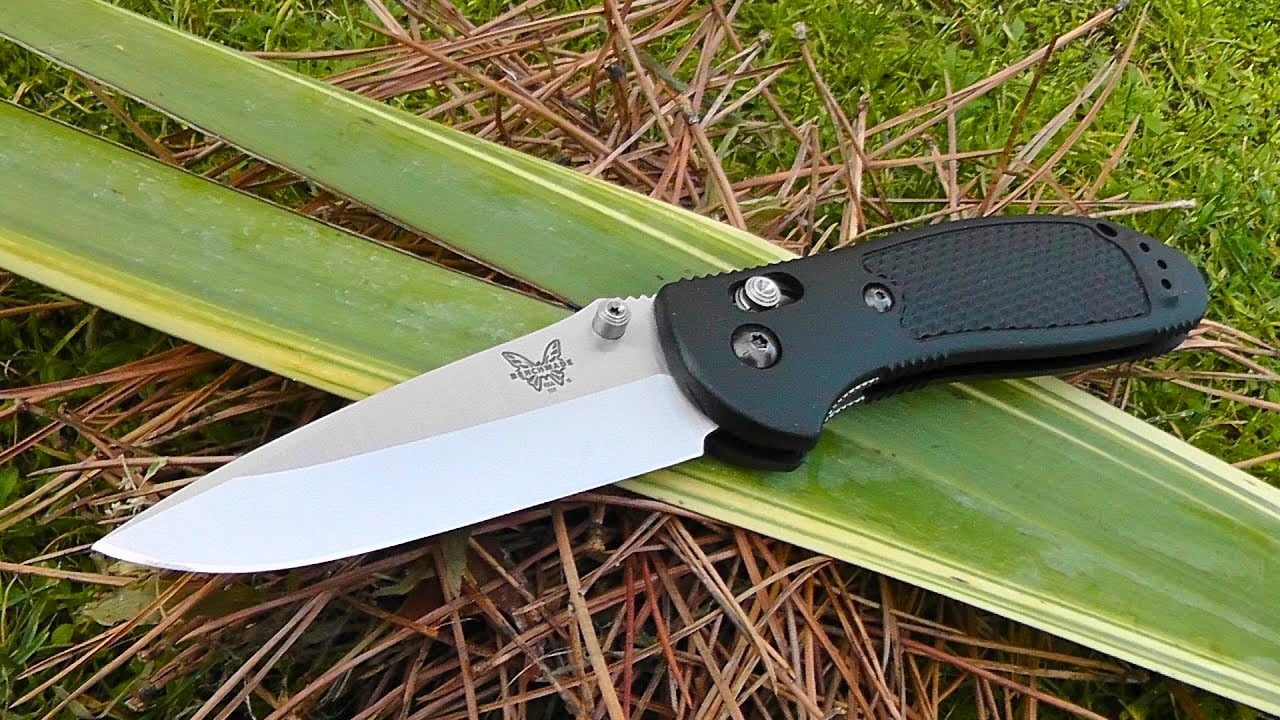
The Griptilian is not a showpiece. It’s kind of homely, kind of plasticky, and it feels like something that belongs in a tool bucket. That’s a compliment. The handle is comfortable when you’re actually cutting for more than 30 seconds, and the blade shapes offered over the years cover a lot of ground.
If you ever carried one hard, you know why it’s worth keeping even if your taste changes. It’s a knife you can hand to someone to cut hay twine, sharpen a stick, or open a bag of corn without worrying you’re handing them a museum piece. There are newer, sleeker knives. The Griptilian is the one that just keeps doing the job.
9. Chris Reeve Sebenza 31
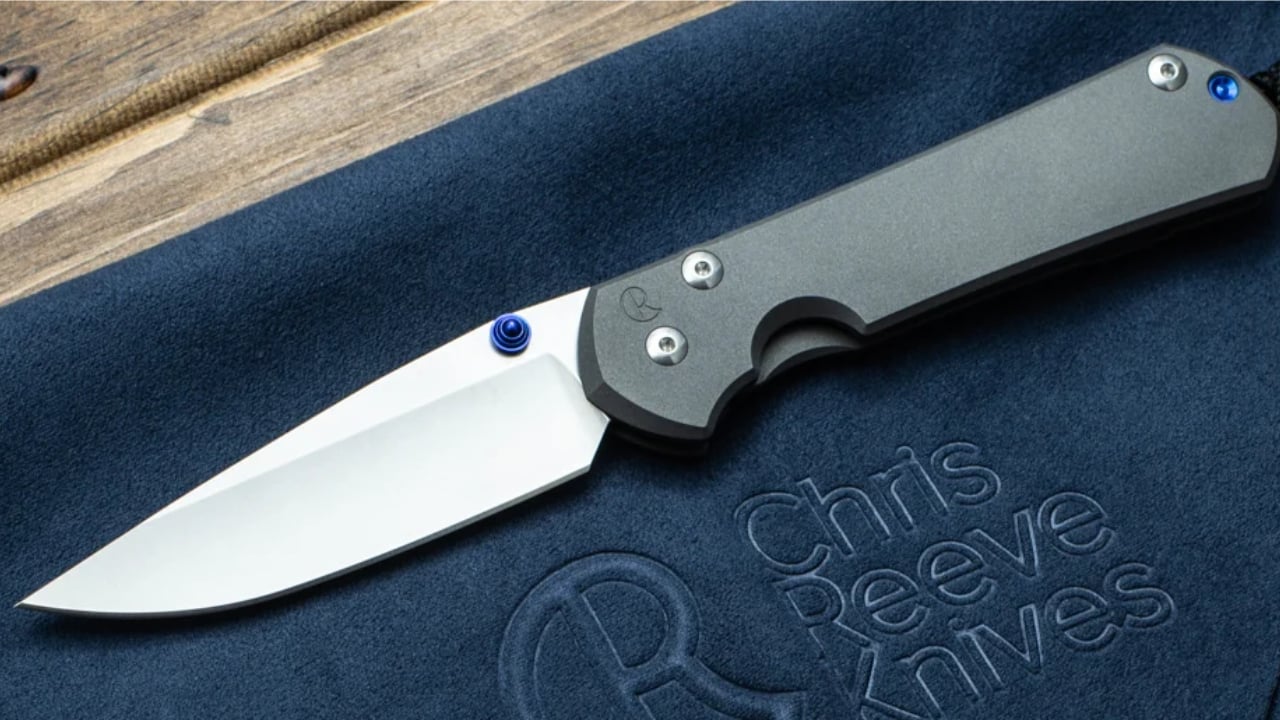
A Sebenza isn’t for everyone. It’s expensive, it’s simple, and it doesn’t try to wow you with wild blade shapes or aggressive handles. What it does have is that tight, precise feel that’s hard to describe until you’ve opened and closed one a few hundred times. It’s a “quiet confidence” knife.
Even if you never carry it because you don’t want to scuff it up, it’s worth keeping as a reference point. It shows you what top-tier fit and finish actually means, and it tends to hold up for decades with basic care. This is also one of those knives you can pass down without it feeling weird. A lot of pricey gear feels trendy later. A Sebenza usually doesn’t.
10. KA-BAR Dozier Folding Hunter
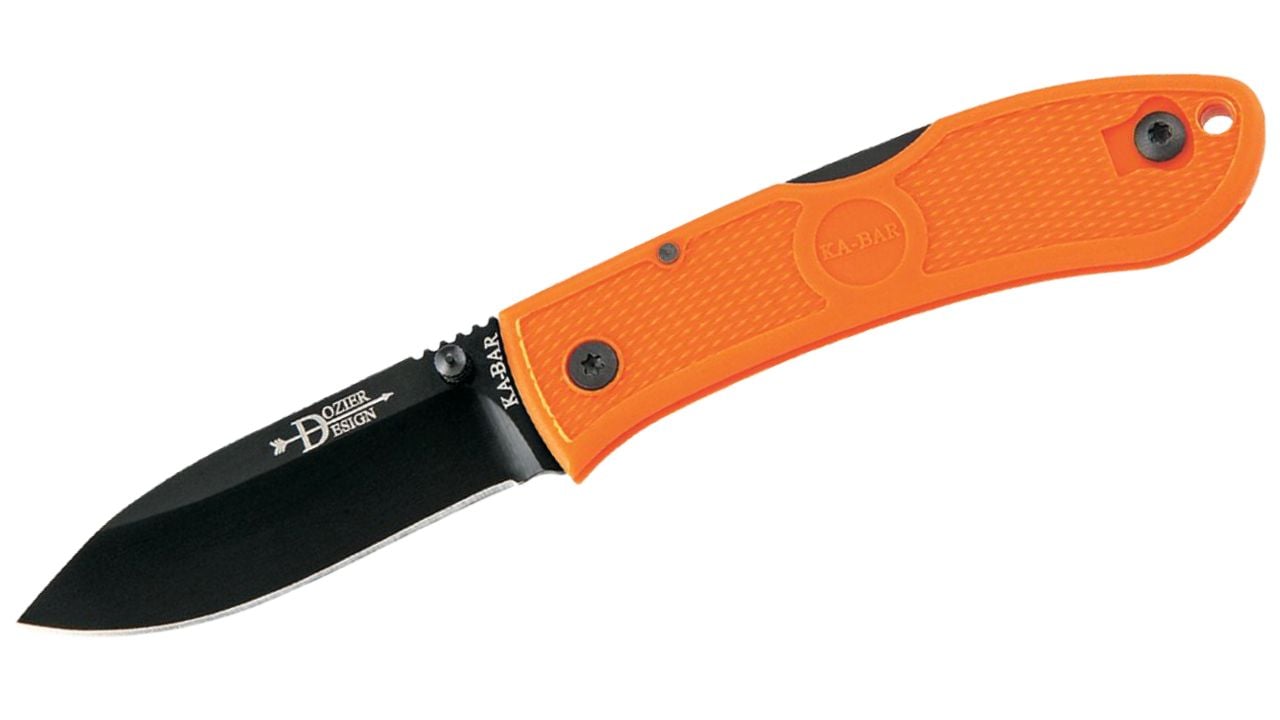
The Dozier is proof you don’t need to spend a pile of money to get a useful knife. It’s light, it cuts well, and it’s the kind of folder you can keep in a tackle box without babying it. The lockback is dependable, and the overall shape is friendly for field use.
If you’ve ever had a “good knife” vanish after lending it out, you learn to keep a few honest beaters around. The Dozier fills that role without being junk. Even if it’s not your pocket knife, it’s a perfect spare for a truck, pack, or workbench drawer. When someone needs to borrow a blade, this is the one you hand over without clenching your teeth.
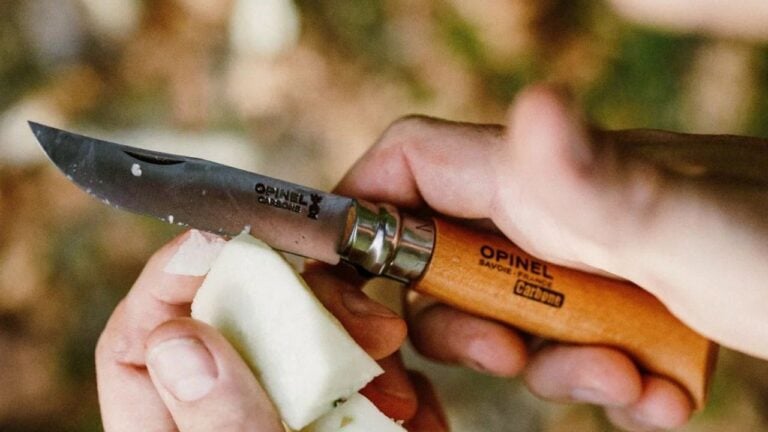
11. Opinel No. 8

An Opinel looks like a toy until you actually use it. Then you realize it slices like crazy, sharpens easily, and weighs almost nothing. The handle is simple and the locking ring is old-school, but it works if you treat it like a cutting tool and not a screwdriver.
I don’t always carry one because moisture can swell the wood and the whole setup is more “camp food prep” than “hard work.” Still, it’s a great knife to keep around because it’s so good at what it’s good at. Throw one in a camp kitchen box and it’ll surprise you. It’s also the kind of knife that teaches you to cut smarter instead of forcing a blade through everything.
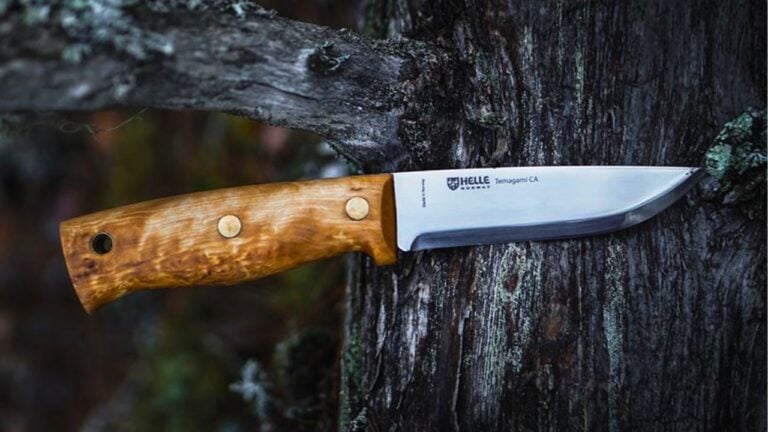
12. Helle Kletten (folder)
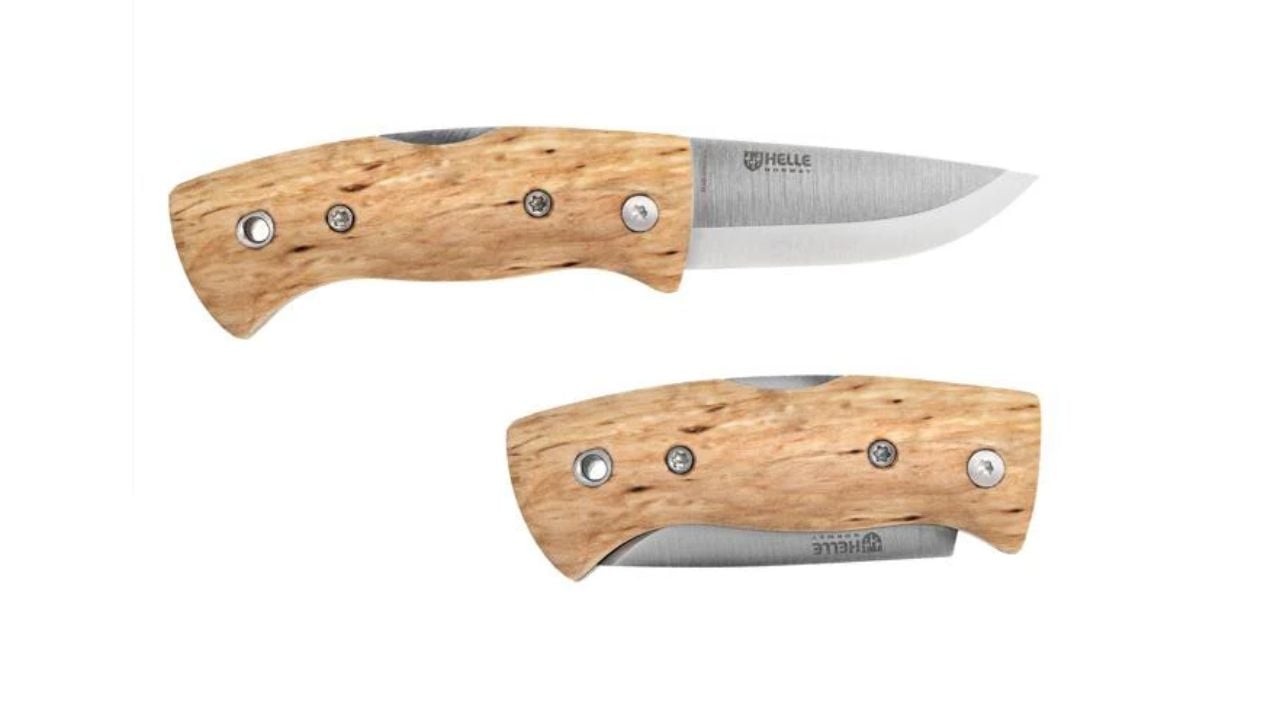
Helle doesn’t get talked about like the big American brands, but their knives have a certain feel—warm in the hand, meant for real outdoor use, and not built around internet trends. The Kletten folder is a nice example: traditional lines, good steel, and a vibe that fits in a deer camp without trying too hard.
This is one I keep because it’s different in a good way. It’s not the knife I’d choose to cut roofing shingles or scrape gasket material, but it’s excellent for normal camp chores and general cutting. If you ever sell off the “odd” knives first, you end up with a pile of stuff that all feels the same. Keeping one like this adds variety, and it’s a reminder that practical doesn’t have to look tactical.
13. Cold Steel Recon 1

The Recon 1 is overbuilt for most normal days. It’s bigger than what many folks want in a pocket, and it has that Cold Steel attitude that can feel like a lot. But if you want a folding knife that feels like it can handle abuse without folding up on you, this is one of the usual answers.
Even if it never gets pocket time, it’s worth owning because it’s a legit hard-use folder with a strong lock and a handle you can hang onto. I’ve seen them live in door pockets of farm trucks and show up year after year with the same chipped paint and the same dependable action. This is the knife you keep for the day you need a folder that behaves more like a fixed blade.
14. Kershaw Leek

The Leek is slim, quick, and made for everyday cutting. The assisted opening isn’t everybody’s thing, but there’s no denying it’s handy when you’ve got one hand busy. It’s also a classic “office to outdoors” knife—small enough to be polite, capable enough to be useful.
I don’t carry one as much these days because I’ve broken tips on narrow blades before. That’s on me, not the knife. But I keep a Leek because it’s a great knife to have around for clean slicing jobs, and it’s one of the easiest knives to recommend to someone who’s new to decent blades. It’s not a pry tool and it doesn’t pretend to be. Used correctly, it’s a sharp little workhorse.
15. Zero Tolerance 0350
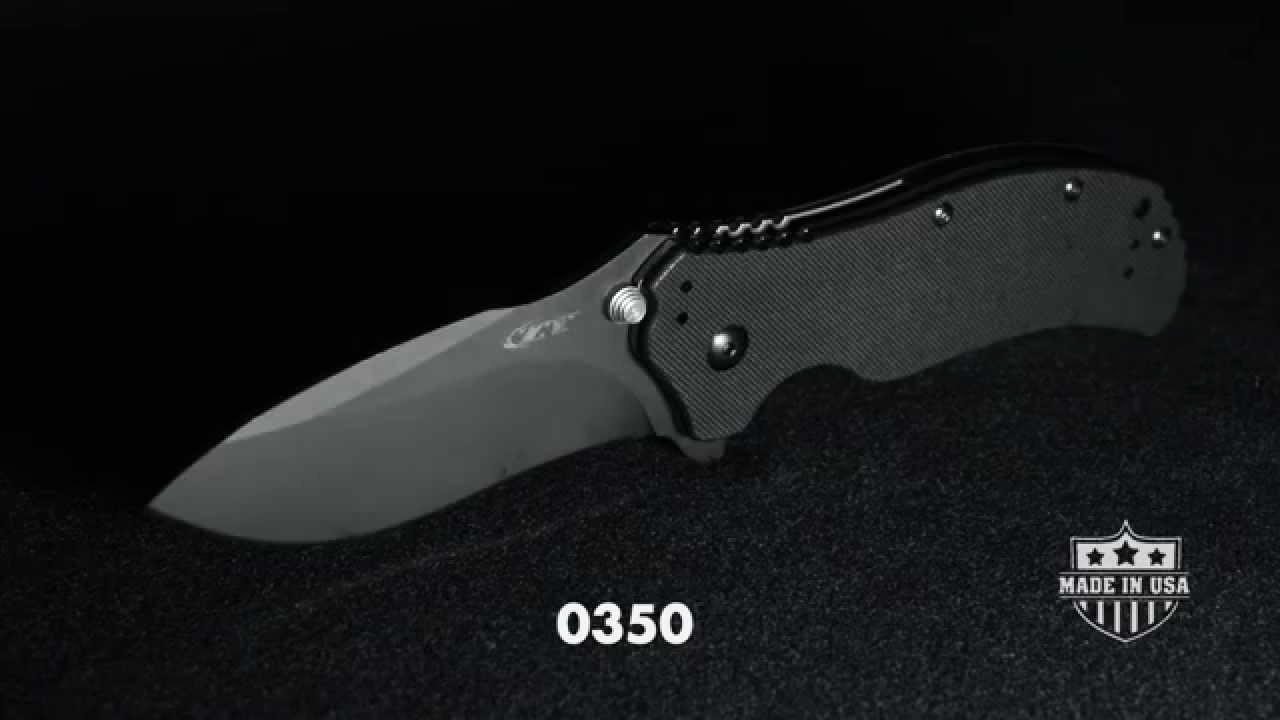
The ZT 0350 feels like a tank in the pocket. It’s thick, it’s heavy, and it has a stout blade that doesn’t apologize. This isn’t the knife for someone who wants “disappears in gym shorts.” It’s for the person who wants a folder that feels planted in the hand and ready for ugly jobs.
Even if you don’t carry it because it’s a brick, it’s worth keeping because it’s a confidence knife. When you’ve got gloves on, when it’s cold, when you’re cutting nasty material that would make a thinner knife twist, this one shines. It also tends to hold up over time—less flex, less drama. If your collection has gotten too dainty, a 0350 in the drawer is a nice reminder that brute strength has a place.
16. ESEE Zancudo
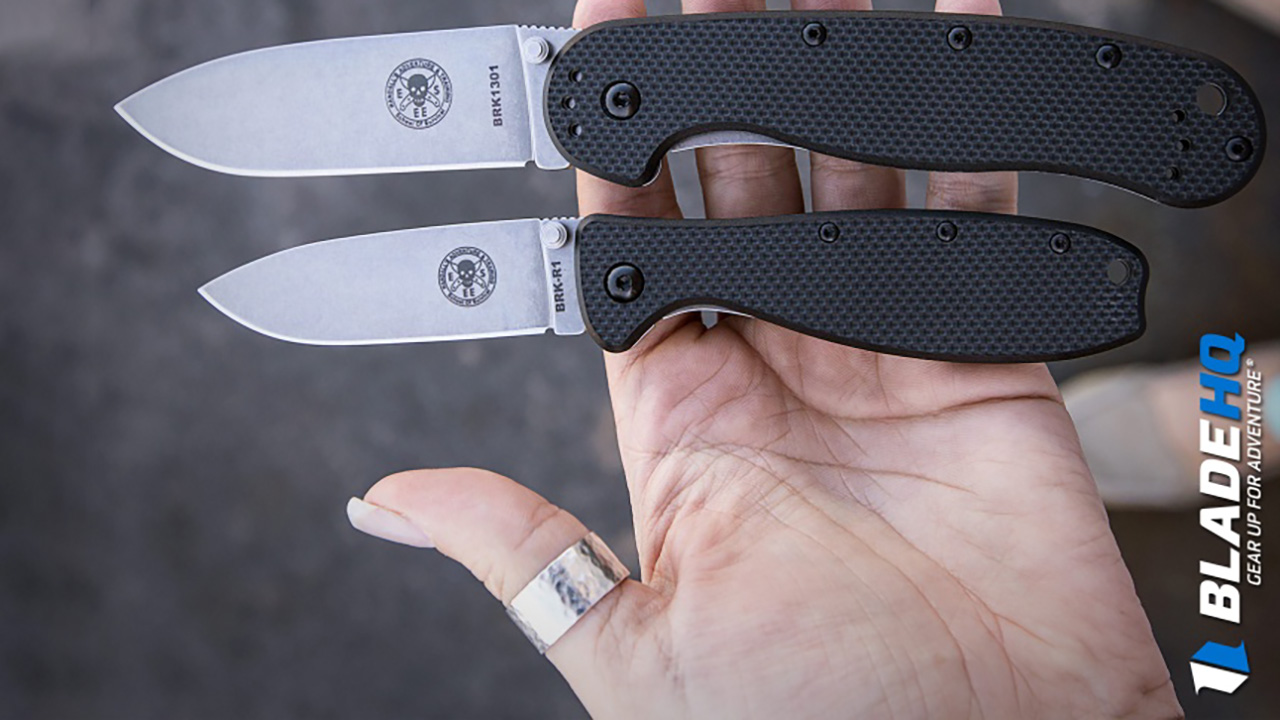
The Zancudo is one of those budget knives that doesn’t feel like a joke. It’s light, it carries easy, and it has a simple, usable blade shape. It’s also a knife you can buy, use hard, and not feel like you need to post photos of it to justify the purchase.
I keep one around because it’s a great “stash knife.” Glove box, boat bag, range bag, camping tote—wherever you might need a cutter and don’t want to leave something expensive. The action is decent, the grip is fine, and it cuts above its price point. If it gets lost, it doesn’t ruin your week. But when you need it, it’s there and it works. There is nothing fancy about it, and that is kind of the point.
17. Ontario RAT Model 1
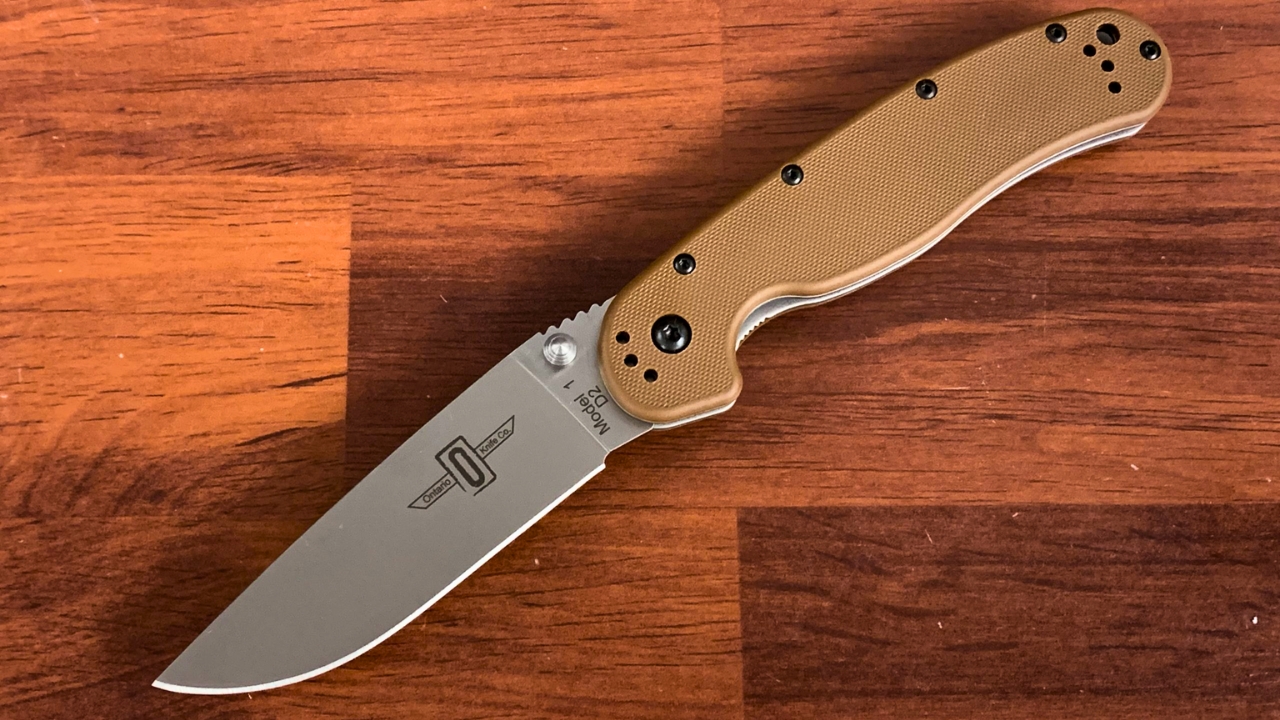
The RAT 1 has been called a lot of things, but nobody calls it fragile. It’s bigger than the RAT 2, fills the hand well, and feels like it was designed by someone who actually uses knives outdoors. The blade shape is practical and the overall build is honest.
Even if you stop carrying it because it’s a little bulky, it’s still a knife worth keeping because it’s dependable and easy to live with. It’s also the kind of knife you can sharpen quickly and get back to work. I’ve seen them used as “camp knives” for years—cutting rope, processing kindling the right way, opening feed, and doing the unglamorous stuff. Not every knife has to be special. Some just need to keep showing up.
18. Böker Plus Urban Trapper

The Urban Trapper is almost the opposite of the “hard-use tank” knives. It’s slim, light, and made for slicing, not prying. It carries so well that you forget it’s there, which is why it built a reputation with folks who want a gentleman’s knife that still cuts like a real tool.
I don’t always carry mine because it’s not my first choice around heavy work, and I’m not careful enough to pretend otherwise. Still, it’s worth keeping because it fills a niche that a lot of outdoorsmen eventually need: weddings, meetings, nicer dinners after a hunt, or just times when you don’t want a brick in your pocket. It’s also a good reminder that thin knives are often better cutters. Keep it clean, keep it sharp, and it’ll always have a role.
19. Spyderco Native 5
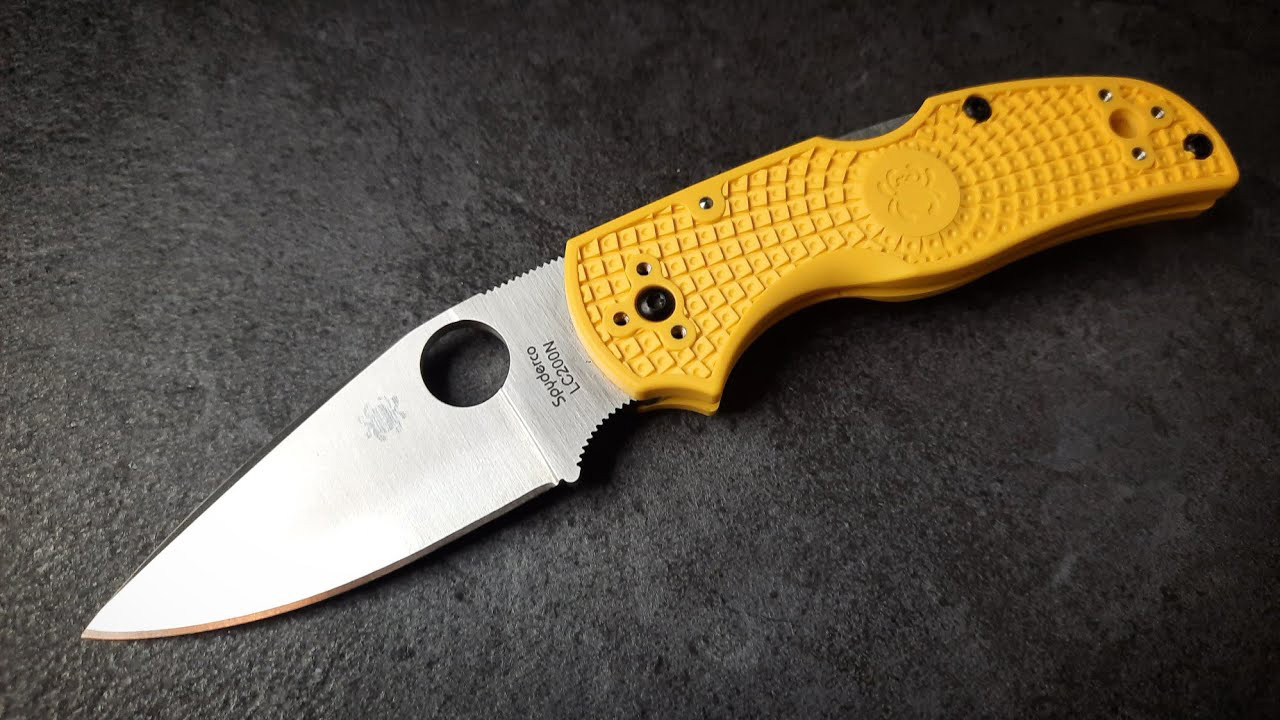
The Native 5 is one of those knives that feels “right” in the hand. The handle shape locks you in, the blade length is useful without being silly, and it’s a straightforward tool that doesn’t need a bunch of gadgets. It’s a working-person’s folder that just happens to be refined.
Even if you don’t carry it because you’ve moved to something bigger or smaller, it’s worth hanging onto because it does almost everything well. It’s a great hunting pack knife, a good truck knife, and a solid “grab it and go” option when you don’t feel like thinking. The ergonomics matter more than folks admit. A knife that feels good tends to get used, and a knife that gets used tends to earn its keep. The Native 5 is that kind of knife.
20. Schrade Old Timer 34OT
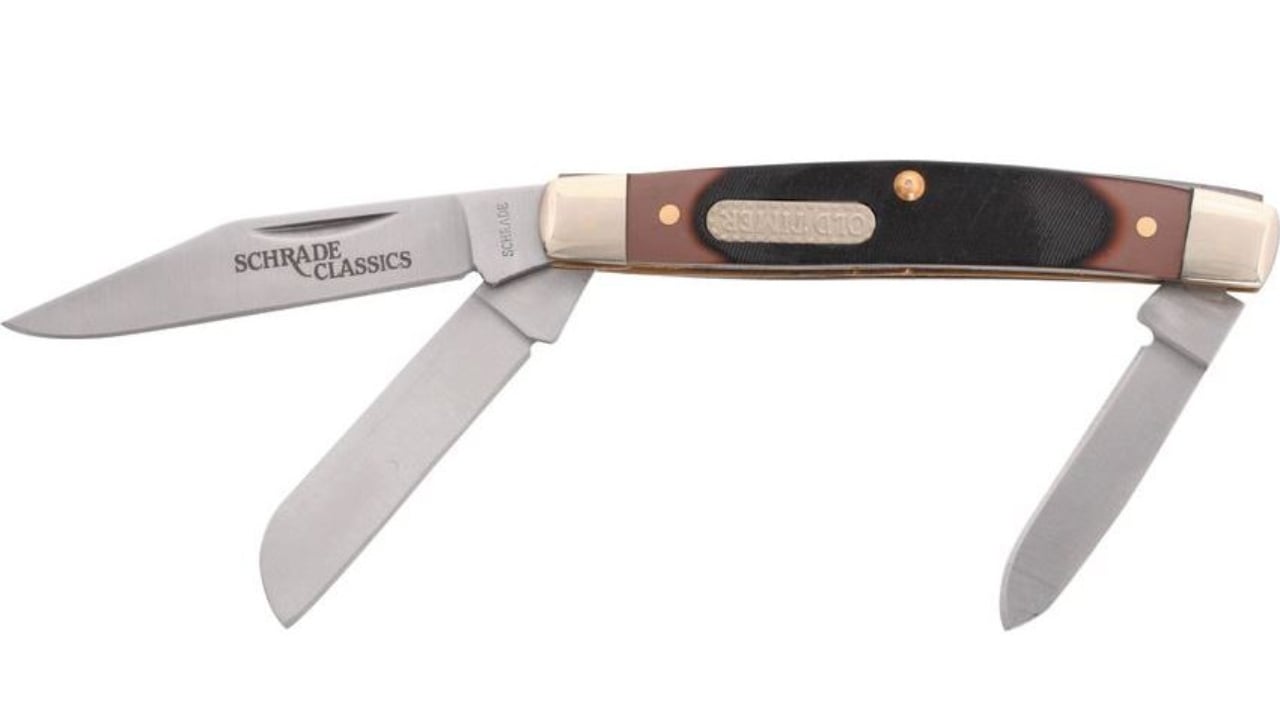
The 34OT is pure nostalgia for a lot of hunters. It’s not premium steel, it’s not trendy, and it’s definitely not the knife you buy to impress anyone. But it’s a classic slipjoint that feels like it belongs in a coat pocket next to a handful of .30-30 rounds and a crumpled map.
I keep an Old Timer around because it’s a piece of the outdoors that’s getting rarer. It’s also the kind of knife that teaches basic knife sense—watch your fingers, respect the edge, keep it sharp, and don’t do dumb stuff with it. Some of them have been used for decades and still open smooth. If you’ve got one from a grandparent or an older hunting buddy, that’s not a knife you flip online for quick cash. That one hurts later.
None of these knives have to be your everyday carry to deserve a spot in the drawer, safe, pack, or truck. A good blade can be history, a backup plan, or just a familiar tool you trust when the weather’s ugly and your hands are cold. If you’re thinning the collection, I’d sell duplicates and gimmicks first. The knives above are the ones I’d hesitate on, even if they haven’t seen pocket time in months.
Like The Avid Outdoorsman’s content? Subscribe to our newsletter so you never miss an article.
Here’s more from us: