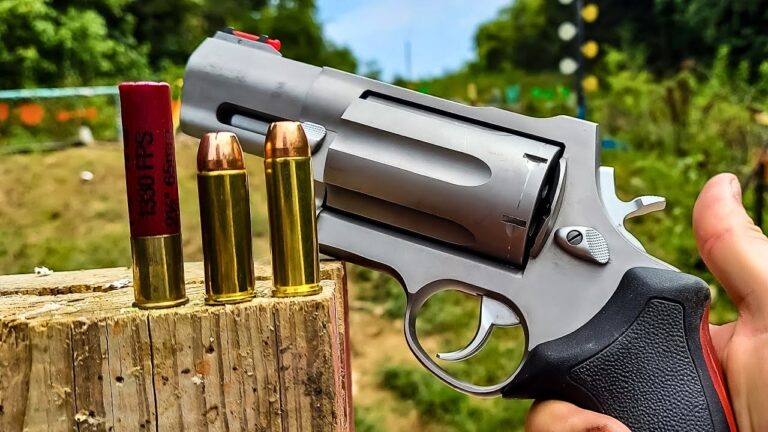
Photo credit: GoldenWebb/YouTube
Some handguns get a reputation before most people have really used them. A famous name, a big launch, a military connection, a collector story, or a flood of online praise can make a pistol or revolver sound almost impossible to question. Then normal shooters buy one, carry it, train with it, or compare it to less glamorous options, and the excitement starts getting thinner.
That does not mean every handgun here is junk. Some are well-made, some are historically important, and some have loyal owners for good reasons. But hype creates expectations, and these are the handguns that often struggle to live up to the way people talk about them.
SIG Sauer P320

The SIG Sauer P320 became one of the most talked-about striker-fired pistols in the country, and the military connection only pushed that attention higher. It promised modularity, modern handling, and a serious duty-gun future. On paper, that sounded hard to beat.
In real use, not every shooter walked away convinced. The grip feel can be bulky, the bore height feels noticeable to some, and the trigger does not always feel as good as the hype suggests. The platform has strengths, but plenty of shooters expected it to feel like a clear step forward. For many, it felt more like another option in a crowded striker-fired market.
Springfield Armory Hellcat
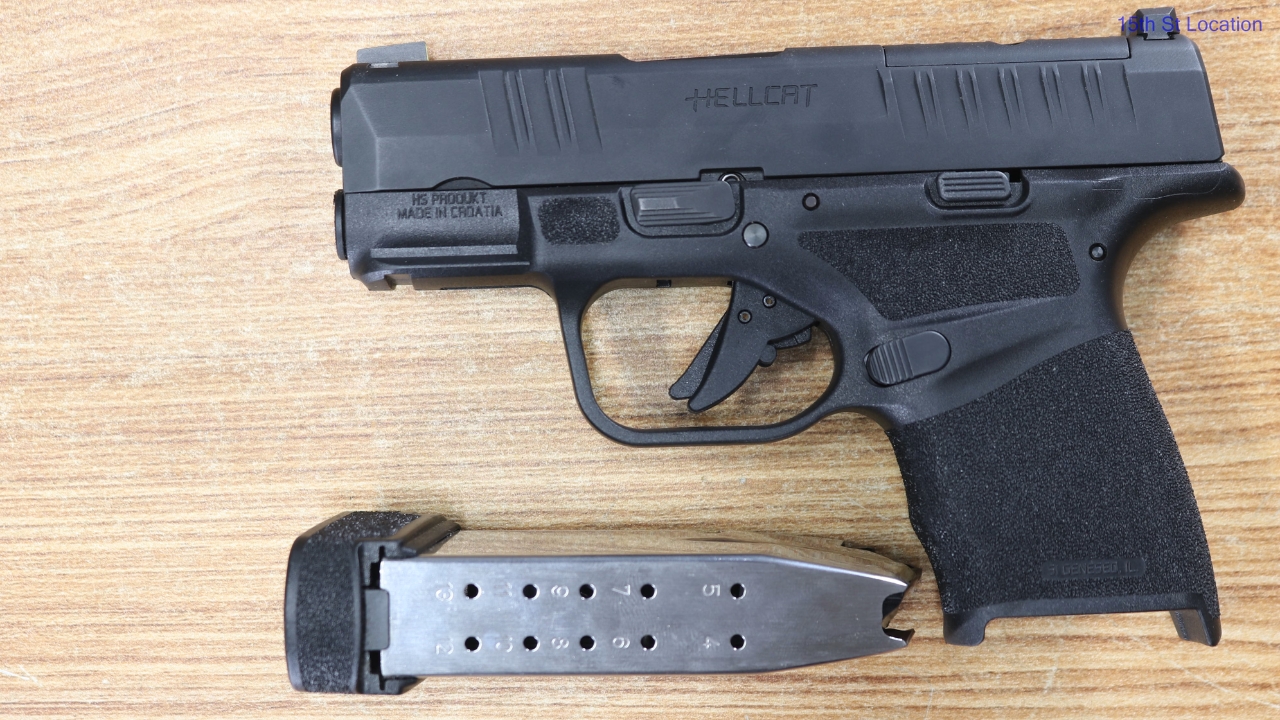
The Springfield Hellcat hit hard because it offered strong capacity in a tiny carry pistol. That was enough to get people excited fast. It looked like the perfect answer for anyone wanting more rounds without carrying a bigger gun.
Then shooters started spending real time with it. The Hellcat can be snappy, the grip can feel cramped, and the trigger feel does not win everyone over. It is still a capable carry pistol, but it is not magic. Like many micro-compacts, it carries better than it shoots. That gap is where the hype starts to cool off.
Kimber Micro 9

The Kimber Micro 9 looks great in the case. It has 1911-inspired styling, nice finishes, and the kind of small size that makes it easy to imagine as a classy carry gun. That first impression sells a lot of pistols.
The problem is that tiny 1911-style pistols can be less forgiving than buyers expect. The grip is short, recoil can feel sharp, and reliability needs to be proven with your exact magazines and carry ammo. Some run well. Some do not inspire that same confidence. The Micro 9 often feels better as an idea than as a hard-use carry choice.
Colt Python

The modern Colt Python brought back one of the biggest names in revolvers, so expectations were sky-high. It is beautiful, smooth, and expensive enough that buyers naturally expect something special every time they pick it up.
The Python is a good revolver, but the hype around the name can get out of hand. Many shooters are paying for legacy as much as performance. A Smith & Wesson 686 or Ruger GP100 may not have the same romance, but they can handle real use with less worry and less cost. The Python lives up to beauty better than value.
FN Five-seveN
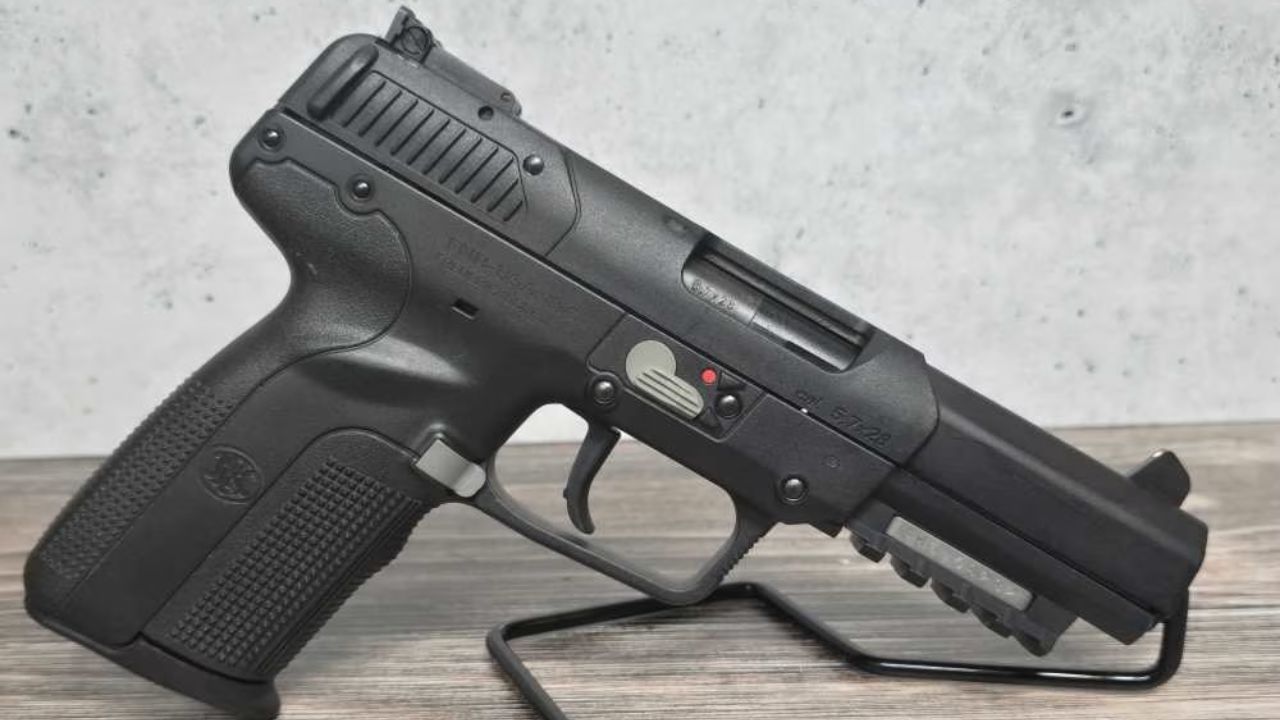
The FN Five-seveN always had a futuristic pull. Lightweight pistol, high capacity, unusual cartridge, military-style mystique, and a look unlike anything else in the case. That combination built serious hype around it.
Actually owning one can feel different. The pistol is expensive, the ammunition is expensive, and the practical role is narrower than the reputation suggests. It is flat-shooting and interesting, but interesting is not the same as necessary. For many shooters, the Five-seveN ends up being cool to talk about and costly to feed.
Desert Eagle .50 AE

The Desert Eagle in .50 AE may be the king of handguns that became famous for reasons other than practical use. Movies, video games, and internet culture turned it into a symbol of power long before most people ever fired one.
On the range, the reality shows up quickly. It is huge, heavy, expensive to shoot, and not especially practical for carry, defense, or normal field use. It is fun in short bursts and impressive to watch. But as a handgun you actually live with, the Desert Eagle rarely matches the fantasy.
SIG Sauer P365 SAS

The SIG P365 SAS sounded smart when it appeared. A snag-free carry pistol with flush sights and a slick profile made sense for deep concealment. It looked like a thoughtful variation on an already successful pistol.
The problem is that the sighting system is not for everyone. Some shooters struggle to pick it up quickly, especially under speed or imperfect light. A defensive pistol that is harder to aim well can lose its appeal fast. The SAS concept was interesting, but many shooters found the standard P365 easier to use.
Glock 44
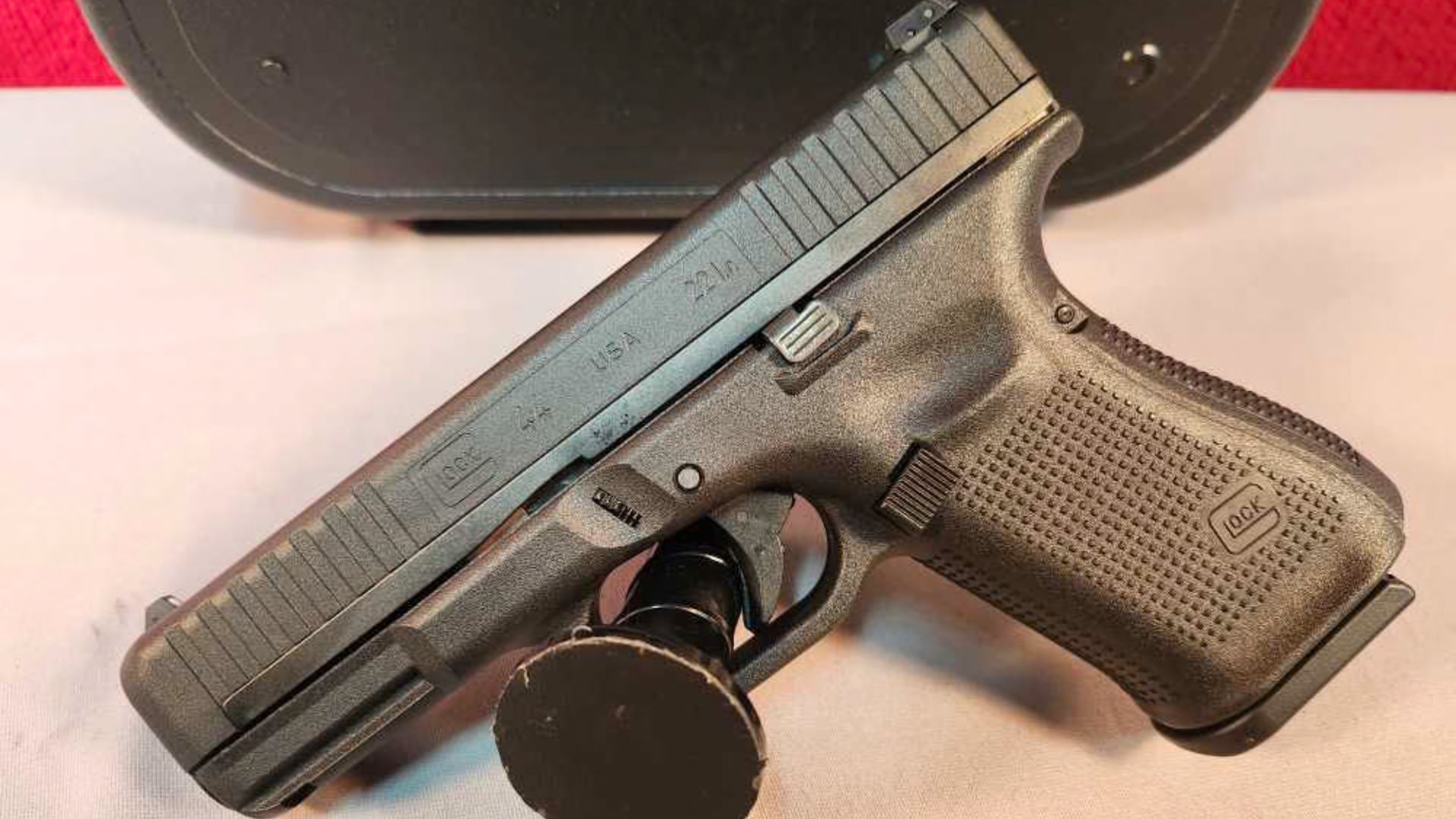
The Glock 44 had huge expectations because people wanted a Glock-style .22 trainer that felt familiar, ran cheaply, and mirrored centerfire practice. That sounded like an easy win, especially with Glock’s reputation behind it.
The rollout did not feel as confidence-building as many hoped. Some shooters reported ammunition sensitivity, and the pistol did not always feel like the rugged rimfire answer they expected. It can be fun and useful with the right ammo, but it never became the unquestioned .22 training pistol many Glock fans wanted.
Taurus Curve

The Taurus Curve got attention because it was genuinely different. Its curved frame, built-in light and laser, and pocket-carry concept made it look like a handgun designed from a fresh angle. That novelty created plenty of curiosity.
Real use exposed the problem. The shape was strange, the lack of traditional sights turned off many shooters, and the pistol felt more like a design experiment than a serious everyday carry answer. It may have been interesting, but interesting does not always mean good. The Curve is one of those guns where the concept outran the execution.
Remington R51

The Remington R51 returned with a lot of promise. It had history behind the name, a slim profile, low bore feel, and the idea of being a different kind of defensive pistol in a crowded market. People wanted it to be good.
The early reality was rough. Reliability complaints, awkward handling impressions, and a troubled launch damaged trust badly. Even after later efforts to improve it, the R51 never really escaped that first impression. A carry pistol has to inspire confidence quickly. Once buyers start doubting it, hype cannot save it.
Walther CCP

The Walther CCP had a real selling point: a softer-shooting compact pistol with an easy-to-rack slide. That made it attractive for shooters who struggled with harsher recoil or stiff springs. The idea was good.
The ownership experience did not win everyone over. Early versions had complaints around takedown, heat, and general confidence compared with simpler compact pistols. It filled a niche, but it never became the obvious answer many hoped for. When a pistol needs explaining every time someone compares it to easier options, the hype fades.
Springfield Armory XD-S
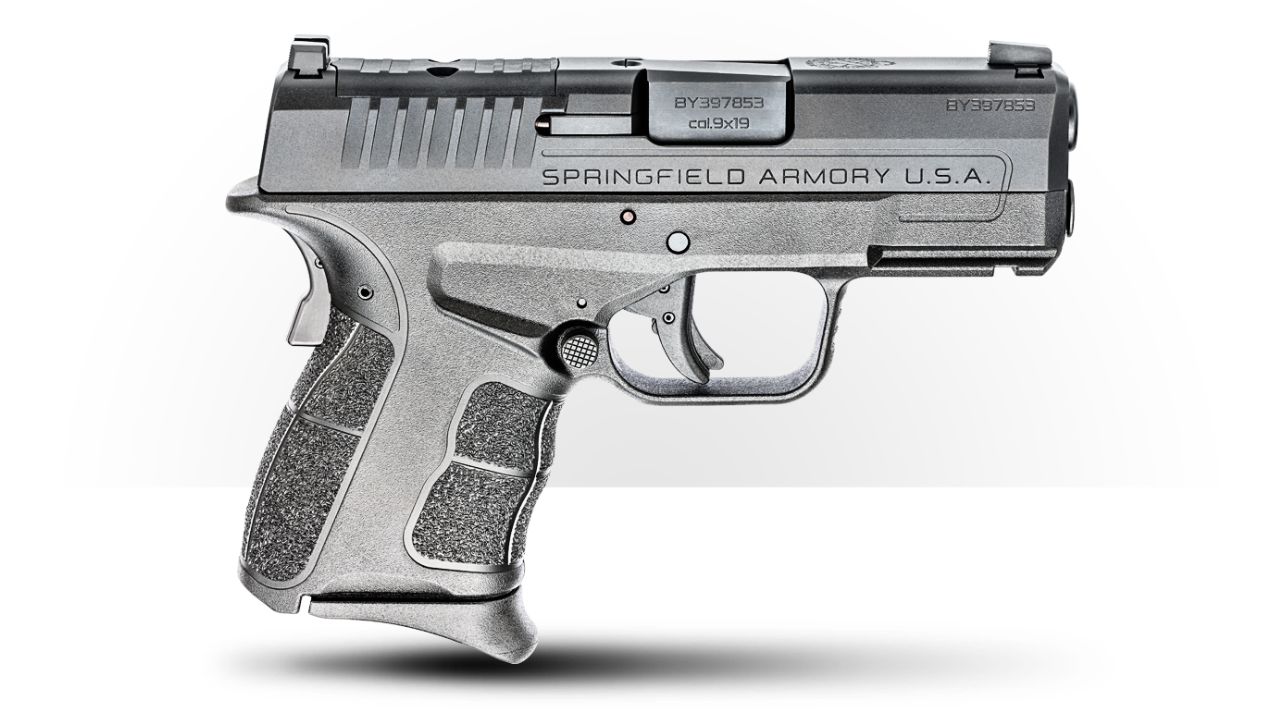
The Springfield XD-S had a strong run because it gave shooters a slim, single-stack defensive pistol in serious chamberings. The .45 ACP version especially sounded appealing to people who wanted big-bore power in a compact carry gun.
Then the tradeoffs showed up. Small .45 pistols can be sharp, slow to shoot well, and less forgiving than buyers expect. Even the 9mm versions eventually faced hard competition from higher-capacity micro-compacts. The XD-S was not useless, but the market moved past it faster than the early praise suggested.
Kimber Solo

The Kimber Solo looked like a premium answer to the small 9mm carry pistol. It was sleek, attractive, and carried the Kimber name, which created high expectations before many shooters ever put rounds through one.
The Solo’s reputation suffered because it could be picky, especially with ammunition, and small defensive pistols do not get much patience when reliability questions appear. A carry gun has to run with confidence. The Solo looked refined, but too many shooters found it more frustrating than reassuring.
Hudson H9

The Hudson H9 was one of the most interesting pistols to come along in years. Its low bore axis, 1911-ish trigger idea, and unusual design got a lot of attention from shooters who wanted something genuinely different.
The problem is that different needs support. The H9 was heavy, expensive, and tied to a company that did not last. That leaves owners with parts and service concerns. As a shooting concept, it was fascinating. As a practical handgun to buy and keep running long-term, the hype was far stronger than the reality.
Chiappa Rhino
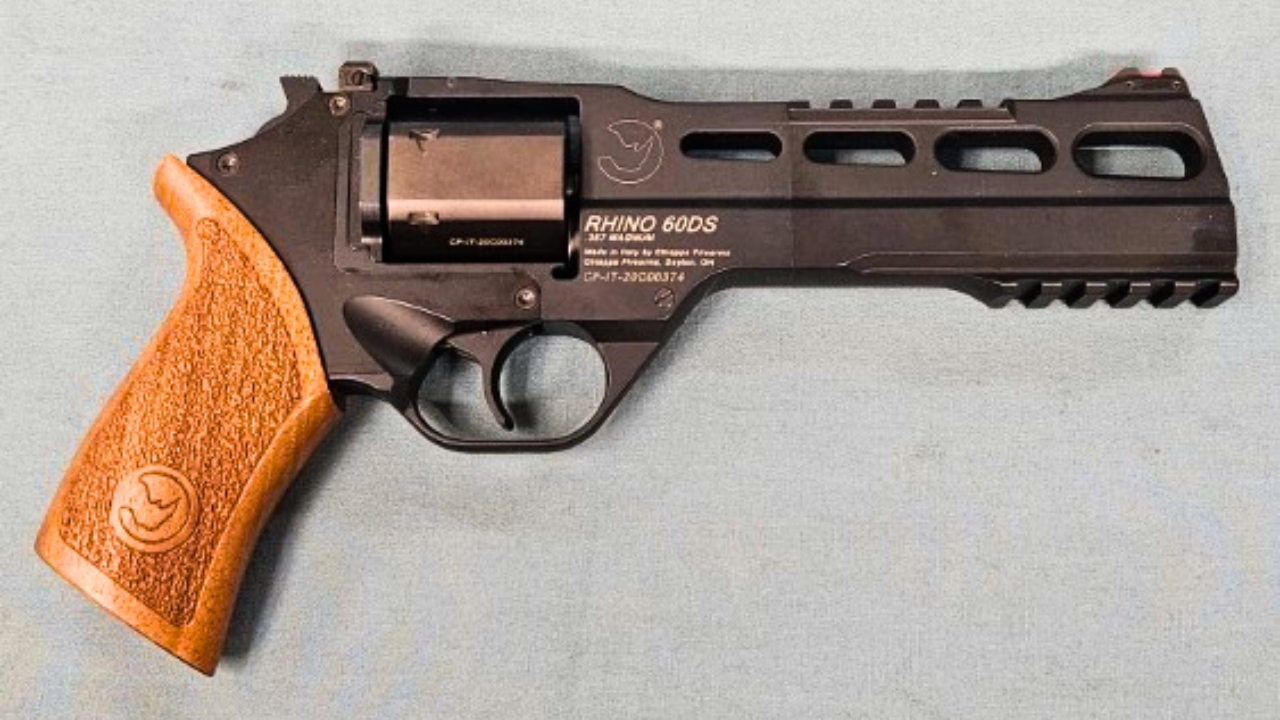
The Chiappa Rhino gets attention immediately because it looks unlike almost any other revolver. The low bore axis is not just a gimmick either; it really can change how recoil feels. That made shooters curious and gave the Rhino a strong following.
Still, the hype can outrun the practical case. The controls are unusual, the appearance is polarizing, holster support is more limited, and the trigger feel does not please everyone. It is clever and memorable, but not automatically better than a more traditional revolver. For many shooters, the Rhino is more fascinating than necessary.
Like The Avid Outdoorsman’s content? Be sure to follow us.
Here’s more from us: