Photo credit: theKGB65/YouTube
Most of us who’ve carried a handgun for any length of time have had the same argument with ourselves: a revolver you shoot well is hard to beat, but a revolver you actually carry day in and day out is a different deal. Experienced shooters tend to love certain wheelguns for one standout reason—accuracy, trigger feel, durability, nostalgia, raw power—then leave them at home for one nagging drawback that never goes away. Here are 20 of the big favorites that keep getting praised at the range and kept out of holsters for one very specific reason.
1. Smith & Wesson Model 29 (N-frame .44 Magnum)
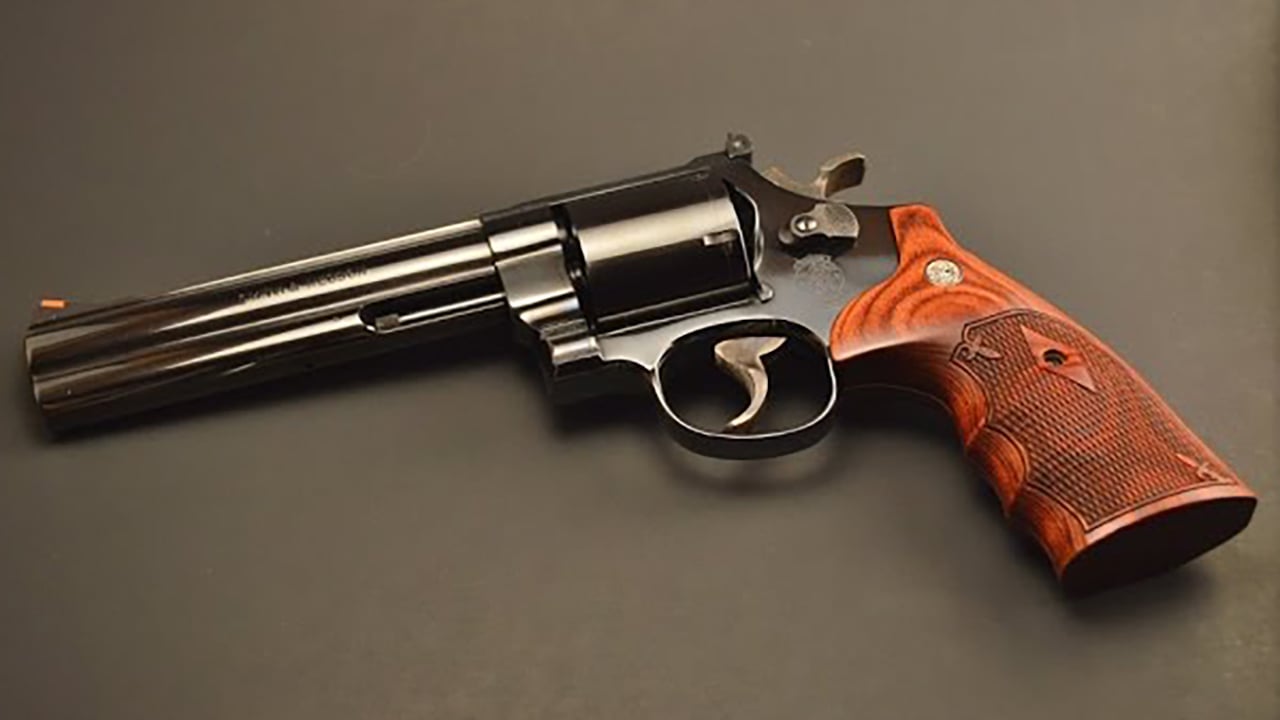
If you grew up on classic revolver lore, the Model 29 is the poster child. Plenty of seasoned shooters shoot it better than they “should,” because the balance is right and the sights are honest. A good 29 has that smooth, rolling double-action pull that makes you want to keep pressing the trigger. It’s also the kind of revolver you don’t forget you own—every time the safe door opens, it’s staring at you.
The reason it doesn’t get carried is simple: it’s a big N-frame, and it carries like a brick. Even in a solid belt holster it drags your pants and bumps truck seats. Folks also tend to baby them a little, because replacing a clean 29 isn’t cheap anymore. You can pack it in the woods, sure, but as an everyday carry gun it’s more commitment than most want.
2. Ruger Redhawk .44 Magnum
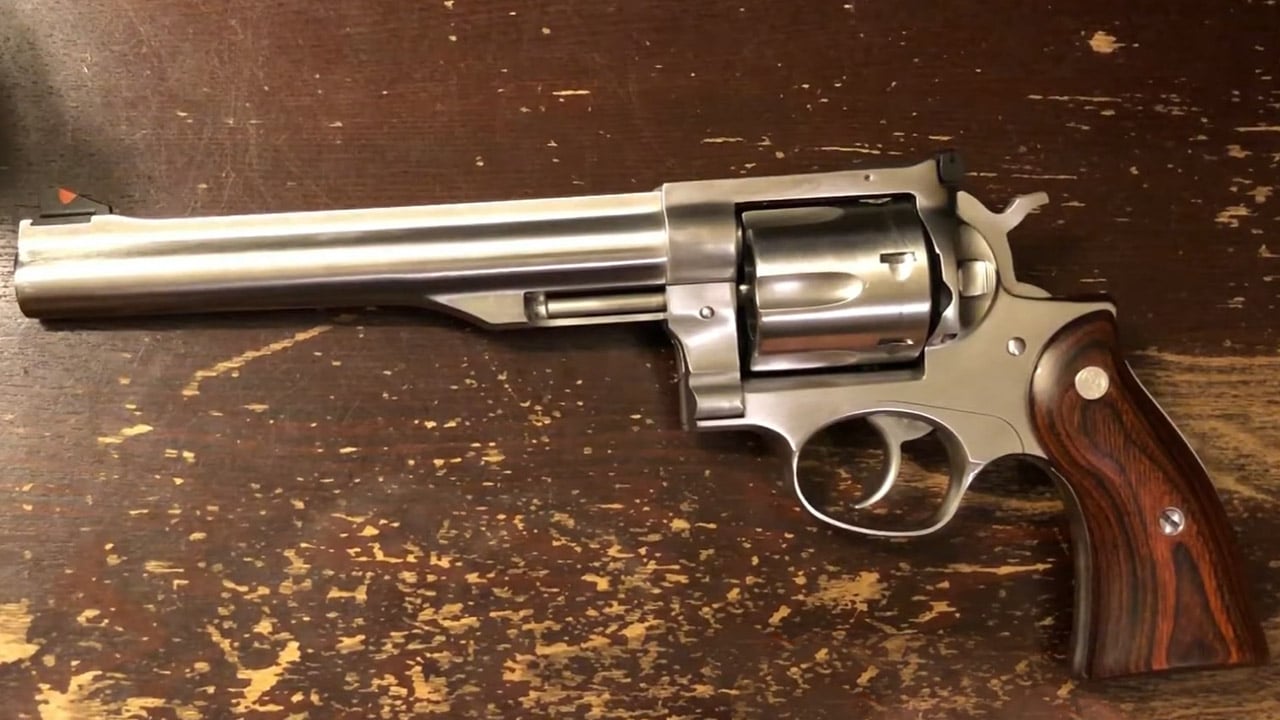
The Redhawk is the revolver you buy when you want strength first and everything else second. It will digest heavy loads without feeling like it’s being abused, and it’s the kind of handgun you can hand to a buddy at camp without giving a safety speech about “don’t scratch it.” In wet weather and rough truck-gun life, Ruger stainless makes sense.
But the same overbuilt toughness is exactly why it stays home. It’s heavy, the cylinder is chunky, and it takes real effort to conceal unless you’re wearing a coat most of the year. The double-action trigger can also feel stout until it’s worn in or tuned, which doesn’t help the “carry it all day” motivation. Great gun. Not a comfortable habit.
3. Colt Python (modern or vintage, .357 Magnum)
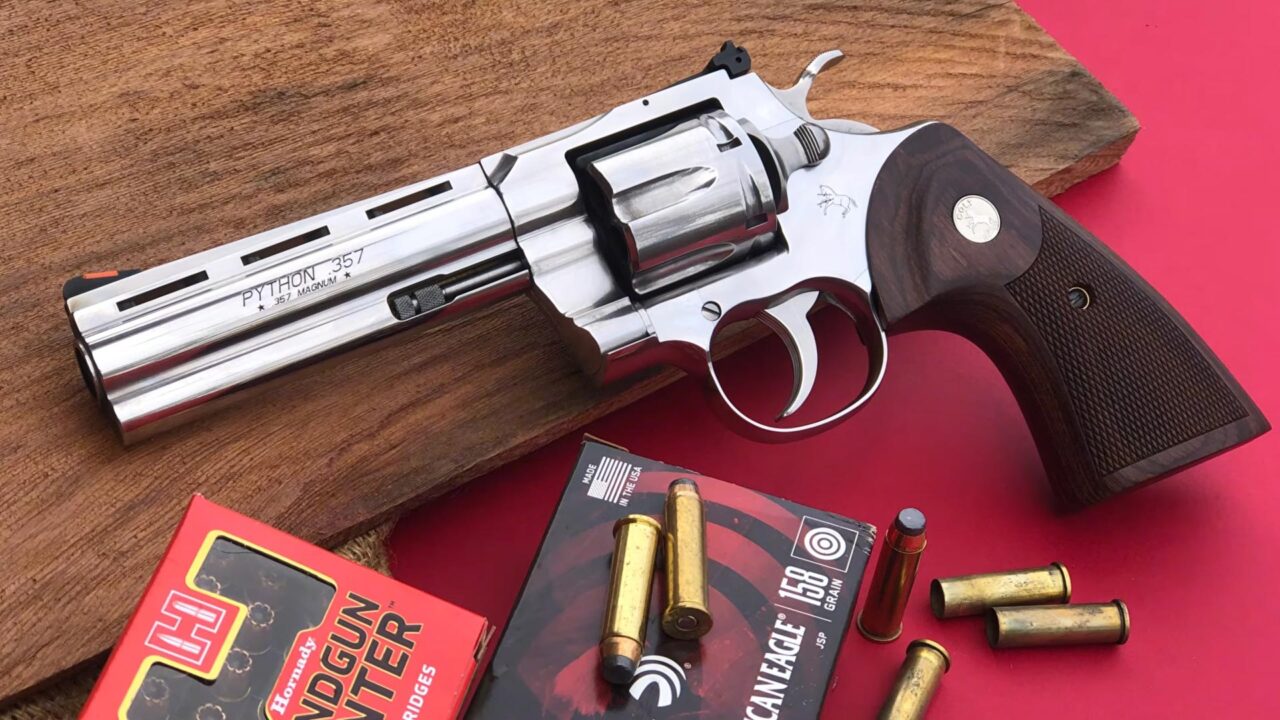
There’s a reason experienced shooters grin when a Python comes out. The sights are sharp, the lockup feels bank-vault tight, and the gun just points well for a lot of hands. A good Python makes you look like a better shooter than you are, especially in single action with .38s. It’s a classy revolver that still performs, not just a safe queen.
And that’s the problem: it’s too nice. Even the new ones aren’t cheap, and the older ones have that “don’t ding it” aura. Carrying it means holster wear, sweat, door frames, gravel, and life. Plenty of shooters refuse to turn a revolver like that into a beater, and I get it. They’ll shoot it often, show it off sometimes, and carry something else.
4. Smith & Wesson Model 686 (4-inch, .357 Magnum)

The 686 might be one of the best “do it all” revolvers ever made. With a 4-inch barrel it’s a range tack driver with .38 Special, and it’s a legit defensive gun with .357 loads if you can handle them. The L-frame feels steady without being as bulky as an N-frame, and the sights are easy to live with in real light.
The reason it doesn’t ride on a lot of belts is the same reason it shoots so well: size. A 4-inch steel revolver is long, heavy, and it prints under regular clothes. It also wants a real belt and a real holster, not a quick clip-on solution. The 686 is a fantastic “belt gun,” but lots of folks aren’t dressed for a belt gun every day.
5. Smith & Wesson Model 19 (K-frame .357 Magnum)
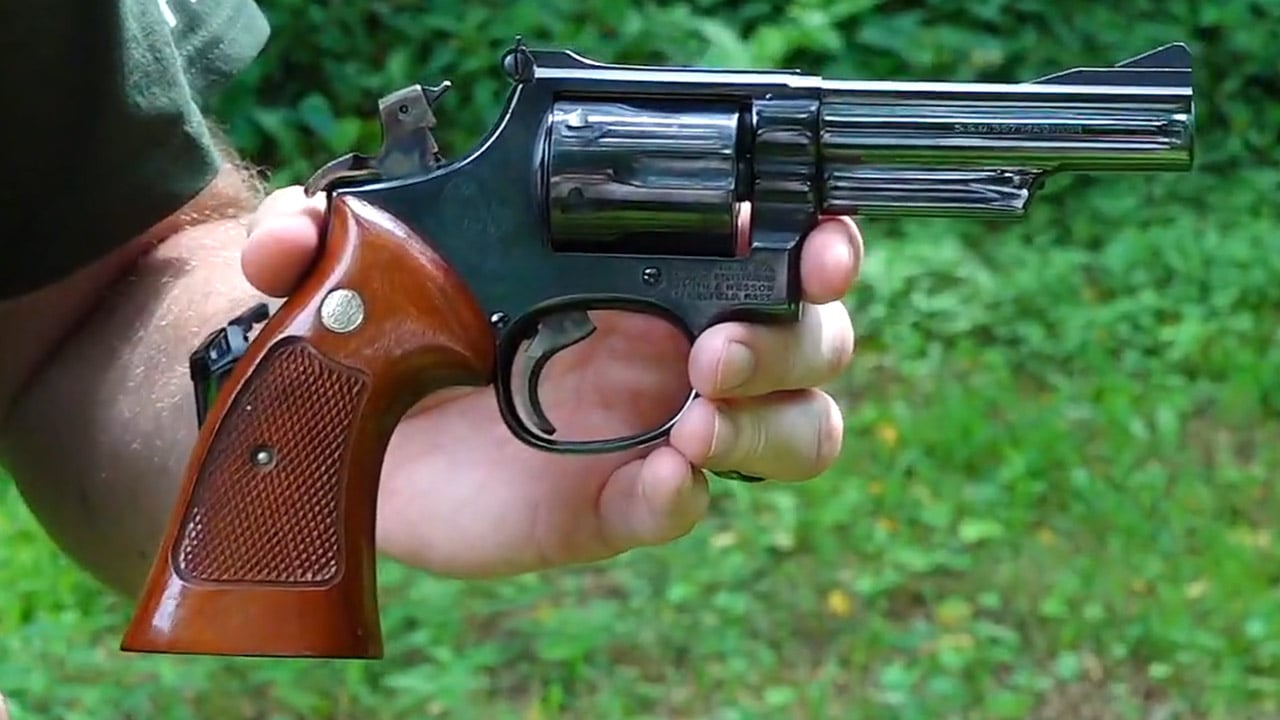
The Model 19 is one of those revolvers that feels “right” the moment you pick it up. The K-frame carries better than bigger guns, and the balance is quick without being whippy. With .38s it’s a joy, and for many shooters the sights and grip shape line up naturally. It’s got that classic lawman vibe for a reason.
The holdup is durability with a steady diet of hot .357s, especially the lighter, faster loads. Folks who know these guns tend to respect their limits, and that makes some shooters hesitate to carry them as a primary if their preferred carry ammo is full-house magnum. They’ll own it, shoot it, maybe keep it as a house gun with .38 +P, and carry something they won’t second-guess.
6. Smith & Wesson Model 27 (N-frame .357 Magnum)
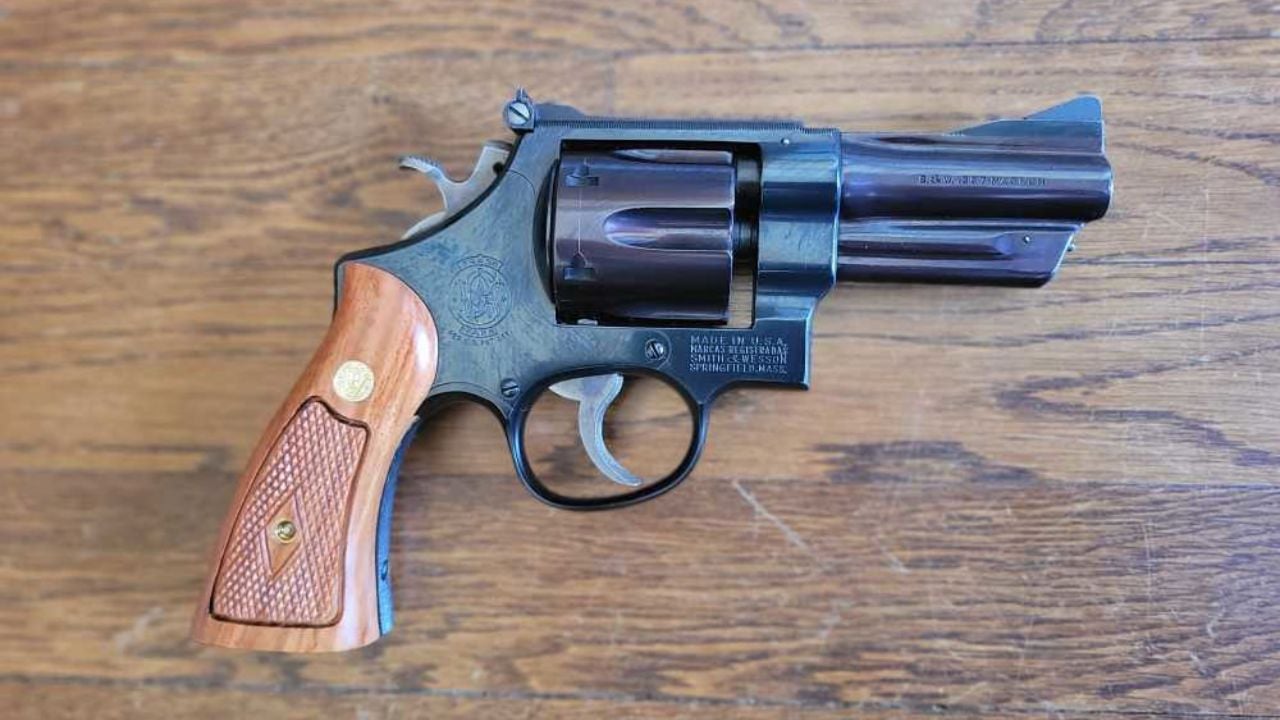
The Model 27 is the fancy, old-school answer to “what if a .357 was built like a Cadillac?” The checkering, the polish, the heft—everything about it says quality. On the range, it’s one of those revolvers that makes magnum recoil feel more like a push than a slap. A lot of experienced shooters shoot a 27 exceptionally well.
The reason it doesn’t get carried much is that it’s big and it’s pretty. N-frame bulk is real, and the finish makes owners cautious about hard use. It also tends to be a collector-leaning gun now, which adds to the reluctance. The 27 winds up being the revolver you admire, not the one you sweat on all summer.
7. Ruger GP100 (4-inch, .357 Magnum)

The GP100 is the working man’s .357. It soaks up recoil, the frame is strong, and it doesn’t mind being shot a lot. In the woods or on a farm it’s a comforting revolver to have around. When you’re practicing double action, a GP100 feels like it’s encouraging you to run it hard.
Carrying it concealed is where the romance fades. The cylinder is thick, the overall weight adds up, and you notice it by lunchtime. You can do it with the right setup, but a lot of shooters decide they’d rather carry a lighter revolver or jump to a compact semi-auto. The GP100 ends up as a nightstand and range favorite more than an everyday companion.
8. Smith & Wesson Model 66 (stainless K-frame .357 Magnum)
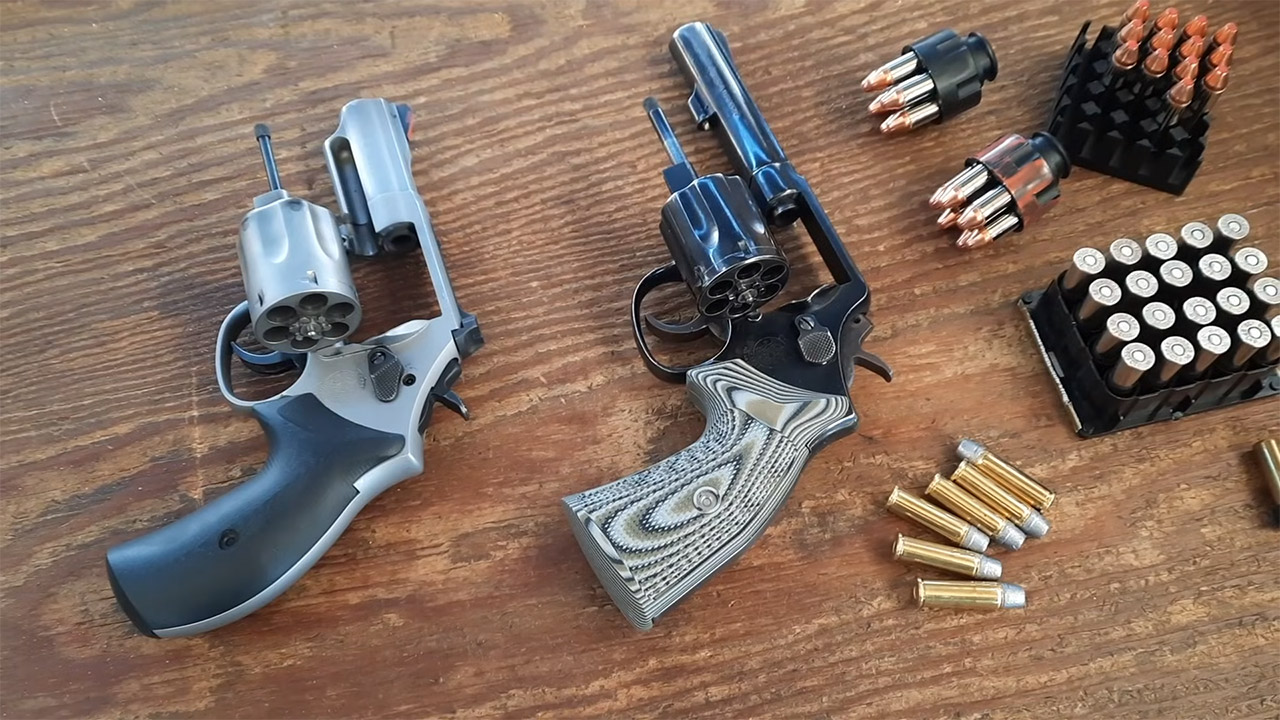
The Model 66 checks a lot of boxes: stainless for weather, K-frame for handling, .357 chambering for flexibility. It’s easy to shoot well, and with .38s it’s downright friendly. For folks who hunt and fish, stainless is peace of mind when you get caught in rain or lean against a sweaty pack.
The sticking point is that it’s still a medium-frame steel revolver. It’s not heavy like an N-frame, but it’s not light, and the cylinder width still prints under light clothing. Some also circle back to the same K-frame magnum wear concerns depending on ammo choices. Many owners wind up carrying it in the field and leaving it home in town.
9. Ruger SP101 (2.25-inch, .357 Magnum)
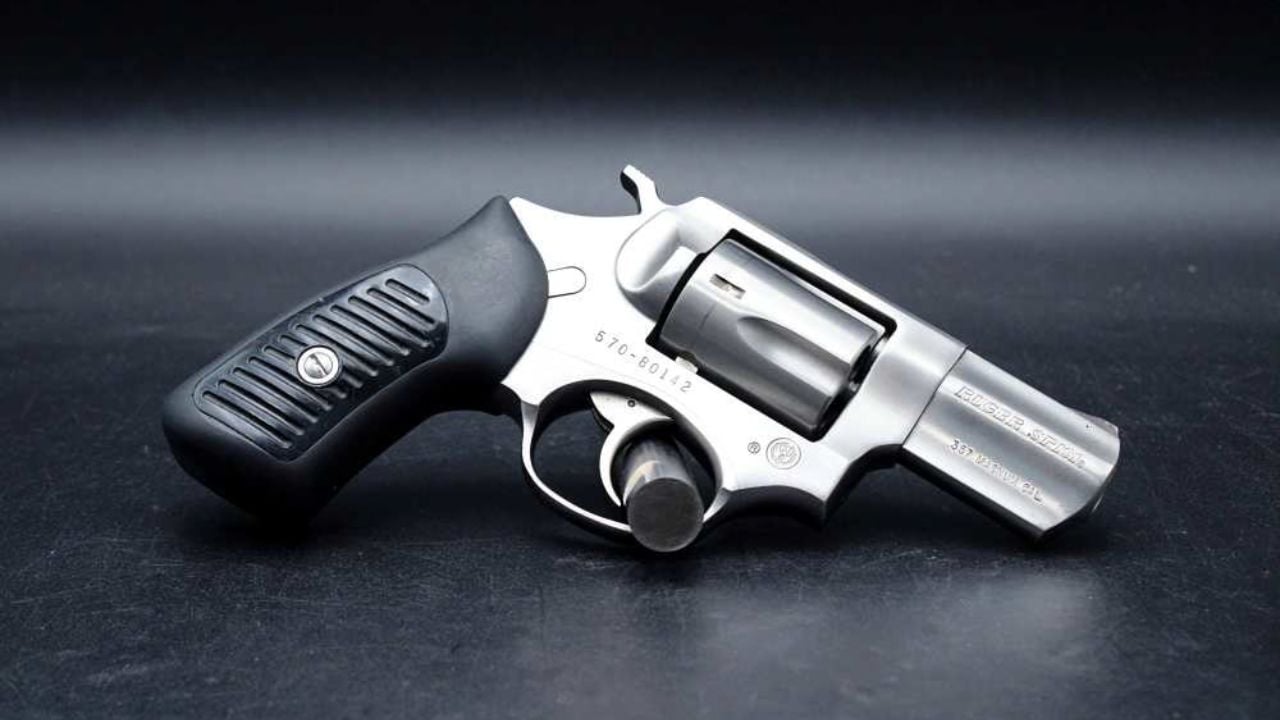
The SP101 has a loyal following because it’s tough for its size. It’s a small revolver that can actually handle magnum loads without feeling like it’s coming apart. In a pocket holster or IWB, it’s doable for a lot of body types. For an experienced shooter who likes revolvers, it’s an easy gun to respect.
The reason it often doesn’t become the daily carry is weight and trigger feel. Compared to the featherweight snubs, the SP101 is dense, and it pulls pockets down. And out of the box, many SP101s have a heavier double-action pull than folks prefer for quick, accurate shooting. It’s not unfixable, but plenty of owners don’t bother and just carry something that feels “ready” sooner.
10. Smith & Wesson 642 Airweight (.38 Special)
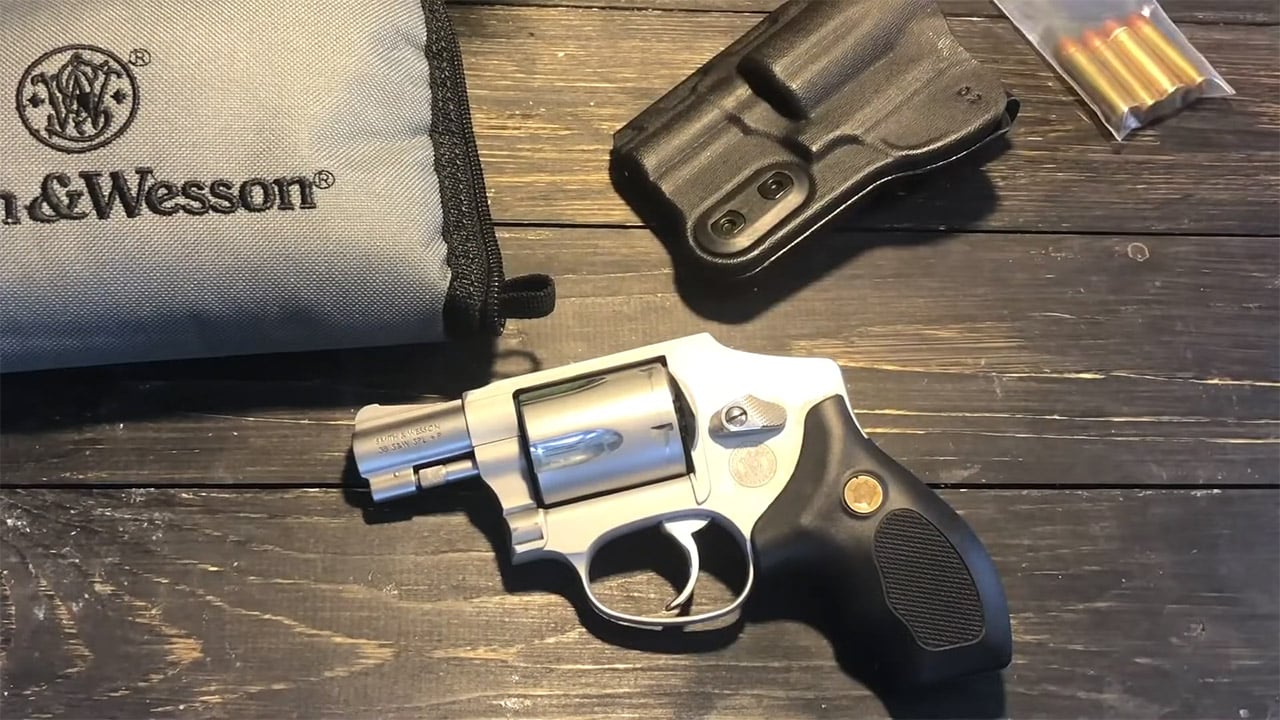
The 642 is one of the best “always” guns ever made. It disappears, it doesn’t snag, and it’s simple. Toss it in a pocket holster, check it for lint once in a while, and it’s there when you run to town for feed or fuel. The enclosed hammer is a real advantage for pocket carry.
Experienced shooters still skip carrying it for one reason: it’s not fun to practice with. Lightweight snubs with defensive .38 loads have a sharp recoil that beats up hands and confidence. The little sights don’t help, especially in dim light. Owners trust them, but they don’t always train with them enough, and that nagging feeling makes them reach for something easier to shoot well.
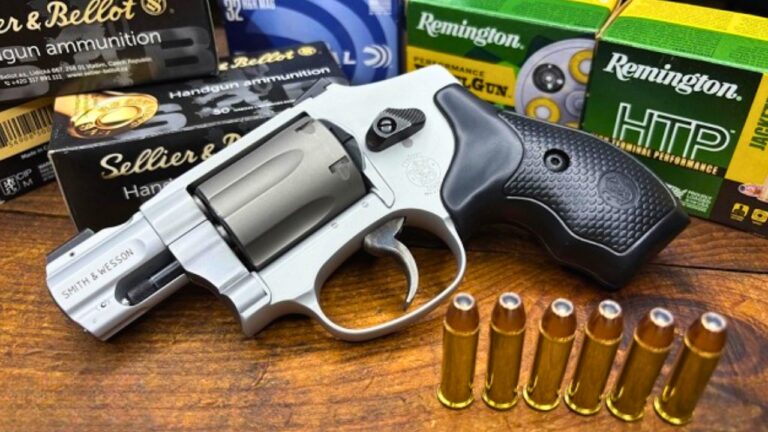
11. Smith & Wesson 340PD (Scandium/Titanium .357 Magnum)
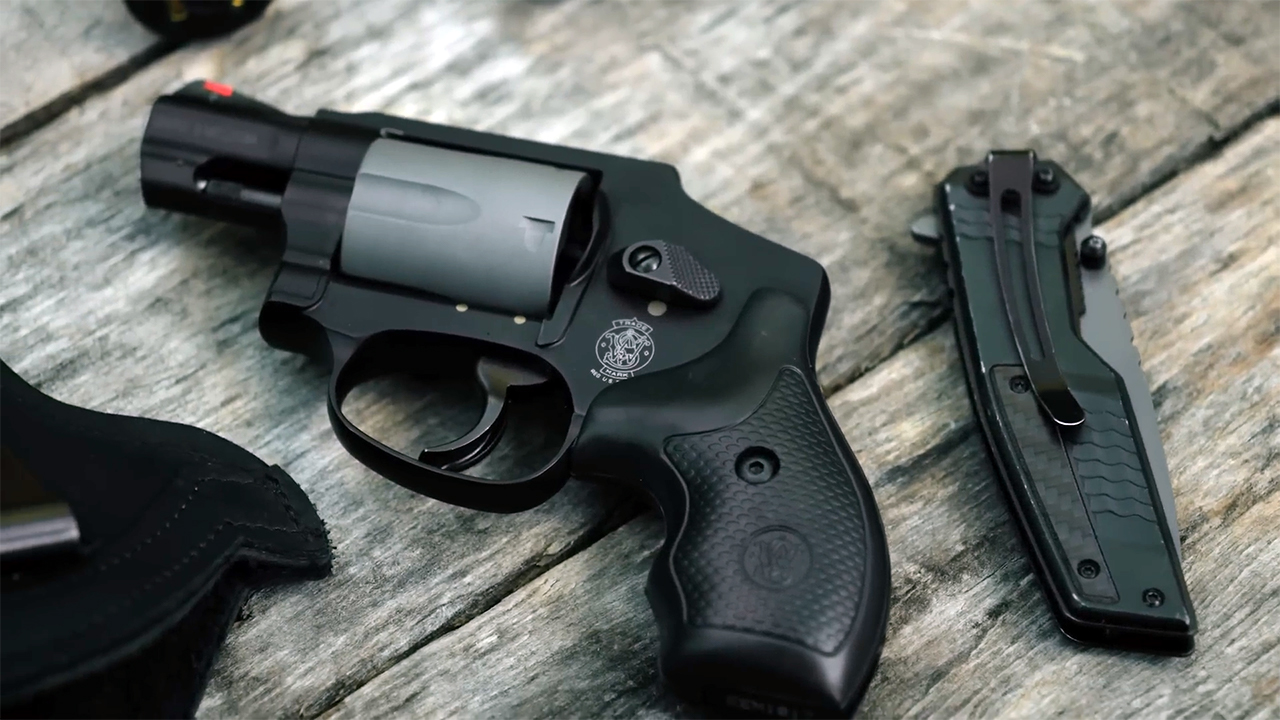
On paper, the 340PD sounds like perfection: tiny, incredibly light, and chambered in .357. It carries like a pocketknife. In deep concealment situations, it’s hard to beat the concept. Guys who spend time outdoors also like that it doesn’t drag down shorts or light clothes.
Then you touch off real .357 ammo and remember physics still applies. Recoil is violent, muzzle blast is nasty, and follow-up shots can be slow even for competent shooters. Many owners end up carrying .38 +P in it anyway, which makes them question why they paid for the magnum chambering in the first place. It’s a great tool for a very narrow lane, but it’s not most folks’ idea of a regular practice gun.
12. Ruger LCR .357 Magnum
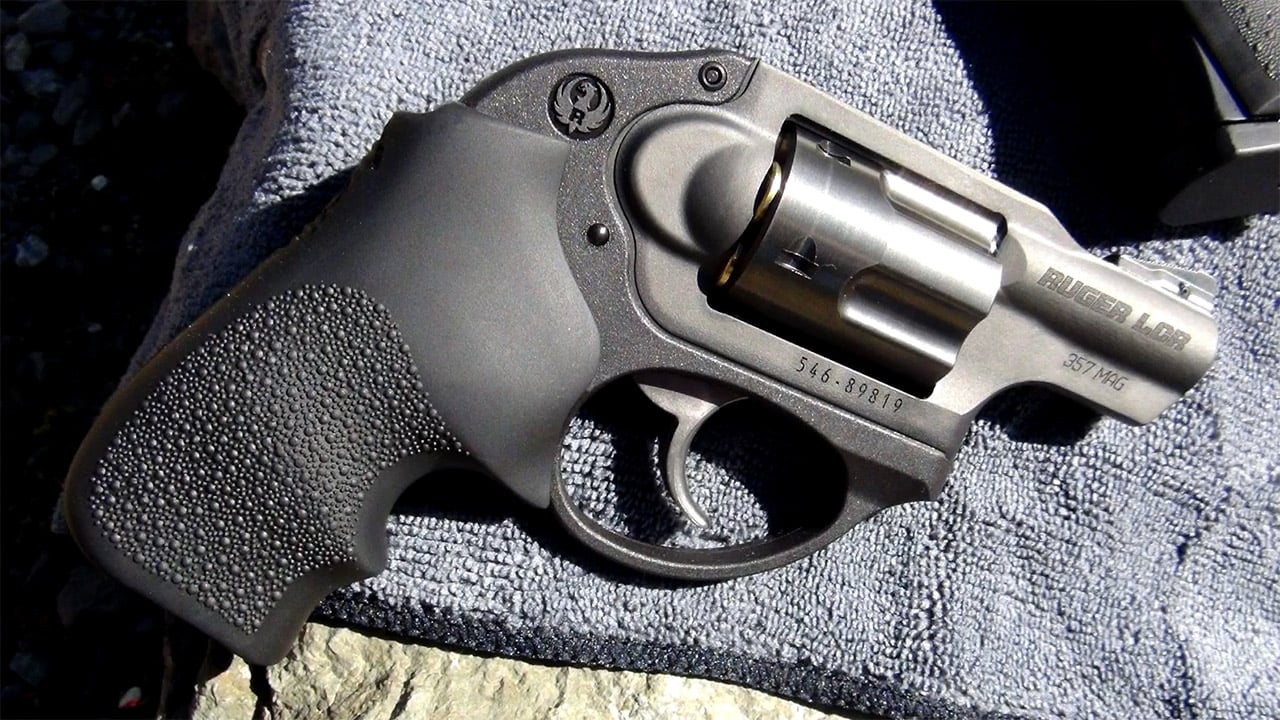
The LCR has one of the best factory triggers in the snub revolver world. It stacks differently than a traditional Smith, but once you learn it, it’s smooth and consistent. The gun is also surprisingly accurate for what it is, and the grip does a good job managing recoil with .38s. For pocket carry, it’s a serious option.
Where it loses daily-carry votes is the same place many snubs do: shootability with carry ammo. In .357, it’s a handful, and most experienced shooters decide quickly that .38 +P is the realistic setup. Then the “why not just carry a .38 LCR?” question creeps in. Some also don’t love the high-profile cylinder bulge in pockets. It’s workable, but it’s not effortless.
13. Colt King Cobra (3-inch, .357 Magnum)

A 3-inch King Cobra is one of those revolvers that makes sense the minute you start shooting it. You get a real sight radius, an ejector rod long enough to help with extraction, and a gun that balances between snub and service revolver. In the woods, it’s handy. In town, it’s still concealable with the right rig.
The complaint that keeps it out of holsters is parts-and-support anxiety and cost. Colt isn’t the same “every corner gunsmith” brand it used to be, and not everybody wants a carry gun they feel hesitant to service or replace. Also, they’re nice guns, and nice guns make owners cautious. It becomes a “special carry” revolver instead of the one that gets sweat on it every day.
14. Kimber K6s (2-inch, .357 Magnum)
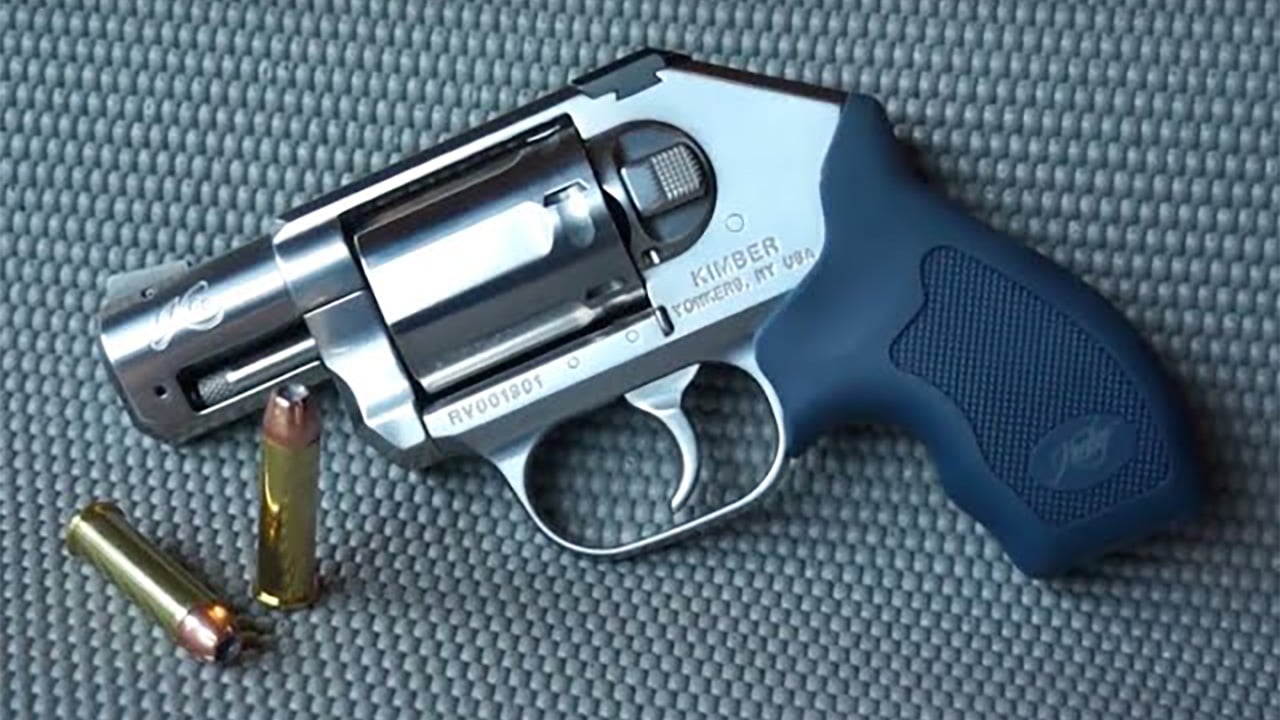
The K6s earned respect fast because it’s a true six-shot in a compact size, and it feels tight and well made. It carries well IWB, and the sights on some models are better than the typical trench you get on snubs. When you run it side-by-side with older five-shots, that extra round is comforting.
The hang-up is that it’s still a small-frame .357, and it still recoils like one. Even if you carry .38 +P, the gun’s small grip can punish longer practice sessions. A few shooters also prefer a longer track record before trusting a revolver as a daily tool, especially at Kimber prices. Many owners love owning it, shoot it enough to stay honest, and then default to something cheaper to beat up.
15. Smith & Wesson Model 60 (J-frame stainless, .357 Magnum)

The Model 60 is a classic for a reason. Stainless steel, small enough to conceal, and in .357 it gives you options. Loaded with .38s it’s a sweet little revolver that will last a long time. It also looks like a revolver “should” look, which matters more to some of us than we admit.
Why it doesn’t get carried as much as you’d think comes down to comfort and capacity. Even in .38, it’s a small grip and a short sight radius, so it takes real effort to shoot quickly and accurately past close distances. And five rounds is five rounds. Experienced shooters understand limitations, and sometimes that means picking a gun with more capacity or easier recoil control for the same carry inconvenience.
16. Smith & Wesson Model 317 AirLite (.22 LR)
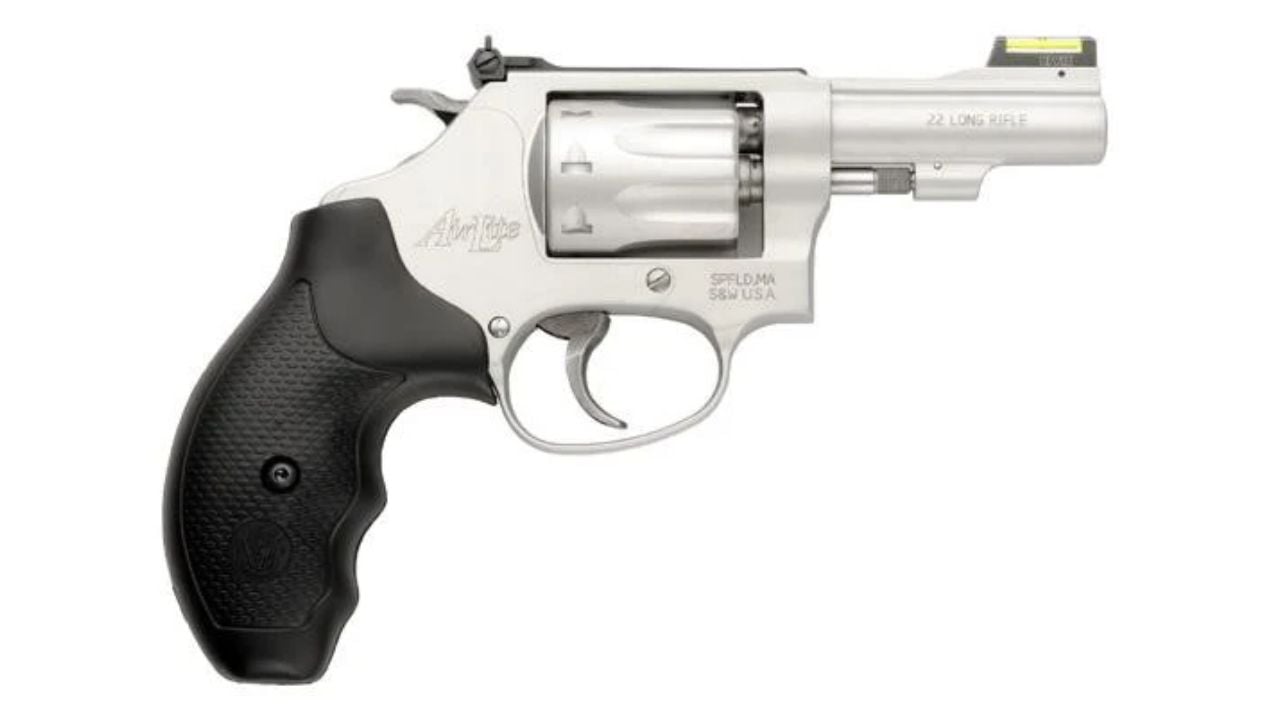
The 317 is the revolver you slip into a tackle box or pack and barely notice. For camp chores, snakes, tin cans, and general “keep it handy” work, a light .22 revolver is useful. It’s also a great training tool for working a double-action trigger without beating yourself up. A lot of veteran shooters have one because it fills odd little outdoor gaps.
The reason it doesn’t get carried for defense is obvious: .22 LR is a compromise. Yes, it can work, and yes, shot placement matters, but serious carriers tend to choose something with more reliable terminal performance and ignition. On top of that, ultralight .22 revolvers can be finicky with ammo, and rimfire reliability varies by brand and lot. The 317 earns its keep, just not in most folks’ carry rotation.
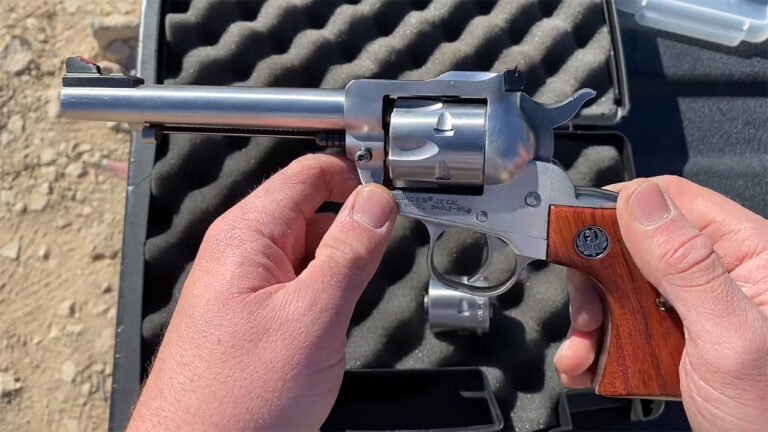
17. Ruger Single-Six (.22 LR/.22 Magnum)
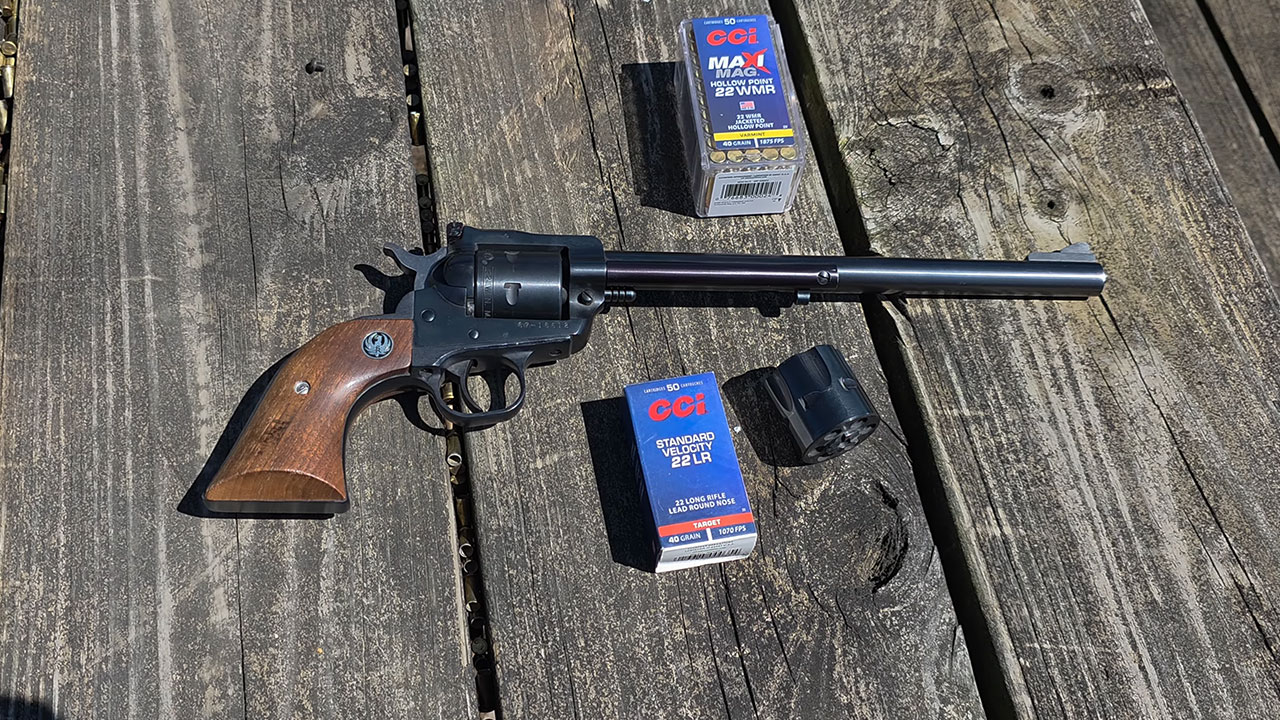
The Single-Six is a joy around a farm or camp. It points naturally, it’s accurate, and it’ll run forever with basic care. For plinking, rabbits, and knocking pests off a fence line, it’s hard to beat. The .22 Magnum cylinder gives it a little extra reach for certain chores, and the gun just has that old-school fun factor.
The one reason it’s usually not a carry gun is loading and reload speed. Single-action revolvers are slower to top off, and they’re not built around the same defensive workflow most folks train with. Add in the fact it’s typically carried in an open holster and has a longer barrel, and it becomes more of an outdoors companion than a concealed-carry piece. It’s lovable, but it’s not quick.
18. Smith & Wesson Model 36 Chiefs Special (.38 Special)
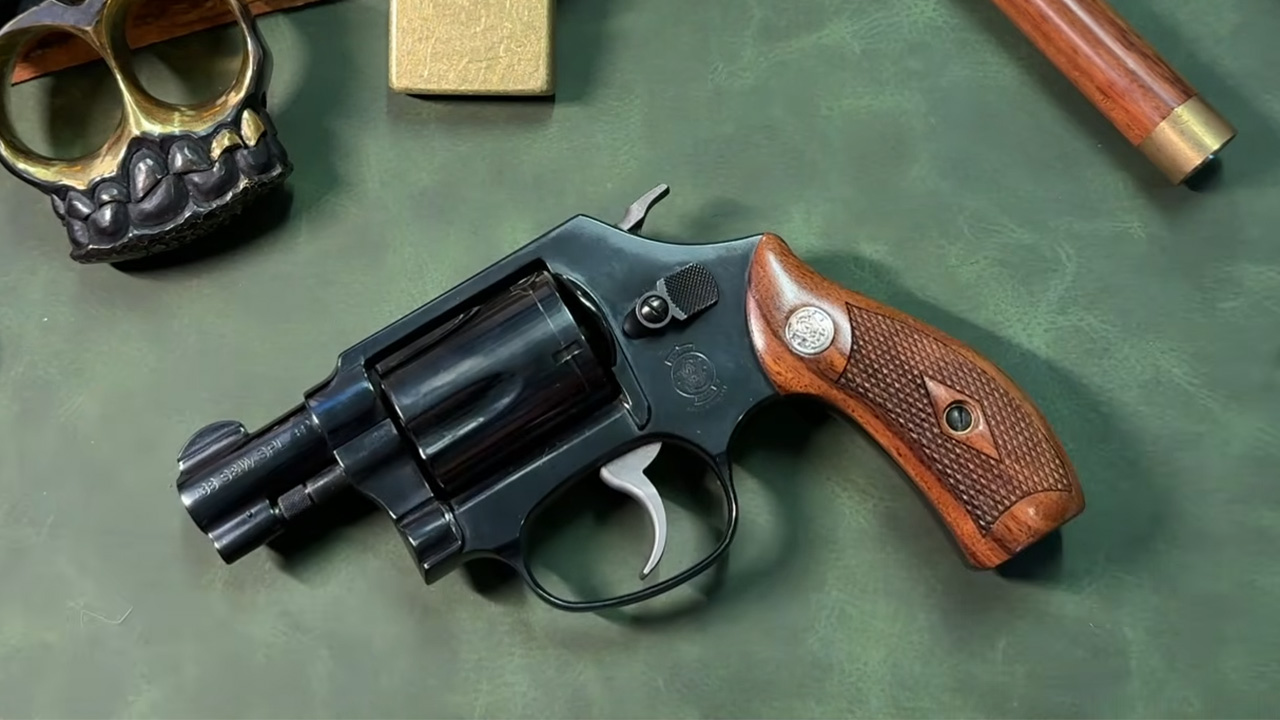
The Model 36 is one of those “I should carry this more” revolvers. It’s compact, it’s proven, and it carries like a real snub should. The steel frame makes it more pleasant to shoot than the ultra-lightweights, which means you’re more likely to practice. There’s nothing flashy about it, and that is kind of the point.
It tends to sit at home for one reason: it’s heavier than modern options without offering more capacity. Compared to a 642, it’s noticeably denser in a pocket. Compared to a small semi-auto, it’s usually lower on rounds. Folks who love it often reserve it for certain clothing days or as a backup gun. The Model 36 stays respected, but convenience wins a lot of mornings.
19. Charter Arms Bulldog (.44 Special)

The Bulldog is one of those revolvers that gets talked about in gun shops by guys who’ve been around. A compact .44 Special has real appeal: big bullet, manageable pressure, and good “close range problem solver” energy without magnum blast. When you get a good Bulldog, it can be surprisingly handy and accurate at realistic distances.
The reason many don’t carry it is inconsistency and confidence. Charter revolvers can vary from great to rough, and experienced shooters hate question marks in carry gear. The trigger can be gritty, timing concerns get mentioned, and aftermarket support isn’t like Smith or Ruger. It’s not that Bulldogs can’t work—it’s that carry guns need to be boringly trustworthy. For a lot of owners, the Bulldog is more of a niche woods gun than a daily bet.
20. Smith & Wesson Model 625 (.45 ACP, moon clips)

The 625 is a shooter’s revolver. A big N-frame throwing .45 ACP is soft, accurate, and ridiculously fun. With moon clips, reloads can be fast and positive, and the gun has a competition pedigree for a reason. If you’ve never rung steel with a 625, you’re missing out on one of the smoothest revolver experiences around.
So why isn’t it on more belts? It’s still a large N-frame, and moon-clip life isn’t for everybody. Clips bend, they take a little organization, and carrying spares isn’t as simple as tossing speed strips in a pocket. The gun is also wide, and concealment takes effort. Plenty of owners keep the 625 for range days, matches, and home use—then carry something slimmer when they leave the driveway.
Revolvers have a way of sticking around even when they don’t get carried. The good ones shoot well, last a long time, and make you honest about fundamentals. But carry is a lifestyle choice, and weight, width, recoil, cost, and confidence all matter more than brand loyalty. If you’ve got one of these in the safe, there’s nothing wrong with that. Just be clear-eyed about why it stays home—and make sure whatever you do carry is something you’ll actually practice with.
Like The Avid Outdoorsman’s content? Subscribe to our newsletter so you never miss an article.
Here’s more from us: