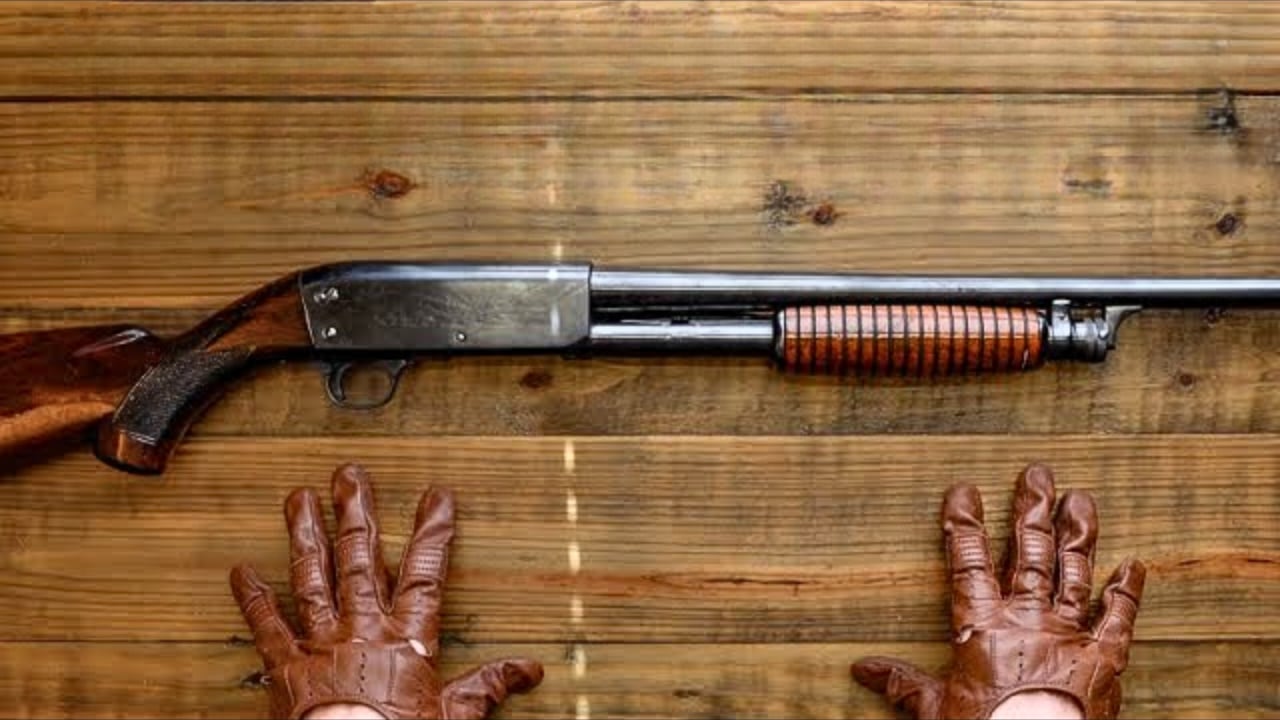
Photo credit: LeverBoy/YouTube
In my twenties I treated guns like gear. If something wasn’t getting used every week, I’d trade it toward the next shiny thing, or sell it to cover tires, rent, tags, or whatever “grown-up” bill showed up at the worst time. Back then I thought I could always buy another one later. Turns out “later” is when the prices jump, the models change, and the good examples dry up.
These are 20 I let walk out the door that I’d hang onto with both hands today. Not because every one is rare or perfect, but because they each did a job well, had a feel you can’t spec-sheet, or taught me something I didn’t appreciate until I tried to replace it.
1. Ruger P95 (9mm)
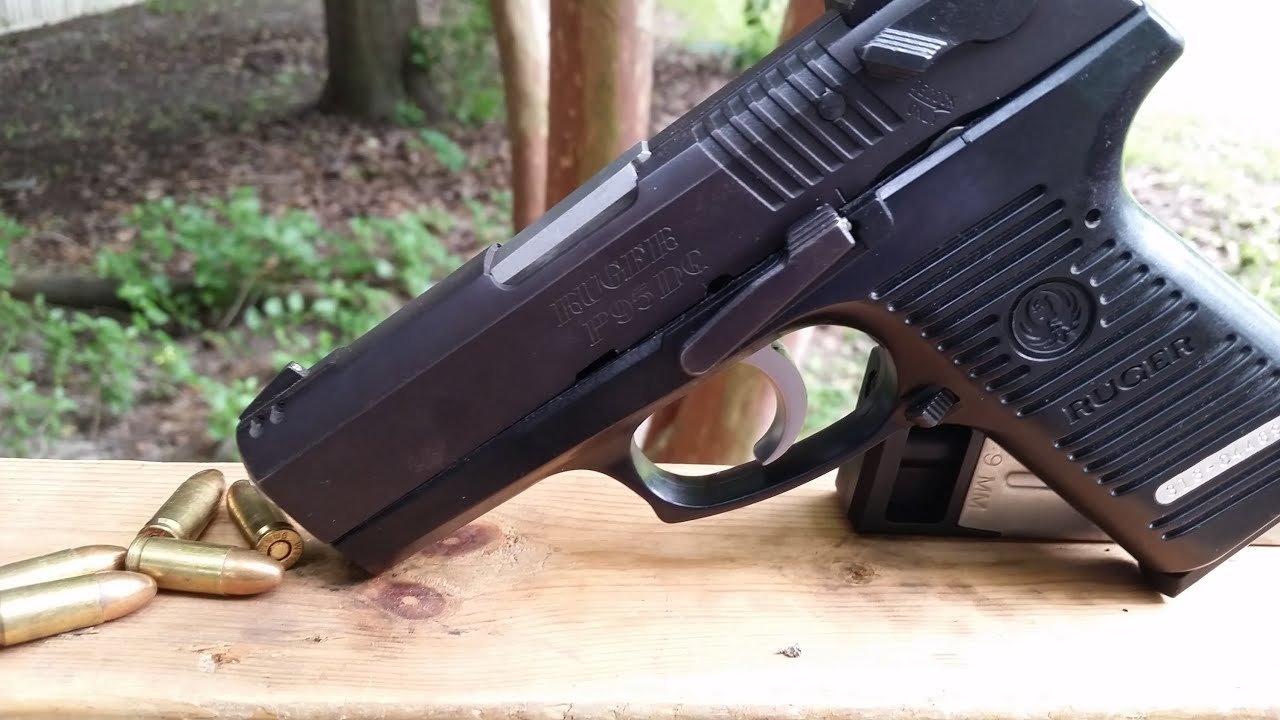
I sold my P95 because it was “too chunky” and didn’t have the cool factor of newer polymer pistols. That was the whole reason. Looking back, that gun was the definition of dependable. The slide felt like it was riding on railroad tracks, and it ate whatever bargain 9mm I fed it without a complaint.
It wasn’t elegant, and the trigger was never going to win any awards. Still, it pointed naturally for me, magazines were easy to find, and I never once worried about it in a nightstand role. Now when I see a clean P95, the price is higher than it should be for a “boring” pistol, and I understand why. Boring is what you want when something goes bump at 2 a.m.
2. Glock 19 Gen3
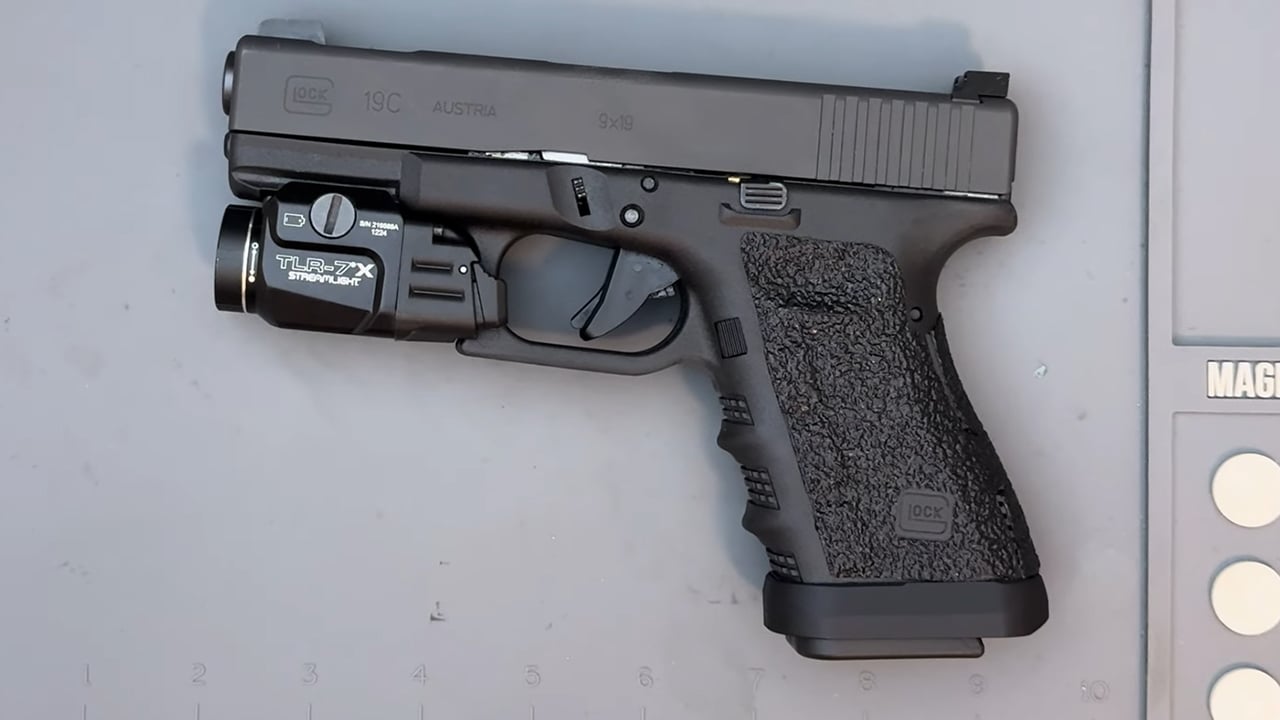
I know, a Glock 19 isn’t exotic. That’s kind of the point. Mine was a Gen3 that had thousands of rounds on it, and it ran like a small-block Chevy. I let it go during a phase where I thought I needed something “more refined.” That one hurts.
The Gen3 grip texture and finger grooves don’t fit everyone, but that gun carried easy, shot flat, and the parts and magazines were everywhere. If you hunt, fish, camp, and travel, commonality matters. When you can walk into almost any shop and find mags, holsters, sights, and a spare recoil spring, that’s a real advantage. I’ve owned nicer pistols, but few that were more useful.
3. Smith & Wesson Model 10 ( .38 Special)
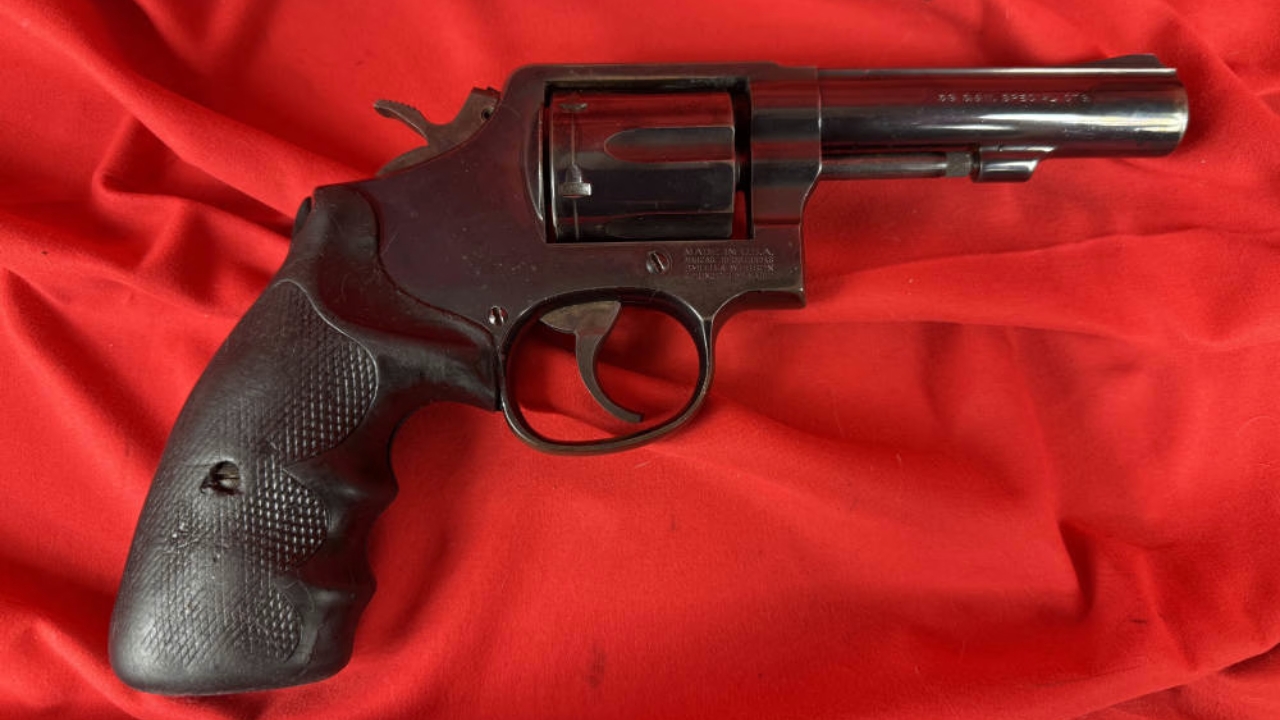
My Model 10 was an old trade-in with honest holster wear and a trigger that felt like it had been smoothed by decades of use. I sold it because I didn’t “need” a revolver. Then I spent years trying to find another that had that same slick double-action pull without paying collector money.
A K-frame .38 is still one of the best teaching tools going. It forces you to run the trigger correctly, it doesn’t beat you up, and it’s about as straightforward as firearms get. For trail use it’s comforting in a quiet way, especially with good sights and grips that fit your hand. There’s nothing tactical about it, and that’s why it’s still relevant.
4. Remington 870 Wingmaster (12 gauge)
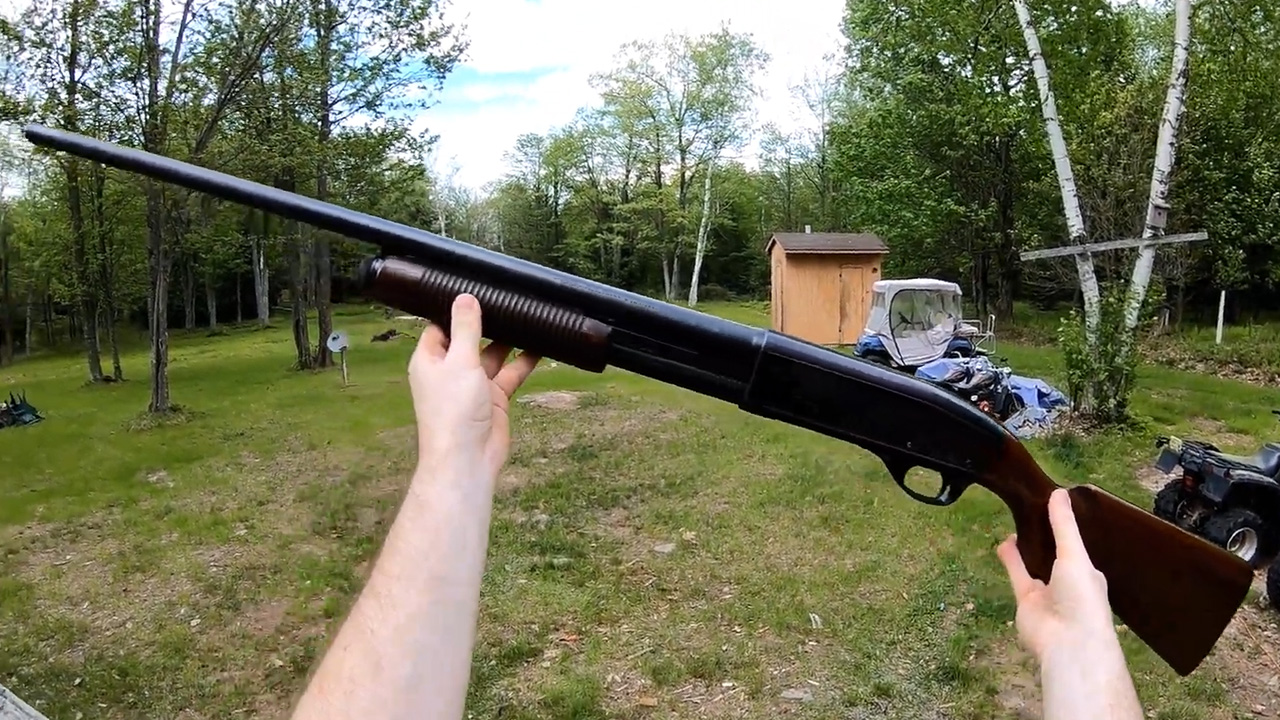
I traded a Wingmaster because I wanted a newer shotgun with “better features.” What I really traded away was that slick, broken-in action and a piece of walnut and blued steel that felt alive. The Wingmaster’s pump stroke was smooth in a way the budget models rarely match.
It wasn’t a dedicated turkey gun or a dedicated waterfowl rig, but it did everything well enough. With a vent rib barrel it swung naturally on birds, and with a shorter barrel it handled fine in the woods. The best part was how it carried—balanced, not muzzle-heavy. You can still find 870s, but finding a clean older Wingmaster that hasn’t been abused is tougher every season.
5. Marlin 336 ( .30-30 Win)

I used to think a .30-30 lever gun was something you “graduated from.” Then I started hunting thicker stuff again and realized how handy a 336 is when you’re slipping through hardwoods and laurel. Mine was nothing fancy, but it shot better than it had any business shooting with plain old soft points.
The 336 carries flat against your body, cycles fast, and comes up on target like it was built for snap shots. It’s also a rifle you don’t mind getting a little wet, because it’s a working gun at heart. After I sold it, I watched prices climb and quality vary. The older ones with good wood-to-metal fit and a decent trigger are getting harder to stumble into.
6. Ruger 10/22 Carbine
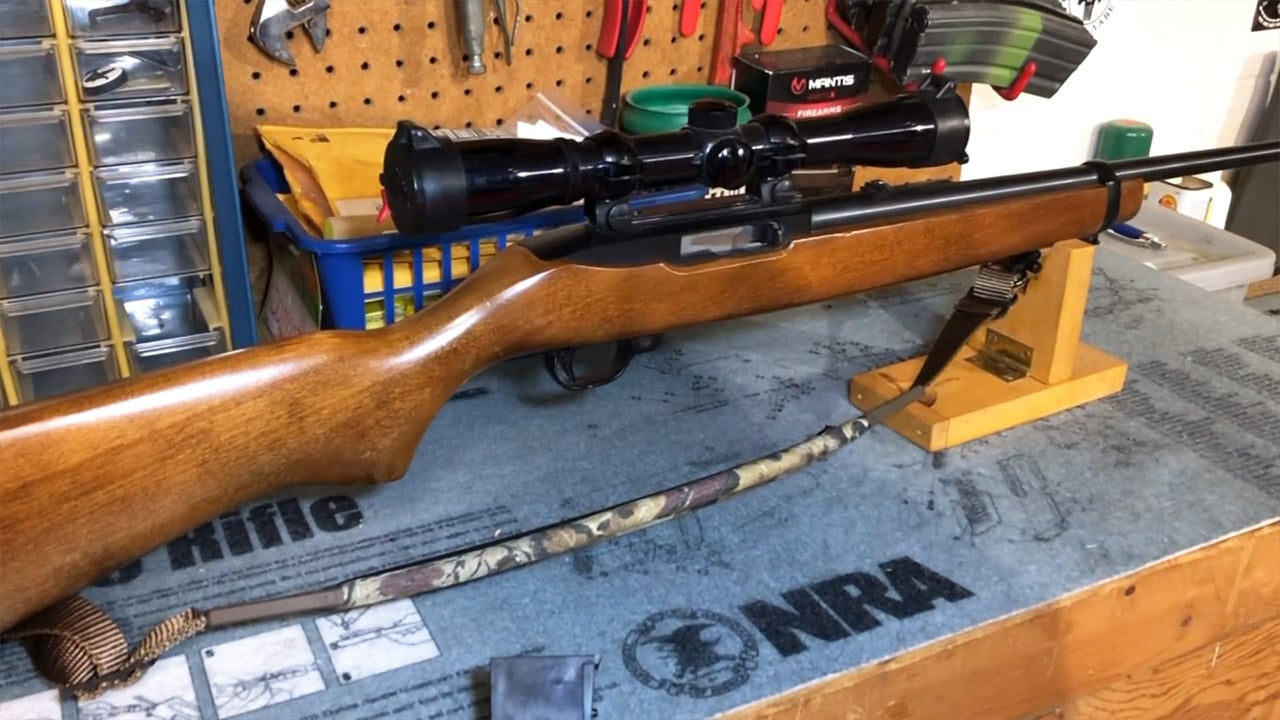
I let a plain 10/22 go in a trade because I figured I’d “upgrade” to something nicer later. That logic falls apart the first time you want an easy rimfire for squirrels, pests around the barn, or just an afternoon of cheap practice. A 10/22 is the kind of gun you miss the moment it’s gone.
Mine was bone stock, and that’s what I liked about it. It rode behind a truck seat without drama, it ran on common magazines, and it didn’t care if it went a month without attention. Sure, you can turn them into little space guns with aftermarket parts, but a basic carbine with a simple optic is about as useful as it gets. I’ve owned other .22s, but nothing that filled as many roles as effortlessly.
7. CZ 452 American ( .22 LR)
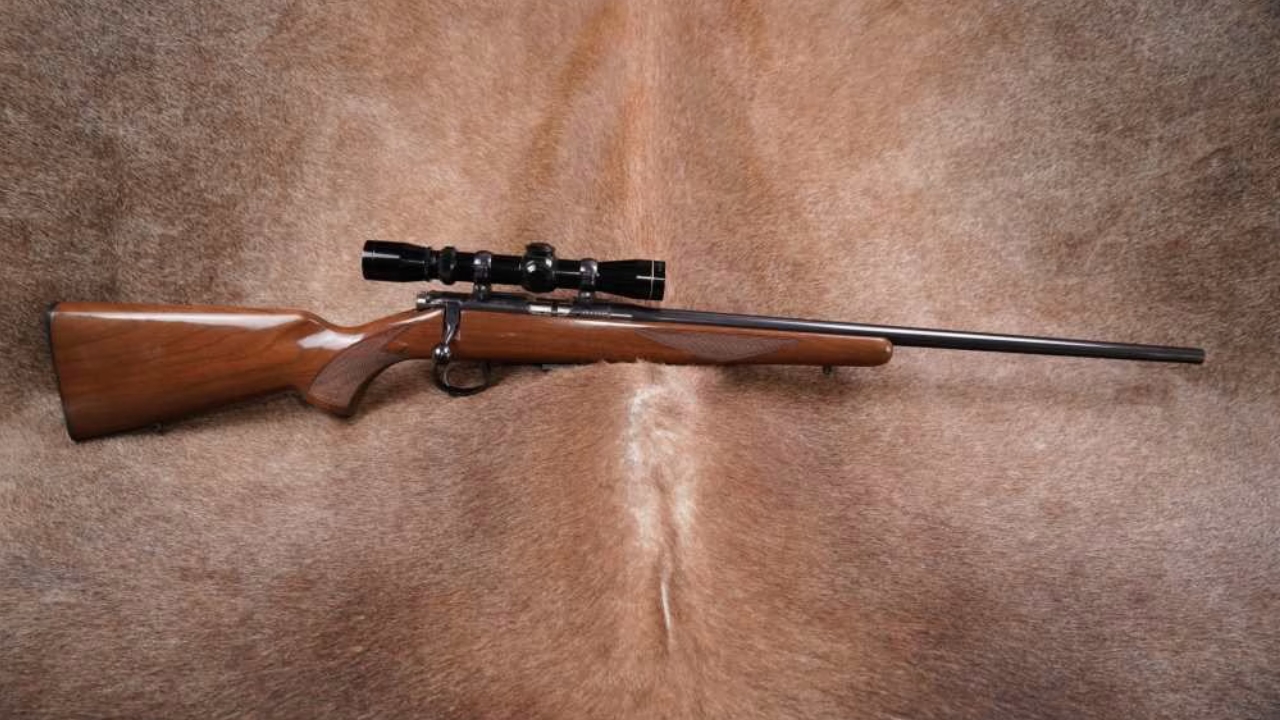
The CZ 452 was my “nice” rimfire, and I sold it during a stretch when I was consolidating and chasing other calibers. I remember the first group it printed with match ammo and realizing I’d been blaming myself for what was really mediocre rifles before that. The 452 made me a better shot.
The bolt throw was smooth, the magazine system was simple, and the rifle just felt like it was made with care. It wasn’t a benchrest setup, but it would stack rounds if I did my part. For small game hunting, a rifle like that turns head shots from “maybe” into “yes” when the moment is right. The newer CZ rimfires are good, but that old 452 had a personality I haven’t found again.
8. Browning Buck Mark ( .22 LR)
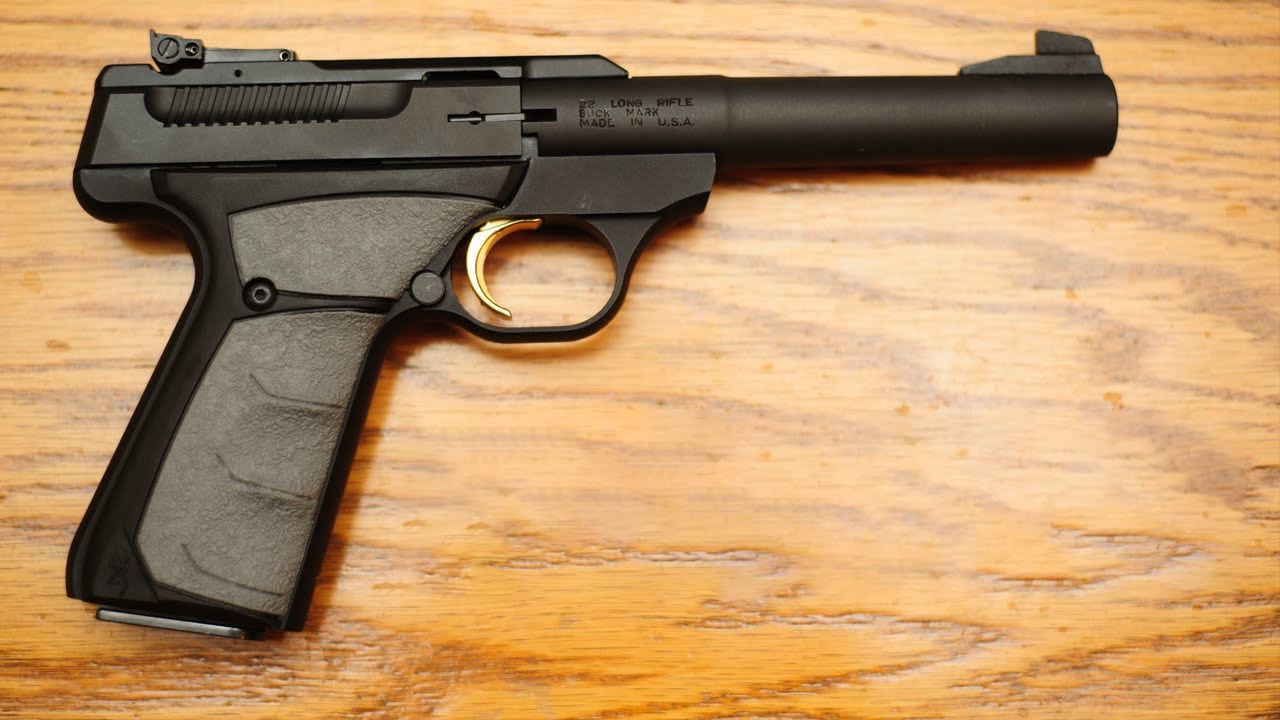
I sold a Buck Mark because I thought I was done with .22 pistols. Then I started bringing new shooters to the range, and I realized a good rimfire handgun is pure gold. The Buck Mark’s grip angle and balance made it easy for almost anybody to shoot well fast.
Mine ran clean even when it wasn’t perfectly clean, and the trigger was better than it had a right to be out of the box. It’s also one of those pistols that makes you want to practice because it’s just pleasant. If you’ve ever tried to teach fundamentals with a snappy micro-9, you know how valuable a soft-shooting .22 can be. I replaced it with another rimfire later, but it never felt the same.
9. SIG Sauer P229 ( .40 S&W)

Yes, it was a .40, and yes, I eventually moved away from the caliber for most things. Still, that P229 was a tank in the best way. The gun fit my hand, the controls made sense, and it ran like it was designed for serious use instead of internet arguments.
I sold it because .40 ammo got pricey and I wanted to standardize on 9mm. Fair enough. But the P229 itself was the kind of pistol you could shoot hard, carry a lot, and trust without babying. Even with the sharper recoil of .40, it stayed controllable because the gun had enough weight and the bore axis never bothered me like some folks claim. Today, clean P229s don’t sit long, and I get it.
10. Beretta 92FS
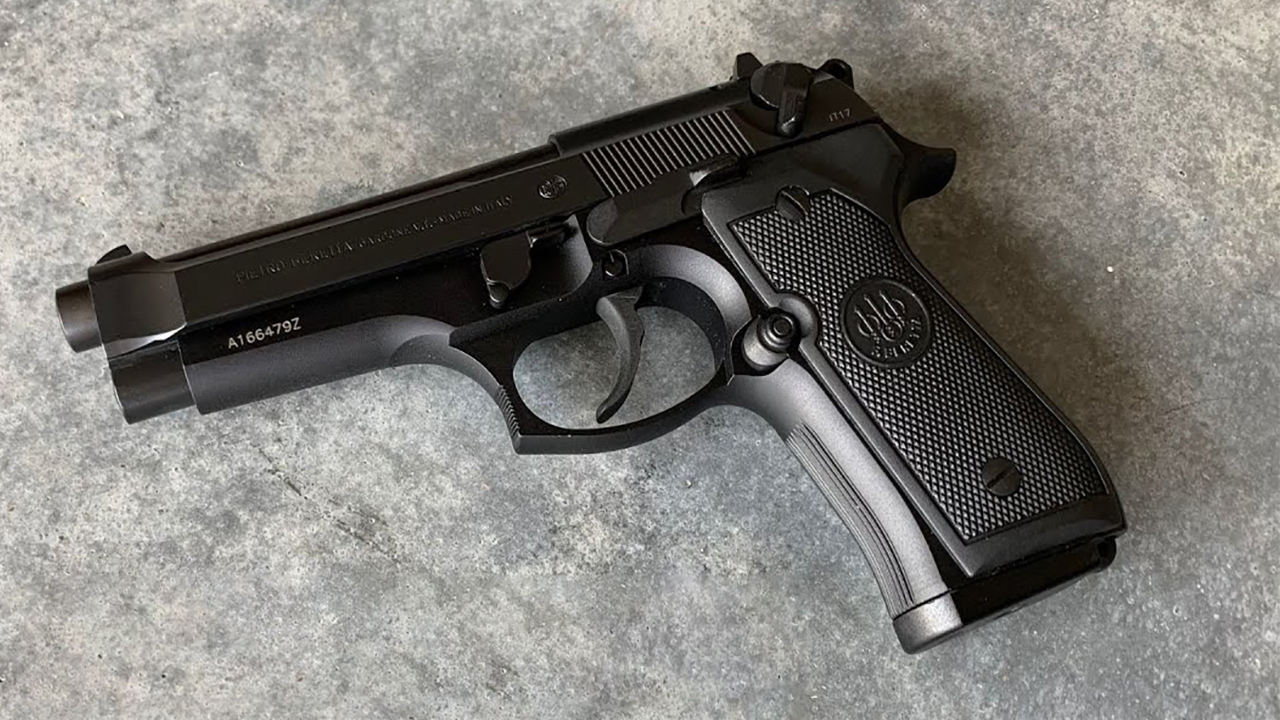
I didn’t appreciate the Beretta until after I let mine go. It’s a big pistol, no way around it, and it doesn’t carry as easily as more modern compacts. But on the range, with decent mags and good ammo, it’s one of the smoothest-shooting 9mms out there.
The open-top slide and that long sight radius make it forgiving. It also has a certain rhythm when you run it fast—more like a full-size service pistol should feel. I sold mine when I was convinced I needed something lighter and more “concealable,” and I ended up with guns that were easier to carry but harder to shoot well. A 92FS isn’t for everybody, but if you’re honest about where you actually shoot most, it makes a lot of sense.
11. Colt Python (older production, .357 Magnum)
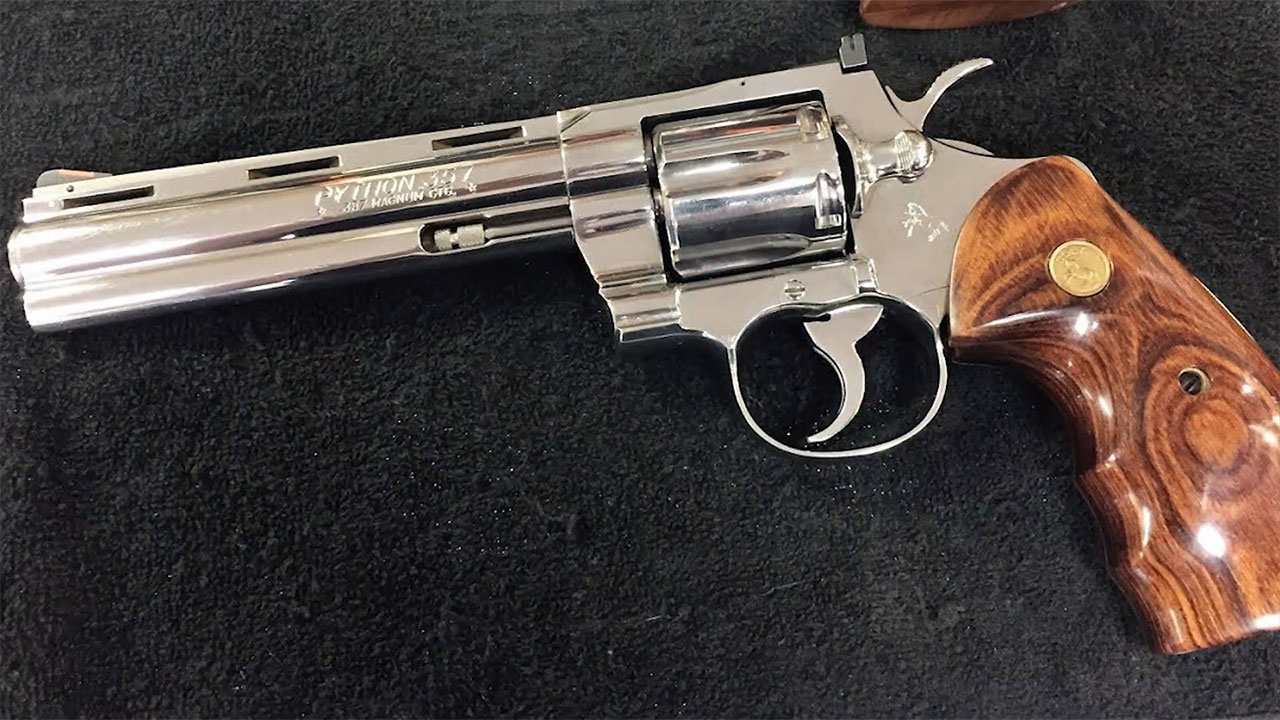
I had a Python for a short time, and I treated it like a flip. I didn’t hate it. I just didn’t understand what I had. The action was butter, the finish was deep, and the whole gun felt like it was built by somebody who cared about more than output numbers.
I shot it mostly with .38s, because I wasn’t trying to beat it up, and it was almost unfair how easy it was to make good hits. Then I sold it and told myself I’d grab another one someday. That someday turned into a world where prices got serious and the used market got picked over. The new ones can be fine, but that older one had a hand-fitted feel you don’t forget once you’ve held it.
12. Smith & Wesson Model 29 ( .44 Magnum)
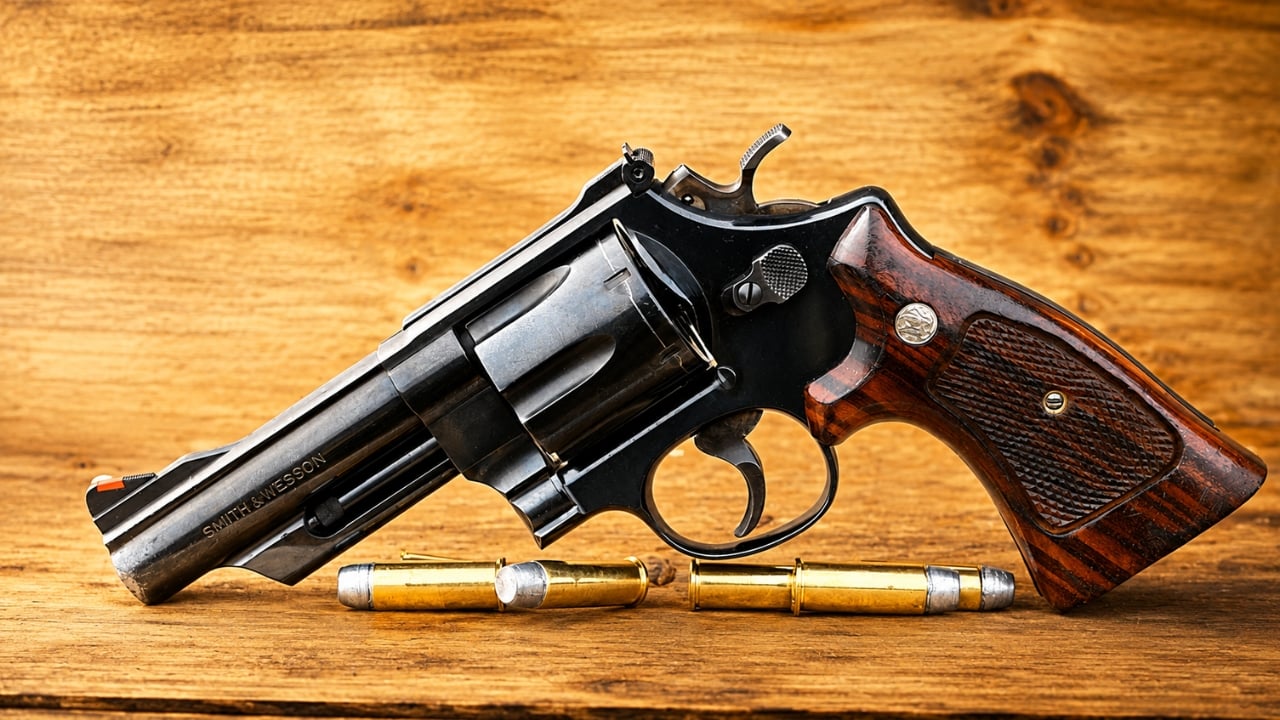
I didn’t need a .44 Magnum, and that’s exactly why I sold it. It was heavy, it was loud, and it wasn’t the kind of gun you shoot all afternoon unless you enjoy sore hands. Still, the Model 29 has a presence. Mine wore decent grips and carried in a chest rig during a couple of backcountry trips.
With full-power loads it demanded respect, but with .44 Specials it was downright enjoyable. That’s what I didn’t think about in my twenties: versatility. A good revolver can span mild to wild with a simple ammo change, and it does it with mechanical simplicity that’s comforting when you’re a long way from a workbench. I’m not saying everyone needs one. I’m saying I shouldn’t have sold mine.
13. Ruger GP100 ( .357 Magnum)
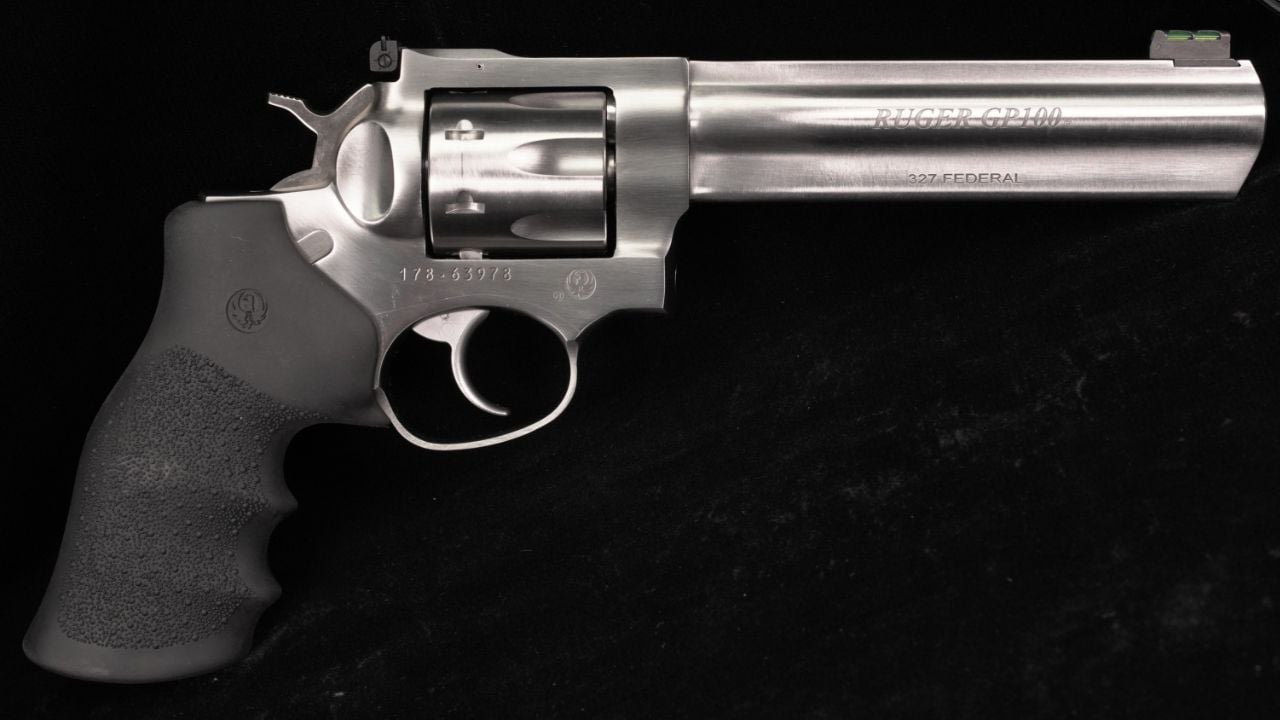
The GP100 I had was the opposite of fancy. It was stainless, a little blocky, and it looked like it could survive falling out of a truck. I let it go because I was trimming down to “just what I carry.” Then I spent years missing a revolver I could feed hard without feeling guilty.
A GP100 is a working revolver. The lockup is solid, the weight helps with real .357 loads, and the aftermarket support is better than most folks think. It also shoots .38s like a dream, which means you actually practice with it instead of just owning it. If you spend time on rural property, check traps, or just want something simple that doesn’t depend on magazines, a GP100 is tough to beat. Mine would still have a place today.
14. Ruger Redhawk ( .44 Magnum)
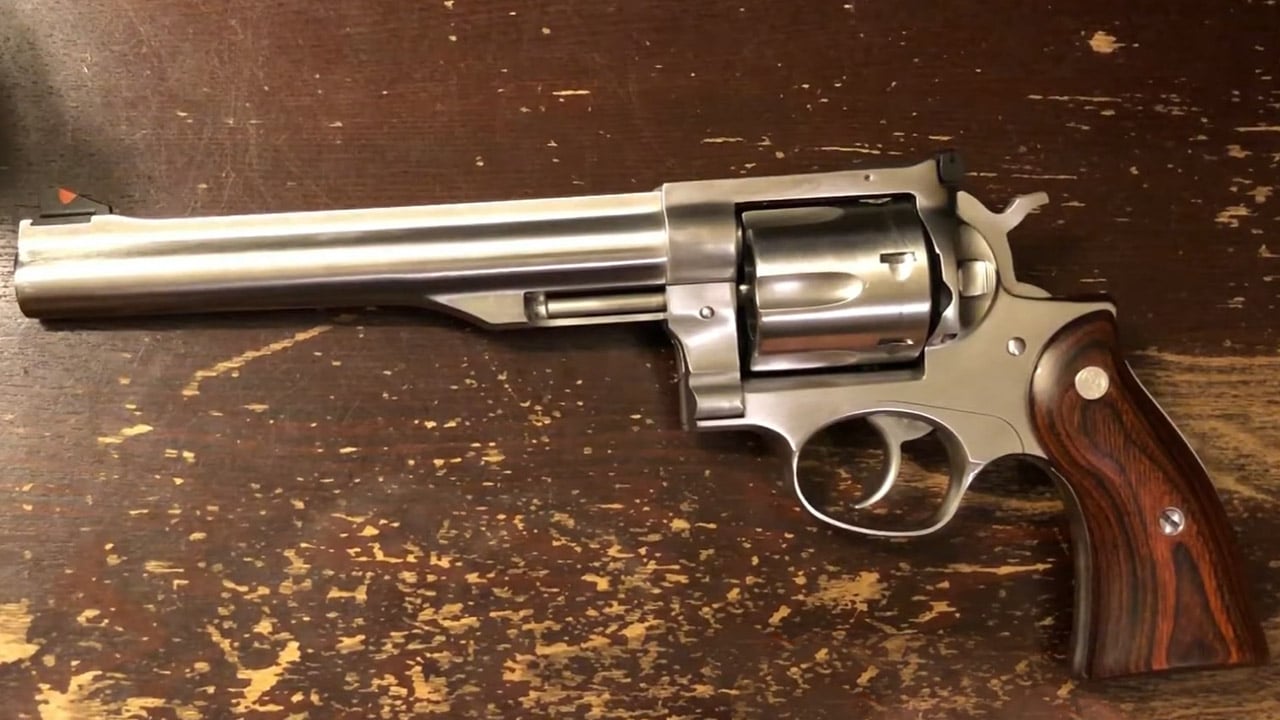
I bought the Redhawk thinking it would be a niche gun, and I sold it for the same reason. But a big Ruger revolver makes a lot of sense if you spend time in rough country, do a lot of camping, or just want a handgun that can handle heavy loads without feeling delicate.
It’s not a light carry, and it’s not a fun range toy for everybody. What it is, though, is confidence. The Redhawk’s strength is real, and the gun doesn’t feel like it’s living on the edge when you shoot it. Mine grouped better than expected, especially once I found a load it liked. I also liked that it was stainless and didn’t make me nervous around sweat, rain, and mud. It was a “forever gun” and I treated it like a temporary one.
15. Winchester Model 70 (pre-’64 style, .30-06)

I sold a Model 70 because I convinced myself all bolt guns were basically the same. They’re not. The controlled-round feed, the feel of the bolt, the way the safety works—those details matter when you’re cold, tired, and trying to make a clean shot with gloves on.
Mine was in .30-06, the most unexciting cartridge on the internet and one of the most useful in real life. It fed slick, it carried well slung over a shoulder, and it shot hunting ammo into groups that were more than good enough for any ethical distance I’d shoot at game. These days, a good Model 70 with the right vintage and condition isn’t something you trip over at a yard sale. When you do see one, you either buy it or you think about it for years.
16. Remington 700 BDL ( .270 Win)
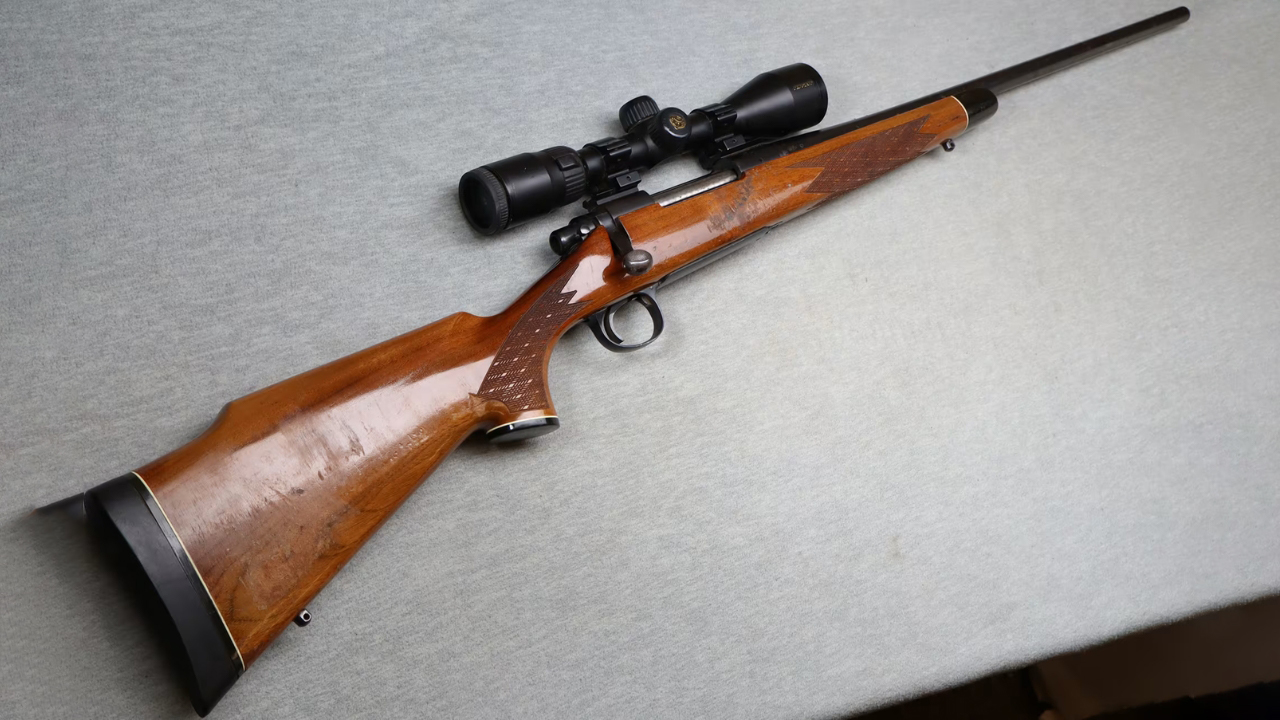
I had a 700 BDL with glossy wood that caught light in the gun rack like it was showing off. I sold it because I got caught up in the “tactical everything” era and wanted detachable magazines and rails. What I didn’t appreciate was how well that old hunting rifle actually hunted.
It carried like a real deer rifle, not a range rig. The .270 is flat enough for open cuts and powerline shots, and recoil is mild enough that you can shoot it well without developing a flinch. Mine had a trigger I shot accurately for years, and the rifle just fit me. I’m not blind to the debates around different 700 eras, but a good one that’s already proven itself is worth hanging onto. That BDL was a steady companion, and I traded it for novelty.
17. Mossberg 590A1
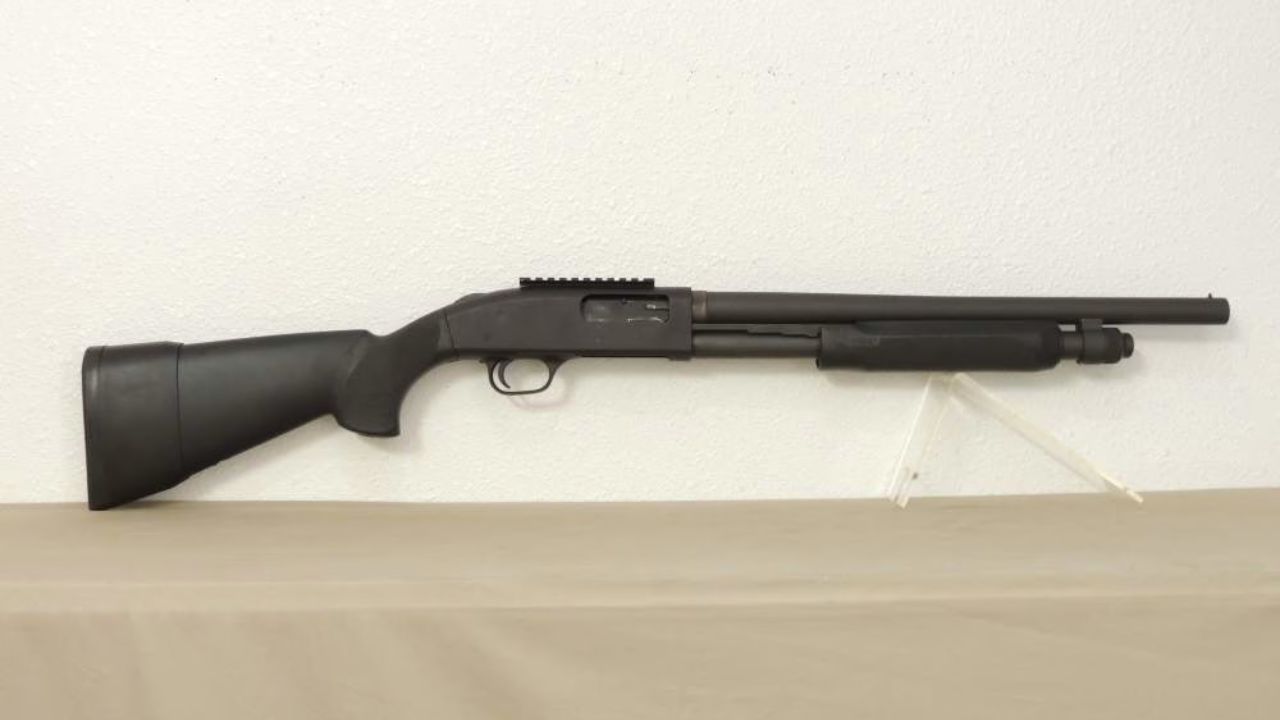
I bought a 590A1 when I was in my “shotgun for everything” phase, then sold it when I decided I was going to be a rifle-and-pistol guy. The 590A1 is not graceful. It’s built like a tool, and it feels like one. That’s exactly why it belongs in a safe.
The heavy-walled barrel and rugged build made it a gun I didn’t worry about. It lived behind a truck seat for a while, got dusted with gravel-road grit, and never acted finicky. The safety location is still one of my favorites on a pump shotgun, especially if you actually train with it. If you own property, a tough pump gun that runs with common parts and magazines (shells, in this case) is hard to argue with. Selling mine didn’t make my life better. It just made my options narrower.
18. Springfield Armory M1A (Standard)
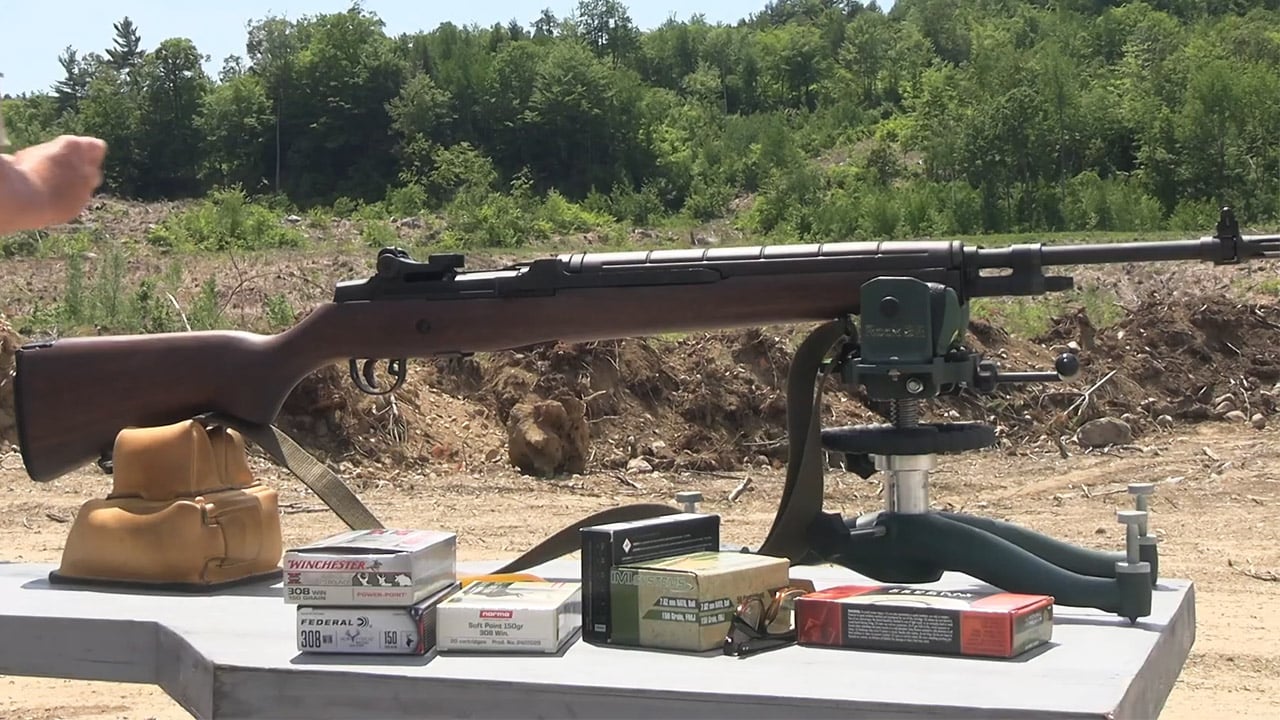
I sold my M1A because it was heavy and I was chasing lighter, handier rifles. I wasn’t wrong about the weight. With a sling and a couple loaded mags, you know you’re carrying it. But the first time you settle in behind it and ring steel with that classic .308 thump, you remember why people put up with it.
There’s also something to be said for a rifle that feels like a rifle. The sights are excellent once you learn them, and the gun has a steady, planted recoil impulse. Mine was reliable with the mags it liked, and it made me slow down and shoot better instead of spraying. Would I choose it for every task? No. But I miss it for the same reason I miss old wood-stock hunting rifles: it had character and capability in equal measure.
19. Norinco SKS (7.62×39)

Back when SKSs were still “cheap,” I treated mine like it was disposable. It wasn’t. It was a simple, durable rifle that ran dirty and kept going. I sold it because I wanted an AK and figured the SKS was just a stepping stone.
The truth is an SKS, left mostly alone, is a handy rifle for a lot of rural tasks. It’s accurate enough for practical distances, it’s easy to keep fed with common ammo, and it doesn’t rely on detachable mags if you don’t want it to. Mine had a decent trigger for what it was, and the sights were usable. Today, finding an unmolested SKS that hasn’t been “upgraded” into a problem is its own challenge. I’d happily take a clean, original one back.
20. Ithaca Model 37 (12 gauge)
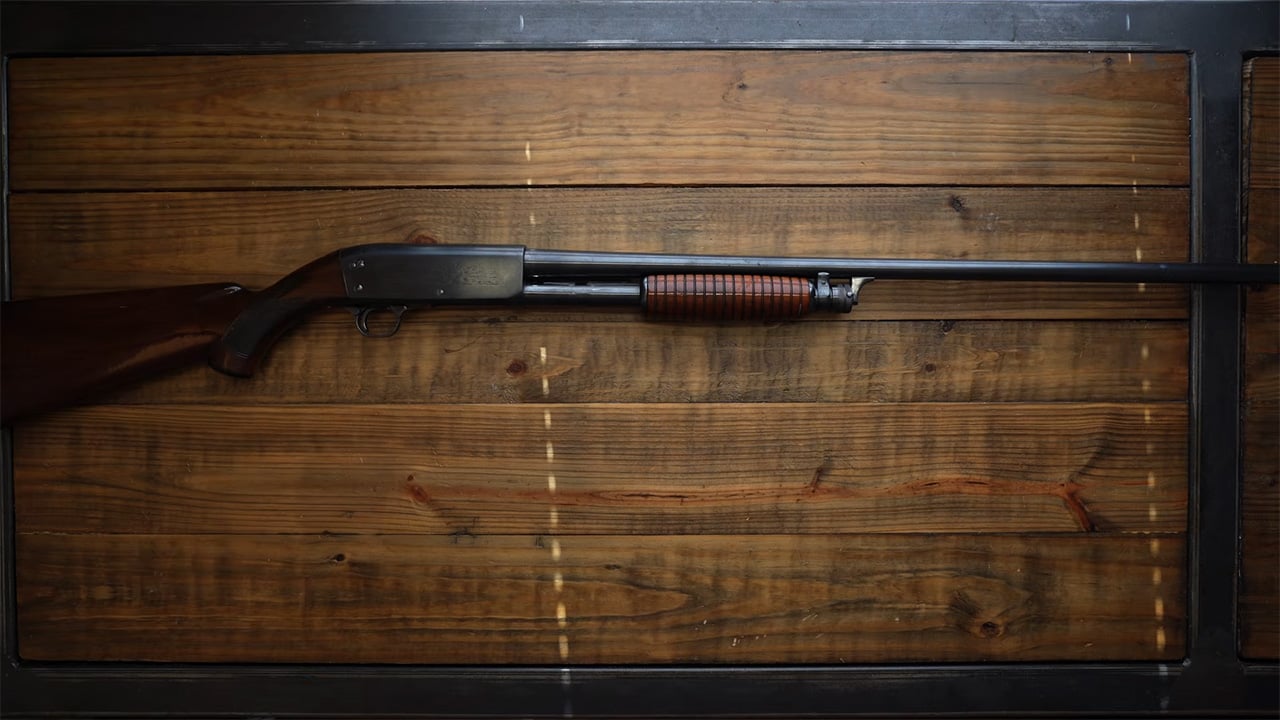
The Model 37 is one of those shotguns you don’t really understand until you carry it all day. Bottom ejection is more than a gimmick. It keeps hulls out of your face, keeps crud out of the action, and makes the gun friendly for left-handed shooters without any extra parts.
Mine was an older gun with a slick action and a narrow profile that slipped through brush easily. It felt lighter than it was because it balanced well, and it mounted fast on flushing birds. I sold it when I thought I needed interchangeable chokes and modern everything. Later I realized I’d traded away a shotgun that did the important part—handling—better than most new guns. There are newer shotguns with more features, sure. Features don’t always make a gun nicer to live with.
I’m not telling anyone to hoard guns or ignore real-life budgets. I get why a guy sells something to cover a truck repair or a kid’s medical bill. But if you’re in that younger stage and you’re reading this, hear me on one thing: be slow to sell the ones that run, fit you, and quietly solve problems. The new hotness comes and goes. The good ones get scarce, and the regret shows up right when you least need another expensive lesson.
Like The Avid Outdoorsman’s content? Subscribe to our newsletter so you never miss an article.
Here’s more from us: