Photo credit: BurstReview/YouTube
A lot of newer pistols try to solve every problem at once. They add optic systems, modular grip frames, interchangeable backstraps, compensators, aggressive slide cuts, special coatings, and magazine systems that need their own explanation. Some of those features help, but they can also make a handgun feel busier than it needs to be.
Then you pick up an older, simpler handgun that just works. The controls make sense, the trigger is predictable, the sights are usable, and the gun points naturally without feeling like a spec-sheet project. These handguns remind shooters that good design does not always need a pile of modern extras to feel right.
Smith & Wesson Model 36
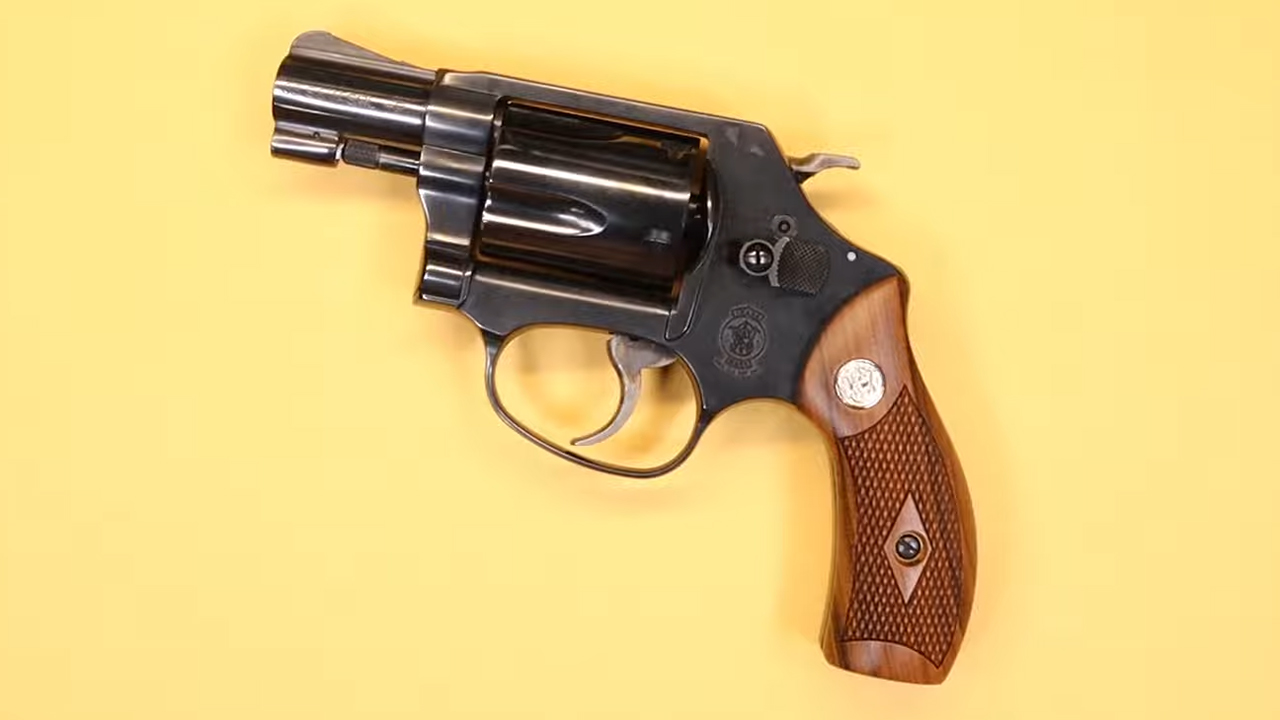
The Smith & Wesson Model 36 makes a lot of newer carry pistols feel overthought because it understands its job immediately. Five rounds of .38 Special, a compact steel frame, simple sights, and a clean double-action trigger are not complicated.
It is not a high-capacity pistol, and it does not pretend to be. The Model 36 works because it is small enough to carry, heavy enough to shoot better than ultralight snubs, and simple enough to trust. Plenty of modern carry guns beat it on paper, but few feel as straightforward. Sometimes a small revolver with honest controls still makes the most sense.
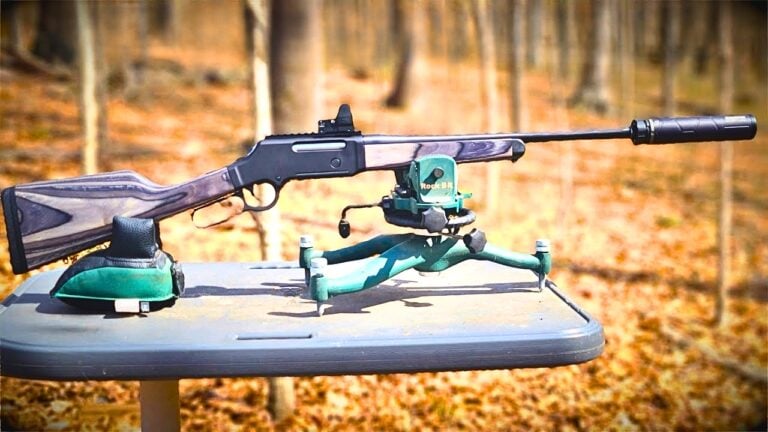
Ruger Mark IV Standard
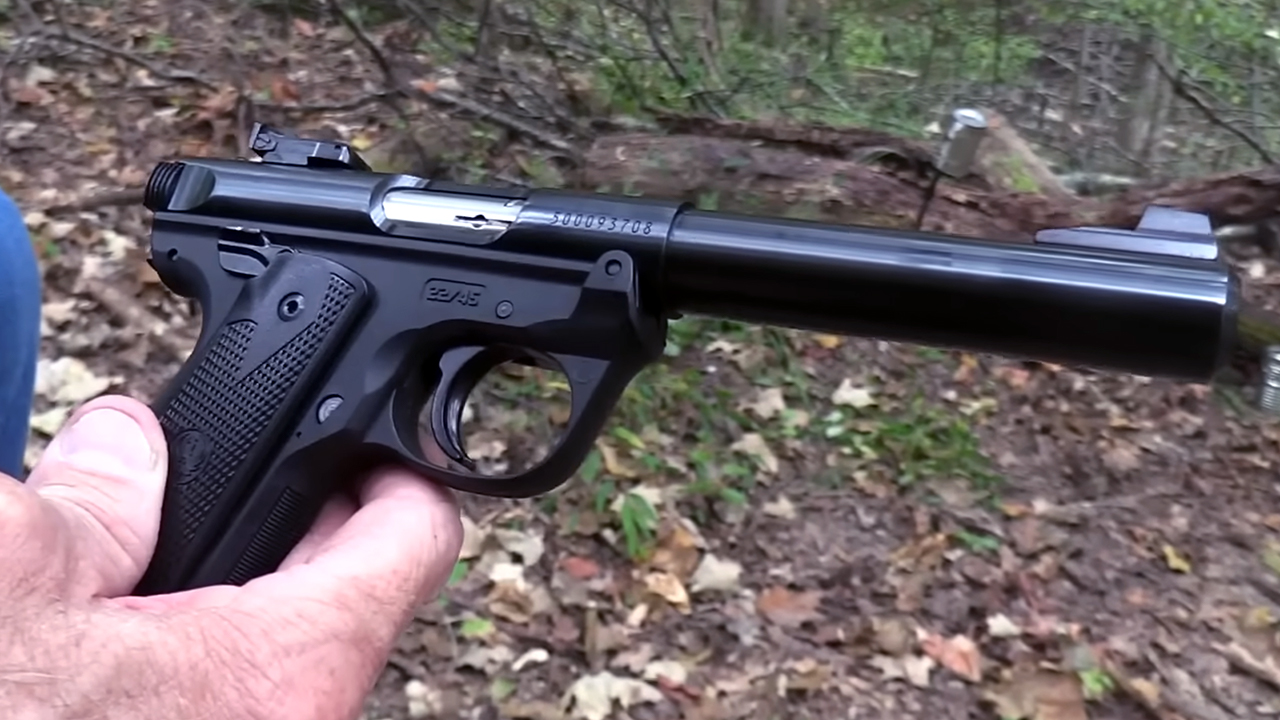
The Ruger Mark IV Standard proves that a rimfire pistol does not need to look like a competition build to be useful. It has clean lines, good balance, and enough accuracy to make casual range shooting feel rewarding.
Newer .22 pistols often chase optics cuts, suppressor-ready barrels, and tactical styling. Those features can be fun, but the Mark IV Standard reminds shooters why the basic Ruger rimfire formula has lasted so long. It is easy to shoot, easy to enjoy, and easier to clean than the older versions. That kind of practical simplicity is hard to beat.
Walther P38

The Walther P38 makes some modern service pistols feel like they are trying too hard. Its double-action/single-action system, open-slide design, and simple military layout were built around function first.
It is not a modern carry pistol, but it still shows how clear mechanical design can age well. The P38 points naturally, has a distinctive recoil feel, and does not need extra features to be interesting. A lot of newer pistols use complexity to stand out. The P38 stands out because its purpose is obvious the moment you handle it.
Smith & Wesson 469

The Smith & Wesson 469 was a compact double-stack 9mm before compact carry pistols became a constant arms race. It gave shooters decent capacity, an alloy frame, and traditional controls in a pistol that still felt sturdy.
Compared with today’s endless micro-compact variations, the 469 feels refreshingly direct. It is not the lightest or thinnest option, but it shoots like a real pistol and carries with old-school confidence. Buyers who only chase the newest carry format can forget how well a compact metal-frame 9mm can work.
Colt 1908 Pocket Hammerless

The Colt 1908 Pocket Hammerless makes newer pocket pistols feel crude in a hurry. It is slim, smooth, elegant, and designed around carry comfort in a way many modern tiny pistols still struggle to match.
No, it does not offer modern power or capacity. That is not the point. The 1908 shows how good proportions, clean machining, and simple handling can make a small handgun feel natural. A lot of today’s pocket guns are lighter and more powerful, but they often feel harsher and cheaper. The Colt reminds shooters that small does not have to mean unpleasant.
Ruger SP101
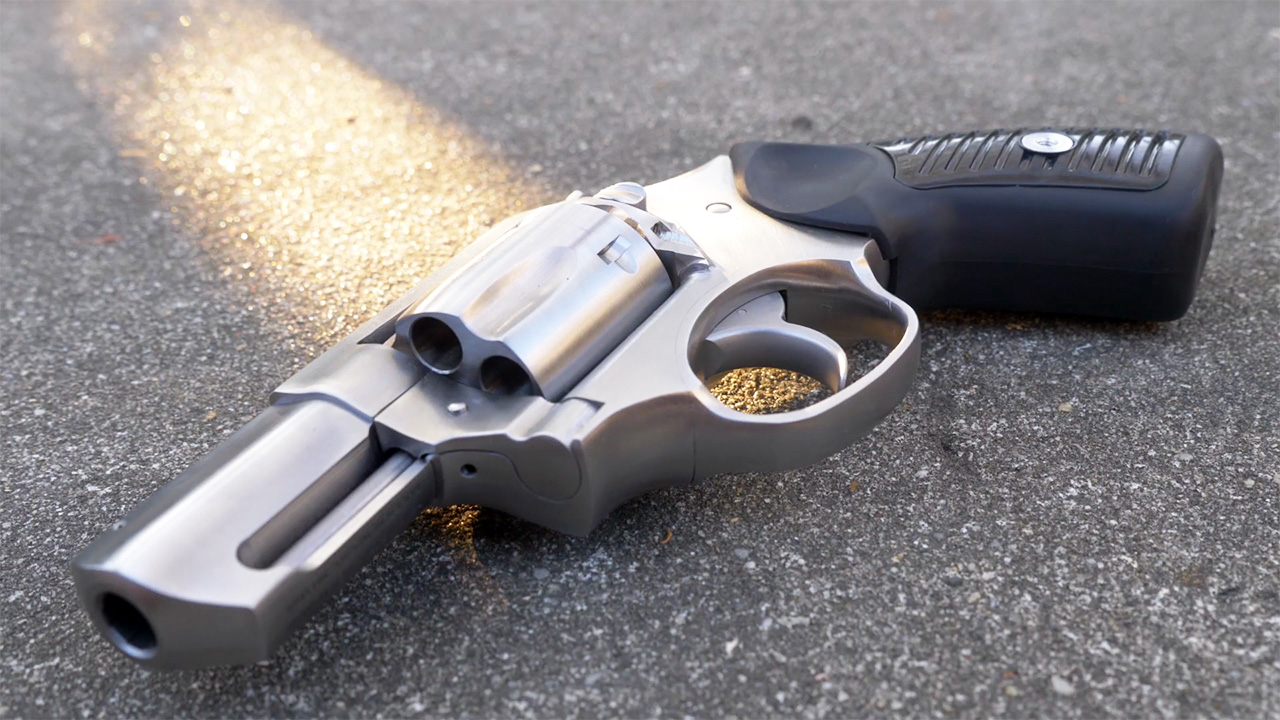
The Ruger SP101 makes lightweight carry revolvers and tiny pistols feel overcomplicated by being stubbornly practical. It is heavier than many small carry guns, but that weight is exactly what makes it shootable.
The controls are simple, the frame is tough, and the revolver can handle real .357 Magnum use better than many smaller guns. It does not need a special manual of arms or a list of upgrades. Load it, aim it, press the trigger. For trail use, carry, and general defense, that directness is a big part of the appeal.
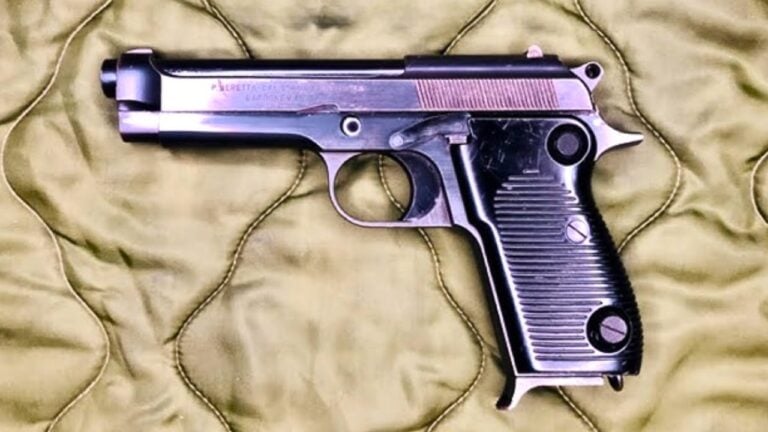
Beretta 1951
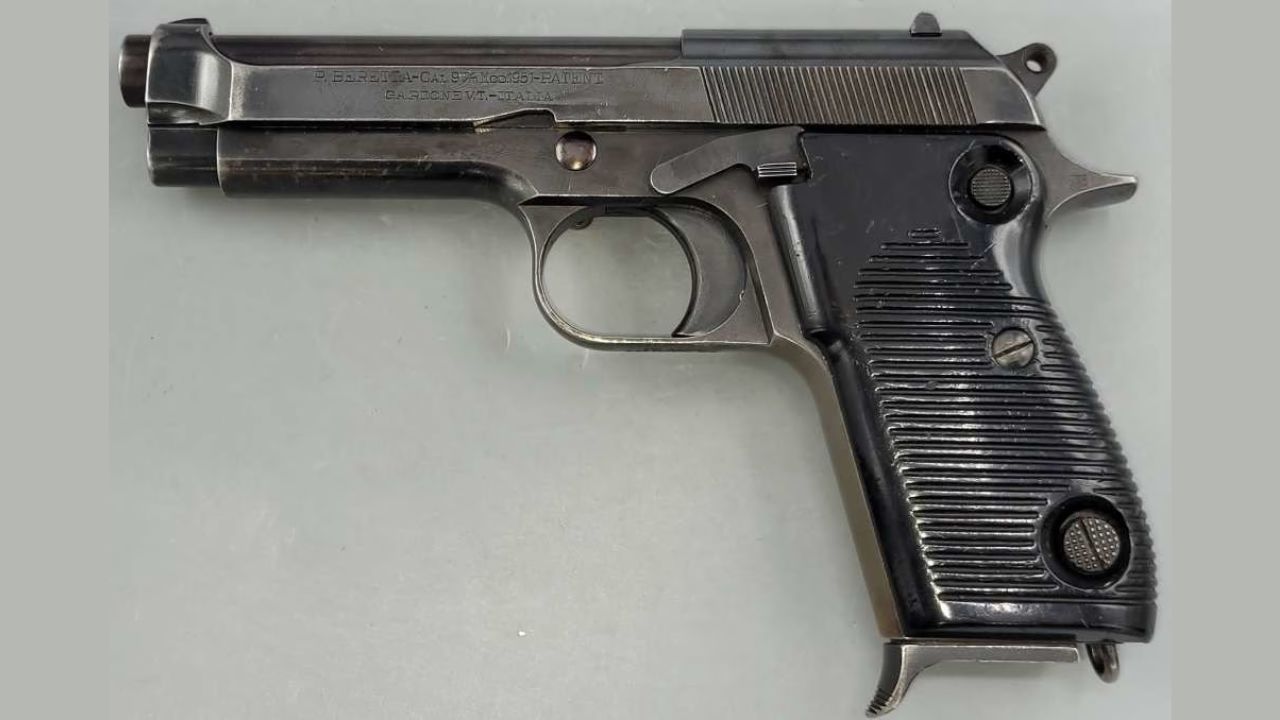
The Beretta 1951 is a reminder that a slim 9mm service pistol can feel right without modern gimmicks. It has a single-action trigger, clean lines, and a pointable frame that makes it more enjoyable than many shooters expect.
It lacks today’s capacity and features, but it also avoids the bulk and clutter of many newer pistols. The 1951 feels like a handgun designed by people who cared about balance and handling first. It may be dated by modern defensive standards, but as a shooter, it still makes some feature-heavy pistols feel less graceful.
Smith & Wesson Model 60

The Smith & Wesson Model 60 makes newer compact revolvers feel like they are chasing problems that were already solved. Stainless steel construction, compact size, and classic J-frame handling give it a role that is easy to understand.
It carries well, resists wear, and has enough weight to make .38 Special practice manageable. The Model 60 is not flashy, but it feels honest. Modern snubnoses may be lighter, uglier, or more aggressively styled, but the old stainless Smith still has a clean confidence that makes it hard to dismiss.
HK P2000

The HK P2000 is not old in the same way some classics are, but it makes many newer pistols feel overthought because it stays focused. It has a practical size, excellent durability, clean controls, and a grip system that works without turning the gun into a modular science project.
It does not need wild slide cuts or a dramatic redesign to feel serious. The P2000 is simply a dependable hammer-fired pistol that carries well and shoots with confidence. In a market full of pistols trying to look more modern than the last one, the P2000 feels calm, finished, and professional.
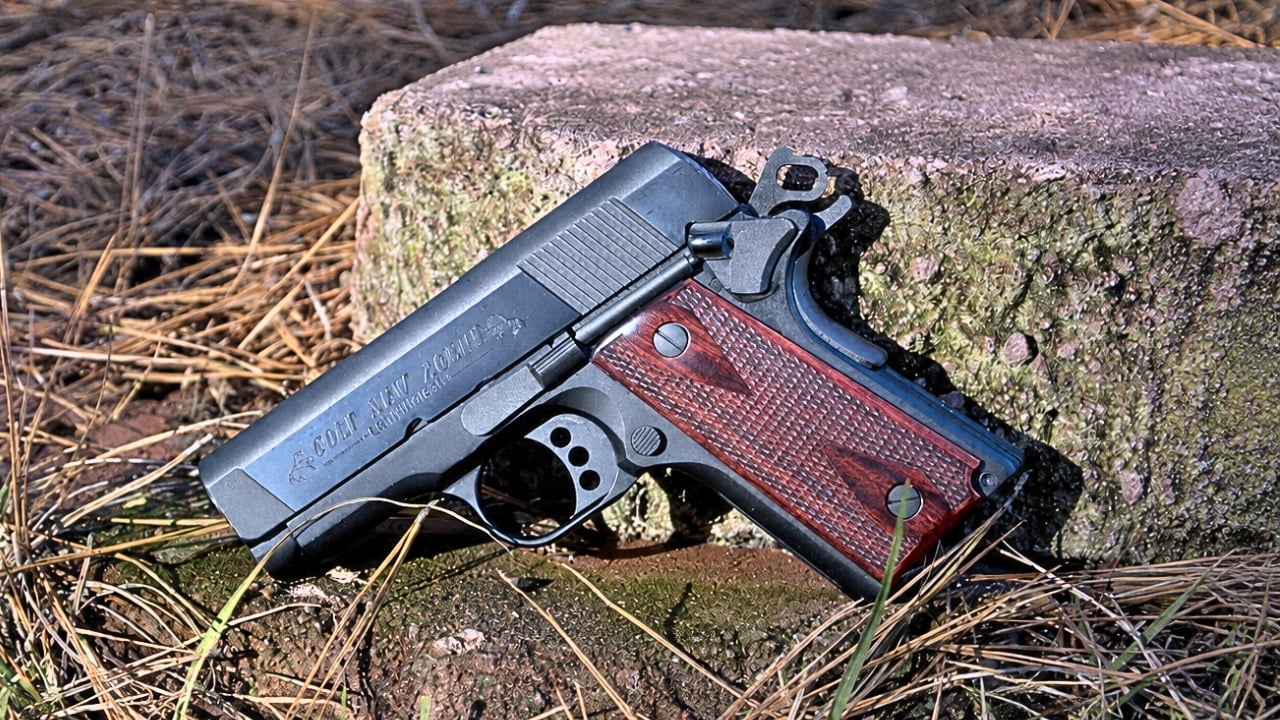
Colt New Agent
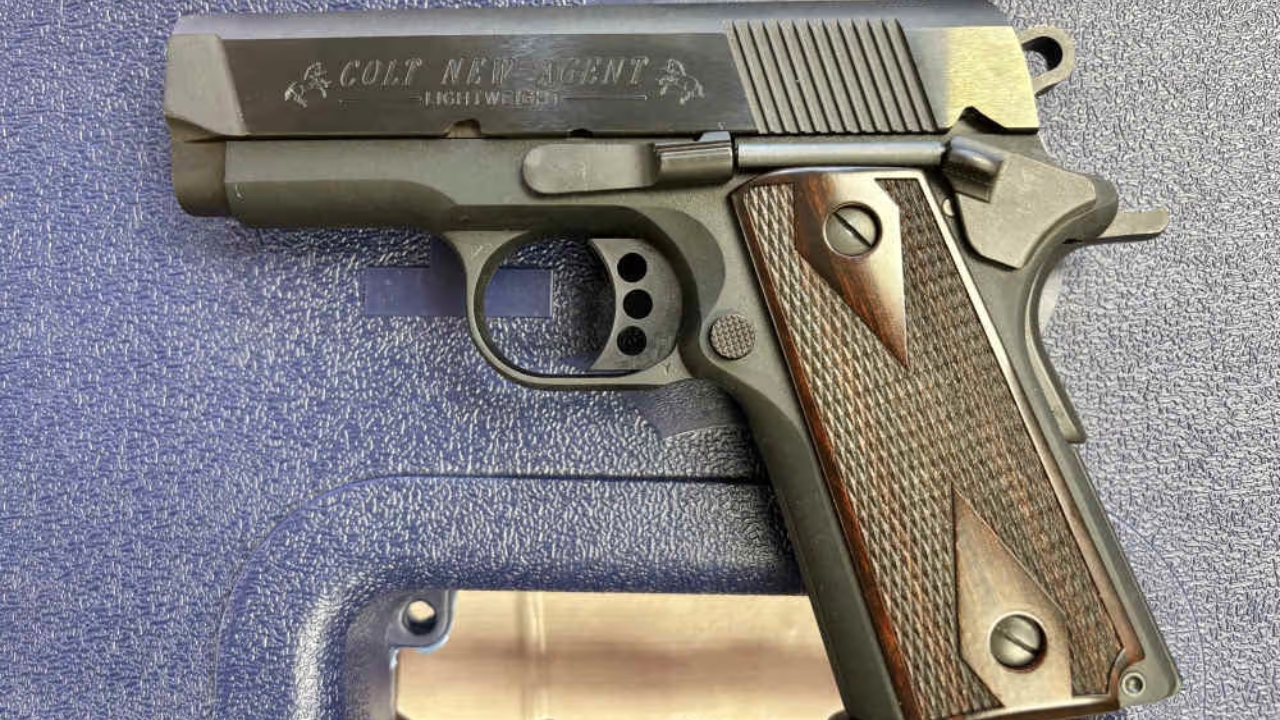
The Colt New Agent was simple almost to a fault, and that is why it stands out. A compact 1911-style carry pistol with trench-style sights and a snag-free profile was not built to impress spec-sheet shoppers.
It was built around close-range carry. Some shooters never warmed up to the sighting system, and that is fair. But the concept was clear: keep the gun flat, smooth, and easy to draw. Compared with modern carry pistols covered in ports, plates, and sharp slide cuts, the New Agent feels like a reminder that concealment used to mean removing distractions, not adding more.
Browning Buck Mark Micro

The Browning Buck Mark Micro makes many newer rimfire pistols feel louder than necessary. It is compact, accurate, comfortable, and easy to enjoy without turning into a tactical project.
A lot of modern .22 pistols try to mimic defensive guns or competition setups. The Buck Mark Micro does not need that. It gives shooters a good trigger, solid sights, and a grip that makes rimfire practice feel natural. It is small enough to be handy but still accurate enough to be satisfying. That is a better formula than many overstyled rimfires manage.
Taurus Model 85

The Taurus Model 85 spent years as the affordable snubnose people bought when they did not want to pay Smith & Wesson money. That made it easy to underestimate.
But the design itself was simple and useful. A compact five-shot .38 Special revolver with straightforward controls still fills a clear role. Good examples carried easily, shot well enough for defensive distances, and did not ask much from the owner. Newer carry guns may offer more capacity and features, but the Model 85 reminds people why the basic snubnose stayed relevant for so long.
SIG Sauer P225-A1
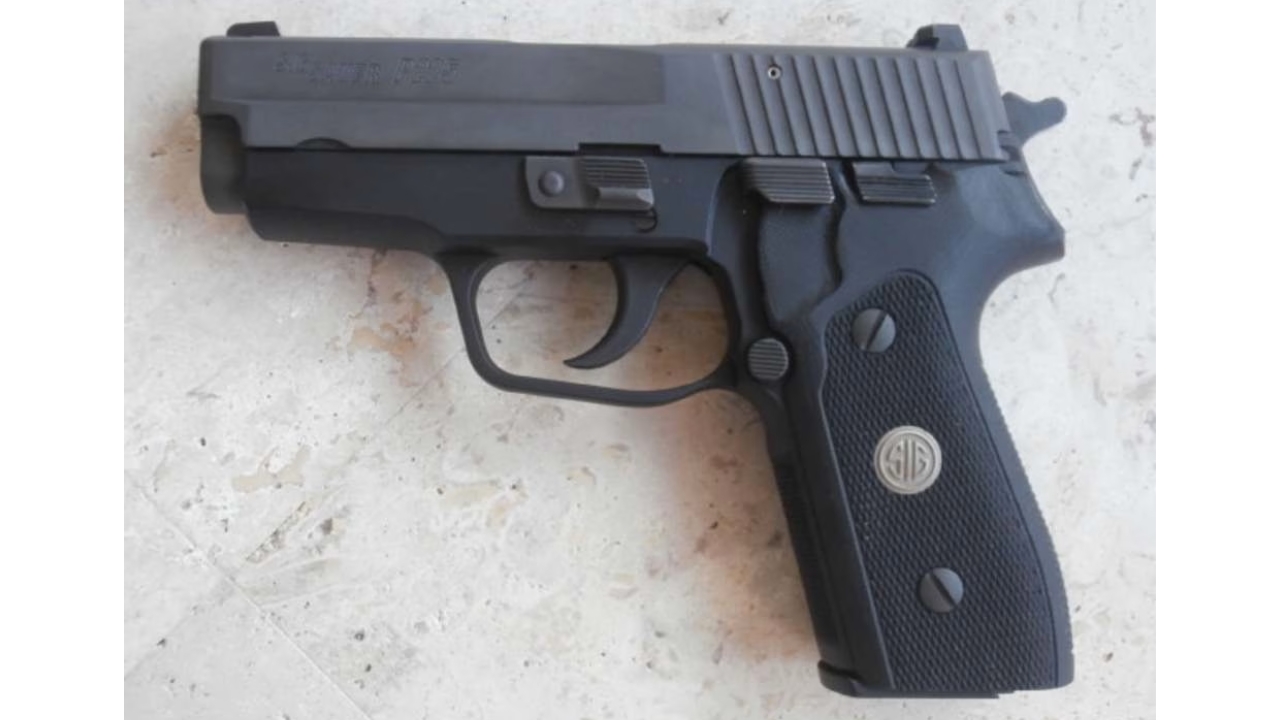
The SIG Sauer P225-A1 makes newer compact pistols feel overthought because it gives shooters a clean single-stack 9mm with classic SIG handling. It does not chase maximum capacity or minimum size.
Instead, it focuses on shootability. The grip is slim, the pistol balances well, and the double-action/single-action trigger system rewards practice. Some buyers looked at the capacity and moved on, but that misses the appeal. A carry pistol that shoots confidently can still make more sense than a smaller gun that feels worse every time you train with it.
Beretta 85 Cheetah
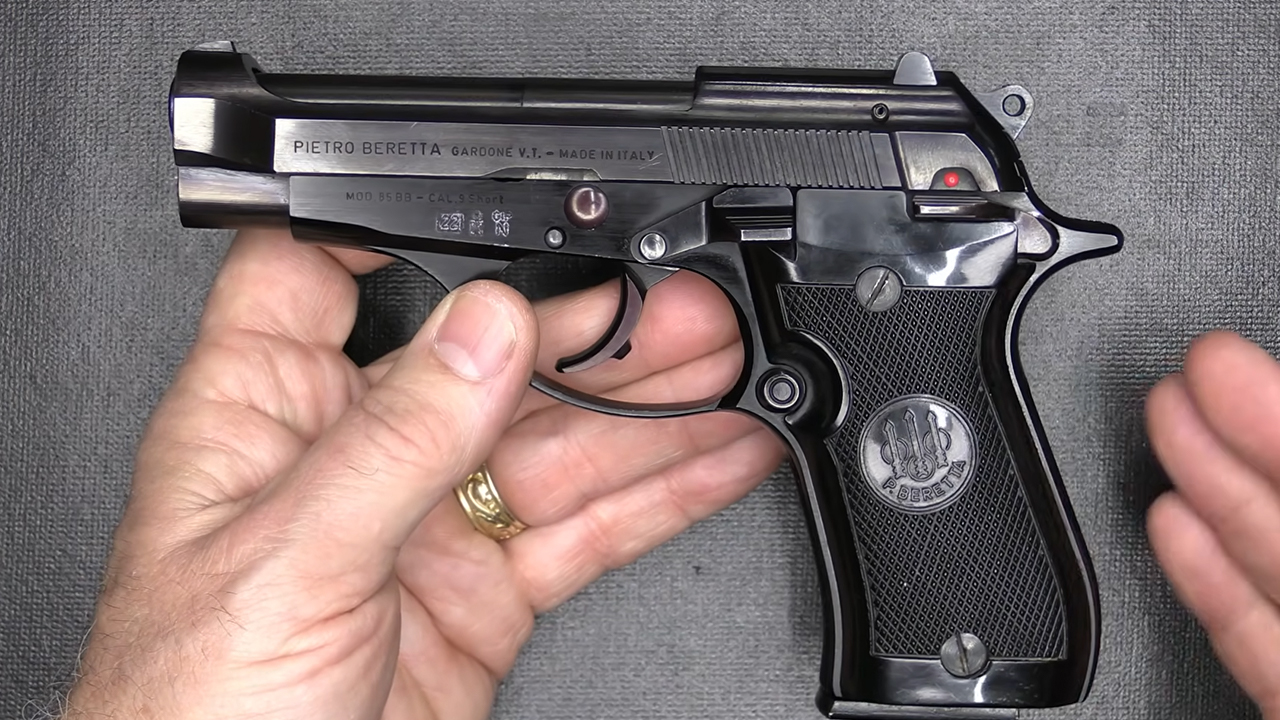
The Beretta 85 Cheetah makes modern pocket .380s feel harsh and disposable. It is larger than many of them, but that extra size gives it a much better shooting personality.
The grip feels right, the recoil is mild, and the pistol carries that classic Beretta smoothness. It does not win the smallest-gun contest, and it does not need to. The 85 Cheetah proves that a defensive-sized .380 can be pleasant, accurate, and refined. Newer pistols may disappear easier, but many do not make you want to practice.
Ruger GP100 Match Champion
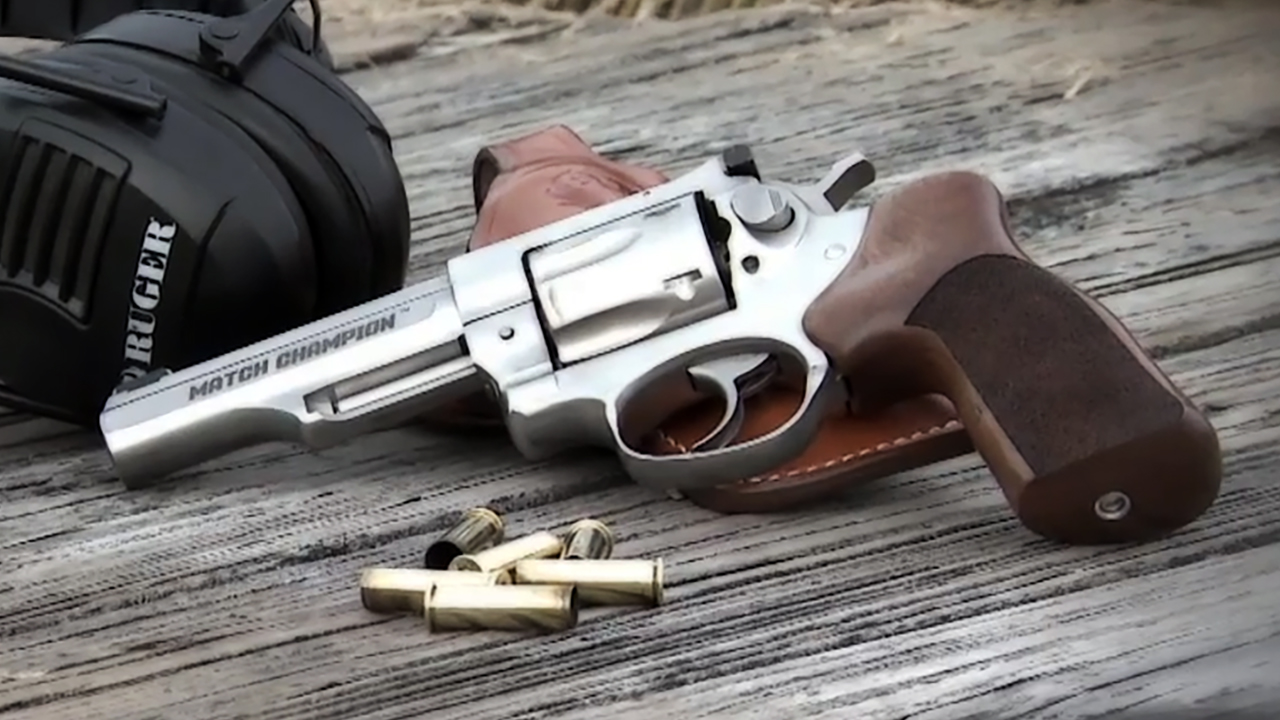
The Ruger GP100 Match Champion makes some modern defensive handguns feel fragile and busy. It is a strong .357 Magnum revolver with useful sights, a practical barrel length, and enough refinement to feel better than a plain working gun.
There is no optic plate, no grip module, and no magazine compatibility chart. It is just a tough revolver tuned toward real shooting. The weight helps control recoil, the action can be very good, and the gun has a clear purpose. For shooters who value durability and trigger control, the Match Champion makes simplicity feel smart again.
Like The Avid Outdoorsman’s content? Subscribe to our newsletter so you never miss an article.
Here’s more from us: