Photo credit: Christensen Arms
A rifle can check every box when you read the specs. It can have a good trigger weight, a nice stock, a threaded barrel, strong magazine capacity, and plenty of internet praise. None of that guarantees it will feel right when you carry it over rough ground, shoot it from awkward positions, or rely on it when weather, fatigue, and time pressure show up. A lot of rifles impress you at the counter and then start losing ground once the hunt or range day gets real.
That gap usually comes down to how rifles are judged. On paper, people focus on features. In the field, you notice balance, reliability, recoil behavior, bolt feel, stock design, and whether the rifle actually helps you make clean shots when you are breathing hard or moving fast. Some rifles still prove themselves everywhere. Others mostly win the sale. That does not always make them bad rifles, but it does explain why some good-looking options leave owners less impressed once the conditions stop being comfortable.
Ruger American Predator

The Ruger American Predator tends to look excellent on paper because it offers a lot for the price. You get a threaded barrel, usable accuracy, detachable magazine capability, and a reputation for being a practical working rifle. It is easy to see why people buy one after comparing feature lists. For someone shopping with value in mind, the rifle checks a lot of boxes without forcing a huge commitment.
The field experience can be less convincing depending on what you expect from it. The stock feels light and a little hollow to many shooters, the rifle can feel front-heavy in certain setups, and the action is not always as smooth as the spec sheet makes you imagine. None of that means it cannot do good work. It means the rifle can feel more budget-minded once you are carrying it, cycling it, and trying to shoot from less-than-perfect positions.
Savage Axis II

The Savage Axis II gets attention because it usually promises what budget-minded hunters want most: solid accuracy, a manageable price, and an improved trigger over the basic version. On paper, that sounds like a very smart buy. If your main concern is getting into a scoped bolt gun without spending premium money, the rifle makes a strong first impression and often looks like one of the easiest value picks in the rack.
In the field, though, the cost-cutting becomes easier to notice. The stock can feel flimsy, the action may not have the kind of smooth travel that inspires confidence on quick follow-up shots, and the overall fit can feel more utilitarian than refined. Plenty of these rifles shoot well enough to justify themselves. The issue is that they can feel more like a package deal than a rifle you truly enjoy carrying and running once the hunt starts.
Mossberg Patriot

The Mossberg Patriot often catches buyers with its feature-to-price appeal. It usually comes in appealing chamberings, attractive finishes, and a configuration that looks ready for hunting season without much extra work. On paper, it seems like the kind of rifle that gives you everything you need and a little more. That can make it a tempting choice for hunters who want something affordable that still looks like a serious sporting rifle.
What sometimes changes in the field is the sense of confidence it gives back to the shooter. Some examples feel light in a good way, while others feel almost too light and a bit less settled when you are shooting from real hunting positions. The action and stock can also feel less polished than buyers expect. That gap between attractive specs and real handling is where some owners start cooling off.
Remington 783
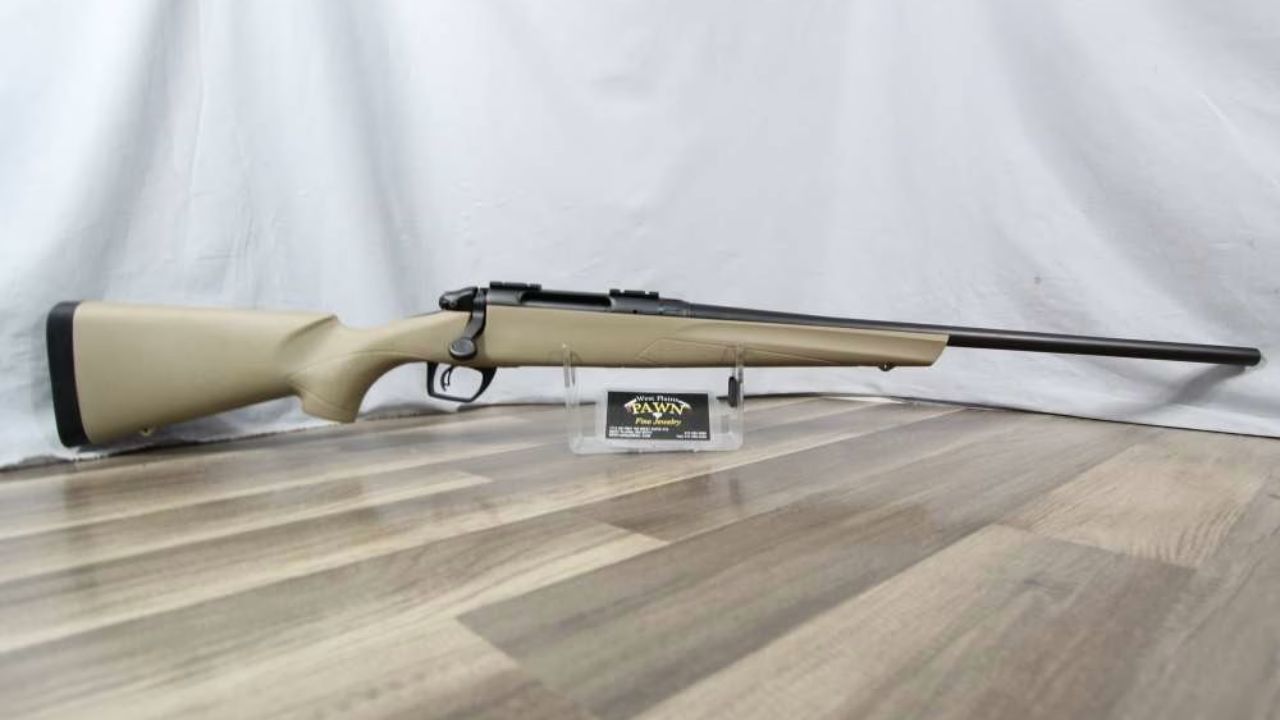
The Remington 783 makes a strong pitch on paper because it looks like a practical hunting rifle stripped down to the essentials. It usually brings decent accuracy potential, a modern bolt-action layout, and a price that feels approachable for newer buyers or anyone wanting a utility rifle. If you are looking at specs and not much else, it can seem like a very reasonable answer to a straightforward hunting need.
Once you start using it hard, the rifle can feel more basic than many buyers hoped. The stock and general finish do not always leave a strong impression, and the action is not what most shooters would call especially smooth or refined. That matters more in real use than people think. A rifle can shoot acceptable groups off a bench and still leave you underwhelmed when you are carrying it through brush or trying to run it quickly.
Winchester XPR

The Winchester XPR looks good on paper because it carries a respected name, sensible features, and a reputation for practical hunting accuracy. For a lot of buyers, that combination feels safe. It suggests a rifle that should work well without asking for premium-rifle money. The controls are familiar, the layout is modern enough, and the rifle usually lands in a price range where many hunters start narrowing serious options.
The field impression can be more mixed. Some shooters find it perfectly serviceable, while others come away feeling that it lacks personality, smoothness, or overall refinement compared to what the Winchester name leads them to expect. It often comes across as competent rather than memorable. That is not a disaster, but it does explain why a rifle can seem like a standout during research and then feel merely adequate during real hunting use.
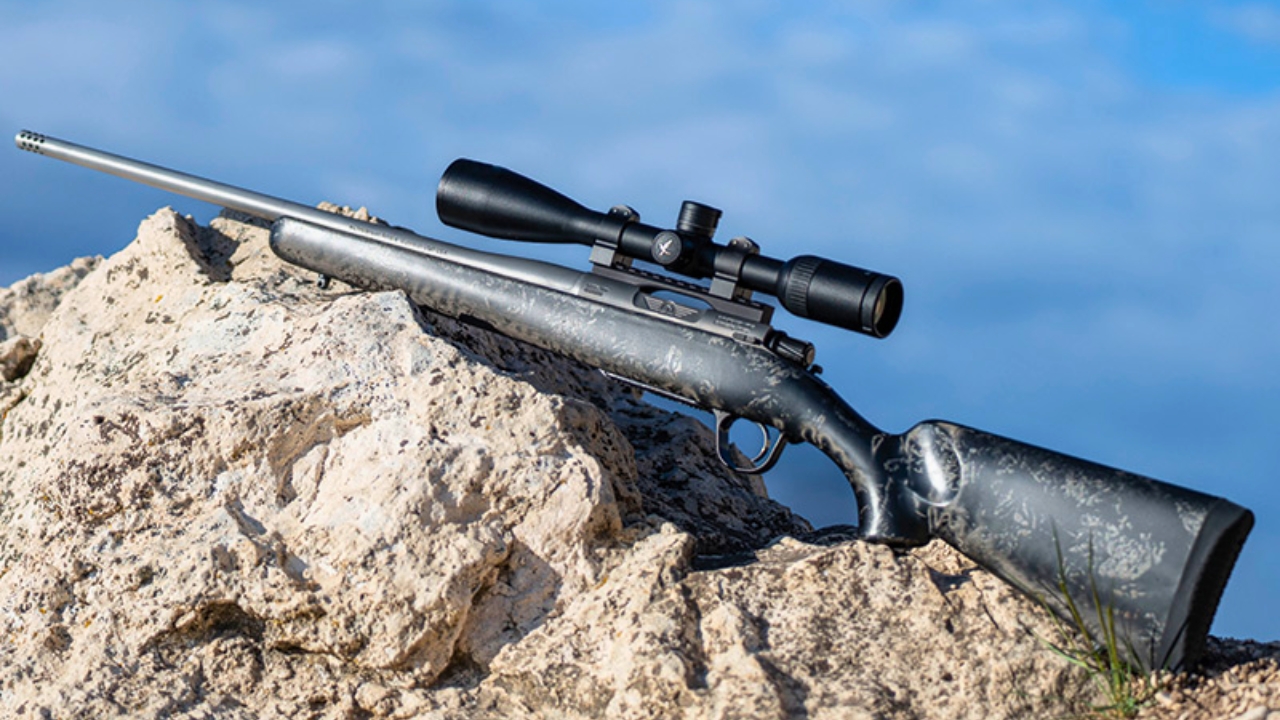
Christensen Arms Mesa
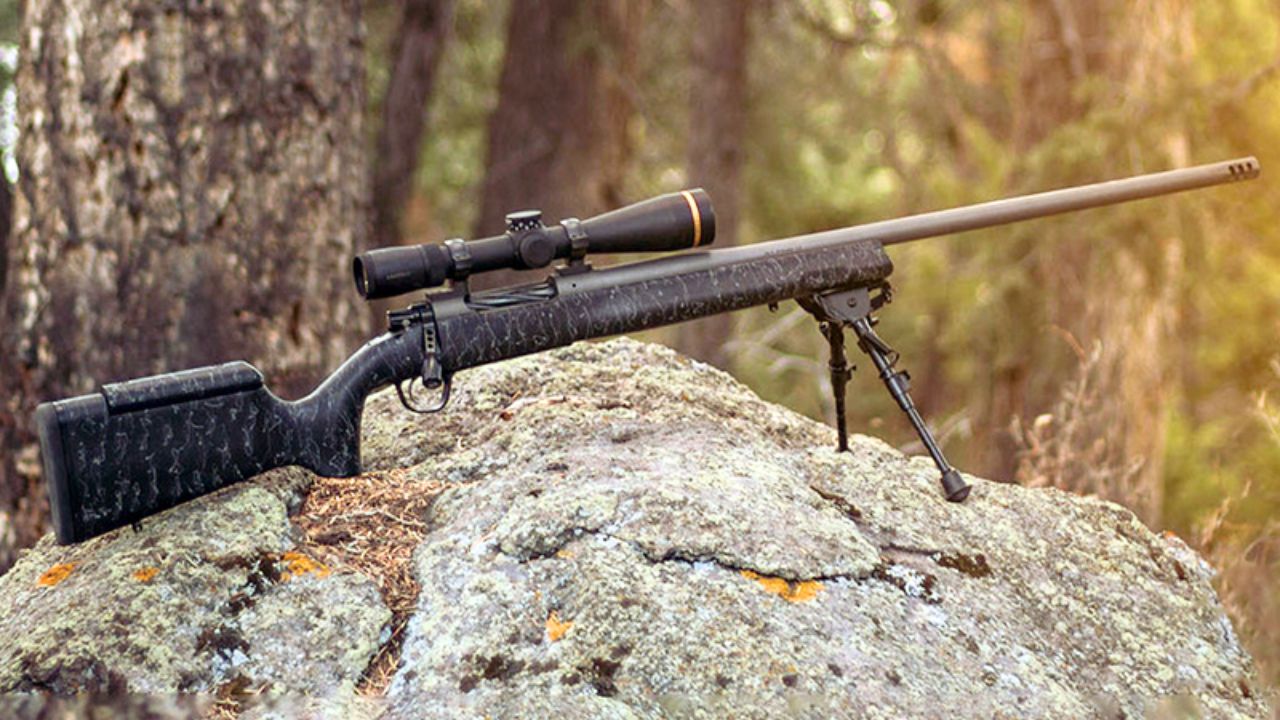
The Christensen Arms Mesa looks excellent on paper because it speaks directly to what many modern rifle buyers want: lighter weight, strong accuracy claims, a more premium feel, and a reputation shaped by mountain-hunting appeal. It checks a lot of aspirational boxes. For someone imagining long hikes and precise shots, the rifle can seem like a near-perfect bridge between practicality and performance.
The issue in the field is that expectations rise fast when the price does. When you pay more, you expect a rifle that feels polished in every part of the experience, not only on the target line. If the handling, recoil feel, or general confidence level does not fully match the promise, owners notice immediately. A rifle in this class has less room to be “good enough,” which is why paper appeal can fade faster when real-world performance feels less complete.
Browning AB3
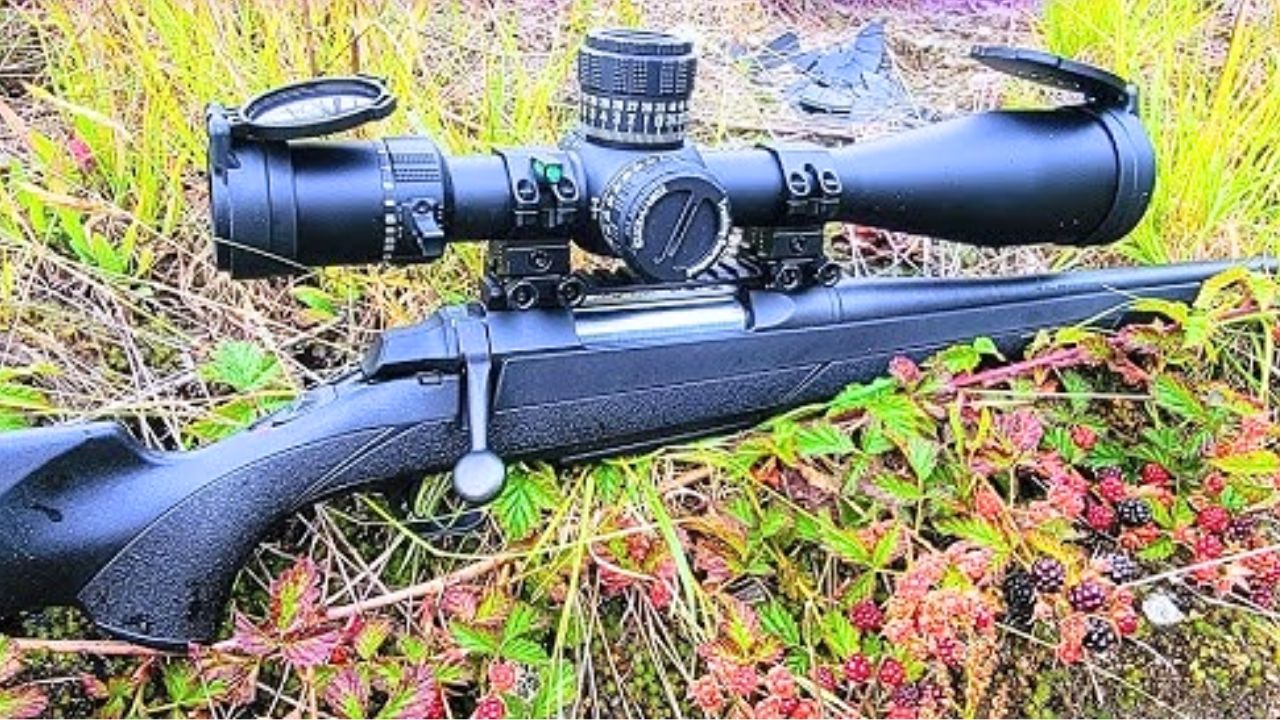
The Browning AB3 benefits from a strong brand association and a straightforward hunting setup that looks appealing during comparison shopping. Buyers often assume they are getting some of the Browning reputation at a lower price, which makes the rifle easy to like on paper. It appears clean, modern, and sensible, especially for hunters who want a name they recognize without moving into a more expensive tier.
Where the shine can dull is in the details. The rifle does the basics, but it may not give you the refined feel many people expect when they see the Browning name on the action. In the field, little things start mattering more, like how the rifle balances with optics, how the bolt feels under stress, and whether the stock inspires much confidence. That is often where “good enough” replaces initial enthusiasm.
Bergara B-14 Ridge
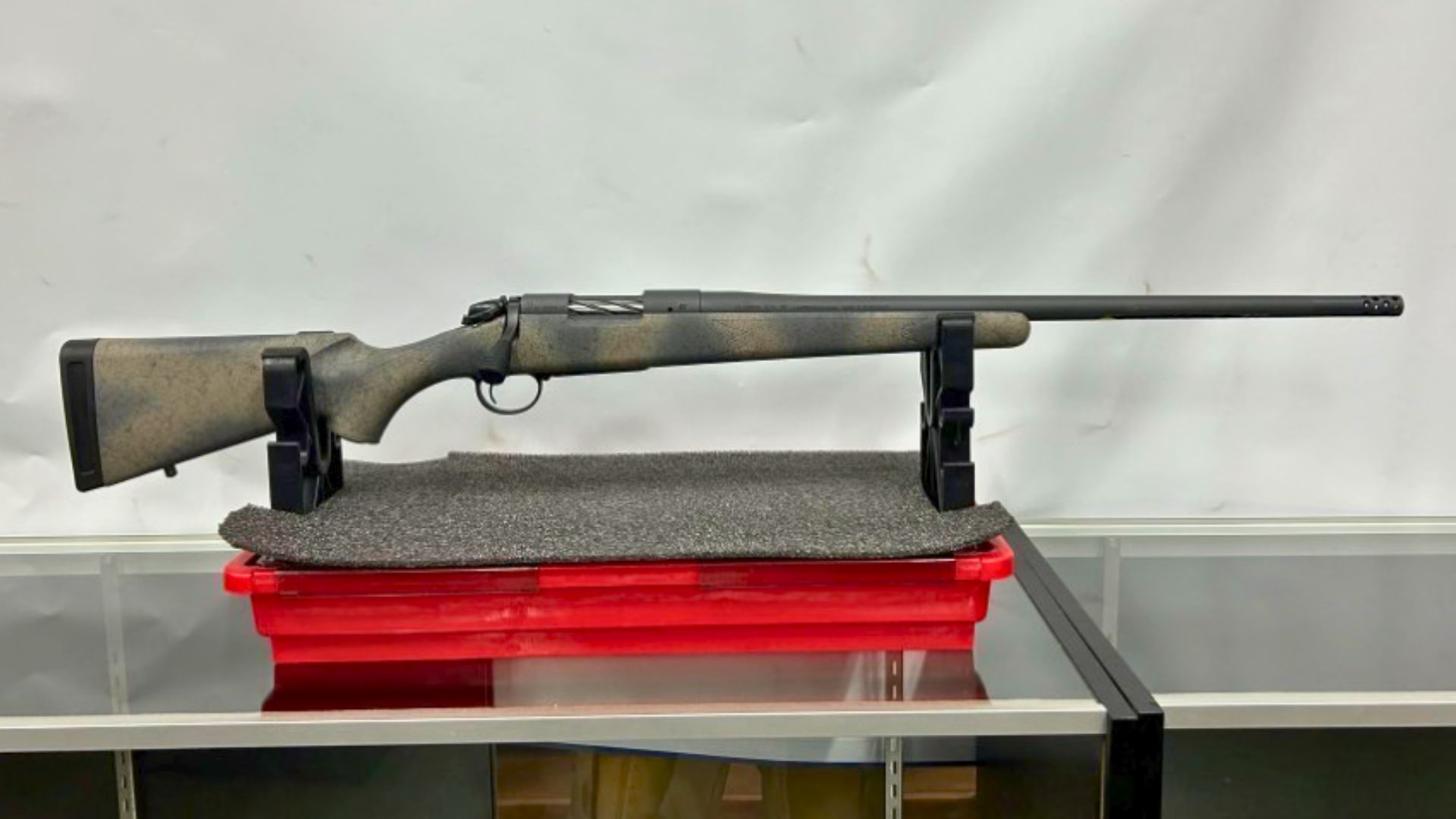
The Bergara B-14 Ridge usually impresses people during research because it carries a strong accuracy reputation and a feature set that seems aimed at serious hunters. It often sounds like a rifle that delivers custom-rifle flavor without fully custom-rifle money. That is a powerful pitch, especially when so many buyers care deeply about barrel quality, trigger performance, and the idea of getting more precision than they can usually afford.
But field use can remind you that precision is not the only measure of a hunting rifle. Some rifles shoot beautifully and still feel heavier, bulkier, or less lively than you hoped once you leave the bench. The B-14 Ridge is often respected, but it can also feel like a rifle that shines brightest in conversations about accuracy rather than long days of carrying it through rough country. That difference matters more than people expect.
Tikka T3x Lite
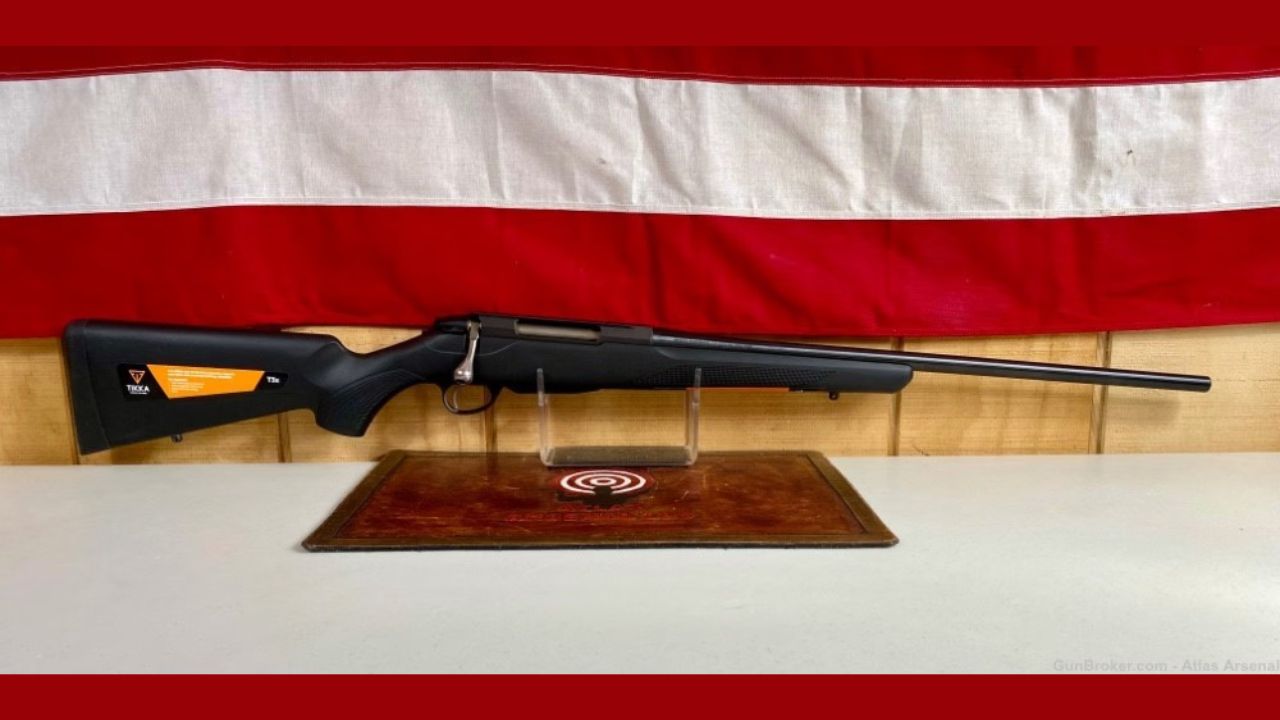
The Tikka T3x Lite is a very good rifle, but it still fits this discussion because it can look almost too perfect on paper. Light weight, strong accuracy, good trigger, smooth action, and a loyal following make it sound like an automatic answer for nearly every hunter. When people read about it, they often expect a rifle with almost no compromise attached to it.
Then the real-world tradeoffs show up. Very light rifles are pleasant to carry, but they can be less pleasant to shoot, especially in harder-kicking chamberings. Some shooters also realize that a rifle praised for efficiency can still feel a bit plain or less stable than they want once they start shooting from improvised positions. The T3x Lite is still respected for good reason, but it proves that even excellent paper specs do not erase field compromises.
Springfield Armory Model 2020 Waypoint

The Model 2020 Waypoint has the kind of spec sheet that gets attention fast. It is modern, lightweight, built with premium intentions, and aimed at hunters who want real precision from a field rifle. On paper, it sounds like the sort of rifle that should solve multiple problems at once. That combination of performance promise and premium image makes it easy to admire before you ever shoulder one outdoors.
What changes for some owners is not that the rifle fails. It is that premium rifles carry premium expectations, and those expectations follow you into every part of the hunting experience. If the balance feels off for your style, if recoil is sharper than you hoped, or if the rifle does not feel as natural in field positions as it did in product descriptions, the letdown feels bigger. The higher the promise, the tougher the test.
Weatherby Vanguard
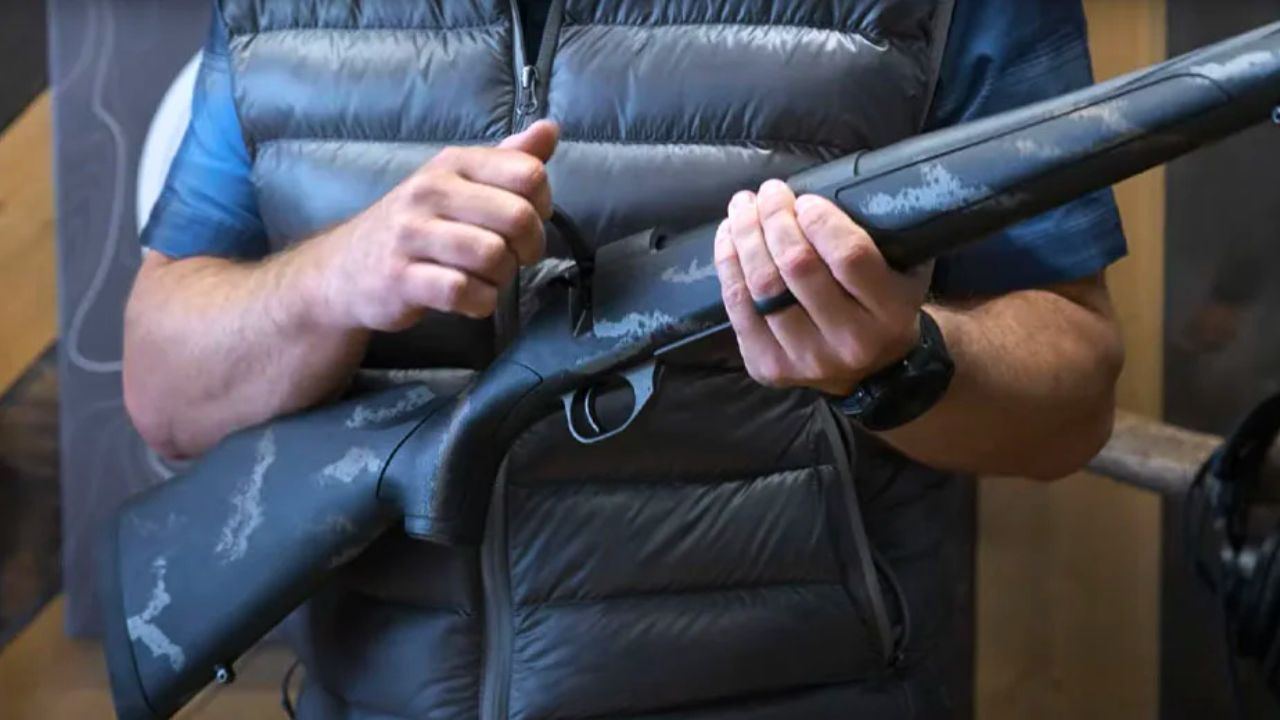
The Weatherby Vanguard often looks like a smart middle-ground rifle because it promises dependable construction, good accuracy, and more substance than many entry-level options. It has enough reputation behind it to inspire confidence and enough practical appeal to pull in hunters who want a rifle they can take seriously without paying for a full premium setup. On paper, it often reads like a safe, well-rounded choice.
In the field, though, some shooters find it a little less lively than expected. Depending on the version, it can feel bulkier or less graceful than rifles that seemed similar in online comparisons. That does not stop it from being capable. It simply shows how a rifle can be correct in all the measurable ways and still not feel especially natural once you are climbing, carrying, and reacting in the moment.
Howa 1500

The Howa 1500 earns strong paper appeal because people associate it with solid barreled actions, good value, and dependable accuracy. In rifle discussions, it often comes up as a smart buyer’s pick, especially for those who care about the action as much as the brand stamped on the side. That gives it a kind of quiet credibility that can make it feel like a sleeper choice hiding in plain sight.
That said, real-world satisfaction still depends on the full rifle around that action. Some factory configurations feel heavier or less refined in the stock than buyers expect after hearing how much praise the platform gets. The result is a rifle that may live up to its reputation mechanically while still feeling less exciting in the field than it did in research mode. That is the heart of this whole category. Specs can be right and impressions can still cool off.
Like The Avid Outdoorsman’s content? Subscribe to our newsletter so you never miss an article.
Here’s more from us: