Photo credit: Barkley Outdoor Adventures/YouTube
Walk into enough gun shops and you start noticing a pattern. The racks are fuller than they were a few years ago, but the rifles don’t always feel the same in your hands. A lot of them shoot fine, sure, but the “feel” is different—lighter in the wrong places, rougher in the action, cheaper in the small parts you used to never think about.
We’re in an era where good rifles are still being made, but they’re being made differently. More modular parts, more “value engineering,” more plastic where it used to be steel, and more of that hollow, toy-like sound when you close the bolt. Some of that is just progress. Some of it is cost cutting. And if you’ve hunted long enough to remember when a basic deer rifle came with real metal, real walnut, and an action that slicked up with use instead of fighting you forever, you know what I’m talking about.
The manufacturing shift you can feel without looking at a spec sheet
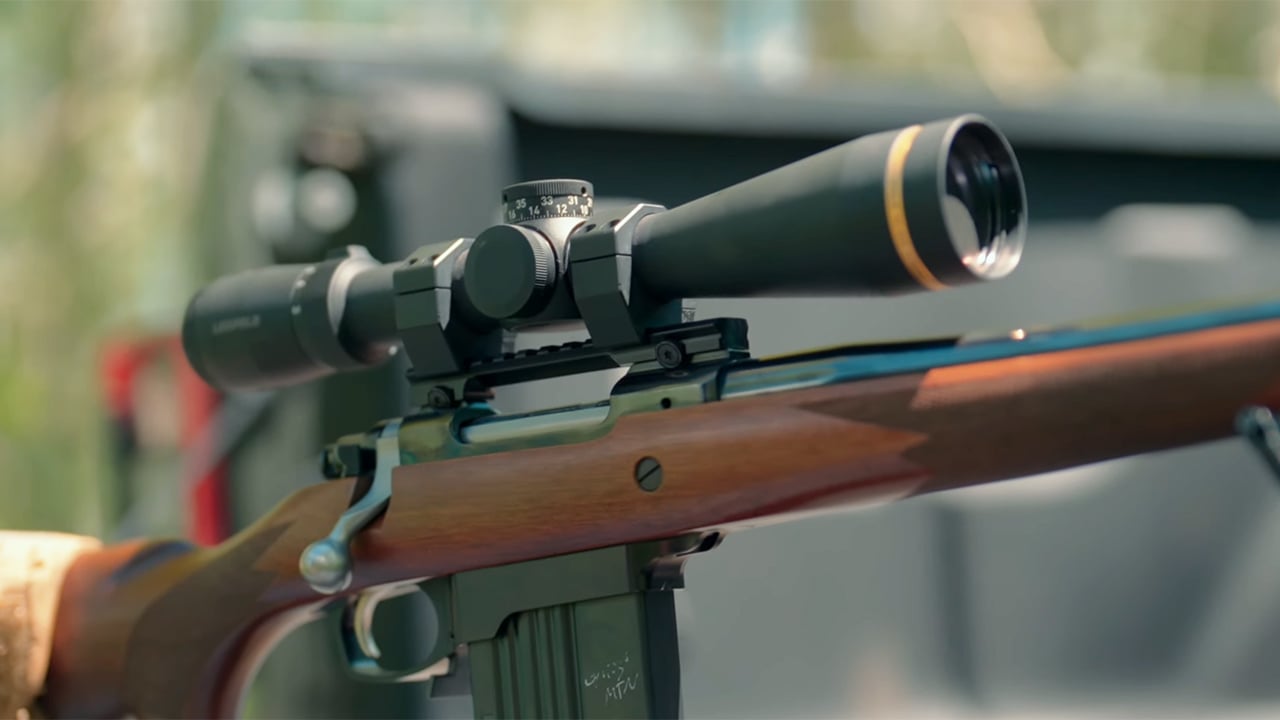
Most hunters don’t sit around debating MIM parts, polymer trigger guards, or whether a bolt handle is brazed, threaded, or integral. They just pick up a rifle and work the action a few times. They shoulder it. They check how it balances between the hands and whether the safety and bolt release feel positive. Those little things add up.
The issue isn’t that modern rifles can’t be accurate. A bunch of them are scary accurate. The issue is long-term confidence. When you buy a bolt gun for hunting, you’re not just buying groups on paper. You’re buying a tool you may carry in the rain for ten seasons, drop in the dirt once, bang on a stand ladder twice, and still expect to chamber smoothly when a buck finally steps out.
What “worth buying new” actually means for a bolt-action
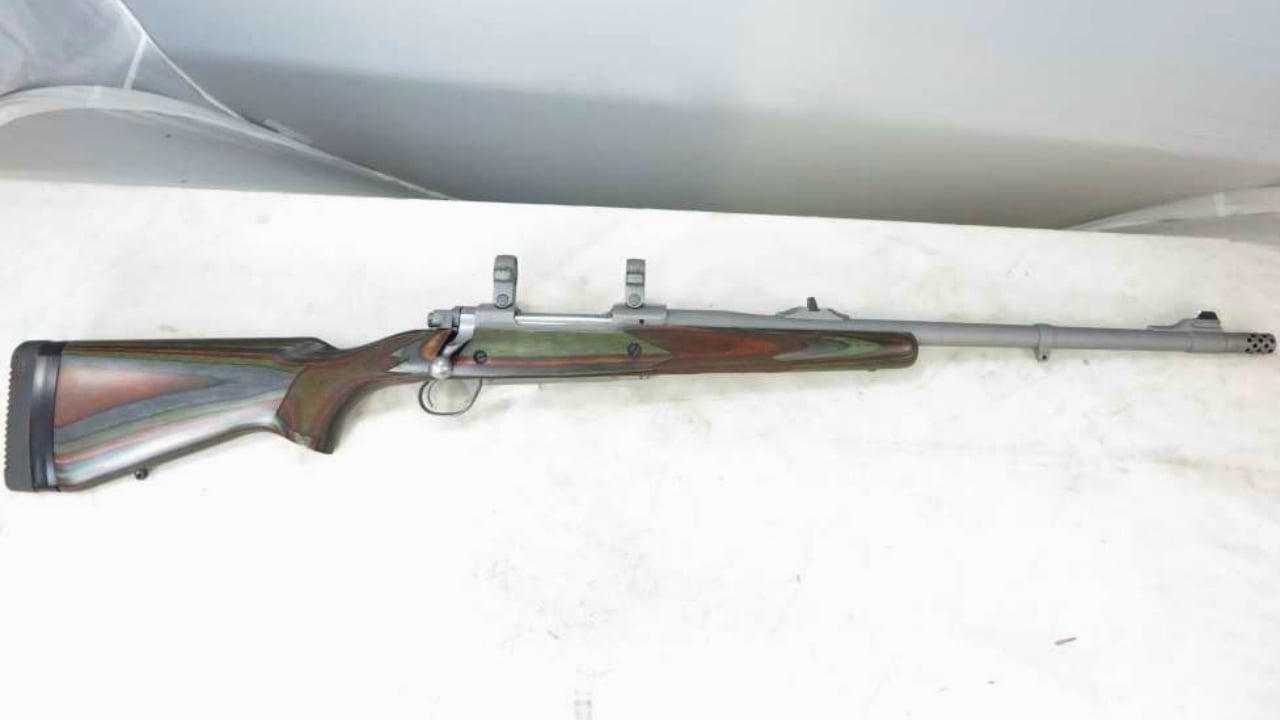
For me, a bolt-action is worth buying new when it checks three boxes: it runs smooth out of the gate, it’s built with parts that won’t become a scavenger hunt five years from now, and it doesn’t require a bunch of “fixes” to become what it should have been at the factory. A good factory rifle should not feel like a starter kit for an upgrade project.
It also needs to be something you can live with. Not every rifle has to be pretty, but it shouldn’t feel disposable. If the best thing you can say about a hunting rifle is “it was cheap,” that’s not a compliment. That’s a confession.
The one new bolt-action that still feels like the old standard
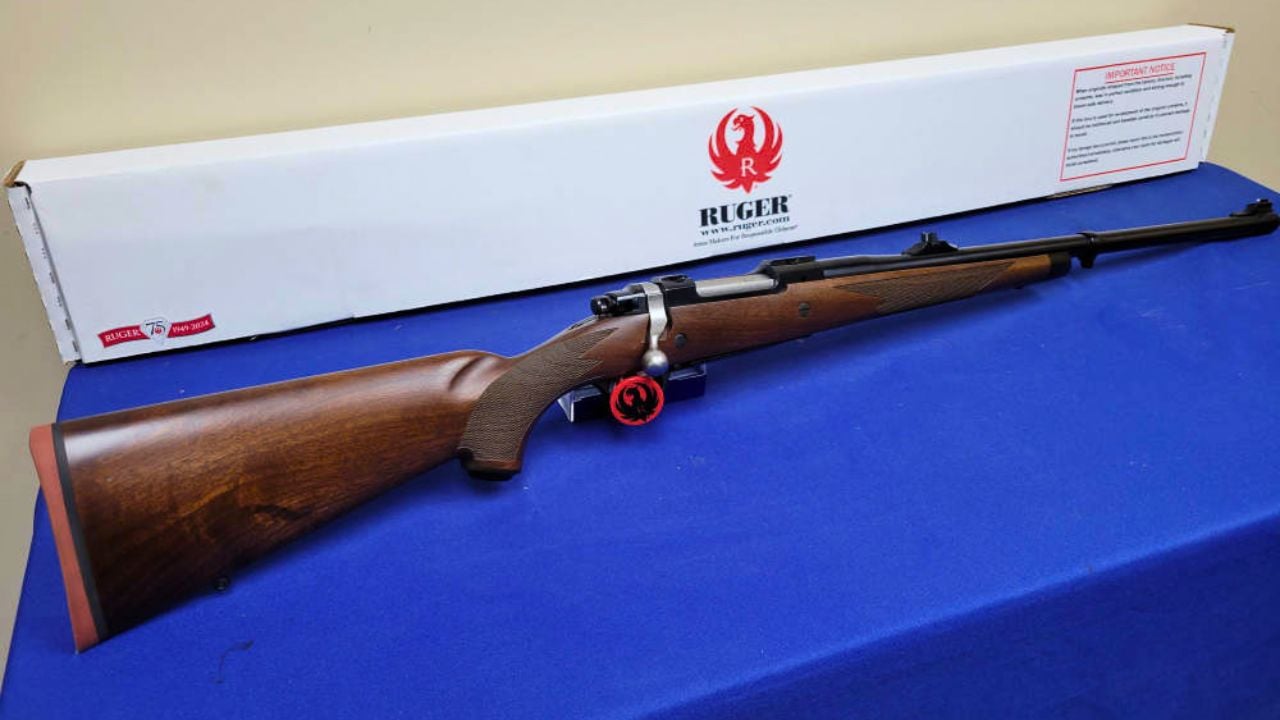
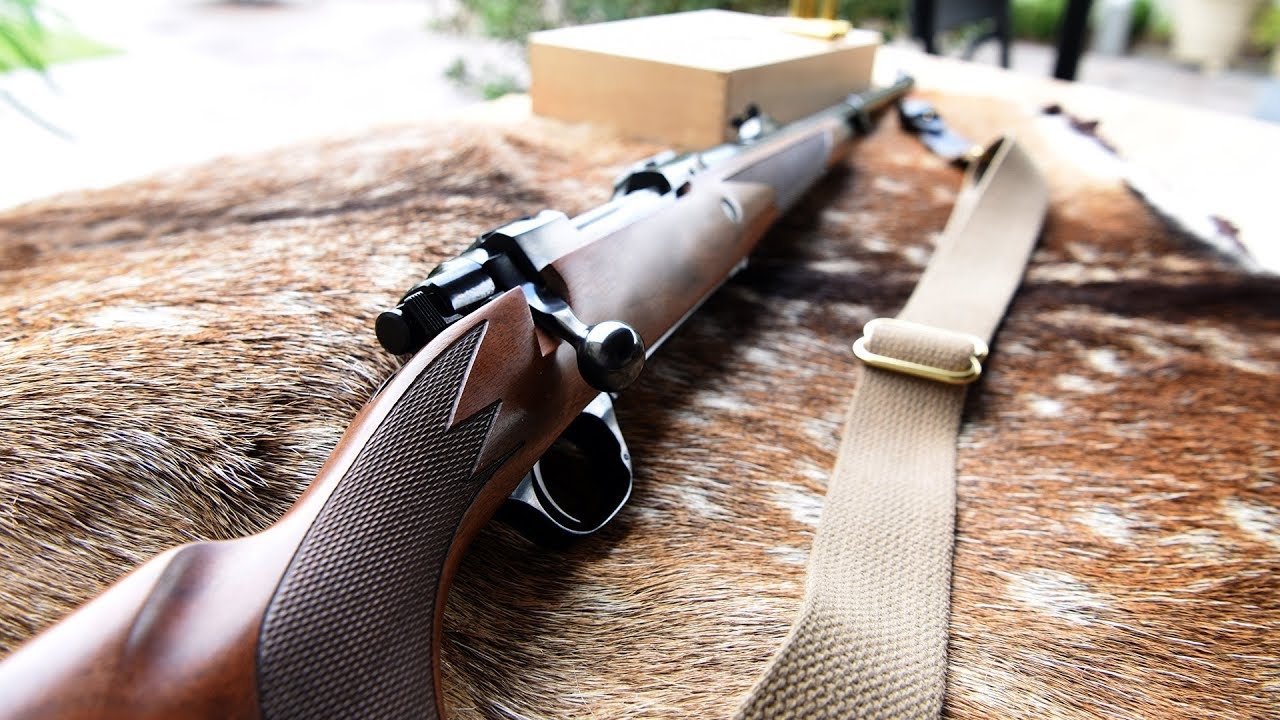
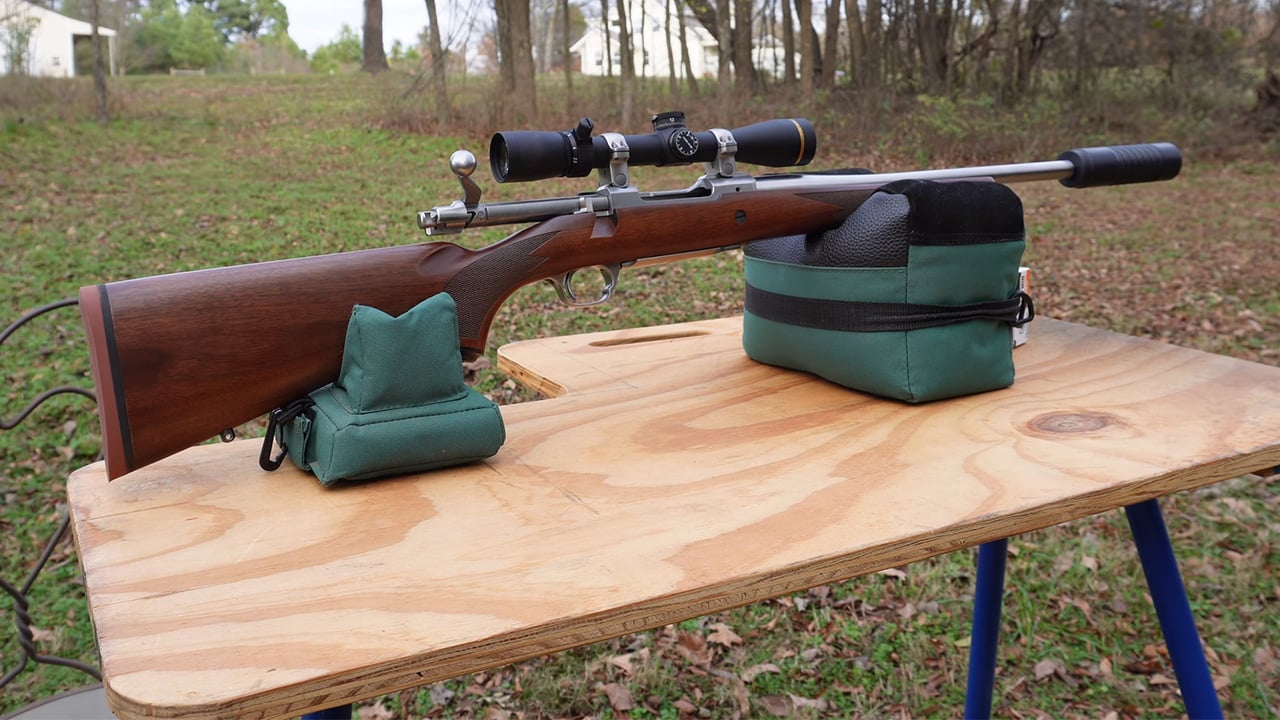
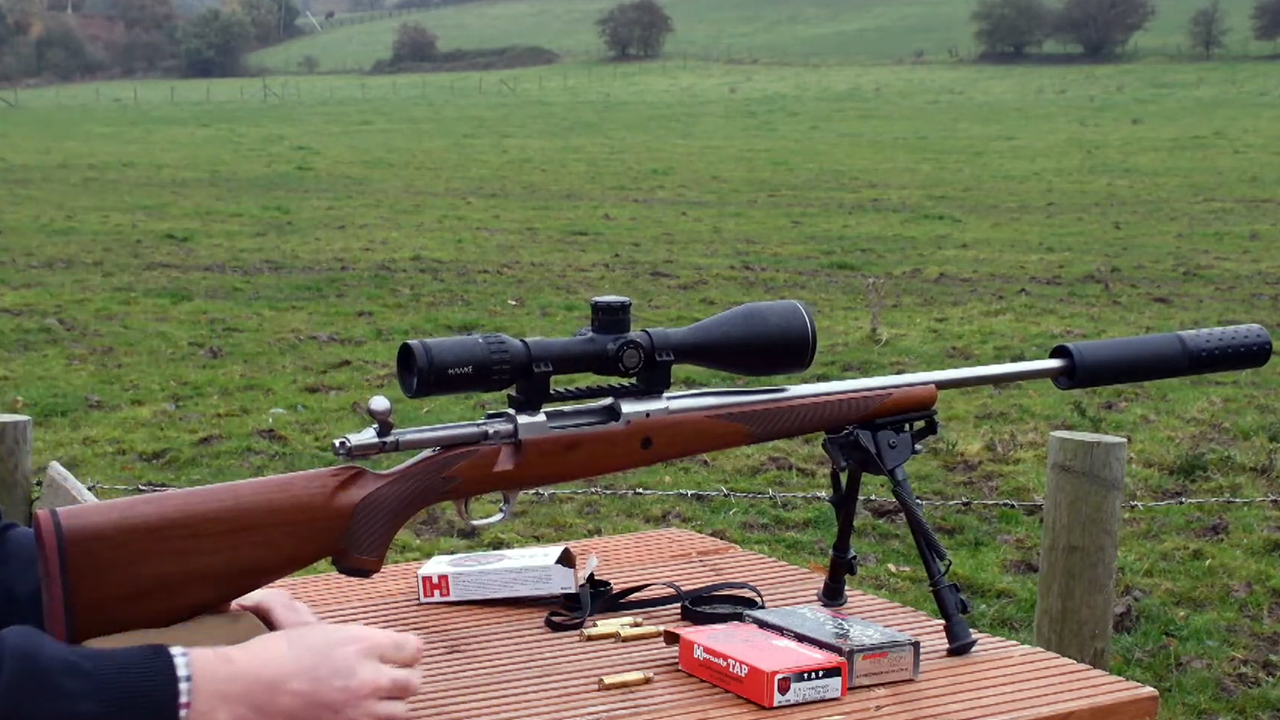
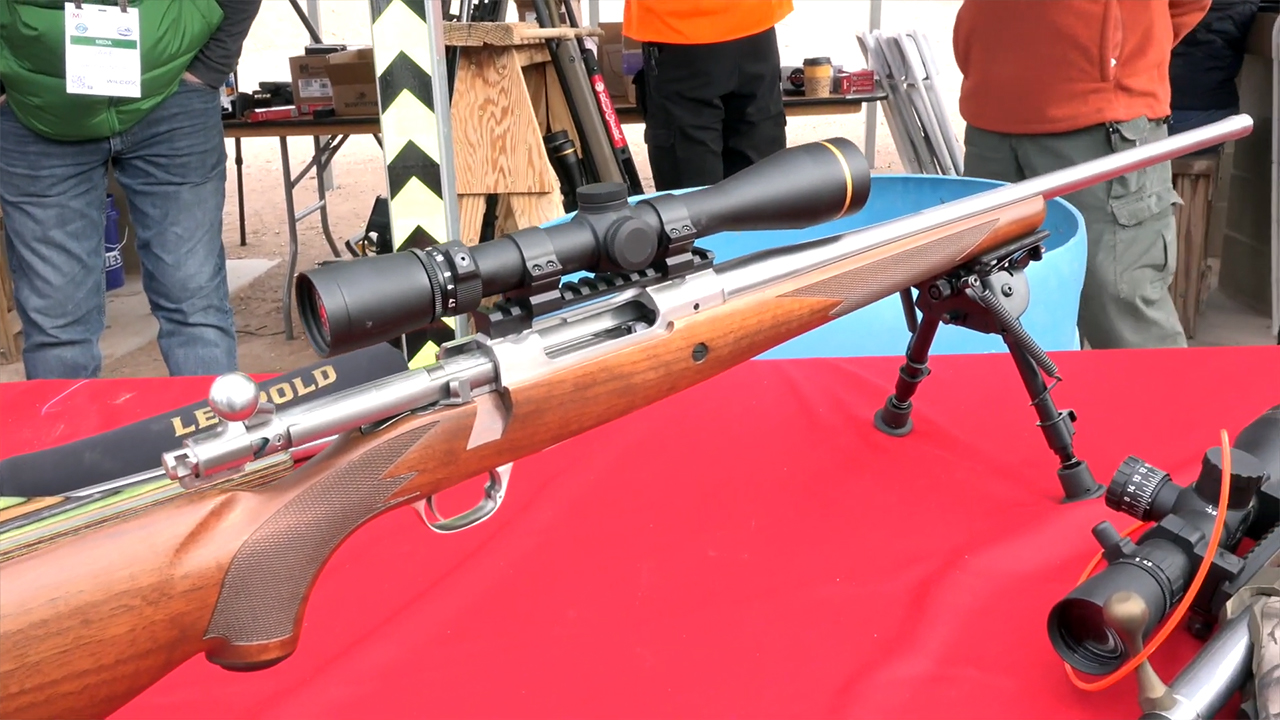
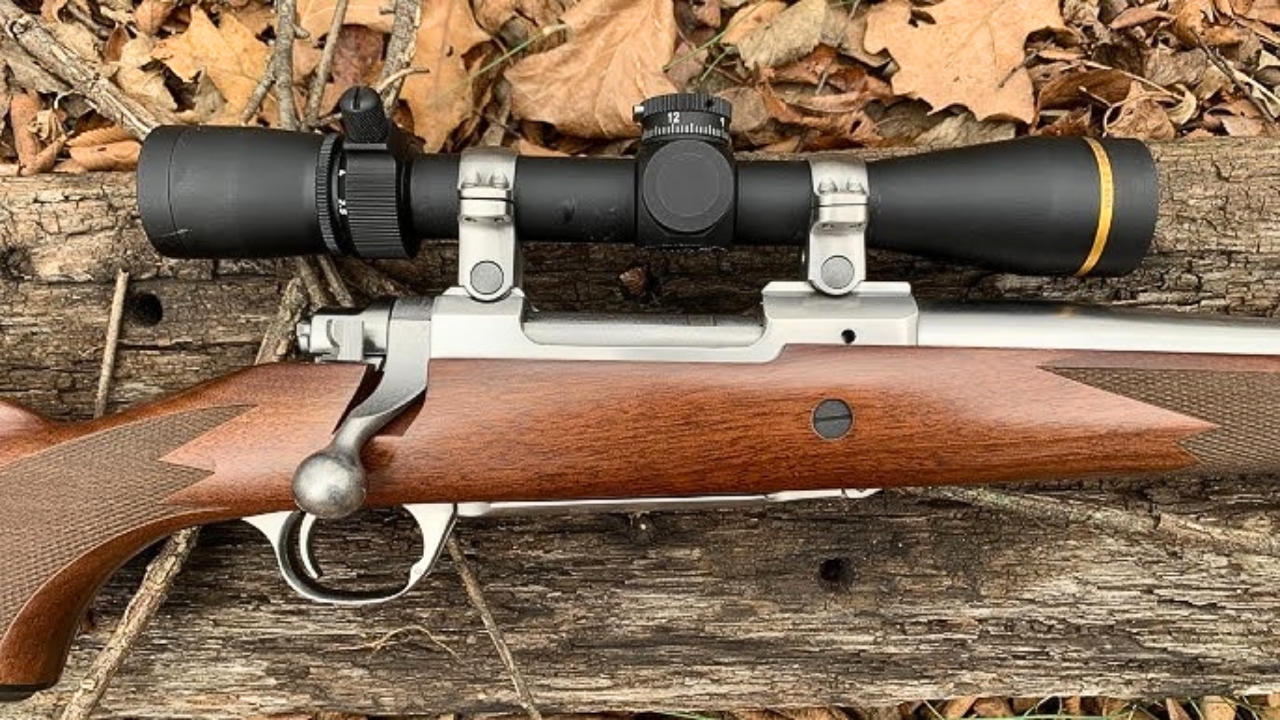
If you’re asking me to point at one bolt-action that still makes sense to buy new right now—before this current wave of cost-cutting becomes the normal forever—it’s the Ruger Hawkeye (especially the standard Hawkeye and the Hawkeye Hunter lines). There are other good rifles, and I’m not saying the Hawkeye is the only one worth owning. I’m saying it’s one of the last widely available, still-made-in-volume bolt guns that feels like a “real rifle” without needing to be a collector piece.
The Hawkeye is not the lightest rifle on the mountain and it’s not the cheapest option on the shelf. But pick one up and you notice what’s missing: that flimsy, hollow feeling. The controlled-round-feed action has been around long enough that its strengths and quirks are well understood. The bolt lift feels deliberate. The extractor is the kind of part you trust when a case is sticky or your chamber is dirty. And the whole rifle tends to feel like it was built to be used, not just sold.
Why that controlled-round-feed action matters to hunters
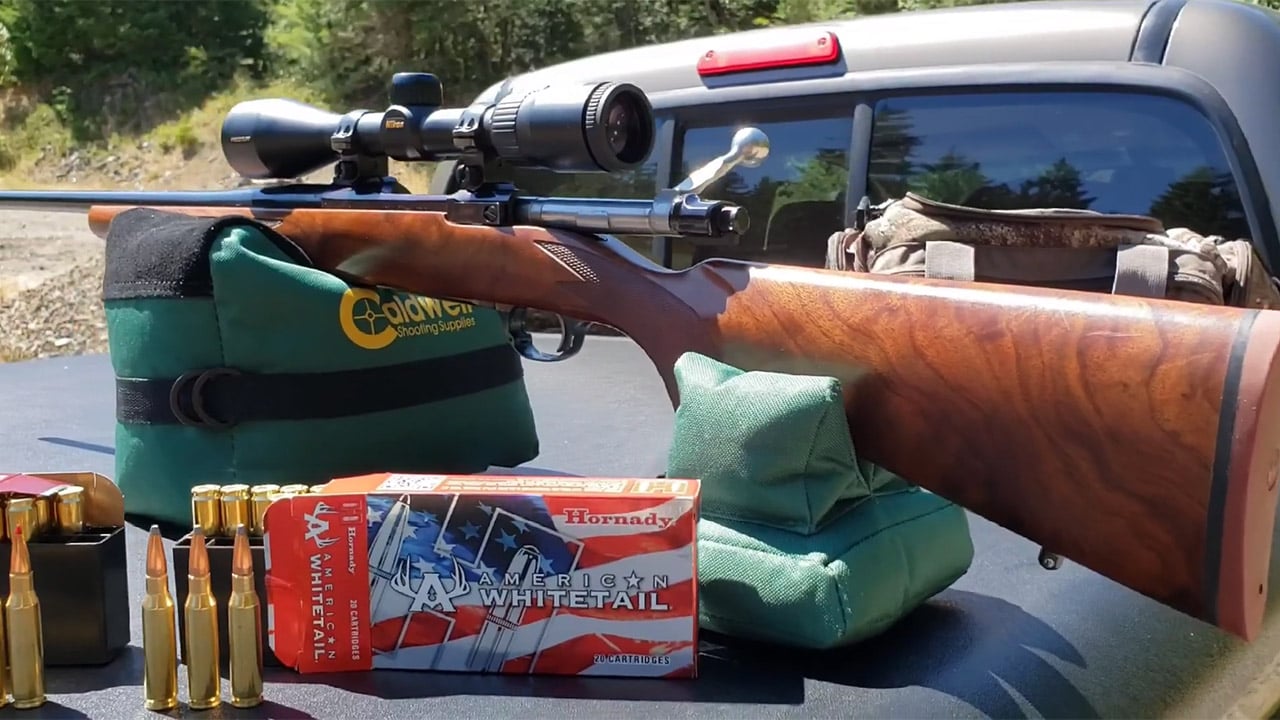
I’m not going to pretend every deer hunter needs controlled-round feed. Plenty of push-feed rifles have killed piles of game and will keep doing it. But controlled-round feed is one of those things that becomes important when conditions get rough or the moment gets rushed. When the cartridge is controlled from magazine to chamber, you get fewer weird surprises when you’re cycling the bolt hard, cycling at an odd angle, or working fast because you just saw brown in the brush.
It’s also a confidence thing. When you’re cold, gloved up, and moving through deadfall, you want your rifle to run the same way every time. The Hawkeye’s action is not magic, but it’s consistent. That counts more than internet arguments about what’s “best.”
The boring details that make it a keeper
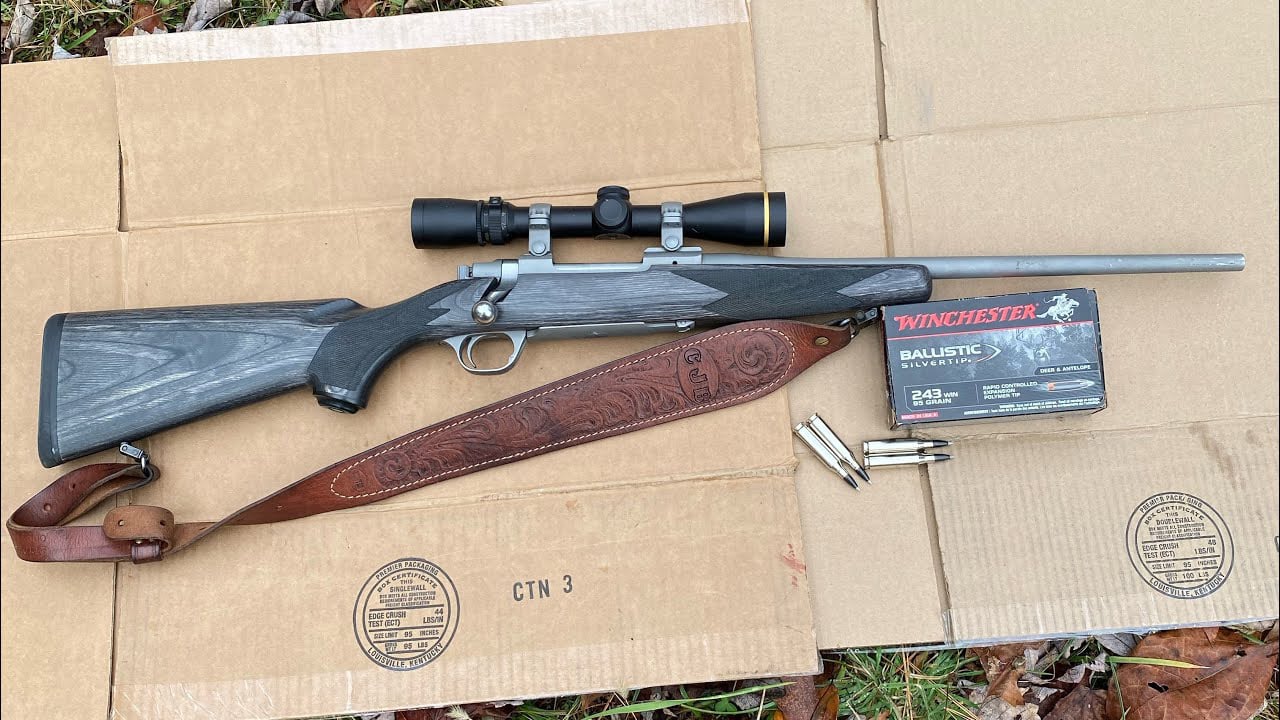
The Hawkeye doesn’t win beauty contests in every configuration, and the factory trigger isn’t always a “wow” moment when you dry-fire it at the counter. Still, the rifle tends to be honest. The bottom metal and magazine system feel stout. The safety is simple and positive. Sling it up and walk a couple miles and it carries like a traditional hunting rifle, because that’s what it is.
Another thing I like: it’s not a proprietary oddball. You’re not stuck in a weird ecosystem where only one brand makes the parts that fit. Scope mounting is straightforward, and the aftermarket support exists without the rifle requiring the aftermarket to be good. There’s nothing fancy about it, and that is kind of the point.
Where the modern alternatives are starting to lose me
I get why manufacturers went the direction they did. Hunters want lighter rifles, and they want them cheaper. They also want them accurate right out of the box. You can hit those targets with modern production methods, polymer parts, and a certain amount of simplifying. The problem is when everything starts feeling like it was designed by accountants and assembled by robots with no pride left in the corners.
Here’s a real-world example. You buy a bargain bolt gun, it shoots great, and you’re happy. Then you actually use it hard for a season or two. The action never really smooths out. The magazine becomes the weak link. The stock flex shows up when you sling it tight. The little stuff starts stacking. Ask me how I know.
What to look for at the counter before you swipe the card
If you’re shopping for a bolt-action right now, do a couple simple checks. Work the bolt with authority and then work it slowly. You’re looking for smooth travel and a consistent feel, not grinding or hanging in one spot. Check the magazine system for wobble and see if it locks in like it means it. Dry-fire it (with permission) and pay attention to the safety and trigger feel, not just the weight.
Then shoulder it with your eyes closed and open them. If you’re looking at the ceiling or the floor, the stock geometry doesn’t fit you. That matters more in the woods than it does on a bench. A rifle that points naturally gets carried more and shot better when it counts.
What commenters always focus on (and what they miss)
Every time this topic comes up, the conversation splits fast. One crowd says, “My budget rifle shoots half-inch groups, so who cares?” The other crowd starts talking about old walnut-and-blue steel like every new rifle is junk. Neither side is completely right.
What gets missed is that group size is only one piece of a hunting rifle. The rest is how it behaves when you’re tired, wet, and cold, and when you’re cycling that bolt after a long sit. Reliability is not just “it fired once at the range.” It’s the full season, the full life of the rifle, and whether the gun still makes sense when it’s not brand new anymore.
The honest downside of the Ruger Hawkeye
The Hawkeye isn’t perfect. Some are a little heavier than the ultralight crowd wants, and if you’re the kind of hunter counting ounces for high-country trips, you might prefer something else. The action is solid, but it’s not always as buttery at the counter as some push-feed designs that feel slick right away. A Hawkeye often feels better after it’s been used, cleaned, and cycled a bunch.
Price can sting too. When you look at cheaper rifles sitting next to it, you can talk yourself into “good enough.” That’s the trap. Because when the cheap one starts irritating you, you’ll either dump money into it or you’ll sell it at a loss and buy what you should’ve bought the first time. That one hurts.
If you’re going to buy one new, here’s the smart way to do it
I’m not here to tell you to panic-buy anything. But if you’ve been meaning to pick up a “forever” bolt-action—one you won’t feel weird handing down—now is a good time to stop browsing and start handling rifles. Buy the one that feels like it was built to last, not just built to ship.
If a Ruger Hawkeye fits you and your hunting style, it’s one of the last new-production bolt guns that still scratches that old-school itch without being a fragile safe queen. Zero it, hunt it, and don’t baby it. When manufacturing trends swing hard toward cheaper and faster, the rifles that still feel like rifles won’t get more common later.
Like The Avid Outdoorsman’s content? Be sure to follow us.
Here’s more from us: