Photo credit: Amazon
Knife companies don’t usually throw a parade when they kill off a model. One season it’s on every peg at the sporting goods store, and the next season you can’t find it anywhere except a random dusty one behind the counter or a price-gouged listing online. If you’re the type who actually uses a hunting knife hard—on hair, hide, joints, rope, kindling, and the occasional “well, this wasn’t the plan” camp job—those quiet disappearances matter.
What’s getting discontinued isn’t always junk, either. Sometimes it’s a knife that didn’t fit the current trend, or it had a handle material that got expensive, or it was made in a factory that shifted to something else. Here are the hunting knives I keep seeing fade out of catalogs and shelves, and why you might want to grab one before they’re just a memory.
Buck 110 Slim Pro TRX

The classic 110 is forever, but this “modernized” version is the one that seems to slip through the cracks. It’s lighter, carries flatter, and doesn’t feel like a brick in your pocket when you’re climbing over deadfall. That alone makes it a better real-world hunting folder for a lot of guys.
The S30V blade and grippy handle are the whole point. If you like a lockback you can trust, but you don’t want the old heavy brass-and-wood vibe, this one is a sweet spot. When these go away, you’ll still find 110s, but not this exact mix of steel, weight, and carry comfort.
Buck 112 Slim Pro TRX
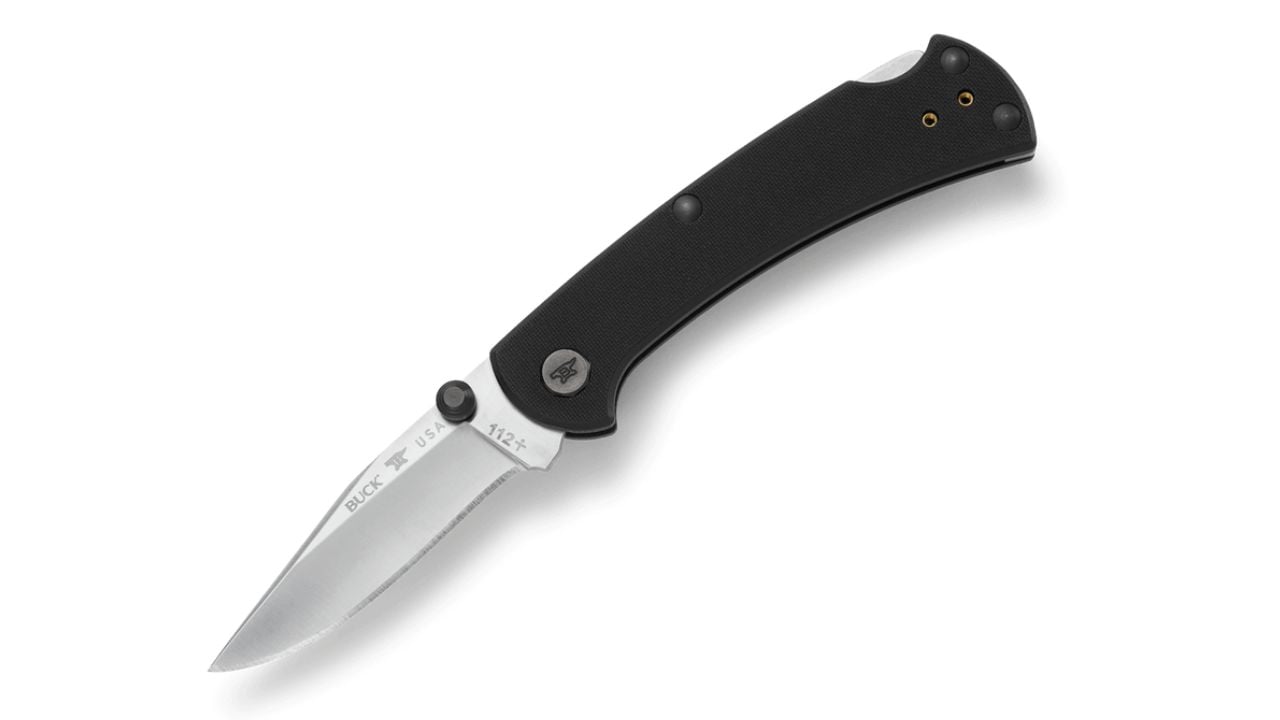
Same story as the 110 Slim Pro, just in a size that makes more sense for actual pocket carry. The standard 112 is already a better “belt or pocket” option than the 110 for most folks, and the Slim Pro version takes that further without feeling flimsy.
It’s a great deer knife for the hunter who refuses to carry a fixed blade but still wants a real lock. If you’ve ever tried to choke up on a tiny modern folder with gloves on, you’ll appreciate this one. It’s not flashy, which is usually the first sign it won’t be protected when companies trim product lines.
Gerber Gator Premium (fixed blade)
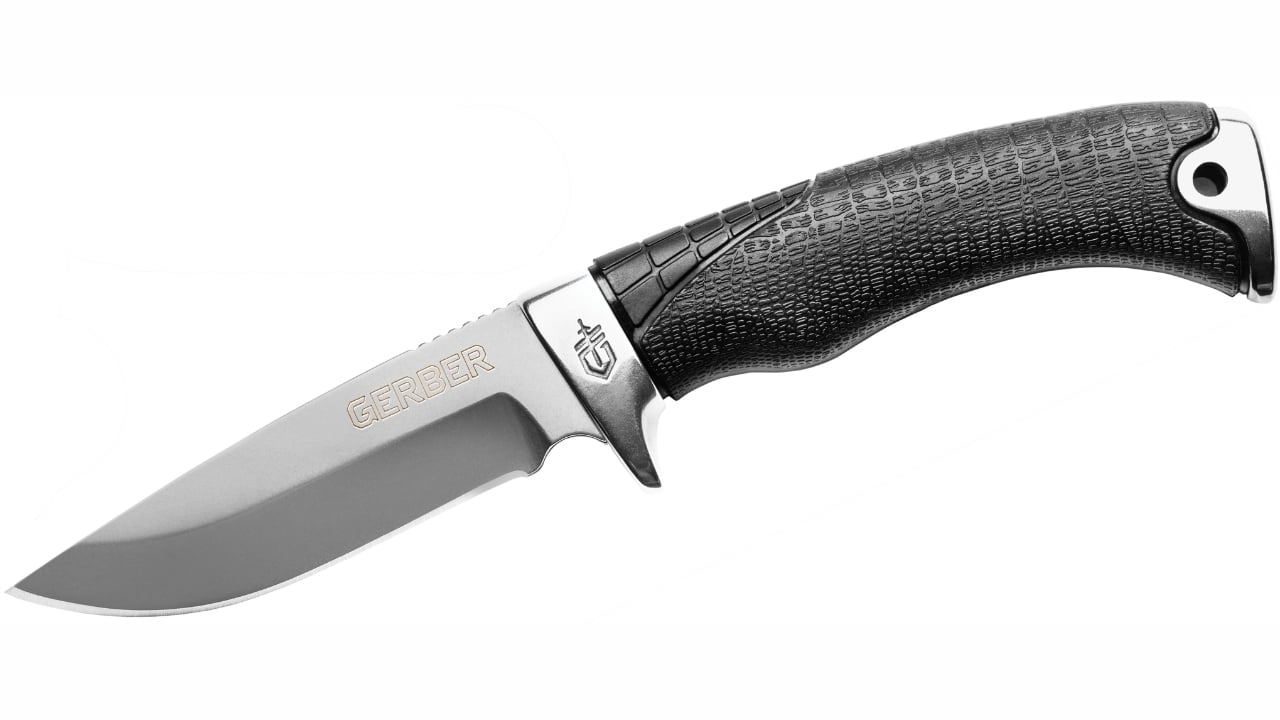
The Gator handle has been around forever because it works. Wet hands, cold hands, blood on everything—still sticks where it should. The premium fixed blade versions pop in and out of availability, and lately they’ve been harder to spot in normal stores.
This is one of those knives that ends up being the “loaner” at deer camp because it’s so easy to control. It isn’t a showpiece. It’s a steady, boring tool that keeps earning rides in the pack, which is exactly why it’s a shame when it quietly disappears.
Gerber Vital Big Game Folder (original version)

Gerber’s Vital line is all about replaceable blades, and the early big game folders had a feel that just worked. They opened smoothly, locked solid, and didn’t feel like a toy. Over time, companies tweak designs, chase price points, and what you end up with isn’t quite the same knife.
If you’re the guy who wants clean, consistent cuts without resharpening in the field, the original setup is hard to beat. There are newer versions and similar knives from other brands, but the early Vital folders had that “made for hunters, not for unboxing videos” vibe.
Outdoor Edge RazorLite 3.5 (older orange/black runs)

The RazorLite is common, but certain runs are getting thin on the ground, especially the ones that came in the sweet-spot sizes and handle shapes. The 3.5-inch class is just right for most deer work without feeling like you’re holding a scalpel with a flimsy grip.
Replaceable blade knives are not romantic, but they are effective. If you’ve ever tried to touch up a dull knife with numb fingers and a cheap pocket sharpener, you get it. The trick is finding the specific RazorLite that fits your hand, because when that exact one is gone, “close enough” starts to creep in.
Outdoor Edge SwingBlaze
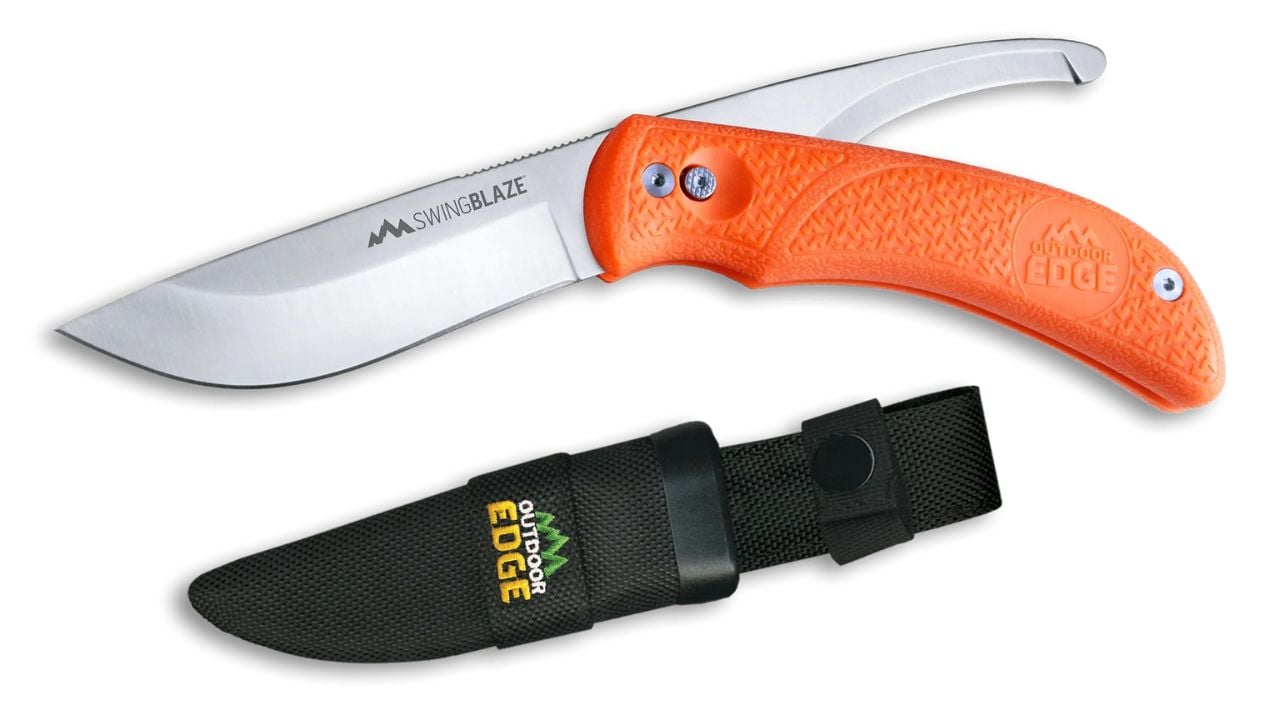
This one’s a niche knife, and niche knives tend to vanish. The SwingBlaze gives you a blade and a gut hook on a rotating pivot, and for the right hunter it’s handy. For the wrong hunter, it’s “one more moving part,” which is why it never becomes mainstream.
I get both sides. Still, if you like a dedicated gutting option without carrying a second tool, it’s a tidy setup. If you ever handled one and thought, “Yep, that’s actually smart,” now is the time to snag it.
Havalon Piranta Edge (certain handle styles)

Havalon is still around, but specific Piranta variants come and go like seasonal flavors. Some of the older handle shapes had better control for caping and fine work, especially if you’ve got bigger hands and you’re trying not to feel like you’re holding a dental tool.
The blades are everywhere, until suddenly they’re not the blades you like. If you’re picky about which pattern you use, it’s worth grabbing an extra handle or two. Ask me how I know after trying to cape with a “new improved” grip that didn’t agree with gloves.
Havalon Bolt (discontinued configurations)
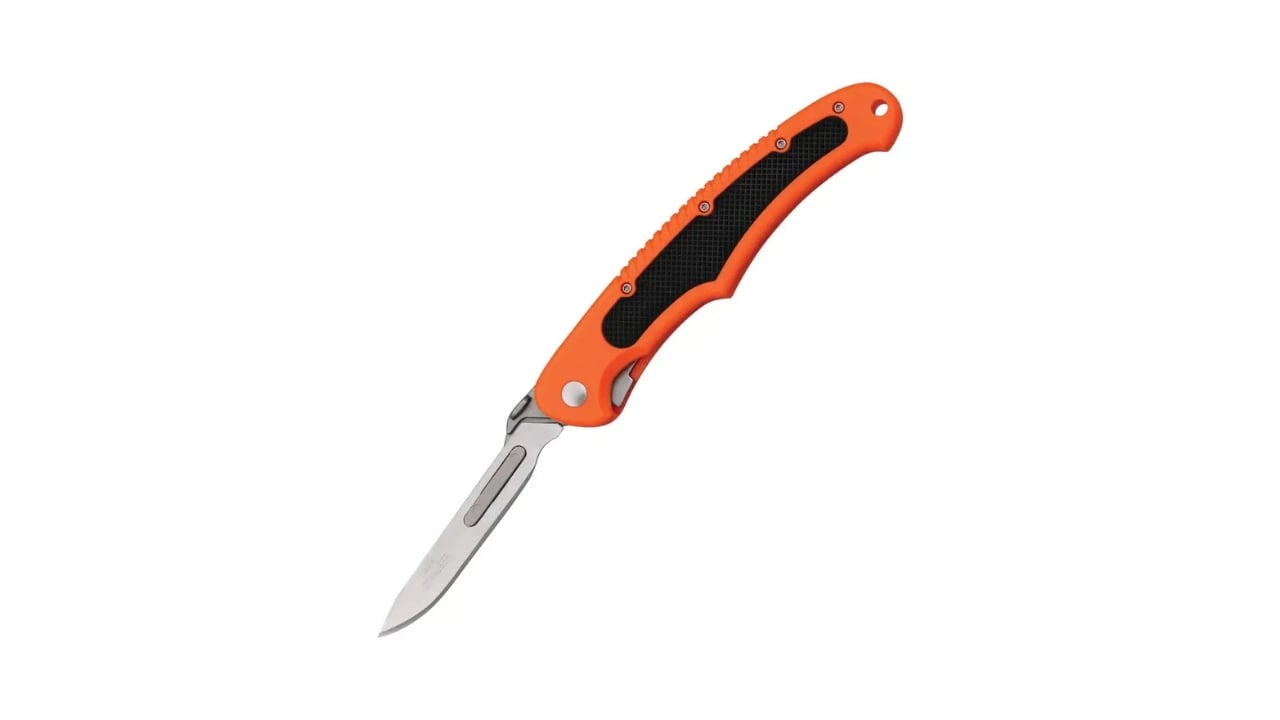
The Bolt is basically the “beefier” Havalon idea, meant to feel more like a real knife. A lot of hunters like the concept but balk at the price, and that’s exactly how models get chopped. If it doesn’t move fast, it doesn’t live long.
If you want replaceable-blade convenience but you’re tired of delicate handles, the Bolt hits that middle ground. When a company decides to simplify SKUs, the heavier-duty oddballs are usually first on the block.
CRKT Mossback Hunter
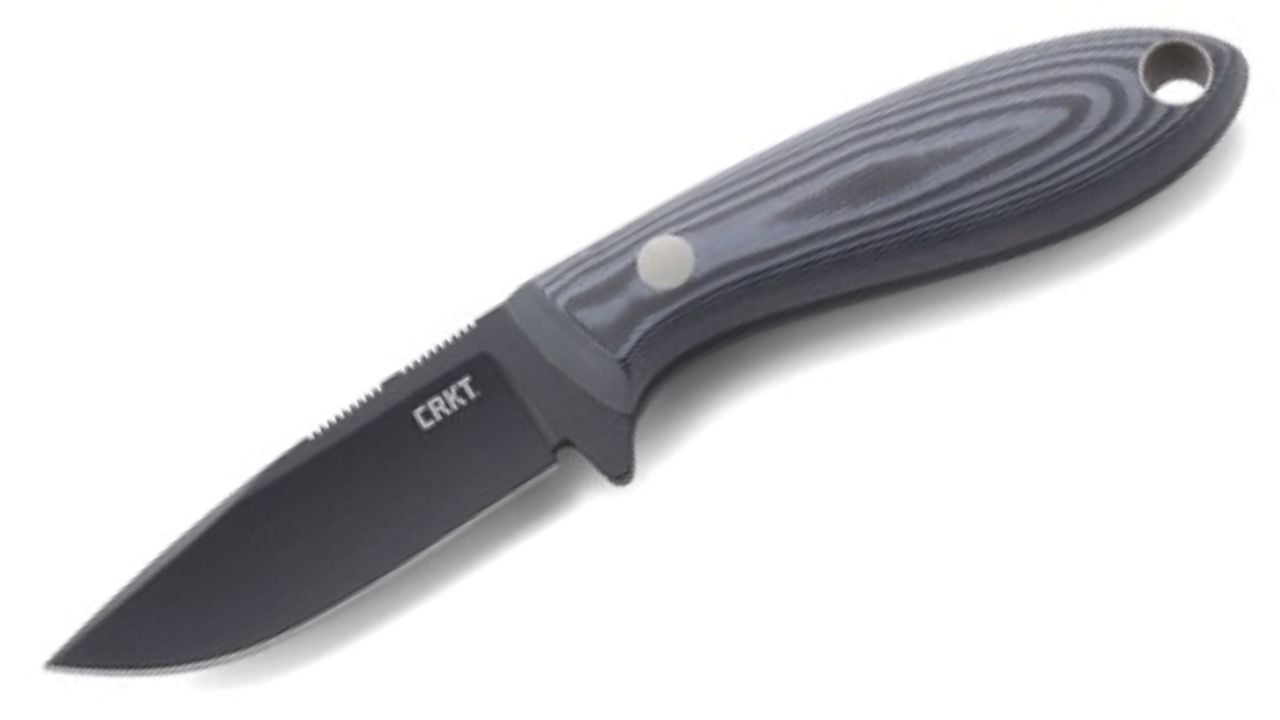
CRKT has a habit of rotating designs, and the Mossback Hunter has always felt like a “working man’s fixed blade.” The handle fills your palm, the blade shape does what hunting knives need to do, and it doesn’t pretend to be a tactical anything.
It’s also one of those knives you can toss in a pack and not baby. If you find one that fits your hand, buy it. CRKT’s lineup changes fast, and good field knives can get lost in the shuffle.
Kershaw LoneRock Folding Hunter
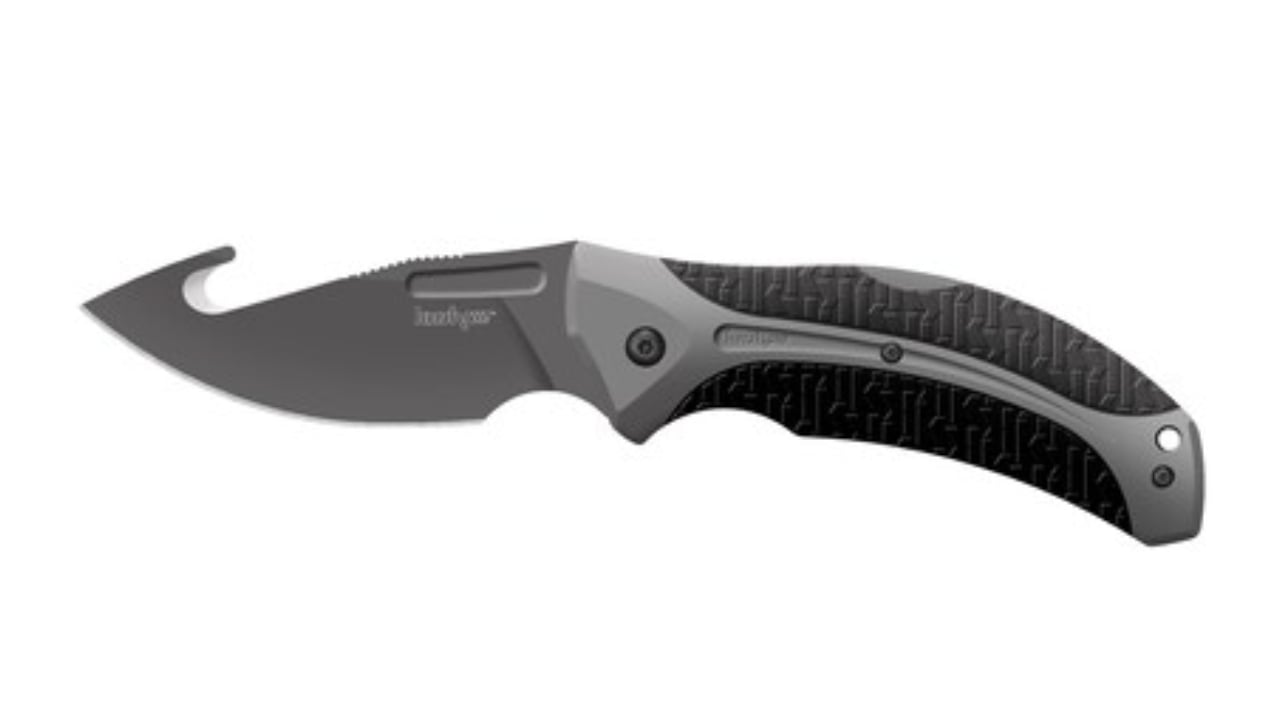
Kershaw’s LoneRock stuff didn’t get the same hype as their EDC folders, but the ergonomics were aimed straight at hunters. Big finger grooves, good traction, and a blade shape that works for skinning without feeling like you’re using a box cutter.
These are the knives you see in a buddy’s pocket after season, looking beat up but still doing the job. When they get discontinued, it’s usually because they weren’t trendy, not because they weren’t useful.
Kershaw LoneRock Fixed Blade
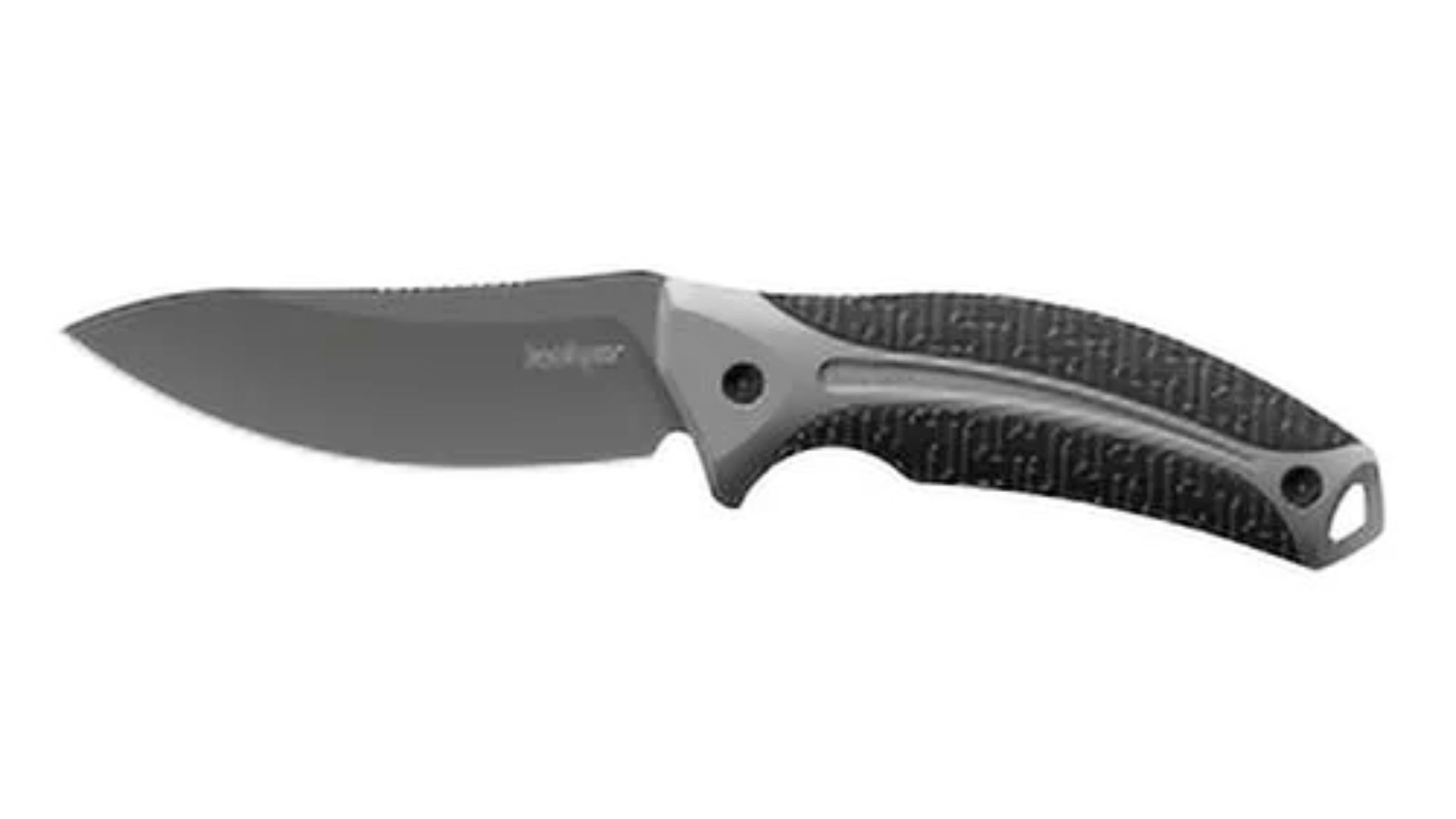
The fixed blade version is even more “why would they kill this?” It’s light enough to carry, big enough to matter, and the handle doesn’t turn slick when things get messy. That’s the whole game with a hunting knife.
It’s not a high-end boutique blade, and it doesn’t need to be. If you find one at a decent price, it’s the kind of knife you’ll end up leaving in the truck, the pack, or the deer camp tote because it’s just dependable.
Spyderco Enuff (original VG-10 versions)
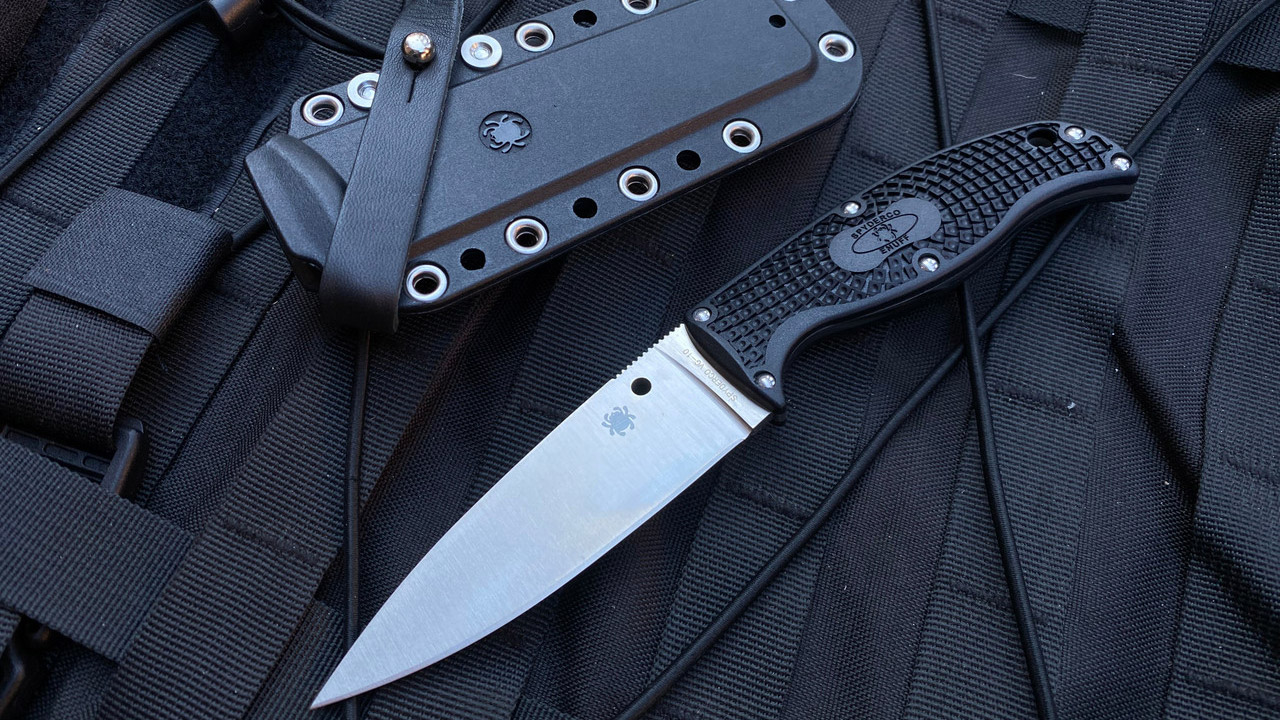
The Enuff is a compact fixed blade that carries like a big folder but works like a real hunting knife. Some of the older steel options and handle combos have gotten harder to find, and Spyderco has never been shy about changing steel, runs, and availability.
For whitetail hunters who want a small fixed blade for quick work, this is a winner. It also makes a great “walk-around” knife for checking trail cameras and doing farm chores. When your knife ends up doing everything, you notice when it’s gone.
Spyderco Bradley Bowie (hunting crossover)
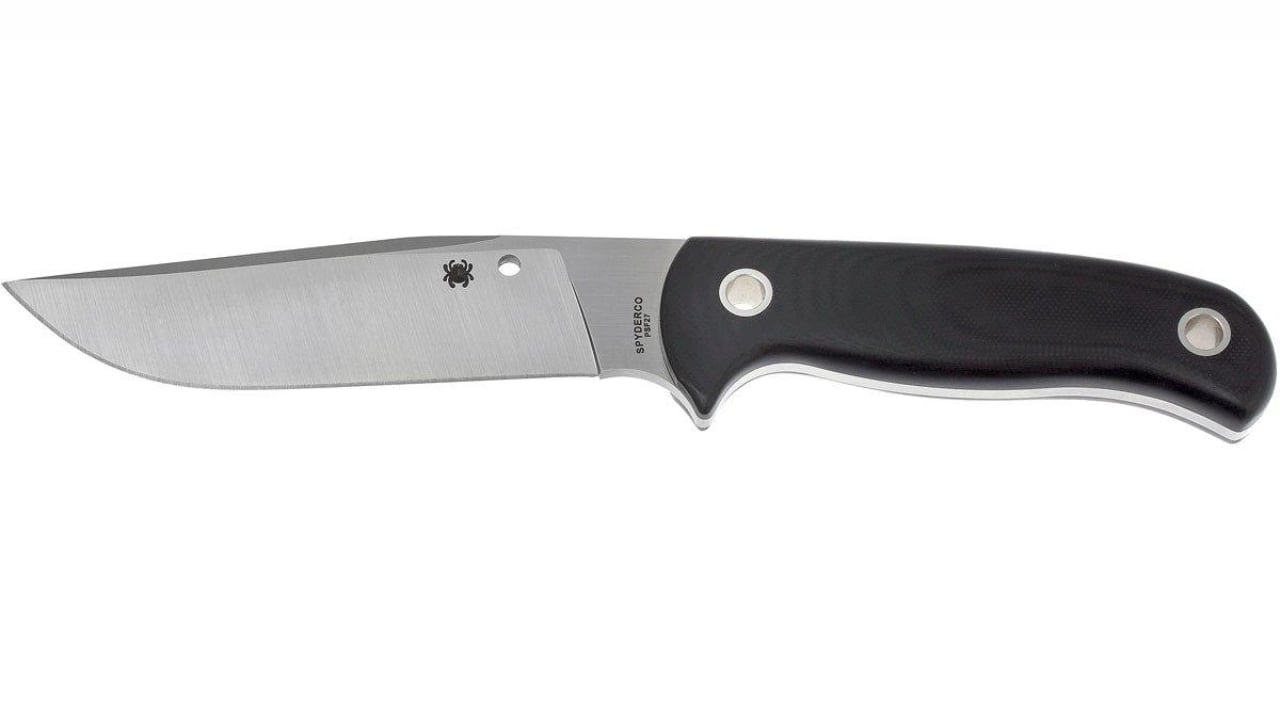
Not a “hunting knife” in the traditional marketing sense, but a whole lot of hunters carried it anyway. Solid fixed blade, great steel, and it feels like a knife you could use hard without apologizing to it.
These have come and gone in availability, and when they dry up, prices jump. If you like a fixed blade that can handle camp abuse and still clean an animal, this is one to watch.
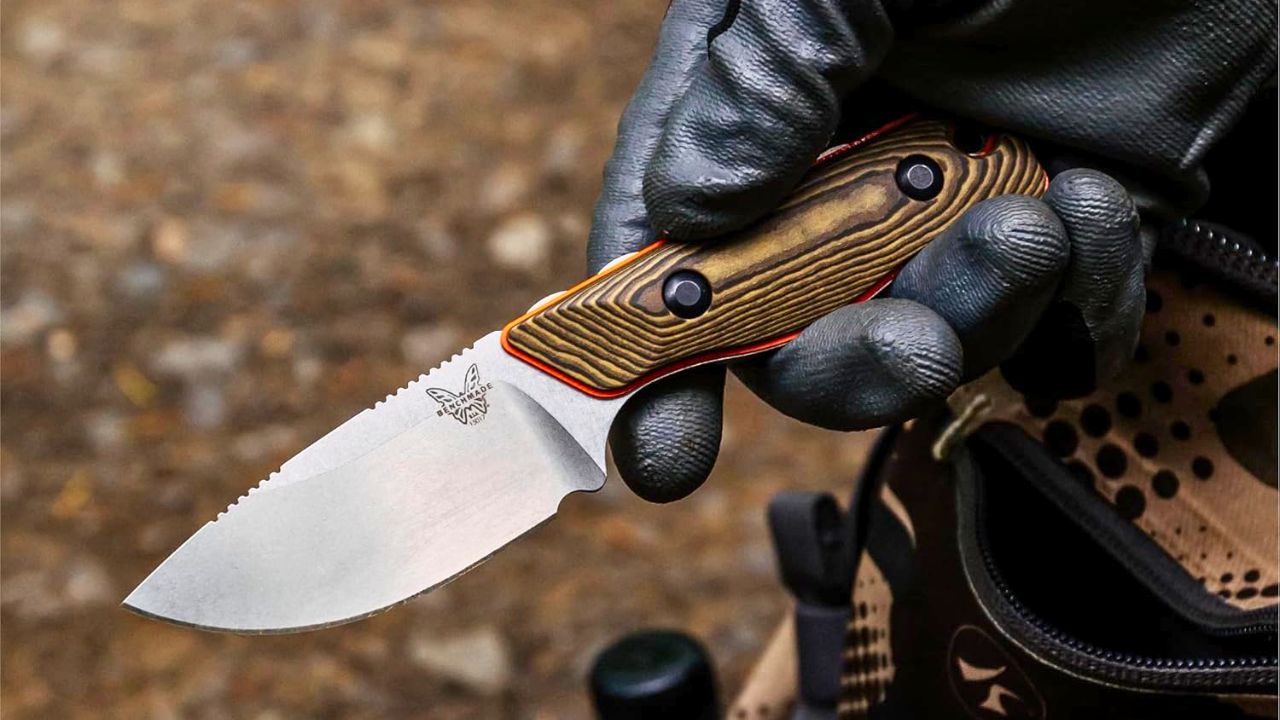
Benchmade Saddle Mountain Skinner (older D2 runs)

Benchmade rotates models and steels, and some of the older Saddle Mountain variations are already getting tough to find. This knife fits a lot of hands well, and the blade shape is made for skinning without feeling overly specialized.
Benchmade isn’t cheap, so guys hesitate, then they go back later and the exact version they handled is gone. That one hurts. If you’ve got a knife you know fits you, that matters more than chasing the newest steel name.
Benchmade Hidden Canyon Hunter (certain handle materials)
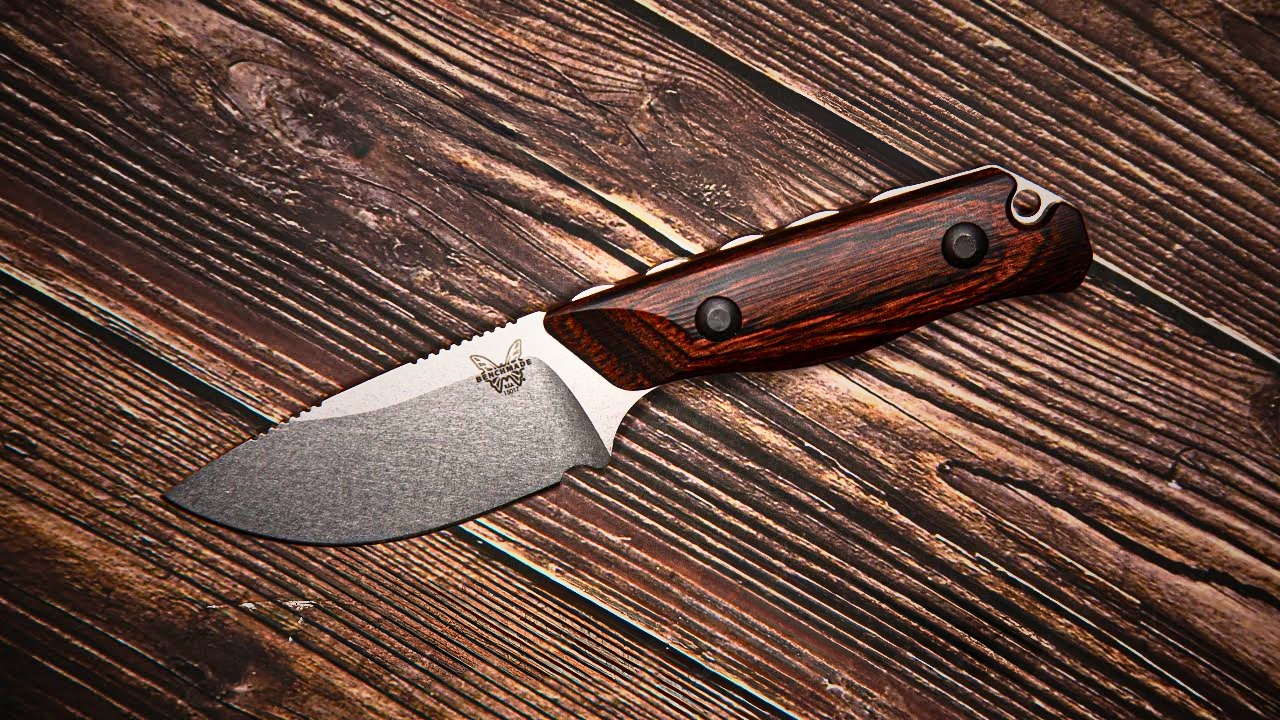
The Hidden Canyon is a small fixed blade that’s genuinely easy to carry. It’s the kind of knife you can wear all day and not notice until you need it. Benchmade has released different handle materials and steels over time, and specific versions tend to vanish quietly.
For close-in work—caping, trimming, detail cuts—it’s hard to beat. If you find the handle material you like, don’t assume it’ll be there next fall. Small differences in grip texture matter when you’re cold and tired.
ESEE AGK (Ashley Game Knife)

The AGK was designed for processing game, not for looking cool on a plate carrier. The blade shape is smart, the handle is comfortable, and it hits that sweet spot where it’s nimble but still sturdy enough to pry a little when you shouldn’t.
ESEE has a loyal following, but not every model lasts. If you’ve ever wished your hunting knife rode the line between a skinner and an all-around camp blade, this one does it. It deserves to stick around, which usually means it won’t.
Ka-Bar Becker BK16 (short-run availability swings)
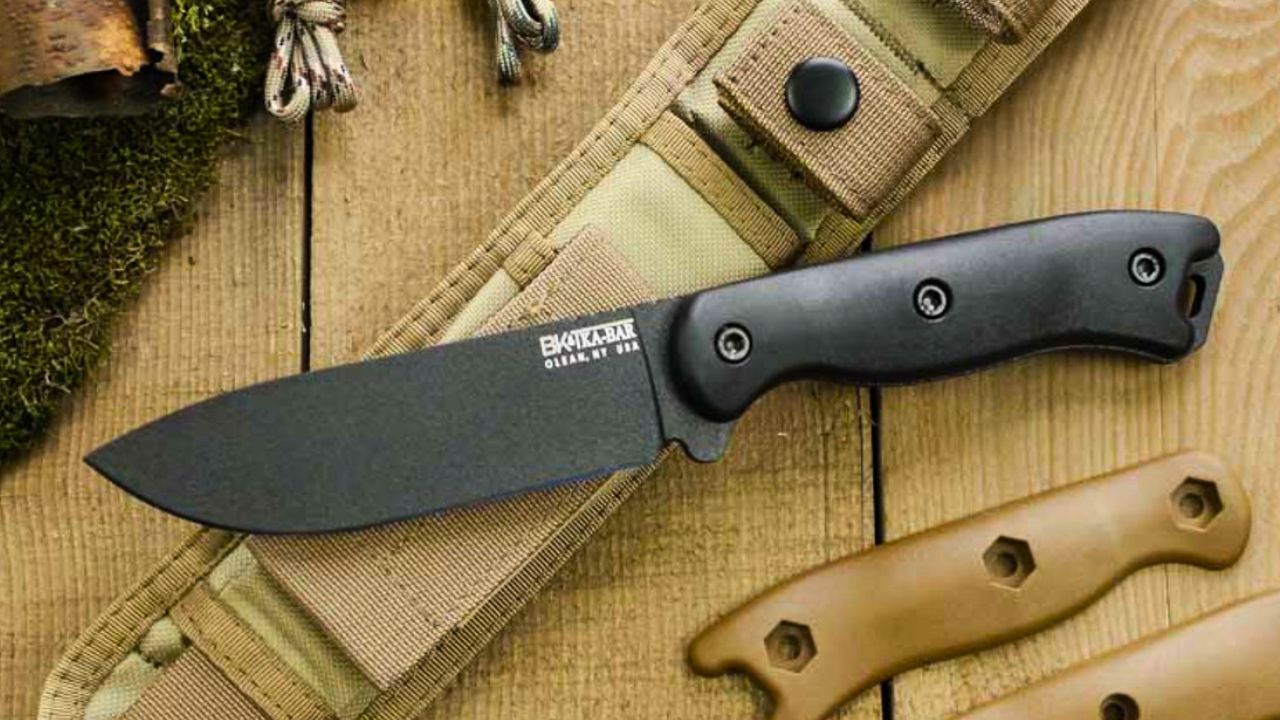
The BK16 is one of those knives that seems to disappear, come back, then disappear again depending on production runs. It’s not a dedicated hunting knife, but a ton of hunters use it because it’s a tough, simple belt knife that can do camp chores without crying about it.
Paired with a decent sheath setup, it’s a real field companion. The factory sheath isn’t everyone’s favorite, but the knife itself is the draw. If you see them drying up in stores, that’s your sign.
Cold Steel Pendleton Hunter (San Mai and older variants)
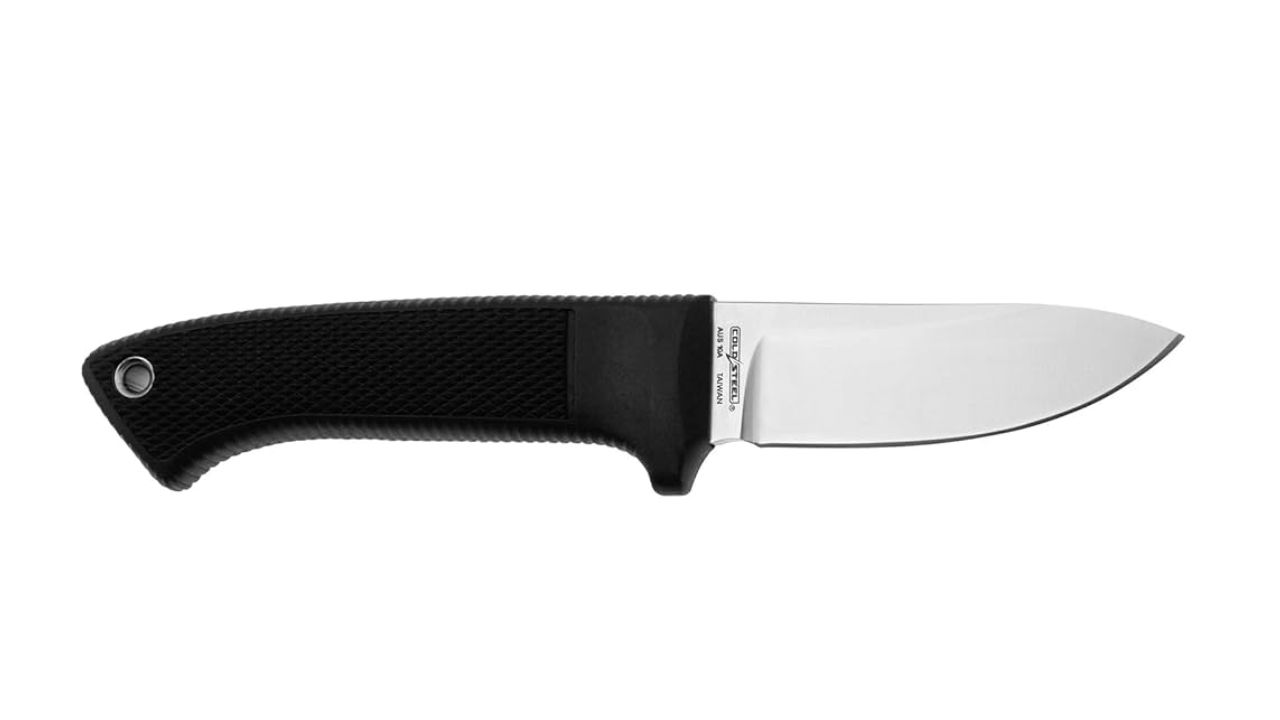
The Pendleton Hunter has been a classic, but certain steel versions and older runs are getting scarce. It’s a compact fixed blade that just makes sense for deer and hogs—enough blade to work, not so much that it feels clumsy.
Cold Steel has changed ownership and shifted production over the years, and that’s often when models get “adjusted” out of existence. If you like the way the older ones feel, grab one. The newer “similar” model might not be similar in the ways you care about.
Schrade Old Timer Sharpfinger 152OT (U.S.-made and early reissues)
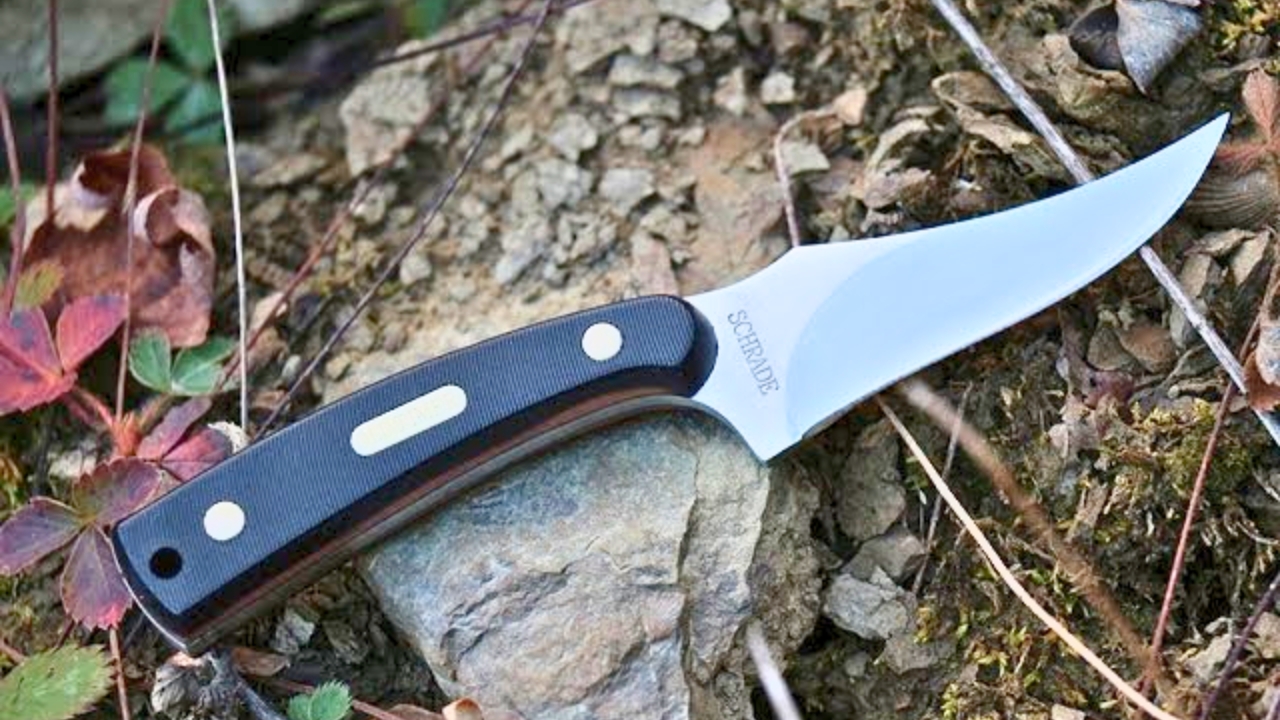
The Sharpfinger is a throwback, and a lot of hunters learned on one. The blade shape works, the handle is comfortable, and it rides easy on the belt. The U.S.-made versions are already a different market, and even some of the better reissues come and go.
This is one of those knives that isn’t fancy, and that’s kind of the point. If you want a simple hunting knife you won’t be afraid to use, it’s hard to beat. When they vanish, they don’t come back the same.
If you’re reading this and thinking, “I’ve already got enough knives,” you might be right. But if there’s a specific model you reach for every season because it fits your hand and does clean work, it’s not crazy to buy a backup while you still can. Discontinued doesn’t always mean “bad.” Sometimes it just means the rest of the world moved on before hunters did.
Like The Avid Outdoorsman’s content? Be sure to follow us.
Here’s more from us: