Photo credit: Muddy River Tactical/YouTube
The .380 ACP makes a lot of sense in a compact handgun, but shrinking a semiautomatic pistol can make reliable operation more difficult. Short slides move quickly, tiny magazines have less room for error, and some pocket pistols can become surprisingly sensitive to ammunition or grip technique.
That makes reliability especially important when choosing a .380. The best examples have proven actions, well-designed magazines, and enough development behind them that you are not constantly experimenting with ammunition just to keep the gun running. Some are tiny pocket pistols, while others use larger frames that make .380 exceptionally easy to control. These are the models that stand out when dependable function matters more than chasing the smallest possible dimensions.
Glock 42
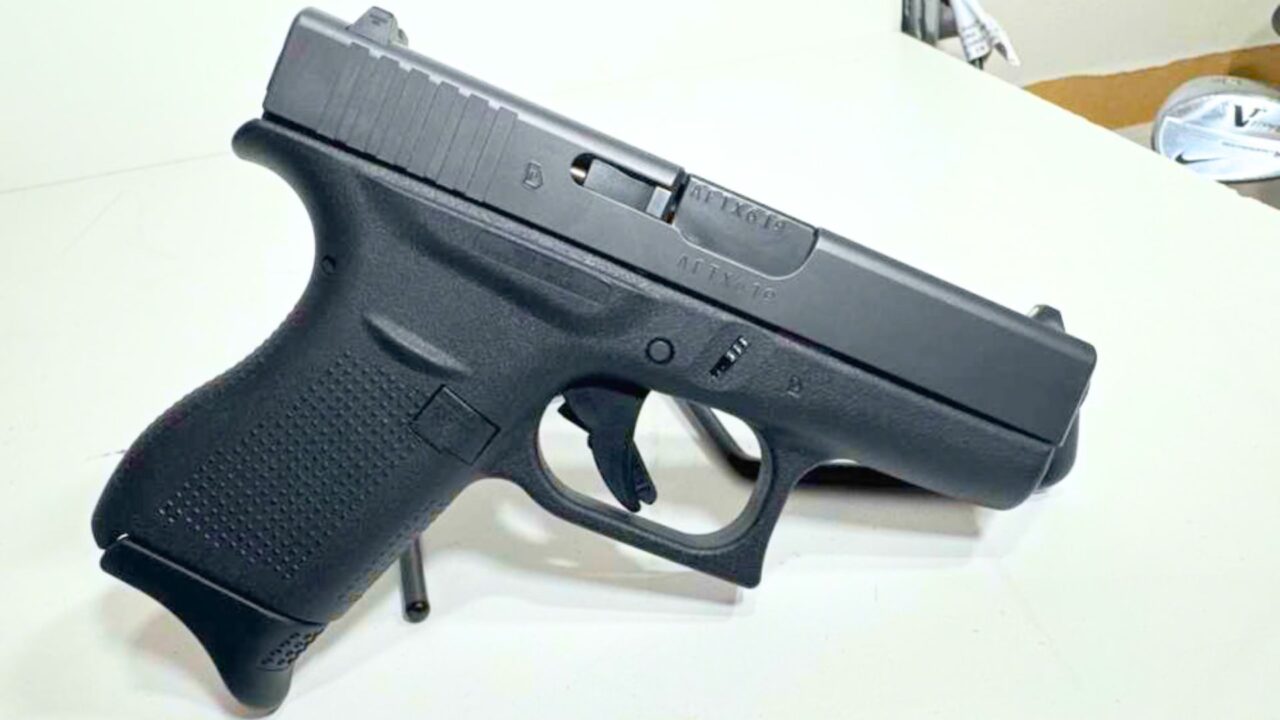
The Glock 42 has been around long enough to establish itself as one of the safer choices among small .380 pistols. It uses the same straightforward operating philosophy that made Glock’s larger pistols famous, but the frame is considerably slimmer and easier to conceal. It is also slightly larger than some true pocket .380s, which works in its favor when reliability and shootability matter.
That extra size gives the slide and recoil system more room to work while providing the shooter with a better grip. Capacity is modest compared with newer designs, but the 42 remains easy to operate and surprisingly pleasant at the range. For someone who values proven simplicity over maximum capacity, it remains difficult to dismiss.
Smith & Wesson Bodyguard 2.0
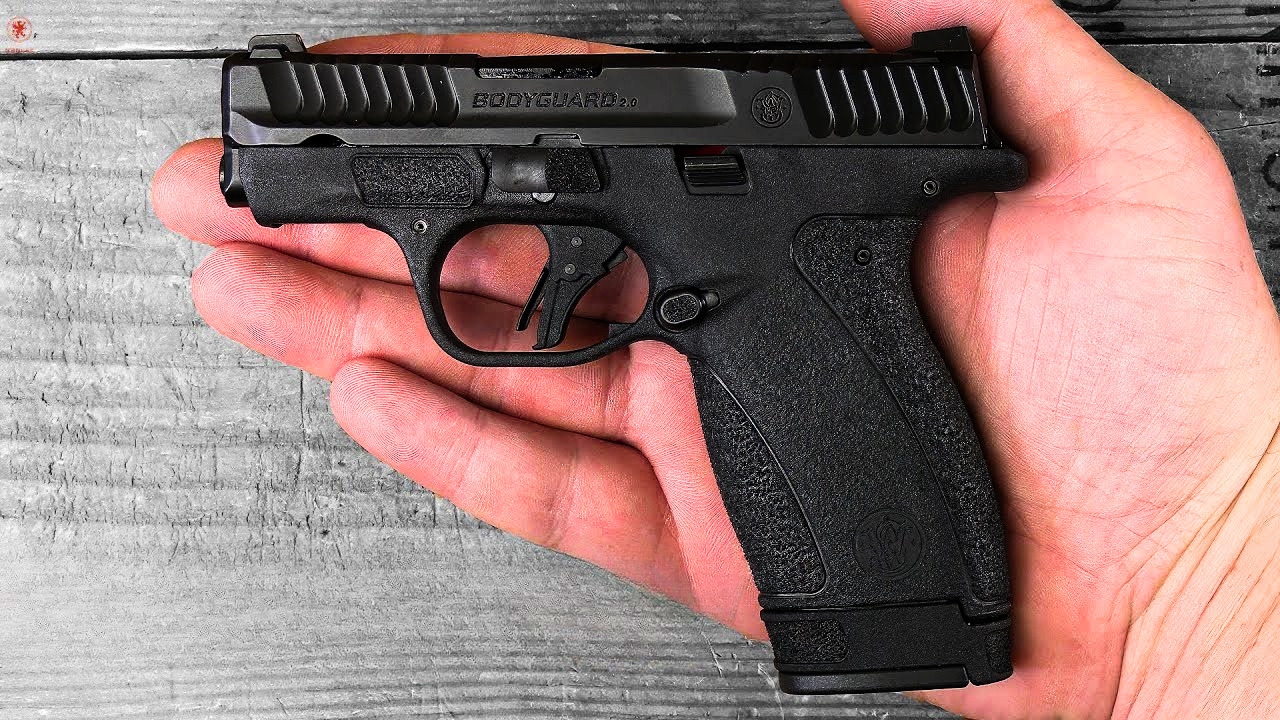
The Bodyguard 2.0 dramatically changed what shooters could expect from a genuinely tiny .380. Instead of giving you an awkward grip simply because the pistol needs to fit in a pocket, Smith & Wesson created a frame that allows considerably more control than its dimensions suggest.
That matters for reliability because extremely small pistols can become more sensitive to weak grip technique. The Bodyguard 2.0 gives the shooter much better leverage while retaining the compact dimensions that make .380 appealing. Add respectable capacity and straightforward striker-fired operation, and it has quickly become one of the strongest modern choices for deep concealment.
Ruger LCP MAX
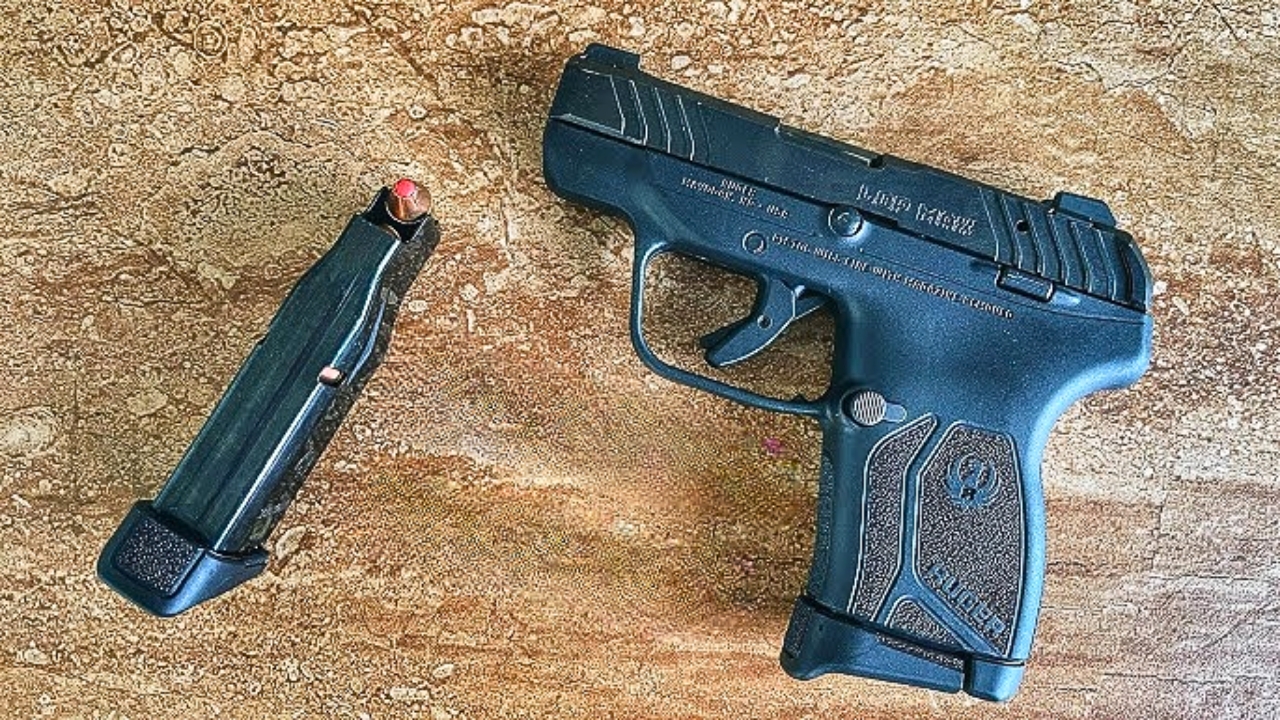
Ruger’s original LCP helped define the modern pocket .380, but the LCP MAX is a far more complete pistol. Ruger improved the feeding geometry while adding significantly more capacity without turning the gun into something too large for pocket carry.
It remains extremely light, so proper grip technique is important, but the basic design is mature and widely supported. The sights are also substantially better than those found on the earliest LCP pistols. For buyers who want the smallest practical package while still getting useful capacity and a well-developed operating system, the LCP MAX remains one of the obvious contenders.
Beretta 80X Cheetah

The 80X Cheetah approaches .380 from the opposite direction. Instead of making the smallest possible pistol, Beretta gives you an aluminum frame, substantial grip, and DA/SA trigger system in a handgun large enough to be genuinely enjoyable at the range.
That size helps reliability as much as shootability. The simple blowback action has plenty of slide mass, while the larger grip makes it easier to maintain consistent control. It is significantly larger than a pocket .380, but shooters who want mild recoil and a pistol they can practice with extensively may consider that an advantage rather than a drawback.
Ruger Security-380
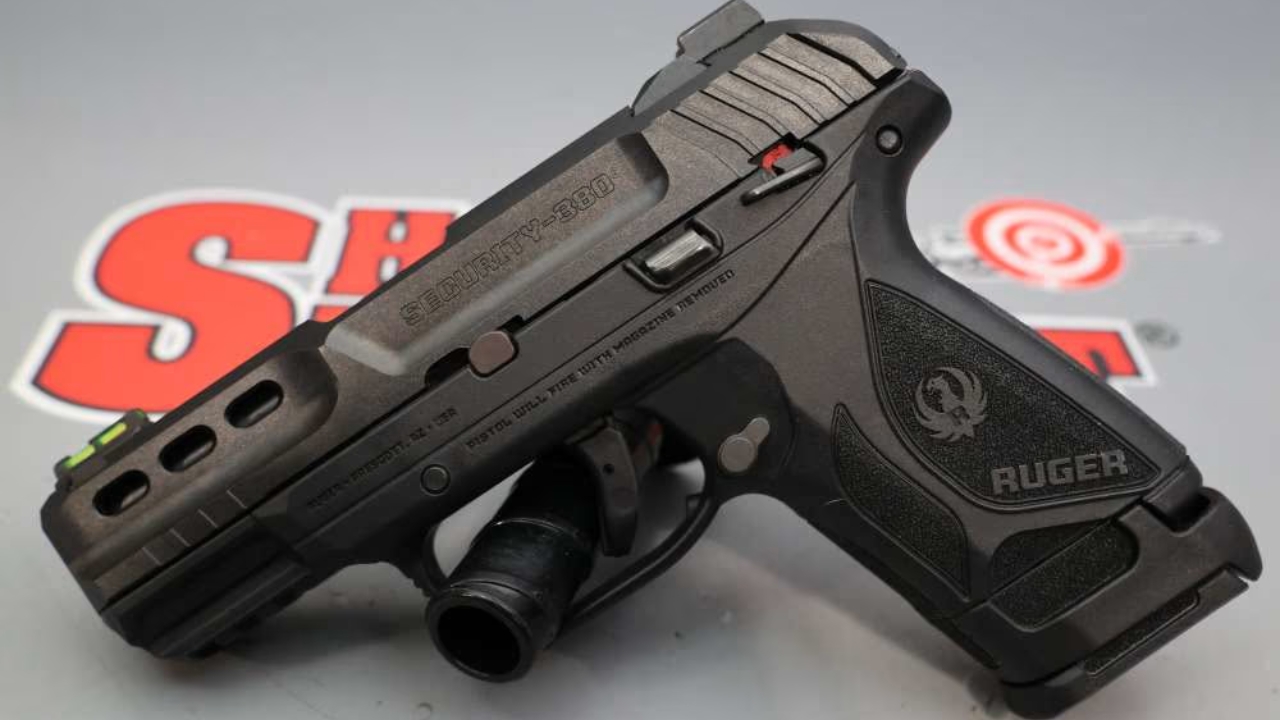
The Security-380 is particularly good for shooters who find tiny pocket pistols difficult to operate. Ruger’s Lite Rack system reduces the amount of effort required to manipulate the slide, while the larger frame gives you substantially more grip than an LCP-style pistol.
It is also one of the more forgiving .380s to shoot. Lower recoil, better leverage, and useful magazine capacity make it suitable for extended practice rather than something you fire only enough to confirm that it works. A dependable carry gun should be one you are willing to train with, and the Security-380 makes that considerably easier.
SIG Sauer P365-380

SIG took the dimensions and ergonomics that made the P365 family successful and paired them with the considerably softer .380 ACP cartridge. The result is a carry pistol that feels familiar but is noticeably easier to control than its 9mm relatives.
The larger-for-caliber platform gives the .380 cartridge plenty of gun to work with. Slide manipulation is relatively easy, recoil is mild, and the grip provides better control than most true pocket pistols. It is particularly appealing for shooters who like micro-compacts but do not enjoy the sharp recoil associated with very small 9mm handguns.
Smith & Wesson M&P380 Shield EZ

The Shield EZ was built specifically around ease of operation, and that design philosophy produced a .380 that is remarkably pleasant to use. The slide requires far less effort than many defensive pistols, and the grip is large enough to control comfortably.
Those features make it especially forgiving for shooters who have limited hand strength or simply dislike fighting tiny controls. Its larger dimensions also allow the pistol to behave more like a conventional compact handgun than a pocket gun. It sacrifices minimum size, but gains easy manipulation, mild recoil, and a platform that encourages regular practice.
Walther PD380
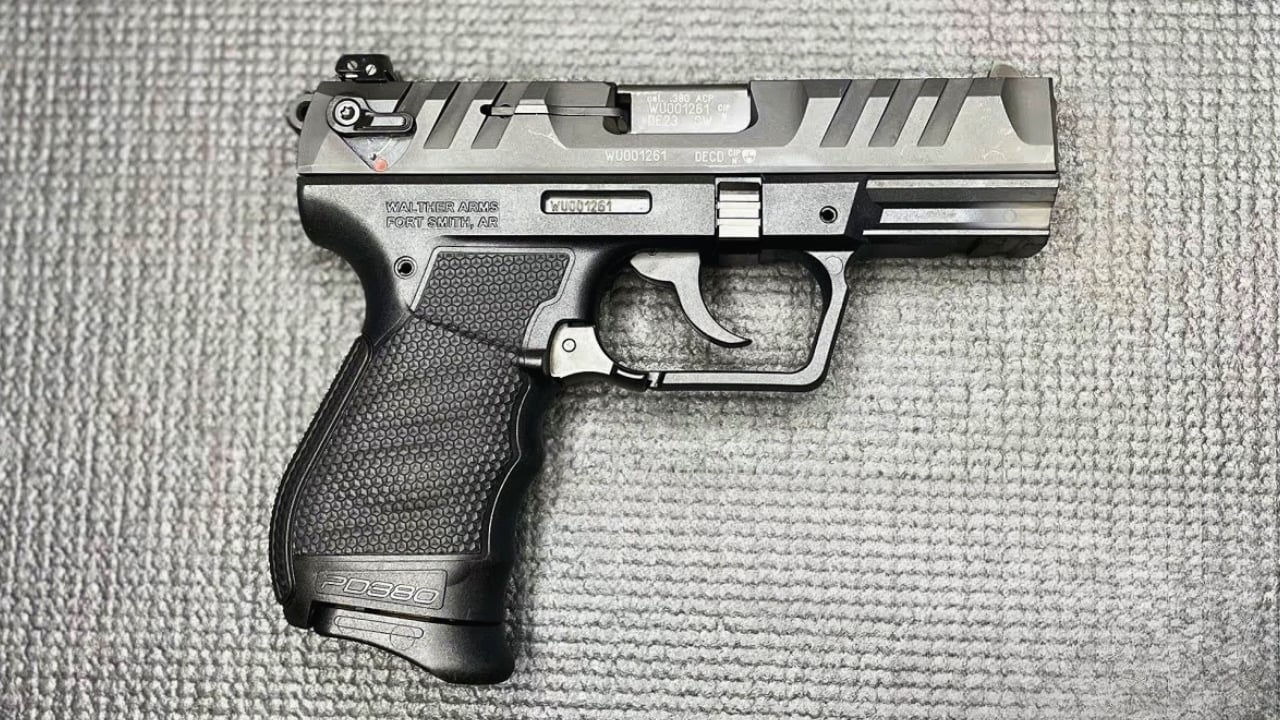
The PD380 follows the same general idea as the best larger .380 pistols: give the cartridge enough gun to become exceptionally easy to operate. Walther uses a DA/SA hammer-fired system and a frame large enough to provide a comfortable firing grip.
It is not chasing pocket-pistol dimensions, and that helps make the shooting experience considerably more forgiving. The slide is easy to manipulate, controls are accessible, and recoil is mild. For shooters who want .380 because they prioritize comfort and controllability rather than absolute minimum size, the PD380 makes a compelling argument.
Bersa Thunder 380
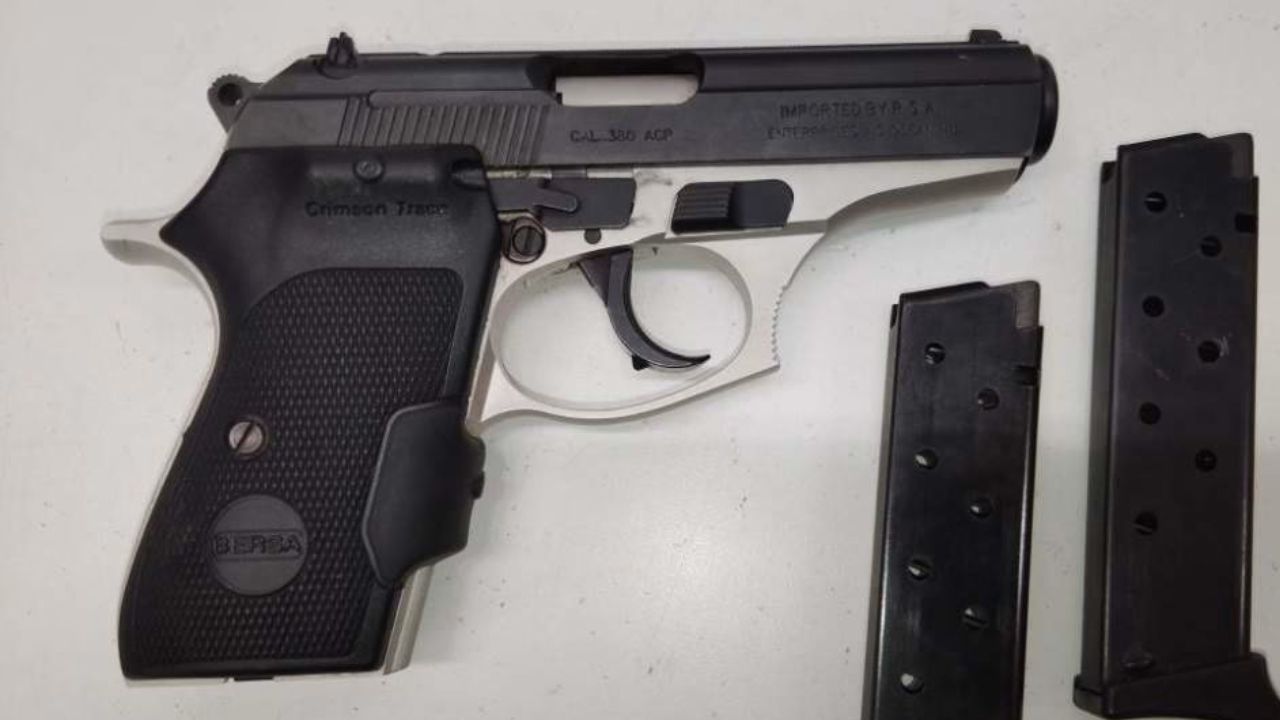
The Thunder 380 has survived for decades because the basic formula works. Its fixed-barrel blowback action is straightforward, the metal frame gives the pistol some useful weight, and the traditional DA/SA controls are easy to understand.
The design may look dated beside today’s high-capacity polymer pistols, but reliability does not require fashion. A properly maintained Thunder can be an extremely dependable defensive handgun, and its larger dimensions make it easier to shoot than many pocket .380s. It remains one of the better affordable choices for someone who prefers a hammer-fired pistol.
Browning 1911-380
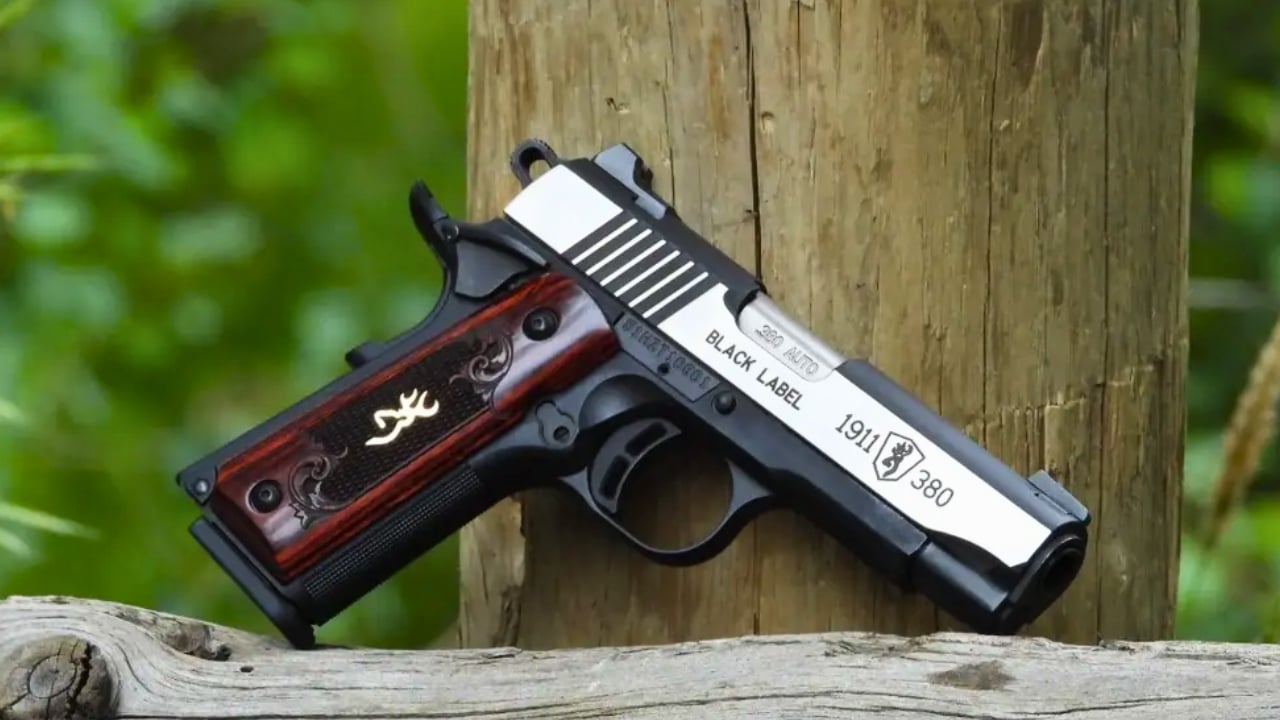
Browning’s scaled-down 1911-380 gives shooters familiar controls in a pistol considerably smaller and lighter than a traditional Government Model. The frame is large enough to provide a proper grip, which already gives it an advantage over many ultra-small .380s.
The single-action trigger also makes accurate shooting easier. It requires the user to be comfortable with a manual safety and cocked-and-locked carry, but shooters who already understand the 1911 system will find the controls immediately familiar. It is a good example of a .380 that prioritizes shootability over disappearing completely in a pocket.
Girsan MC 14T
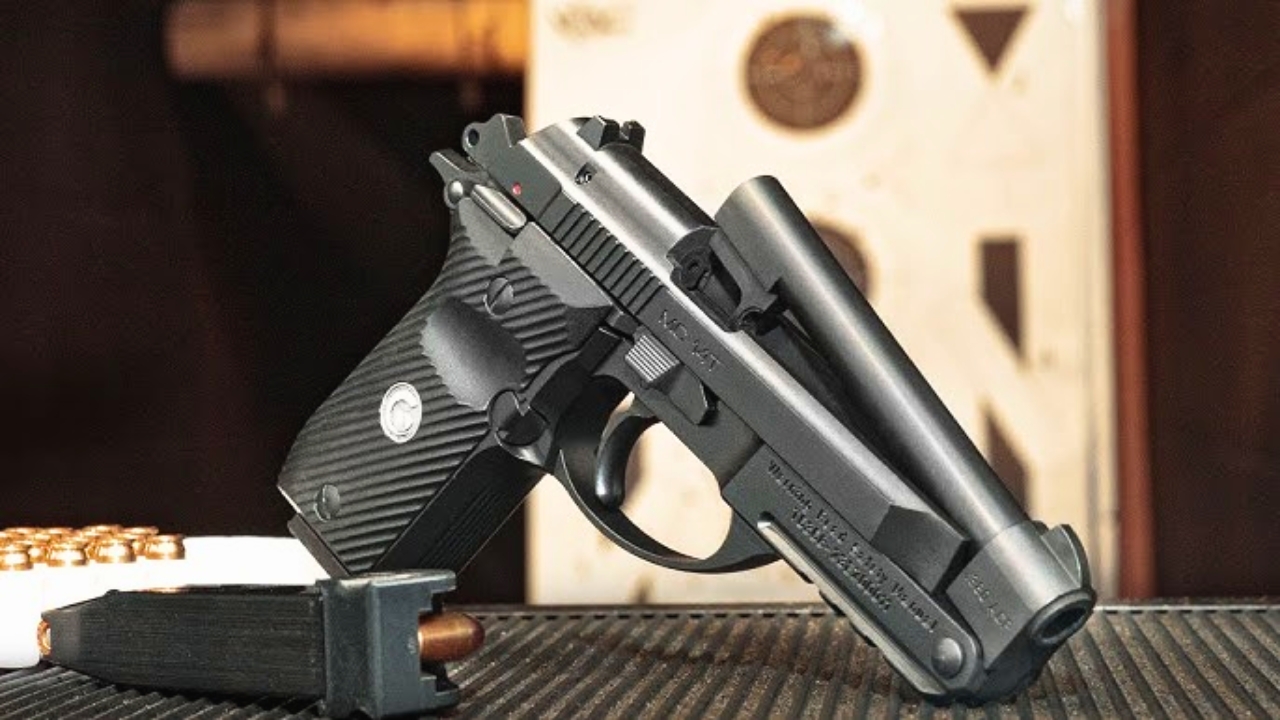
The MC 14T stands apart because of its tip-up barrel. Instead of requiring the shooter to rack the slide to load the first round, the barrel can be opened and loaded directly. That makes the pistol particularly interesting for shooters with limited hand strength.
The metal frame and generous grip also make .380 recoil almost trivial. It is substantially larger than most modern carry .380s, but that size gives the pistol a stable shooting platform and straightforward blowback operation. For someone who values easy loading and comfortable range sessions more than tiny dimensions, the design has real advantages.
Beretta Model 84
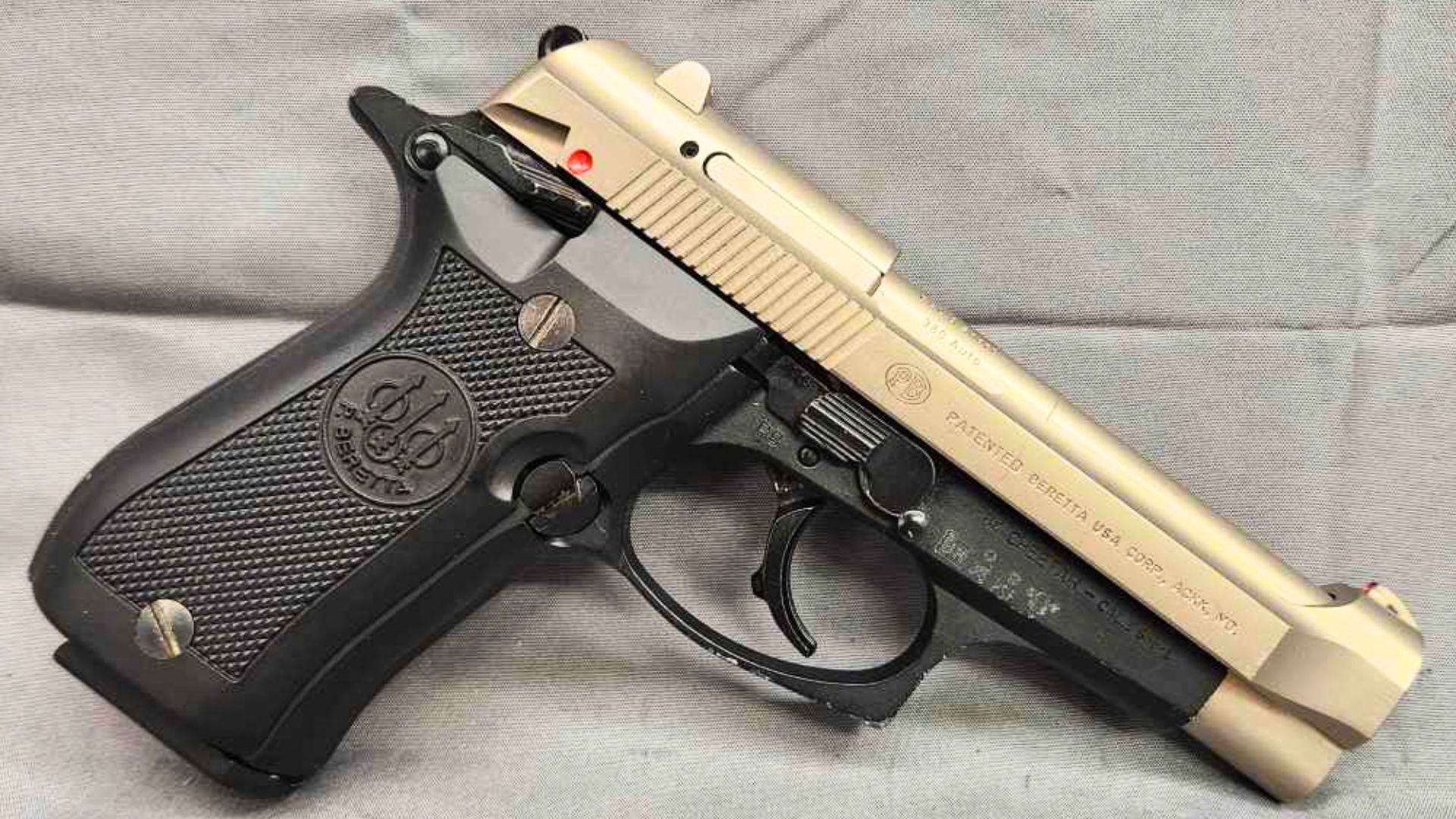
The classic Model 84 established much of the reputation the newer 80X builds upon. Its double-stack magazine, aluminum frame, and simple blowback action created a compact pistol that was far easier to control than the tiny .380s that later dominated concealed carry.
Used examples remain desirable because the basic gun is so well sorted. The grip is relatively wide, but that width gives the shooter excellent control. Anyone comfortable shopping the used market can still find a Model 84 that provides a wonderfully smooth and dependable shooting experience.
Beretta Model 85
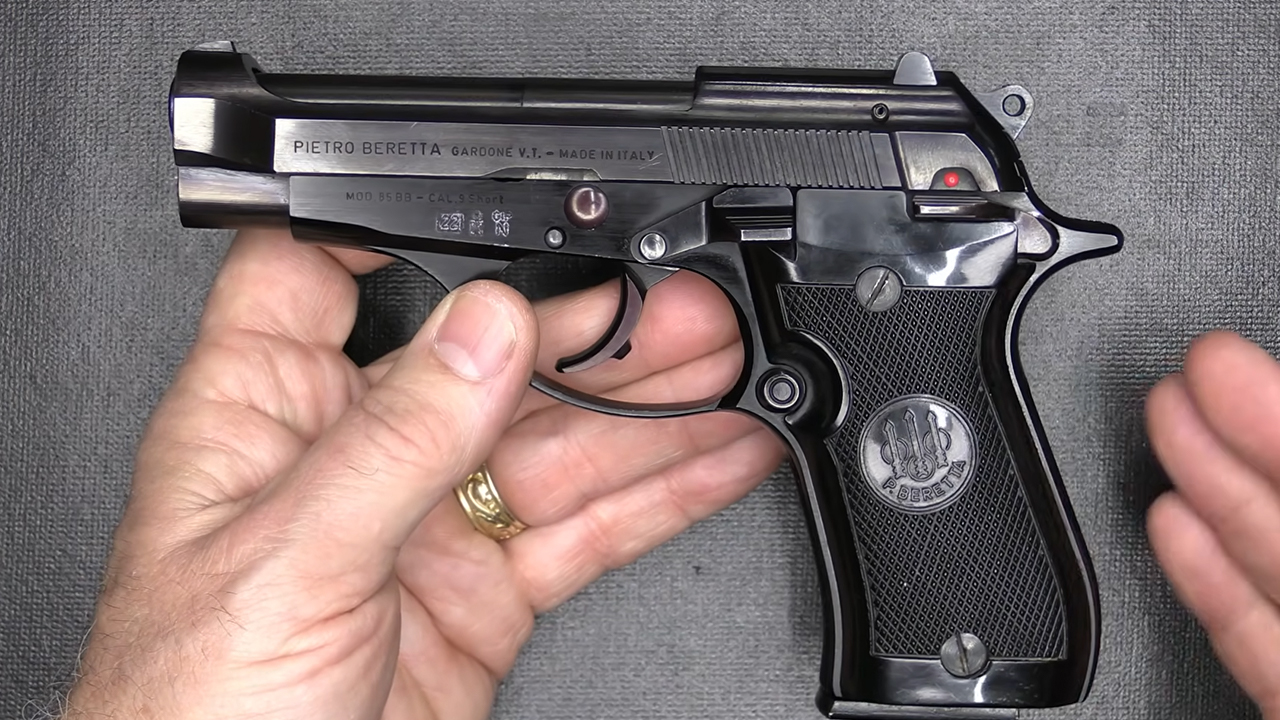
The Model 85 takes the same general Cheetah formula and uses a slimmer single-stack magazine. That makes the grip noticeably thinner while retaining the metal frame and straightforward blowback operation.
Capacity is lower, but reliability is not always about cramming the maximum number of rounds into the smallest space. The Model 85 has a mature design, substantial slide, and enough frame to make .380 easy to manage. Shooters who prefer narrow grips may actually find it more comfortable than the higher-capacity Model 84.
Browning BDA 380

The BDA 380 is closely related to the Beretta Cheetah family and shares many of the same advantages. It uses a metal frame, double-stack magazine, and a size that makes .380 extremely manageable.
Its biggest drawback today is simply that you will generally be shopping the used market. Mechanically, however, good examples remain excellent shooters. The pistol has enough weight to smooth out recoil and enough grip to prevent the unstable feeling common to tiny pocket guns. It is an older design that still demonstrates how forgiving .380 can be when the pistol is not made unnecessarily small.
CZ 83
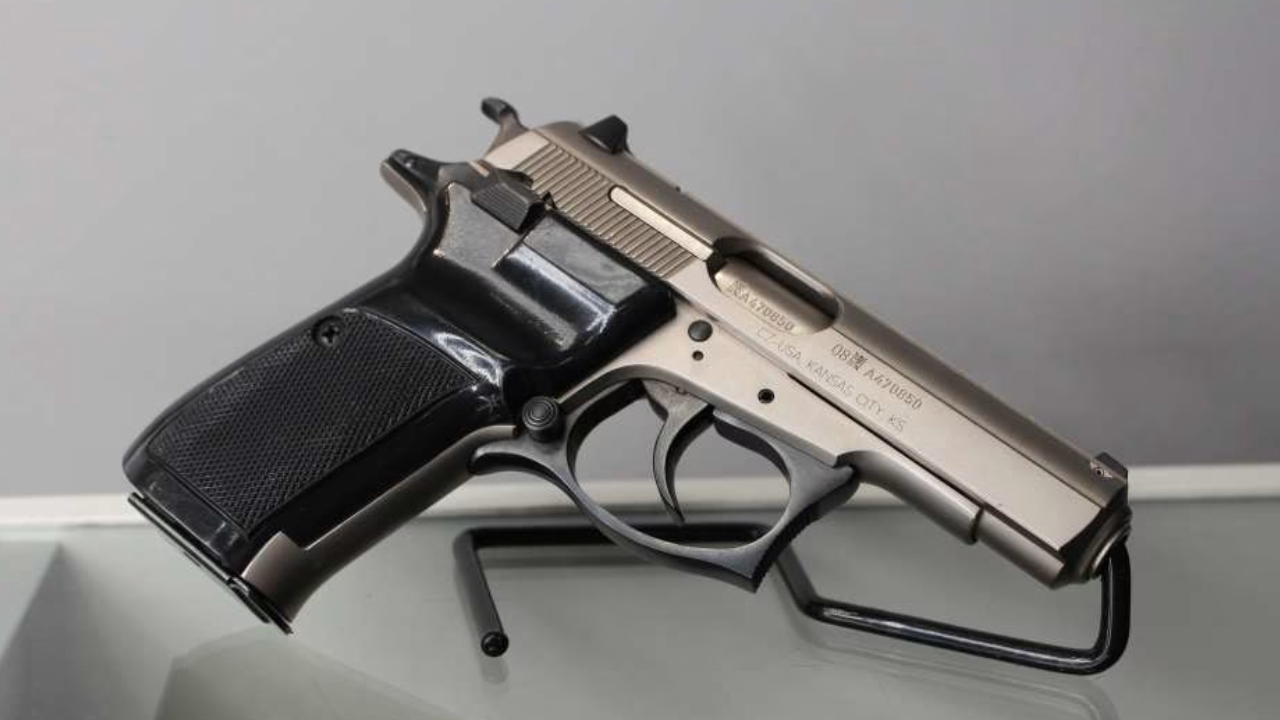
The CZ 83 is another discontinued metal-frame .380 that remains worth considering. Its all-steel construction makes it heavy by modern carry standards, but that same weight makes the pistol extraordinarily pleasant to shoot.
The grip fills the hand well, and the fixed-barrel blowback design is straightforward. Clean examples can make excellent range and defensive pistols for shooters who do not mind carrying a little more weight. It may not satisfy someone searching for maximum concealment, but it remains one of the more confidence-inspiring old-school .380s.
Grand Power CP380
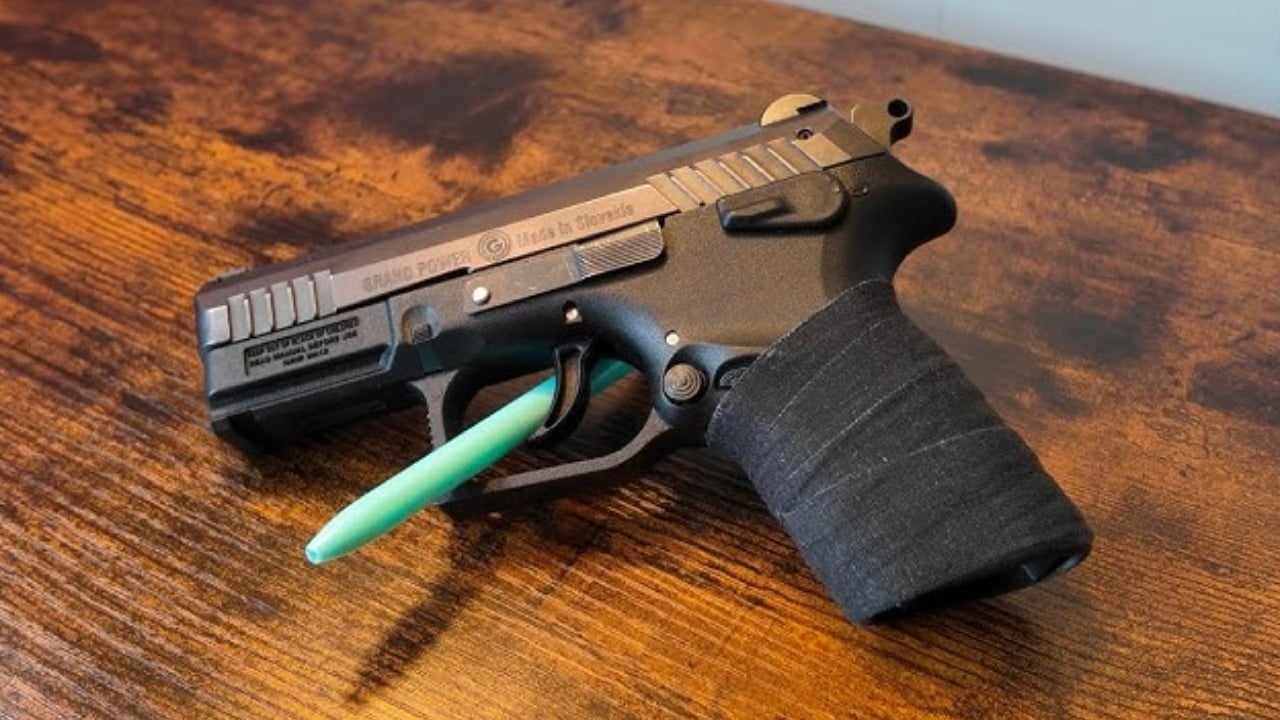
Grand Power approaches handgun design differently from most manufacturers, and the CP380 benefits from the company’s experience building unusual but well-engineered pistols. The gun is comfortable in the hand and gives shooters a much more substantial platform than the typical pocket .380.
That added size makes recoil very easy to control and reduces the amount of sensitivity you can encounter with extremely lightweight pistols. Availability and aftermarket support are smaller concerns than with Glock or Ruger, but shooters willing to step outside the mainstream get a very interesting and highly shootable .380.
Ruger LCP II

The LCP II improved substantially on the ergonomics and trigger of the original LCP while preserving the tiny dimensions that made the platform successful. It remains one of the easiest pistols to conceal when minimum size is the priority.
Like any extremely lightweight .380, it rewards a firm grip and good ammunition. Once those fundamentals are handled, the mature Ruger design provides a straightforward pocket pistol that has been carried by a huge number of shooters. The newer LCP MAX offers more capacity, but the LCP II remains appealing when thinness and simplicity matter most.
Kahr CW380

The CW380 is exceptionally small, which makes its ability to function in such a compact package impressive. Kahr’s locked-breech system also keeps the pistol remarkably thin and helps keep recoil from becoming as unpleasant as the weight might suggest.
It does demand more attention to break-in, lubrication, and ammunition selection than the larger guns on this list, so it would not be my first choice for someone who wants zero experimentation. Once a particular example is properly sorted, however, the CW380 offers an exceptional size-to-shootability ratio for deep concealment.
Rock Island Armory Baby Rock
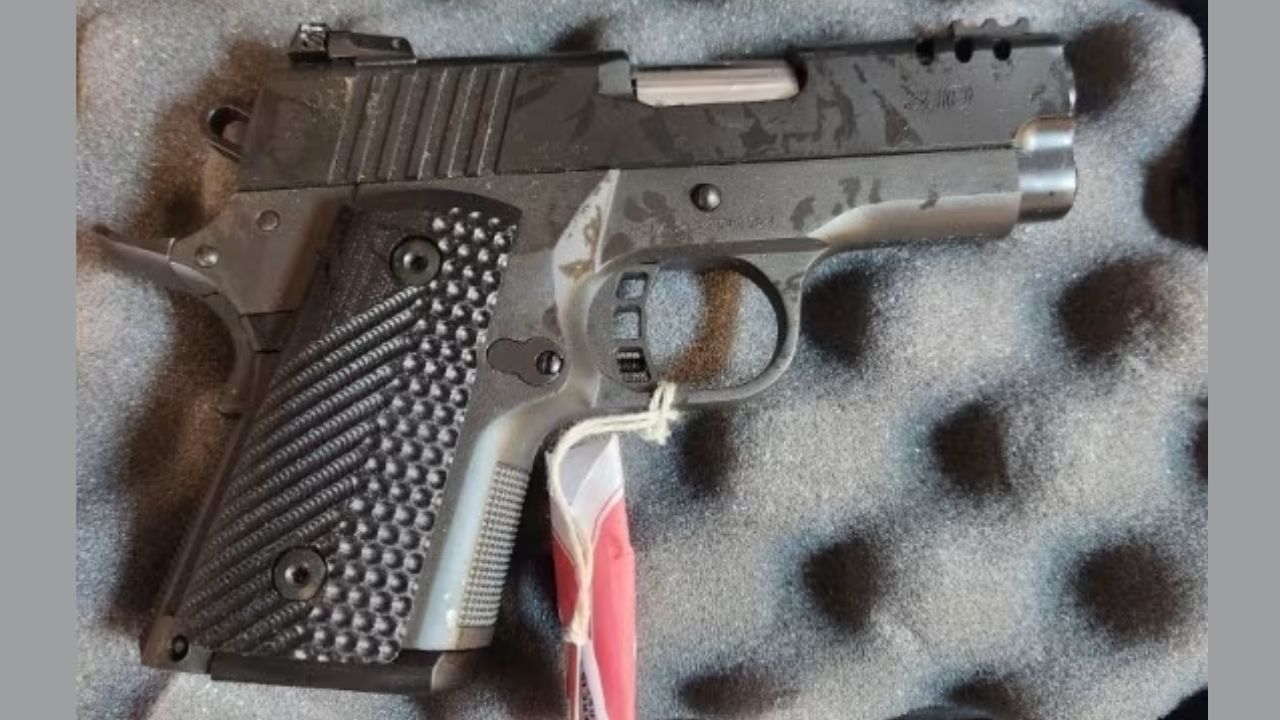
The Baby Rock takes the familiar 1911 concept and scales it down around .380 ACP. The metal construction gives it enough mass to soak up recoil, while the single-action trigger makes accurate shooting relatively easy.
It is not nearly as small as the lightest pocket guns, but that is partly why it is enjoyable to shoot. Shooters who appreciate traditional controls and want an affordable metal-frame .380 may find the Baby Rock surprisingly satisfying. The heavier frame also makes longer practice sessions considerably more comfortable.
Seecamp LWS .380

The LWS .380 is an extremely specialized pistol built around deep concealment. It is tiny, all-metal, and deliberately minimalist, making it possible to carry where many larger handguns simply will not work.
That specialization comes with an important caveat: ammunition selection matters, and this is not the forgiving all-purpose choice that a Glock 42 or Security-380 can be. Within its intended setup, however, the Seecamp has a long-established design and fills a niche few pistols can match. It belongs here for shooters who understand exactly what they are buying rather than anyone searching for a first .380.
Like The Avid Outdoorsman’s content? Subscribe to our newsletter so you never miss an article.
Here’s more from us: