Photo credit: American Arms Channel/YouTube
When you live where the porch light doesn’t reach the road and the nearest deputy might be an hour out on a good day, your priorities get simple. Keep the family safe. Keep critters out of the stock and trash. And have a way to deal with the problems you can actually solve without turning your place into a war zone.
This isn’t about paranoia or playing commando. It’s about common, boring, real-life rural stuff: a pack of coyotes working the calf pasture, a black bear ripping into feed, a feral dog that won’t leave, two-legged trouble you hope never shows up, and the need to shoot humanely and accurately if you’re going to shoot at all. If I were bedding down remote, these are the guns I’d have loaded, staged safely, and ready in the ways that make sense for a long driveway and a dark treeline.
1. Glock 19 (Gen 5)
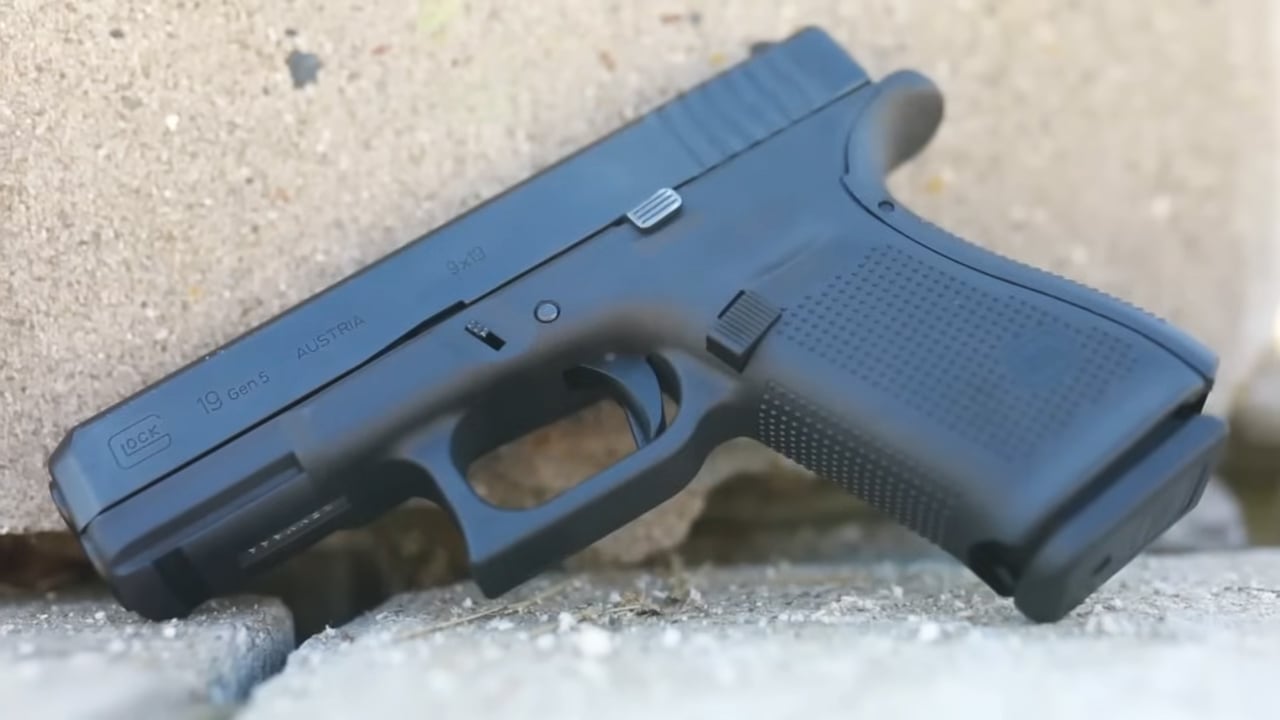
If I can only grab one handgun half-awake, I want a Glock 19. It’s boring, reliable, and points naturally for most folks. Magazines are everywhere, parts are everywhere, and you can run it hard without babying it.
In a remote spot, the “common” factor matters. If something breaks, you can fix it. If you need a light, holster, or spare mags, you’re not stuck searching for some oddball setup that nobody stocks.
2. Ruger GP100 (4-inch)
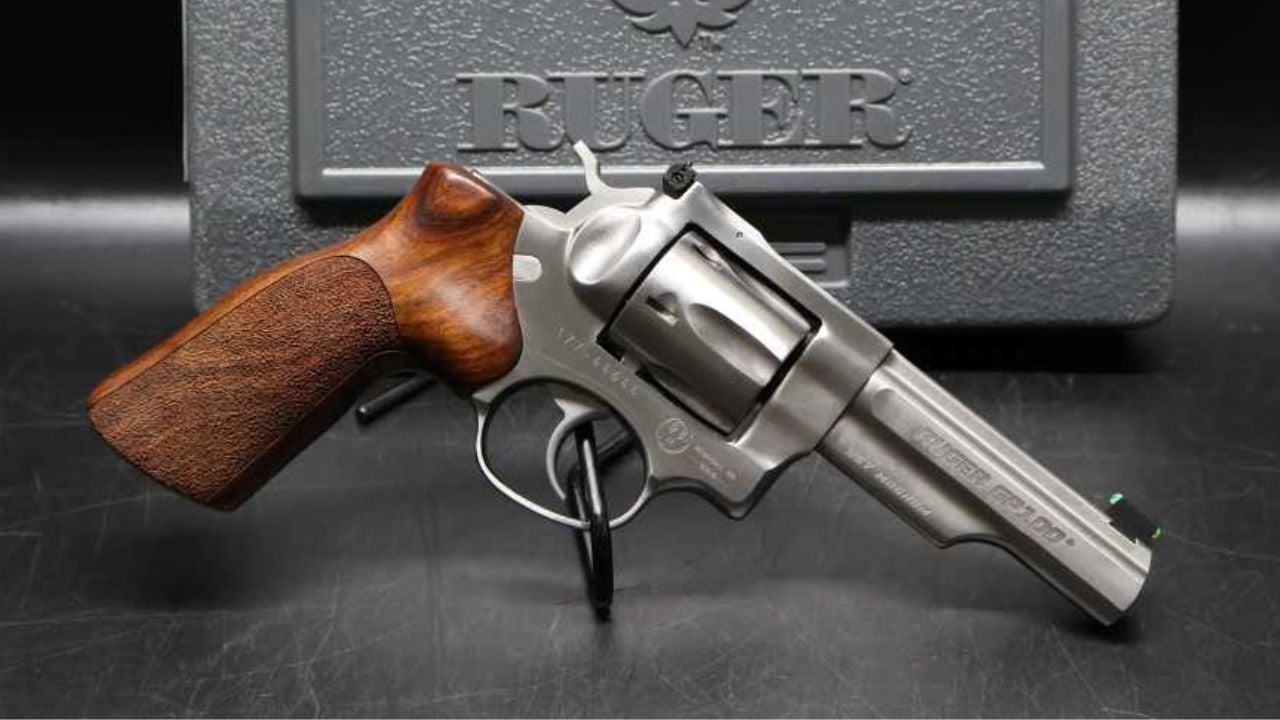
A solid .357 revolver still makes sense in the woods. The GP100 is heavy enough to tame real .357 loads, and it doesn’t care if you’ve been carrying it through dust, pine needles, and chores.
I like a revolver for those nights when you’re stepping out to check a noise and your hands aren’t perfectly clean. It’s also a good “hand it to a capable adult” gun because the manual of arms is straightforward.
3. Smith & Wesson Model 629 (4-inch)
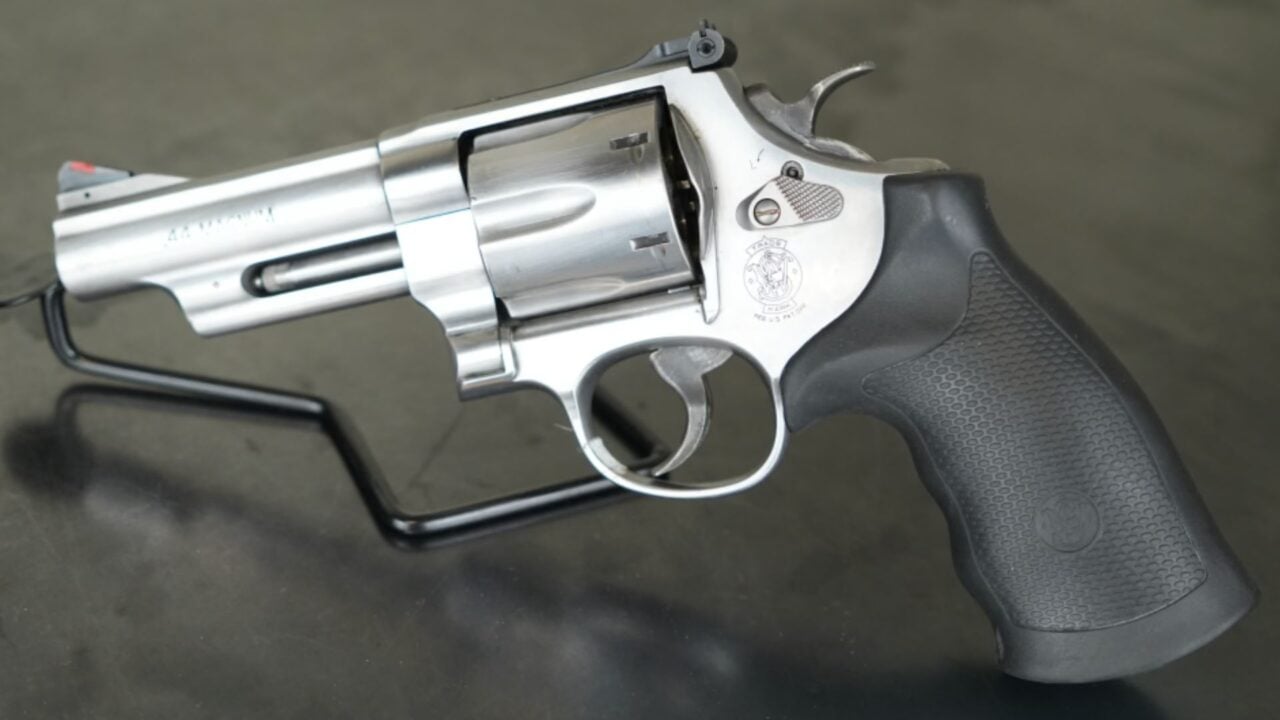
If I’m in real bear country, I want a .44 Magnum option I trust. The 629 has been around forever for a reason. It’s not fun to practice with for everyone, but it’ll do serious work with the right loads.
This one is less about romance and more about having a legitimate “close-range big animal” answer. I’m still grabbing a long gun if I have time, but life doesn’t always give you time.
4. SIG Sauer P365 XL

The P365 XL is the “always on me” gun when I’m doing everything from splitting wood to checking trail cameras. It carries easy, holds enough rounds, and shoots better than a lot of little pistols that feel like staplers.
Remote living has you outside a lot, and outside is where problems start. A pistol you actually keep on your belt beats a nicer one living in the safe.
5. Beretta 92FS

Yeah, it’s big. Yeah, it’s old-school. The Beretta 92FS is still one of the smoothest, easiest-shooting 9mms going, and it handles stress shooting well because it’s forgiving.
If you’ve got a spouse or grown kid who shoots better with a full-size gun, this is a good “here, take this” option. And Beretta mags aren’t some rare treasure.
6. Mossberg 590A1
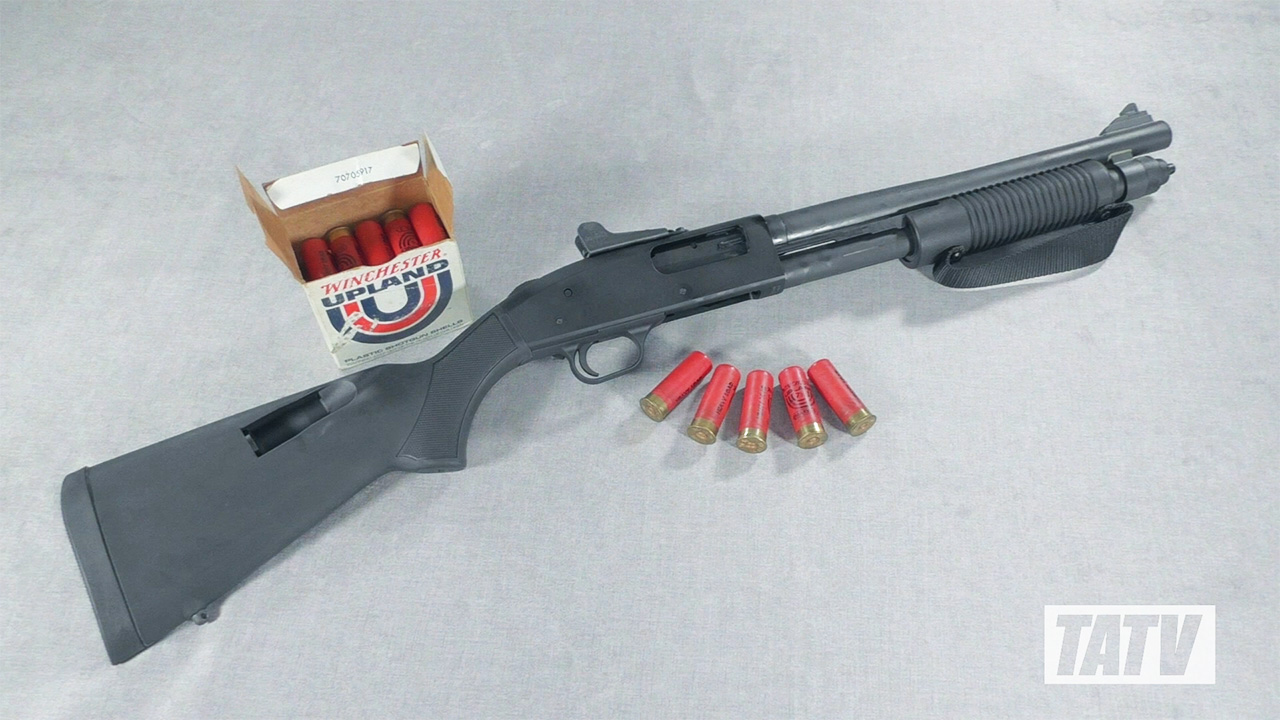
A pump shotgun is still one of the most practical tools for a remote home. The 590A1 is built like it expects to get bounced around in a truck and not complain. It’s not fancy, and that’s kind of the point.
You can tailor ammo to the job—predators, pests, or defensive use—without changing guns. Just don’t kid yourself: you still need to pattern it and run it enough that the action feels like second nature.
7. Benelli M4

If you want a semi-auto shotgun that just keeps running when the weather turns ugly, the Benelli M4 has earned its reputation. It’s expensive, and I get why folks hesitate, but it’s a serious “grab it and go” tool.
In a remote place, the M4’s biggest benefit is speed without feeling flimsy. If something is moving fast in the dark, you don’t want to be thinking about short-stroking a pump.
8. Remington 870 Police Magnum

The 870 has been around so long it’s almost background noise, but the Police Magnum versions tend to be the ones that feel right. The action is usually slick, and the gun balances in a way that makes it quick in tight spaces.
I’m not pretending every modern 870 is equal. If you’ve handled a rough one, you know. But a good 870 is still a lifetime gun, and in the country, that matters.
9. Ruger 10/22 Carbine
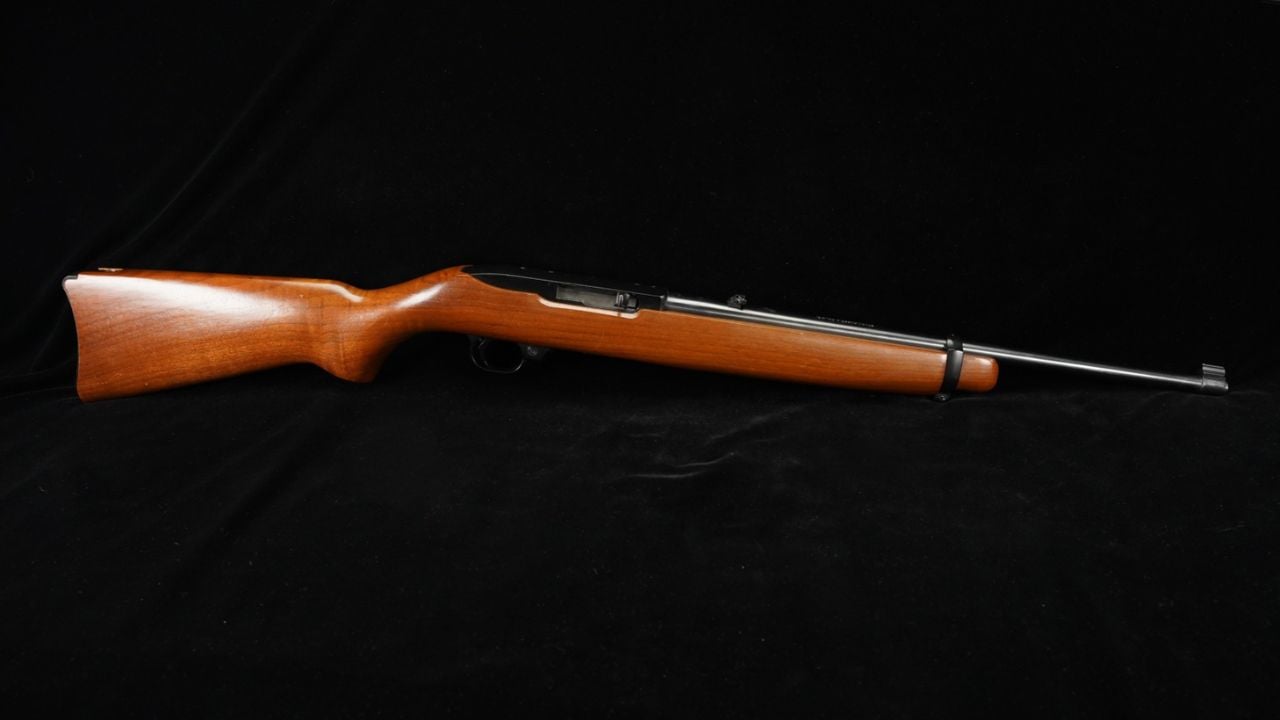
A .22 isn’t a “defense gun” in my book, but it’s a do-everything farm gun. The 10/22 is for pests, potting small game when it’s legal, and handling the little problems without burning expensive ammo.
It’s also the gun you’ll shoot the most. That’s not a small thing. Familiarity buys competence, and competence buys safety.
10. Henry Classic Lever Action .22 (H001)
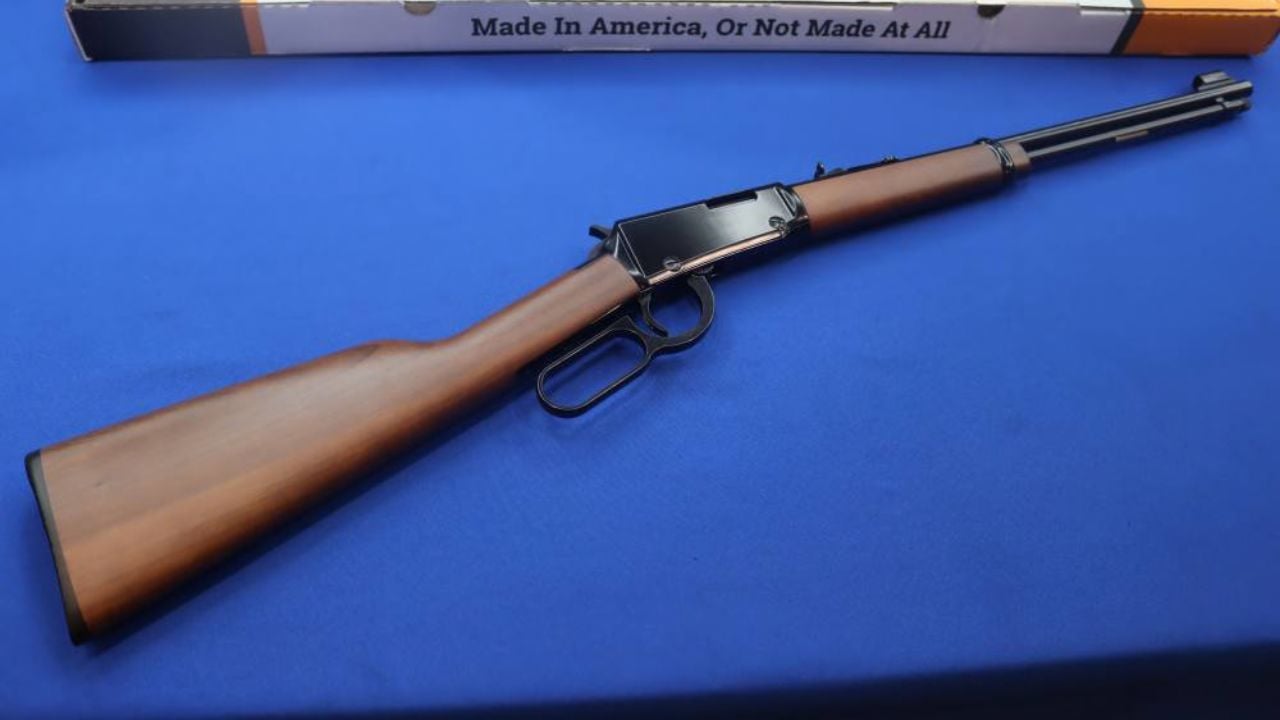
There’s something about a lever .22 that just works for rural living. The Henry H001 is simple, reliable, and quiet in the way it handles and carries. It’s the “walk the fence line” gun.
Tubular magazines aren’t everybody’s favorite, but for what this gun does, it’s fine. And it’s a great rifle for teaching without turning a training day into a gear lecture.
11. Marlin 1895 SBL (.45-70 Government)

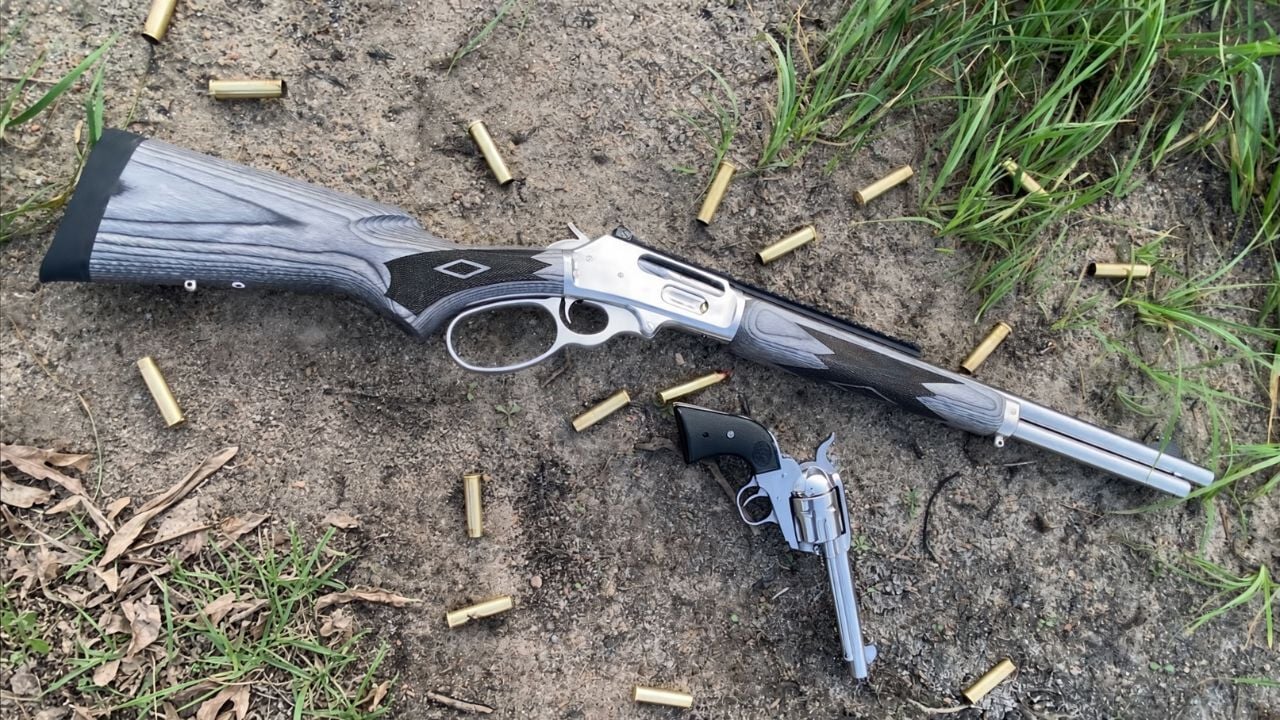
If you’ve ever watched a big animal soak up marginal hits, you start appreciating cartridges that end arguments. A .45-70 lever gun like the 1895 SBL is not light, not cheap to feed, and not subtle.
But it carries well in the hand, points fast, and hits like a hammer at practical distances. In remote country, it’s a comfort tool—especially around thick cover and bad angles.
12. Ruger American Rifle (6.5 Creedmoor)

The Ruger American is the rifle you buy because you need a rifle, not because you’re trying to impress anyone. In 6.5 Creedmoor, it’s easy to shoot well, ammo is common, and the recoil doesn’t beat you up.
This is my “if I have to make a careful shot across a pasture” gun. Put a sensible scope on it, confirm your zero, and don’t overthink it.
13. Remington Model 700 (older ADL/BDL pattern)
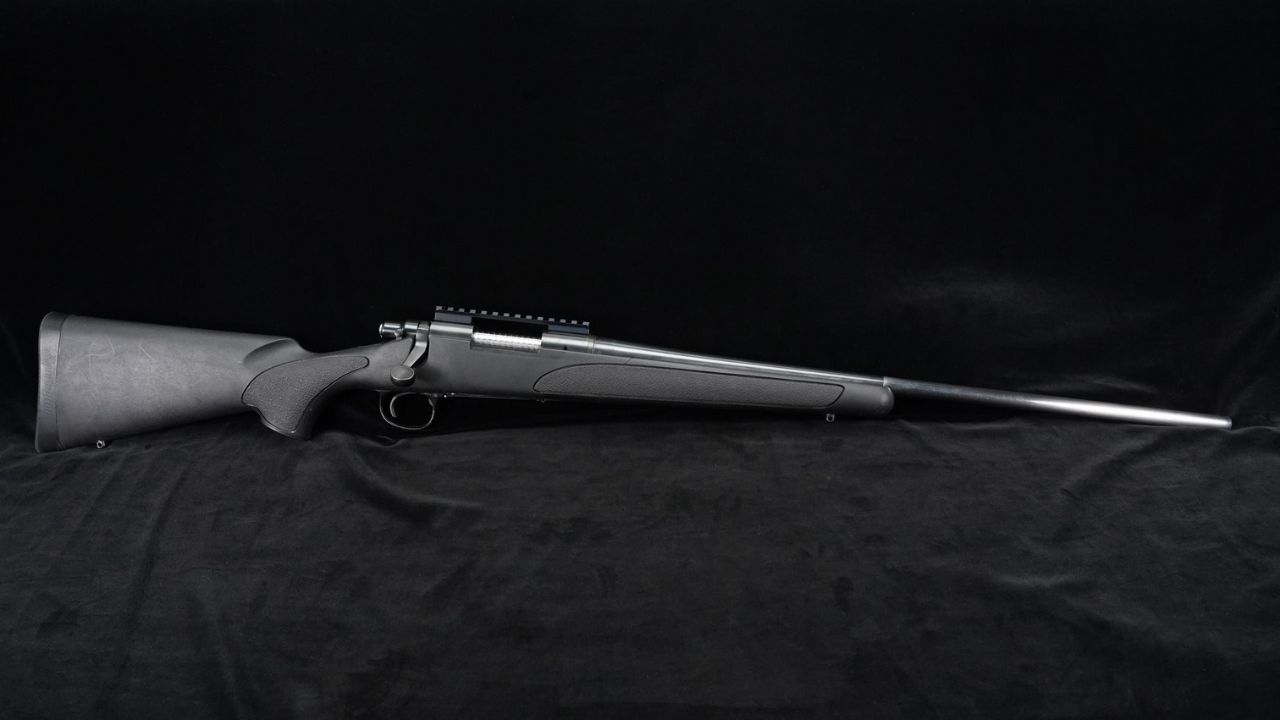
A good Model 700 is hard to quit. I like the way they carry and the way the bolt feels when it’s a solid one. Plenty of folks have moved on, and I understand why the conversation around them gets heated.
But out in the sticks, the 700’s big advantage is support. Stocks, bases, triggers, smiths—if you need something, it exists. Just make sure yours is squared away and you know it’s safe and reliable.
14. Tikka T3x Lite (.308 Winchester)
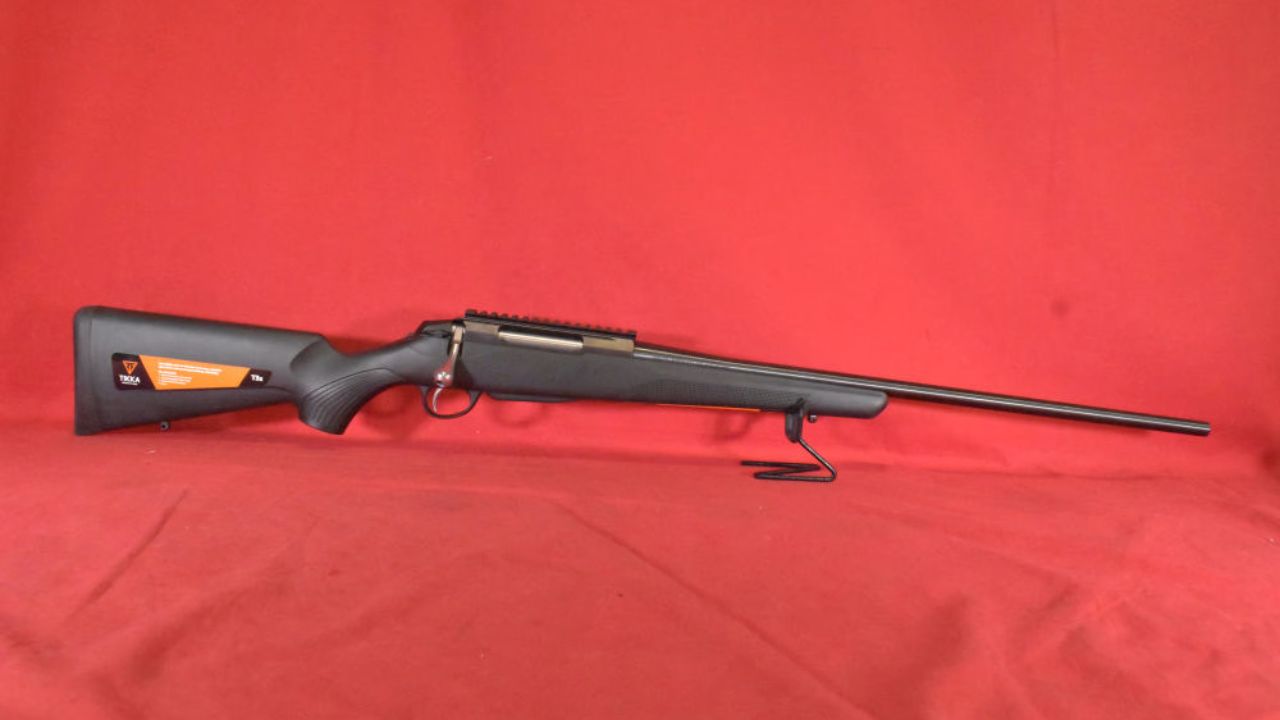
If you want a rifle that shoots straight without drama, the T3x Lite is hard to beat. The action is smooth, the barrels generally shoot, and it’s light enough that you’ll actually carry it when you’re tired.
I like it in .308 because it’s everywhere and it works. Remote living doesn’t always mean you’ve got boutique ammo on the shelf, and .308 is the opposite of boutique.
15. Ruger Gunsite Scout Rifle (.308 Winchester)
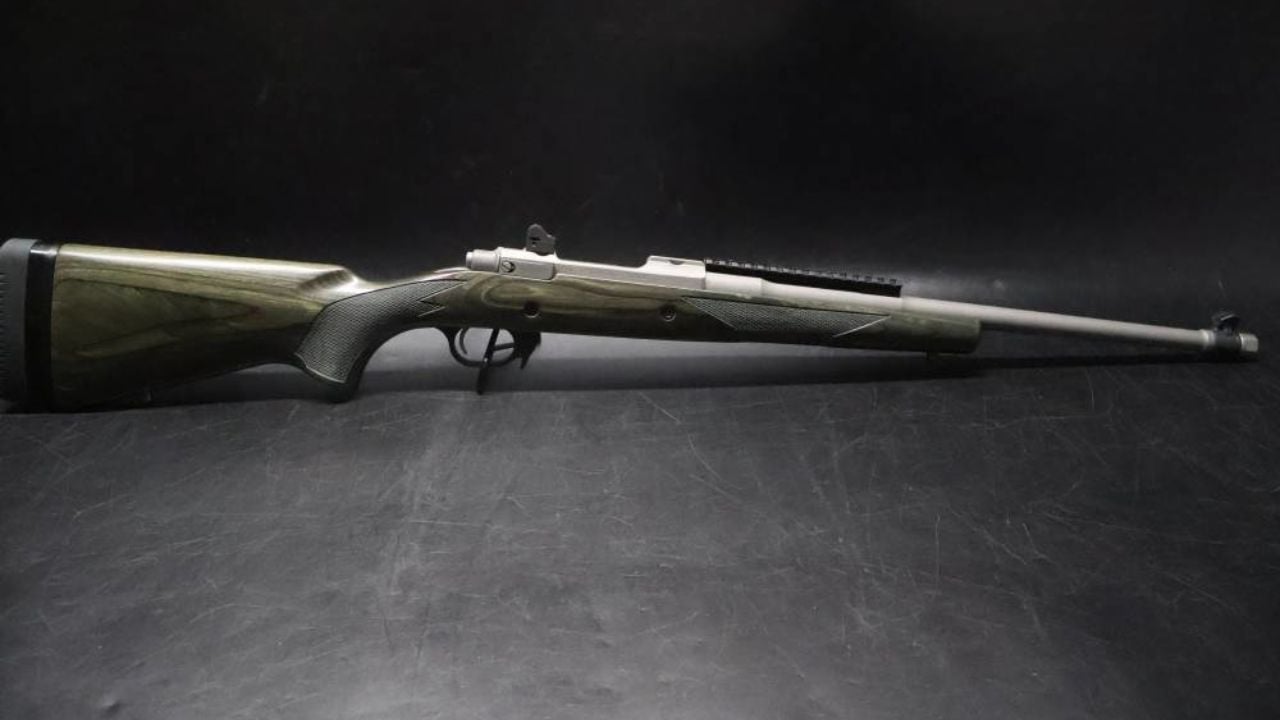
This one is a “walk-around” rifle that can do more than its looks suggest. Short, handy, and easy to maneuver in a vehicle or around buildings, it’s a practical tool for a property where you might need to check something quickly.
The scout concept isn’t for everyone. Still, a compact .308 with a sling and a simple optic is a pretty honest setup when you’re balancing chores and real-world problems.
16. Colt LE6920 (5.56 NATO)
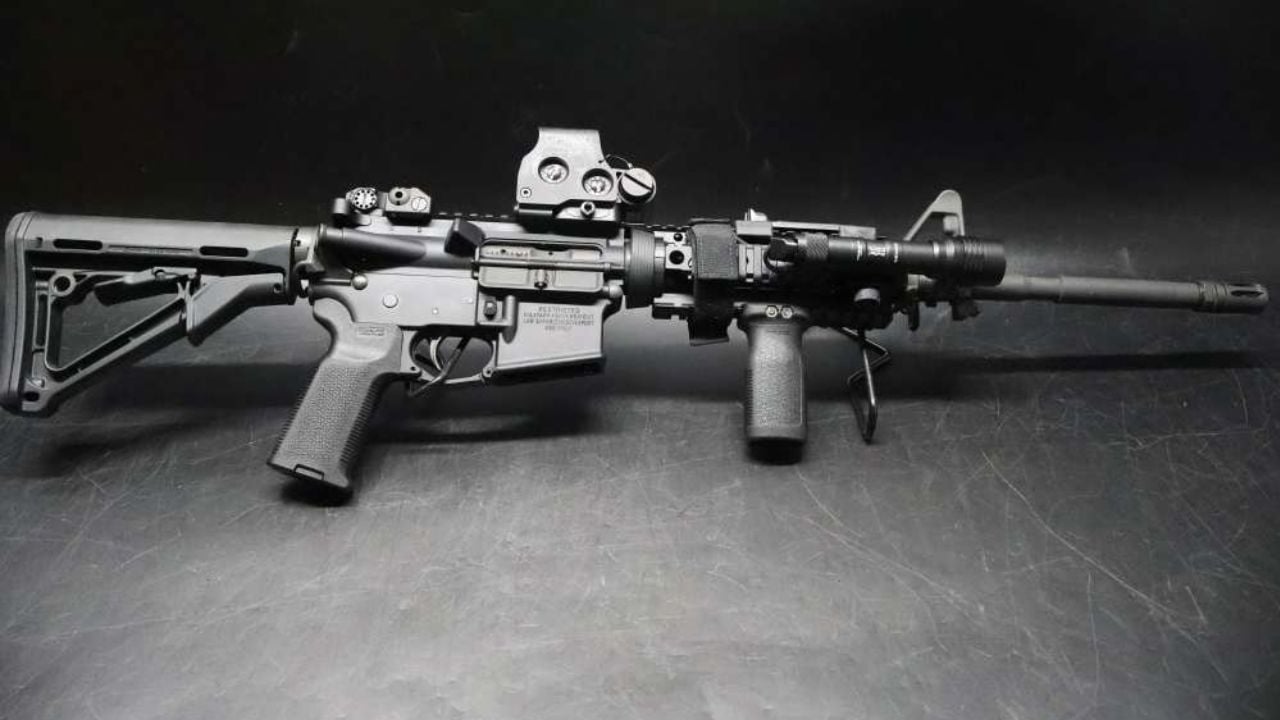
A plain AR-15 with quality parts is one of the best “night problems” solutions there is. The Colt 6920 has a long track record, and it’s the kind of rifle you can keep simple: dependable mags, a white light, and an optic you trust.
In remote areas, the AR’s advantage is control. Low recoil, fast follow-up shots, and easy handling for smaller-stature shooters. Keep it secured and staged responsibly, and it’s a legitimate safety tool.
17. Ruger AR-556

If you’re not trying to spend Colt money, the AR-556 is a solid working rifle. I’ve seen plenty of them run just fine with decent ammo and basic maintenance. It’s not a collectible; it’s a tool.
Remote living tends to beat up equipment. I like having an AR I won’t cry over if it gets a new scratch from a truck door or a fence post.
18. Springfield Armory M1A Scout Squad
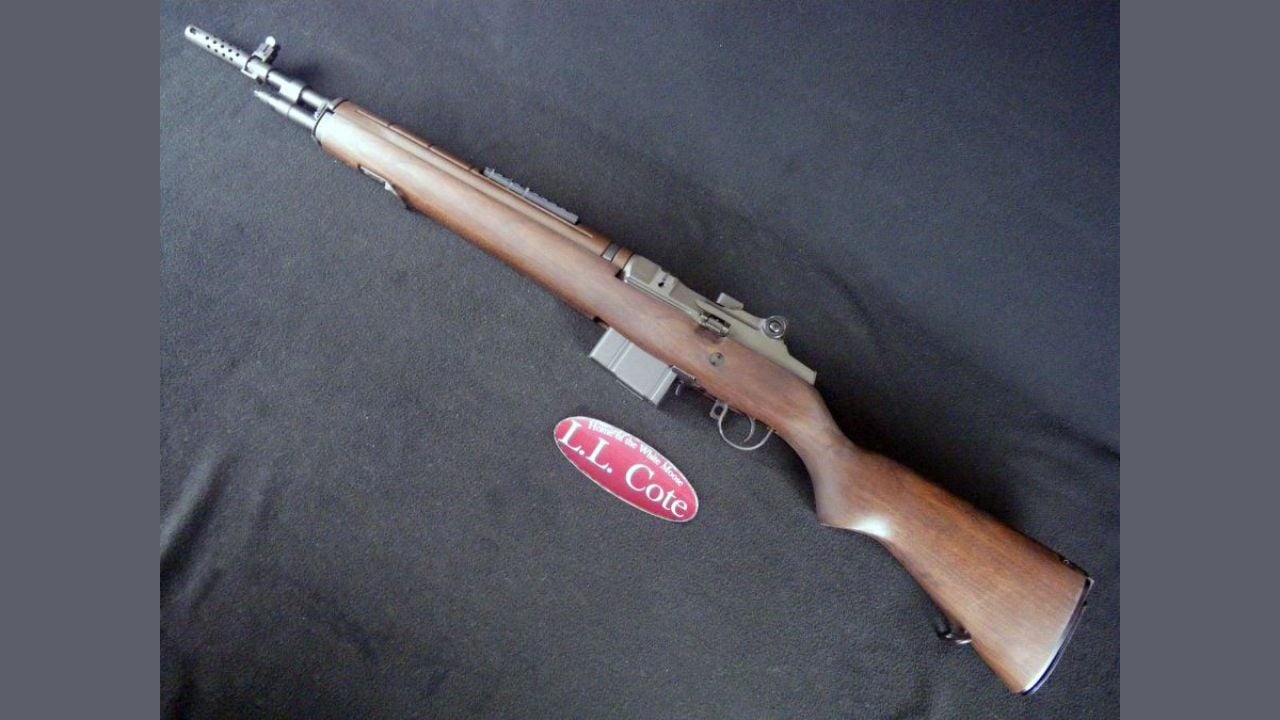
This is the one that makes some folks roll their eyes, and I get it. The M1A isn’t as practical as an AR for most people, and it’s heavier than it needs to be. Still, it’s a rugged .308 semi-auto with a certain kind of confidence behind it.
The Scout Squad length is handier than the full-size, and it balances well. If you’ve got the mags and you actually shoot it, it can earn its keep on a remote property.
19. CZ 75 SP-01
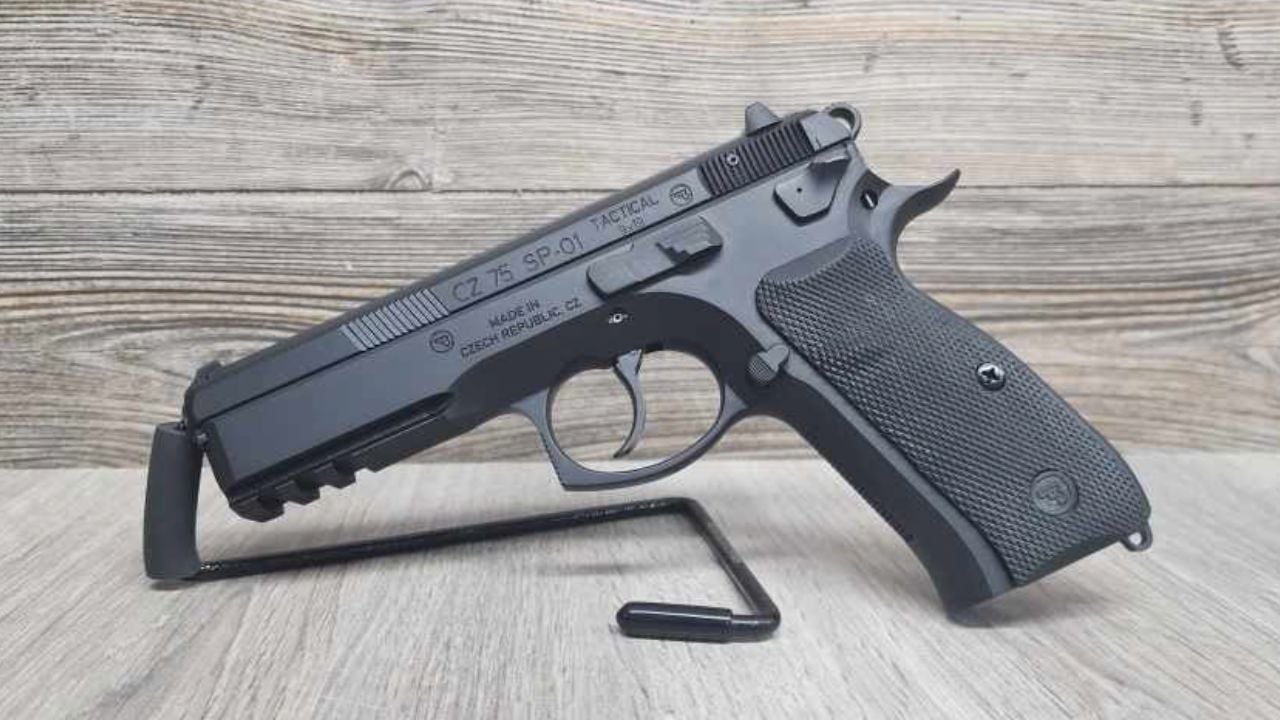
The CZ 75 SP-01 is one of those pistols that makes you look better than you are if you do your part. It’s heavy, stable, and shoots flat. The ergonomics fit a lot of hands like it was custom.
For a nightstand role, weight isn’t a penalty. It’s a feature. And if you ever have to put it in a new shooter’s hands, it’s easier to run well than a tiny carry gun.
20. FN America FNX-45 Tactical
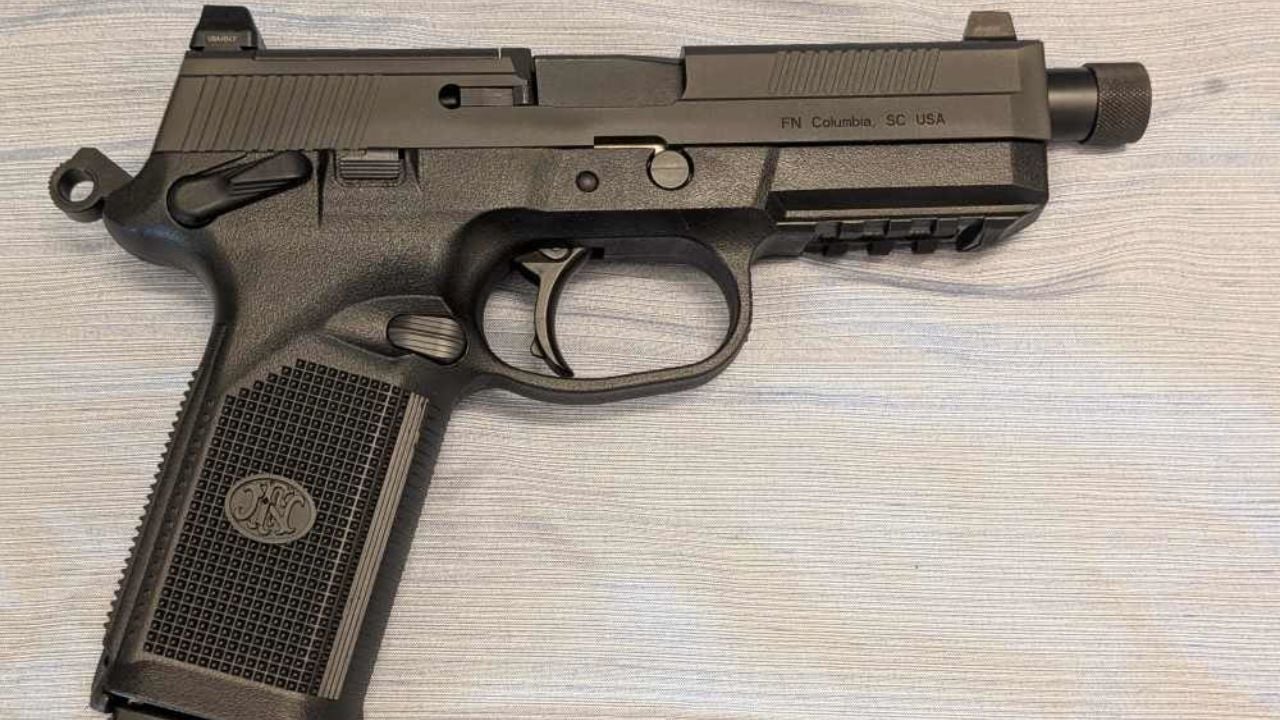
Big .45s aren’t everybody’s thing, and the FNX-45 Tactical is definitely big. But it holds a lot, it’s reliable, and it’s built for hard use. If you like a hammer-fired pistol with serious capacity, it’s worth a look.
This is the kind of gun you stage when you want a handgun that feels like it has some authority, especially if you’re also thinking about a suppressor-ready setup where legal. It’s not subtle, but remote living doesn’t always reward subtle.
Here’s the part that matters more than the list: staging guns isn’t the same as leaving them lying around. Remote or not, you secure what you’re not actively carrying, you keep lights handy, you know your backstops, and you don’t go looking for trouble in the dark. The goal is to be capable and calm, not jumpy. If you can do that, the specific model matters a whole lot less than the fact you’ve actually run it, trust it, and can hit what you’re aiming at.
Like The Avid Outdoorsman’s content? Subscribe to our newsletter so you never miss an article.
Here’s more from us: