Photo credit: Mountains Hunter/Shutterstock.com
Most fish that “got away” didn’t get away because the hook was dull. They got away because something failed between your rod tip and the bait. And nine times out of ten, that failure is a knot that wasn’t seated right. The biggest knot mistake I see is guys cinching a knot down dry, burning the line, and then trusting it like it’s bulletproof. A knot can look perfect and still be weak if you cooked it while tightening it. That’s especially true with fluorocarbon, but it happens with mono too.
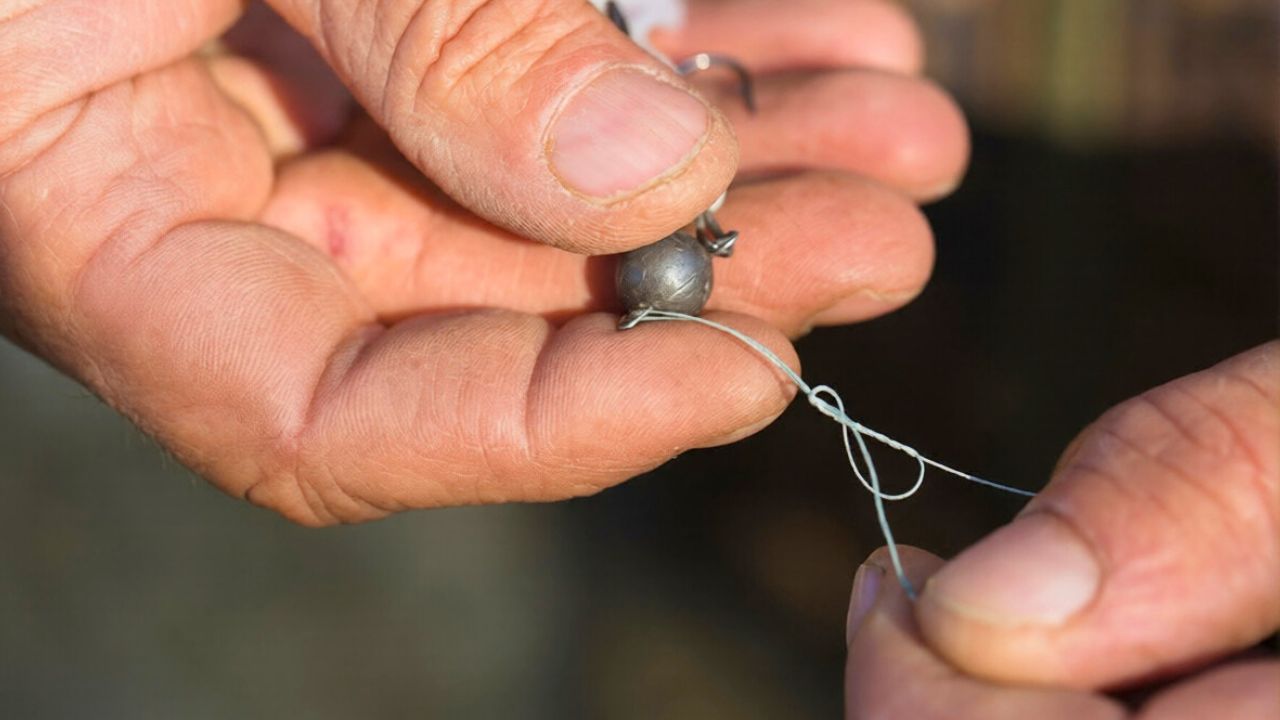
Anytime you tie, wet the knot. Spit works. Water works. The point is lubrication. When you snug it down, you’re creating friction. Friction creates heat. Heat weakens line right where you can least afford it—at the knot. Then you hook a good fish, it surges, and the knot pops like it was never there. The worst part is it’ll make you blame the drag, the rod, the hooks, the moon phase—anything but the knot you tied two minutes ago.
The other part of this mistake is “snapping” the knot tight instead of easing it down. Guys will tie a Palomar, grab the tag and the main line, and yank it hard in one move. That’s a good way to cross the line inside the knot and cut it. With fluorocarbon, it can literally bite into itself. You want to snug it slowly, make sure the wraps lay clean, then pull it tight in a controlled way. When you’re done, test it. Not a gentle tug—give it a real pull. If it slips or looks weird, cut it and retie. That retie takes 30 seconds. Losing a fish you’ll talk about for a month takes a lot longer.
Tag length matters more than people admit, too. Some knots need a little tag so they don’t creep. If you trim it flush, the first hard pull can slide the knot just enough to fail. I’m not saying leave a half-inch flapping around, but don’t cut it to nothing. With slick line and certain knots, a little tag is cheap insurance.
And if you’re getting consistent break-offs at the knot, don’t keep tying the same knot and hoping it magically starts working. Switch knots or switch line. Fluoro is great, but it punishes sloppy knots. If you’re new to it, use a knot that plays nice with it—like a properly tied improved clinch or a San Diego jam knot. For braid, it’s a different deal: the knot won’t usually break, but it can slip if you don’t have enough wraps. And braid will cut mono or fluoro leaders if the leader knot is wrong or not seated.
The truth is, hooks matter, but your knot is the real gatekeeper. A bad hook might miss you one fish. A bad knot can ruin your whole day and leave you thinking the bite is off. Slow down, wet the knot, seat it smooth, leave a sensible tag, and pull-test every time. Do that and you’ll be shocked how many “mystery break-offs” disappear.
Like The Avid Outdoorsman’s content? Subscribe to our newsletter so you never miss an article.
Here’s more from us: