Photo credit: Milsurp World/YouTube
Every gun has a market value, but that does not mean every gun has a selling price. Once you have carried a rifle through enough seasons, learned exactly how a pistol breaks, or spent years making memories with a shotgun, the number someone offers starts mattering a lot less. At some point, replacing the firearm would mean trying to replace all the familiarity that came with it.
Those are the guns I would refuse to sell even if somebody showed up waving more money than they were objectively worth. Some are mechanically exceptional. Others are tied to an era of manufacturing that is unlikely to return. A few are simply too useful to give up once you have one that works exactly the way it should. These are the firearms I would rather keep than explain later why I let them go.
Winchester Model 71 .348 Winchester
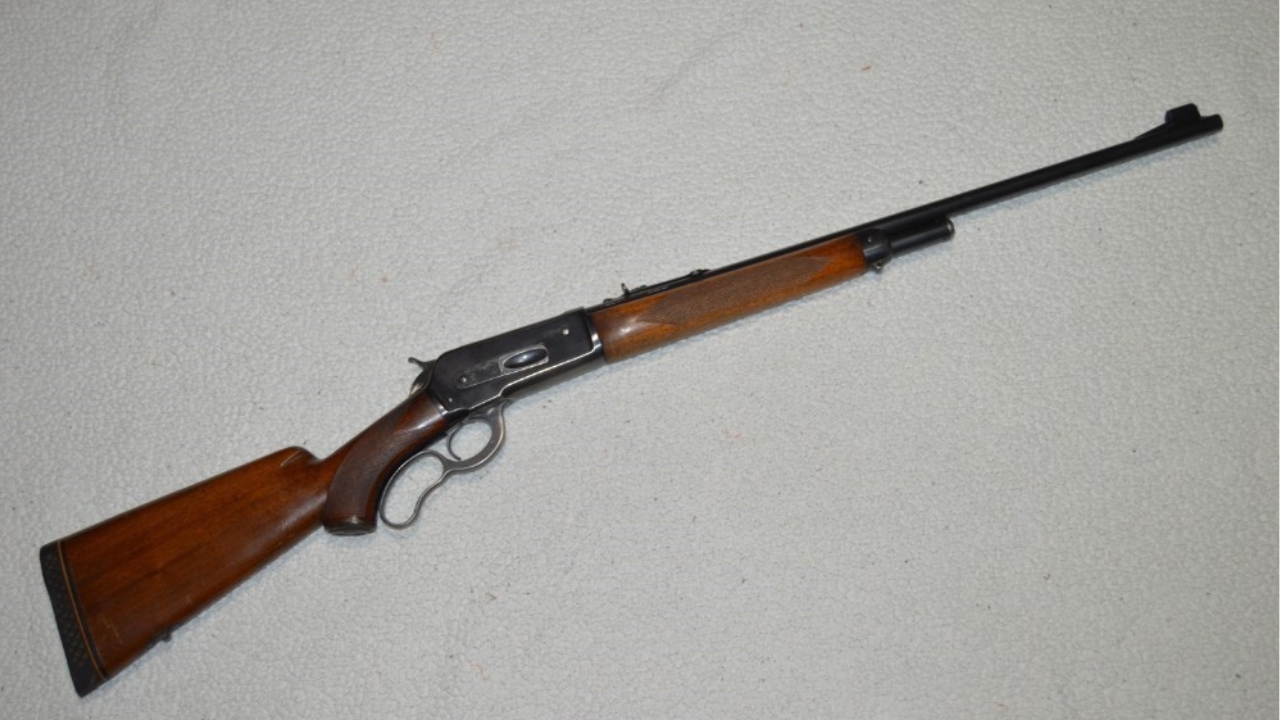
The Model 71 is one of those rifles that becomes harder to replace the more time you spend with it. The action is smooth, the balance is excellent, and the .348 Winchester gives the rifle far more authority than the typical deer-camp lever gun. It was built for hunters who wanted serious power in a fast-handling rifle, and even decades later the combination still makes sense in thick woods and rough country. The rifle also has a level of machining and finish that newer mass-produced lever guns rarely duplicate without becoming extremely expensive.
I would refuse to sell a good one because there is no obvious replacement. You could buy a modern big-bore lever gun, but it would not feel the same, carry the same, or have the same mechanical character. Once a Model 71 is yours, finding another equally good example later could be much harder than taking the money now.
Sako L461 Vixen
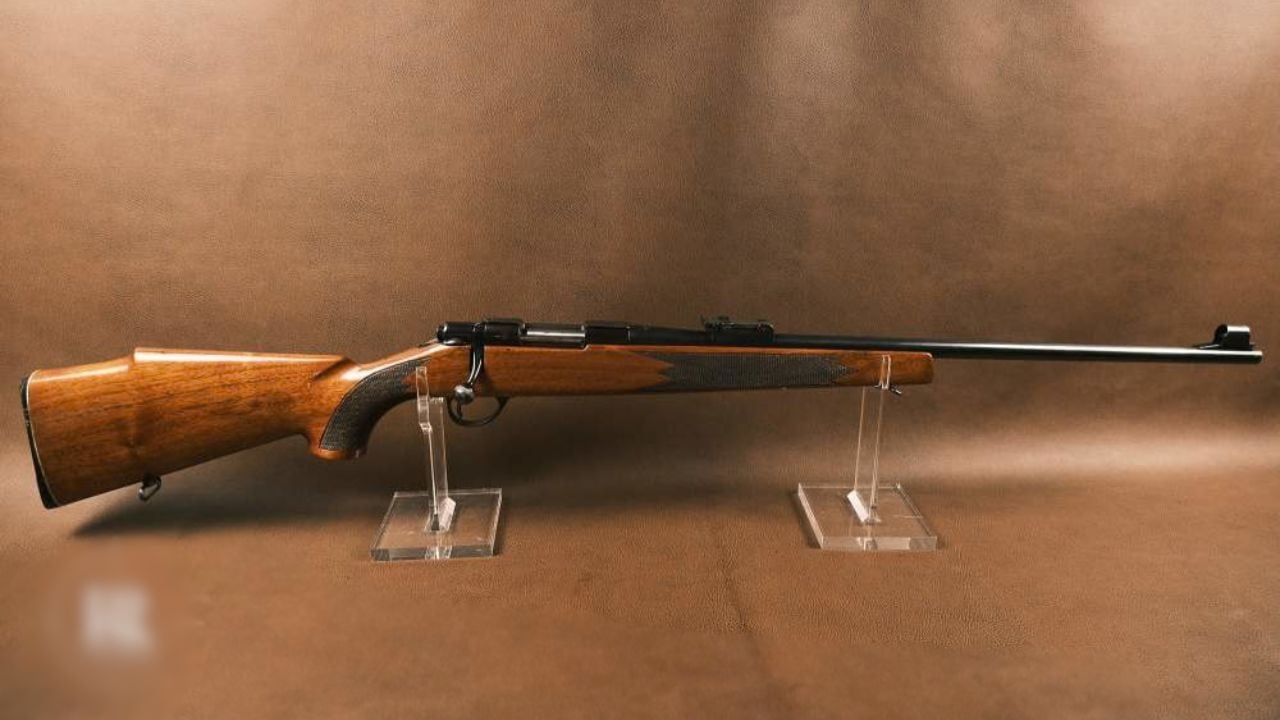
The L461 Vixen is the kind of small-action bolt rifle that makes modern rifles feel oversized. Sako built the action specifically around smaller cartridges, so the entire rifle feels trim and proportionate instead of like a full-size receiver adapted to something tiny. The bolt is smooth, the machining is excellent, and the rifle carries beautifully. Chamberings like .222 Remington made it especially appealing for varmints and precise field shooting, and good examples can be astonishingly accurate.
I would keep one because this style of rifle barely exists anymore. Manufacturers can still build accurate small-caliber rifles, but they usually do it with larger actions, synthetic stocks, or chassis systems. The Vixen has a compact elegance that is difficult to duplicate. Selling one would mean giving up something that the current market does not really replace.
Browning Superposed
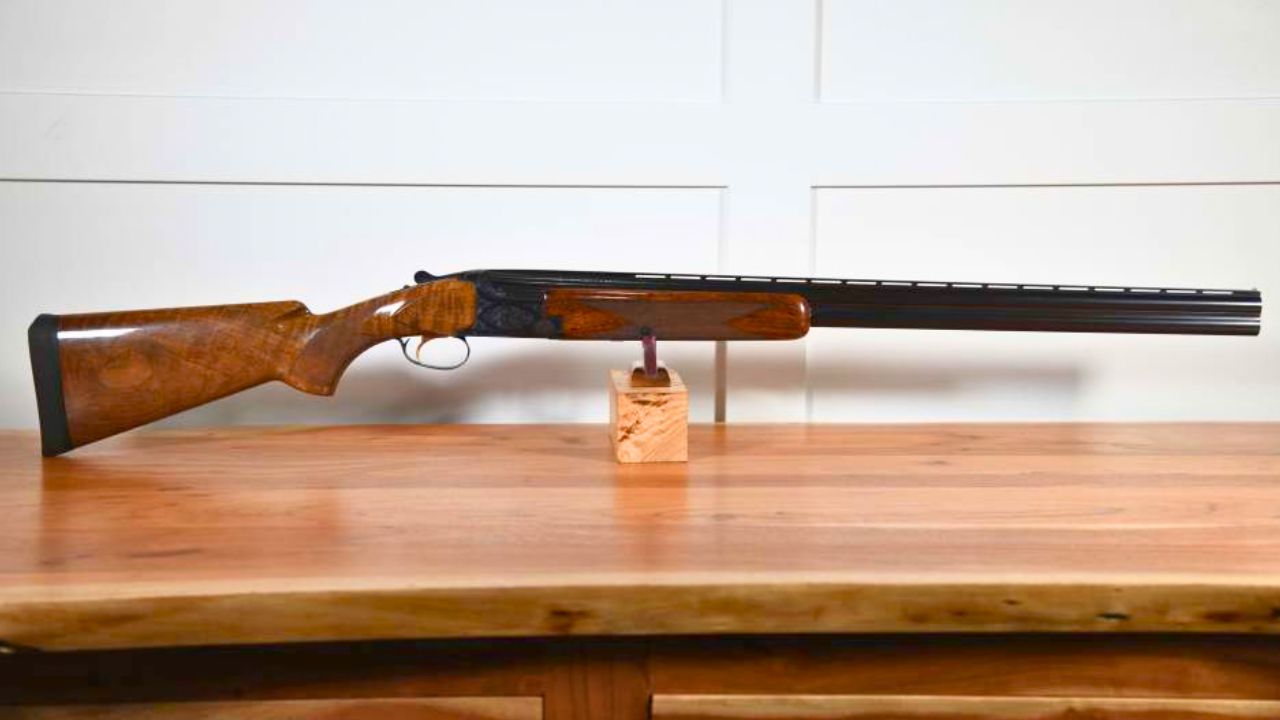
The Superposed is one of those shotguns that feels like it came from a completely different manufacturing era. John Browning’s final gun design was built around an over-under action that could handle serious use while still feeling refined and balanced in the hands. Older examples have a mechanical solidity that modern inexpensive over-unders cannot imitate, and the gun opens, closes, and swings with the kind of feel that only becomes more noticeable after years of shooting.
If I had one that fit me correctly, I would never sell it. Shotgun fit is too personal, and a gun that mounts naturally every single time is worth more than its market price. You can always buy another over-under. You cannot guarantee the next one will feel exactly the same.
Remington Model 31
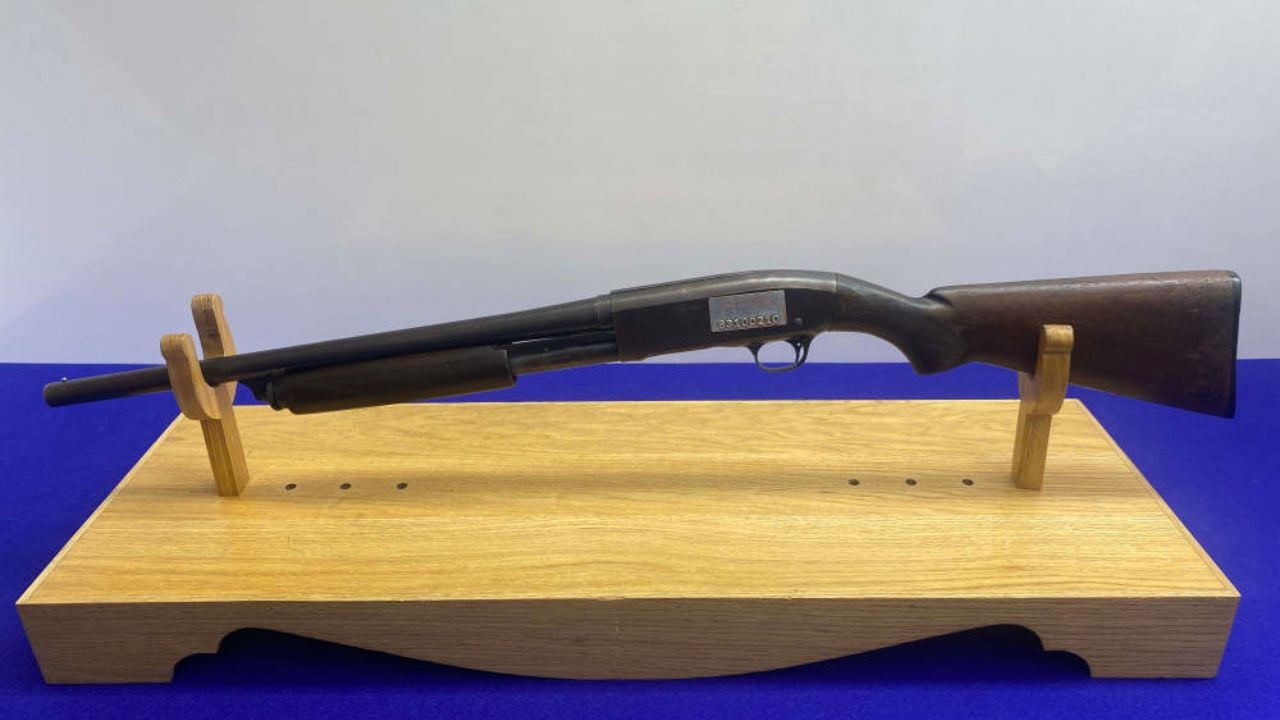
The Model 31 never became as famous as the Model 12 or 870, but it is one of the smoothest pump shotguns Remington ever built. The action has an almost effortless feel once it is worn in, and the gun balances more like a fine field shotgun than a utilitarian pump. That smoothness matters in actual shooting because cycling the action barely disturbs the gun once the shooter knows it well. It also comes from an era when manufacturers were willing to put more machining into designs that would later be simplified for lower-cost production.
That is why I would hold onto one. There are tougher pumps and cheaper pumps, but very few have the same mechanical feel. Once you own a particularly slick example, selling it for something newer usually feels like moving backward.
Colt Ace
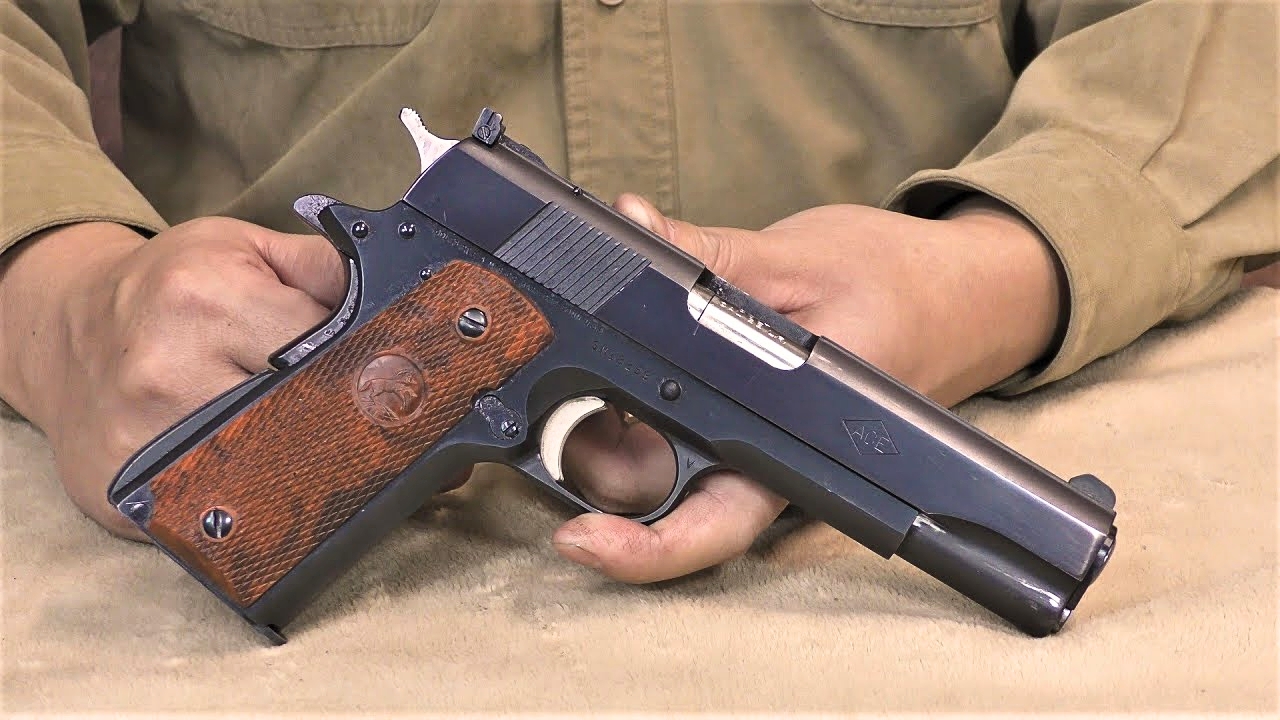
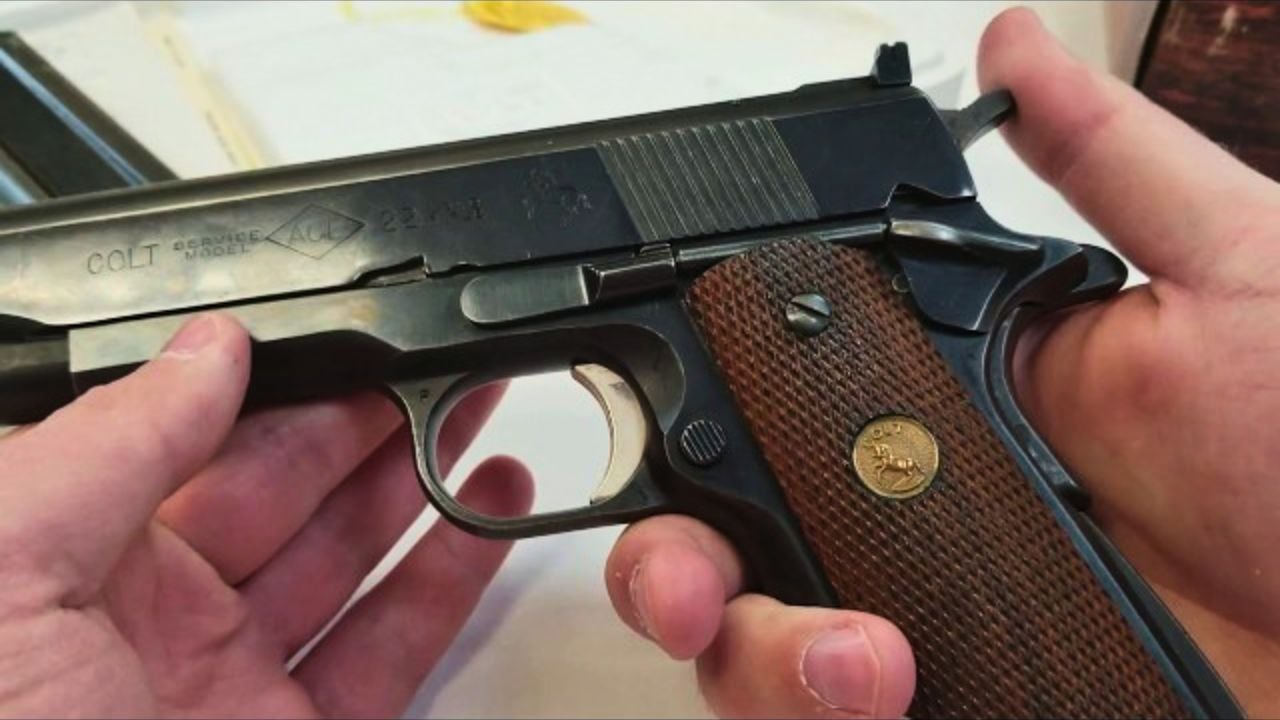
The Colt Ace occupies one of those niches that becomes more appealing with time. It gives you the handling and controls of a full-size 1911 while firing .22 rimfire ammunition, making it a natural training and recreational pistol for someone already comfortable with the Government Model. The later Service Model Ace used Colt’s floating-chamber system to provide more recoil impulse than an ordinary .22, creating a training experience that was unusually ambitious for the period.
I would keep one because it combines history, mechanical interest, and practical fun in one pistol. Modern .22 trainers can imitate the shape of a service gun, but an original Colt built around this idea has a different appeal entirely. Once it left the safe, replacing the exact gun would not be easy.
Smith & Wesson Model 41
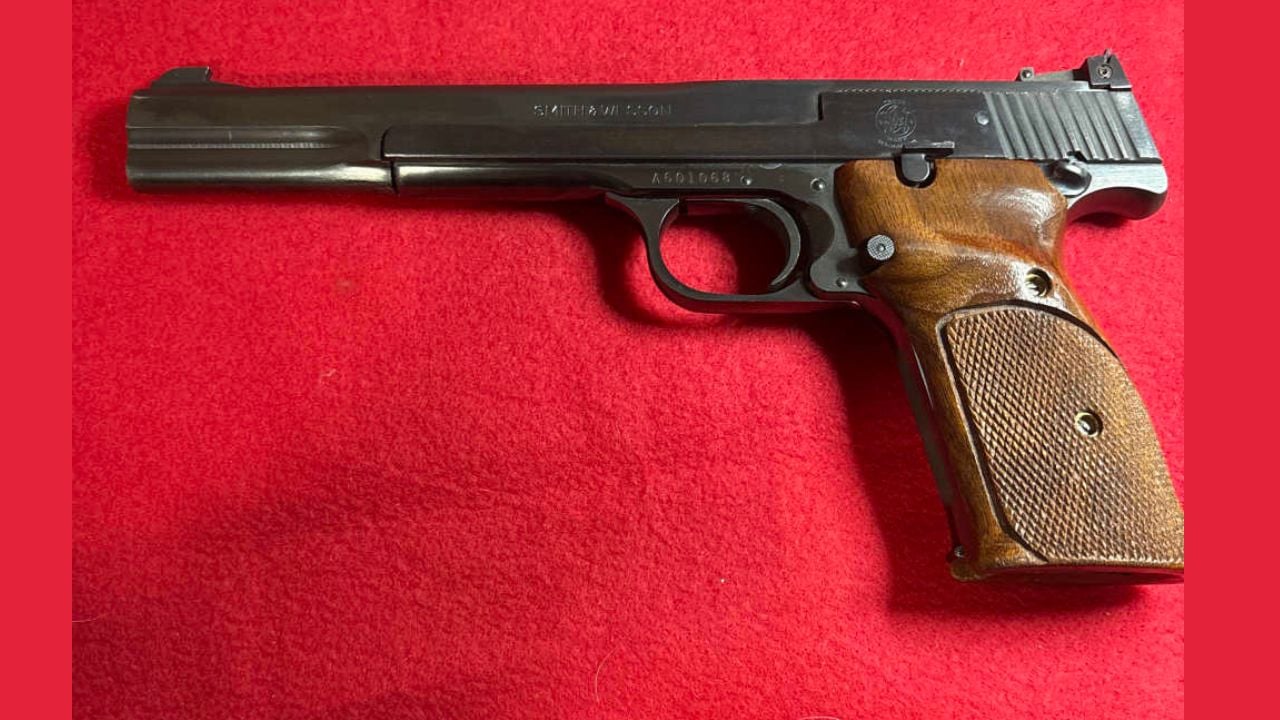
The Model 41 is one of those pistols that reminds you what a serious factory rimfire can feel like. The trigger is excellent, the fixed-barrel design delivers real accuracy, and the balance encourages careful shooting without requiring an exotic competition setup. It has spent decades earning respect from target shooters because it makes precision feel natural rather than forced. Even shooters who own newer optics-ready rimfires often keep their Model 41 because the fundamental shooting experience is so good.
I would never sell one that shot well. A pistol capable of making you a better shooter is more valuable than whatever trade value somebody assigns to it. You can buy newer rimfires with more features, but the Model 41 still sets a standard for trigger quality and deliberate accuracy.
Walther GSP
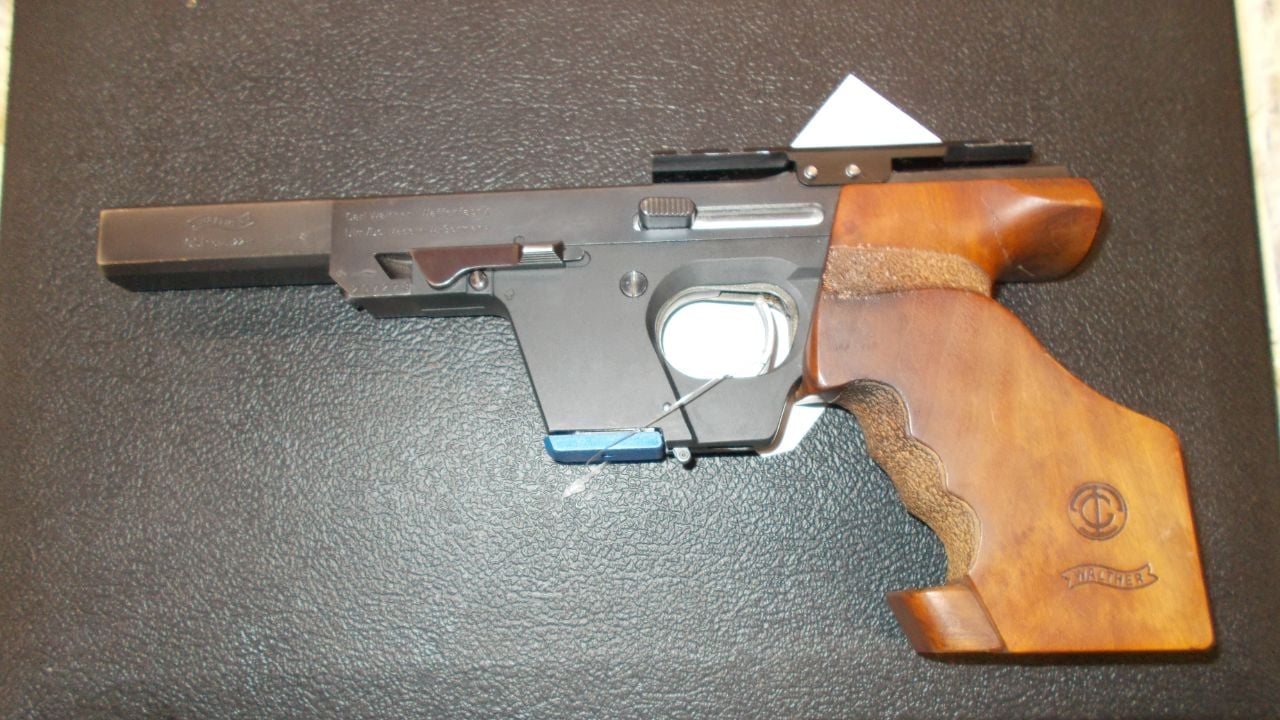
The GSP is not a pistol you buy because you need a general-purpose handgun. You buy one because you want a dedicated target pistol that feels like it was designed around the act of placing shots precisely rather than adapting a service gun for competition. The grip angle, weight distribution, trigger, and sights all reflect that purpose. Once a shooter becomes accustomed to it, ordinary rimfire pistols can feel crude by comparison.
That specialization is exactly why I would not sell one. It fills a role that nothing else in the safe really duplicates. Money could buy another target pistol, but once you know exactly how one GSP breaks and balances, starting over with a different gun sounds like needless work.
HK P7 PSP
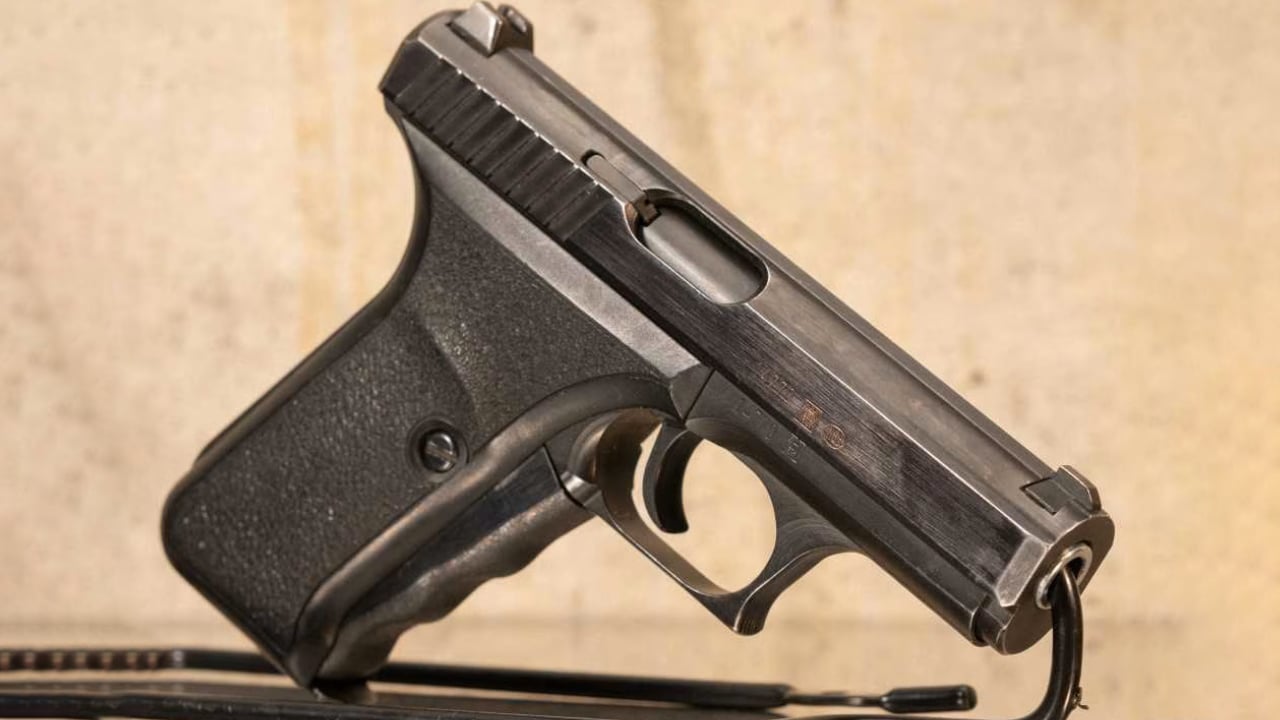
The P7 PSP is one of the rare pistols where nearly every part of the design feels unlike what came before or after it. The squeeze-cocking frontstrap, gas-delayed operation, low bore axis, and fixed barrel create a pistol that is extremely compact while still being remarkably easy to shoot accurately. The controls require familiarity, but once they become automatic, the gun feels faster and more natural than its unconventional layout suggests.
I would refuse to sell one because there is no modern equivalent that truly replaces it. Plenty of pistols are lighter and carry more ammunition, but almost none combine these mechanical ideas in the same package. Once HK stopped building them, the P7 became the kind of design you cannot simply rebuy whenever you change your mind.
SIG Sauer P210-6
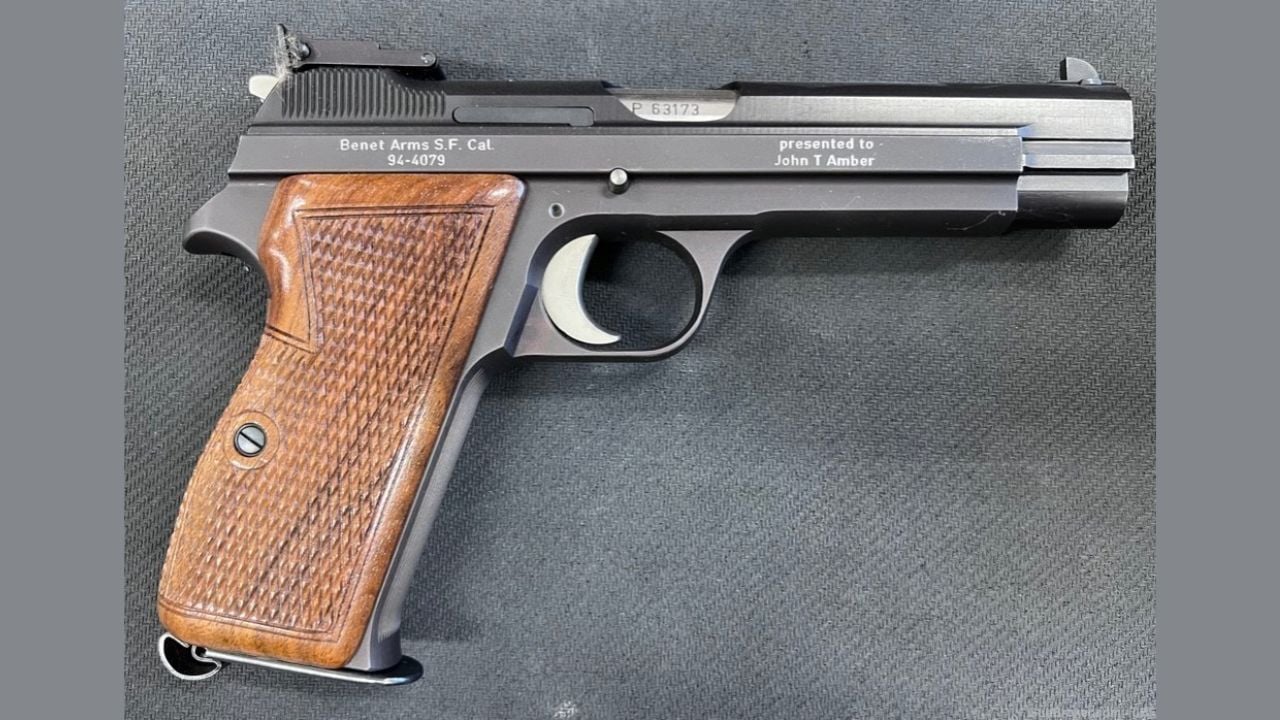
The P210-6 is one of those pistols that makes people understand why older all-steel service and target guns earned such devoted followings. The slide-to-frame fit, single-action trigger, and overall balance give the pistol a precision that becomes obvious after only a few magazines. It was built during an era when labor-intensive fitting and machining could still be part of a service-derived handgun, and that is difficult to duplicate without paying serious money today.
If I owned a particularly accurate example, there would be no offer that made much sense to me. The value is not just rarity. It is the way the pistol shoots. Once a gun consistently makes you look better than you deserve, letting it go becomes a very hard decision.
Colt New Service
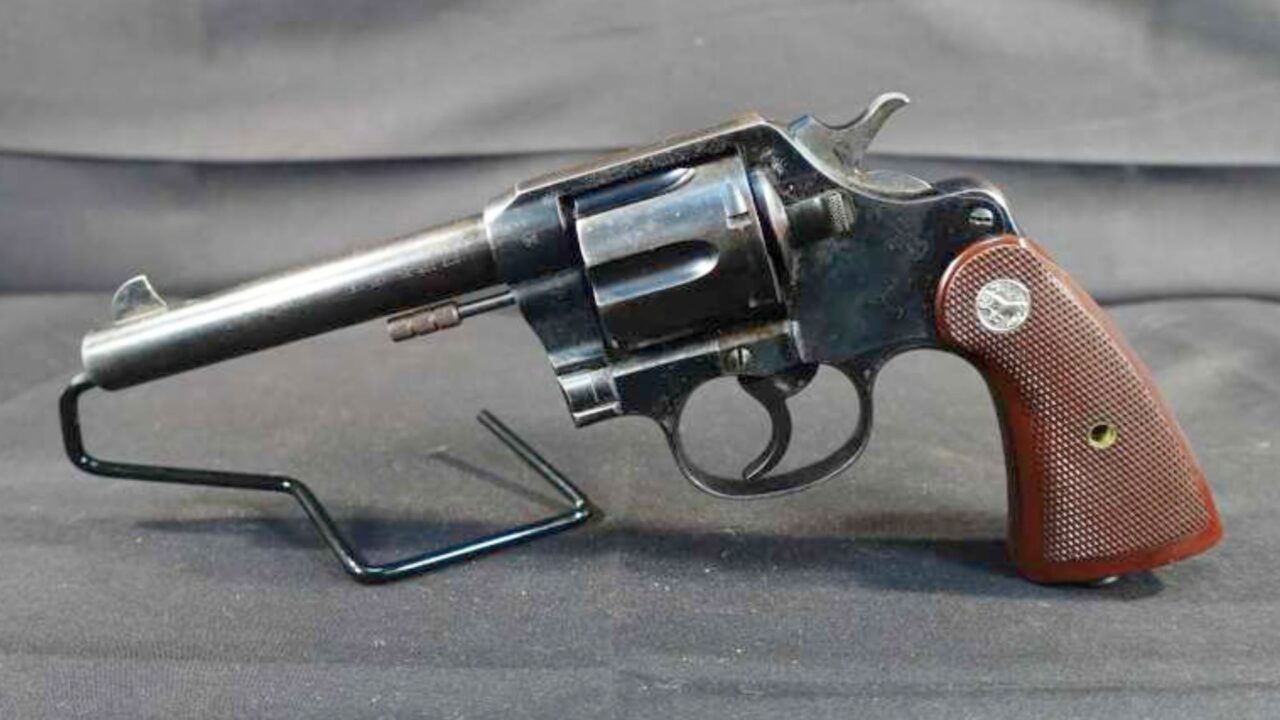
The New Service is one of the big Colt revolvers that feels genuinely substantial without becoming clumsy. Its large frame handled cartridges like .45 Colt and .45 ACP in military configurations, and the revolver has the kind of long, smooth action and old-school balance that later designs approached differently. It also represents a period when Colt was building large-frame working revolvers for military, police, and civilian use rather than primarily chasing the collector market.
I would keep a good one because they are not making more original New Services. More importantly, a mechanically sound example is still enjoyable to shoot. Selling one would mean exchanging a century-old working gun for money that would probably end up buying something much easier to replace.
Ruger Old Army
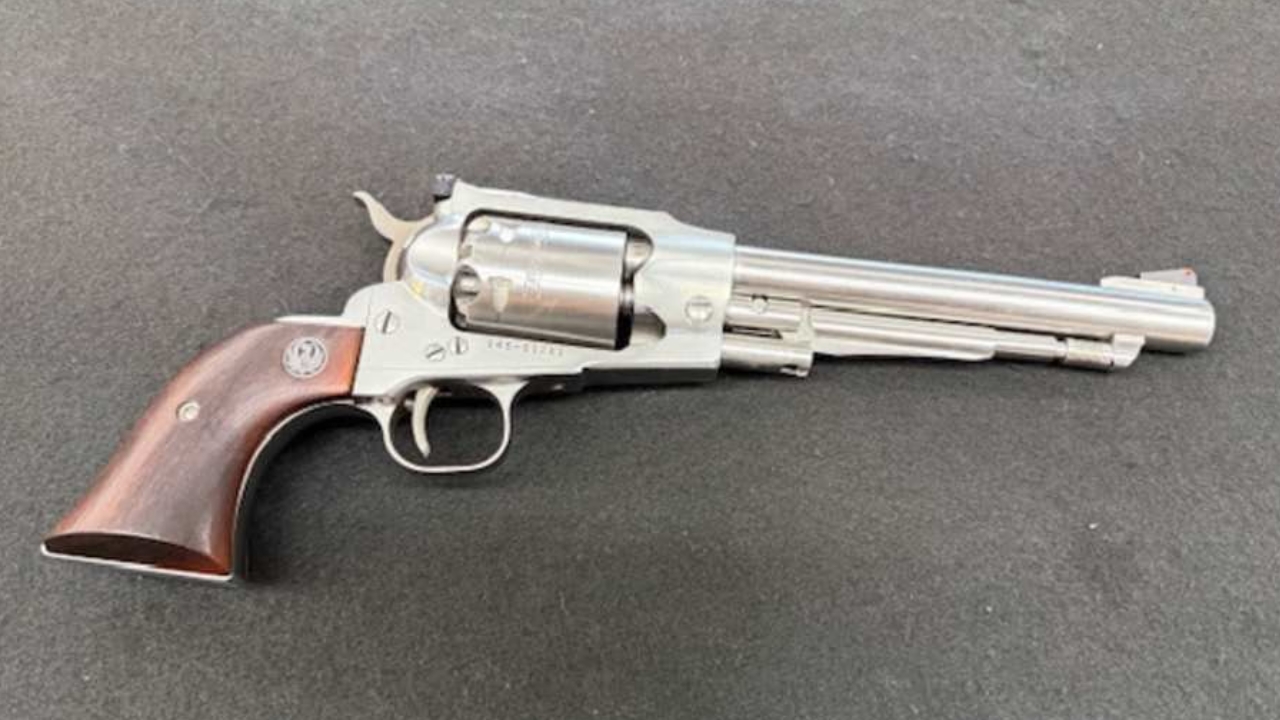
The Old Army is one of the strangest guns Ruger ever made because it looks like a historical cap-and-ball revolver while being built with distinctly modern Ruger strength. The result is a black-powder revolver that feels far more substantial than most traditional reproductions. The adjustable-sight versions are capable of excellent accuracy, and the gun offers a completely different shooting experience from cartridge revolvers while still having the durability associated with Ruger’s single-action designs.
I would refuse to sell one because Ruger no longer makes it, and nothing else fills exactly the same niche. Reproductions are available, but they are not the same gun. Once a clean Old Army is gone, finding another that has been treated well can become surprisingly difficult.
Freedom Arms Model 83 .454 Casull
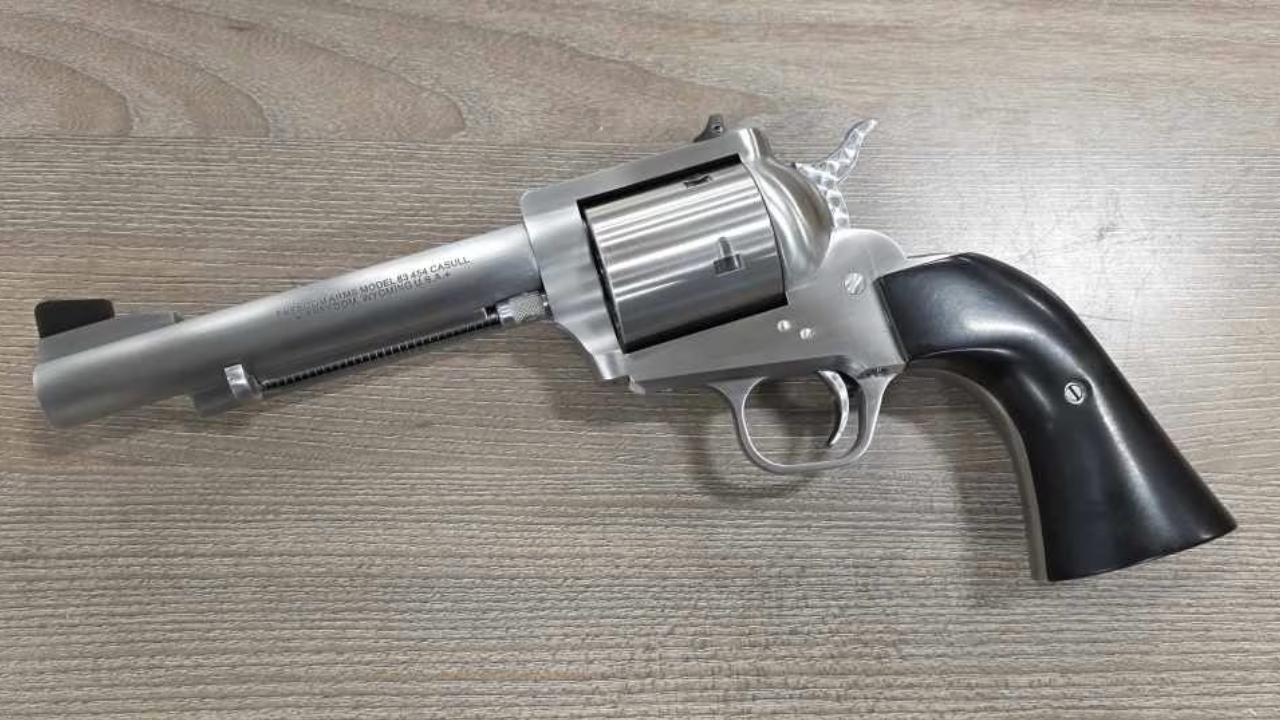
The Model 83 is the kind of revolver that makes more sense the harder you actually shoot it. The frame is exceptionally strong, the cylinder lockup is tight, and the gun is built around the kind of precision that allows a powerful hunting revolver to deliver impressive accuracy. In .454 Casull, it offers more power than most shooters will ever need while still allowing careful handloaders and experienced shooters to tailor the gun toward different levels of performance.
I would keep one because a revolver built this well is difficult to replace with something merely similar. There are cheaper big-bore handguns everywhere. There are very few that feel like a Model 83 after you have spent enough time with one.
Free for gun owners: If something happened to you tomorrow, would your family know where the guns are, who has the safe combination, or what to do first? Our free Gun Owner’s Family Checklist walks them through it. It takes about 15 minutes to fill out. Get your free copy here.
Smith & Wesson Model 38 Bodyguard
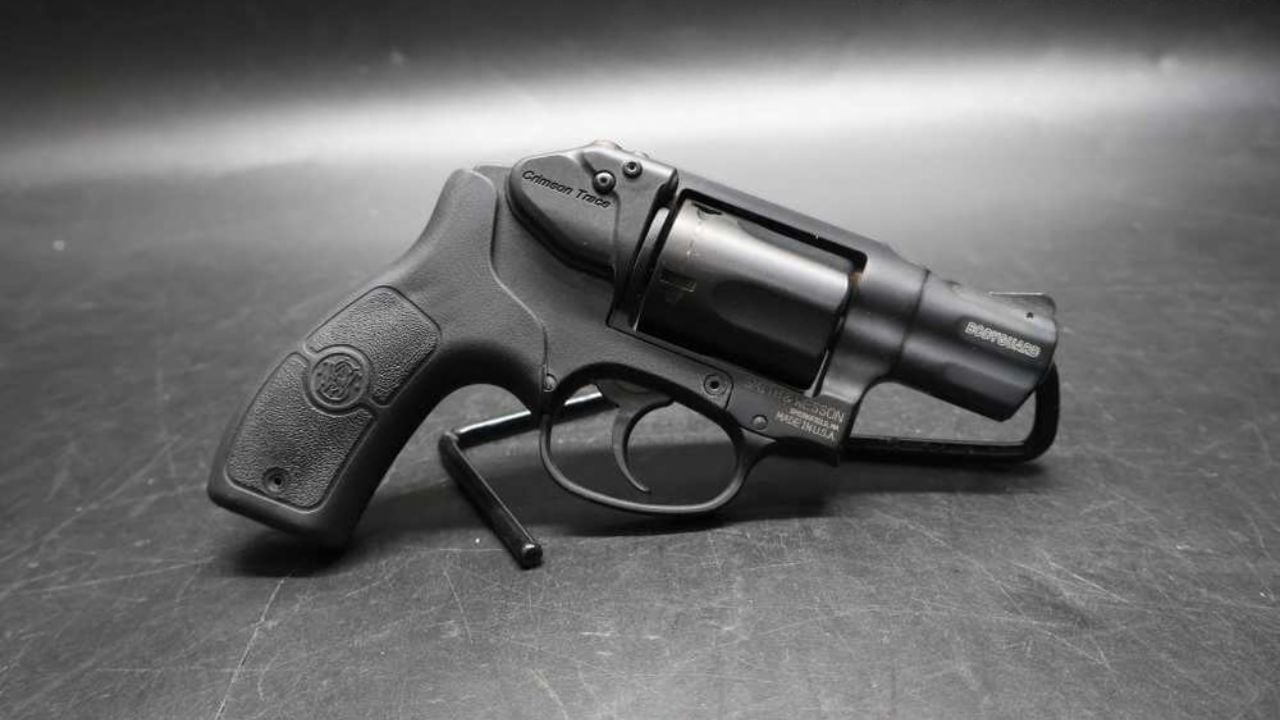
The Model 38 is one of the more clever carry revolvers Smith & Wesson ever produced. The shrouded hammer protects the spur from snagging while still allowing the shooter to cock the revolver manually if desired. That gives it a unique middle ground between an exposed-hammer Chief’s Special and a fully enclosed Centennial. The lightweight alloy frame also makes it genuinely easy to carry, which is why so many old examples show honest holster wear.
I would not sell one that had already proven itself. Modern carry revolvers may have better sights and stronger materials, but the original Bodyguard configuration has a practical elegance that still works. A worn but dependable example is exactly the kind of gun that becomes more valuable to its owner than to anyone else.
Colt Banker’s Special
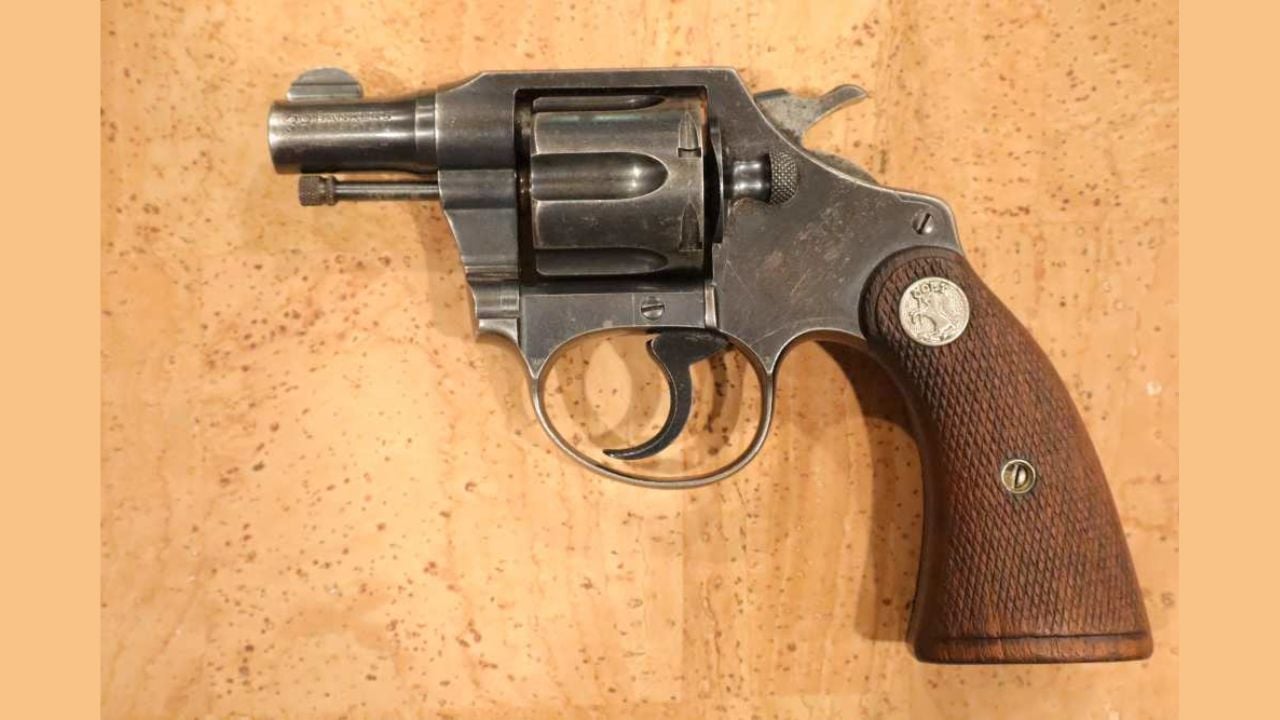
The Banker’s Special is one of those compact Colts that becomes increasingly interesting once you realize how little competition there was for truly small defensive revolvers in its era. Built on Colt’s small frame and offered in modest chamberings, it was intended for close carry rather than long-range shooting. Its compact dimensions, classic Colt action, and prewar construction make it feel completely different from modern lightweight snubs.
I would hang onto one because replacement would be difficult and because the gun represents a type of revolver Colt simply does not build anymore. The market value could go up or down. The ability to find another original example with the same condition and mechanical feel is much less predictable.
Winchester Model 52
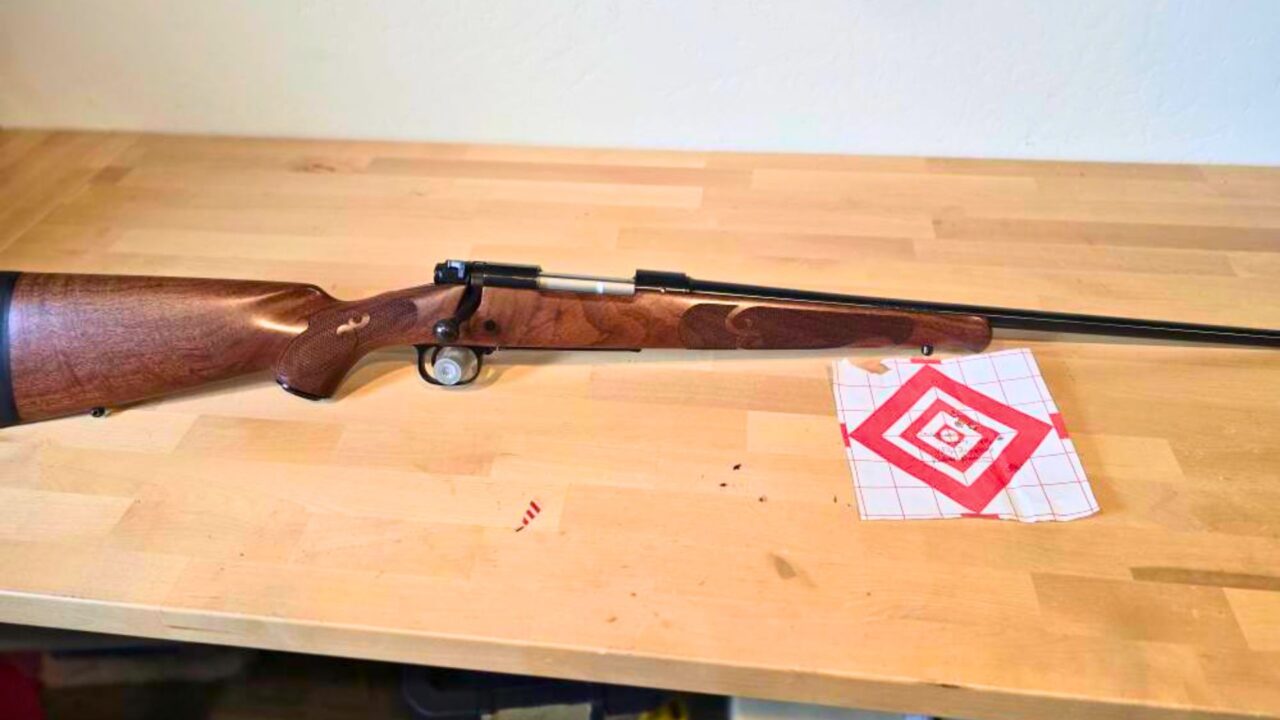
The Model 52 is one of the rifles that can permanently change your expectations for a .22. It was built as a serious target rifle, and everything about the action, trigger, stock, and barrel reflects that purpose. Even old examples are capable of astonishing accuracy when fed good ammunition, and the rifle has enough weight and stability to make deliberate shooting feel almost effortless from a rest.
I would refuse to sell one because rifles like this are becoming less common in an era focused on lighter sporting guns and modular chassis systems. A Model 52 does not need to be updated. It already does the thing it was built to do exceptionally well.
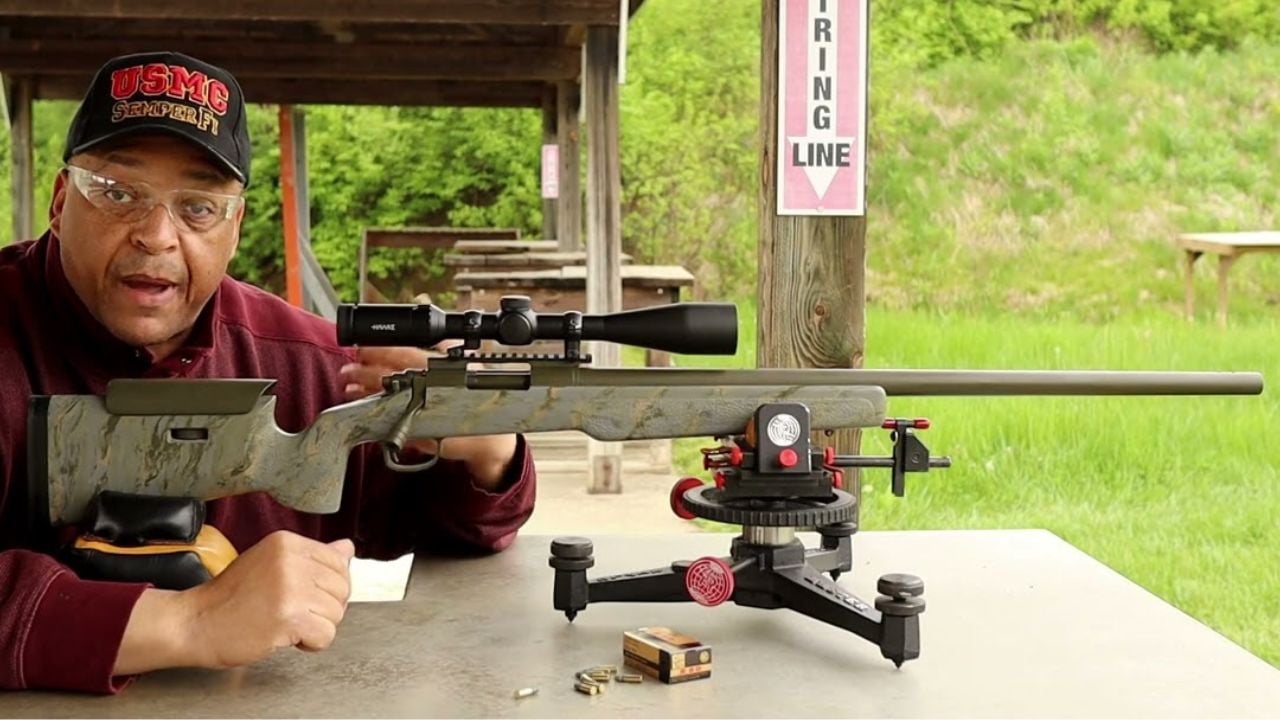
Remington 40X Rimfire
Dayattherange/YouTube
The 40X rimfire rifles were built around serious accuracy rather than mass-market appeal. Heavy barrels, carefully fitted actions, and excellent triggers made them fixtures in competition and training environments where ordinary sporting-rifle accuracy was not enough. A good example can still shoot at a level that embarrasses many much newer rifles, especially once you find the ammunition lot it prefers.
That is why I would keep one. Precision rifles become personal because every barrel has preferences and every trigger develops familiarity. Selling a proven 40X means giving up a known performer and hoping the replacement turns out just as good. That is not a gamble I would take for a little extra money.
Browning SA-22
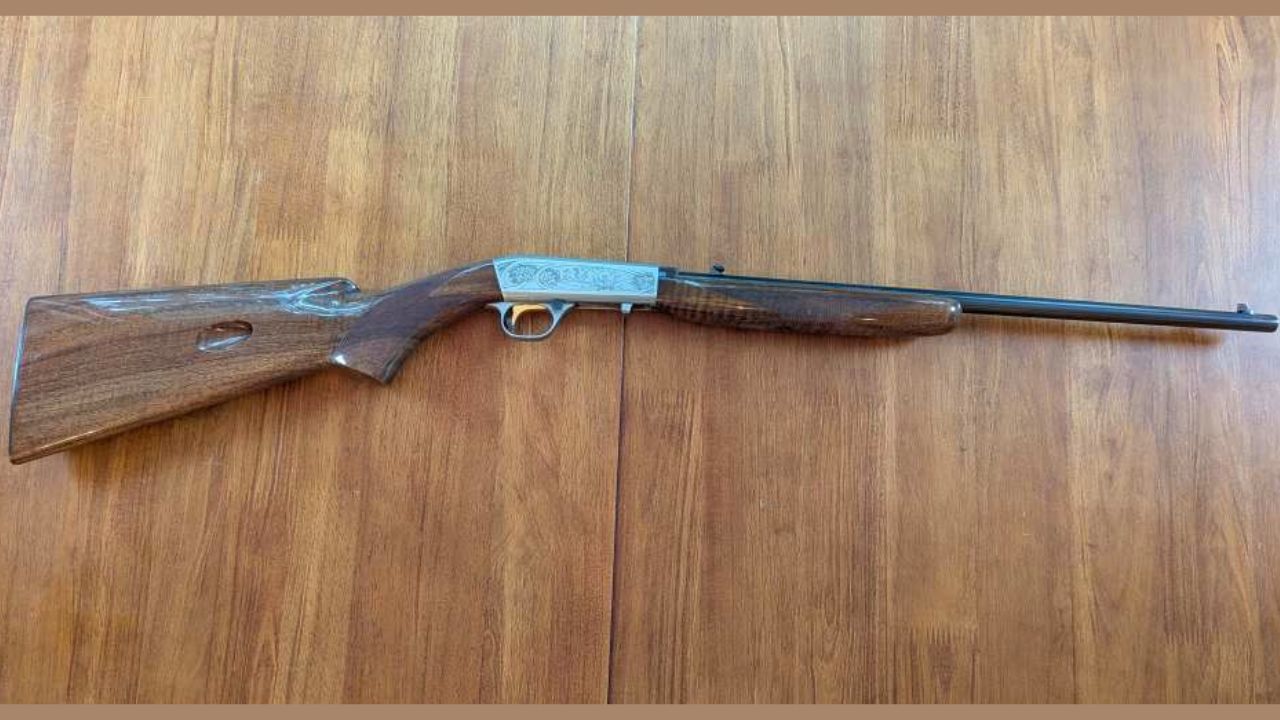
The SA-22 is one of the most elegant semiautomatic rimfire rifles ever built. The bottom-ejecting design keeps the receiver incredibly clean, the takedown system makes the rifle easy to transport, and the slim proportions give it a balance that modern polymer .22s rarely match. It is light enough for small-game hunting but refined enough that shooting one feels more deliberate than using an ordinary plinker.
I would keep one because there is almost nothing else like it. The rifle does not compete with the 10/22 on accessories or price. It wins by having its own personality. Once you own a well-made example that shoots straight, there is little reason to let it leave.
Weatherby Mark V Deluxe

The Mark V Deluxe represents a style of premium hunting rifle that has become much less common. The high-gloss walnut, deeply polished metal, distinctive stock shape, and strong multi-lug action make the rifle immediately recognizable. It is heavier and flashier than today’s mountain rifles, but it also feels like something built to be kept for decades rather than replaced every time a lighter stock material becomes fashionable.
I would refuse to sell one that had already been hunted with. Once a rifle like this accumulates seasons and memories, refinishing or replacing it would miss the point. The scratches become part of the reason it stays.
Ithaca Model 49 Saddlegun
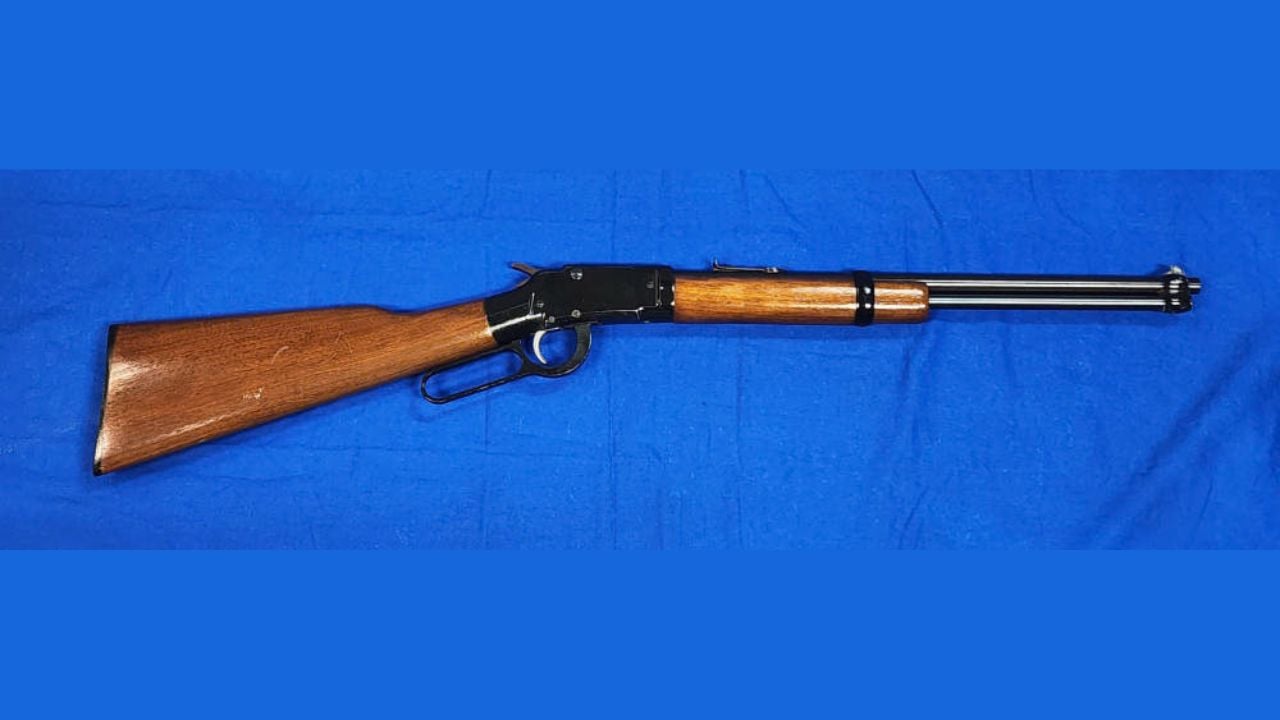
The Model 49 is not an expensive or technically extraordinary rifle, which is exactly why it can become difficult to replace emotionally. The single-shot .22 uses lever-action styling, making it a fun little rifle for beginners, casual plinking, and small-game use. It is light, uncomplicated, and tied to an era when inexpensive rimfires could still have plenty of personality.
A gun like this often becomes someone’s first rifle, a child’s training gun, or the firearm that gets pulled out whenever a new shooter visits. Once that happens, whatever somebody offers in cash stops mattering much. Its importance comes from use, not scarcity.
Mauser 66
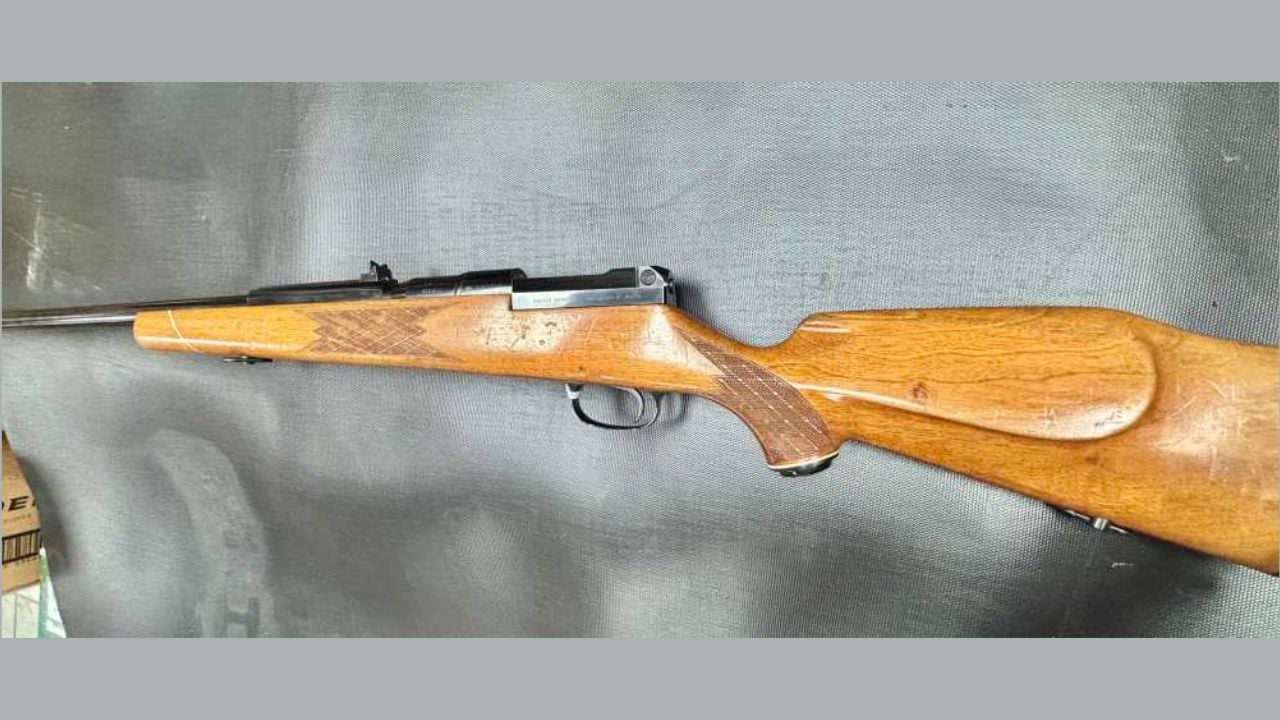
The Mauser 66 is one of the most mechanically interesting sporting rifles of its era. Its telescoping bolt system allowed a full-length barrel to fit into a surprisingly compact overall rifle, giving hunters a gun that was easier to carry without sacrificing useful barrel length. The engineering is unusual, the machining is excellent, and the rifle feels nothing like a conventional bolt action once you start working it.
I would keep one because it represents exactly the kind of ambitious mechanical solution manufacturers rarely attempt now. A modern rifle can be lighter and cheaper, but it will not duplicate the Mauser 66’s character. Selling one would mean giving up something genuinely different for money that could only buy something more ordinary.
Like The Avid Outdoorsman’s content? Subscribe to our newsletter so you never miss an article.
Here’s more from us: