Photo credit: Taran Tactical/YouTube
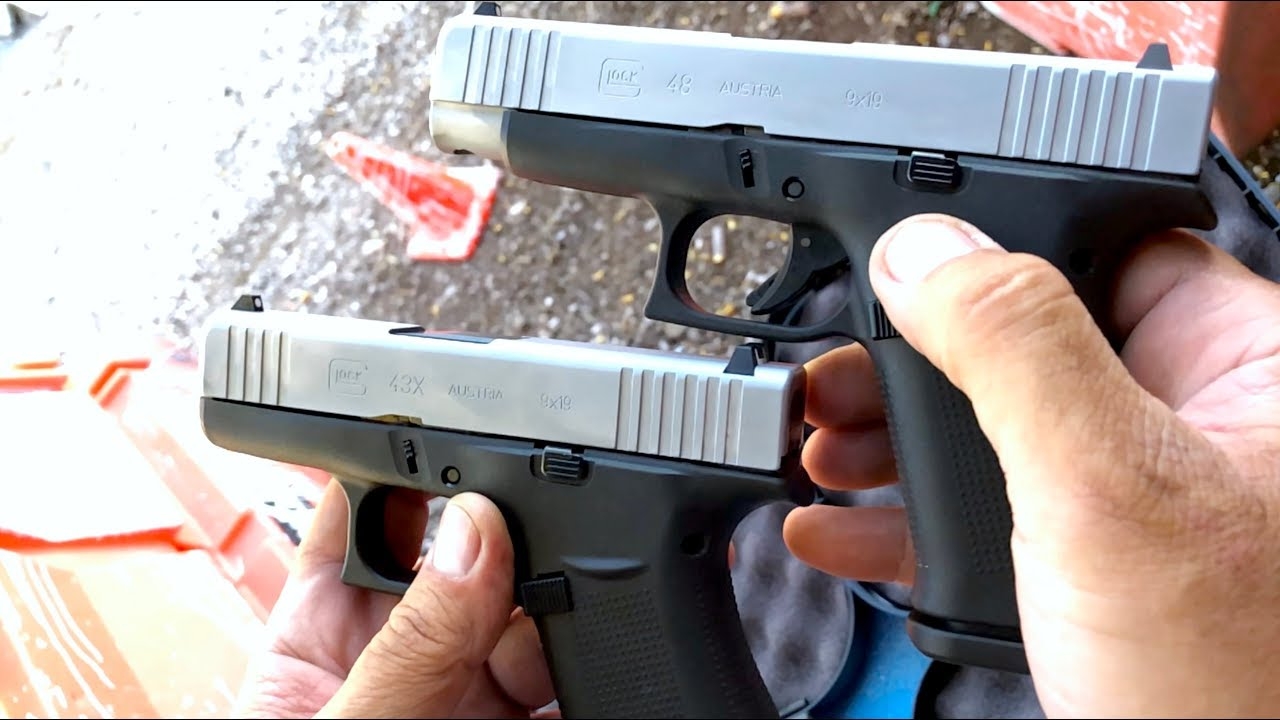
The Glock 43X is one of those pistols people want to love because the idea is perfect: slim, easy to conceal, decent capacity, familiar Glock controls. And for a lot of folks, it works fine. The problem is that “fine” starts feeling like compromise once you actually try to shoot it hard or shoot it cold. That’s where the Glock 48 quietly steps in as the fix nobody wants to admit they needed. It doesn’t feel like a totally different gun. It feels like the same concept, just finished. Same thin frame idea, but with enough slide length and balance to shoot like a real pistol instead of a tiny pistol trying to act grown.
People resist this because it’s annoying. They bought the 43X to be the answer. They wanted the smallest thing that still felt like a serious carry gun. Then they realize the 48 does the job better for them, and the only “upgrade” was a little more length. That’s not exciting. It’s humbling. But it’s also honest. The Glock 48 is the correction for the part of the 43X that feels like a compromise—especially when you’re not warmed up, not perfectly locked in, and not shooting slow.
The extra slide length fixes balance more than people expect
The Glock 48 doesn’t just add length for the sake of it. That extra slide length changes how the gun behaves in your hands. It gives you a little more weight out front, which helps with recoil control and muzzle tracking. The 43X can feel snappy and quick to rise, especially if your grip isn’t perfect or you’re shooting faster strings. The 48 tends to settle down more naturally. It returns to target cleaner. That means less effort from you to keep the gun flat.
This is one of those differences that sounds minor until you shoot both back to back. The 48 often feels smoother, not because it’s magically “better,” but because the geometry and timing are less demanding. With the 43X, the gun asks more from your grip and your timing. With the 48, it gives you a little more mechanical help. That’s what makes it feel like the fix.
Sight radius and “easy hits” matter more than internet debates
A longer slide gives you a longer sight radius with irons, and that helps more than people like admitting, especially at speed. Tiny sighting systems amplify small alignment errors. The 48 gives you a little more forgiveness. You don’t need to be as perfect to get the same hit. That forgiveness is a big deal when you’re cold, rushed, or distracted—aka the exact states you’re likely to be in if you ever need the gun for real.
A lot of shooters buy the 43X because it disappears, then they’re surprised when their groups open up and their speed drops when they’re not warmed up. They think they just need more reps. Sometimes they do. But sometimes the platform is just less forgiving. The 48 tightens that gap without forcing you to carry a thick double-stack. It gives you more shootability while staying slim, and that’s why people quietly migrate to it.
The 48 conceals almost the same for many body types
Here’s the part that surprises people: for many carriers, the difference in concealment between the 43X and 48 is smaller than expected. The grip length is the same, and grip length is what prints most often. The extra slide length usually hides inside the pants. In many carry positions, especially appendix, the 48 can actually conceal better because the longer slide helps anchor the gun and reduce grip tipping.
That means some people were chasing “smaller” when the part that prints wasn’t changing anyway. They kept the same grip length but accepted a snappier shooting gun in exchange for a tiny reduction in slide length that didn’t really matter. Once they realize that, the 48 starts looking like the obvious move. Same slim feel, similar concealment, but less compromise when you shoot it.
The 48 is often easier to run well under stress
Stress makes everything worse: grip, trigger control, vision, decision-making. Smaller guns are less forgiving under stress because they respond more aggressively to imperfect inputs. The 48 gives you slightly more stability and slightly more margin. That shows up in better first shots, better follow-up shots, and fewer “why am I shooting like trash today?” days.
This doesn’t mean the 43X can’t be run well. It can. Plenty of shooters do. But when someone is honest about their training volume, their hand strength, and how often they shoot cold, the 48 often gives them better real-world performance with less effort. That’s the uncomfortable truth behind why it’s the fix nobody wants to admit.
People avoid admitting it because it feels like buying the same gun twice
There’s also ego involved. Switching from a 43X to a 48 feels like admitting you made the wrong choice, even if you didn’t. You made the choice that fit what you thought you needed at the time. Then you learned something. That’s normal. But gun culture loves to act like the first buy should be perfect, and if you switch, it means you were fooled. That’s not how experience works.
The 48 isn’t a flashy upgrade. It’s a correction toward shootability while staying in the slimline world. People hate that answer because it means the “perfect” tiny carry gun often isn’t actually perfect for them. The 48 is what happens when you accept that the gun you shoot well matters more than the gun that looks best on a spec sheet.
Like The Avid Outdoorsman’s content? Subscribe to our newsletter so you never miss an article.
Here’s more from us: