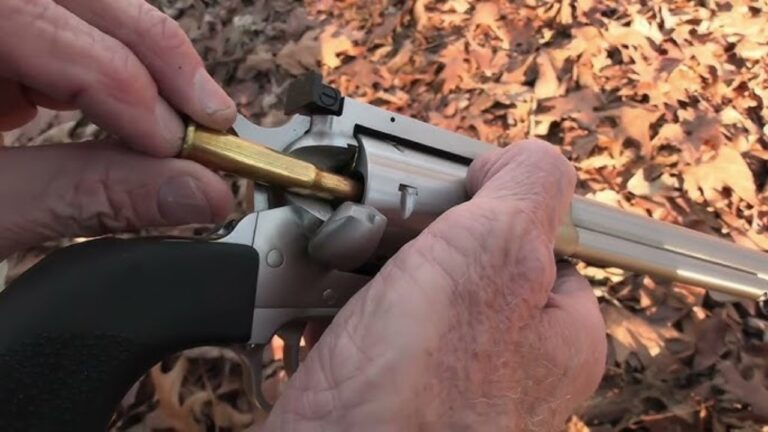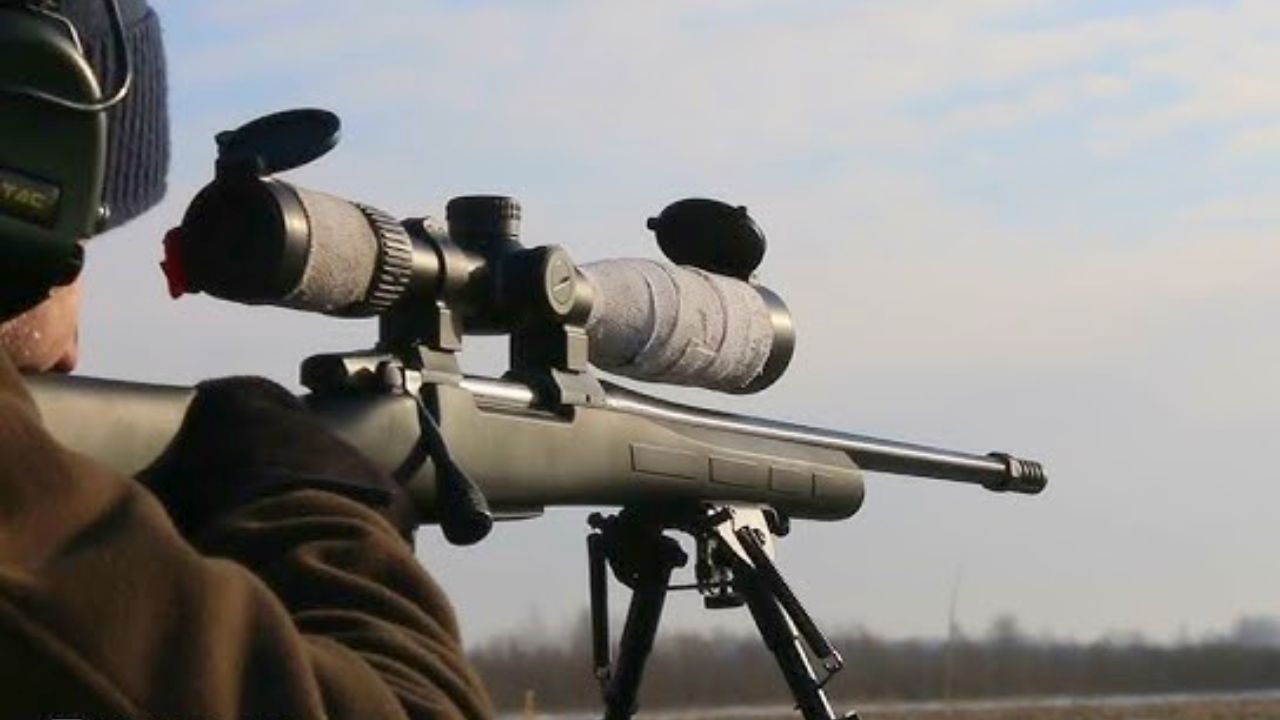
Photo credit: czusafirearms/YouTube
You’ve seen them—those rifles that pop up in ads, draped across a rock with the sun hitting just right. The stock shines, the metal gleams, and the guy holding it looks like he knows something you don’t. But when you dig into the spec sheet or actually shoot one, you’re left wondering how that good-looking rifle fell apart in the details. A lot of rifles are built to catch eyes at the gun counter, not to hold tight groups or survive hard use. Some overpromise and under-deliver, others are chasing trends that don’t translate to real-world performance. Whether it’s weight, accuracy, or just poor parts decisions hiding under a nice finish, these rifles fool plenty of folks—until they hit the range or the field. If you’ve ever bought a rifle that photographed well and shot poorly, you’re not alone. Here are the ones that fit the bill.
Remington 770

At first glance, the Remington 770 looks like a budget-friendly hunting rifle with all the right parts—synthetic stock, factory scope, and a name with heritage. But take it past the catalog and you’ll run into issues fast. The action feels rough, the bolt is sticky, and the scope that comes mounted isn’t worth sighting in. You might get it to hold zero, but not for long.
What kills it for most folks is the inconsistency. Accuracy varies wildly rifle to rifle. The magazine fit is sloppy, and the plastic feels like it’ll crack if you sneeze near it. It’s marketed toward new hunters on a budget, and that’s fine, but the 770 was a step back from the older 710 it replaced. It might look decent slung over a shoulder in the woods, but that doesn’t mean it’s going to group worth a damn once you hit the bench.
Mossberg MVP Predator (First Gen)
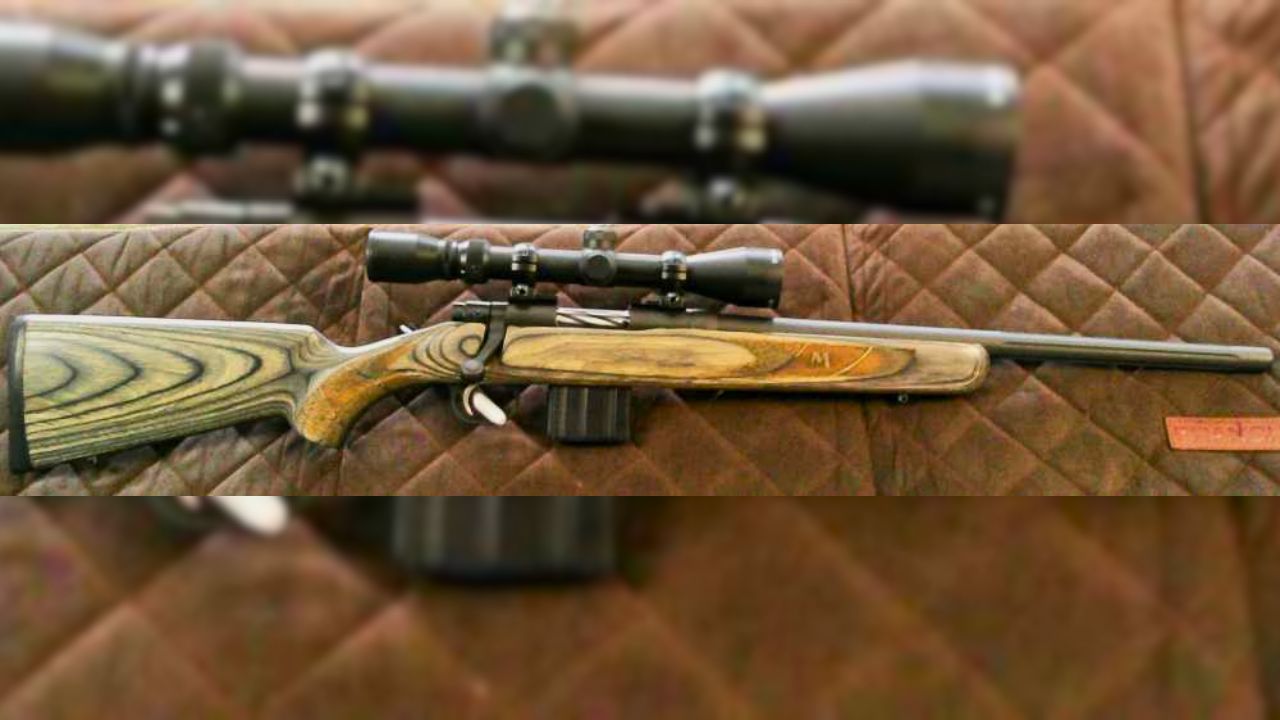
The first-generation Mossberg MVP Predator turned heads when it launched. The fluted barrel, laminated stock, and AR-mag compatibility had folks excited. It photographed like a high-end precision rifle at half the price. But on paper—and eventually in practice—it didn’t quite add up. Feeding .223 from AR mags in a bolt-action setup brought more problems than perks.
Accuracy wasn’t terrible, but consistency was. Magazines seated inconsistently, bolt throw was awkward, and early models had extraction problems that turned range trips into troubleshooting sessions. The concept looked sharp in catalogs, especially with that tactical-leaning aesthetic. But once you ran a few boxes through it, the shortcomings started to show. Mossberg’s later versions improved, but the early MVP Predator was a textbook case of good looks masking real flaws.
Browning X-Bolt Hell’s Canyon Speed
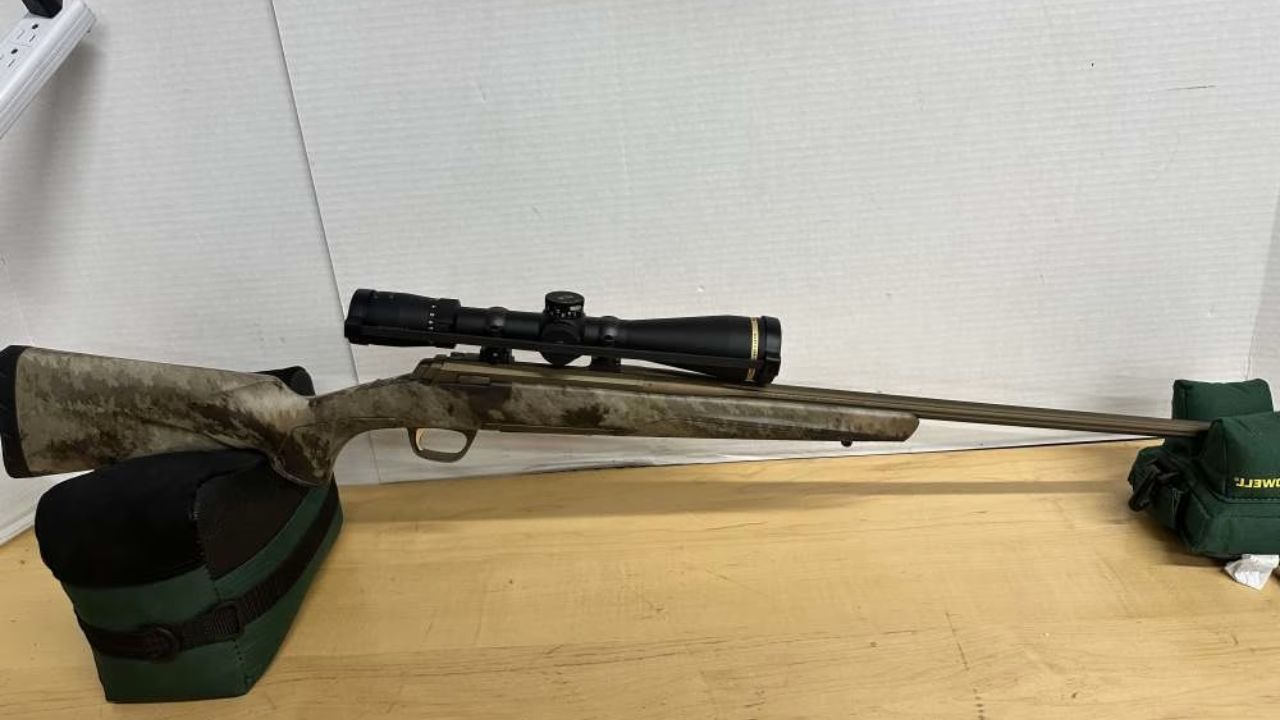
You see the bronze Cerakote, the carbon fiber-style stock, and the fluted barrel and think: “That’s a serious backcountry rifle.” And it is—if you’re talking photoshoots, not packing miles into elk country. The Browning X-Bolt Hell’s Canyon Speed looks dialed in for the serious hunter, but it brings more flash than function in some real-world scenarios.
The trigger is crisp, and it can shoot well, but the stock often feels too light and hollow for a magnum rifle. Recoil gets sharp in heavier calibers, and it doesn’t always hold up to rough conditions. There’s also a reputation for point-of-impact shifts with certain scope and ring setups. It’s not a bad rifle—but the price tag and styling suggest it’s the ultimate mountain rig. Once you’ve carried it all day and seen how finicky it can be with load selection, the shine starts to wear off.
Savage Impulse Big Game
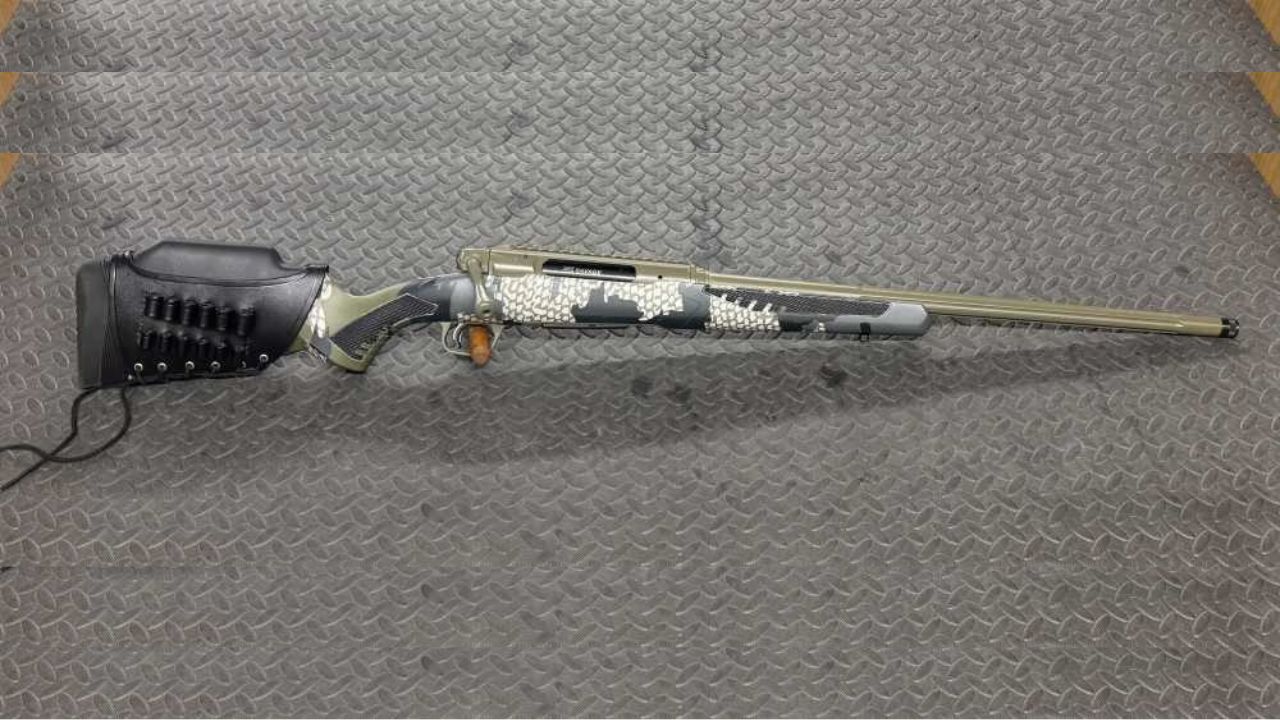
The straight-pull action on the Savage Impulse Big Game grabs your attention right away. Paired with a camo stock and Cerakoted barrel, it looks like a rifle from the future, ready for any hunt. But start digging into the weight, mechanics, and field experience, and the performance doesn’t always back up the hype.
The rifle is heavy—like way heavier than most want to lug around all day. The straight-pull design sounds faster in theory, but in practice, it’s not all that smooth or intuitive for most shooters. There have also been mixed reports about reliability in extreme weather. It photographs beautifully, and Savage gets points for trying something different, but this one feels like it was designed more for headlines than hard hunts. If you’re shooting off a bench, it might be fine—but don’t expect it to carry or cycle like a traditional bolt gun.
Kimber Hunter

The Kimber Hunter looks clean and classic. It’s lightweight, has a nice finish, and the walnut-patterned synthetic stock turns heads. But once you start putting rounds through it, things get complicated. The trigger is decent, and it’s not bad for carrying long distances—but the feeding issues and occasional fitment problems bring frustration fast.
Many shooters report problems with rounds hanging up on the feed ramp or failure to extract cleanly. And while Kimber’s bolt actions usually have good accuracy, the Hunter tends to be picky with ammo. The rifle was clearly aimed at the lightweight hunting crowd, and the visuals make it seem like a premium option. But the inconsistent performance and reliability issues make it one of those rifles that looks better leaning against a tree than shooting offhand at 200 yards.
Thompson/Center Compass
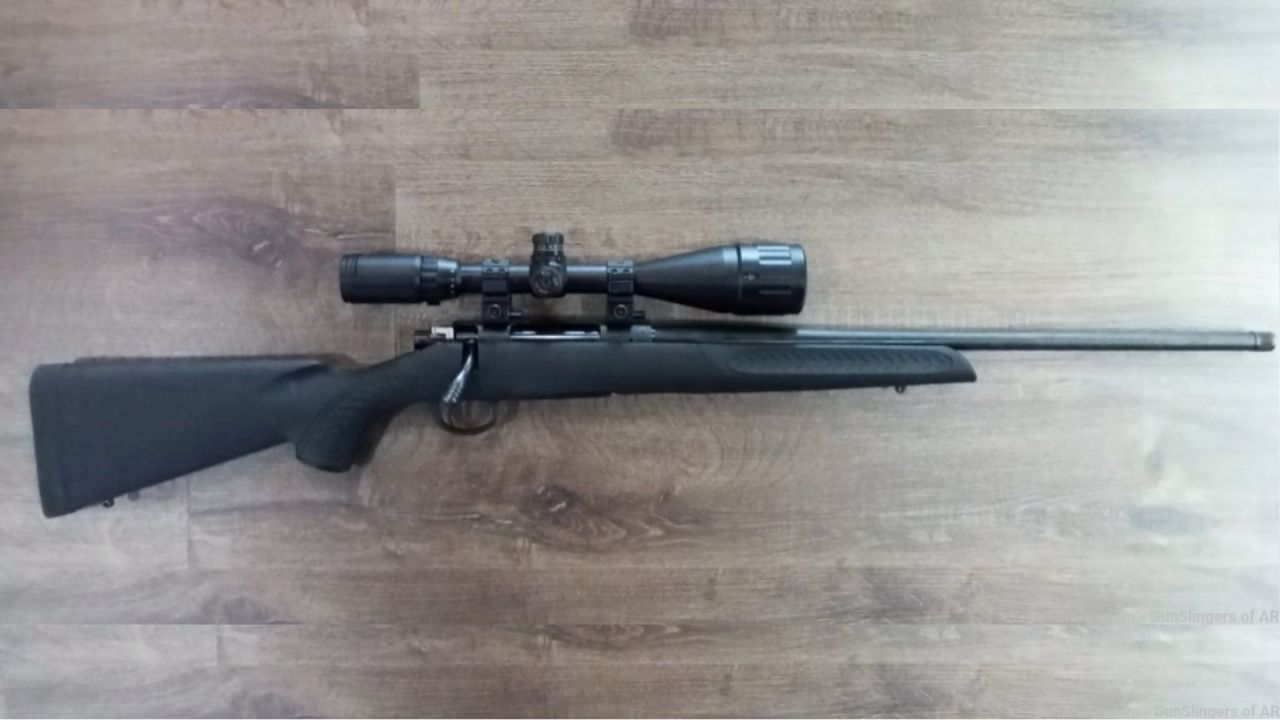
The Compass from T/C is another one of those rifles that seems like a solid deal on the shelf. Threaded muzzle, three-position safety, scope-ready—all in a sub-$400 package. It looks like it punches way above its weight. But accuracy isn’t as consistent as it should be, and the stock feels like molded plastic from a big-box toy section.
The Compass suffers from a mushy trigger, weak bolt lift, and questionable durability in harsh weather. Some folks get lucky and find a tack driver, but others end up chasing zero every other outing. It’s one of those rifles that looks fine in marketing shots, maybe even decent on social media—but once you try to stretch it past 100 yards or use it hard in the field, you’ll feel where the corners were cut.
Weatherby Vanguard Synthetic Compact

This one markets itself well with a recognizable brand and a look that screams practical precision. But the Vanguard Synthetic Compact has never really held up to the image. Sure, the barrel is cold-hammer forged, and the action is smooth. But when you put the short length of pull, clunky plastic stock, and odd balance together, it doesn’t shoot or carry as well as it looks.
The trigger isn’t bad, but the rifle’s ergonomics often feel off—especially for adult shooters. It’s meant as a compact option for smaller-framed folks or youth, but it’s often sold to people thinking they’re getting a lightweight truck gun. The accuracy potential is there, but everything else feels a bit awkward. It looks handy in the product images, but in actual use, the rifle feels like an in-between that never really fits right.
Winchester XPR Renegade Long Range

When the XPR Renegade Long Range first dropped, folks noticed. The paint job, the heavy barrel, and the tactical-style stock made it look like a budget PRS rig. On the shelf, it seemed like a steal. But when shooters started putting rounds downrange, they found it was heavier than expected and not always as consistent as its long-range styling suggested.
The stock looks great but feels bulky, and the action isn’t as smooth as it should be for repeatable precision. The trigger is serviceable, but many users end up swapping it out. Accuracy isn’t terrible, but it’s not on par with other rifles in its class. If you’re buying it based on how it looks leaning against a bench rest, you might be disappointed when groups start opening up under wind or heat. It photographs well, but that doesn’t fix the feel.
CZ 557 Sporter
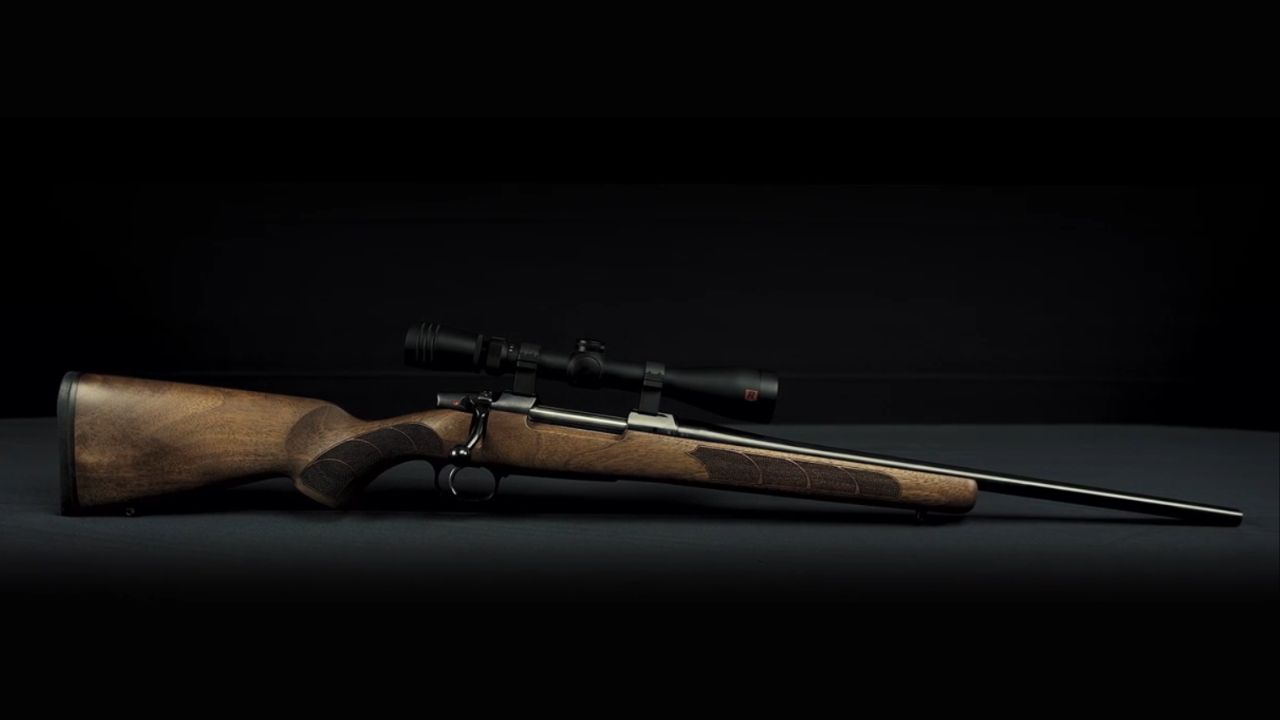
The CZ 557 Sporter checks a lot of boxes at first glance—blued steel, walnut stock, and the CZ name. You’d think you’re getting old-world craftsmanship with modern accuracy. And in the right conditions, you might. But it’s not always as refined as it appears. Fit and finish can be inconsistent, and the factory bedding leaves some shooters chasing groups.
The stock design also doesn’t fit every shooter well, and the action can feel stiff when new. CZ moved away from this model in favor of their newer 600 line, and for good reason. While it’s a handsome rifle in photos, especially for those drawn to classic looks, the actual performance often feels like a compromise. If you want it for the wall or to shoot once a year, sure. But if you’re expecting a shooter, the 557 Sporter might not be the workhorse you hoped for.
Nosler M48 Liberty
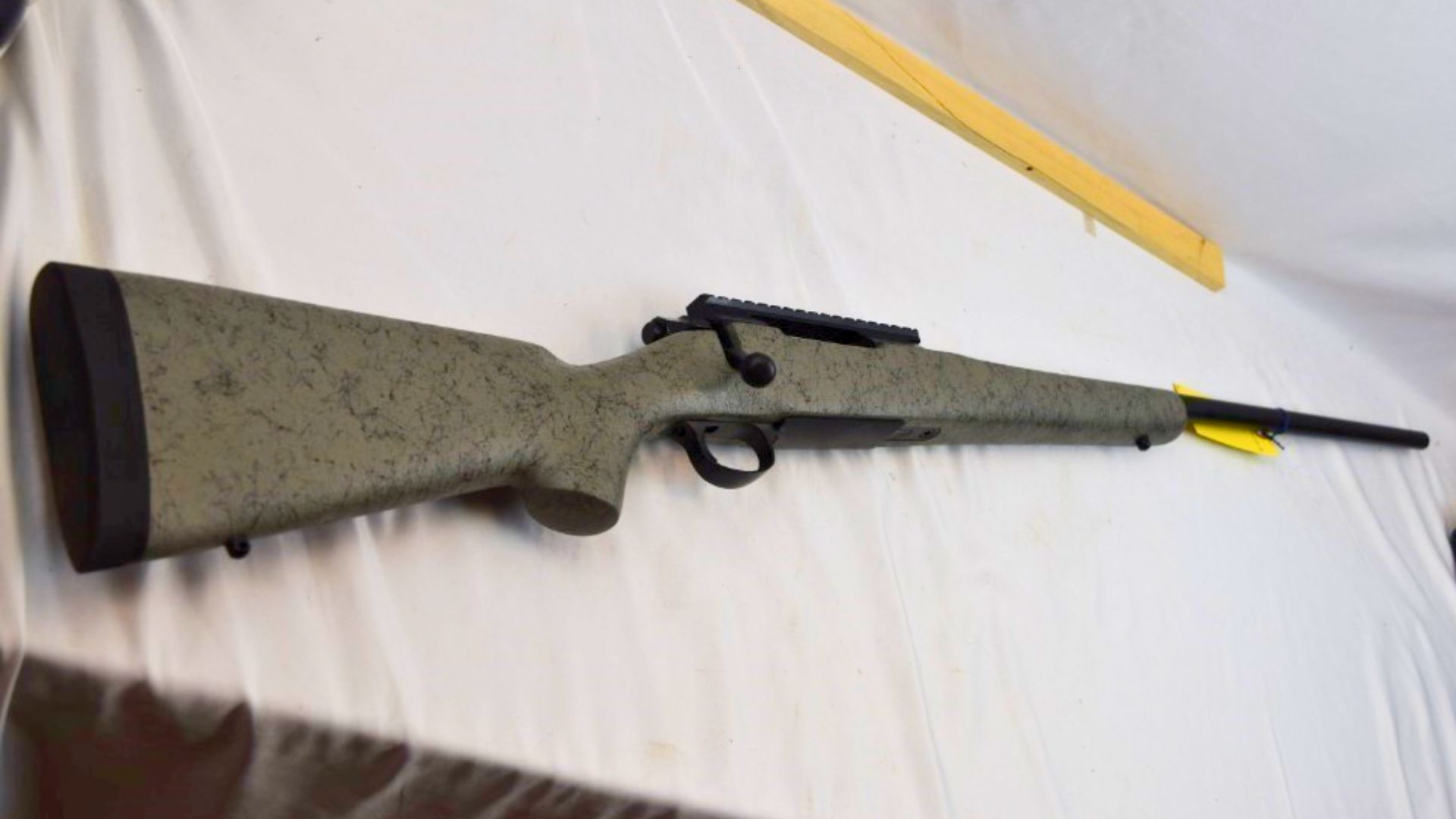
The Nosler M48 Liberty is one of those rifles that looks high-end from the jump. Textured stock, Cerakote finish, and a custom-action feel—it’s ready for the spotlight. But performance hasn’t always lived up to the premium price tag. Some rifles group well, but others turn in results no better than guns half the cost.
The weight and balance feel a bit off, and the stock—while rugged-looking—can feel bulky in hand. Feeding issues have also been reported, especially with certain calibers. Nosler tried to step into the semi-custom rifle world with this one, and it definitely photographs like it belongs there. But if you actually run one in the field or on a backcountry hunt, you might come away wondering where the money went. It’s a rifle that sells with its looks first and proves itself later—if at all.
Like The Avid Outdoorsman’s content? Be sure to follow us.
Here’s more from us:
The worst deer rifles money can buy
Sidearms That Belong in the Safe — Not Your Belt
*This article was developed with AI-powered tools and has been carefully reviewed by our editors.