Photo credit: The Arkansas Gun Guy/Youtube
Walk through any custom pistol shop and you’ll notice a pattern. Builders aren’t “starting from scratch” as often as people think. They’re starting with a factory gun that already gets a lot right, then immediately replacing the one part the factory can’t seem to leave perfect: the trigger group, the sights, the extractor, the barrel fit, the grip module, the safety geometry, the feed ramp, the firing pin stop, or the way the gun interfaces with the shooter’s hands.
None of this means the factory pistol is bad. It means it’s built to a price point, built for liability, and built for the average user. Custom work is what happens when a shooter is not average about one very specific thing. Here are 20 pistols that builders love as foundations because there’s always one part that begs to be swapped, tuned, or flat-out rethought.
1. Glock 19
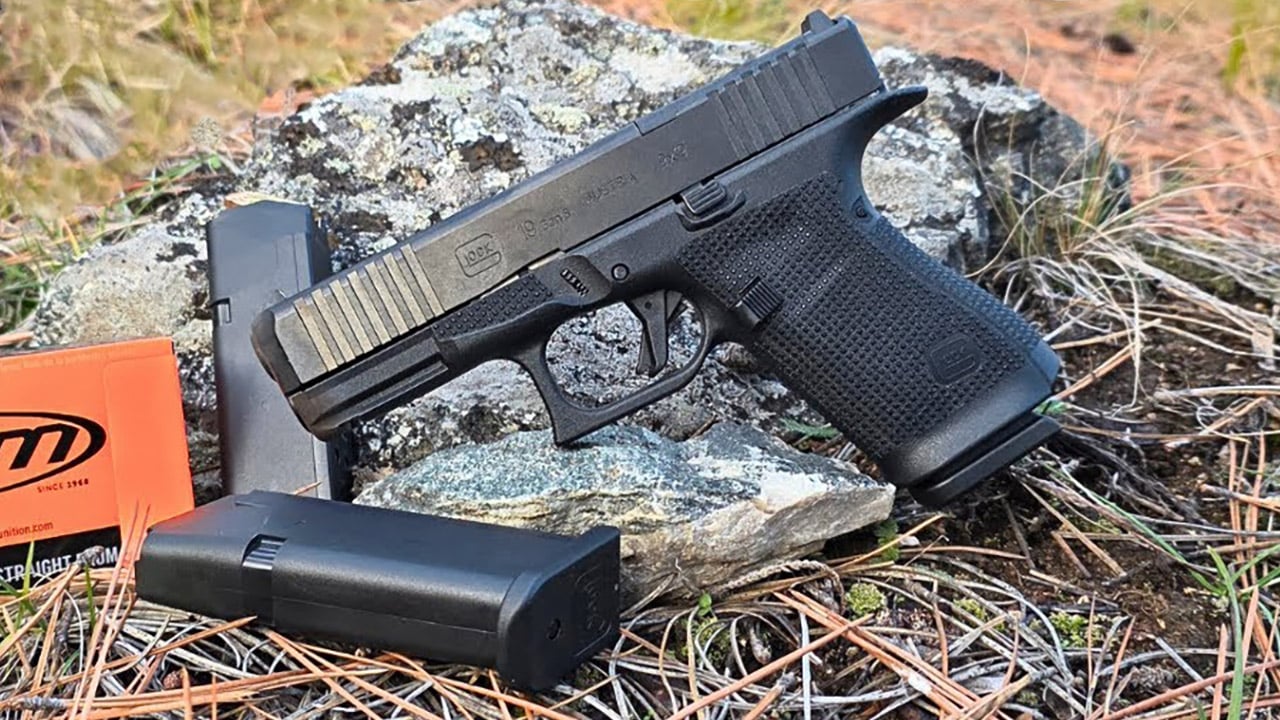
The Glock 19 is the working man’s blank canvas, and it’s not because it’s pretty. It’s because it runs, mags are everywhere, parts are everywhere, and the dimensions make sense for carry and training. The part that always gets attention is the trigger feel and the whole “interface” around it—connector choices, shoe shape, the wall, and the reset. Factory Glock triggers are consistent, but they’re rarely what you’d call pleasant.
Builders also end up addressing the sights immediately. Those plastic factory sights might be fine for a box-checking range trip, but hard use, holster wear, and one-handed manipulation expose them quick. Once you do sights and a trigger cleanup, the rest of the pistol starts making more sense, and now you understand why shops keep Glock frames in the drawer like spare truck parts.
2. SIG Sauer P320
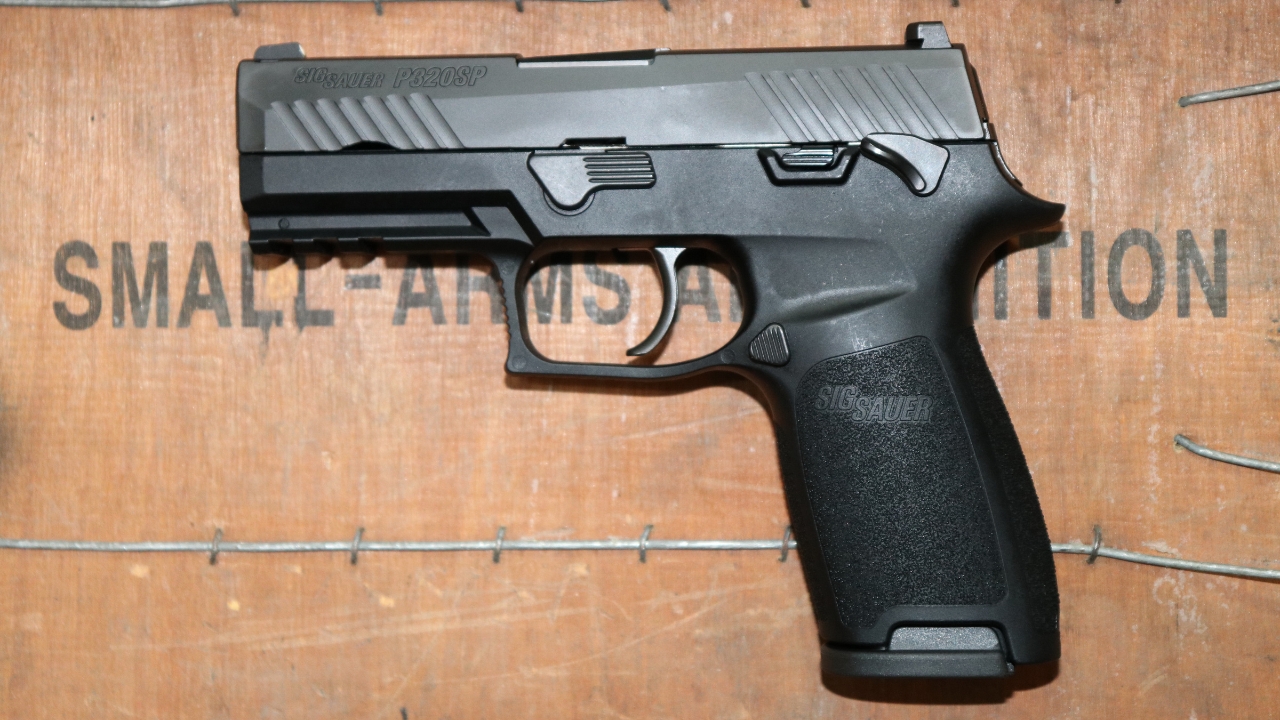
The P320 is a modular system wearing a pistol’s clothes, and custom builders love systems. The part that “can’t be left alone” is usually the grip module and how the gun points for the individual shooter. Factory modules fit a lot of hands okay, but “okay” is not what people pay a builder for. A good module job changes the whole gun—purchase, recoil control, and consistency on fast strings.
Triggers get attention too, especially for folks who want a cleaner break without sacrificing reliability. And because the fire control unit can move between modules, shooters end up with a “one FCU, multiple jobs” setup: carry, range, and competition. That’s catnip for the guy who wants one serial number and three personalities.
3. Smith & Wesson M&P9 (M2.0)
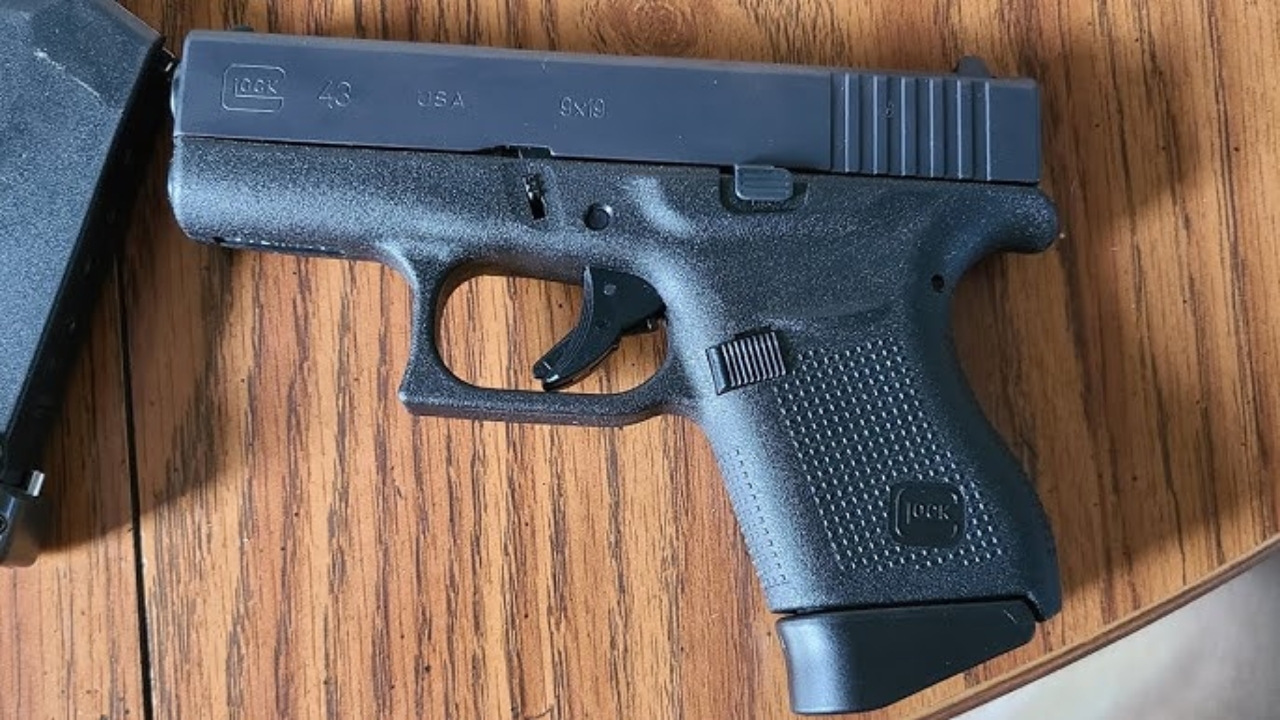
The M&P9 has come a long way, but builders still circle back to the trigger. The hinge-style trigger and the feel through the wall are what many shooters want changed first. Even when the later guns are improved, the aftermarket exists for a reason, and builders know exactly how to make an M&P break cleaner while keeping the gun duty-reliable.
Ergonomics are another big one. The M2.0 texture is grippy, which is great—until it isn’t. For concealed carry, that “cheese grater” can rub you raw through a thin shirt. Custom shops will knock the texture down in the right places, add a clean undercut, and sometimes reshape the backstrap area so the pistol tracks flatter without beating your hands up after 300 rounds.
4. CZ 75 SP-01

The SP-01 is heavy, steady, and accurate, and it points like it wants to win. The part that gets worked is the entire trigger system—double-action smoothness, single-action break, reset length, and the small geometry details that make a CZ go from “nice” to “wow.” Out of the box, they can be good. With time and the right parts, they can be ridiculously good.
Builders also pay attention to sights and the way the slide rides inside the frame. CZs feel slick for a reason, but that also means less slide to grab. A shop will often add improved serrations, tune the action, and set the gun up so you can run it hard in the cold or wet without fumbling. For a range-heavy guy who still wants a nightstand gun, it’s a strong base.
5. CZ P-10 C
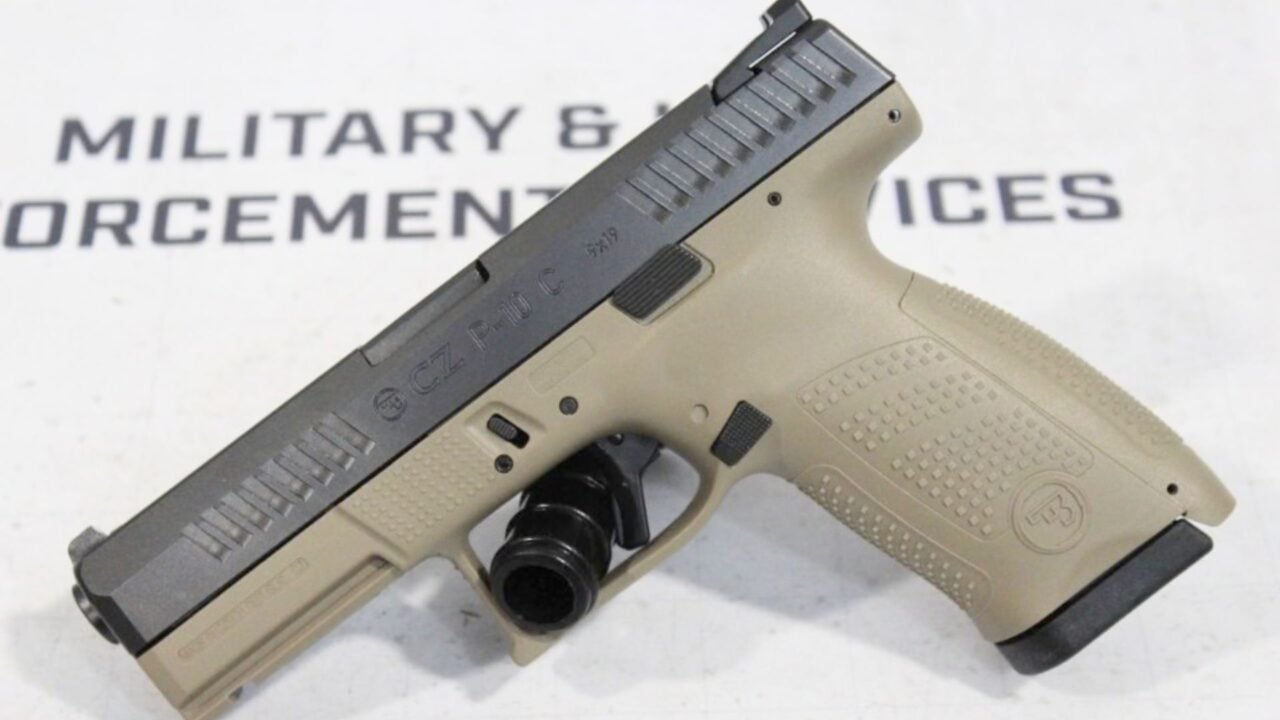
The P-10 C is CZ’s striker gun that showed up ready to fight. It has a solid grip and good accuracy, but builders still chase two things: the trigger feel and the slide manipulation. The factory trigger can be good, but it varies, and a custom shop can make it more consistent and predictable without turning it into a “competition-only” setup.
The other part is the sights and optic setup. The P-10 platform has enough fans that plenty of shooters want it cut for a red dot and set up with irons that actually co-witness correctly. If you’ve ever tried to make a “close enough” sight picture work at speed, you know why builders keep a steady flow of these in the door.
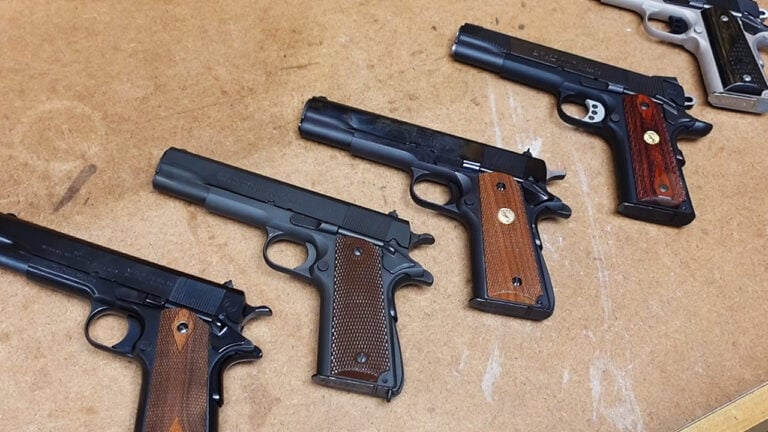
6. 1911 Government Model (Colt Series 70 pattern)
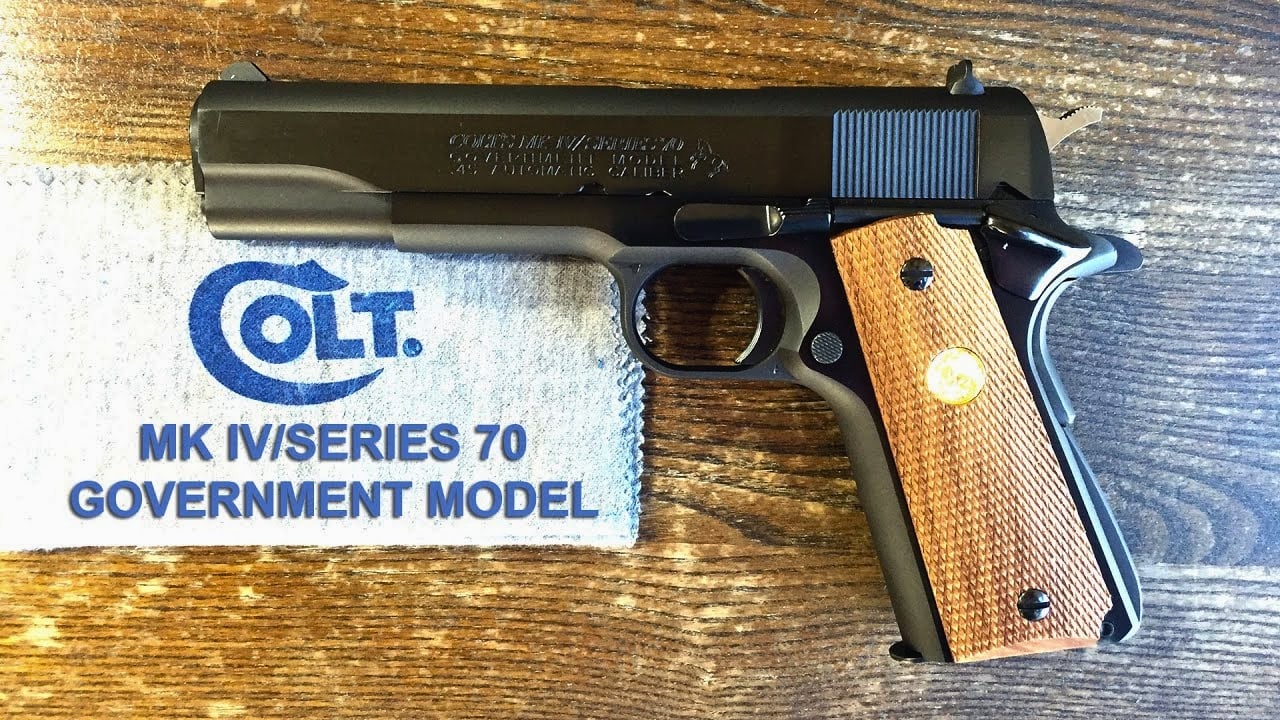
A classic Government Model is the definition of “one part can’t be left alone,” except it’s really several parts that all talk to each other. The big one builders chase is the trigger system and how it interacts with the sear, hammer hooks, and disconnector. A factory 1911 can have a decent trigger, but a truly clean 1911 trigger is a fit-and-finish job, not a marketing claim.
Then there’s reliability tuning. Feed ramp geometry, extractor tension, ejector length, and magazine choice all matter more than most folks want to admit. When it’s right, a 1911 feels like it’s on ball bearings and shoots like it’s cheating. When it’s not, you’ll spend more time diagnosing than shooting. Custom builders keep the good ones running and make the okay ones behave.
7. 2011 Pattern (STI/Staccato P)
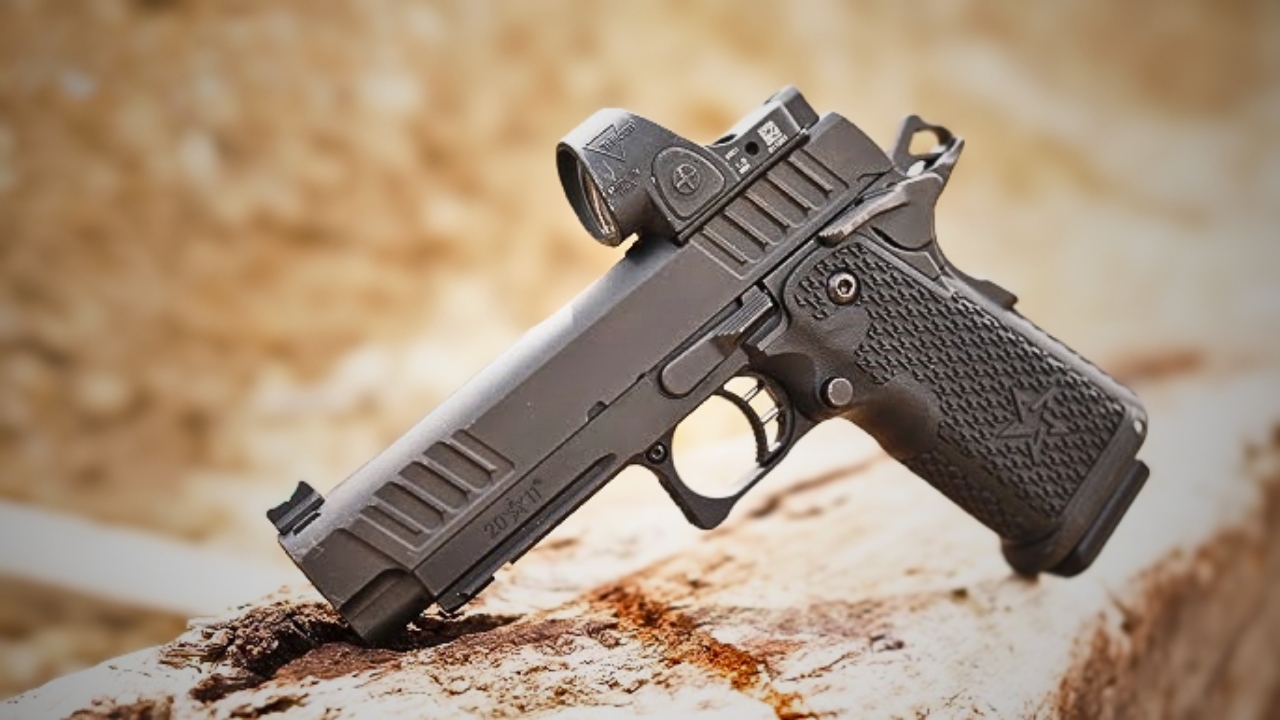
The Staccato P is already a premium pistol, and that’s exactly why it ends up on benches. When a shooter spends that kind of money, they get picky. The part custom builders often refine is the trigger feel and the grip interface—especially the texture and how it locks into the hand during fast recoil cycles. A 2011 trigger can be great, but many want it tailored to their exact pressure and reset preference.
Optic mounting and sight height are another common “make it right” job. Duty-style 2011s live hard lives in holsters, and a secure, properly fitted optic system matters. Builders also keep an eye on magazine tuning because double-stack 1911 mags are their own animal. When a 2011 runs, it’s hard to go back, but it’s not a platform you leave totally untouched if you’re serious.
8. Beretta 92FS/M9

The Beretta 92 is smooth, reliable, and soft-shooting, but the factory slide-mounted safety/decocker is the part many shooters can’t stand. Builders constantly convert, modify, or optimize that control setup so it doesn’t get accidentally engaged during manipulations. If you’ve ever racked a 92 aggressively and found the safety on, you understand the frustration.
Trigger work is also common. Berettas respond well to spring tuning and action polishing, turning a serviceable DA/SA pull into something you can actually run fast. The 92’s wide grip doesn’t fit everybody, so grip panels, checkering choices, and reach adjustments are a real thing. A tuned 92 feels like an old pickup that’s been maintained by one careful owner for 200,000 miles.
9. SIG Sauer P226
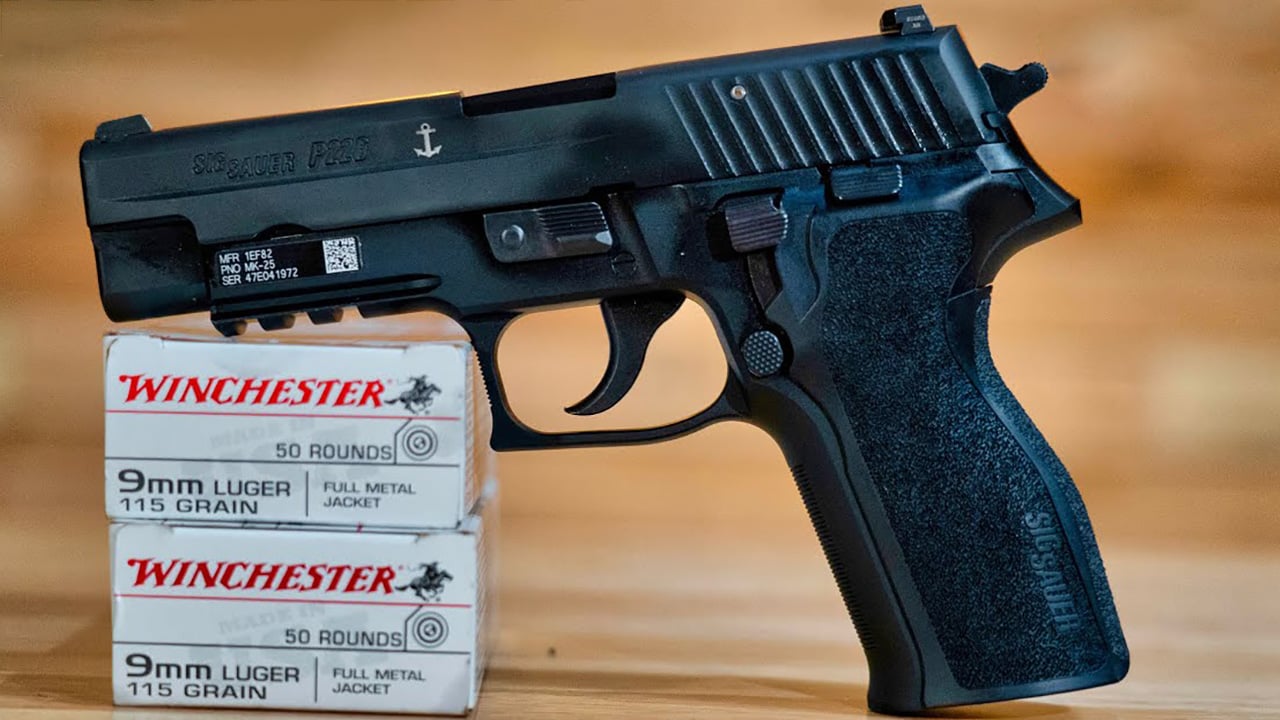
The P226 has a reputation for durability, and it earns it. But the part builders end up improving most often is the trigger system, especially in DA/SA. Factory pulls range from “fine” to “I guess I’ll manage,” and smoothing the double-action while keeping safe engagement surfaces is where good shops shine.
Sights and grip shape come next. The P226 can carry, but it’s not small, and the way it rides against your side matters. Thin grips, better checkering, and updated sights can make a P226 feel less like a duty brick and more like a refined working gun. If you want a metal-frame pistol that will outlast you and you don’t mind the weight, the P226 is a smart platform to tune instead of replace.
10. Heckler & Koch VP9

The VP9 is known for being ergonomic, but custom work still shows up around the trigger and the sights/optic setup. The factory trigger is decent, yet many shooters want a more defined wall and a crisper break, especially if they run a lot of drills where trigger press consistency matters more than slow-fire groups.
Another “can’t leave it alone” detail is the sight picture. VP9 owners tend to be serious shooters, and serious shooters want a dot. A proper optic cut and the right iron height turns the VP9 into a very modern carry or duty option. Builders also address the paddle vs. button magazine release preference by tailoring controls and training setup, because that feature is either something you love or something you fight.
Free for gun owners: If something happened to you tomorrow, would your family know where the guns are, who has the safe combination, or what to do first? Our free Gun Owner’s Family Checklist walks them through it. It takes about 15 minutes to fill out. Get your free copy here.
11. HK P30
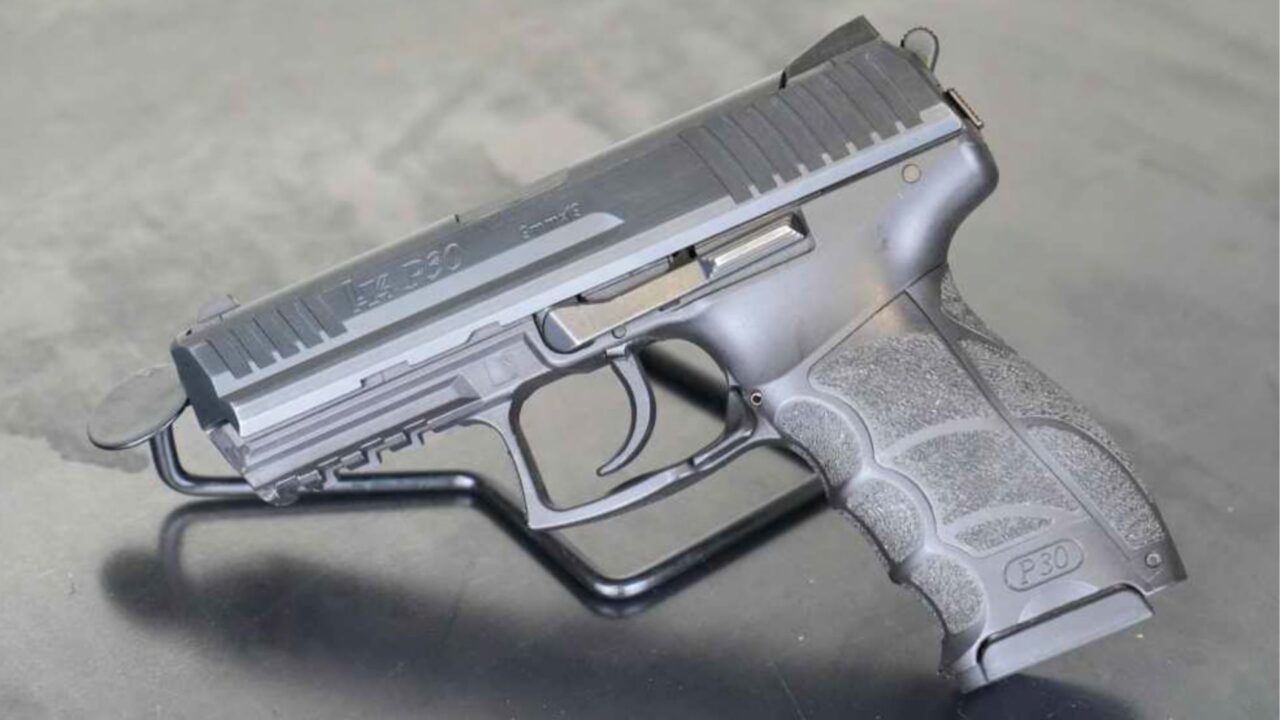
The P30 is one of the best-feeling pistols in the hand, but the stock trigger—especially on certain variants—has been the complaint since day one. Builders don’t usually pick it because it’s easy; they pick it because it’s worth it. The part that gets worked is the trigger system to reduce stacking, smooth out the pull, and make the reset more usable.
There’s also the carry reality: the P30 is not tiny, and the controls are prominent. A shop will often help a shooter set it up with sights that match their eyes and holsters that actually work with the gun’s shape. The P30 is the kind of pistol that becomes “your pistol” once it’s tuned. Stock, it’s a great tool. Customized, it stops feeling like you’re compromising.
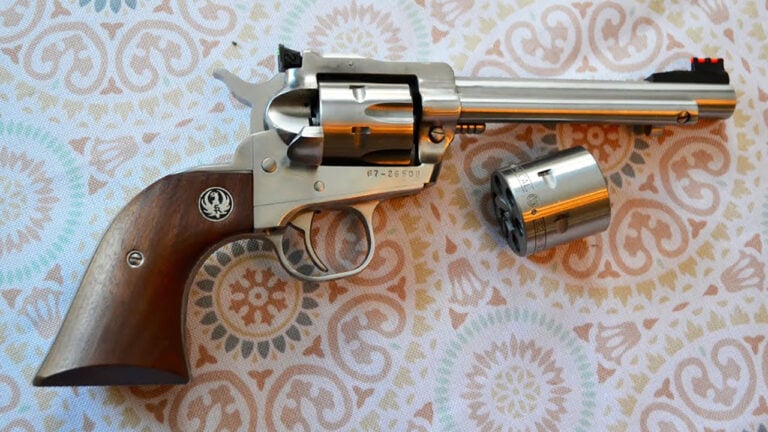
12. Ruger Mark IV
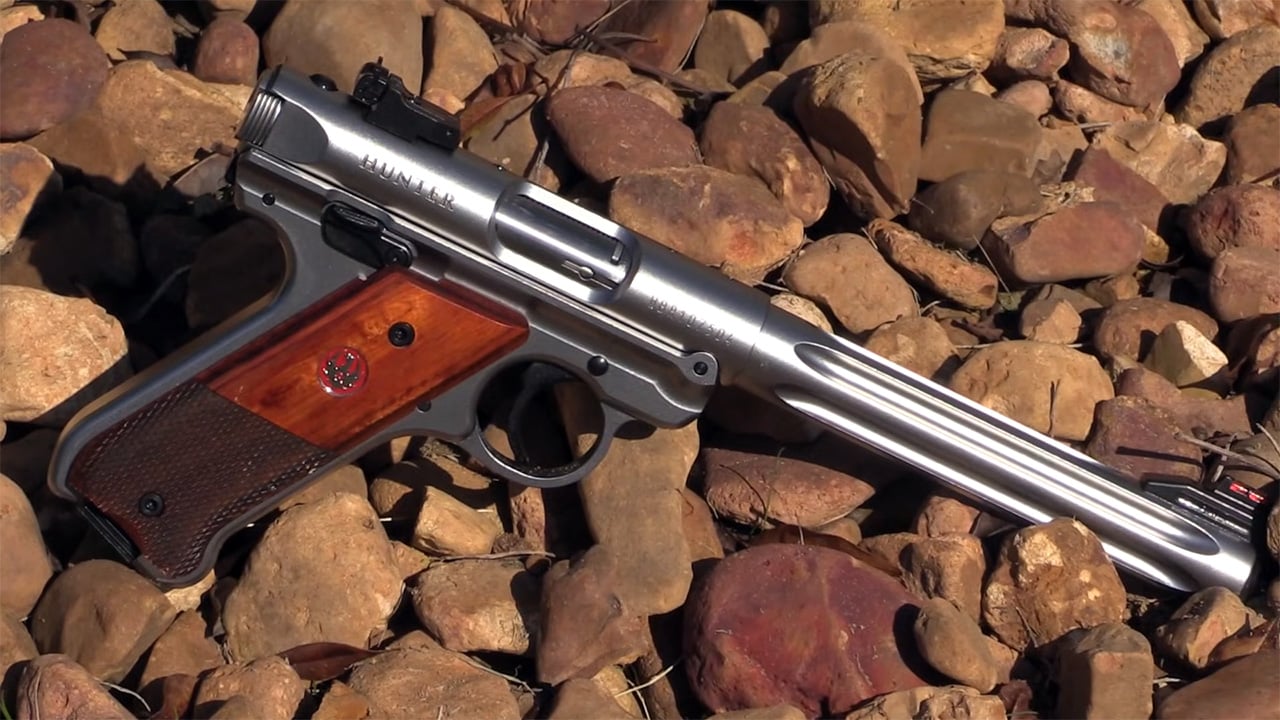
The Mark IV is already a rimfire homerun because of the takedown, but builders still go straight for the trigger and the sights. The factory trigger is fine for plinking, yet anyone using it for serious practice—cheap reps, small-game carry, or competition—wants a cleaner break and less creep. Rimfire shows your bad habits fast, so a mushy trigger gets old quick.
Barrel and optic setups are the other constant. Folks want threaded barrels for suppressors where legal, or they want a lightweight upper that balances better for long sessions. The Mark IV is one of those guns that can live on the range bench, in a trapping shed, or in a pack on a farm. Once you improve the trigger and sighting system, it becomes the pistol you shoot the most, not the one you “also own.”
13. Browning Hi-Power

The Hi-Power is classy, points naturally, and carries flatter than you’d think for a “full-size” gun. The part that always gets yanked is the magazine disconnect. Many shooters hate the way it affects trigger feel, and builders often get requests to clean up that whole system. I’m not telling anyone what to do to their gun, but I will say this: the Hi-Power’s trigger can go from gritty to excellent with the right attention.
Sights are another weak point on many older examples. Tiny factory sights belong to a different era, and a modern sight picture matters if you actually plan to carry and shoot it. The Hi-Power also benefits from thoughtful reliability work—extractor health, springs, and feed geometry—especially if you’re running modern defensive ammo. It’s a heritage pistol that can still be a real tool if you set it up right.
14. Springfield Armory XD-M Elite
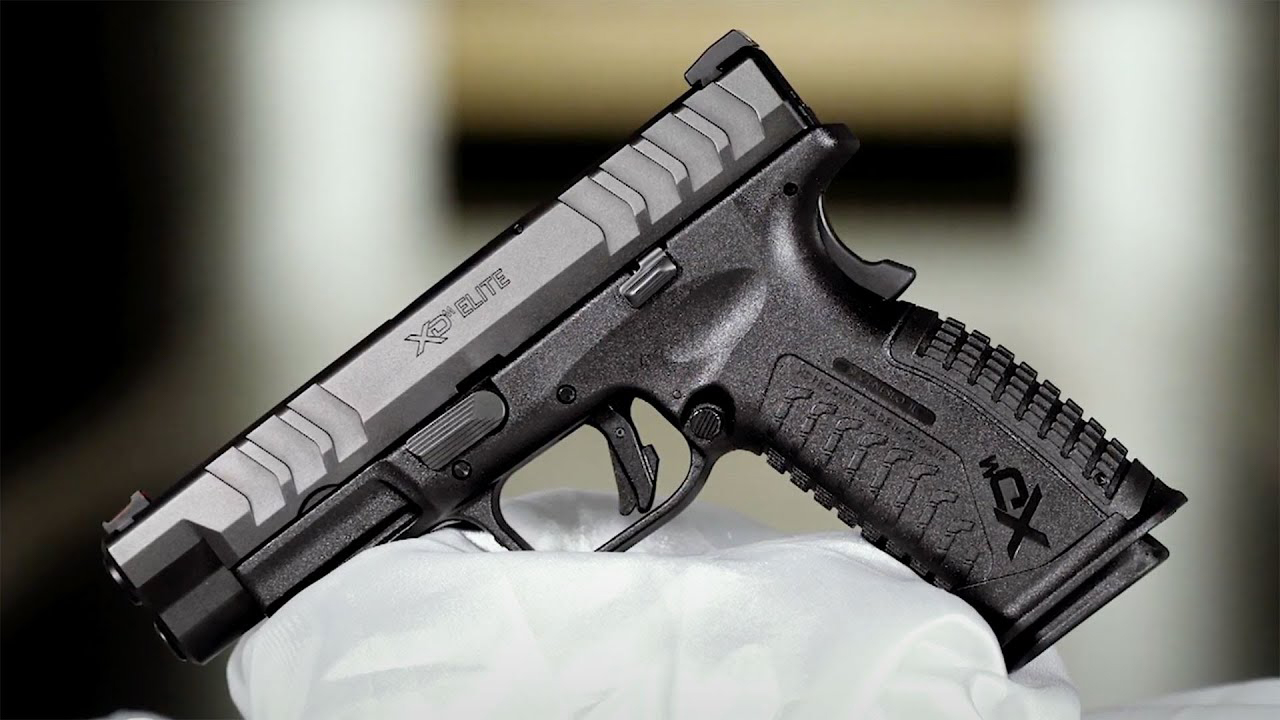
The XD-M Elite has its fans, and it does some things well, including capacity and grip feel. The part builders often address is the trigger setup and how it resets under speed. Some shooters run them great as-is. Others never quite get along with the feel and want it tuned so the break and reset are more predictable.
Optic cuts and tall sights are also common requests, because a lot of XD-M owners want to modernize the platform rather than jump ship. The gun’s slide profile and serrations can be slick with sweat or rain, so traction work shows up too. It’s not the trendiest pistol on the internet, but in the real world, there are a lot of them out there, and owners tend to keep them—especially after a builder makes the controls and trigger feel “right.”
15. Walther PPQ
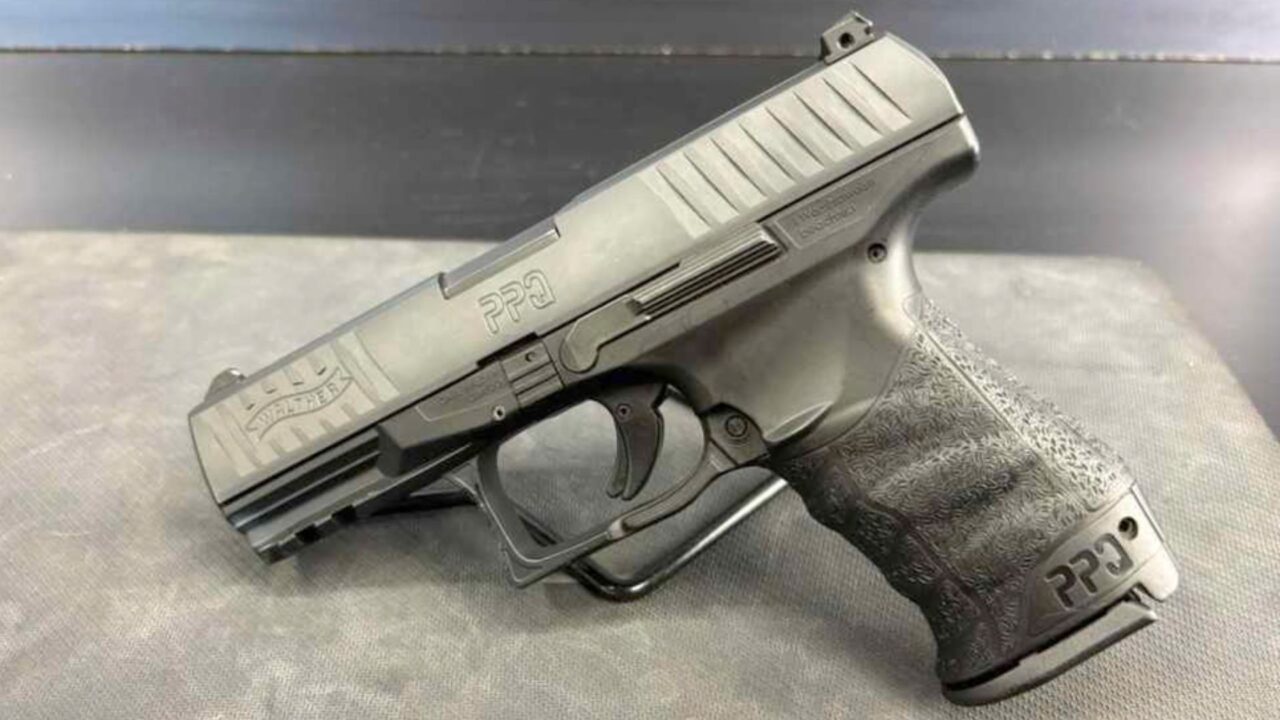
The PPQ arrived with one of the best striker triggers out there, so it might sound odd to list it. But the part builders keep working around is the sighting system and the “carry setup” pieces that Walther didn’t always prioritize on early models—night sights, optic readiness, and holster-friendly solutions. The trigger is the hook; everything else is what turns it into a daily gun.
Some builders also reshape or refine the grip texture. The PPQ is comfortable, but comfort can turn to slipperiness with rain, gloves, or sweaty hands on a hot range. If you’ve ever shot a fast bill drill and felt the gun start walking in your palm, you know why texture work exists. The PPQ is a shooter’s pistol, and shooters like to tinker where it counts.
16. Walther PDP
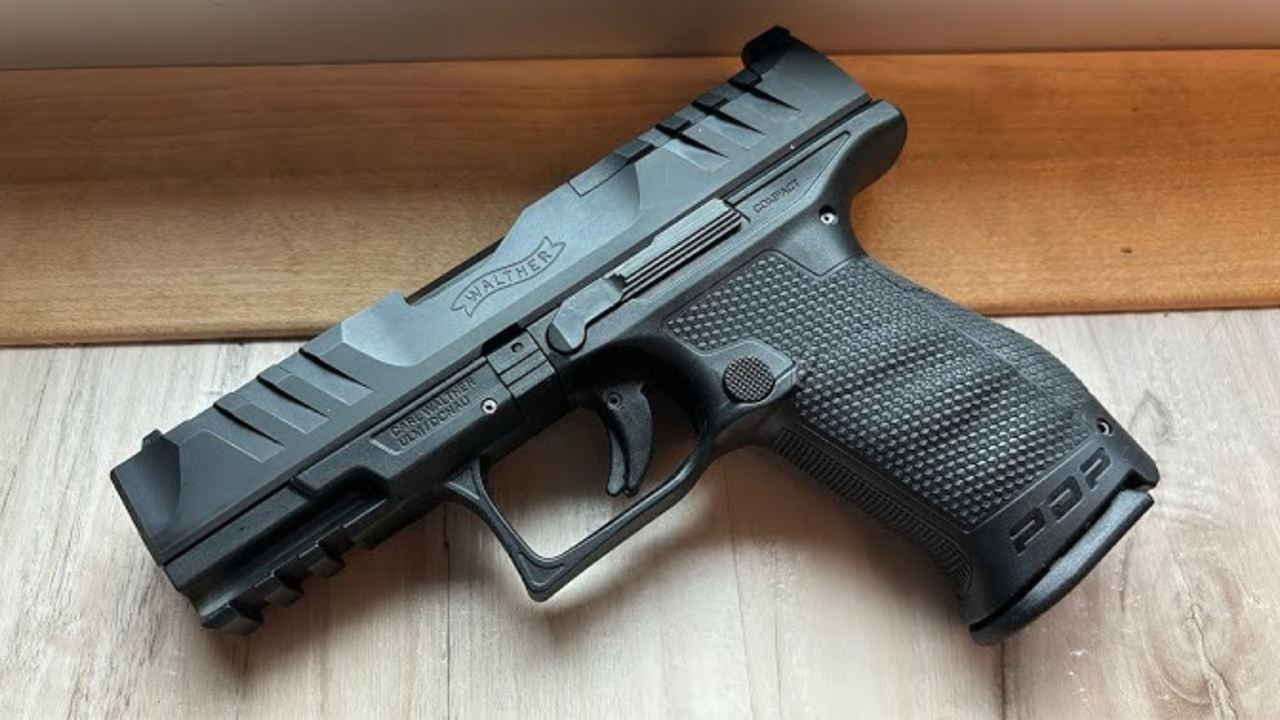
The PDP is what happens when Walther listens to modern shooters: great ergonomics, great trigger, and optics as a first-class citizen. The part that still gets upgraded is the optic mounting solution and how robustly everything is fit together for hard use. A lot of owners want a specific dot footprint, specific backup irons, and a setup that survives being carried, bumped, and sweated on all summer.
Recoil system tweaks and grip modifications are also common. The PDP has a lively feel compared to some other guns in its size range, and some shooters want it to track flatter. Builders can’t change physics, but they can help a shooter manage it better through grip work and spring choices within safe parameters. When the gun is tuned to the person, that “snappy” reputation tends to quiet down.
17. Canik TP9 SFx

The Canik TP9 SFx is famous for giving you a lot for the money, especially for range and competition use. The part builders end up reworking is usually the recoil system and the sighting setup as the owner’s skill outgrows the factory configuration. The trigger is often surprisingly good, which is why it becomes a platform worth investing in.
Optic mounting can be the headache. Plates, screws, and fitment matter, and a shop can make sure everything is solid and aligned so you’re not chasing zero. Some owners also want improved durability parts if they’re putting a high round count through it. This is one of those pistols that starts as a “budget surprise” and turns into a serious range tool after a builder tightens up the details.
18. Taurus G3
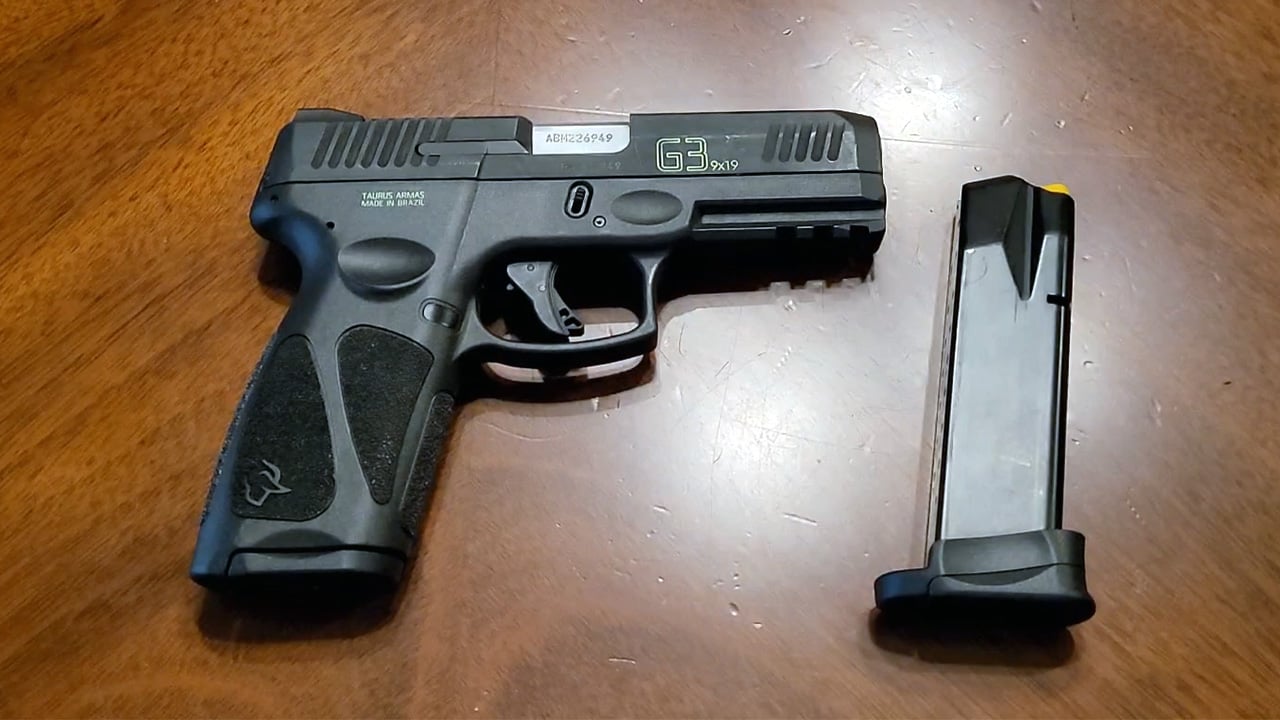
The Taurus G3 sells because it’s affordable and serviceable, but custom builders see the same thing owners see after a few months: the gun is decent, and the weak link is usually the trigger feel and the small control surfaces. A gritty pull or a reset you can’t quite feel makes practice less productive, and that’s where careful tuning comes in.
Sight upgrades are also common, because many budget pistols ship with basic sights that aren’t ideal in low light. Builders who take these on are usually doing practical “make it a better tool” work, not turning it into something it isn’t. And if this is a nightstand or truck gun, reliability checks, spring health, and magazine quality matter more than fancy cuts. There’s nothing glamorous here, just making a budget pistol less frustrating to run.
19. Ruger LCP Max
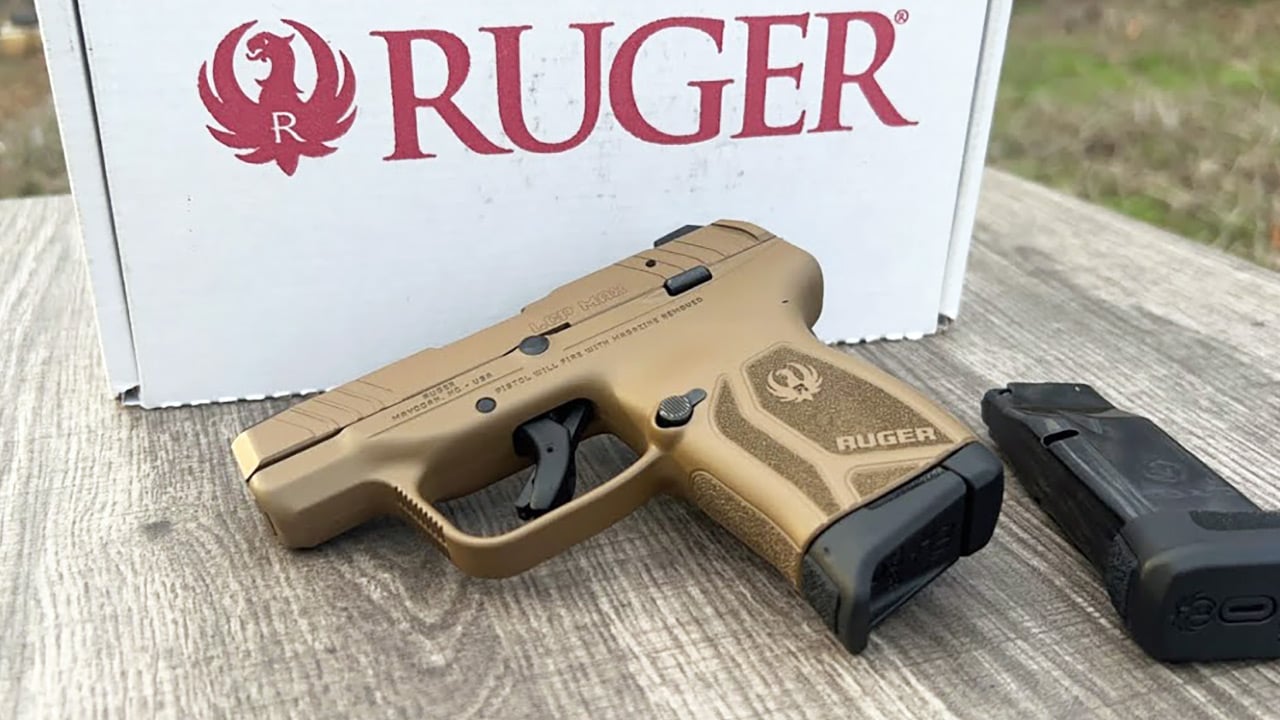
The LCP Max is the kind of pistol you carry when you “won’t carry” anything else. It’s small, light, and easy to live with. The part that gets worked is the trigger and the sights, because tiny guns magnify every little problem. A long pull and small sights are understandable on a micro .380, but plenty of folks want more confidence out of the package.
Builders also address how it sits in the hand. Even small changes—texture, slight shaping, and improving the way the gun indexes—can help you keep control when you’re shooting something that weighs almost nothing. This isn’t about making a mouse gun feel like a duty gun. It’s about making it shootable enough that you actually practice with it, because a pocket pistol you don’t shoot is just extra weight.
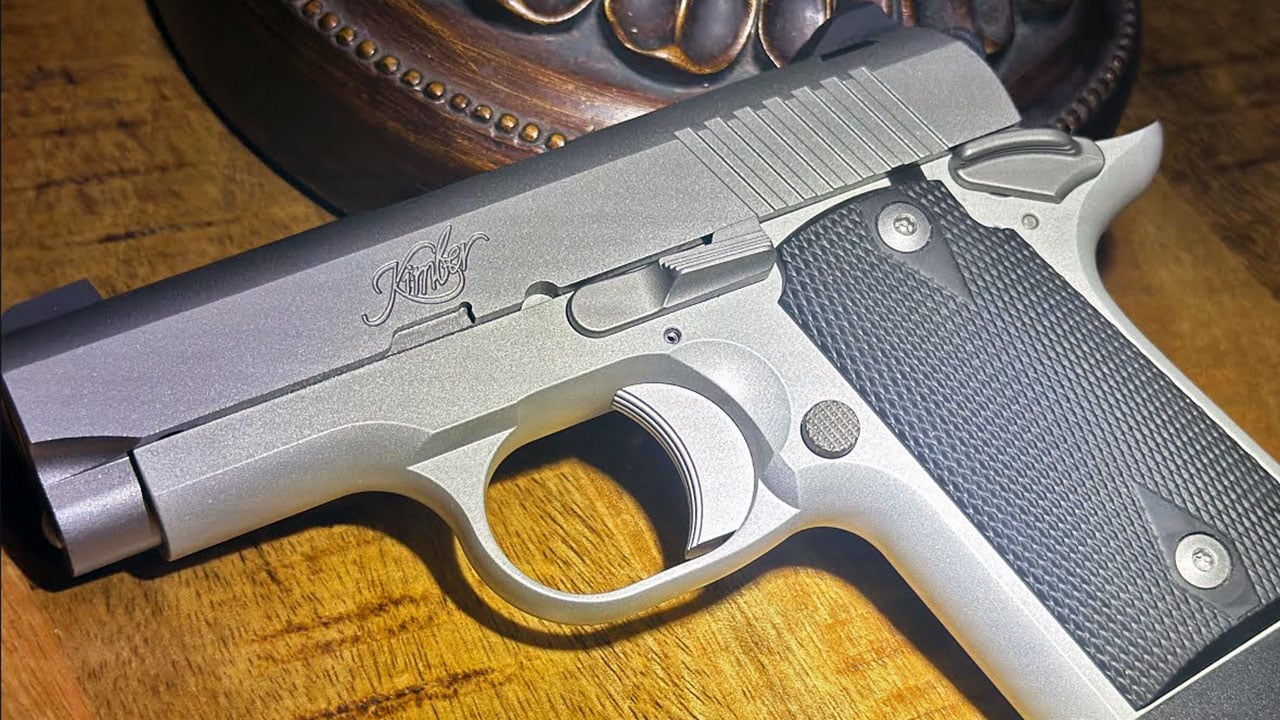
20. Kimber Micro 9
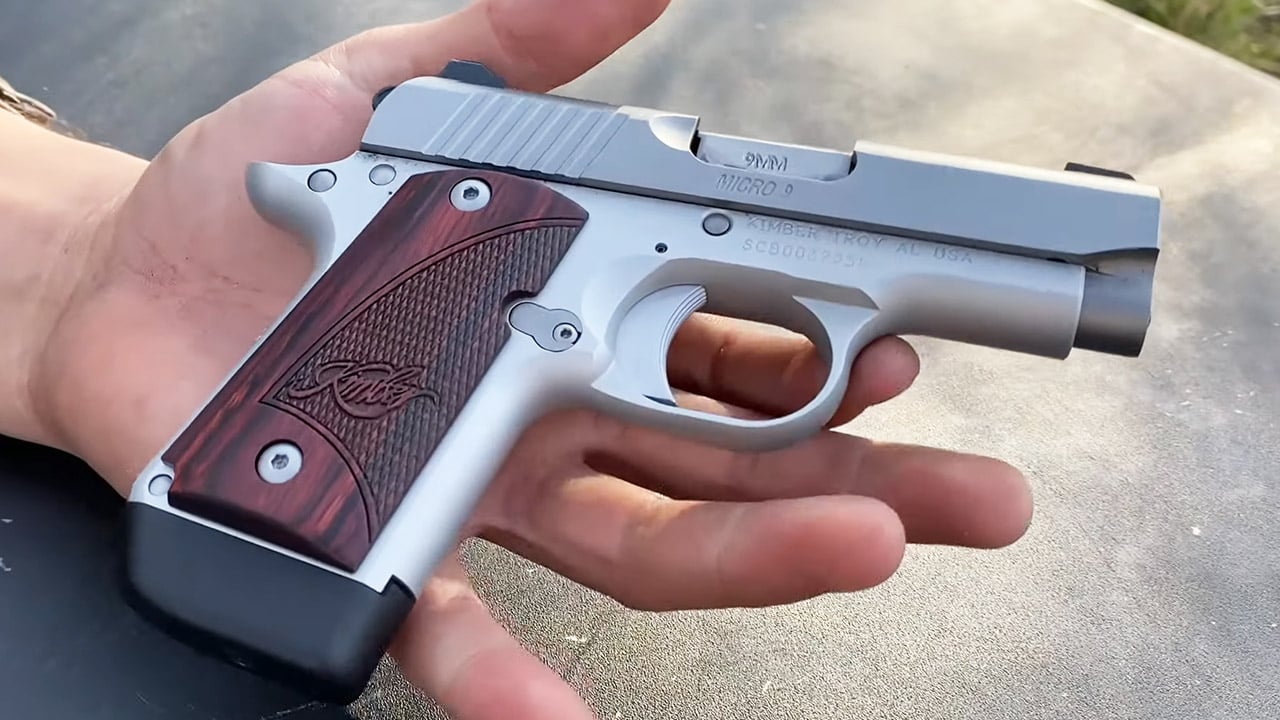
The Micro 9 shows up because it’s attractive, compact, and has that mini-1911 vibe that a lot of folks like for carry. The part that often gets builders involved is reliability tuning—extractor behavior, spring rates, and feeding with modern hollow points. Small 1911-style pistols can be picky, and “picky” is not a feature you want in a carry gun.
Triggers and sights also get attention, mostly because a small gun needs a clean trigger and a clear sight picture to be shot well under stress. Some owners buy these because they feel familiar, then realize the scale change makes everything less forgiving. A good builder can turn a temperamental little pistol into something you trust, but it’s not the platform I’d choose if you want to leave everything bone stock and call it done.
Custom work isn’t magic, and it isn’t always necessary. But these are the pistols that keep proving the point: the factory builds a general-purpose tool, and serious shooters immediately notice the one component that holds them back. If you’re thinking about paying for upgrades, be honest about what you’re trying to fix—comfort, control, sights you can actually see, or a trigger you can press the same way every time. When the “one part” gets handled correctly, the rest of the gun usually falls into line.
Like The Avid Outdoorsman’s content? Subscribe to our newsletter so you never miss an article.
Here’s more from us: