Photo credit: AALcoFAS/GunBroker
You can tell the estate sale regulars from the casual browsers in the first five minutes. The regulars aren’t drifting through the kitchen looking at casserole dishes. They’re already in the back bedroom, eyes scanning dresser drawers, closet shelves, and the tops of gun cabinets. They know the good stuff usually isn’t laid out nice. It’s in a shoebox, a sock, an old bank bag, or a cardboard box with Christmas lights on top.
And when it comes to handguns, there are a handful of models that seem to vanish first. Not because they’re flashy, but because they’re useful, recognizable at a glance, and easy to turn back into a working gun with normal parts and magazines. Here are the pistols that get pulled out of boxes fast—before the other buyers even realize there was a box worth opening.
1. Glock 19 (Gen 2/Gen 3)
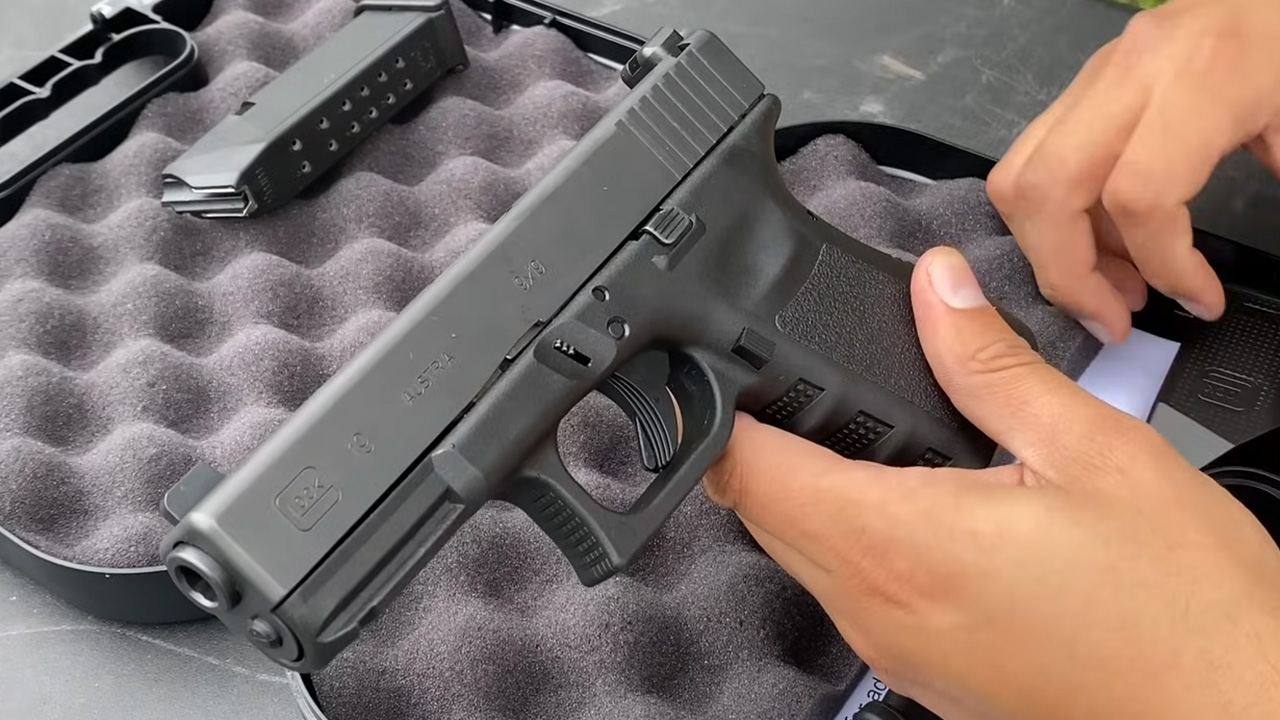
If you’ve been to enough estate sales, you’ve seen it: a plain black plastic case tucked behind a stack of linens, and inside is a Glock 19 that looks like it rode in a truck console for 15 years. It won’t be pretty, and it usually has the original polymer sights, but it’s still a Glock 19. That matters because it’s the do-it-all 9mm that fits regular hands, takes abuse, and just keeps running with basic maintenance.
Estate sale regulars grab them because they’re easy to inspect quickly. The slide-to-frame fit doesn’t have to be “tight” to be right, and there’s not much mystery to the internals. Magazines are everywhere, holsters are everywhere, and parts support is as close as your nearest gun shop. It’s boring, sure. But boring is exactly what you want when you’re buying a used pistol out of somebody’s closet.
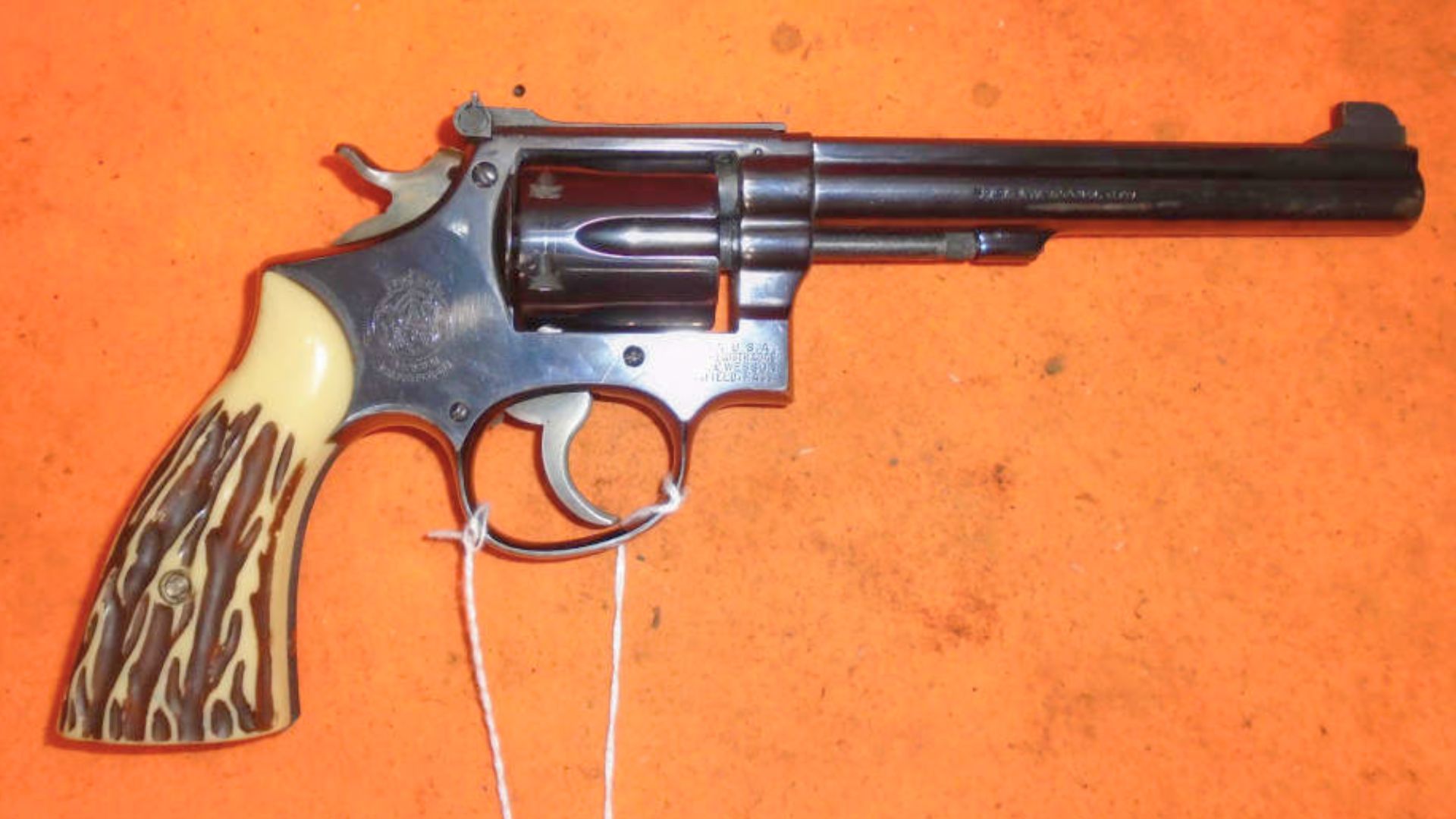
2. Smith & Wesson Model 10
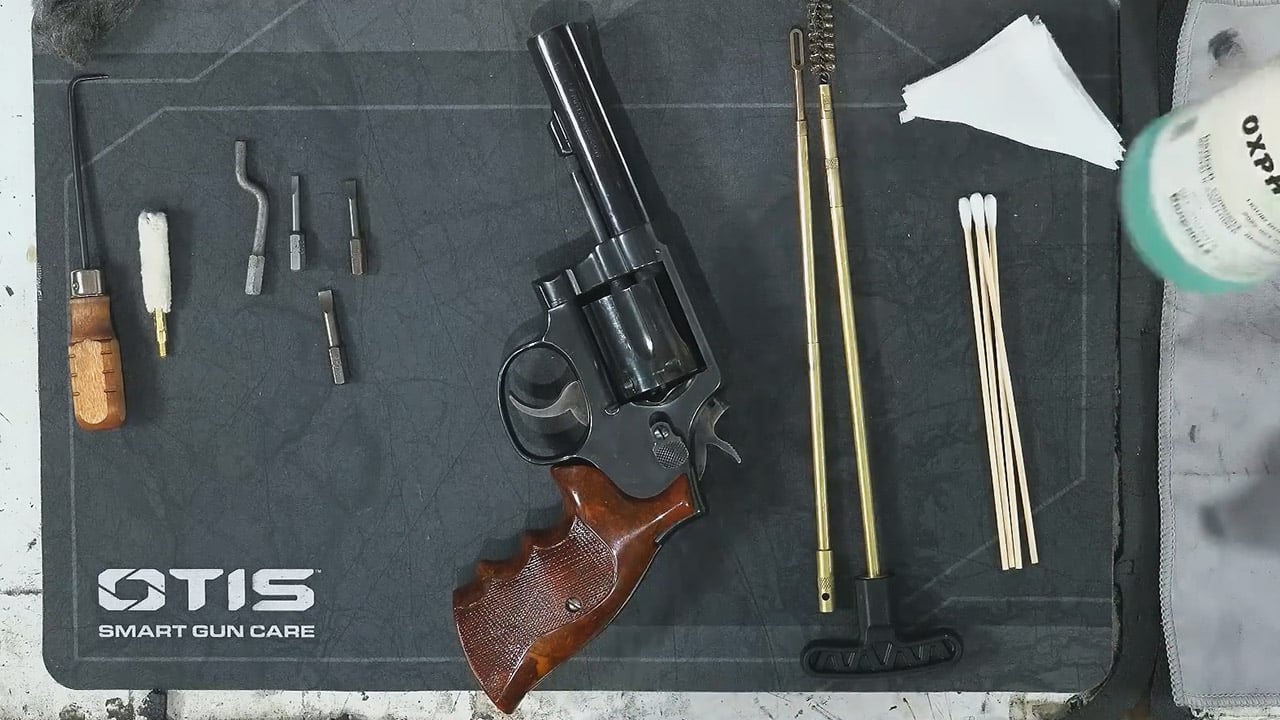
A used Model 10 in a cigar box is the kind of find that makes a guy’s morning. These old K-frame .38s aren’t trendy, and that’s why they slip through. Plenty of them lived easy lives in dresser drawers, coming out once a year for a few cylinders of wadcutters and then going right back to sleep.
The reason regulars snag them is simple: they’re real revolvers built in an era when “service gun” meant something. The triggers are usually better than what you’ll find on a lot of new production wheelguns, and a Model 10 points naturally for most shooters. As long as timing and lockup look decent and the bore isn’t wrecked, it’s hard to go wrong. For camp use, glovebox duty, or a nightstand gun that doesn’t rely on magazine springs, they still make a lot of sense.
3. Ruger Mark II
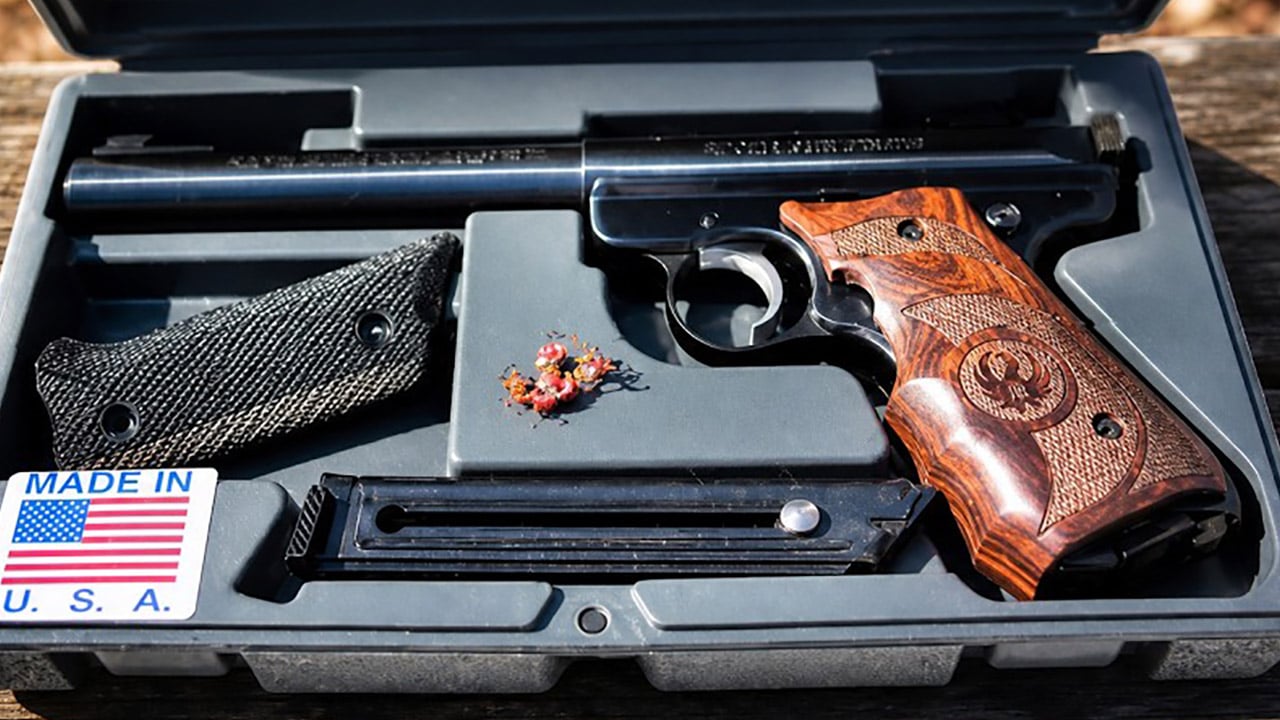
The Ruger Mark II is one of those pistols that gets overlooked by folks hunting for “defensive” guns, but the experienced buyers know better. A .22 that runs is worth its space on a farm or in a deer camp. The Mark II, especially, has a reputation for eating bulk ammo and keeping its accuracy long after cheap rimfires start to shake loose.
Regulars pull these fast because they’re practical and they’re getting harder to find in clean shape. A lot of them were bought by serious shooters, and those owners tended to keep the boxes, extra mags, and weird little parts that end up scattered at the bottom of a tote. Yes, field stripping can be a pain if you’ve never done it. Ask me how I know. Still, for small game, trapline duty, or just keeping your trigger finger honest without burning through 9mm, a Mark II is a workhorse.
4. Colt Detective Special

Every so often you’ll open a drawer and see a short-barreled Colt revolver sitting in an old leather holster that’s gone stiff as rawhide. That’s when the pace changes. Colt Detective Specials don’t sit around long because the people who recognize them also know they aren’t making any more of them, and the good ones have a feel that’s tough to duplicate.
They’re not perfect. They can be out of time if they were shot a lot with hot loads, and Colt lockwork isn’t where you want to learn “kitchen table gunsmithing.” But in terms of carry size, shootability, and old-school quality, they’re real prizes. The regulars know to check the cylinder lockup, look for endshake, and move on quickly if something feels off. When it checks out, though, it’s an easy gun to like and a hard gun to replace.
5. SIG Sauer P226 (West German / older German-made)
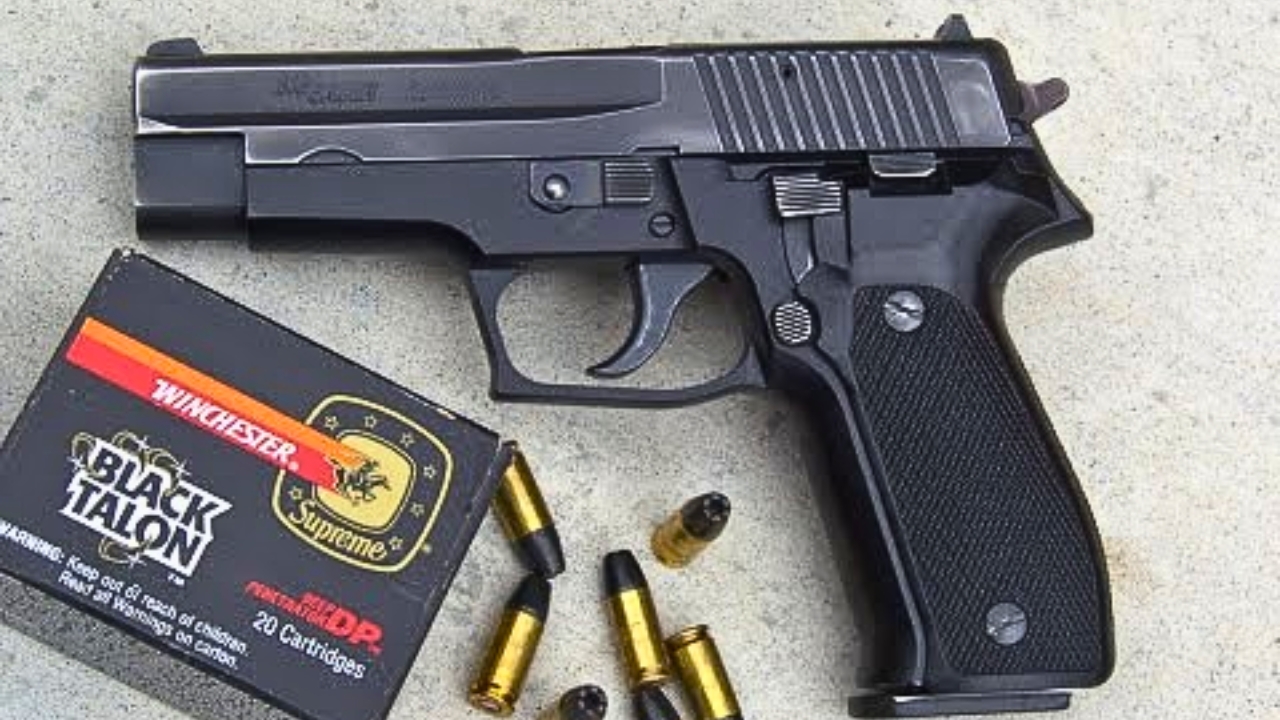
You don’t always see a P226 at an estate sale, but when you do, it’s usually in a cardboard box with spare mags and a worn duty holster. The older German-made guns have a following for a reason. They tend to have smooth actions, solid build quality, and that “serious pistol” balance that makes them shoot flatter than you’d expect for a full-size 9mm.
Estate sale regulars grab them because they’re both a shooter and a keeper. Even if the night sights are dead and the grips are shiny from years of handling, the gun itself is typically built to go the distance. Magazines aren’t hard to find, and the gun has enough aftermarket support to keep it running. It’s not a lightweight carry piece, and it’s not cheap to replace. But if you want a reliable range pistol that can pull home-defense duty without drama, a P226 checks a lot of boxes.
6. Smith & Wesson Model 36 (Chief’s Special)
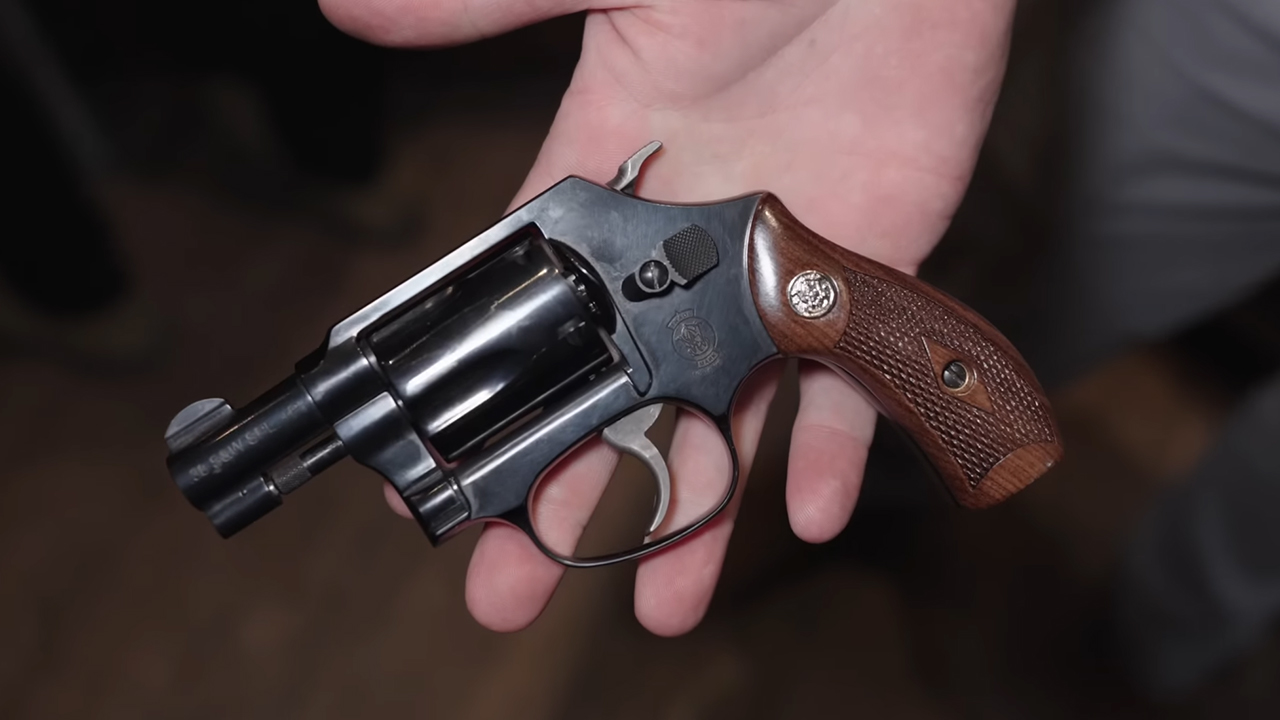
The little five-shot J-frames show up constantly, and the Model 36 is one of the most common. It also gets snatched up fast because it’s the kind of gun that lived with normal people. These weren’t usually “range toys.” They were pocket guns, tackle box guns, and bedside guns—carried a lot, shot a little.
What makes the Model 36 a quick-draw item at an estate sale is simple usefulness. It’s small enough to actually carry, it’s chambered in a cartridge you can still find, and it doesn’t need magazines or special ammo to be relevant. The downside is that a steady diet of +P isn’t always kind to older snubs, and a gritty trigger can mean it needs cleaning more than it needs “upgrades.” Still, if the cylinder locks up right and the forcing cone looks good, a Chief’s Special is a smart grab.
7. Browning Hi-Power (FN or Browning-marked)
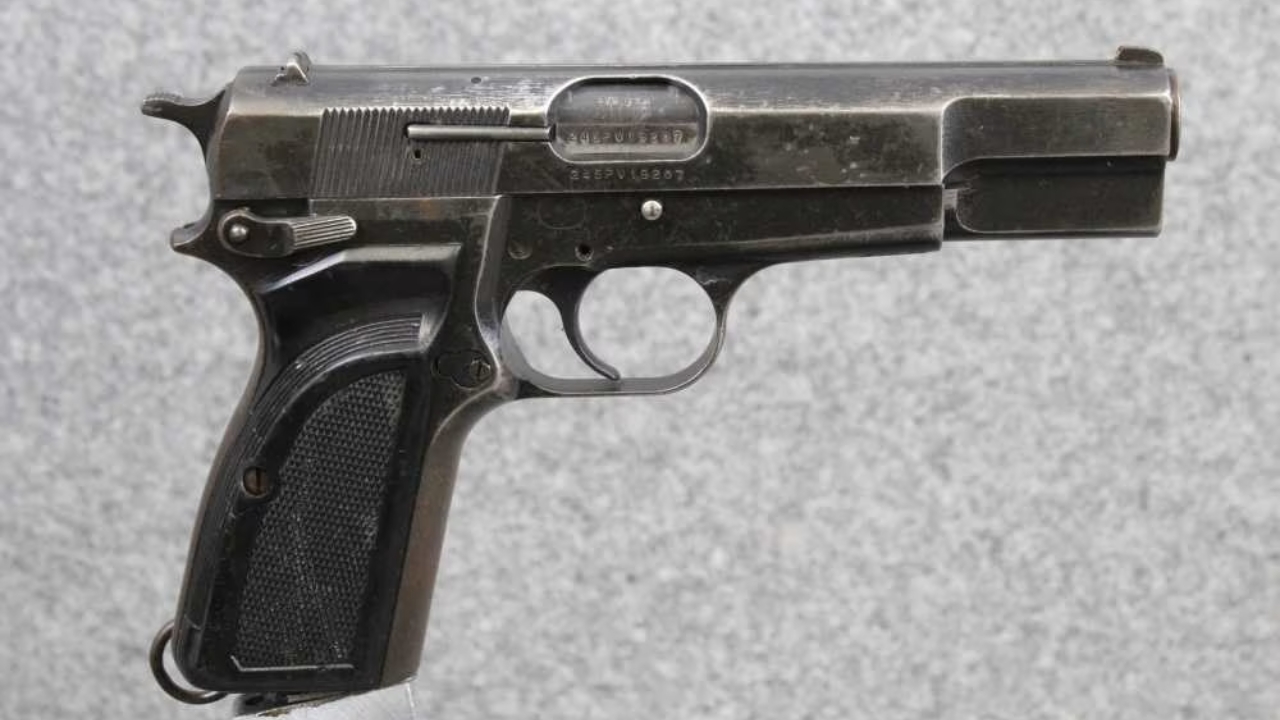
A Hi-Power in an estate sale box is like finding an old fixed-blade hunting knife that somebody actually used. It has history, but it’s also just a good tool. They’re slim for their capacity, they carry well on the belt, and they point like they were designed by someone who cared how a pistol comes up on target.
Regulars move quickly because the Hi-Power market has been all over the place, and clean examples don’t sit at “old gun” prices anymore. You’ll see everything from well-loved shooters with polished feed ramps to near-mint guns with the factory pouch and paperwork. The safety feel, the trigger, and the magazine disconnect can be love-or-hate. But even with quirks, it’s one of those pistols that still feels right in the hand. For someone who appreciates steel and wood (or steel and old-school grips), it’s an easy yes.
8. Ruger SP101 (2.25-inch)
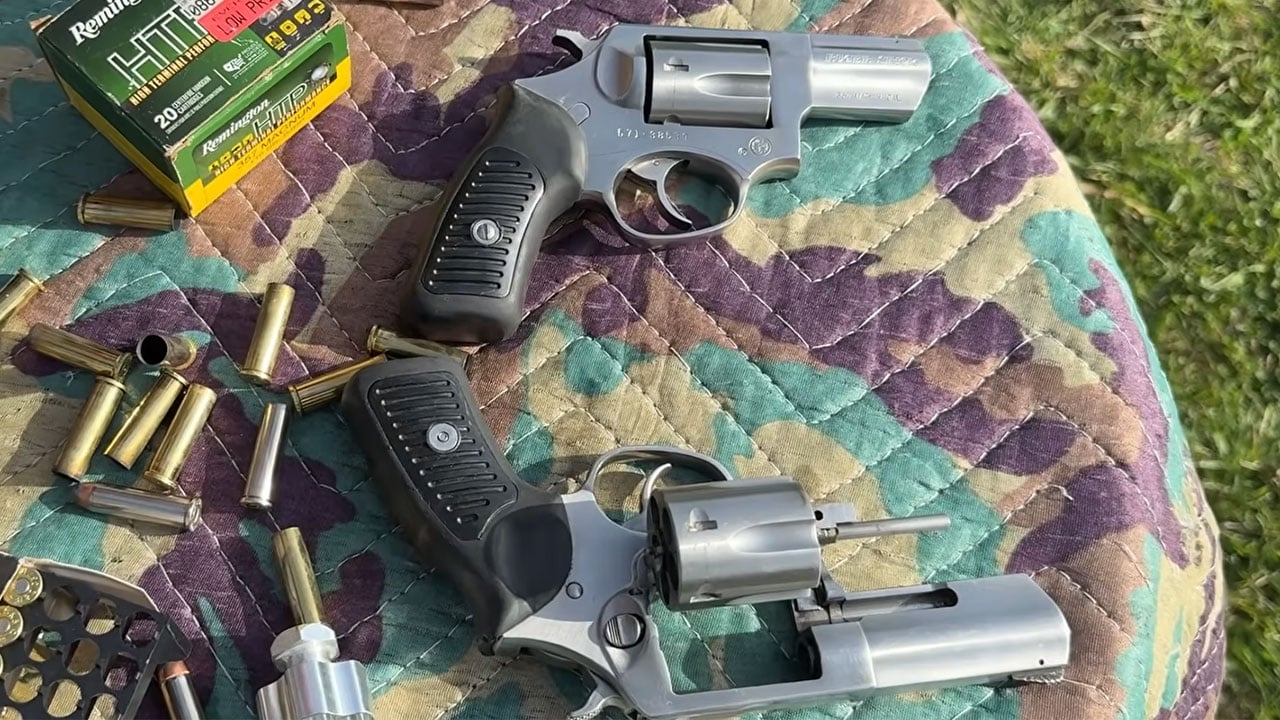
The SP101 is what happens when Ruger decides a small revolver should be built like a tank. These show up at estate sales because they were “the one gun” for a lot of folks who lived rural and wanted something simple. They rode in coat pockets on winter chores, sat in gloveboxes, and got carried while checking fence lines.
The regulars grab them because they’re tough, they’re still supported, and they handle real .357 Magnum better than the lighter snubs. The trigger might be heavy out of the box, and older examples can feel stiff until they’re cleaned and shot a bit. But they hold up, and you don’t have to baby them. For a camp gun that might get banged around, an SP101 makes more sense than something finicky. It’s not fancy. That’s kind of the point.
9. CZ 75B (and older pre-B variants)
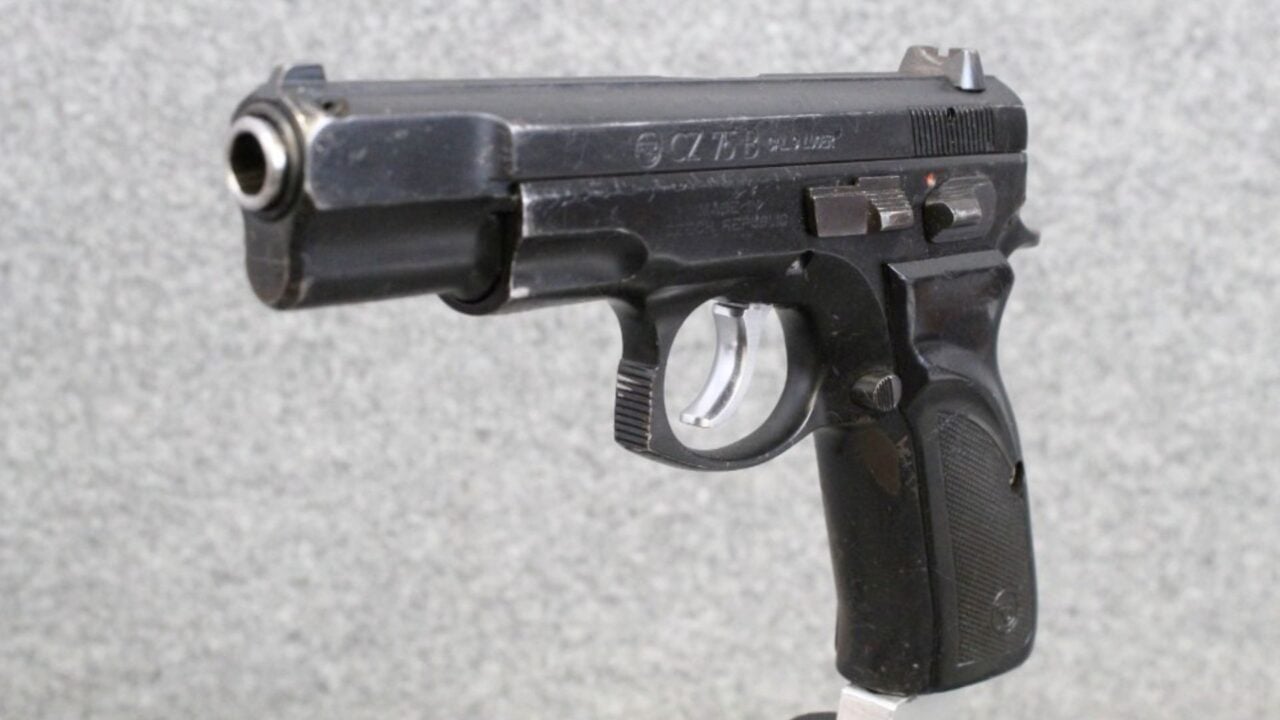
CZ pistols don’t always get recognized by the average buyer, which is why the estate sale regulars love spotting them. A CZ 75B sitting in a foam-lined case looks like “some foreign 9mm” to a lot of folks. To the guys who shoot, it looks like a pistol that will outshoot most owners and run forever with basic springs and mags.
They get pulled fast because they’re one of the best values in a used steel pistol. The ergonomics are excellent, the recoil impulse is soft, and they tend to be accurate without being picky. Check the slide rails, look for obvious abuse, and pay attention to the condition of the magazines if they’re included. The only real downside is weight if you’re thinking daily carry. But for a range gun, home gun, or “keep at the cabin” pistol that’s pleasant to shoot, it’s hard to beat.
10. Colt Government Model 1911 (Series 70 / older production)
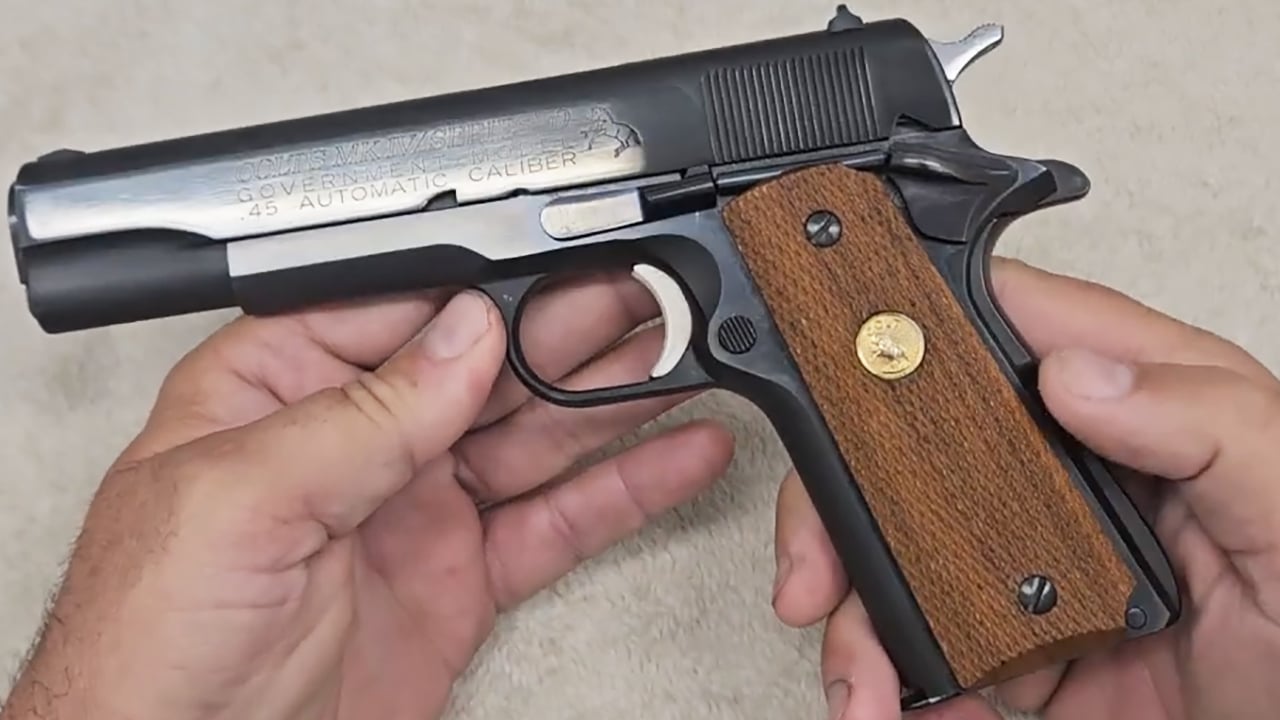
When a real Colt 1911 shows up at an estate sale, it’s rarely sitting out in the open. It’s in a box with old targets, a couple of worn seven-round mags, and maybe a half-empty bottle of gun oil from the 1980s. The regulars go straight for it because they know the difference between a modern budget 1911 and an older Colt with honest wear.
This isn’t about “stopping power” talk. It’s about build quality, history, and a gun that tends to hold its place in a collection. You do want to look it over: check for cracked frame rails, look for bubba gunsmithing, and make sure it cycles by hand smoothly. A beat-up Colt isn’t automatically a bargain if it’s been messed with. But a clean, original Government Model is one of those pistols that keeps getting more expensive while everybody pretends it won’t. That one hurts to miss.
The funny part about these estate sale finds is that none of them require a treasure map. You just have to show up early, keep your head on straight, and know what you’re looking at before the crowd forms in the hallway. If you’re new to it, slow down and handle everything safely, and don’t be shy about passing on a gun that looks “off.” But if you learn these common models, you’ll start spotting the same patterns the regulars do—good pistols tucked into plain boxes, waiting on the first set of experienced hands to pick them up.
Like The Avid Outdoorsman’s content? Subscribe to our newsletter so you never miss an article.
Here’s more from us: