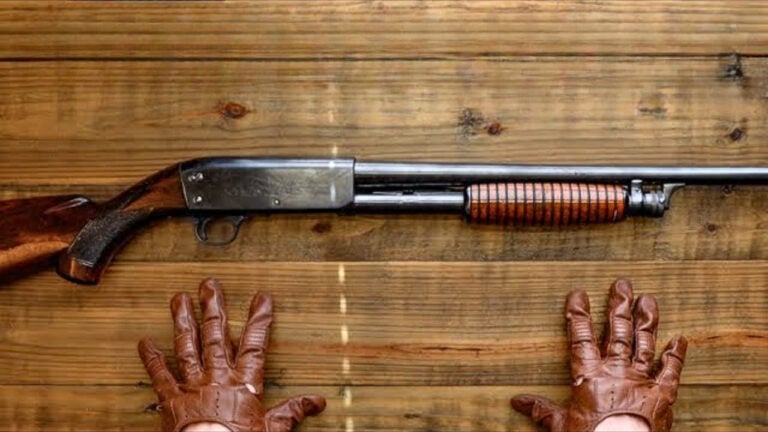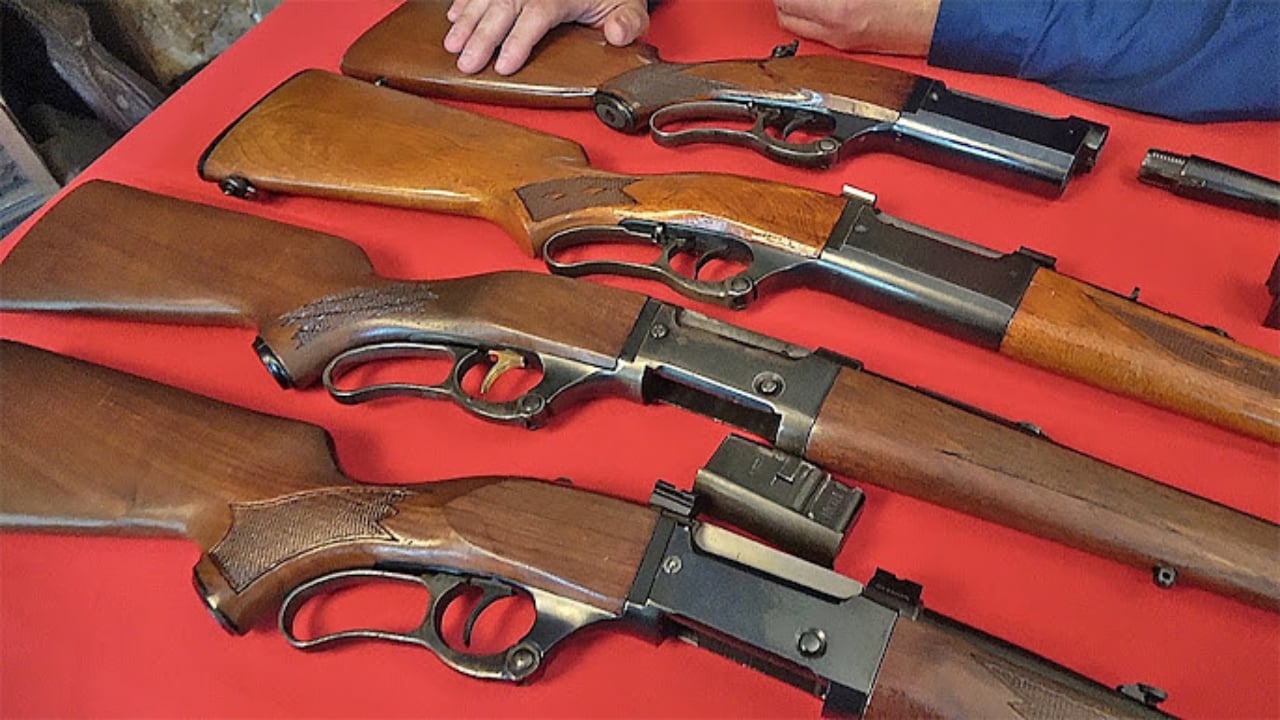
Photo credit: USOG/YouTube
Every few years, the lever-gun world “discovers” something it’s apparently supposed to be excited about. Prices jump, forums light up, and suddenly the same rifle that sat dusty in a corner at the local shop is “investment grade.” The funny part is a bunch of these lever-actions were already special long before the collector crowd started circling them.
Some earned it with old-school fit and finish. Some earned it by being the oddball variant that didn’t sell well at the time. And a few became sleepers because they were so good in the woods that owners just quit talking about them. Here are 20 lever-actions that had collector DNA baked in from the start, whether the market noticed or not.
1. Winchester Model 1892 (original production)
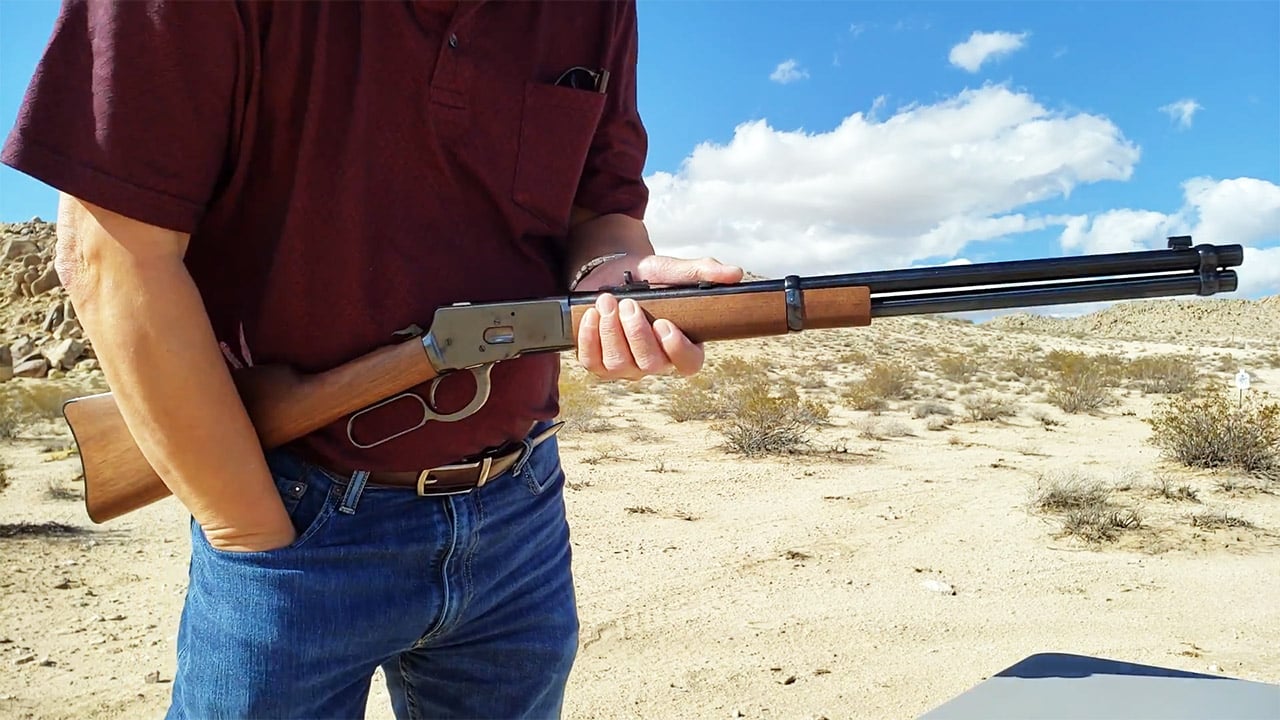
The original ’92 is one of those rifles that feels like it was designed by somebody who carried it all day. It’s slim through the receiver, balances between the hands, and cycles with that slick, short throw that makes you want to work the lever even when there’s no reason. In pistol calibers like .44-40, .38-40, and .32-20, it’s just handy—walking fence lines, riding in a scabbard, slipping through cedar thickets.
Collector interest came later, but the “collector piece” part was always there: forged parts, beautiful machining, and a design that flat works. The downside is you can’t treat it like a modern beater. Some are shot loose, some are pitted, and a lot have had amateur “cleanups” that hurt value. Still, a solid original ’92 with honest wear is about as classic as it gets.
2. Winchester Model 1894 (pre-64)
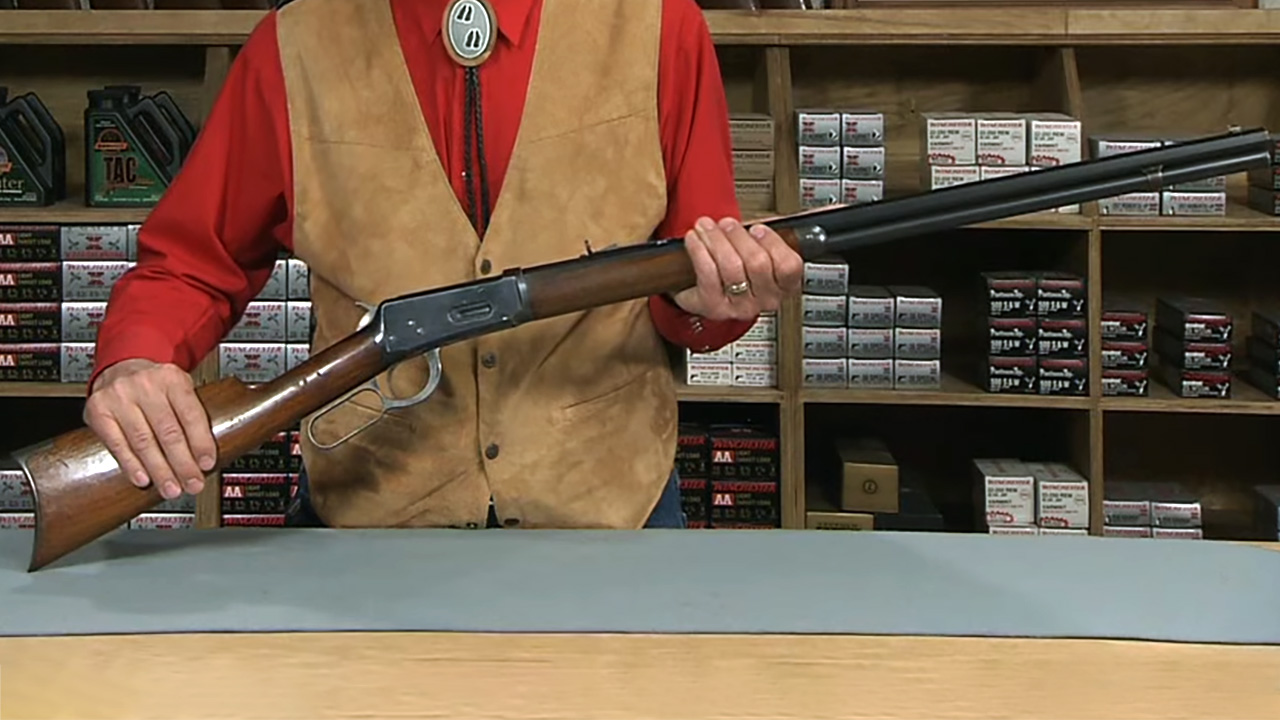
Pre-64 Model 94s didn’t need a market hype cycle to be desirable. They were the rifles behind truck seats, in saddle scabbards, and in deer camps when opening morning meant iron sights and cold fingers. They carry flat, point naturally, and the receiver profile just feels right. In .30-30, they’re the definition of “enough gun” for woods hunting.
What made them collector pieces early was the workmanship and the era. After 1964, changes happened that turned a lot of folks off, and suddenly “pre-64” wasn’t just trivia—it was a dividing line. The truth is, not every pre-64 shoots tiny groups, and some have been fed a steady diet of neglect. But find one with a decent bore and tight lockup, and you’ll understand why people still get weird about them.
3. Winchester Model 1873 (original and early reproductions)
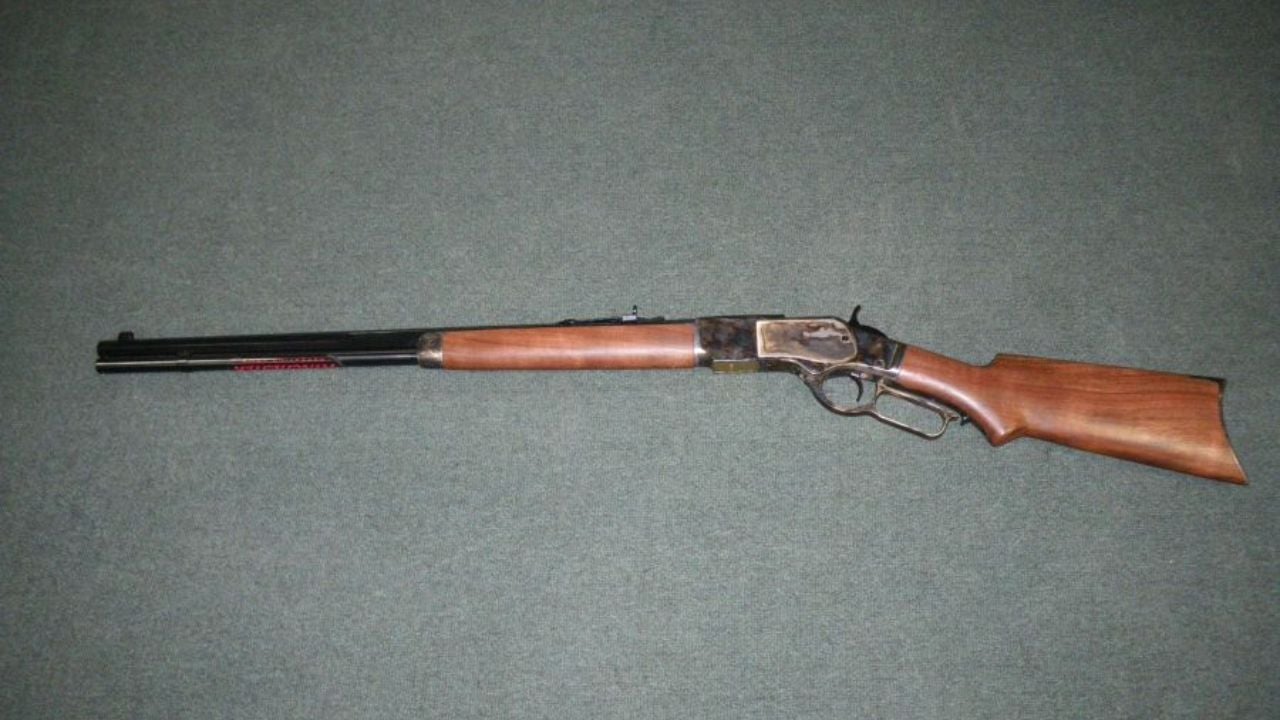
The ’73 has a reputation that’s bigger than the rifle, and most of it is earned. It’s not the strongest action ever made, but it’s smooth, fast, and historically important in a way that makes even non-collectors stop and stare. The lines are right. The balance is right. And when you run the lever on a good one, it has that “glass on glass” feel everybody chases.
Even before today’s collector money, an 1873 in good shape was never just another lever gun. Condition and originality matter a lot here, and fakes and parts guns are a real thing, so you’ve got to be careful. The practical side is it’s still a useful rifle for pistol-caliber work, especially with mild loads. It’s just not the one you toss in the ATV rack and forget about.
4. Marlin Model 1895 (early JM-stamped .45-70)
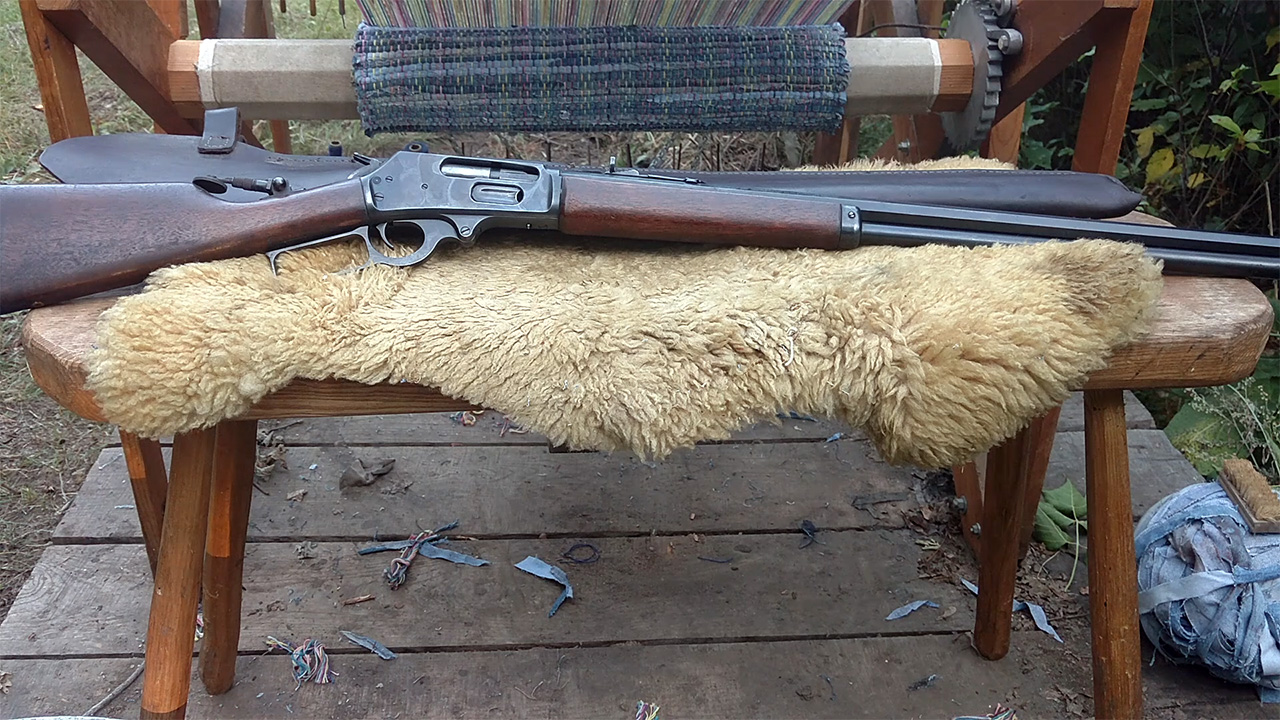
There’s a reason the older Marlin 1895s became “the” modern .45-70 lever gun for so long. The action is strong, the side ejection plays nice with optics, and the rifle feels like it was built for thick cover where shots happen quick and close. The JM-stamped guns, in particular, built a following because they tended to show consistent fit, decent wood-to-metal, and no weird surprises.
Collector buzz caught up later, but woodsmen were already hanging onto them. They’re not light, and with hotter loads they will let you know you touched one off. The appeal is they’re still genuinely useful: bear country, hogs in brush, or just a “one rifle” thumper that doesn’t care about weather. If you find one that hasn’t been abused or “upgraded” poorly, it’s the kind of rifle you quit loaning out.
5. Marlin Model 1894 (JM-stamped .357 Magnum)
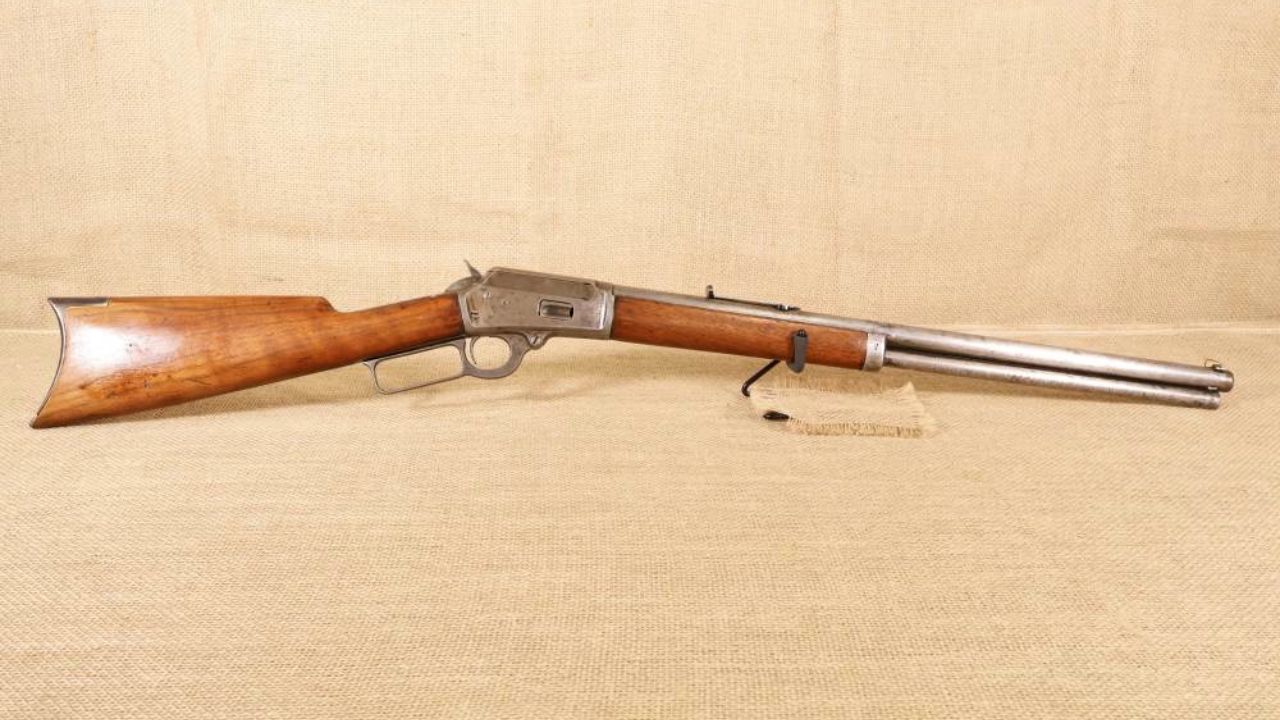
A good Marlin 1894 in .357 is one of the most satisfying rifles to actually shoot. It’s soft, quick, and accurate enough for real work if you do your part. It also pairs with a .357 revolver in a way that feels old-school practical instead of gimmicky. With .38 Specials it’s a plinker. With the right .357 loads it’s a legit woods rifle inside sensible distances.
The “already collectible” part is how many of these got loved hard. Cowboy-action popularity, general lever-gun demand, and the simple fact they’re fun made clean examples start disappearing. Add in the JM stamp and suddenly everybody wants the same rifle. They can be picky about certain bullet shapes, and some were rough from the factory, but when you get a good one it’s tough to justify selling.
6. Marlin Model 39A
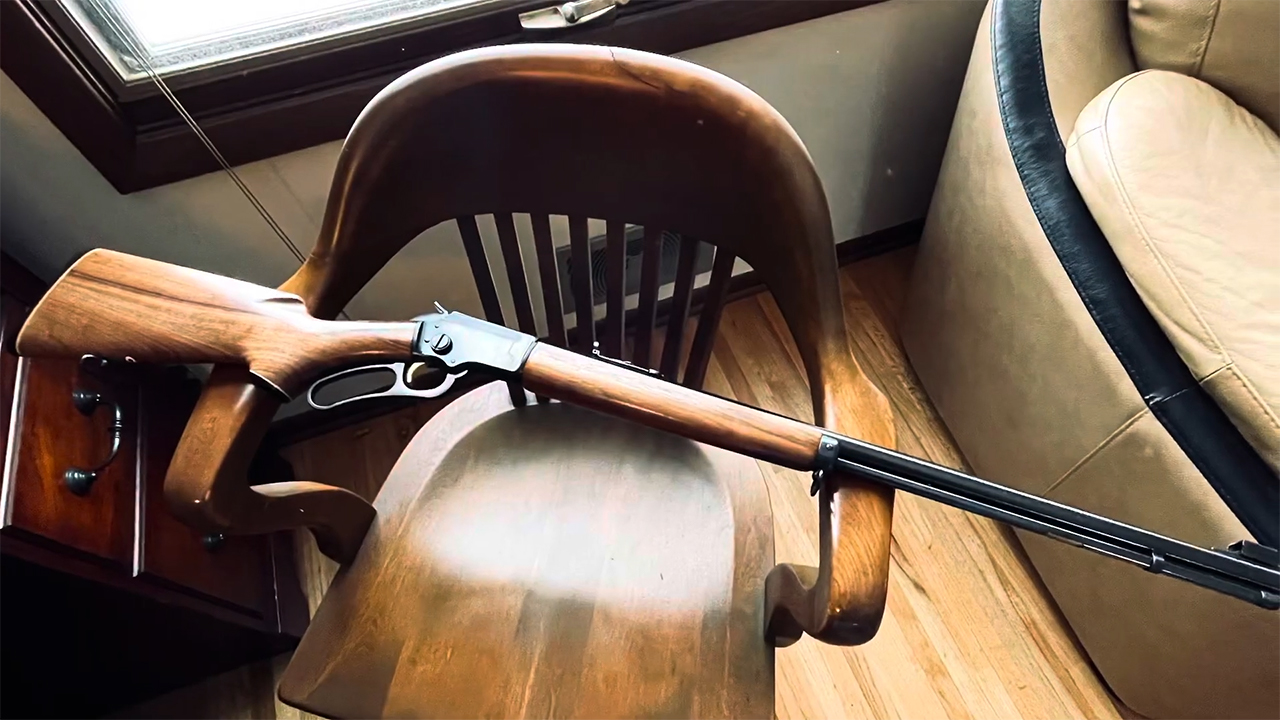
The 39A is the lever-action that turns non-lever people into lever people. It’s a .22, sure, but it’s built like a real rifle. The takedown feature is genuinely handy, and the accuracy on a healthy 39A is the kind that embarrasses “modern” rimfires that cost plenty. It points naturally and feels like a rifle you keep forever, not a temporary range toy.
These were always nicer than they needed to be. That’s why they were never cheap, even back when .22s were stacked like cordwood at big box stores. The collector side shows up in condition, older markings, and the fact that clean ones just don’t sit for long. Downsides? They aren’t featherweight, and some have seen a lot of rounds. But as a field .22 for squirrels or camp meat, it’s hard to beat.
7. Savage Model 99 (pre-mil and early post-war)
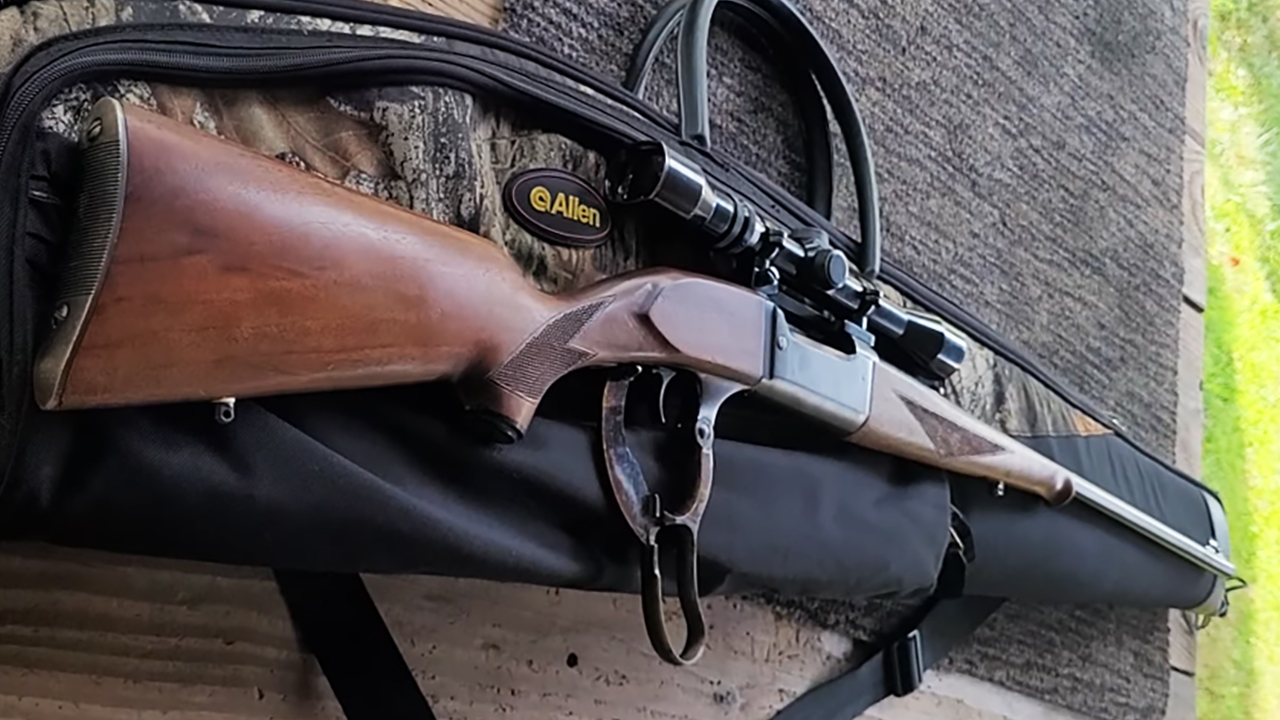
If you’ve never handled a Savage 99, the first surprise is how “rifle-like” it feels compared to traditional tube-fed levers. The rotary magazine setup (on many variants) and the action design made room for spitzer bullets and cartridges that pushed lever guns into a different class. In .300 Savage or .250-3000, it’s a deer rifle with real reach and a very distinct personality.
The 99 was always a thinker’s lever gun, and that alone kept it in collector territory. There are a lot of variations, and that’s both the fun and the headache. Parts aren’t as common as Marlin/Winchester stuff, and not every gunsmith loves working on them. But a tight 99 with a decent bore is a serious hunting rifle, and it looks like nothing else leaning in the corner of the cabin.
8. Winchester Model 88

The Model 88 is what happens when a lever gun decides it wants to run with bolt-actions. Detachable box magazine, strong lockup, and chamberings like .308 and .358 that feel right at home in deer and elk country. It’s not “cowboy,” and it doesn’t try to be. It shoulders quick, carries well, and has a solid, businesslike feel.
These were never common, and they were never ignored by folks who knew what they were holding. Collector interest is partly because they’re a bridge gun—lever handling with modern-cartridge capability—and partly because they just weren’t made forever. The trigger feel can be different than what people expect, and finding magazines can be its own little adventure. Still, if you want a lever gun that’s comfortable in a scope-and-sling world, the 88 is hard to replace.
9. Browning BLR (steel receiver, early production)

The BLR has always been the lever gun for the guy who wants one rifle to do a lot. Box magazine, strong action, and chamberings that cover everything from deer to bigger game depending on the model. The early steel-receiver guns have a certain “built like a tool” vibe, and the machining and finish typically look a notch above what you see in many modern production rifles.
Collector status was baked in because the BLR isn’t trying to imitate the 1890s. It’s its own thing, and it does the job. The tradeoff is complexity. They’re not as simple inside as a Model 94, and not every shop wants to dive into them. Some triggers are just okay. But if you’ve ever hunted thick timber and still wanted the option of a pointed bullet and a scope, you get why BLRs keep a permanent seat in a lot of safes.
10. Browning Model 71 (and Winchester Model 71 originals)
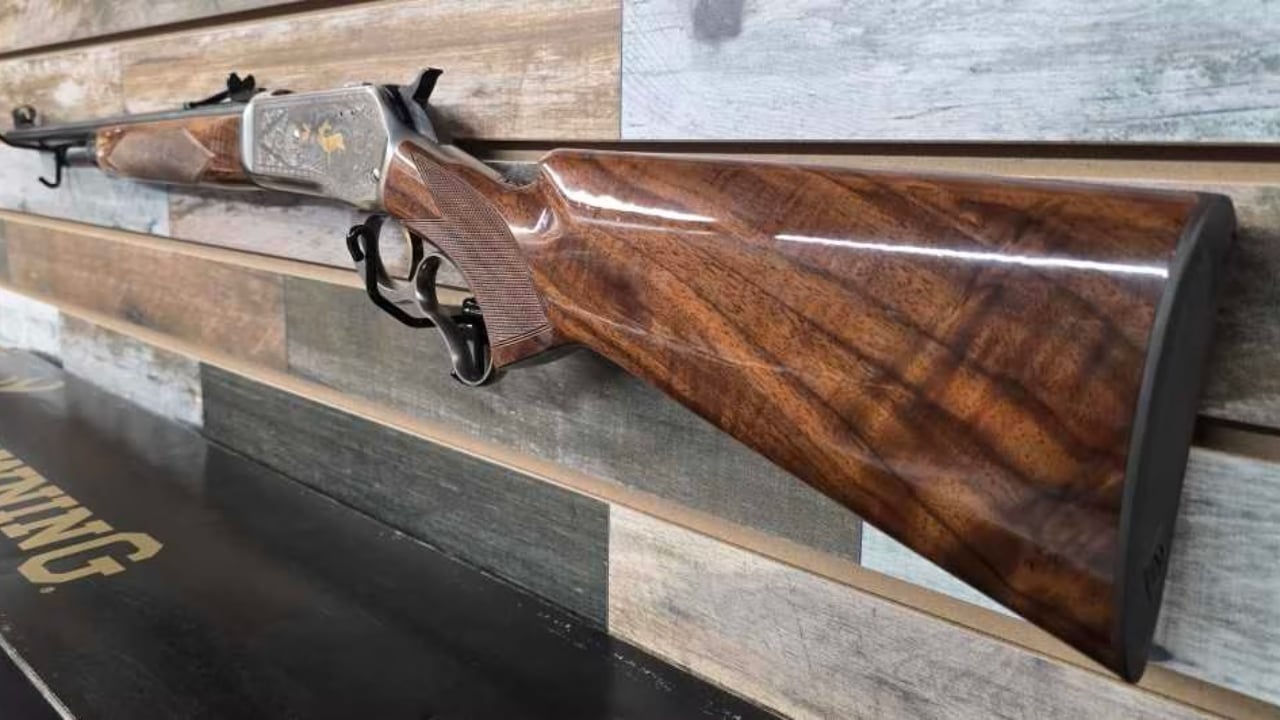
The Model 71 in .348 Winchester is a rifle that feels like it was built for serious woods work—moose, bear, and big-bodied deer where angles are bad and brush is real. It’s a big lever gun, and it handles like one. The action is smooth, the lines are classic, and it has a presence that lighter carbines don’t.
These were never “junk rack” rifles, even when people weren’t talking about them online. Ammo availability is the big practical downside, and that’s not a small thing. If you shoot it, you tend to plan ahead. Recoil isn’t polite, either, especially from field positions. But the collector pull is obvious: limited numbers, a distinctive cartridge, and a rifle that represents the peak of a certain era of lever-gun power.
11. Winchester Model 1895 (Russian contract and early sporting rifles)
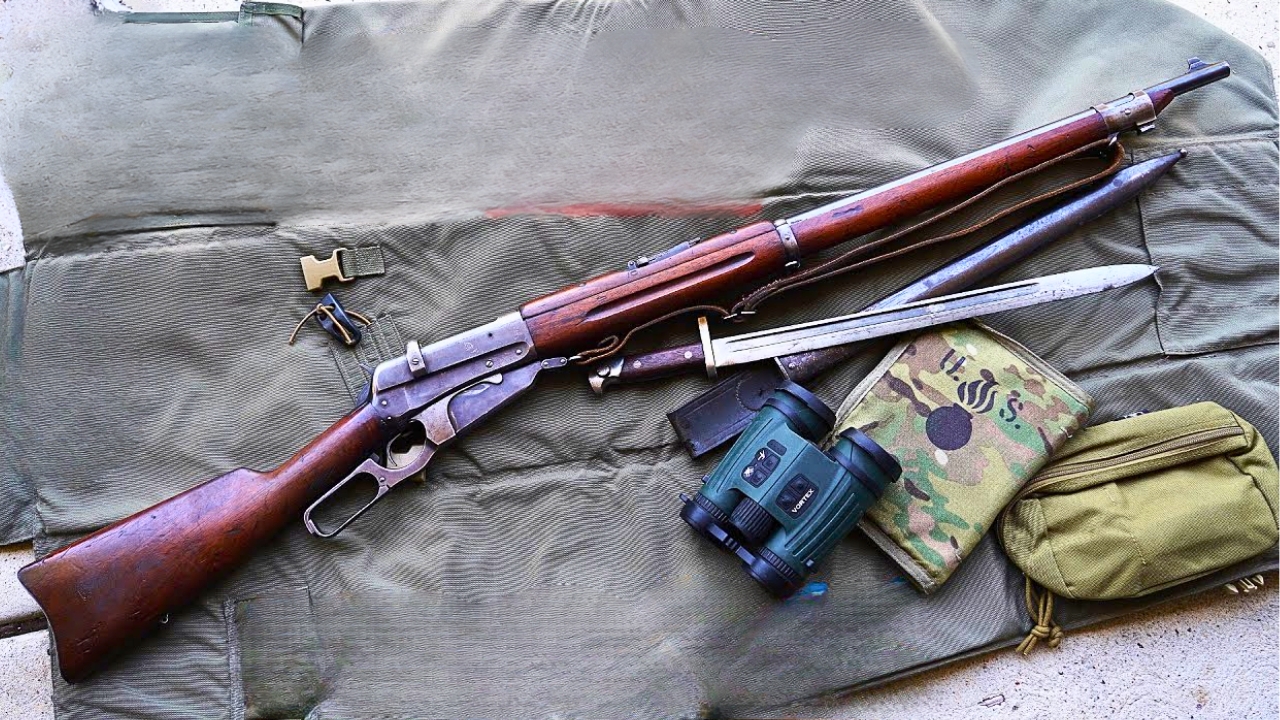
The 1895 is the lever action that always makes somebody stop mid-sentence at a gun show. Box magazine lever gun, odd profile, and a history that crosses into military contracts, including the well-known Russian purchases. It’s not as sleek as a ’94, but it’s fascinating in the hands, like a piece of engineering that took a different path on purpose.
Collector appeal came naturally because there are multiple variants, markings, and configurations, and they’re not getting more common. The practical shooter side depends on what you have. Some were used hard, some are wall-hanger pretty, and some are “interesting” to shoot more than they are comfortable. If you find one that’s mechanically sound, it’s a range conversation starter every single time, and it’s tied to a slice of lever-gun history that feels different than the typical deer rifle story.
12. Henry Repeating Arms Big Boy Brass (early production)
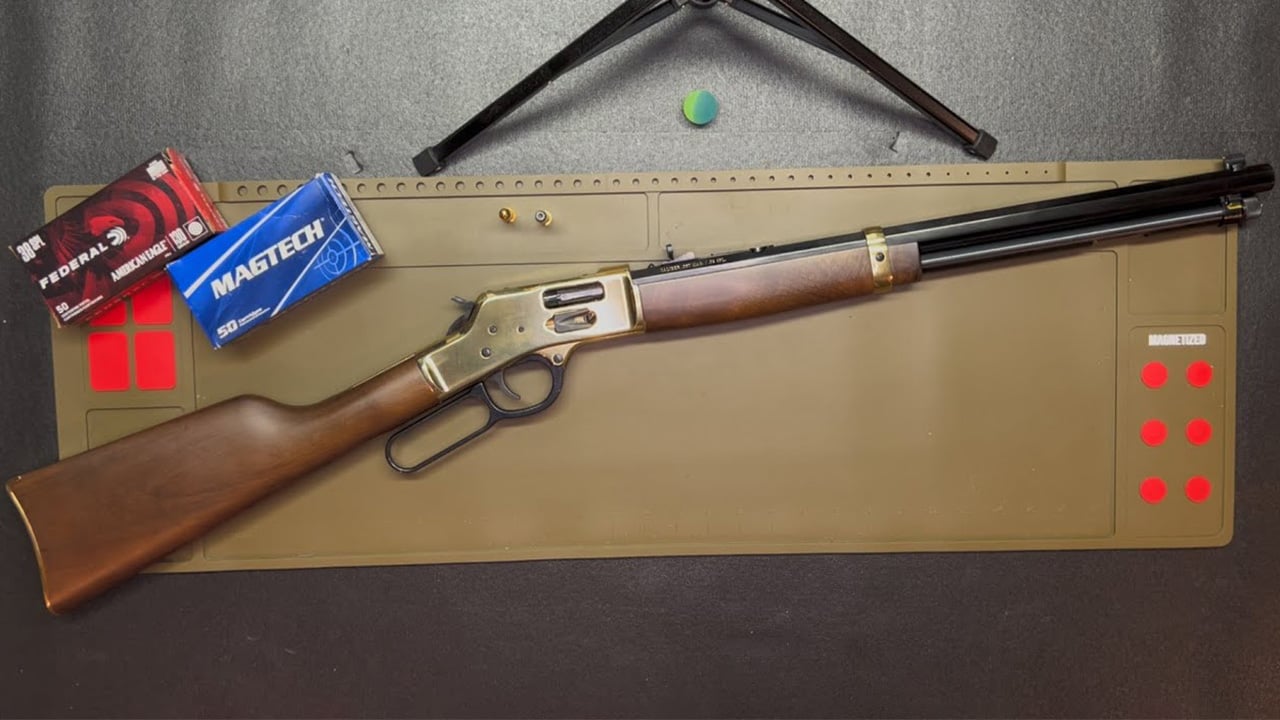
Brass-framed Henry Big Boys were turning heads before the broader collector market got loud about them. They’re shiny, sure, but the real draw is they run. The actions are generally smooth out of the box, and in .357 or .44 Magnum they’re easy rifles to own—no finicky magazines to chase, no weird proprietary parts that vanish overnight.
Not everybody likes the weight, and I get it. A brass receiver adds heft, and after a long walk it’s noticeable. The tube-loading setup also isn’t everyone’s favorite for quick top-offs. Still, the early Big Boys had a “new classic” thing going on: modern reliability wrapped in a traditional look. A clean early example with nice wood has a way of staying in the family, which is basically how collector pieces are born in the first place.
13. Ruger 96/44
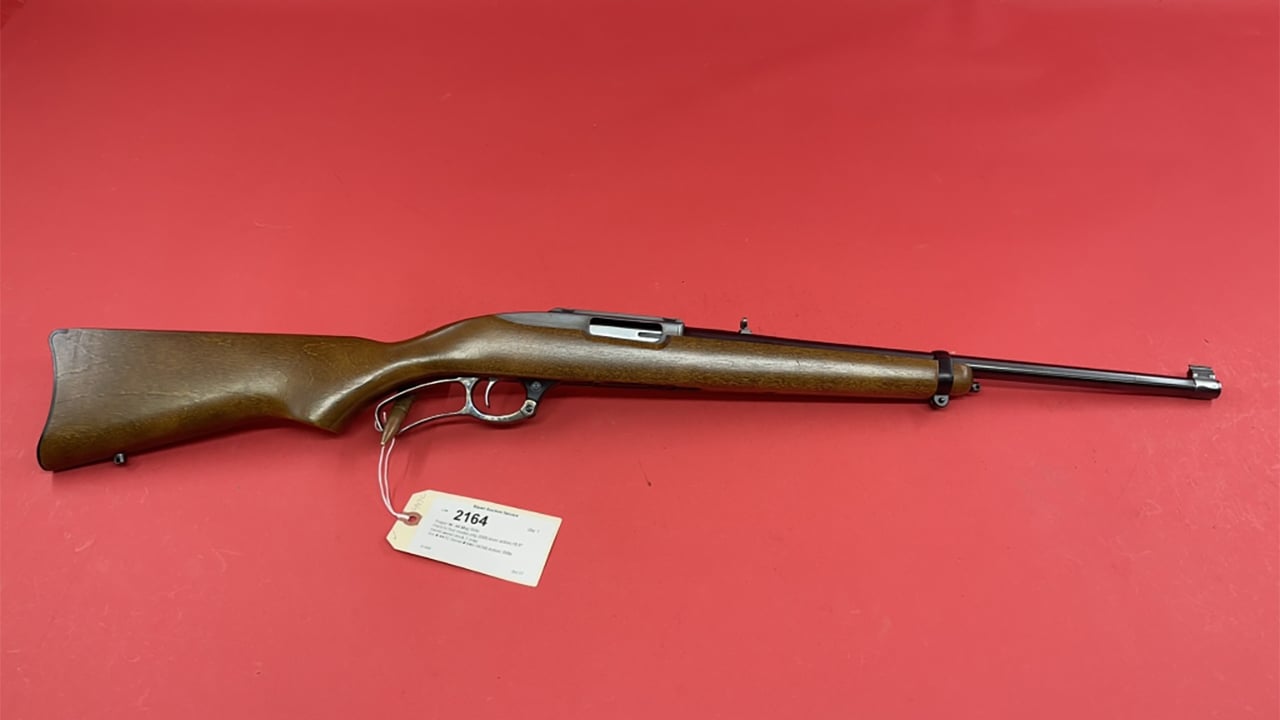
The Ruger 96/44 is one of those lever guns that didn’t get enough love when it was sitting on shelves. Short, handy, rotary magazine, and chambered in .44 Magnum, it made a ton of sense for deer in thick cover and for a general-purpose ranch rifle. It carries more like a .22 than a big-bore lever gun, and the balance is quick.
It became a “wish I’d bought two” rifle for a lot of folks. Not because it’s the prettiest thing ever, but because it’s practical and different, and Ruger didn’t keep it around long enough for everybody to catch on. Magazines and parts aren’t as effortless as common Marlins, and you’re not going to confuse it with a 19th-century design. But for a working .44 lever gun that feeds from a magazine, it was ahead of its time.
14. Remington Model 14 (and Model 141) pump/lever-era cousin that lever guys chase anyway
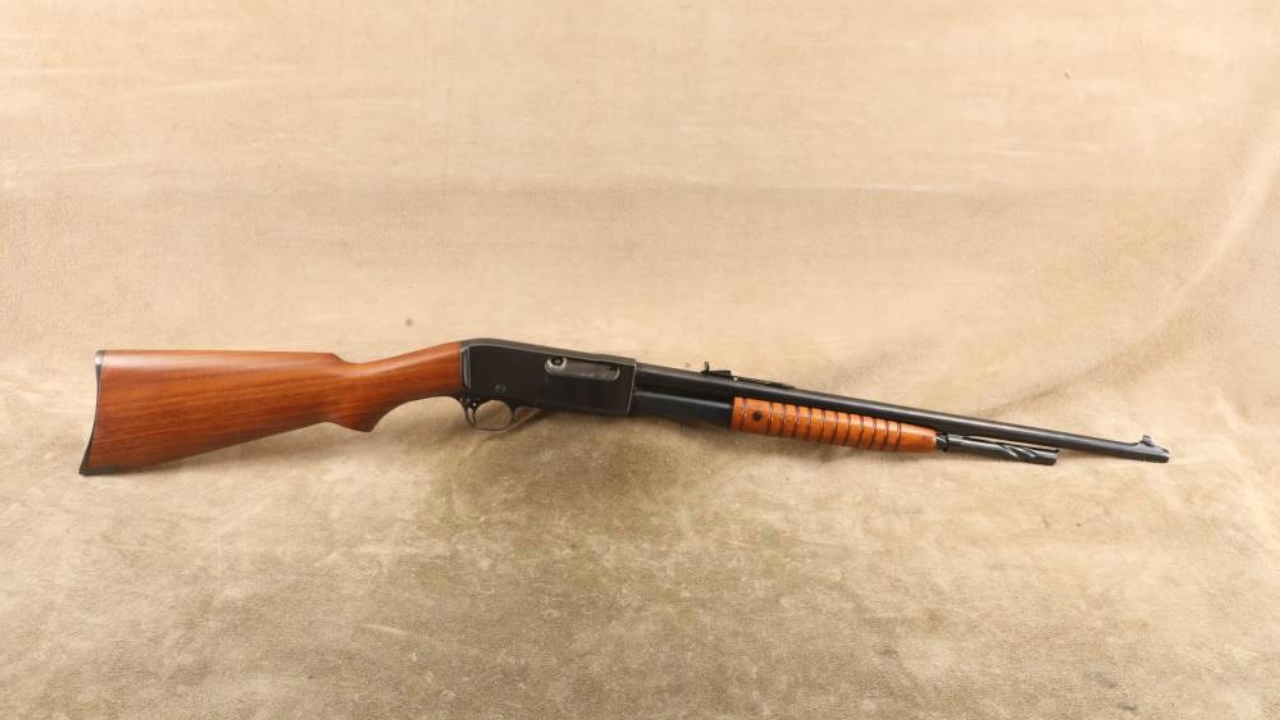
Purists will argue this one isn’t a lever action, and they’re right—it’s a slide-action. But it lives in the same deer-camp universe and gets chased by the same crowd because it filled the same role with the same cartridges. The Model 14 and 141 in .30 Remington, .32 Remington, and .35 Remington have that “old woods rifle” feel in a way modern guns rarely do.
They were always a step above bargain guns, with quality metalwork and a smoothness that comes from good design and use. Collector interest shows up because so many of these were carried hard, and clean ones are getting thin. Ammo for the odd Remington cartridges can be the limiting factor, and that turns casual buyers away. Still, if you like classic deer rifles and you care about what a gun feels like in the hands, these Remingtons scratch the same itch as the best levers.
15. Marlin Model 336SC (Sporting Carbine)
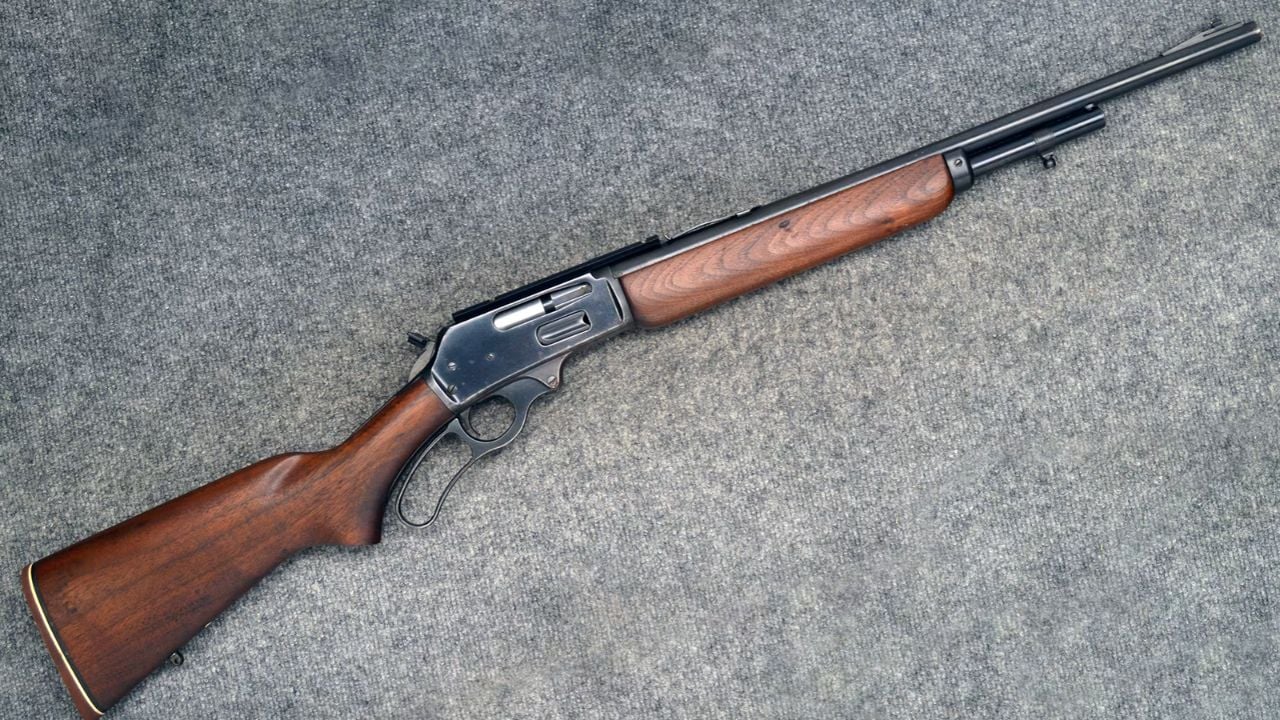
The 336SC is one of those Marlins that makes you look twice if you know what you’re seeing. The “SC” touches—often a lighter, handier setup than the standard rifle—hit a sweet spot for actual hunting use. In .30-30, it’s a rifle you can carry all day and still bring up fast when a buck ghosts through timber.
These were never exactly common, and they didn’t need internet attention to be desirable. The collector angle is partly scarcity and partly that they represent a very specific idea of what a deer rifle should be. The downside is they’re old enough that condition is everything. Stocks get cracked, bores get rough, and some have been drilled or modified in ways that aren’t reversible. But an honest 336SC is the kind of gun you don’t improve by messing with it.
16. Winchester Model 64
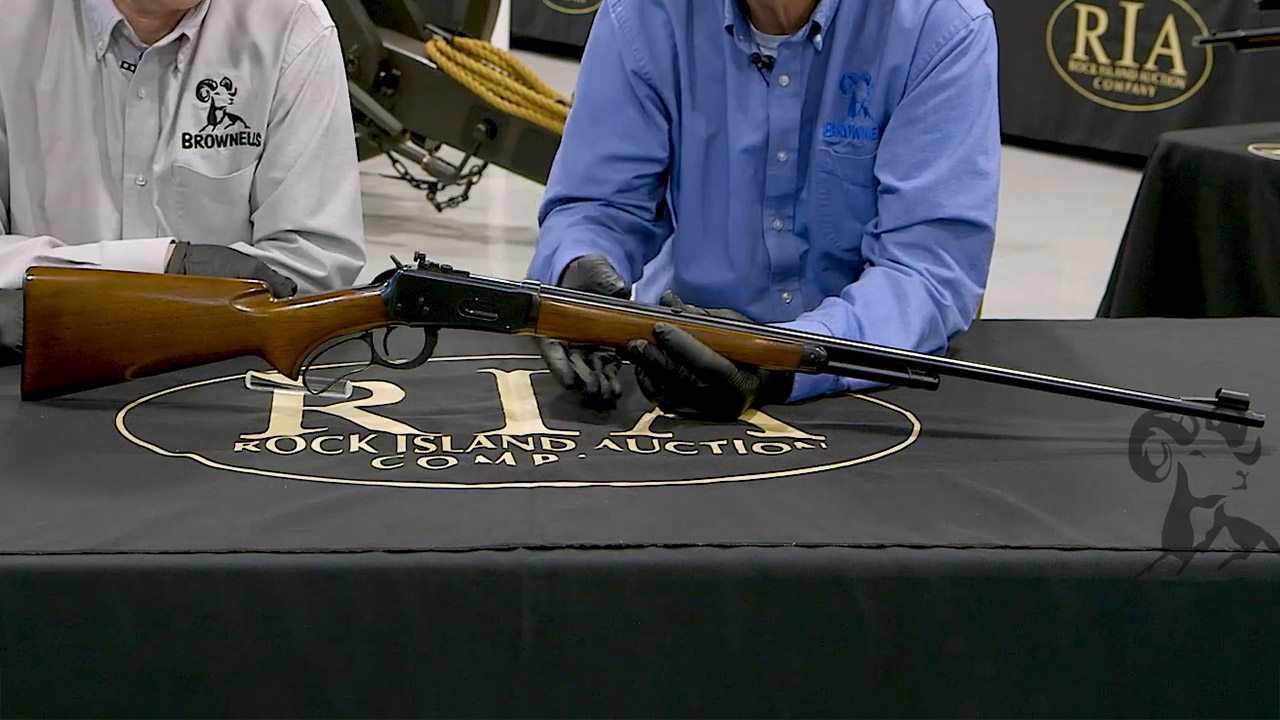
The Model 64 is what a lot of hunters wanted their Model 94 to be once scopes, slings, and longer seasons became normal. It’s still got that Winchester lever-gun soul, but often with features and stock shapes that feel more “sporting rifle” than saddle gun. In the hands, it’s smooth and steady, and it carries like it belongs in the deer woods, not just in a display case.
Collector status came naturally because Model 64s never flooded the market the way standard 94s did, and the variations matter. Certain chamberings and configurations are especially sought after, but even plain ones have a following because they’re just nicer. If you’re shopping, you’ve got to watch for refinishes and parts swaps—these guns are old enough that they’ve been “fixed” a dozen ways. A correct, clean Model 64 is a serious prize that still hunts if you let it.
17. Winchester Model 55
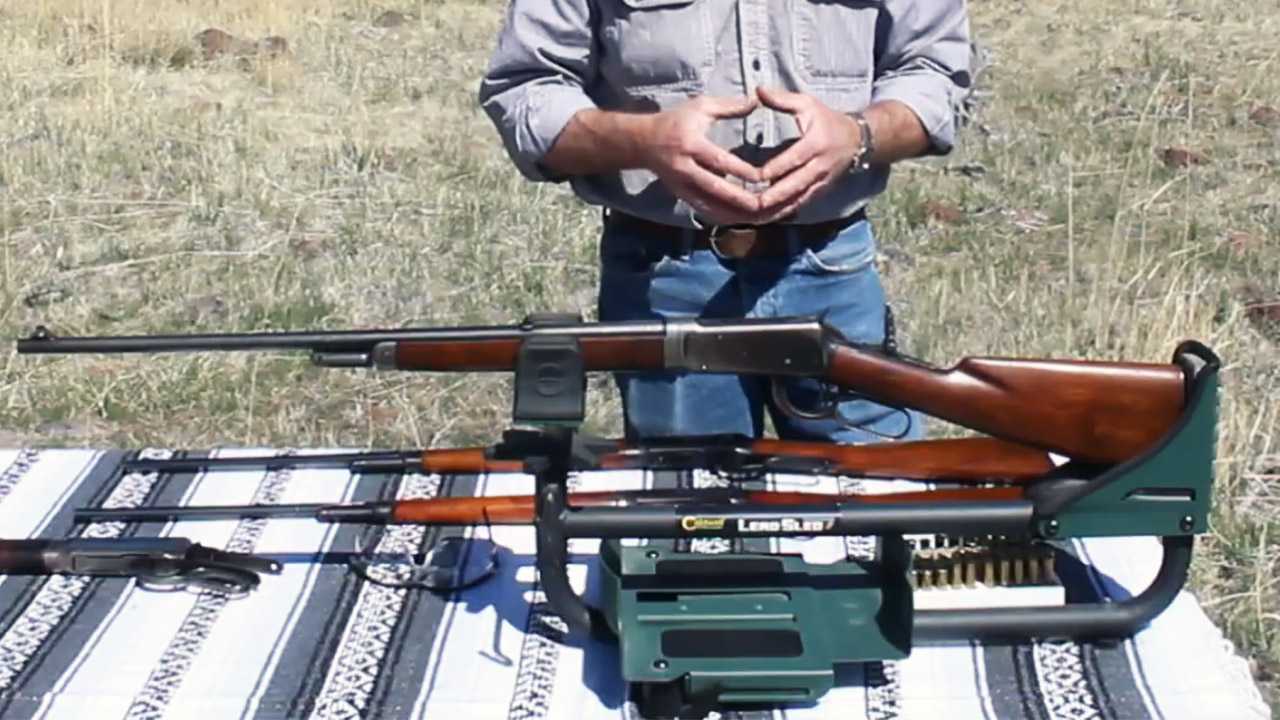
The Model 55 is a lever gun a lot of younger shooters have never even handled, which is part of why it stayed under the radar. It’s basically a variant in the 94 family, often with a shorter barrel and a slightly different feel. When you pick one up, it’s quick, lively, and very “snap shot” friendly in thick cover.
They were collector pieces early simply because they weren’t made in huge numbers and because they’re an odd branch on the Winchester tree. The challenge is that “odd branch” status can make parts and correct details more important. You don’t buy one to customize it. You buy one because it’s already what it is. If you find a Model 55 with good metal and an uncut stock, it’s the kind of rifle that makes you stop trading guns for a while.
18. Marlin Model 1893 (original production)
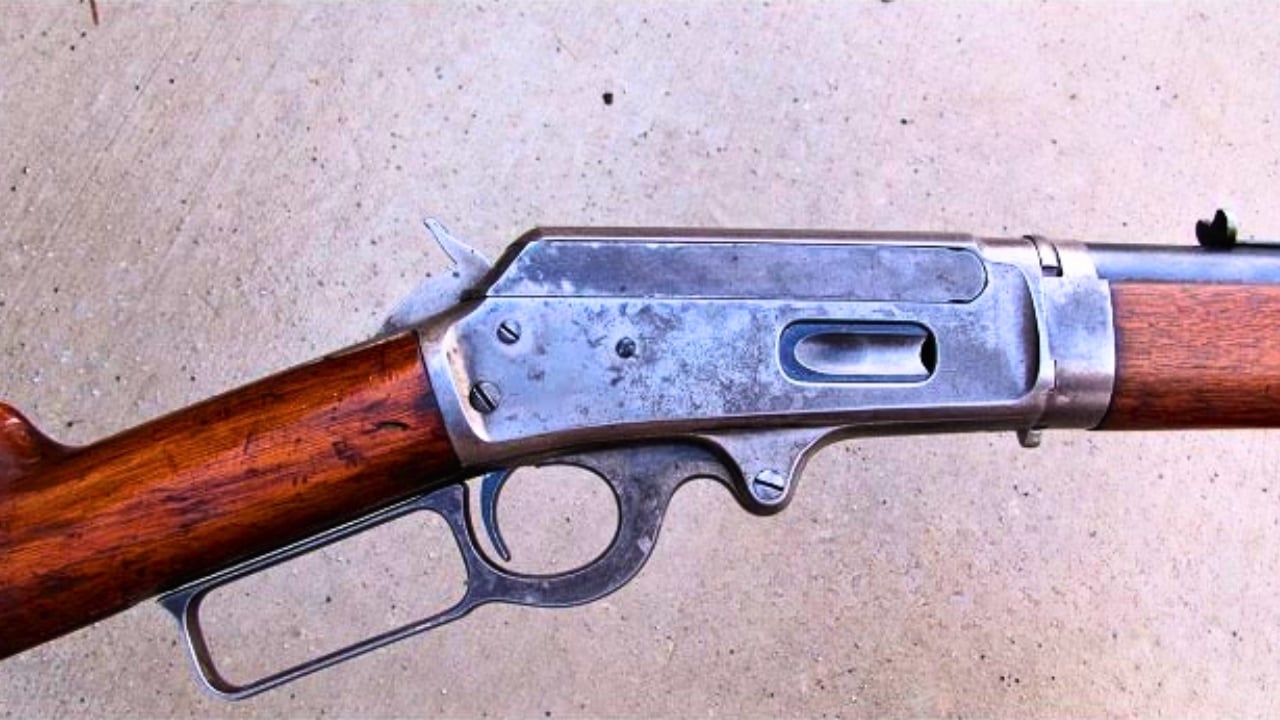
The Marlin 1893 is one of those rifles that reminds you Marlin and Winchester were in a real race for the working hunter’s dollar. It has a solid feel, and many examples show craftsmanship that’s hard to find in modern production. Chamberings like .30-30 and .32 Special made them true deer rifles, not just range curiosities.
The collector part was always there because these rifles are old, yes, but also because they represent a turning point in sporting rifles. The downside is age brings risk: hidden cracks, soft screws from bad drivers, bores that look like they lived in a barn. You don’t buy an 1893 as your only deer rifle unless you’re committed to keeping it running. But in good condition, it’s an honest piece of American hunting history that still feels like it wants to go to the woods.
19. Colt-Burgess Lever Rifle
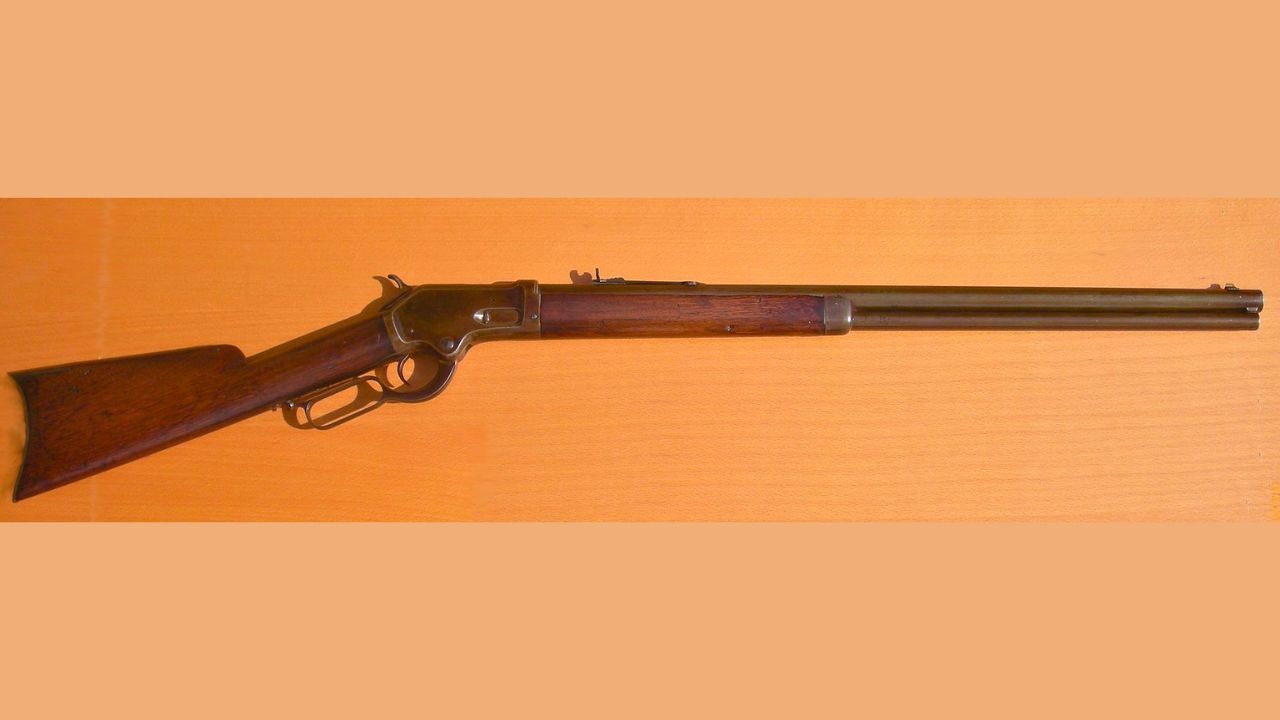
The Colt-Burgess is the kind of lever gun you don’t casually stumble into. It’s rare, it’s historically important, and it has that “why did this not go further?” vibe that collectors love. Colt and lever rifles aren’t a common pairing in most people’s minds, and that novelty is real. The design itself is interesting, with a slick profile and a feel that’s different from the usual Winchester and Marlin crowd.
This one was essentially a collector piece the moment it existed, because production numbers were limited and survival rates aren’t exactly high. The practical downside is obvious: you’re not going to treat it like a camp rifle. Ammunition, parts, and correct restoration work are specialized territory. But as a piece of firearms history—one that shows how competitive and experimental that era was—it belongs on any list of lever guns that were “special” long before the market decided they were.
20. Winchester Model 1892 “Trapper” (original short carbines)
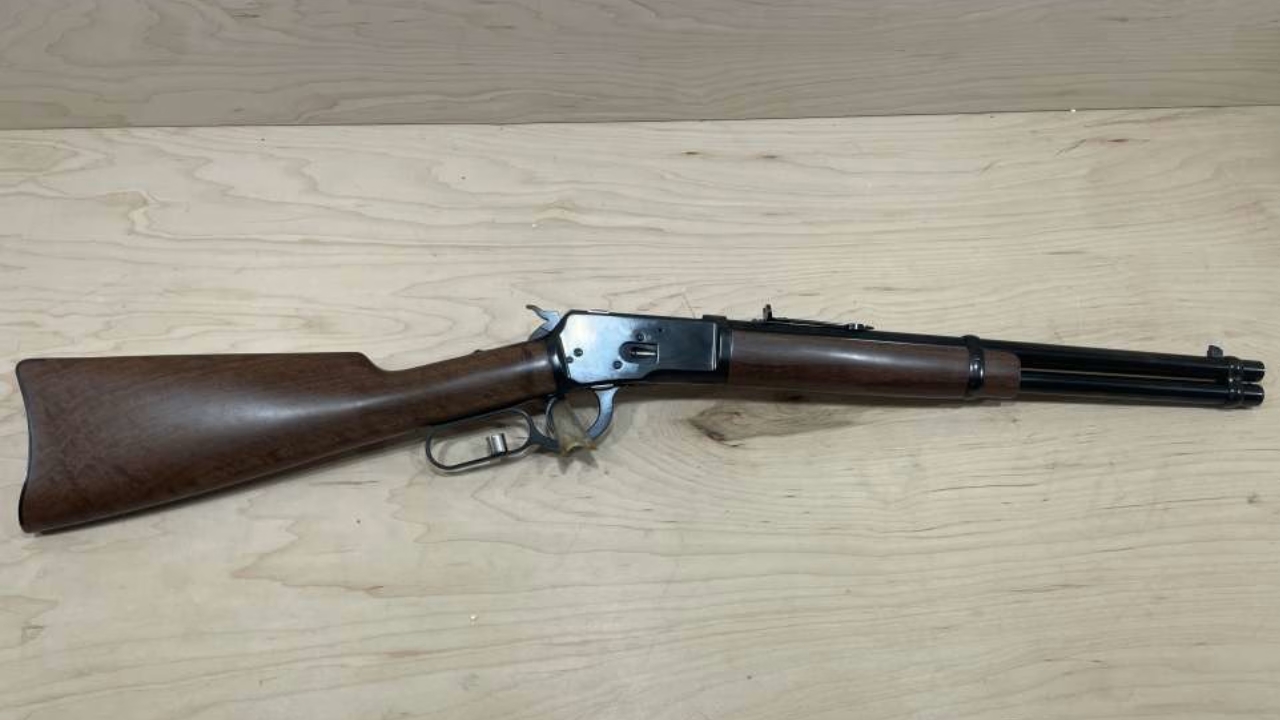
Short lever guns are having a moment right now, but the original short 1892 carbines were desirable way before social media discovered the word “handy.” A true short ’92 feels like it turns inside tight spaces. It’s quick getting in and out of a truck, it carries easy on a sling, and it’s about as natural as it gets for brush-country walking.
The collector angle is that authentic short examples are easy to fake and hard to verify, which is exactly why real ones have always had a premium among people who know. Cut-down barrels and altered magazine tubes are common, and a “Trapper” that started life as a longer rifle is not the same animal. The real deal, with correct markings and proportions, is one of those lever guns that makes you slow down and look carefully. It’s practical, historic, and flat-out cool without trying.
What I’ve learned watching lever guns cycle in and out of fashion is this: the best ones don’t need a trend to be worth owning. They were built right, they handle right, and they keep doing real work long after the internet moves on. If you’ve got one of these sitting in the safe, don’t be in a hurry to trade it for the new hotness. Ask me how I know.
Like The Avid Outdoorsman’s content? Subscribe to our newsletter so you never miss an article.
Here’s more from us: