Photo credit: SensiblePrepper/YouTube
Walk any gun counter long enough and you’ll hear the same kind of talk: “That one’s junk,” “Nobody wants those anymore,” “Too heavy,” “Weird caliber,” “Outdated,” “Plastic,” “Not tactical enough,” or the classic, “My buddy’s cousin had one and it jammed.” I’m not saying every unpopular gun is a hidden gem. Some of them earned their reputation fair and square.
But there’s a whole class of firearms that get dismissed for reasons that don’t matter in the real world—especially if your world includes truck seats, wet November mornings, rough range bags, and actual hunting seasons. Here are 20 that catch more hate than they deserve, and why.
1. Ruger Mini-14 Ranch Rifle
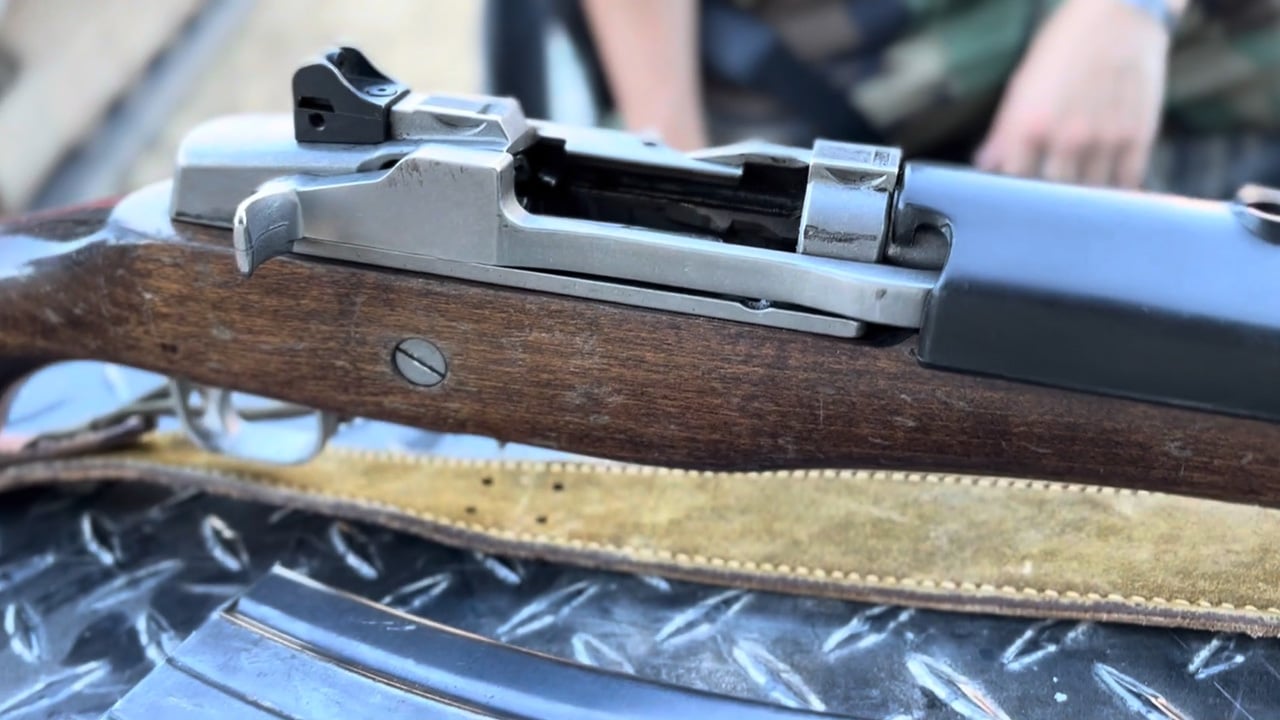
The Mini-14 gets brushed off because it isn’t an AR, magazines used to be pricey, and older guns had a reputation for “minute of coyote” accuracy. I get it. If you’re chasing tiny groups at 100 yards for internet bragging rights, there are better tools.
In the field, the Mini carries easy, shoulders fast, and doesn’t look like you’re doing a photoshoot for a plate carrier catalog. The Garand-style action runs dirty and keeps going, and it rides in a truck or on a farm without demanding babying. Newer production guns tightened up, too. If you want a practical .223 that feels like a rifle instead of a parts kit, the Mini still makes a lot of sense.
2. Glock 42
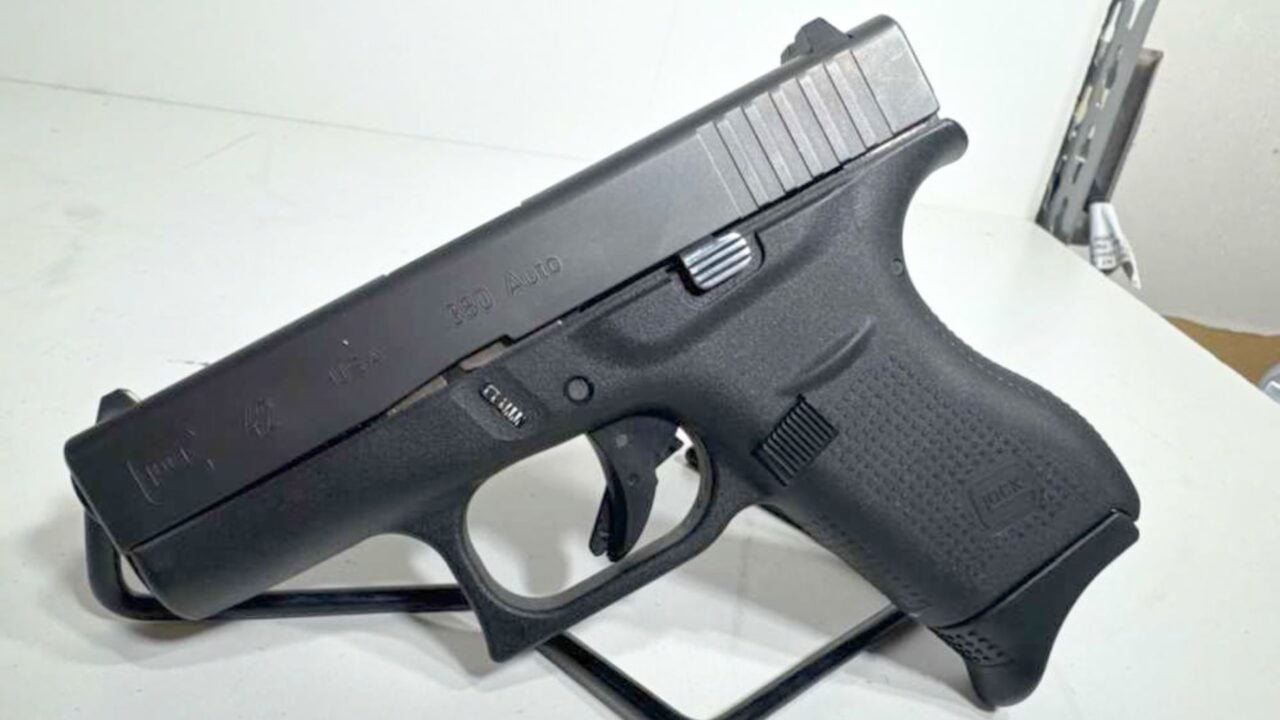
Folks dismiss the G42 because it’s “only” .380 and because the micro-9 crowd acts like anything without a 9mm stamp is a toy. The other knock is cost: you can find small 9mms for similar money.
Here’s the part that matters: the Glock 42 is one of the easier small pistols to shoot well. The slide isn’t as punishing to rack as many tiny 9s, the recoil is manageable, and it’s a legit pocket-size gun that doesn’t feel like holding a bar of soap. With good ammo and realistic expectations, it’s a dependable carry option when a bigger gun isn’t happening. And “a gun you actually carry” beats the perfect gun left in the safe.
3. Smith & Wesson M&P Shield (Gen 1)
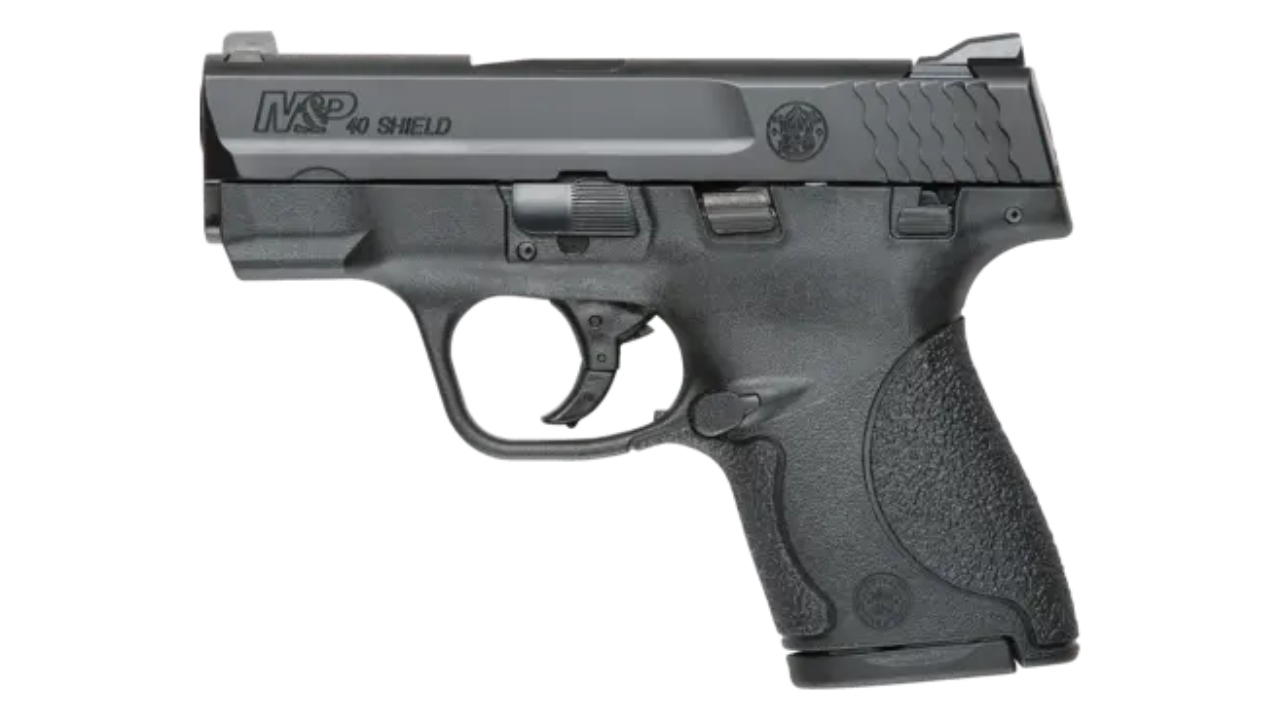
The original Shield gets treated like yesterday’s news because it isn’t optics-ready from the factory and it doesn’t hold 12+ rounds. The trigger wasn’t everybody’s favorite either, especially compared to the latest crop of striker guns.
Still, the Gen 1 Shield is one of the most “honest” carry pistols made. It’s thin, it points naturally, and it disappears under a T-shirt without requiring a wardrobe change. Magazines and holsters are everywhere, parts are common, and the gun tends to run even when it’s linty and ignored longer than it should be. For the guy who wants simple, proven, and easy to live with, the old Shield keeps punching above its weight.
4. Ruger LCR (in .38 Special)
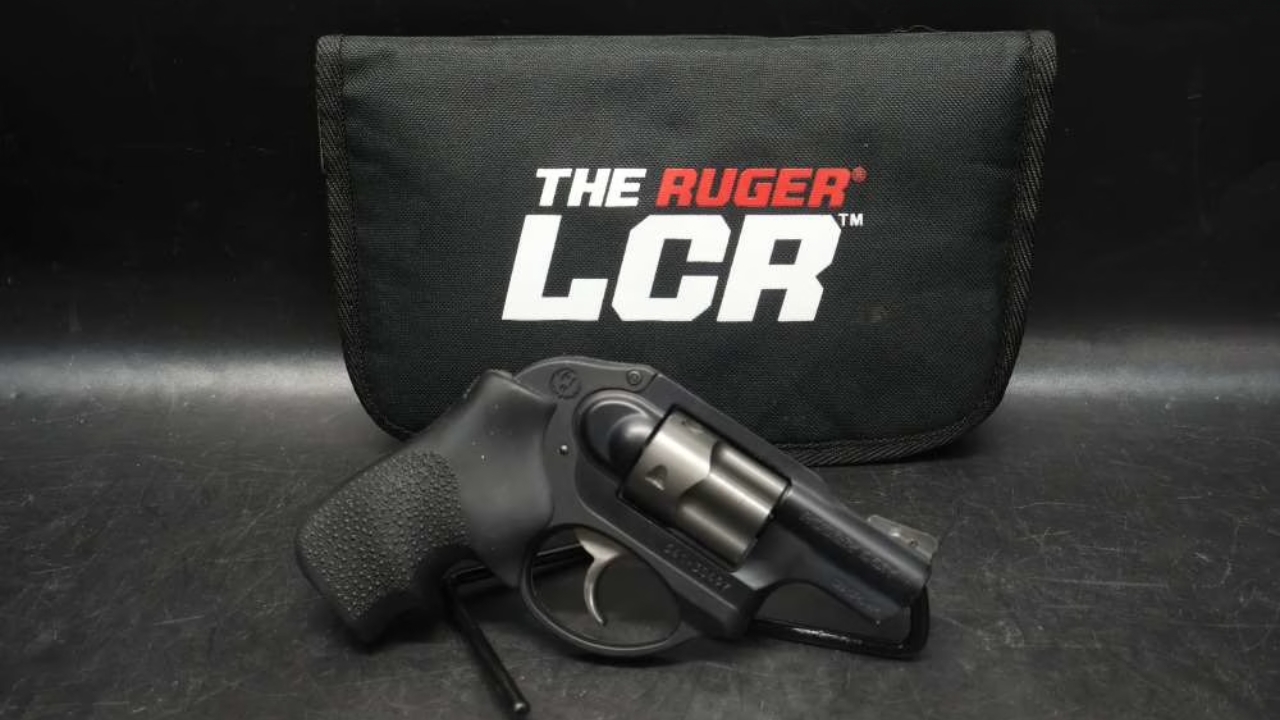
Lightweight revolvers get dismissed as “only for old guys” until somebody actually tries to carry every day in July. Then the tune changes. The LCR also catches heat because it’s not pretty and it isn’t fun at the range with hot loads.
But as a real-world carry gun, the LCR is hard to beat. It’s light enough that it doesn’t drag your belt down, the trigger is better than it has any right to be on a snub, and it’s very forgiving in pockets and simple holsters. It’ll take neglect, sweat, and dust better than a lot of tiny autos. No, you don’t get high capacity. You do get a gun that’s there, and that’s kind of the whole point.
5. Taurus G3 (not the G3c)
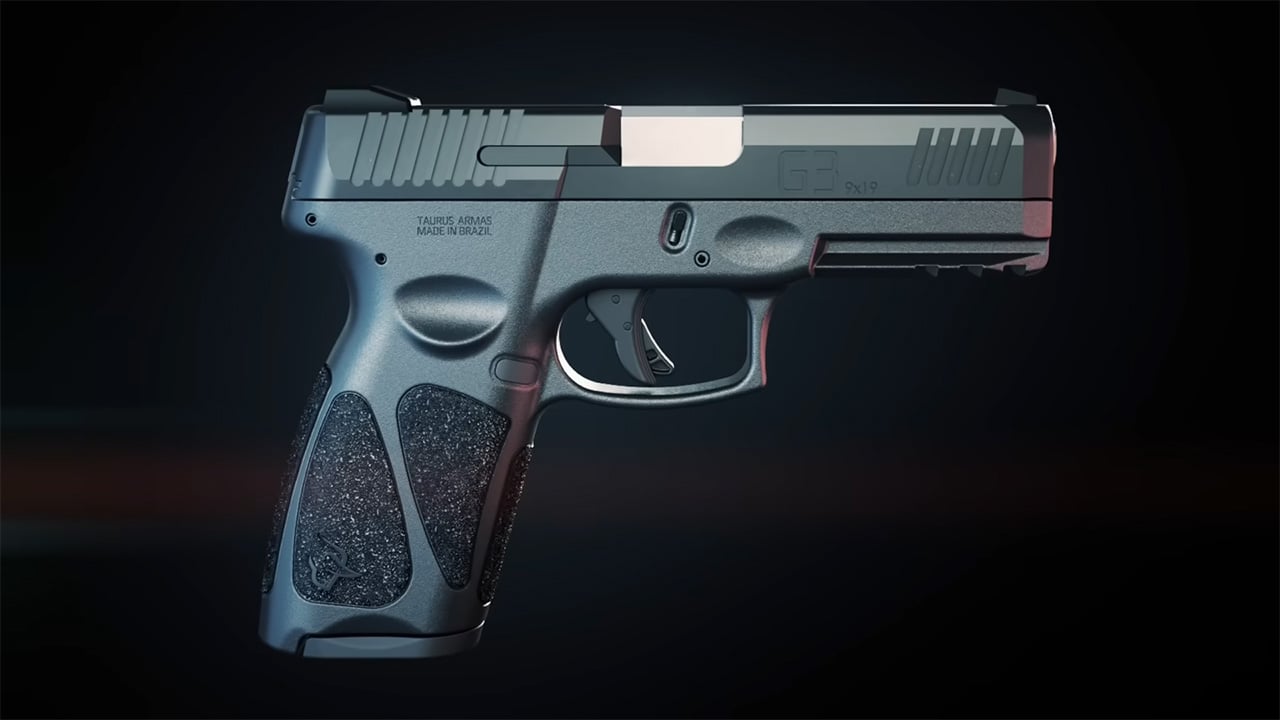
Taurus has burned enough people over the years that some buyers refuse to look again, and I understand why. The G3 also gets overshadowed by the compact G3c, which fits the current carry trend better.
The full-size G3 is a sleeper if you want a cheap, usable 9mm that shoots like a bigger gun. The grip gives you room, the sight radius helps, and recoil is softer than the micro stuff everyone insists on buying. It can serve as a basic home-defense pistol, a glovebox gun where legal, or a range beater you don’t mind getting scuffed. Just do what you should do with any new pistol: run your preferred ammo through it before trusting it for serious use.
6. Beretta APX A1
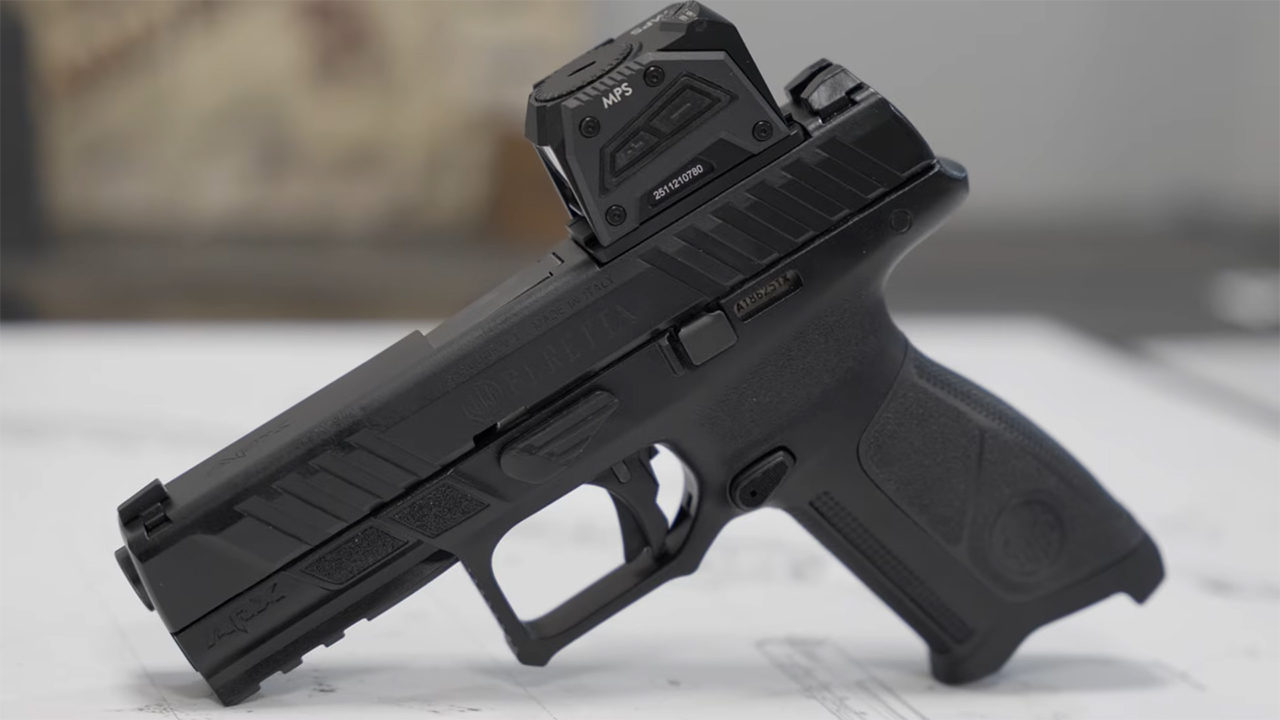
The APX line got laughed at because the styling is different and, for a while, it felt like Beretta’s “other” striker gun nobody asked for. Online, if it’s not the newest hotness with a cult following, it’s apparently trash.
In your hands, the APX A1 is a solid duty-style pistol with a grip texture that actually works when your hands are wet or cold. It’s generally reliable, and the slide design gives you plenty to grab. Pricing has been competitive, which makes it a realistic option for working folks. It may not impress your buddy who only buys what influencers push, but it’ll do the job without being precious about it.
7. CZ P-07

Some shooters dismiss the P-07 because it’s hammer-fired and they don’t want to learn a DA/SA trigger. Others just don’t want to deal with decockers, different first-shot pulls, and the training that comes with it.
The P-07 rewards the guy willing to practice a little. It’s tough, shoots flat for its size, and fits a lot of hands well. It also makes a lot of sense for outdoors carry where a heavier first pull can be a comfort around brush, packs, and climbing in and out of vehicles—while still giving you a crisp single-action follow-up shot. If you want a do-it-all pistol that isn’t trying to be the trend of the month, the P-07 is a workhorse.
8. SIG Sauer P365 (standard model)
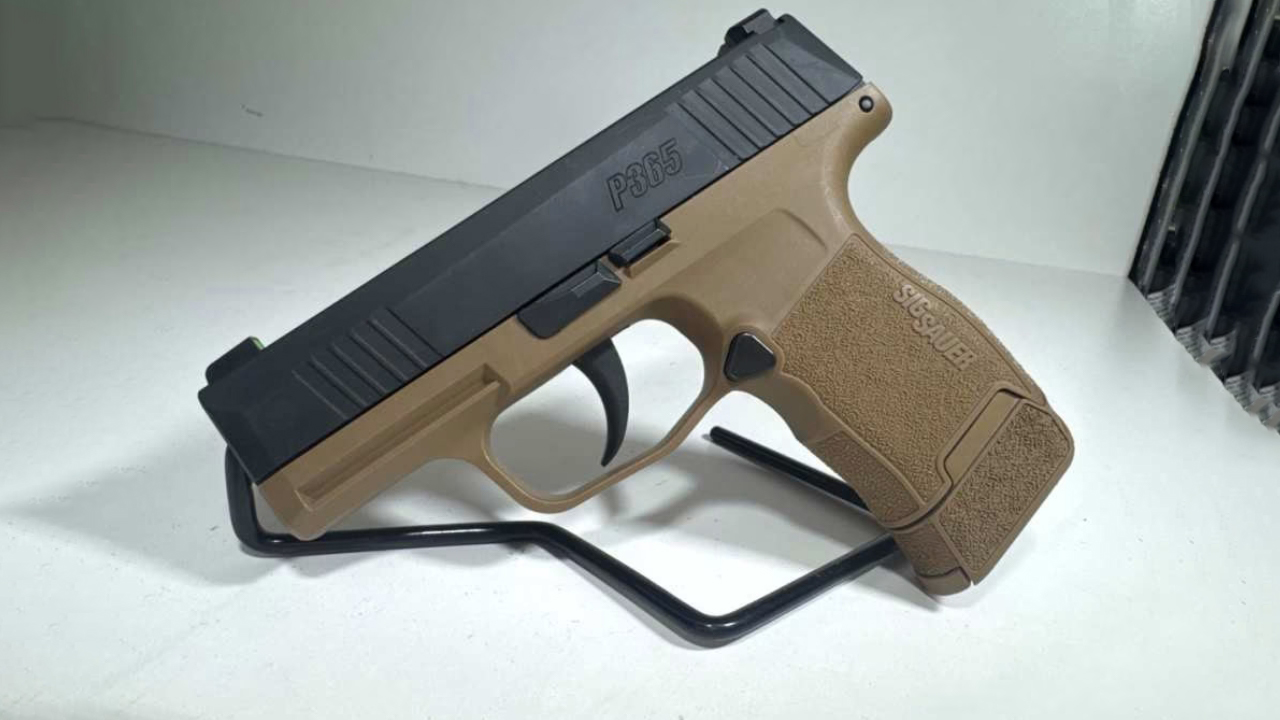
It’s popular, but it still gets dismissed in certain circles for early-production growing pains and because some folks act like “micro-compact” automatically means “too snappy to be useful.” Others write it off because the grip feels small.
The standard P365 earned its place because it’s a rare blend of capacity and carry comfort. It’s small enough for real concealment but big enough to shoot with competence once you put the time in. Magazines and parts are common now, and you can set one up plain or fancy depending on your budget. It’s not magic, and you still have to train, but writing it off because of old internet baggage is a mistake.
9. Remington 870 Express (used, with honest wear)
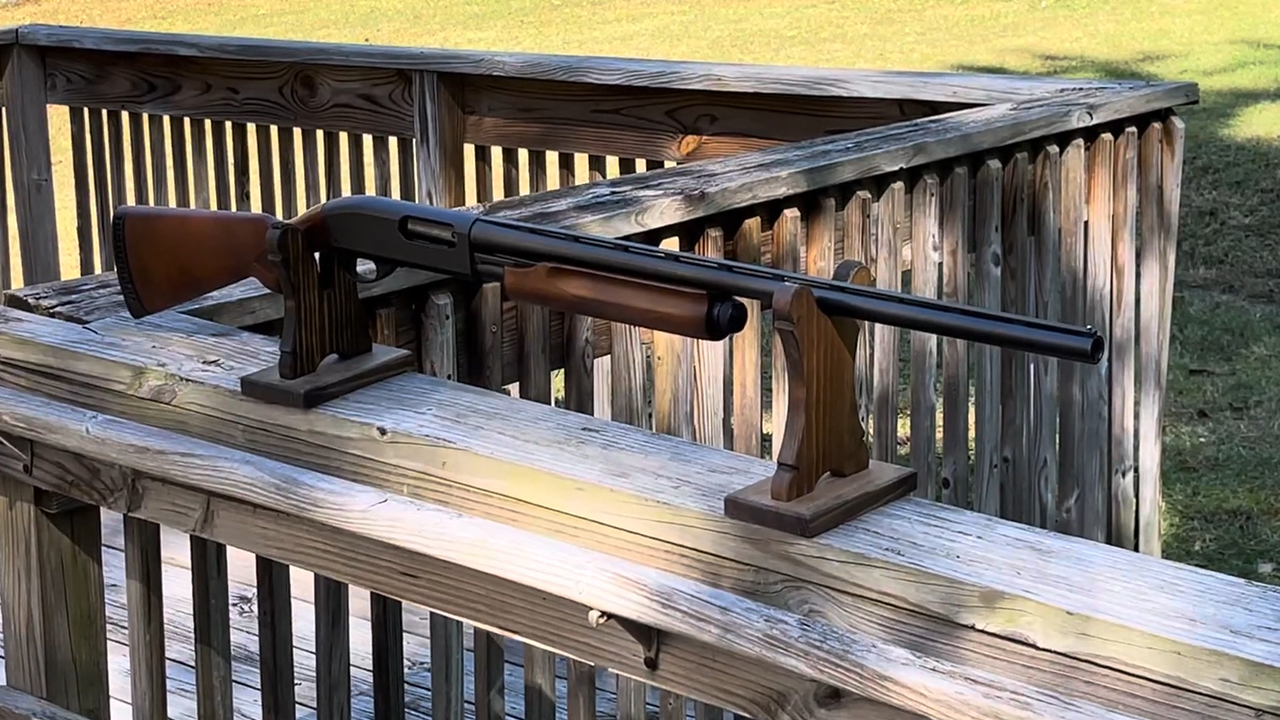
The Express line got a black eye during the rough years, and some of the finish and QC complaints were legit. Because of that, folks lump every Express in with the worst examples and declare the whole thing dead.
A used 870 Express that cycles smooth and locks up right is still a very useful shotgun. The platform has more support than almost anything: stocks, barrels, chokes, parts, all of it. For a turkey gun, a slug setup, or a simple field gun, it can still earn its keep. The trick is inspecting what you’re buying, not repeating what you heard. If the action feels like gravel, pass. If it’s a solid one, it’ll probably outlast the current trend cycle.
10. Mossberg Maverick 88
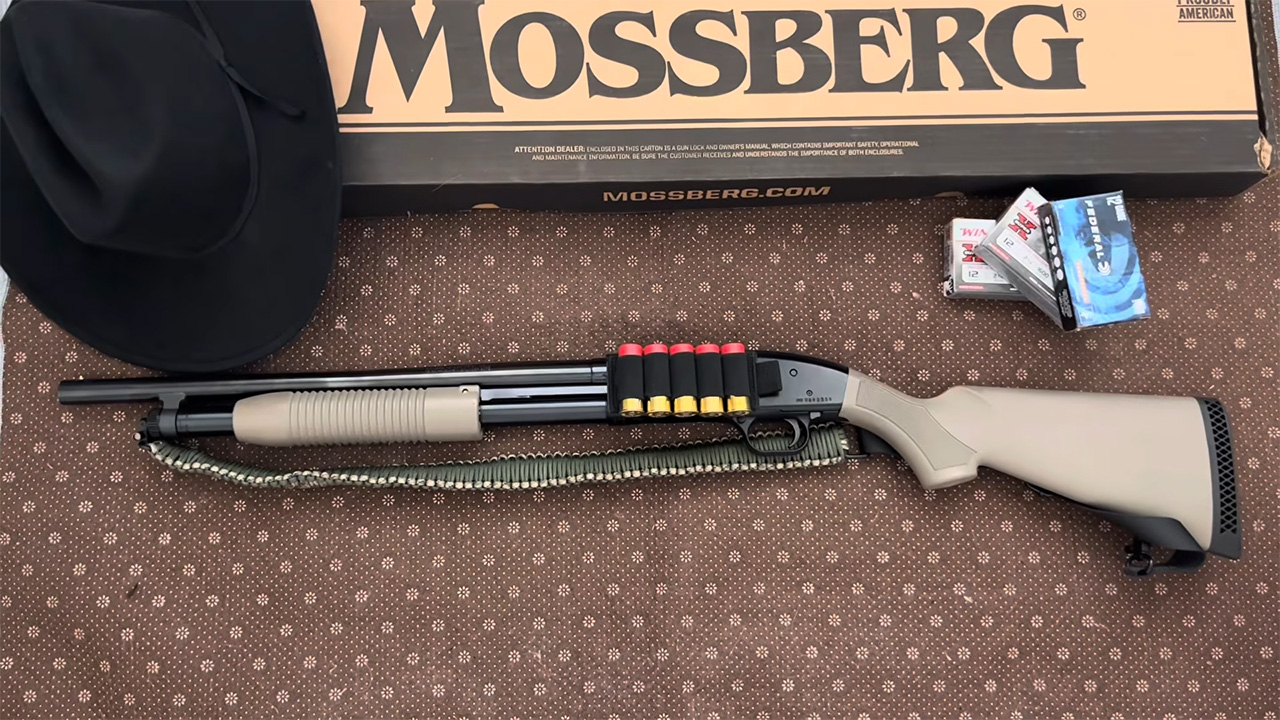
The Maverick 88 gets labeled “cheap” like that’s the whole story. Sure, it’s built to hit a price point, and it doesn’t have the same finish or features as higher-end pumps.
But a working pump gun that goes bang every time is not something to sneer at. The 88 is simple, common, and generally reliable with the kind of loads normal people shoot. It’s a great “first shotgun” and an even better “I need a farm gun that can ride behind a seat” option. The safety location is different than an 500, and you should practice with it, but the gun itself does what it’s supposed to do without drama.
11. Savage Axis (especially the early, basic ones)
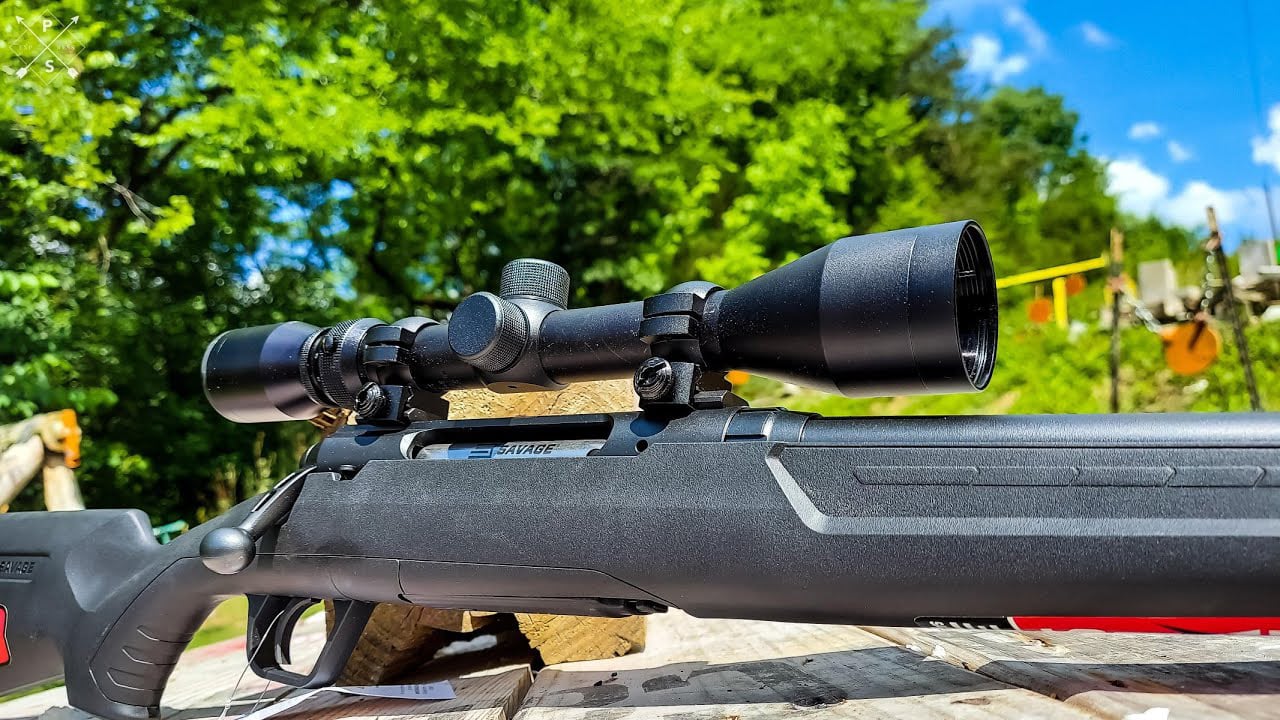
The Axis is a frequent punching bag because it feels cheap in the hand. The stock is flimsy, the looks aren’t winning any beauty contests, and the rifle doesn’t have the same “pride of ownership” vibe as a walnut-and-blue classic.
Here’s what the Axis does well: it shoots. A lot of them shoot far better than their price tag suggests, and they’ll put venison in the freezer if you do your part. The action isn’t fancy, but it’s functional. For the guy who hunts hard, drags rifles through brush, and doesn’t want to cry over a scratch, the Axis is a tool that can take abuse. If you want pretty, buy pretty. If you want dead-on, don’t overlook it.
12. Ruger American Rifle
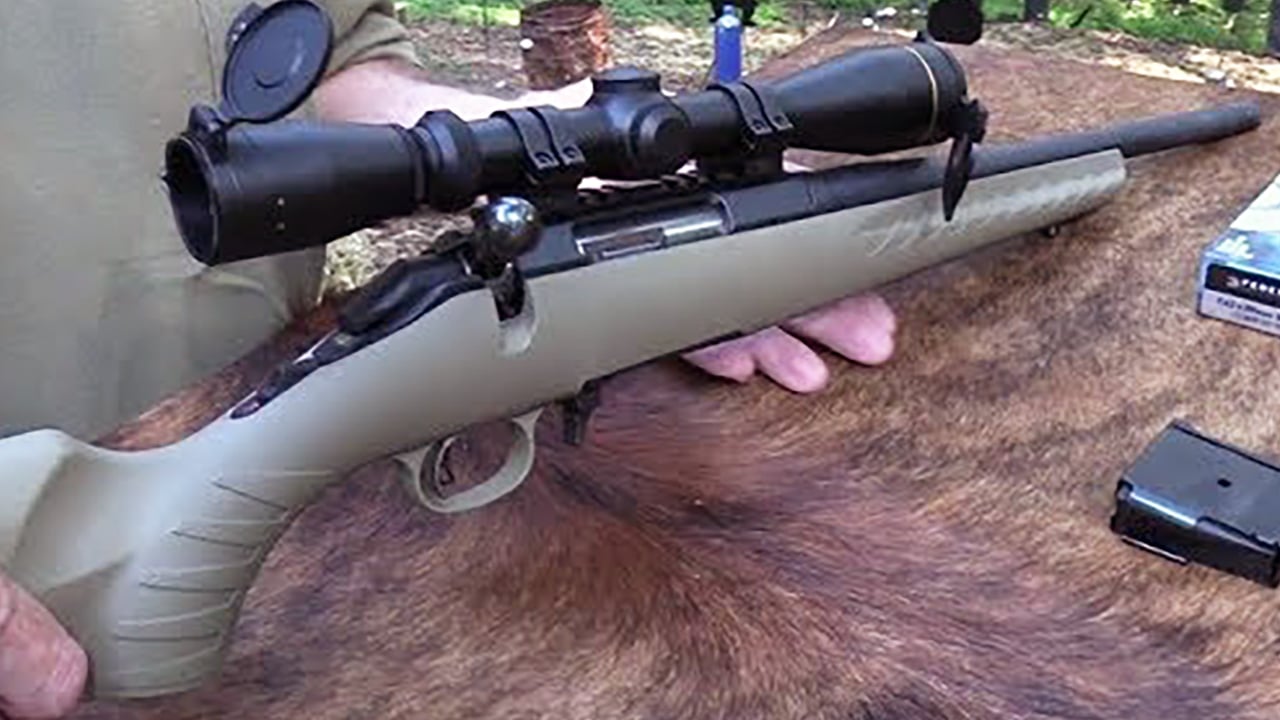
“Boring” is the main complaint with the Ruger American. It isn’t a boutique rifle, it’s not a heirloom piece, and it doesn’t have the slick pride factor of a high-dollar action. Some shooters also dislike the rotary mags on certain versions.
What it does have is a track record of accuracy that surprises people who haven’t shot one. It’s light enough to carry all day and usually feeds well with the right magazine system. For whitetails, hogs, coyotes, and general “one rifle” duty, it checks a lot of boxes. It’s also a great rifle for new hunters because it doesn’t fight you. There is nothing fancy about it, and that is kind of the point.
13. Marlin 336 (post-Remington and Ruger-made both)
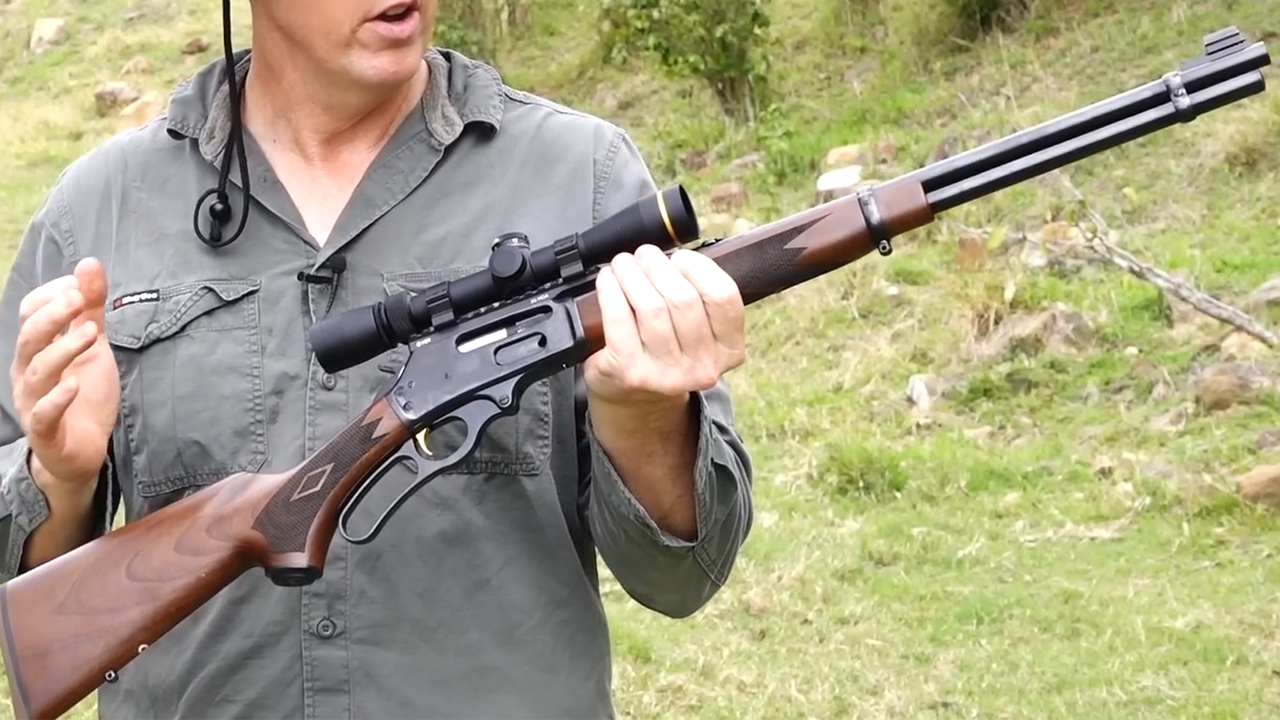
Lever guns got expensive, and that made a lot of buyers sour. Then you’ve got the “JM stamp” arguments, which can turn into a full-time job if you let it. Plenty of folks dismiss anything that isn’t their preferred era.
A good 336—whether it’s an older one that’s been cared for or a newer one that’s properly finished—handles like a woods rifle should. It carries flat, points quick, and does not need a long lane to be effective. In thick timber, a .30-30 still works like it always has. The 336 also tends to be the rifle a family has actual memories with, which is worth something. If you find one that cycles smooth and groups decently, don’t overthink it.
14. Winchester Model 70 (push-feed versions)
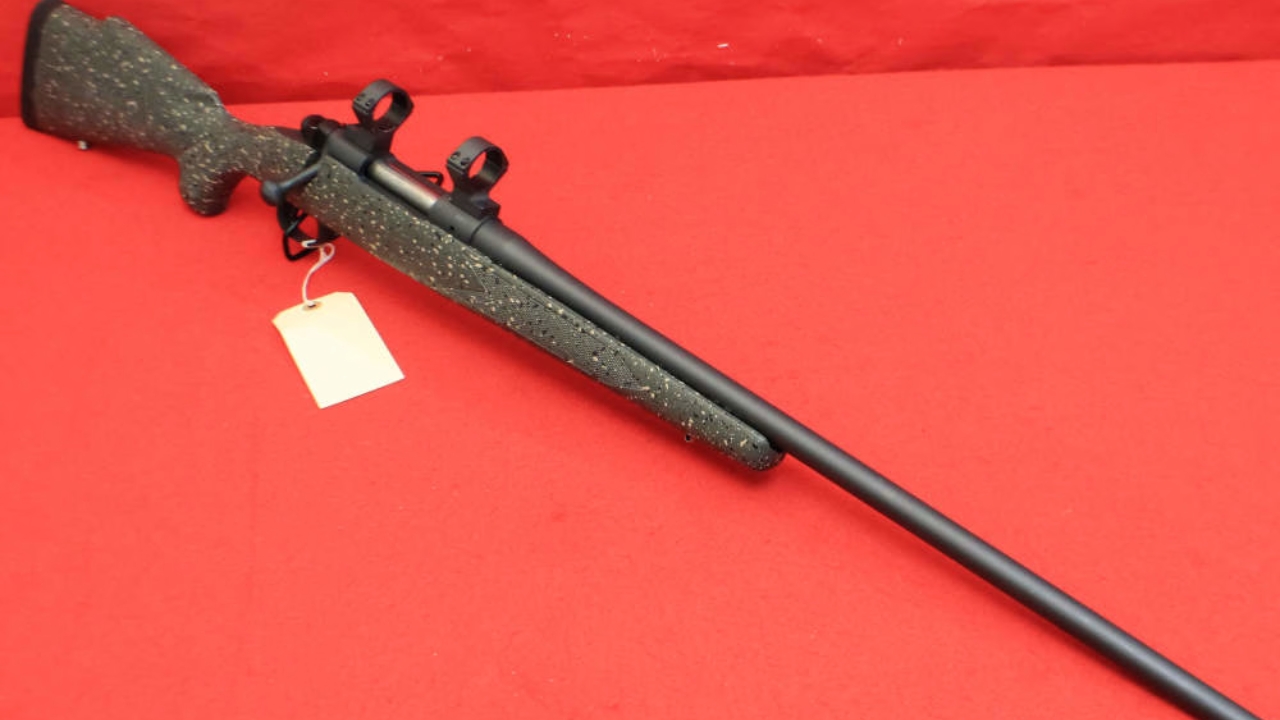
The push-feed Model 70s catch flak from the controlled-round-feed crowd. It’s like some folks decided only one version counts and everything else is a compromise. That argument lives mostly on the internet.
In real hunting conditions, a good push-feed Model 70 is a strong, accurate bolt gun with great handling. The safety is excellent, the rifle balances well, and they tend to point naturally offhand. Unless you’re doing extreme, specialized work, the action type is not what makes or breaks your hunt. What matters is whether the rifle feeds, extracts, and hits where you aim. A lot of push-feed 70s do exactly that for decades.
15. Springfield Armory XD (4-inch Service model)
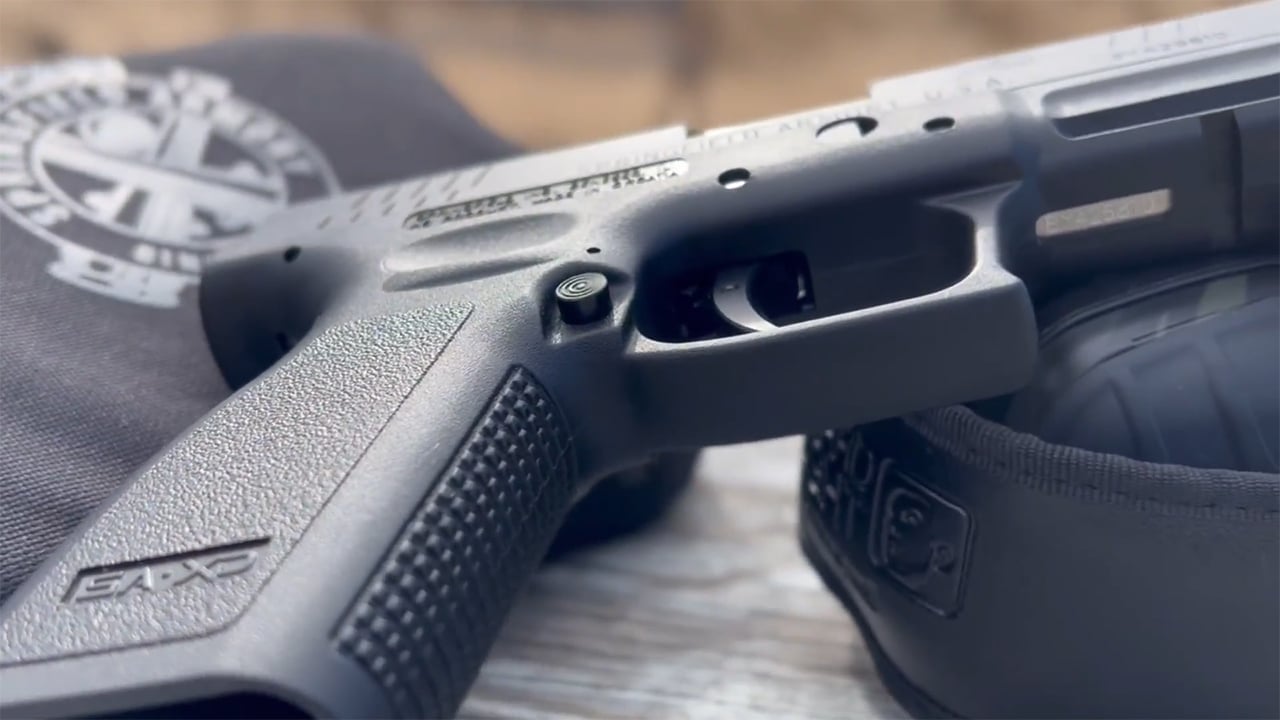
The XD gets mocked because it isn’t the newest design and because it has a grip safety, which some shooters love to hate. Internet fashion moved on, and the XD became a punchline in certain corners.
I’ve seen plenty of XDs that just run. They’re easy to shoot, the grip shape works for a lot of hands, and the controls are straightforward. For a nightstand gun or a simple belt gun, it can be a solid choice, especially if you already own magazines and holsters. Is it the lightest, smallest, most modular pistol? No. But for the owner who wants a dependable striker gun and doesn’t care what the comment section thinks, it still does what it was built to do.
16. Rossi Model 92 (in .357 Magnum)
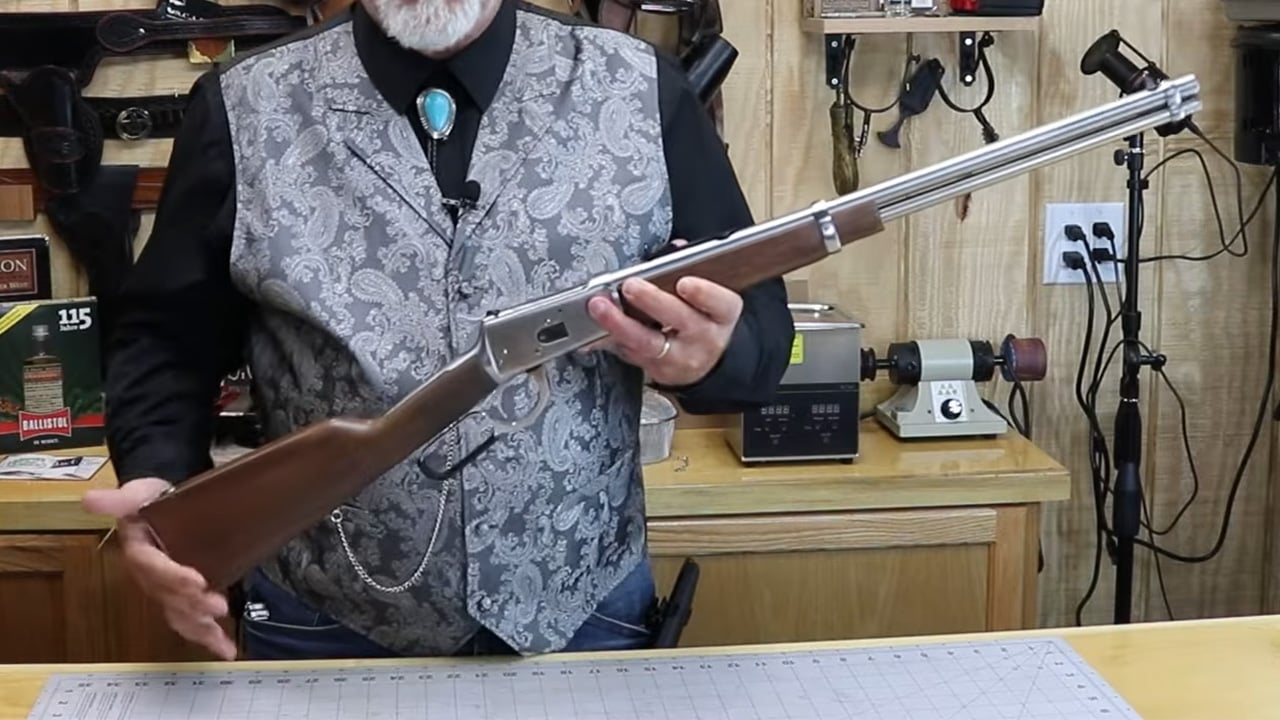
Rossi lever guns get dismissed as “budget” and not on the same level as higher-end brands. Fit and finish can vary, and you’re not buying one for collector bragging rights.
What you are buying is a handy lever gun that pairs with a .357 revolver and shoots cheap .38 Specials all day. That combo is hard to beat for property carry, pests, informal target shooting, and even deer in the right ranges and setups. The Model 92 pattern is light and lively, and it carries well slung on an ATV or in a scabbard. If you get one that feeds your chosen ammo reliably, you’ve got a lot of utility for the money.
17. Hi-Point C9
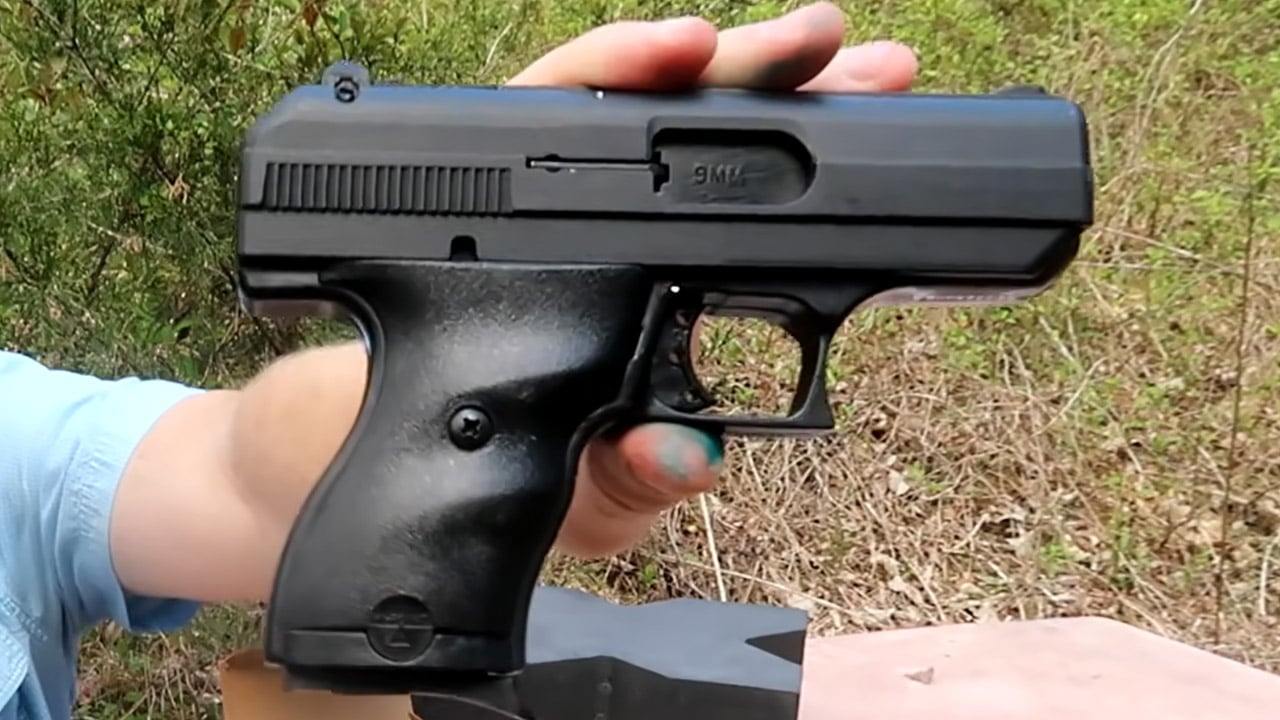
Let’s be honest: the Hi-Point C9 is ugly. It’s bulky. It doesn’t feel like quality when you pick it up. That’s why it gets laughed at, and that’s why a lot of folks won’t be seen with one.
But dismissing it just to be cool misses the role it fills. A C9 can be a last-resort budget option that still gives someone a functional firearm when money is tight. They often run better than people expect, and the simple blowback design is straightforward. I’m not calling it refined, and I’m not calling it the first choice for daily concealed carry. I am saying it’s a reminder that “affordable and functional” matters more than “pretty” when times are lean.
18. Ruger 10/22 Carbine
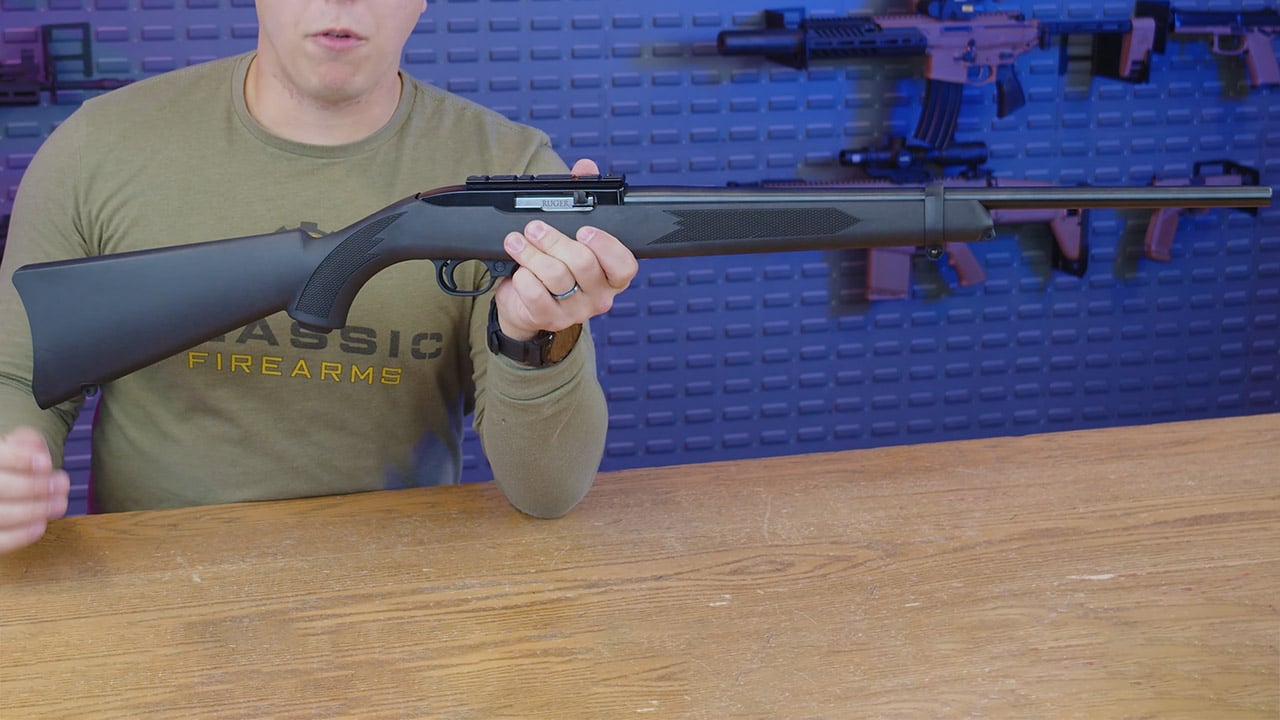
Some buyers dismiss the basic 10/22 because it’s “just a .22” or because they think you have to spend a pile of money on upgrades for it to be worthwhile. The other complaint is that everyone already has one, so it feels boring.
Boring is fine when boring works. A standard 10/22 is one of the best rifles ever made for creating competent shooters, and it’s a legitimate small-game tool. It’s light, handy, and easy to keep fed. Magazines are everywhere, parts are everywhere, and it’s the kind of gun you can hand to a kid or a nervous new shooter without creating a flinch problem. If your safe doesn’t have a dependable .22 rifle, you’re missing a very practical piece of the puzzle.
19. SKS (Norinco and similar imports)
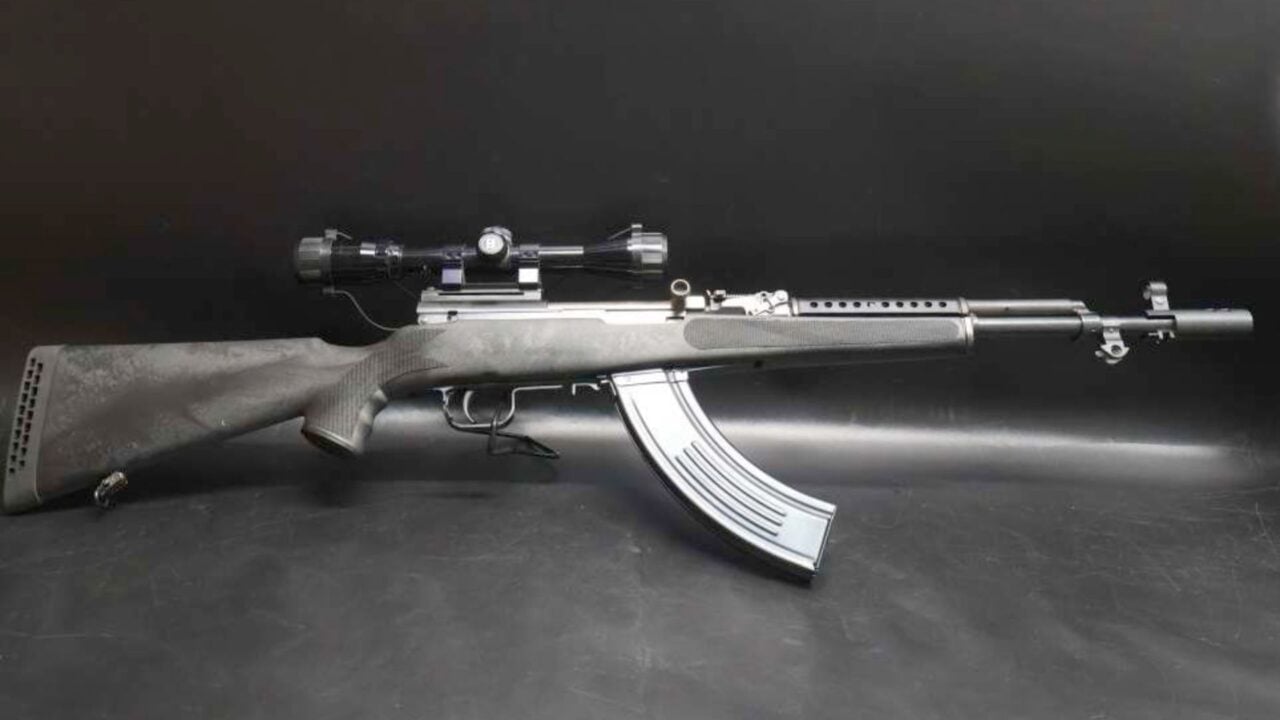
The SKS gets dismissed because it isn’t an AK, it isn’t an AR, and it’s not as “modular” as modern rifles. Some folks also judge them based on the abused ones with mismatched parts and bad aftermarket stocks.
A clean SKS with its original setup is a sturdy, reliable rifle that shoots a useful cartridge. It balances well, the fixed magazine keeps things simple, and it tends to run even when it’s not pampered. For ranch use, woods walking, and general “keep it behind the truck seat” utility where legal, the SKS still has a place. It’s also a rifle that rewards leaving it alone. The more you try to turn it into something it’s not, the less sense it makes.
20. Browning A5 (humpback, older models)
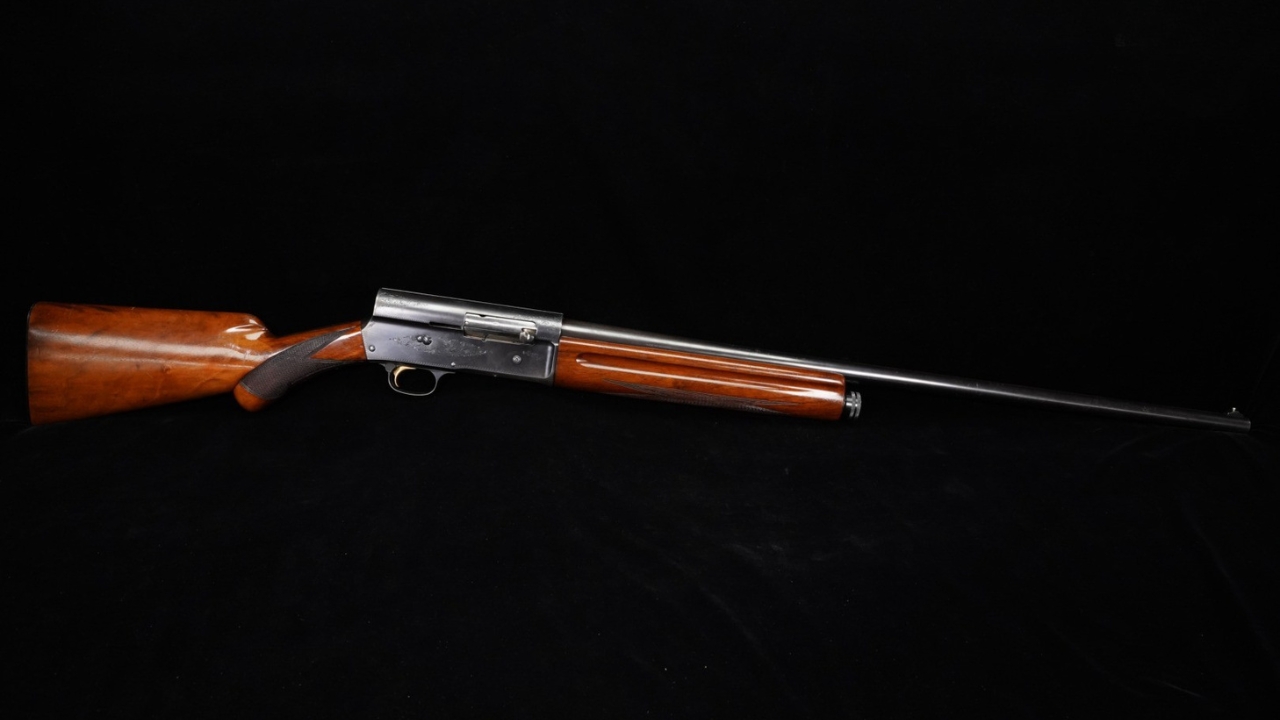
Older Auto-5s get dismissed because they’re “old tech,” they have recoil compared to modern gas guns, and some shooters don’t want to deal with older setup quirks or finding the right friction ring arrangement for certain loads. I get why a guy who wants simple might pass.
But the A5 is a field-proven shotgun with a feel that’s hard to copy. It points fast, carries well, and it has that solid, mechanical rhythm that makes you want to shoot it. Plenty of them have lived hard lives in duck blinds and still cycle when cleaner, newer guns start getting picky. They’re not for everyone, and I wouldn’t call one a beginner’s shotgun. Still, dismissing the A5 just because it’s not modern is missing what made it a legend in the first place.
A good rule in the gun world is to separate “not my preference” from “not useful.” Some firearms deserve to be skipped. Others just need the right owner and the right job. If you’re shopping, handle the gun, think about how you’ll actually carry it or hunt with it, and be honest about your budget and your training. The woods don’t care what the internet thinks, and neither do the coyotes.
Like The Avid Outdoorsman’s content? Subscribe to our newsletter so you never miss an article.
Here’s more from us: