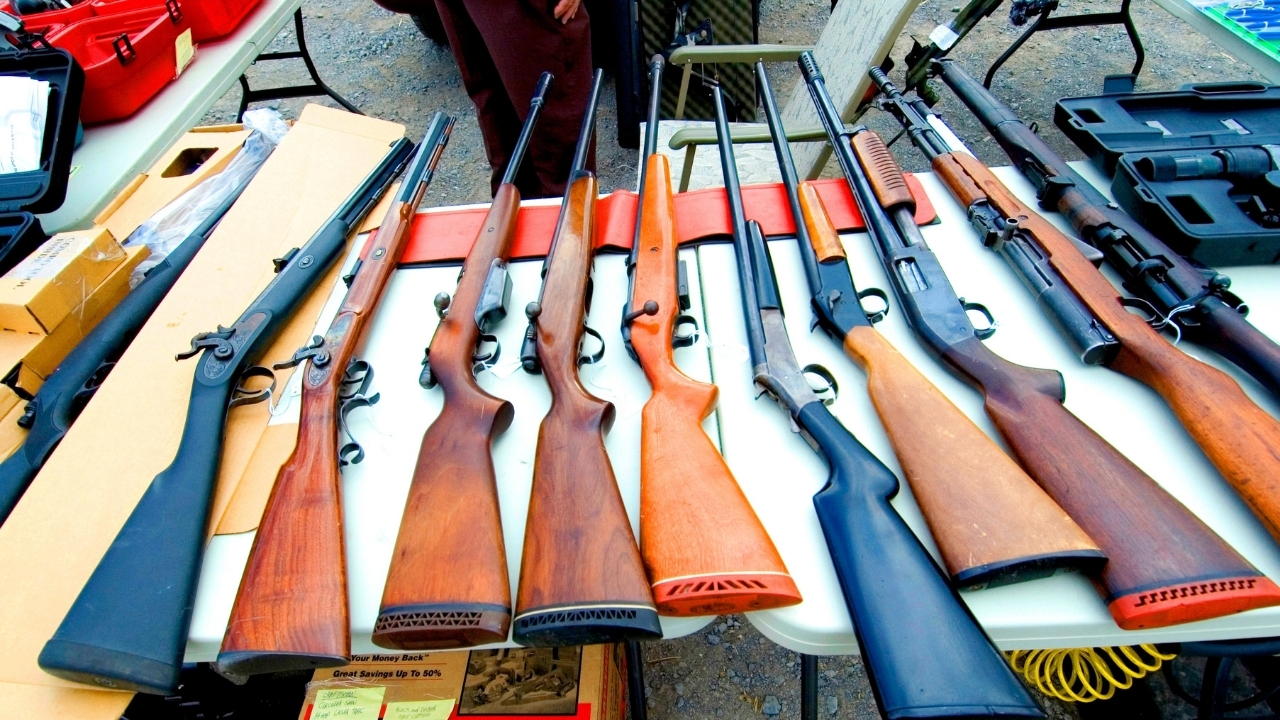
Photo credit: Dennis MacDonald/Shutterstock.com
If you hang around gun shows long enough, you start hearing the same confident claims repeated like gospel. A seller will swear a certain shotgun is junk when it is actually a workhorse, or they will talk a finicky model up like it is the second coming. A lot of it is honest confusion. Some of it is “I need this thing gone today” salesmanship. Either way, hunters and regular gun owners are the ones who pay for it later at the range or in a wet duck blind. Here are 20 shotguns I see misjudged constantly—undervalued one table over and overpriced at the next.
1. Remington 870 Wingmaster
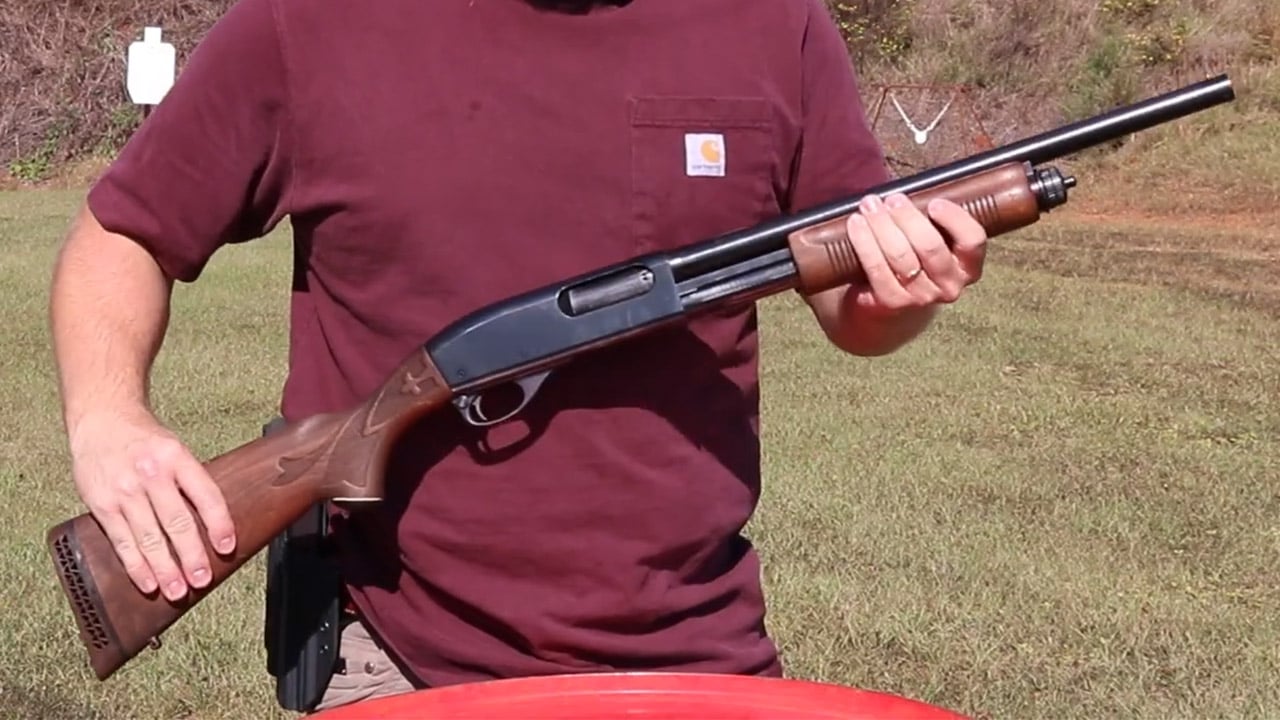
I still hear sellers lump every 870 together like they’re all the same gun, and that is just not true. A clean Wingmaster with the older fit and finish is a different animal than a rough Express that lived behind a truck seat. The Wingmaster action usually feels like it’s on bearings once it’s been cycled a bit, and they tend to hold up to decades of hunting without feeling loose. When a seller calls it “just an 870” and prices it like a bargain-bin pump, that’s a buyer’s day.
The other direction happens too: folks see “Wingmaster” and slap a collector price on a gun that’s been drilled, tapped, cut, or refinished poorly. Condition matters, and so does originality. If the bluing is thin but honest and the wood hasn’t been sanded to death, it’s still a great field gun. If it’s been “customized” with mystery parts and a home polish job, it’s not a museum piece anymore.
2. Remington 870 Express

The Express name gets trashed at gun shows like it’s automatically unreliable. The reality is a lot of them run fine, but they were built to a price point and sometimes shipped rough. I’ve handled Express guns on tables that felt gritty because they were dry, dirty, and had that matte finish that shows every fingerprint. Sellers will call it “broken in” when it’s really “neglected.” That one hurts because the fix is often basic cleaning, proper lube, and a little time cycling the action.
Then you’ll see the opposite: an Express priced like a Wingmaster because it has a camo dip or a short barrel. The Express is useful, especially as a beater deer-camp gun, but it isn’t rare. Watch for rust under the forend, check the chamber for roughness, and make sure it extracts smoothly. It can be a solid buy, just not at fantasy pricing.
3. Mossberg 500
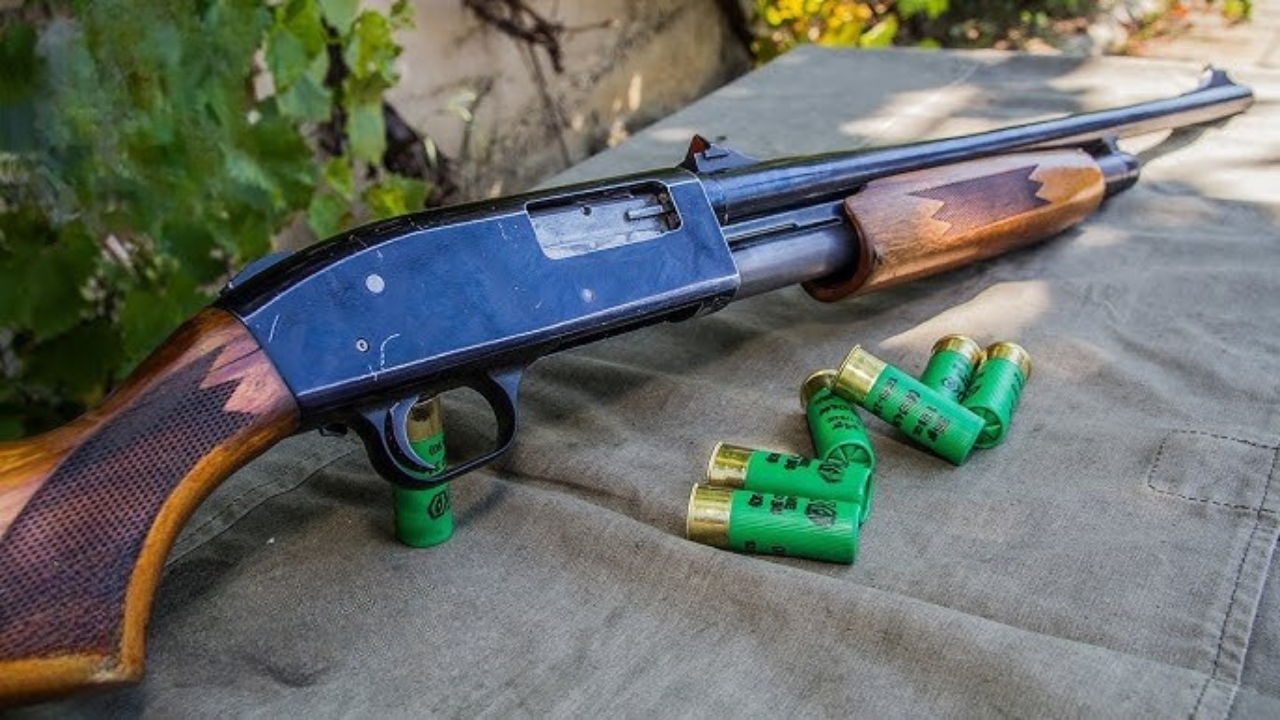
Gun show talk about the Mossberg 500 is usually either “cheap plastic junk” or “the toughest pump ever made.” The truth sits in the middle, and it depends on how you plan to use it. The tang safety is a real plus for lefties and for cold-weather gloves, and the design will keep running when it’s dirty. The action can feel loose compared to an 870, and that slop makes some sellers act like something is wrong. It’s normal.
Where sellers get it wrong the other way is pretending every 500 is a 590A1, and it isn’t. A basic 500 with a thin barrel and entry-level furniture should be priced like a basic 500. Still, if you want a simple pump that points well and you can get parts for anywhere, it’s hard to argue with. They’re boring, and that’s kind of the point.
4. Mossberg 590A1
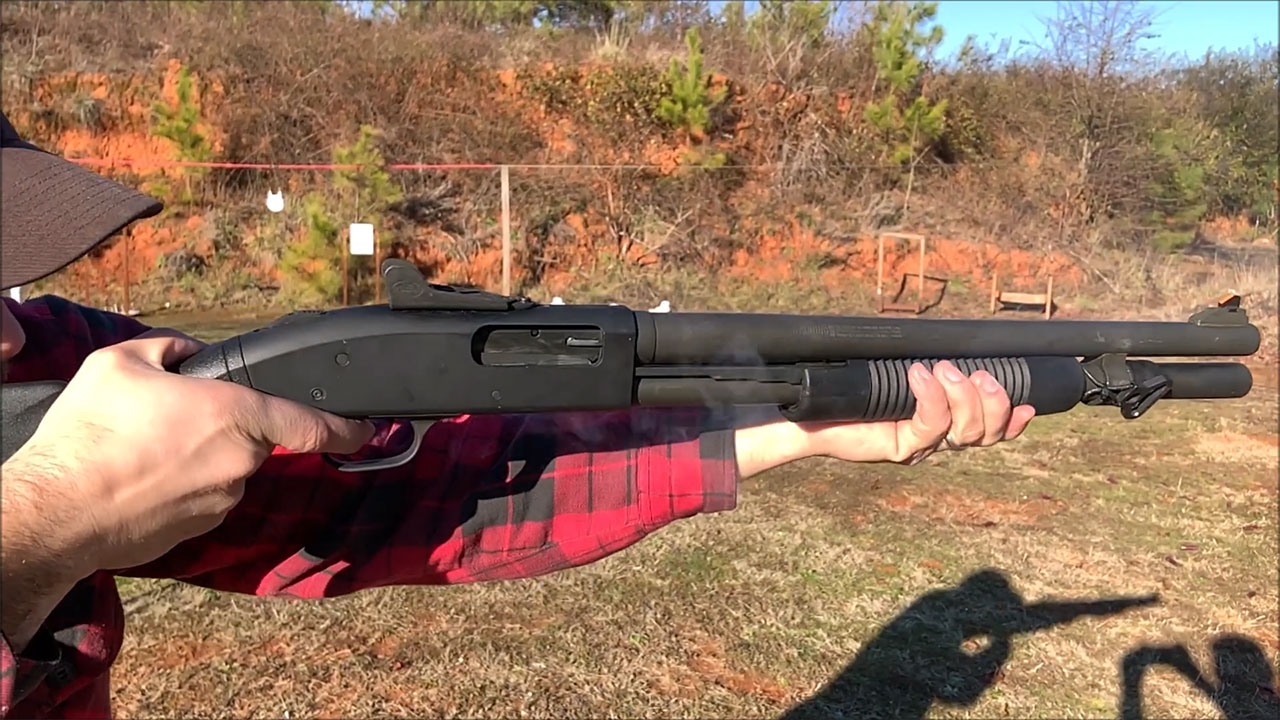
I’ve watched sellers downplay a 590A1 as “just a Mossberg,” then act surprised when it sells fast. The A1 is the heavy-duty version with features that actually matter if you’re rough on gear: thicker barrel, sturdier components, and a general “built for abuse” feel. It tends to balance more front-heavy than a standard 500, and you notice that when you carry it around the woods all day. A seller who treats it like a basic pump is leaving money on the table.
But there’s also the crowd that thinks the A1 is automatically the best choice for everybody. For bird hunting, that extra weight can get old quick, and long walks with a muzzle-heavy gun aren’t fun. If you’re buying it as a do-everything shotgun, be honest about what you’ll actually do with it. It’s excellent at what it’s built for, not magical at everything.
5. Benelli Nova
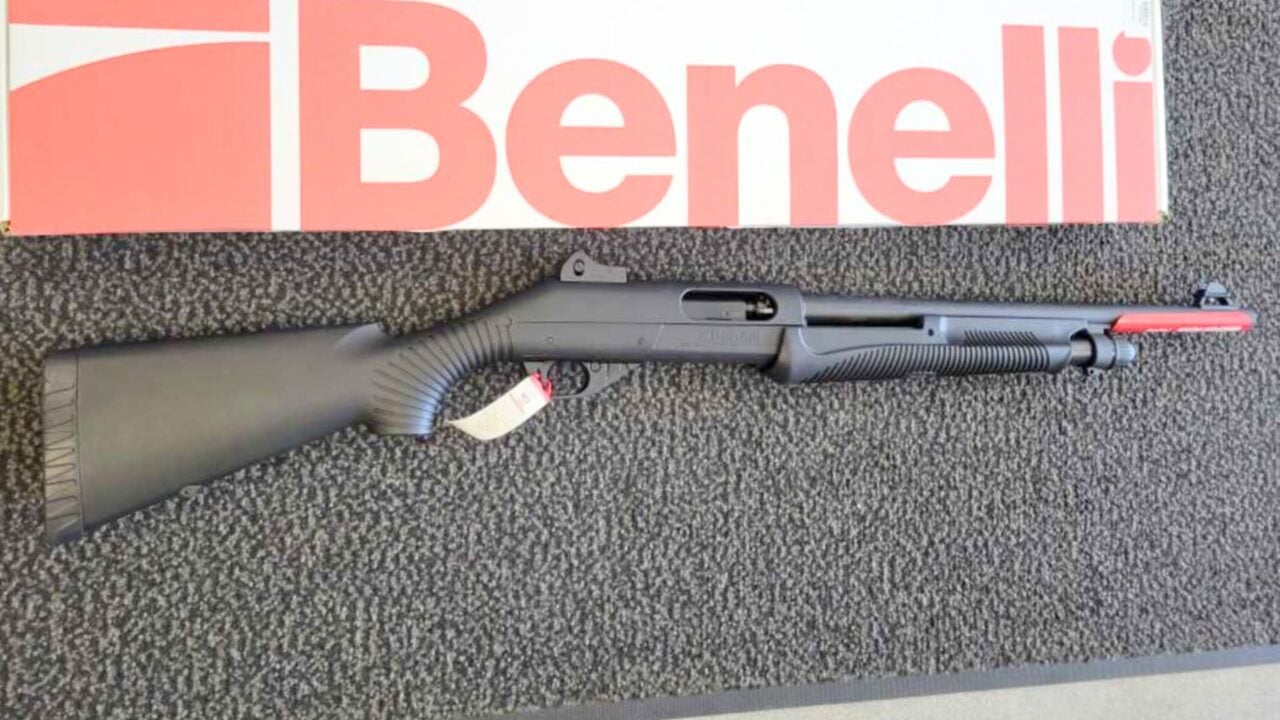
The Nova gets mislabeled as “cheap Benelli” or “polymer gimmick,” and it’s neither. The one-piece polymer overmold makes it tough in nasty weather, and it’s a shotgun that doesn’t care about mud, rain, or being leaned in a corner of a cabin. It also has a particular feel in the hands—chunkier through the receiver area—and some folks never warm up to that. Sellers sometimes mistake personal preference for a flaw.
On the flip side, Novas sometimes get priced like a SuperNova or like any Benelli must be premium-priced. The Nova is a pump, plain and simple. It can be a fantastic waterfowl gun because you don’t worry about it, and it’s usually reliable with a wide range of loads. Just don’t overpay because someone said “Benelli” like it’s a spell.
6. Benelli SuperNova
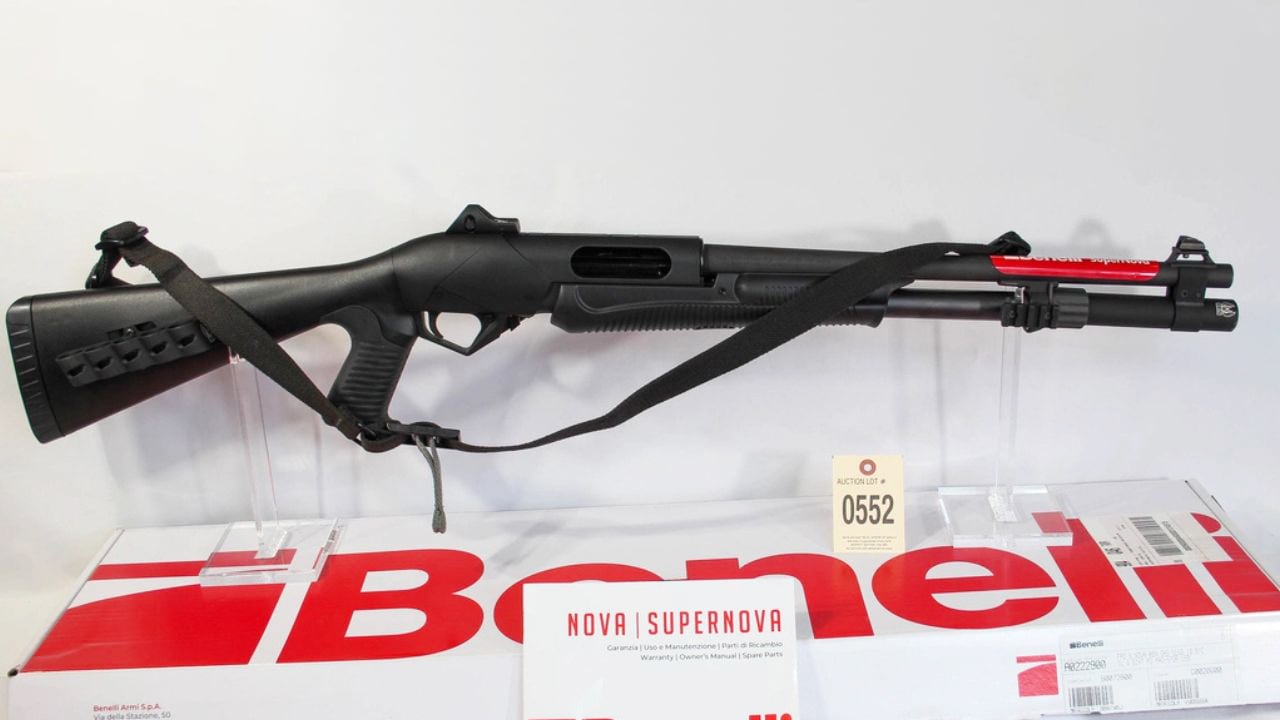
The SuperNova is another one that gets confused with the Nova, and sellers will casually mix parts, features, and values. The SuperNova’s big draw is the comfort and adjustability, especially if it has the ComforTech stock. If you shoot a lot of 3 1/2-inch shells, that stock can make the difference between a long season and a sore shoulder. I’ve seen sellers call it “the same as the Nova” while asking more than Nova money without being able to explain why.
The other mistake is acting like it’s a soft-shooting miracle no matter what. A 3 1/2-inch waterfowl load is still a thumper, and fit matters more than brand names. Cycle the action, check the recoil pad condition, and make sure the gun shoulders naturally for you. It’s a great tool, but it’s still a tool, not a shortcut.
7. Beretta 1301 Tactical
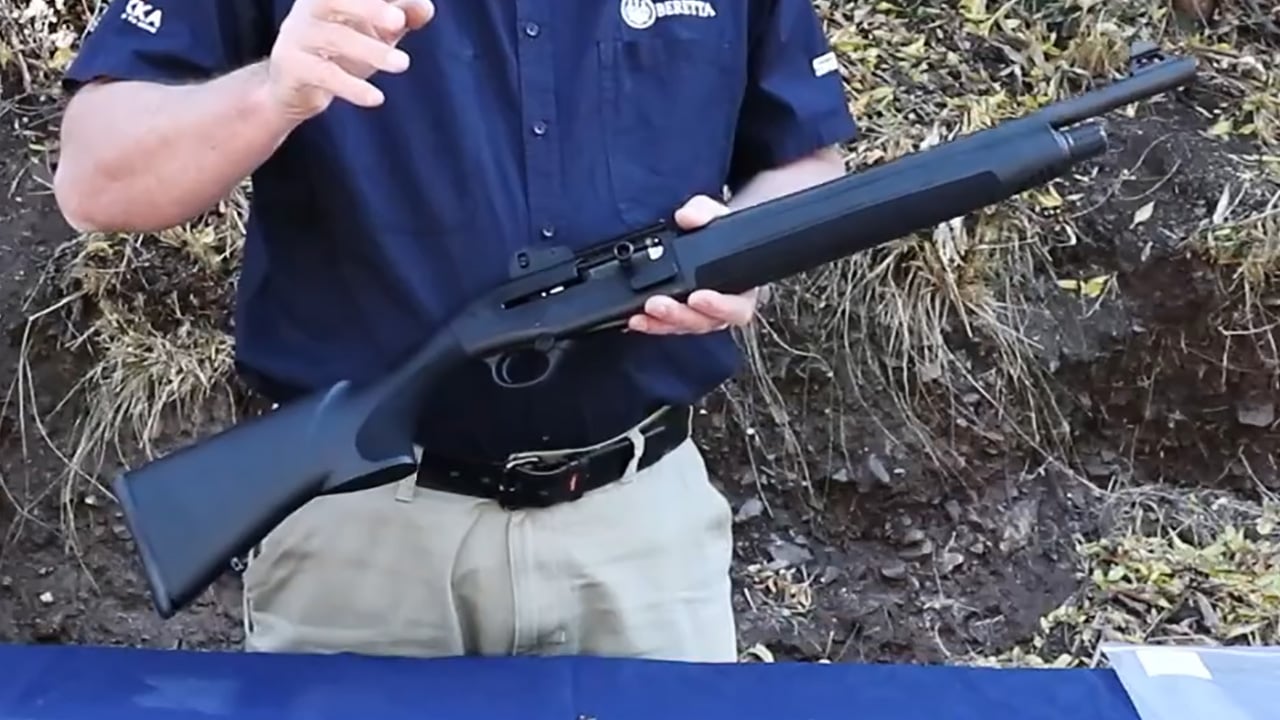
Gun show tables either treat the 1301 like it’s overpriced internet hype or they price it like it’s a limited-run collector gun. The reality is simpler: it’s one of the faster-cycling, more dependable semi-autos in its lane, and it’s built around defensive use. The controls are generally well thought out, and the gun runs well when kept reasonably clean. Sellers who dismiss it because it isn’t an M4 usually haven’t spent time behind one.
Then there’s the opposite seller who acts like the 1301 is the only answer, so you should pay whatever they wrote on the tag. It’s a purpose-driven shotgun, and if you really want a field gun for birds, this isn’t the cleanest fit. Great gun, yes. But it should be priced like a common production shotgun in good condition, not like a rare bird you have to catch today.
8. Benelli M4
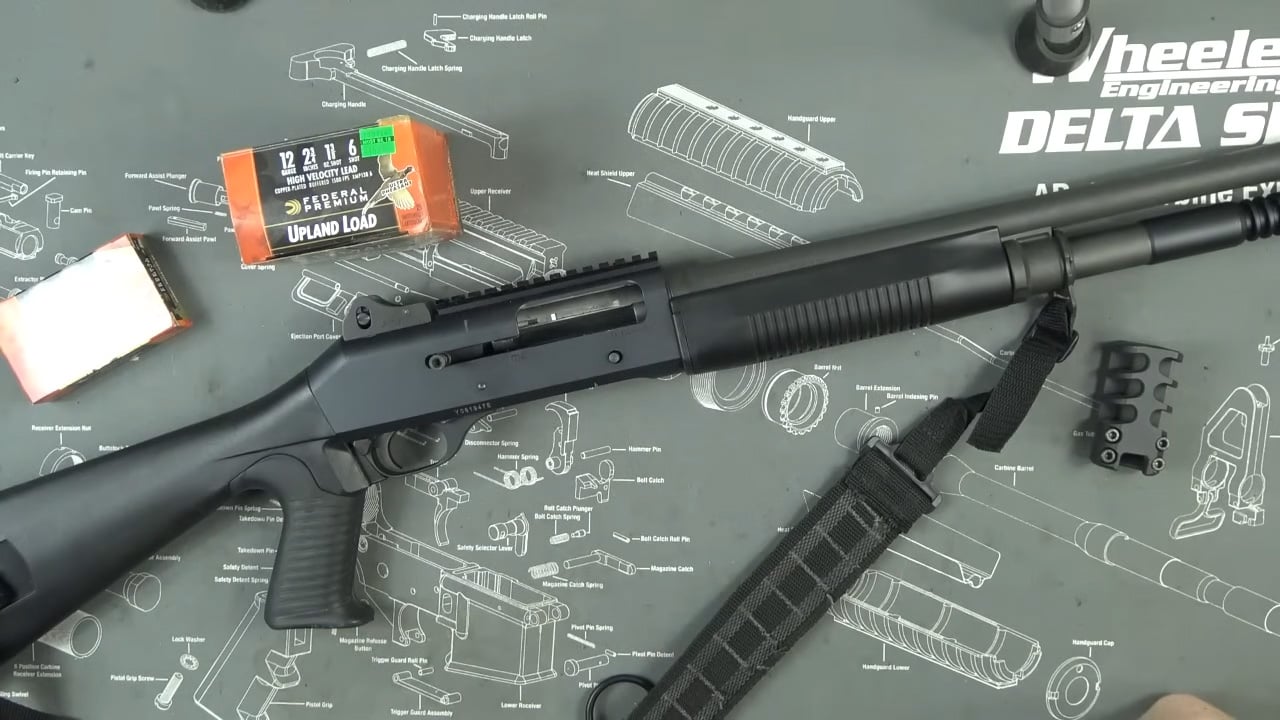
The M4 is probably the most misrepresented shotgun on gun show floors. One guy will wave it off as “overpriced military cosplay,” and another will talk like it’s invincible and worth any amount of money. Truth: it’s a very good, very durable semi-auto, and it tends to run hard when quality ammo is used. It’s also heavy, especially once you add lights and optics, and you will feel that weight if you carry it like a hunting gun.
Where sellers really get it wrong is glossing over configuration details and condition. Small differences in furniture, sights, and import markings can matter to buyers, and a heavily used M4 with worn internals shouldn’t be priced like a safe queen. Also, replacement parts and accessories can get expensive fast. If you want one, buy it because you want that platform, not because somebody told you it’s an “investment.”
9. Browning Auto-5
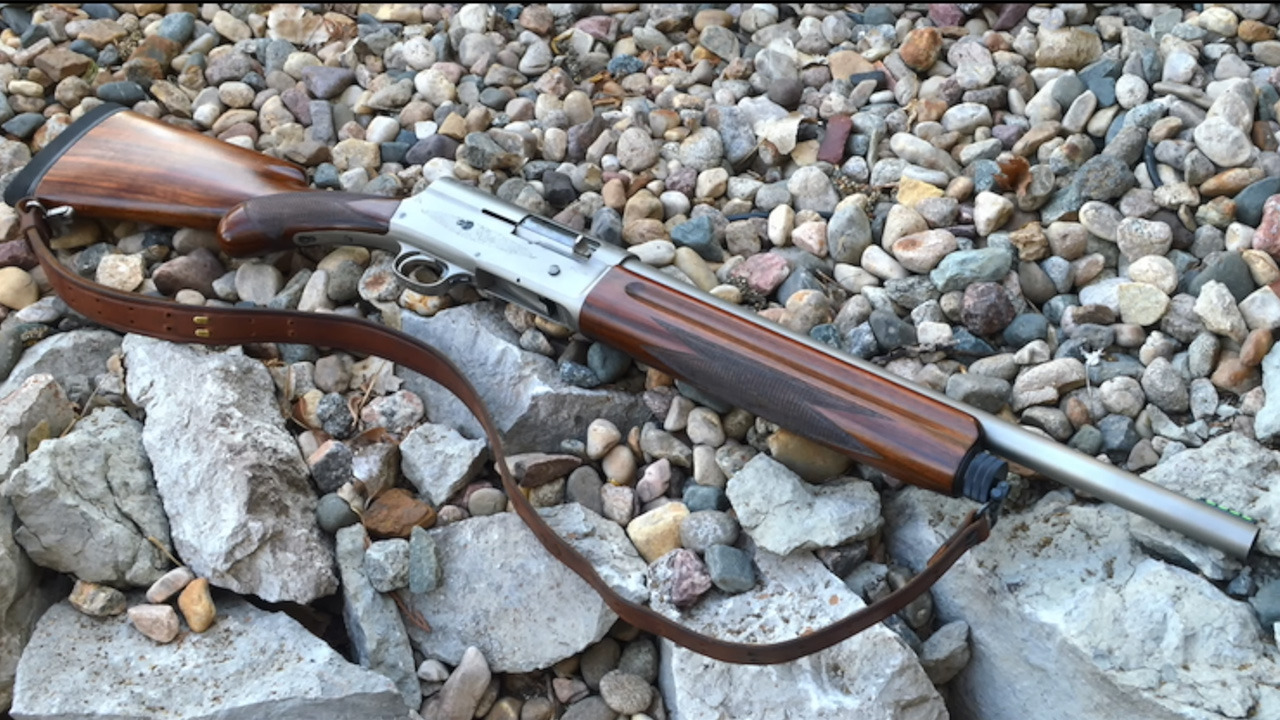
I see the old humpback get treated like either a clunky antique or a priceless heirloom, depending on the seller’s mood. The Auto-5 is a real piece of history, and plenty of them still hunt every season. The long-recoil action has a feel all its own, and when it’s set up correctly it runs surprisingly well. Sellers who call them “jam-o-matics” often don’t understand the friction ring setup or haven’t maintained one.
On the other side, not every Auto-5 is a collector-grade Belgian beauty. Condition, gauge, barrel type, and originality matter a lot. A well-worn field gun is still useful, but it isn’t automatically worth a premium just because it says Browning. If you’re buying one to shoot, check for cracked wood, worn springs, and whether it’s been abused with loads it wasn’t meant for. Great guns, but they aren’t magic either.
10. Browning BPS
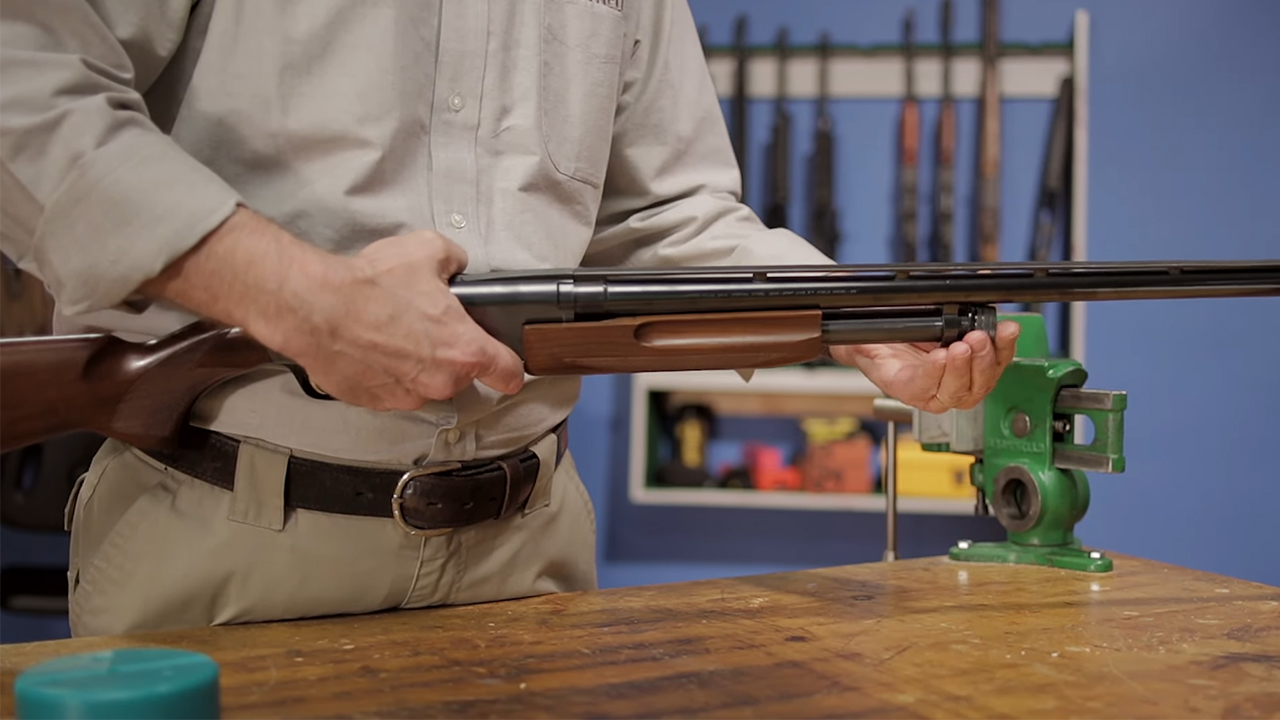
The BPS gets ignored because it isn’t trendy, and that’s exactly why it’s often a bargain. Bottom eject, solid build, and a smooth pump stroke make it a nasty-weather favorite, especially for left-handed shooters. It carries a little different than the super-light pumps, and the steel receiver adds weight. Sellers will sometimes call that “too heavy” like it’s automatically bad, but that weight can steady the swing on birds.
The other direction is pricing it like it’s a rare specialty gun just because it’s bottom eject. They are well made, but they were made in decent numbers. Check the shell lifter area for wear and make sure the safety feels positive. If you find one that hasn’t been beaten up, it’s a keep-forever kind of pump. There’s nothing flashy about it, and it flat works.
11. Ithaca 37

The Ithaca 37 is one of those shotguns that sellers either don’t recognize or they recognize and oversell. Bottom eject and slick handling make them excellent in the grouse woods where you’re moving through brush and weird angles. A good 37 feels lively, and the action can be incredibly smooth. When a seller calls it “old and weird” and prices it low, that’s a smart buy for a hunter who likes classic pumps.
But I also see inflated prices on rough examples just because “they don’t make them like this anymore.” Condition is everything on these, and some older guns have seen a hard life. Check for cracks around the wrist, make sure it locks up tight, and pay attention to how it feeds and ejects. They’re great shotguns, but not every table-worn 37 is a collector piece.
12. Winchester Model 12
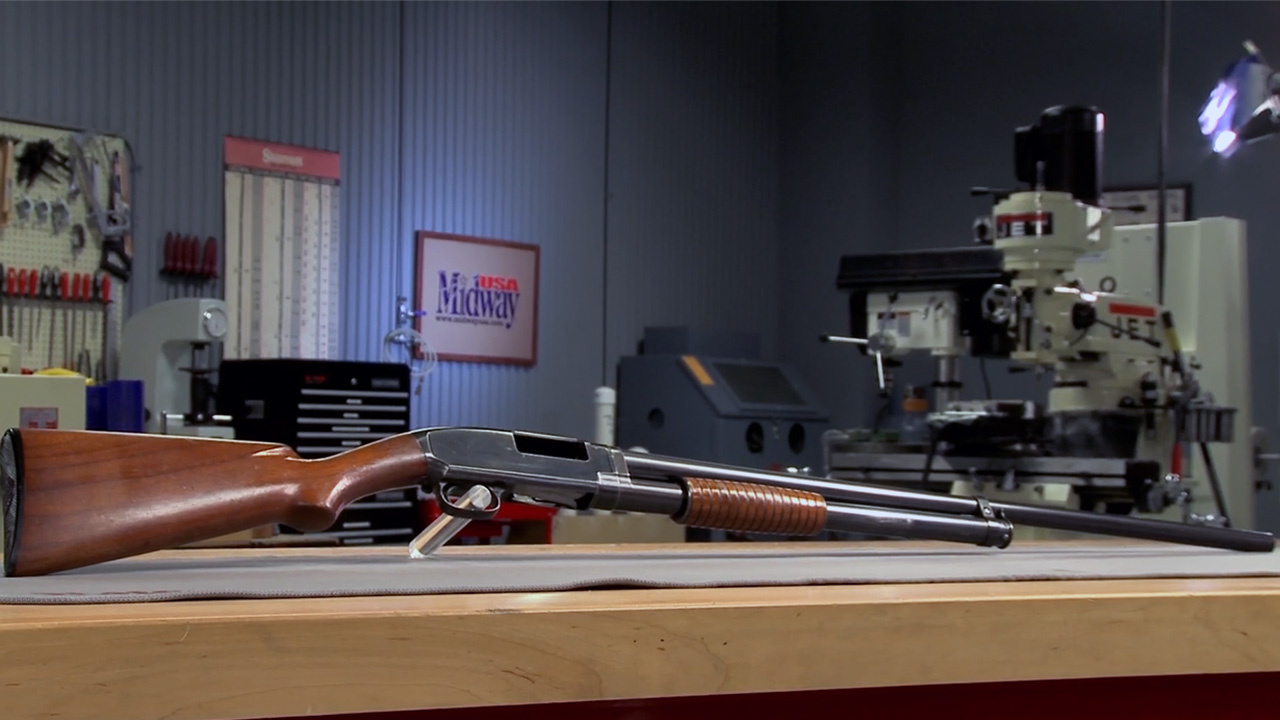
The Model 12 brings out tall tales. One seller will say it’s too old to shoot, another will swear it’s stronger than anything made today. It’s a classic pump with a feel that modern guns rarely match, and a clean example points beautifully. What gets missed at gun shows is that these guns vary a lot by year and condition. A tight, unmodified gun can be a lifetime bird gun. A loose one can be a project.
Overpricing is common because the name carries weight. I’ve seen field-grade guns with cut barrels and added chokes priced like pristine originals. If you’re buying for hunting, a well-done modification might not bother you, but you shouldn’t pay collector money. Work the action slowly and quickly, check lockup, and look for signs of amateur gunsmithing. The Model 12 deserves respect, not mythology.
13. CZ 1012
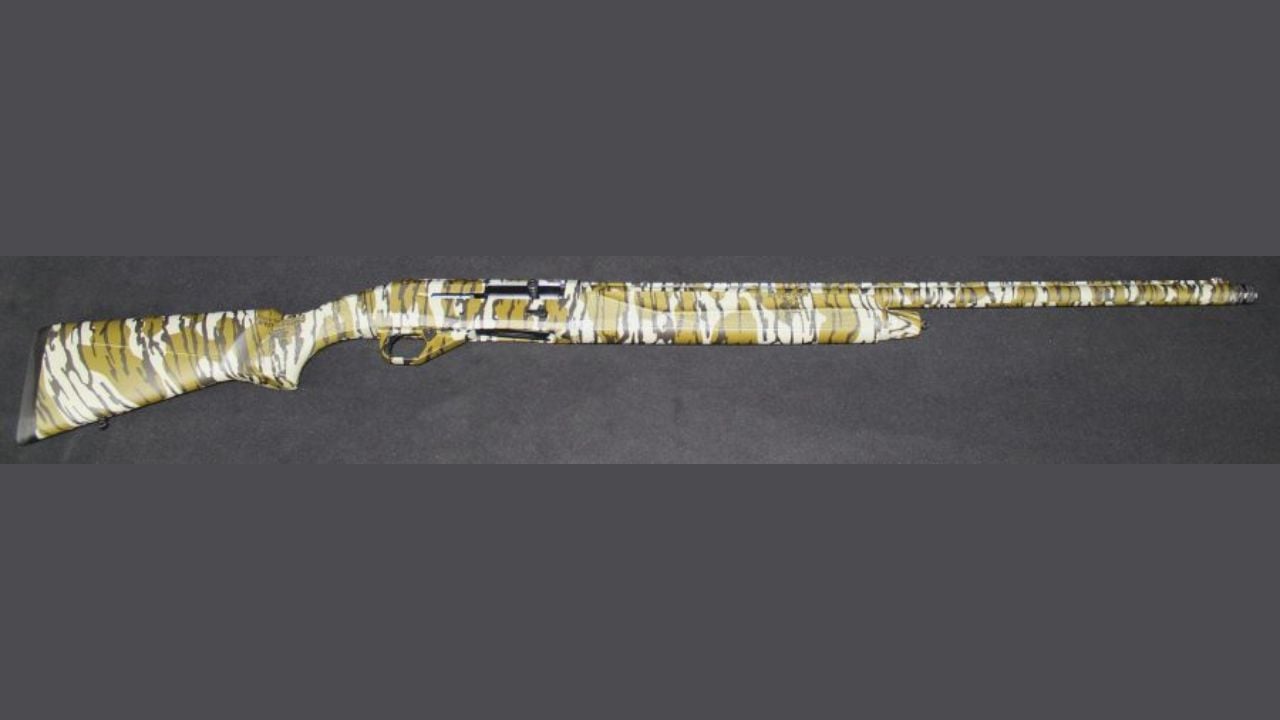
The CZ 1012 shows up at gun shows with two stories attached: “cheap import that won’t last” or “the best deal in waterfowling.” It’s a Turkish-made inertia gun, and plenty of them run just fine when broken in and fed decent shells. It usually shoulders well, and the price point makes it tempting for someone who wants a semi-auto without dropping premium money. Sellers who trash it across the board are usually repeating something they read, not something they shot.
Still, the other direction is pretending it’s equivalent to higher-end inertia guns in long-term parts support and refinement. It’s a budget-friendly tool, not a legacy brand flagship. If you’re looking at one used, inspect wear points, check the bolt movement, and be realistic about how hard you’ll run it. For a seasonal duck hunter it can make sense. For high-volume shooting year after year, I’d look harder at proven workhorses.
14. Stoeger M3000
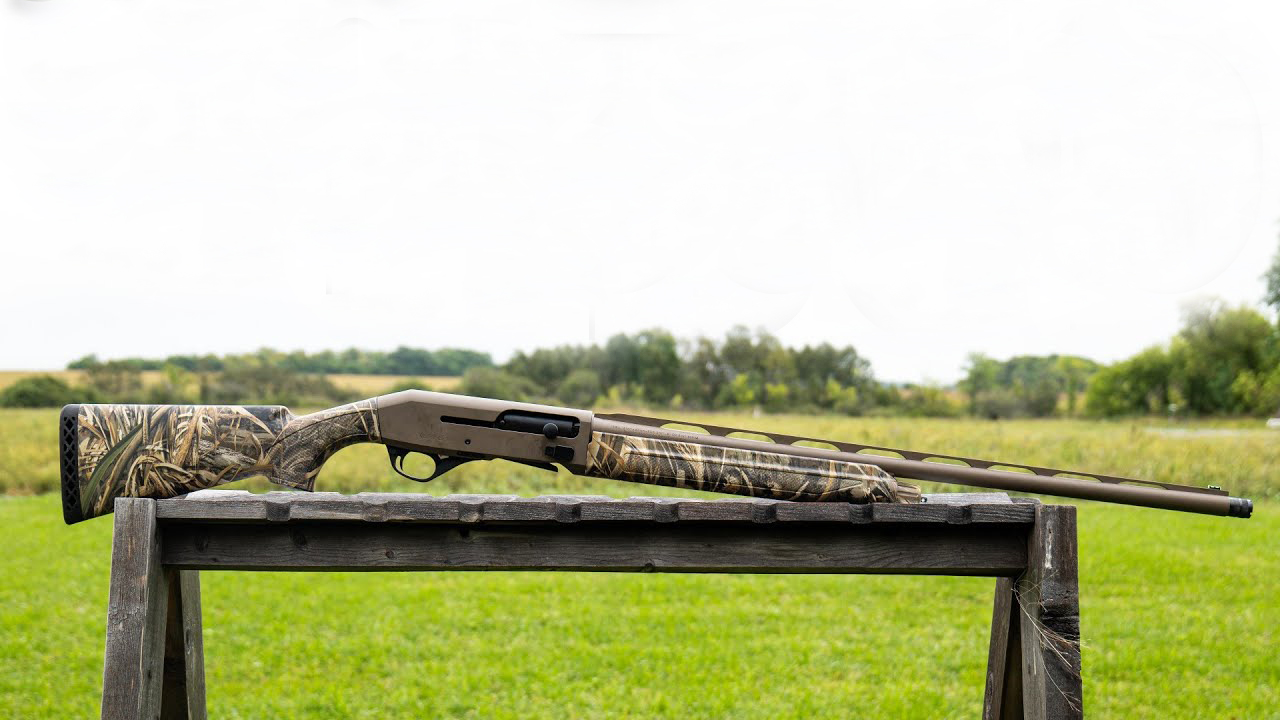
The Stoeger M3000 is another inertia semi-auto that gets dismissed too quickly. When they’re set up right and reasonably maintained, they can be surprisingly dependable. The handling is decent, and they have put a lot of birds on the ground for folks who don’t want to baby a shotgun. Sellers sometimes act like any hiccup proves the whole line is bad, when the reality is many issues come from being bone dry or not broken in.
But I’ve also seen sellers lean on the “Benelli-style inertia” talk and price them like they’re something they aren’t. The M3000 is a value gun, and that’s okay. Fit and finish won’t match premium brands, and you may have to be pickier about ammo during early use. If you buy one, go in with open eyes: it’s a practical semi-auto, not a status symbol, and it should be priced accordingly.
15. Remington V3

The V3 is one of the most misunderstood modern Remington shotguns on used tables. You’ll hear “new Remington is all bad” and the seller will practically give it away, even though the V3 gas system is genuinely soft-shooting and well mannered. For upland or clays, that matters. The gun tends to point naturally for a lot of shooters, and it doesn’t beat you up in an afternoon of practice. When someone undervalues it because of brand baggage, the buyer wins.
Overpricing happens when a seller treats any V3 like it’s a rare gem, especially if it has a camo finish. They were produced in meaningful numbers, and used pricing should reflect actual condition. Check the gas system area for carbon buildup and make sure it cycles smoothly by hand. If it’s been maintained, it’s a sleeper semi-auto that deserves more respect than it gets in gun show chatter.
16. Winchester SX4

The SX4 is often incorrectly sold as “basically an SBE” or “just another gas gun,” depending on who’s talking. What it actually is: a very competent, fast-cycling gas semi-auto that fits a lot of shooters well and doesn’t punish you with recoil. For waterfowl and late-season loads, that’s not a small thing. Sellers sometimes undervalue it because it isn’t dripping with tactical cool or because it doesn’t have the same brand prestige as a top-tier Italian gun.
The opposite problem is when it gets priced like a premium flagship just because it’s popular. The SX4 is popular because it works, not because it’s rare. Look for honest wear, make sure the rib is straight, and check the stock for cracks around the receiver. If you find one at a fair price, it’s a very practical hunting shotgun that won’t make you baby it all season.
17. Franchi Affinity 3
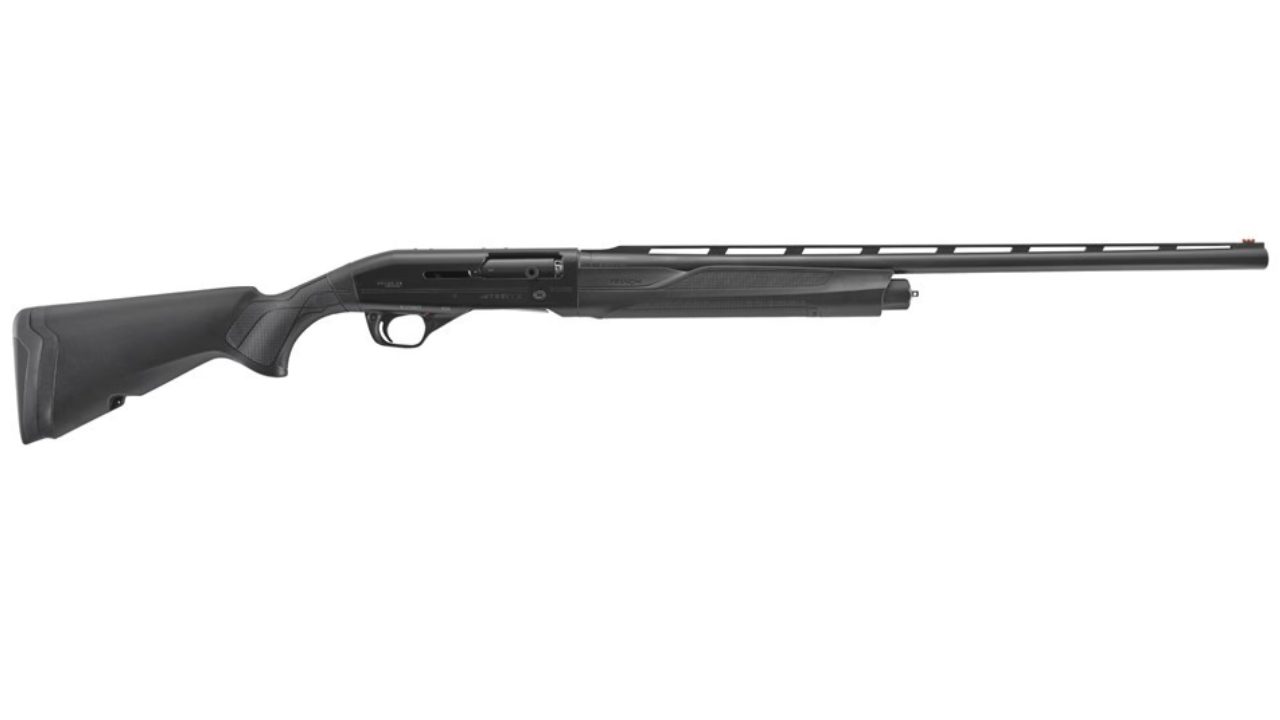
Franchi gets treated like “Benelli’s cheap cousin,” and that’s both fair and unfair. The Affinity 3 is an inertia gun that carries light and points quick, which is exactly what you want chasing pheasants or walking for grouse. The gun has a lively feel that some heavier semi-autos just don’t. Sellers sometimes undervalue it because it doesn’t say Benelli on the side, even though it shares a lot of practical DNA where it counts for hunters.
But don’t let a seller oversell it as a guaranteed cure for every reliability problem. Inertia guns still want a decent mount and solid shoulder contact, especially with lighter loads. Check the recoil spring area for neglect and make sure the bolt and carrier move smoothly. It’s a hunter’s shotgun, not a safe queen, and it shines when used like one. Price it like a quality mid-tier semi-auto, because that’s what it is.
18. Ruger Red Label
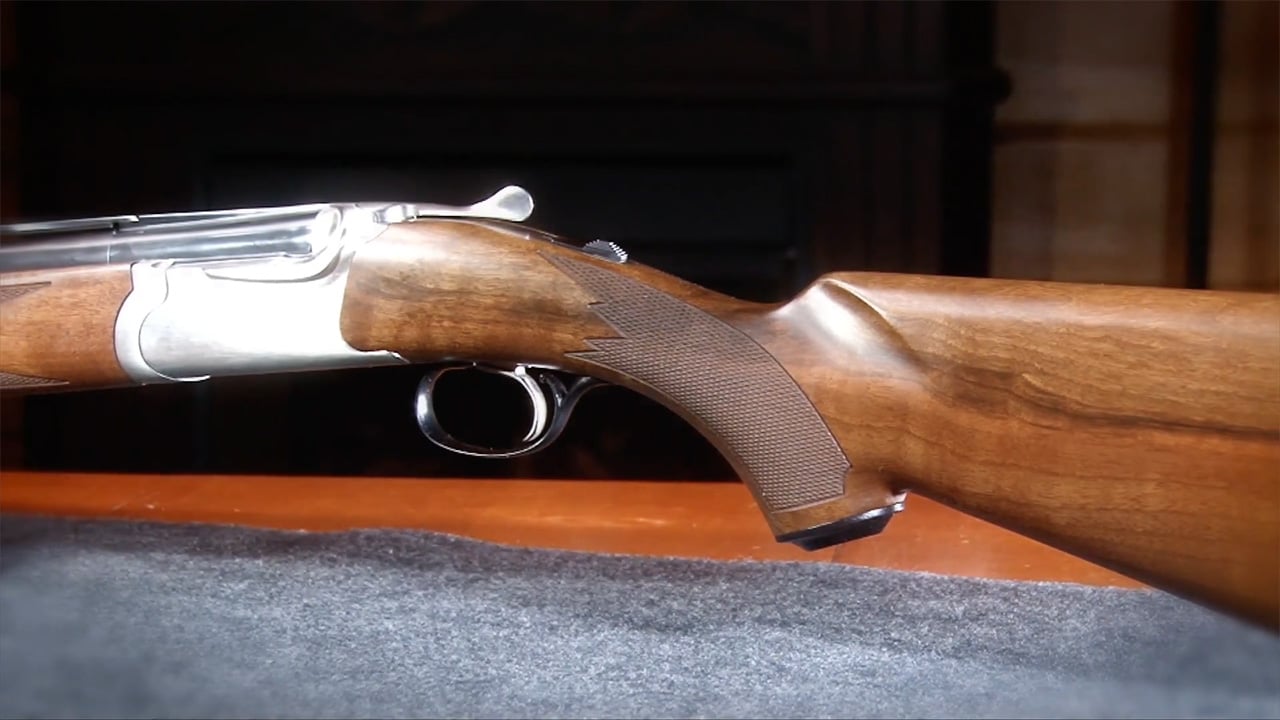
The Red Label is a classic example of gun show pricing whiplash. One table will act like it’s an unloved American over/under that no one wants, and the next table will act like it’s a handcrafted collector’s piece. The truth is it’s a solid, often slightly chunky over/under that can serve a bird hunter well. They tend to be reliable and straightforward, and there’s value in an American-made O/U that isn’t delicate. Undervalued Red Labels can be great buys if they lock up tight.
Overpricing usually comes from “they don’t make them like this anymore” talk. Some Red Labels are heavy, and not everybody likes that for long upland days. Pay attention to the hinge, the top lever position, and how it opens and closes. If it feels loose or the ejectors are tired, you’re looking at real money to set it right. A good one is worth owning; a tired one is not a bargain at any price.
19. Browning Citori
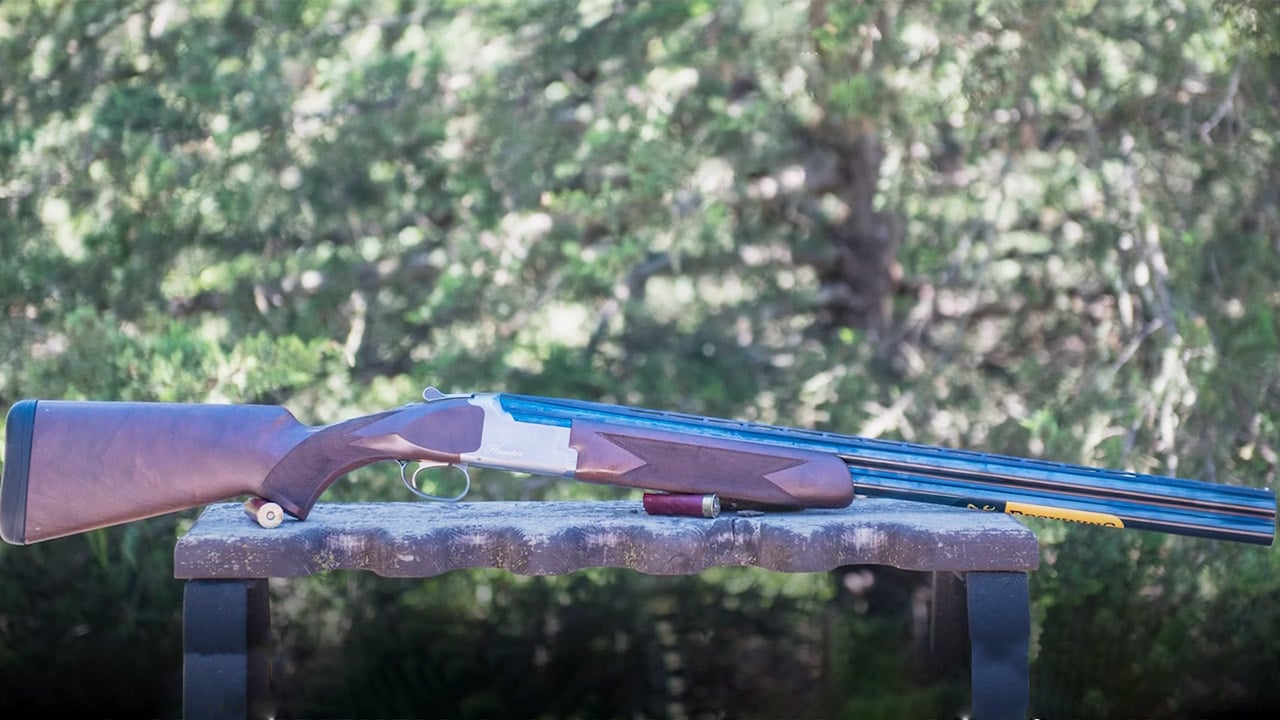
Citoris are everywhere, which makes sellers do two dumb things: assume they’re all identical, or assume any Citori is automatically worth top dollar. There are real differences across grades, eras, and configurations, and serious clay shooters notice them fast. Even a plain Citori usually has that solid lockup feel and predictable handling that makes over/unders so addictive. When a seller underprices one because it has honest wear on the receiver, that’s often just “used like it was meant to be used.”
The opposite mistake is ignoring fit and forcing a premium because “it’s a Browning.” Stock dimensions matter more on an O/U than most folks admit. If it doesn’t fit, you’ll chase your pattern all season and blame your eyes. Check the bores, the ribs, and the hinge wear, and make sure it hasn’t been messed with by an amateur. Citoris earn their reputation, but you still have to buy the right one.
20. Stevens 311
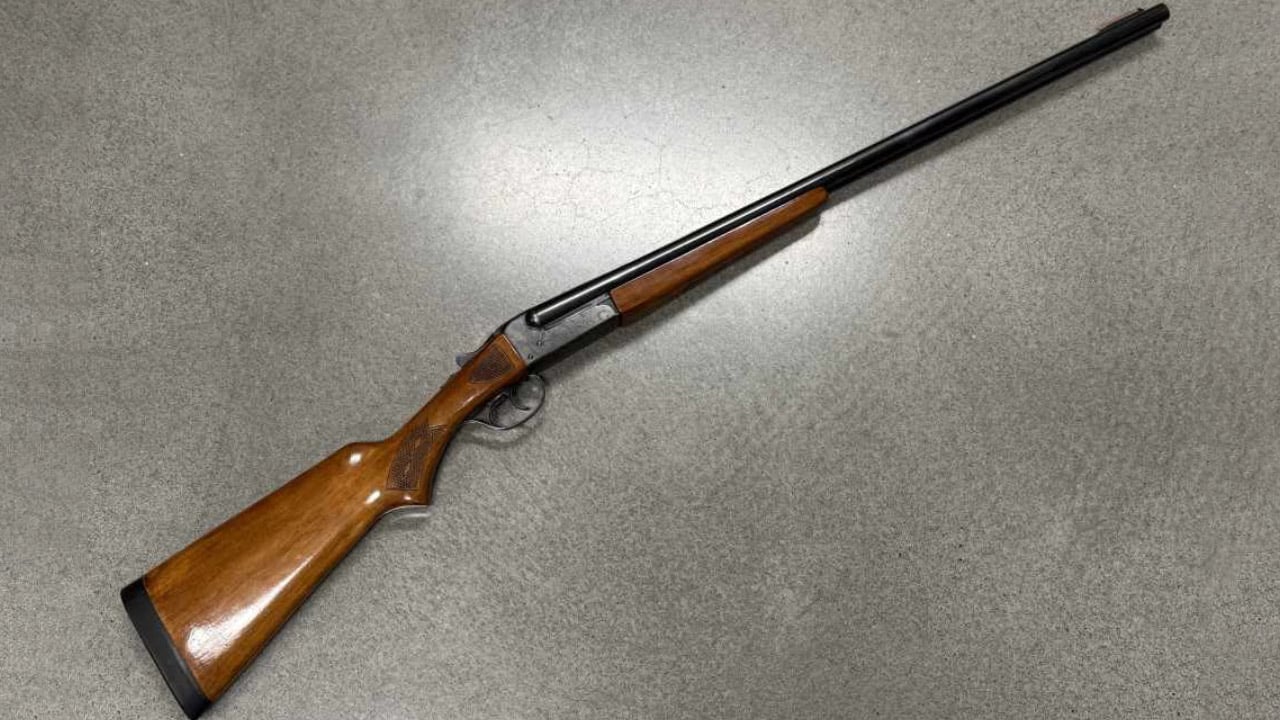
The Stevens 311 is the kind of side-by-side that gets laughed at until somebody needs a simple shotgun that just goes bang. Sellers will call them “farm guns” like that’s an insult, and then price them too low because they aren’t fancy. They’re not sleek, they’re not light, and the triggers can be heavy. Still, for a cabin gun, a beater bird gun, or a knock-around shotgun you don’t cry over in the rain, they do the job. There is a lot to be said for simple.
Where sellers get it wrong in the other direction is trying to pass one off as a collectible double because it’s old. Most 311s are utility guns, not high-grade classics, and condition is everything. Check for tight lockup, look at the barrels for dents, and make sure it opens and closes clean without fighting you. If it’s tight and priced fairly, it’s a good honest shotgun. If it’s loose and “priced for nostalgia,” walk on by.
Gun shows can be a great place to find a real deal, but only if you know what you’re looking at and you don’t get hypnotized by table talk. Shoulder the gun. Work the action. Look at wear where it matters, not where it’s easy to see. The best shotgun for you is the one that fits, runs, and you can afford to shoot—no matter what the seller claims it is “worth.”
Like The Avid Outdoorsman’s content? Subscribe to our newsletter so you never miss an article.
Here’s more from us: