Photo credit: JOAT Lou/YouTube
Every gun guy I know has at least one safe queen that’s more “smile and remember” than “grab and go.” And there’s nothing wrong with that. Some firearms just aren’t built for modern convenience, cheap ammo, easy parts, or daily wear. They’re built around a moment in time, a certain kind of craftsmanship, or a weird idea that didn’t age well. They can still shoot, sure. But they make a whole lot more sense as collectibles than as your everyday range beater, truck gun, or season-after-season workhorse.
Here are 20 that fit that bill. Some are genuinely great guns with real history. Others are interesting detours. Either way, they tend to shine brightest when you’re admiring them, not running them hard.
1. Luger P08
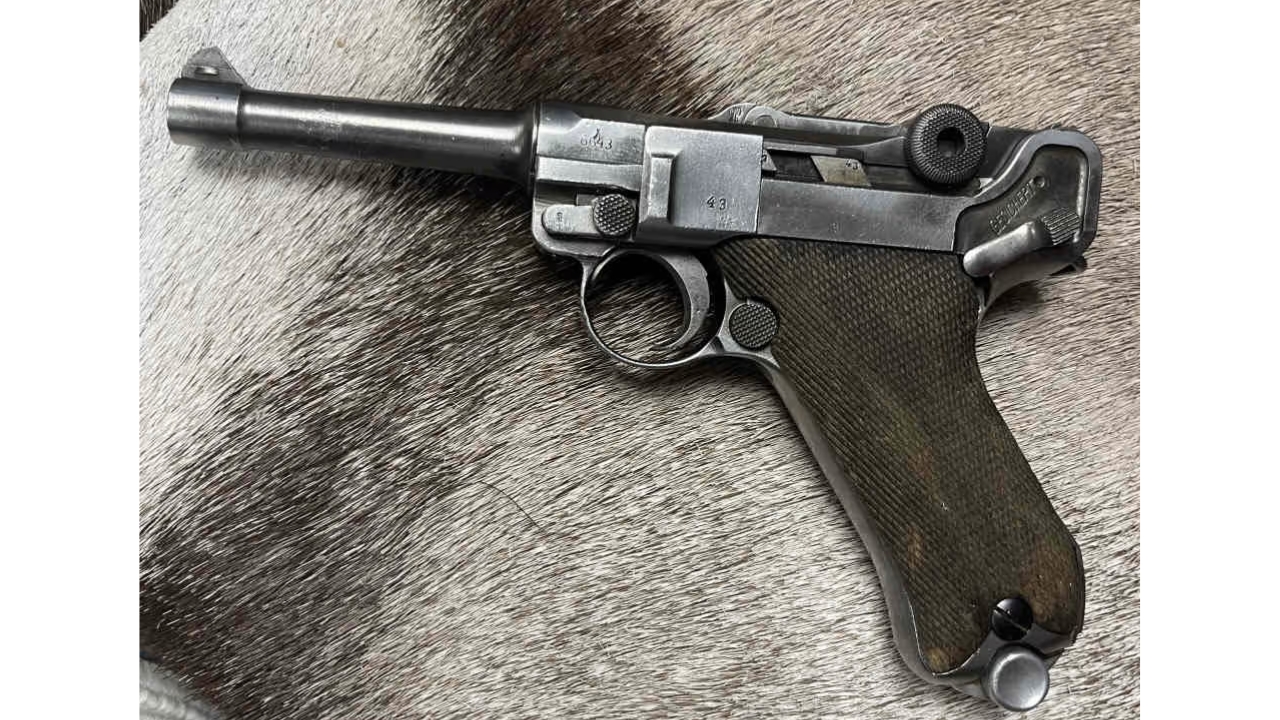
The P08 is one of those pistols that looks like it belongs in a museum even when it’s sitting on your workbench. The toggle-lock action is cool, but it’s also the reason it’s a pain as an everyday shooter. It likes proper ammo, proper mags, and proper maintenance, and it doesn’t really care what the local shop has on the shelf this week.
On the range, the grip angle feels different than most modern handguns, and the whole gun has that “don’t force it” vibe. Parts and magazines can be hit-or-miss, and you can spend a lot of time chasing little issues you’d never tolerate in a Glock. I’d rather shoot a couple magazines a year, wipe it down, and put it back where it belongs.
2. Mauser C96 “Broomhandle”

The C96 is pure old-world mechanical personality. It’s also long, awkward, and not exactly what you’d call intuitive. Loading methods vary by configuration, and even when you’ve got it figured out, it’s not the kind of pistol you casually toss in a range bag and forget about.
Ammo sensitivity, odd ergonomics, and collector pricing all conspire against using it as a regular shooter. The shoulder stock/holster setups are neat, but they’re a whole rabbit hole by themselves. As a piece of history you can shoot occasionally, it’s hard to beat. As a practical handgun for frequent range time, it’s a headache waiting to happen.
3. Colt Single Action Army (1st/2nd Gen)
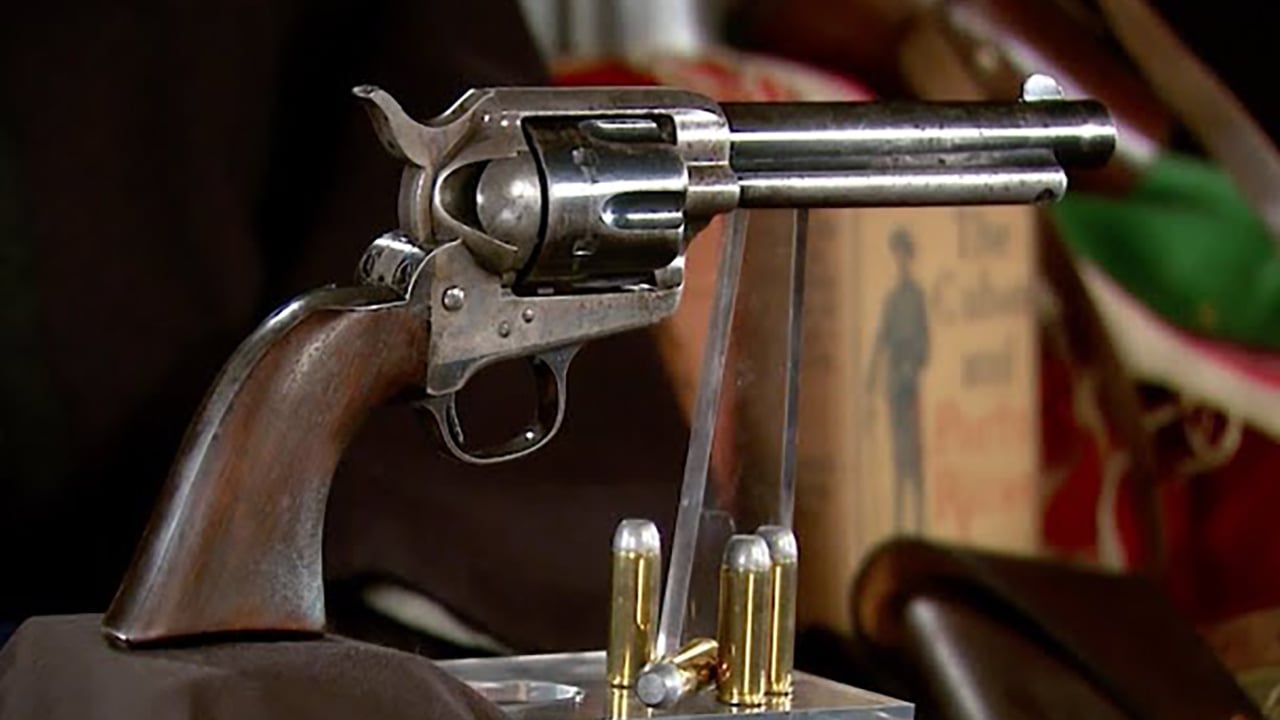
A real Colt SAA has a feel modern revolvers don’t. The clicks, the balance, the way it points—there’s a reason it still gets attention. But if you want a revolver to shoot a lot, a valuable older SAA is a tough choice. Wear happens fast when you’re doing “just one more cylinder” every trip.
They’re also not built around modern safety expectations, and the manual of arms is old-school. Add in collector value, and you start flinching at the idea of hard use. I’m not saying don’t shoot it. I’m saying don’t make it your weekly training revolver when a Ruger can do that job without making you nervous.
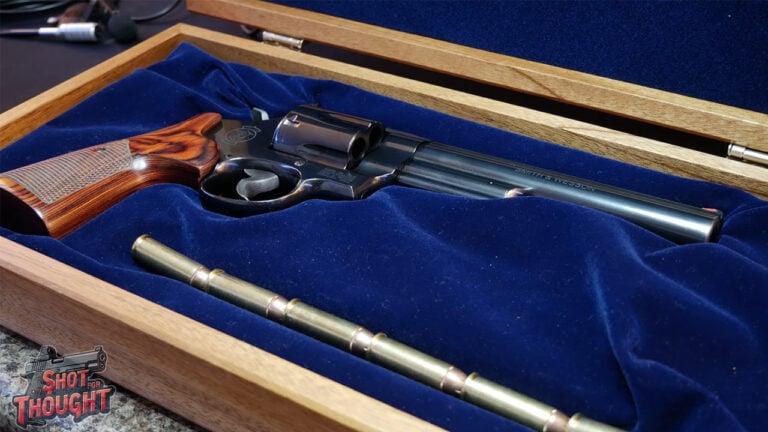
4. Smith & Wesson Model 29 (pinned & recessed era)
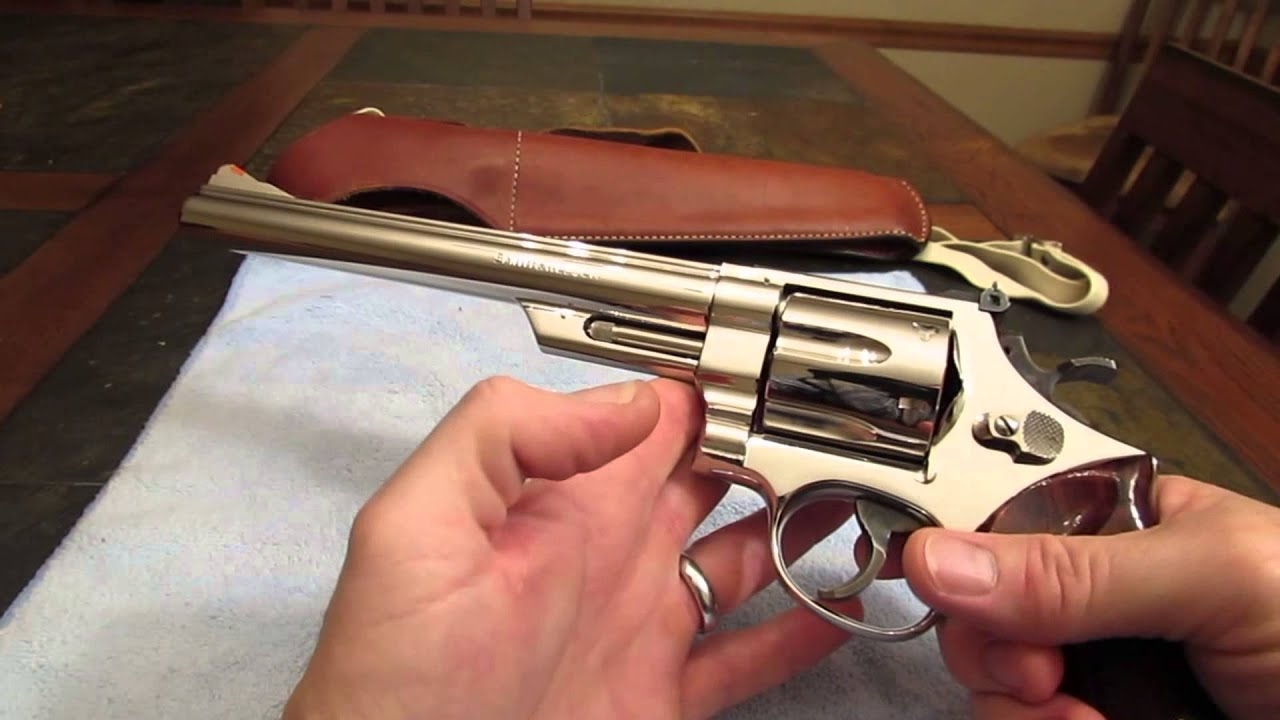
The classic .44 Magnum is a legend, and the older pinned-and-recessed guns have a following for a reason. The trouble is, a steady diet of full-house loads isn’t doing any collectible Model 29 favors. Even if it holds up, you’ll spend more time managing recoil than improving skills.
As an occasional shooter with sensible loads, it’s fantastic. As an “every range trip” handgun, it’s like using a classic pickup as a daily commuter through salted winter roads. You can do it, but why? Keep it clean, keep it tight, and let a more modern .44 take the abuse if you’ve got the itch to shoot magnums often.
5. Colt Python (pre-2020 originals)
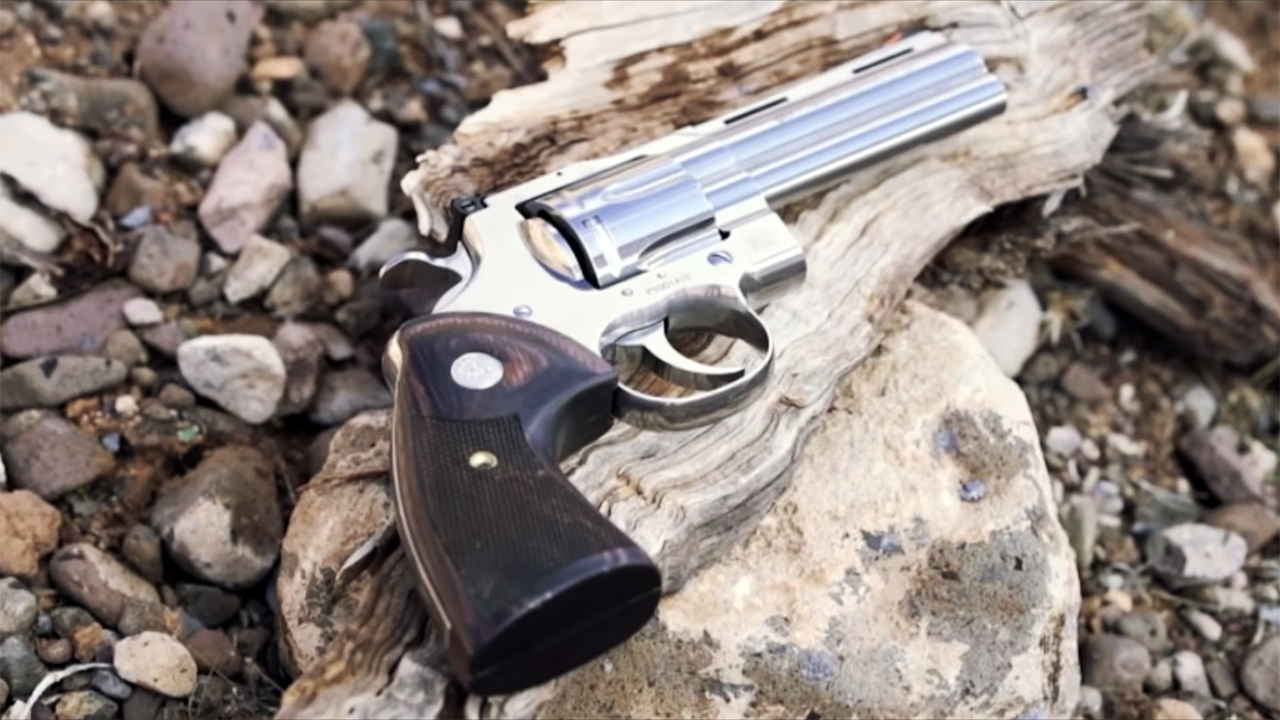
Original Pythons are slick, accurate, and smooth in a way that makes you understand why people obsess. They’re also expensive and not always fun to service when something finally goes out of time. The action is refined, but that refinement comes with a little fragility compared to the “built like a fence post” revolvers.
If you have one, it makes sense to shoot it enough to appreciate it, then stop. Holster wear alone can knock the shine off what collectors pay for. There are plenty of .357s that can live on a belt and get dragged through woods, sweat, dust, and rain. An original Python is better as a special-occasion revolver.
6. Walther P38 (wartime production)

The P38 is a milestone handgun, but wartime examples are all over the map in terms of fit and finish. Some run great. Others run “fine” until you start trying to make them run like a modern duty pistol. The sights are small, the triggers vary, and the whole package feels very much of its time.
Then there’s the reality of age. Springs get tired, small parts can be brittle, and replacement parts aren’t something every shop stocks. I like these as history you can hold, field-strip, and shoot occasionally to stay connected to what it is. For frequent range work, I’d rather have a modern 9mm and keep the P38 nice.
7. Browning Hi-Power (pre-MKIII, Belgian classics)
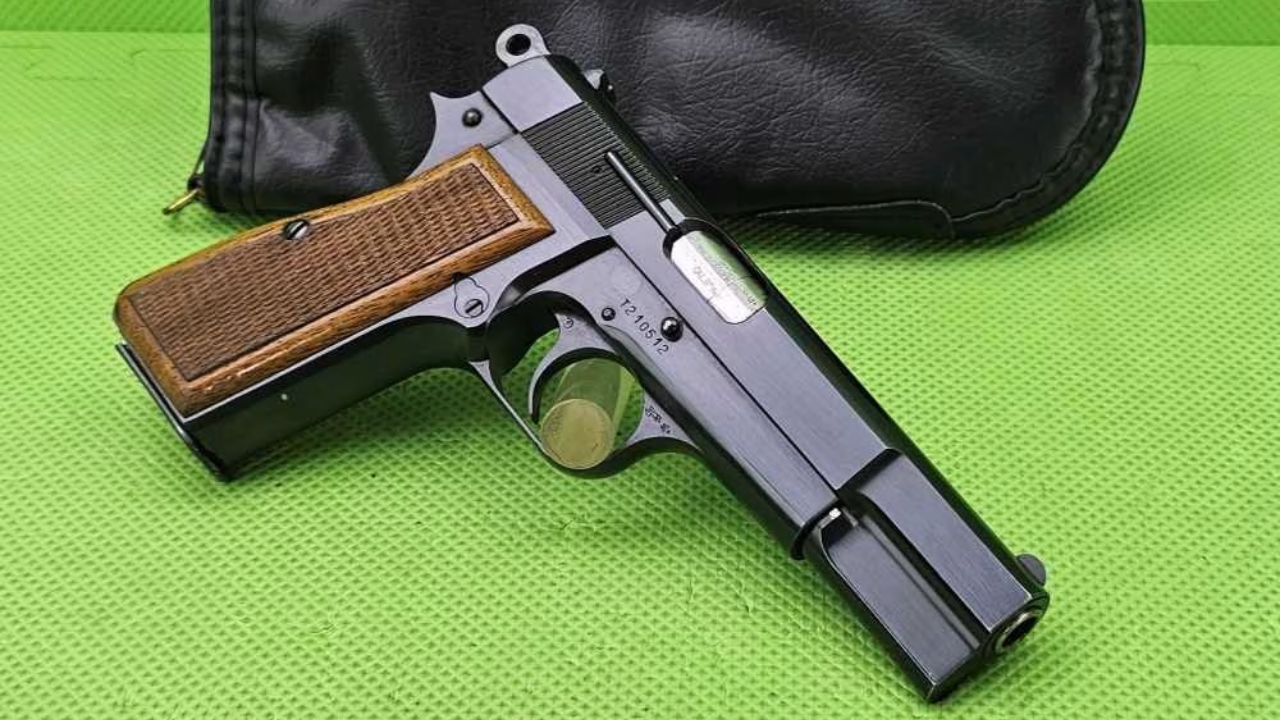
A classic Hi-Power carries great and points naturally. But the older collectible ones are not always thrilled with modern high-round-count use, especially if you start “upgrading” things or feeding it hot ammo. Magazines can be finicky depending on era, and the trigger can range from decent to downright stubborn.
What makes it a collector is exactly what makes it less ideal as a regular beater: original finish, original parts, and that old-school charm. I’d still shoot one, no question. I just wouldn’t turn a nice Belgian example into my weekly training pistol when there are newer pistols that do the same job with less drama and cheaper everything.
8. Colt 1903 Pocket Hammerless
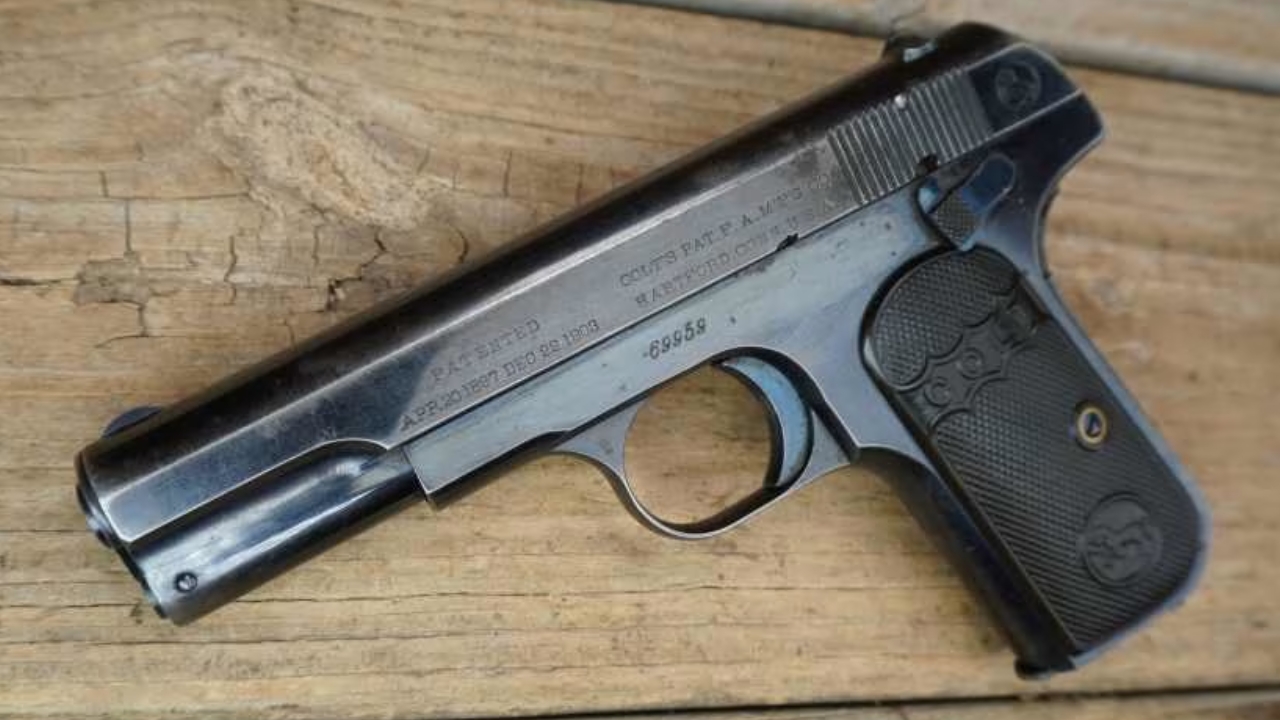
The 1903 is classy, slim, and surprisingly shootable for what it is. It also lives in that “old pocket pistol” world where parts availability and metallurgy aren’t what you want for hard use. The sights are minimal, the controls are period-correct, and the calibers are not what most folks stockpile for range days.
These are perfect for collectors who appreciate design and history, and for the occasional careful range session. But as a daily shooter, you’ll quickly run into limitations: tiny sights, older safeties, and a general sense that you should not be stress-testing it. There are modern pocket guns that do the job better. The 1903 is more about owning a piece of American handgun history.
9. FN Five-seveN (early models)
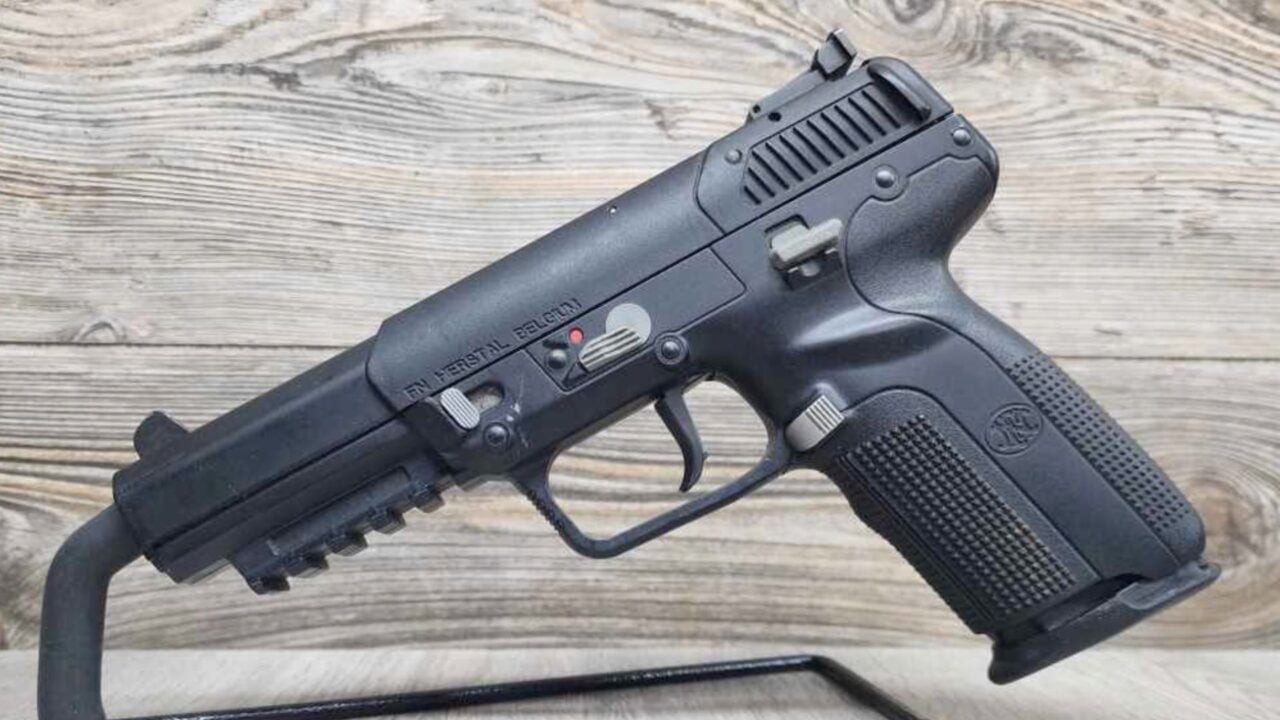
The Five-seveN is light, flat, and weird—in a good way. But as an everyday shooter, it gets expensive fast. Ammo cost and availability can turn a casual range habit into a budgeting meeting. Magazines aren’t exactly cheap either, and this isn’t the pistol you casually lend to a buddy who’s never touched one.
It shines as a niche collectible because it represents a whole concept: lightweight, high-velocity pistol cartridge, high capacity, futuristic feel. If you shoot it sparingly, it stays special. If you run it like a Glock 19, you’ll spend a lot of time chasing ammo and explaining to people why you brought the “space gun” again.
10. HK P7 (PSP/M8)
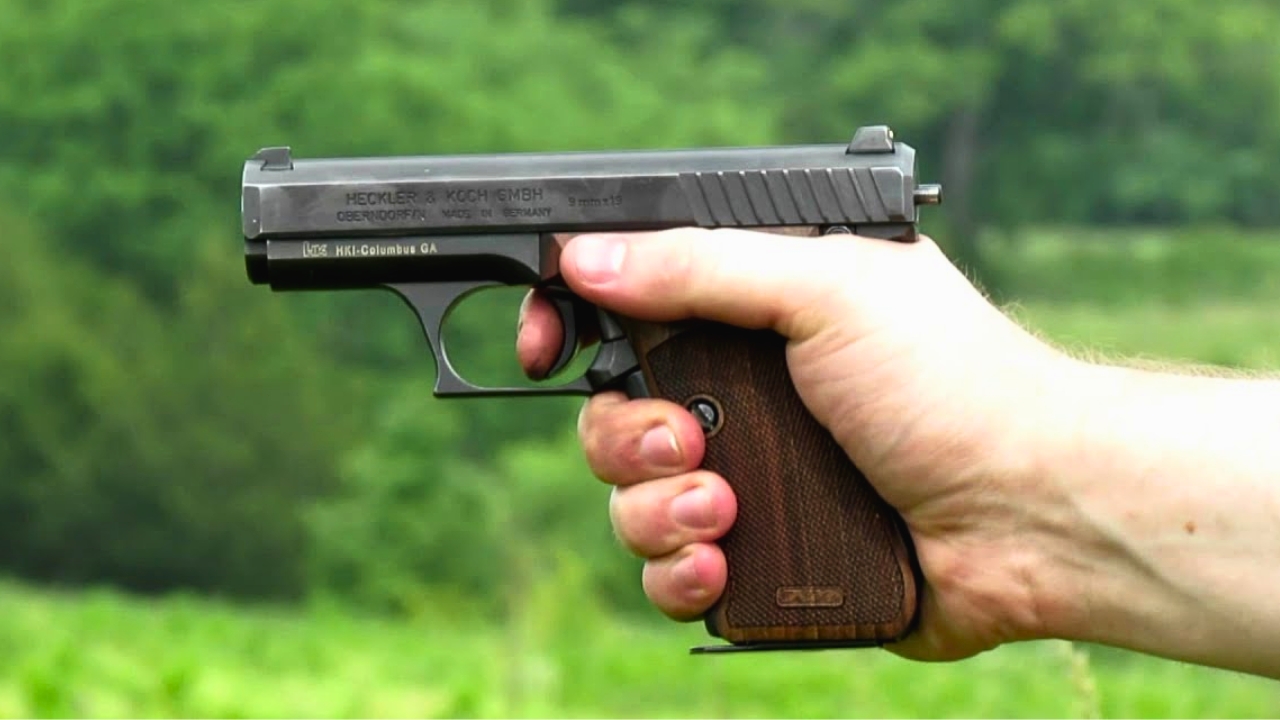
The P7 is one of the most clever carry pistols ever made. It’s also the kind of clever that comes with quirks. The squeeze-cocker system is safe and fast once you’re used to it, but it’s not universal, and it’s not something everyone shoots well right away.
Then there’s the heat. Run a few mags quickly and the gun reminds you that engineering choices have tradeoffs. Parts and magazines can be expensive, and the pistols themselves have moved deep into collector territory. I love seeing a P7 on the line, but I also understand why most owners treat them gently. It’s a brilliant design that makes more sense as a prized possession than a high-round-count work gun.
11. HK MP5 (registered transferable)
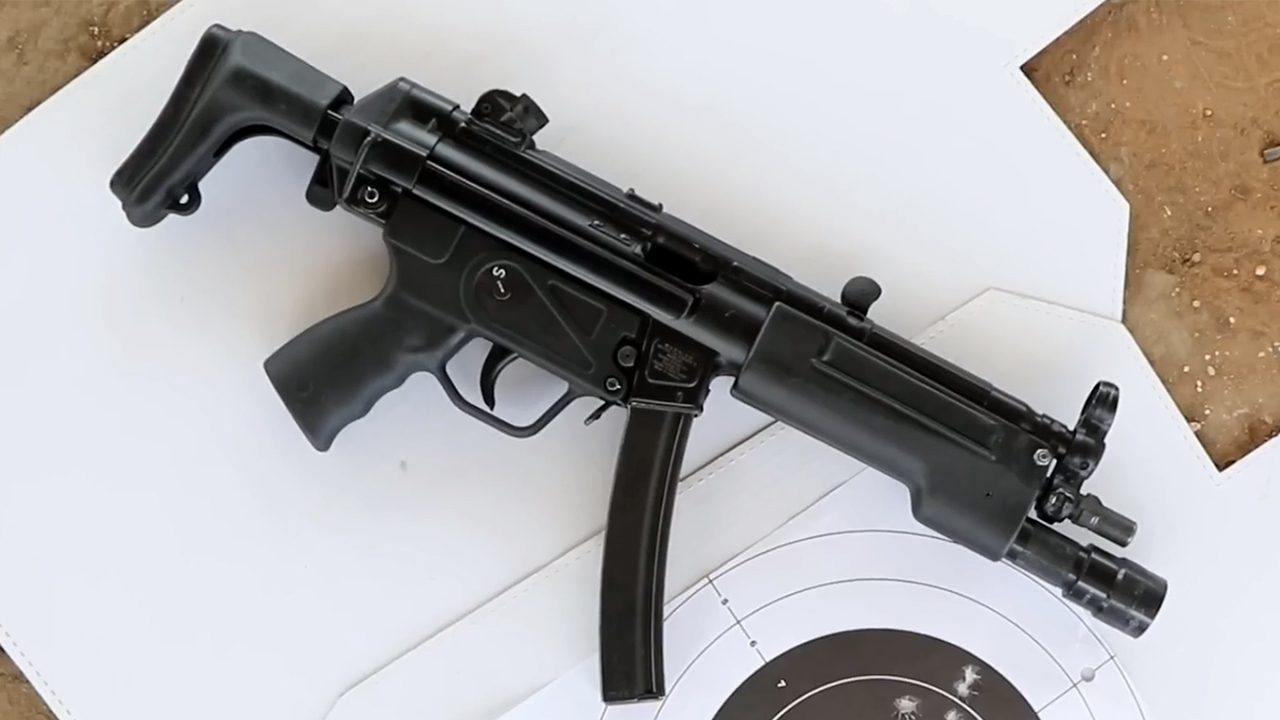
If you’ve ever shot an MP5, you get it. Soft recoil, smooth cycling, and that classic roller-delayed feel. The issue isn’t that it’s a bad shooter. It’s that transferable examples are so valuable that using one like a “normal” range gun feels irresponsible, even if you can afford the ammo.
Wear items, replacement parts, and competent service exist, but the stakes are high. One bad decision, one sloppy range day, one careless transport situation, and you’ve risked something that’s become more artifact than tool. It’s a bucket-list shooter and an incredible collectible. For everyday training, there are modern PCCs that do the job without the heartburn.
12. M1 Garand (correct-grade, all-matching style rifles)
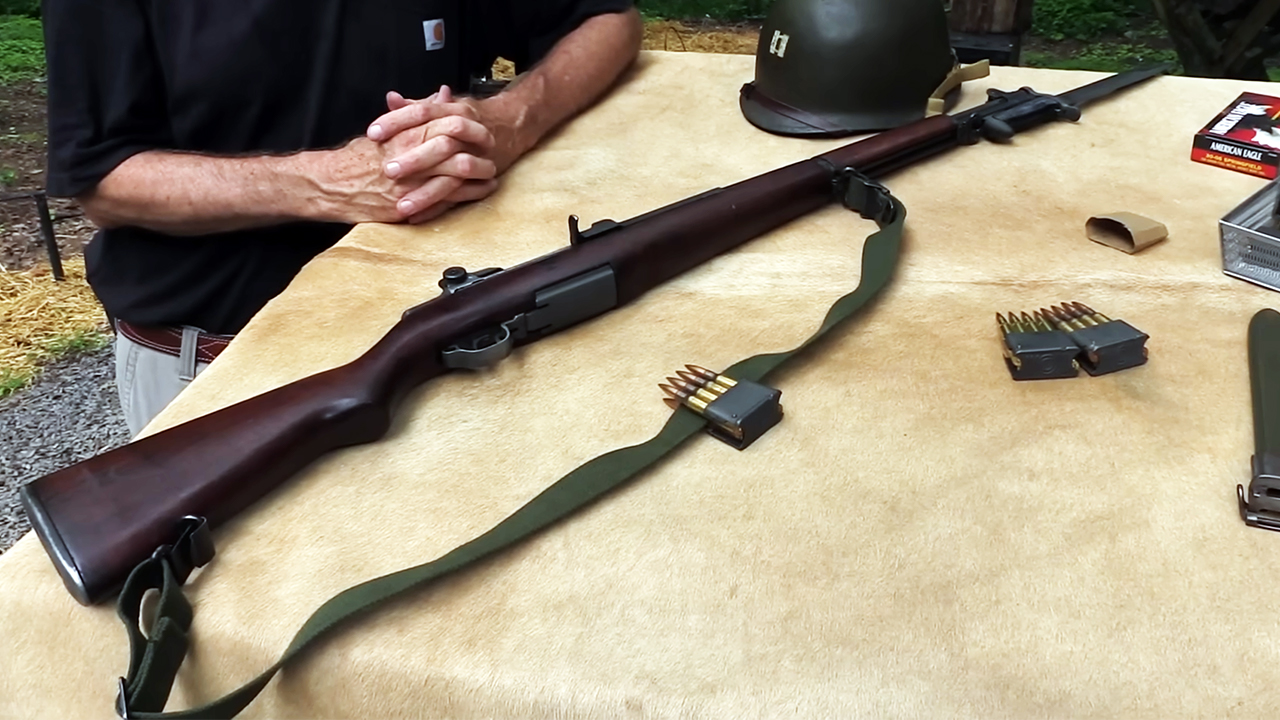
The Garand is absolutely still a shooter, and I’ll never argue otherwise. But when you get into correct-grade or carefully preserved rifles, the idea of dragging it through rain, mud, and a hard season stops sounding romantic. Wood swells, finishes wear, and suddenly you’re babying it instead of hunting.
There’s also the matter of feeding it properly and not treating it like a modern semi-auto that eats anything. The gun deserves respect, and the collectible examples deserve even more. I like a Garand that gets shot, but I prefer a “shooter grade” for regular use and keep the pristine one for slow range days and appreciation.
13. Springfield Armory M1A (early USGI-heavy builds)
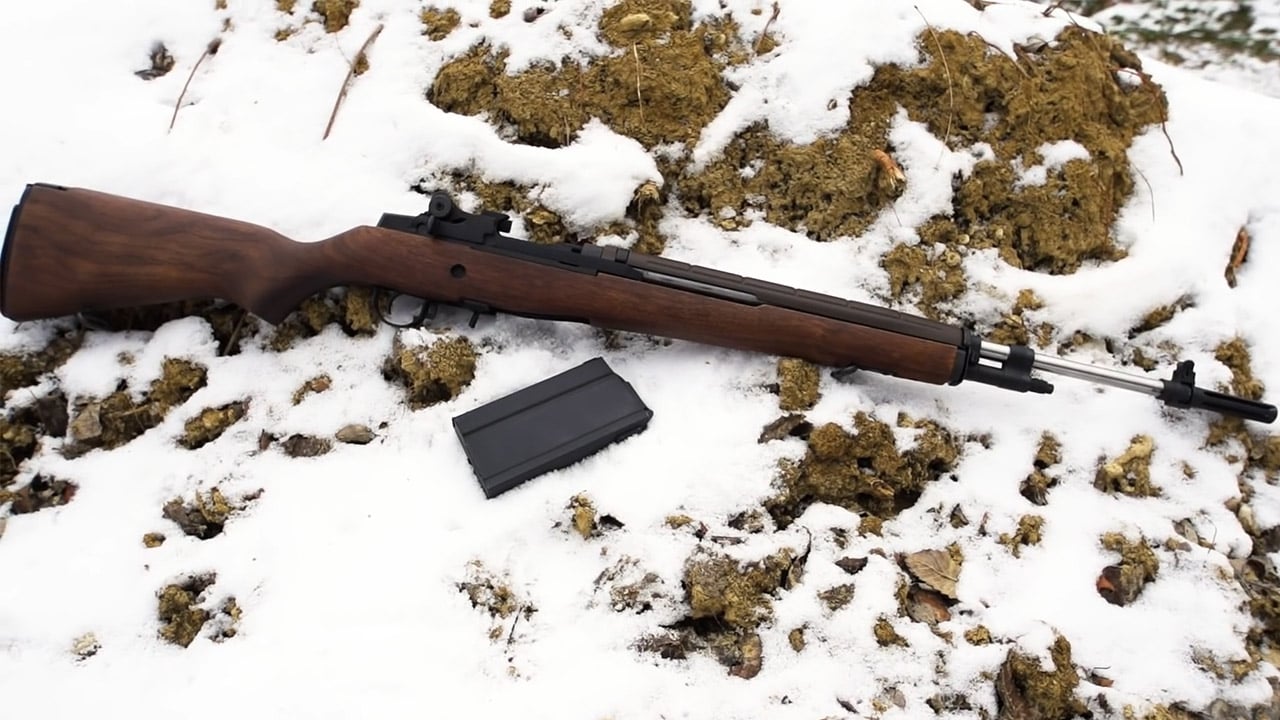
An older M1A built with lots of USGI parts has a vibe that newer production guns don’t always match. The problem is weight, cost, and the fact that it’s easy to turn these rifles into a never-ending tinkering project. Mounting optics can be a chore, and keeping everything tight and consistent takes attention.
For collectors, those older parts matter. For everyday shooters, it can become a “chase the zero” situation if you’re not careful. Magazines are available, but good ones aren’t free. If you want a .308 semi-auto to run hard with modern accessories, there are other platforms that make more sense. If you want classic lines and that old service rifle feel, the older M1A is a safe staple.
14. Winchester Model 1897 (originals)

The ’97 has cowboy cool and real history, but it’s not a modern, sealed-up pump gun. It can be slick, but it can also be temperamental depending on wear and past use. Many have lived hard lives, and tolerances are not what they were when they left the factory.
As a regular shotgun for hunting or defensive practice, there are better tools. The ’97 can bite thumbs, and it rewards careful handling. Parts and competent smithing aren’t as common as they used to be, either. Still, in a rack or safe, it’s a conversation starter that represents an era. Shoot it sometimes, keep it maintained, and don’t expect it to be your do-it-all scattergun.
15. Winchester Model 12 (high-condition field and trap guns)
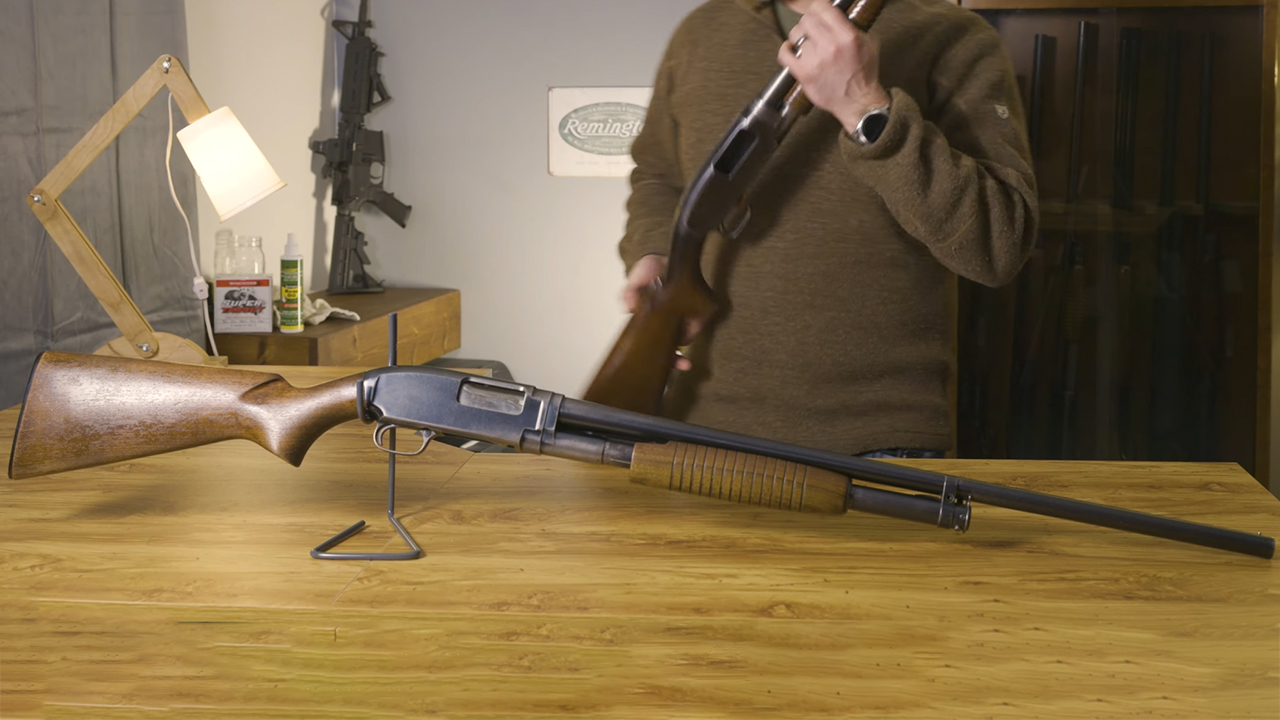
The Model 12 is one of the smoothest pump shotguns ever made. A well-used one can be the perfect bird gun. But a high-condition example, especially in a desirable configuration, starts to feel like something you preserve instead of punish. Blued steel and nice walnut don’t stay nice when you’re crawling through brush after late-season roosters.
They’re also not as simple to service as a modern 870 or 500 when something finally needs attention. I’m not knocking the gun. I’m saying if you’ve got a clean Model 12, it may be smarter to hunt with a more replaceable shotgun and keep the classic for fair-weather days. There’s nothing fancy about that decision, and it’s kind of the point.
16. Remington Model 8 (and Model 81)
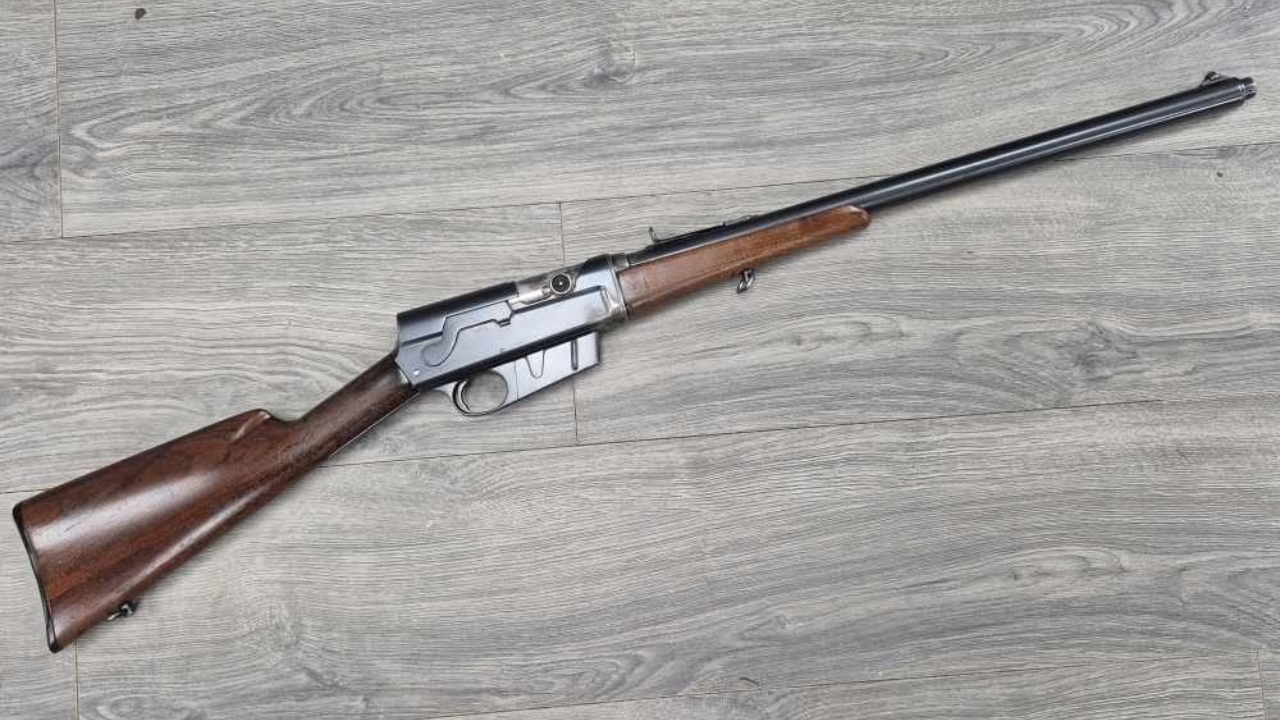
The Remington Model 8 is one of those rifles that makes you stop and stare. It’s an early semi-auto hunting rifle with a unique action and a lot of character. It can also be picky, and it’s not the easiest thing to keep running if you’re trying to make it a regular deer-camp rifle.
Ammo and magazines can be a limiting factor depending on chambering and setup, and spare parts aren’t hanging next to the cleaning kits at the hardware store. When you own one, you’re owning a piece of engineering history, not a disposable tool. I’d take it to the range, confirm it still groups, and enjoy it for what it is. Then I’d grab a modern bolt gun when the weather turns ugly.
17. Savage Model 99 (pre-milsurp-era classics)

The Model 99 is a deer rifle that carries like it was built for the woods—because it was. The rotary magazine and lever action are a joy, and the rifle has real collector appeal, especially in certain chamberings and configurations. The downside is you don’t treat a clean 99 like a “loaner rifle” or a knock-around truck gun.
Some of them wear barrels that are better left alone, and the old stocks can be fragile if they’ve dried out over decades. Optics mounting can be awkward on certain models, and not everyone wants to hunt with irons anymore. If you’ve got a well-worn 99, hunt it. If you’ve got a crisp one, it makes sense to preserve it and enjoy it carefully. Ask me how I know.
18. Ruger No. 1 (early “red pad” and rarer chamberings)
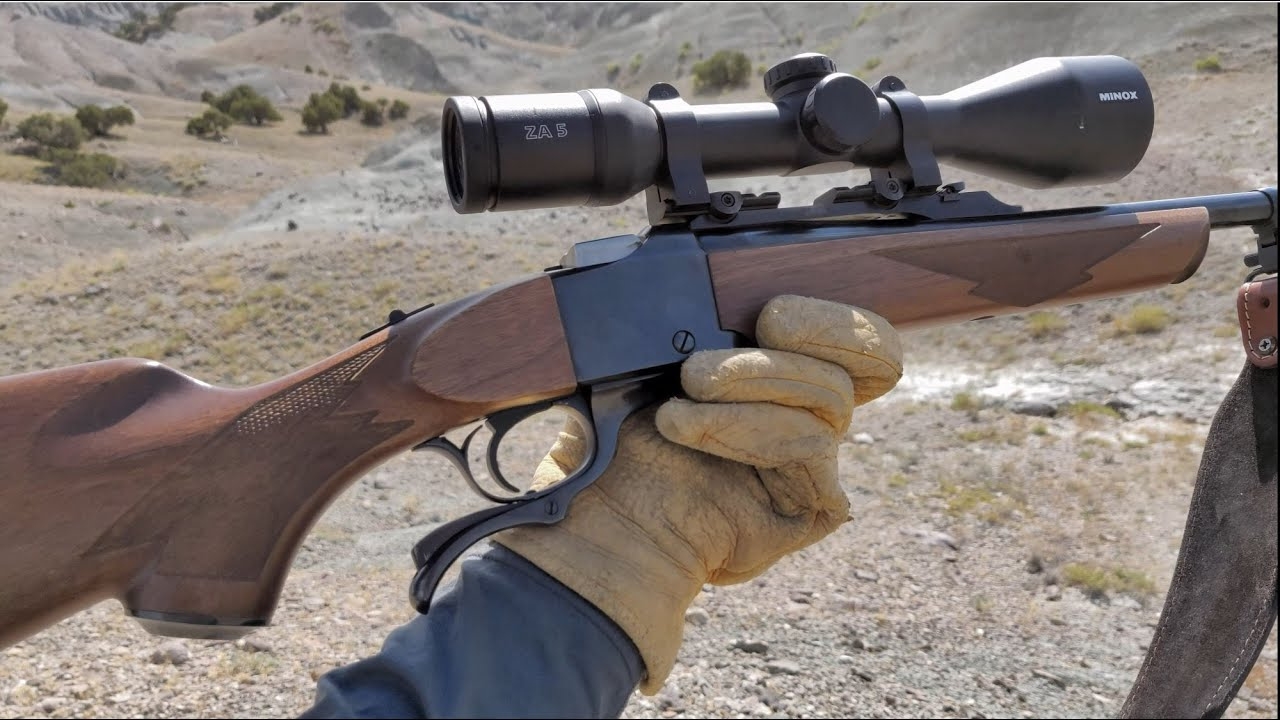
The Ruger No. 1 is classy, accurate, and the kind of rifle that makes you slow down. In rarer chamberings or early configurations, it’s also something you don’t want to ding up in the back of a UTV. Single-shots are fun, but they’re not always the most practical option when you’re hunting in thick stuff and a follow-up could happen fast.
These rifles also tend to become “collector math” guns. You start thinking about condition, rings, boxes, and whether the wood has a mark. Meanwhile, a basic bolt-action will do the same job with less worry. I’m a fan of the No. 1, but I see it as a rifle you take out when you want the experience, not when you want the easiest path to filling a tag.
19. Thompson/Center Contender (early frames and oddball barrels)
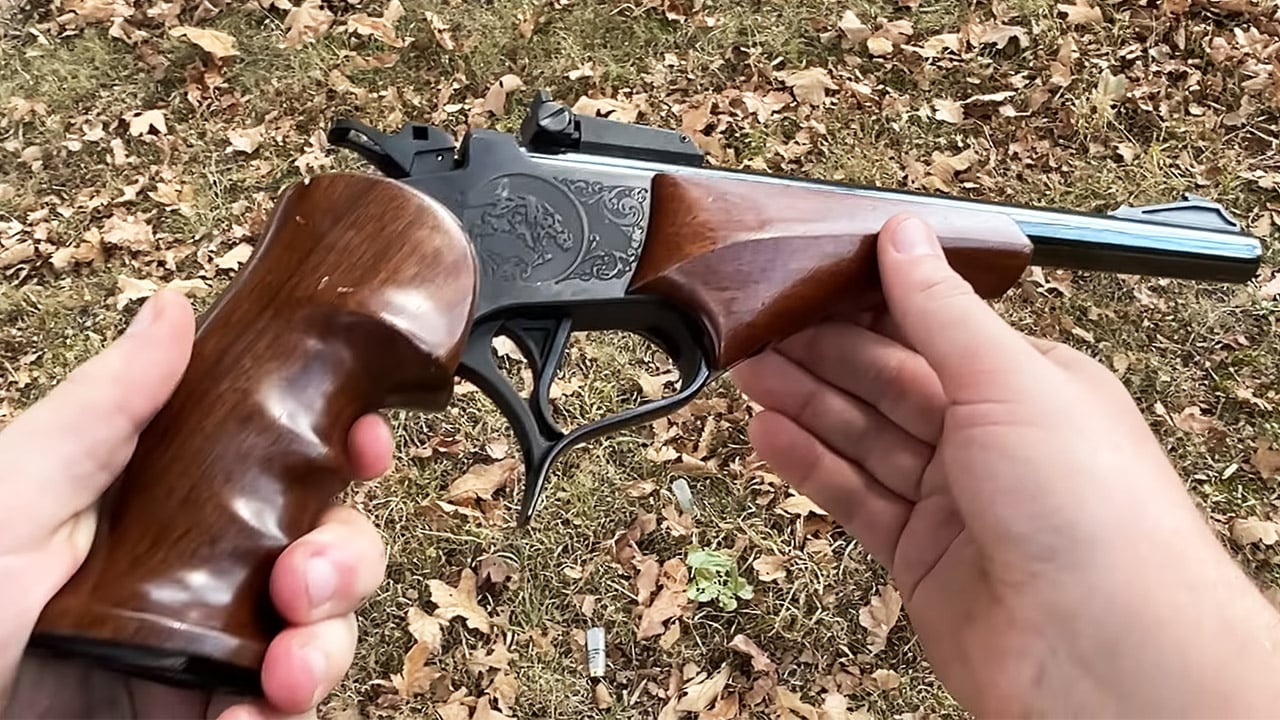
A Contender is like owning a whole gun cabinet that fits in one case. Swap barrels, swap grips, change the whole personality. The issue is that “modular and fun” can turn into “finicky and expensive” if you’re trying to make it your everyday shooter. Tracking down specific barrels, matching sights, and keeping everything consistent takes effort.
As a collectible, it’s fantastic because it represents a time when single-shot specialty pistols and carbines were their own little world. As a daily driver, it’s easy to get tired of the constant setup changes and the temptation to chase the next barrel. I like them best when they’re treated like a project you enjoy slowly, not a tool you rely on weekly.
20. Colt SP1 AR-15 (original slick-side classics)
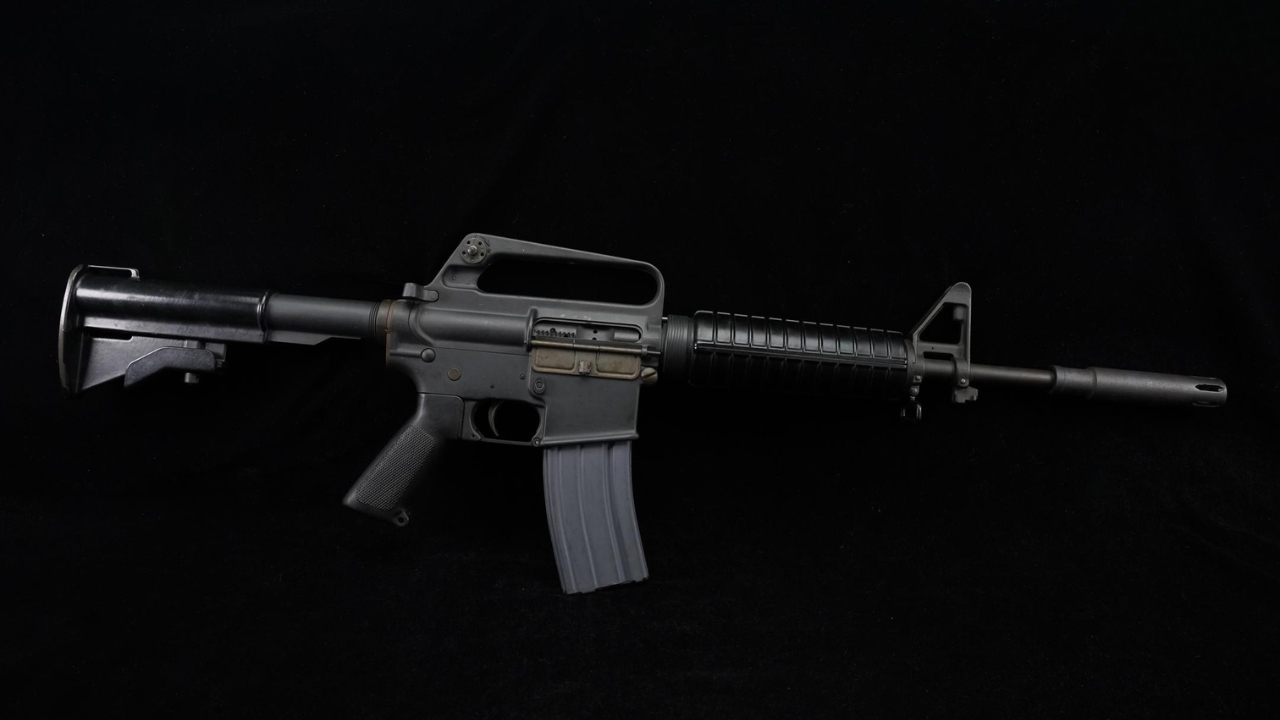
The SP1 is early AR history you can actually hold. Lightweight, simple, and undeniably cool. But as an everyday shooter, it’s not what most folks want anymore. The original features are part of the appeal, and changing them to match modern expectations defeats the purpose and can hurt the collector value.
Then there’s the wear issue. Running lots of rounds, throwing it in a truck, or treating it like a modern duty rifle is how nice originals turn into “used and tired” originals. If you want a shooter AR, there are endless options built for hard use, optics, lights, and rough handling. The SP1 is better as a piece of the platform’s story, and a rifle you take out when you want to feel what “early AR” actually meant.
None of this is meant to say you shouldn’t shoot collectible guns. You should, at least enough to know they work and to appreciate what you own. But there’s a difference between “shoot it sometimes” and “run it like it’s replaceable.” If a firearm has history, scarce parts, or collector value you’d actually miss, it might deserve a slower pace, a soft case, and a spot in the safe that isn’t right next to the range beaters.
Like The Avid Outdoorsman’s content? Subscribe to our newsletter so you never miss an article.
Here’s more from us: