Photo credit: Roland Street Firearms/YouTube
A used revolver can be a great buy, but it can also hide problems better than people think. Timing issues, endshake, cracked forcing cones, worn lockwork, loose cranes, abused magnum loads, and bad amateur work can turn a nice-looking wheelgun into a money pit.
That does not mean every revolver here is junk. Some are collectible. Some are fine if inspected by someone who knows what they are doing. But if you are shopping used and do not want surprises, these specific models deserve extra caution before you hand over the money.
Taurus Raging Judge Magnum
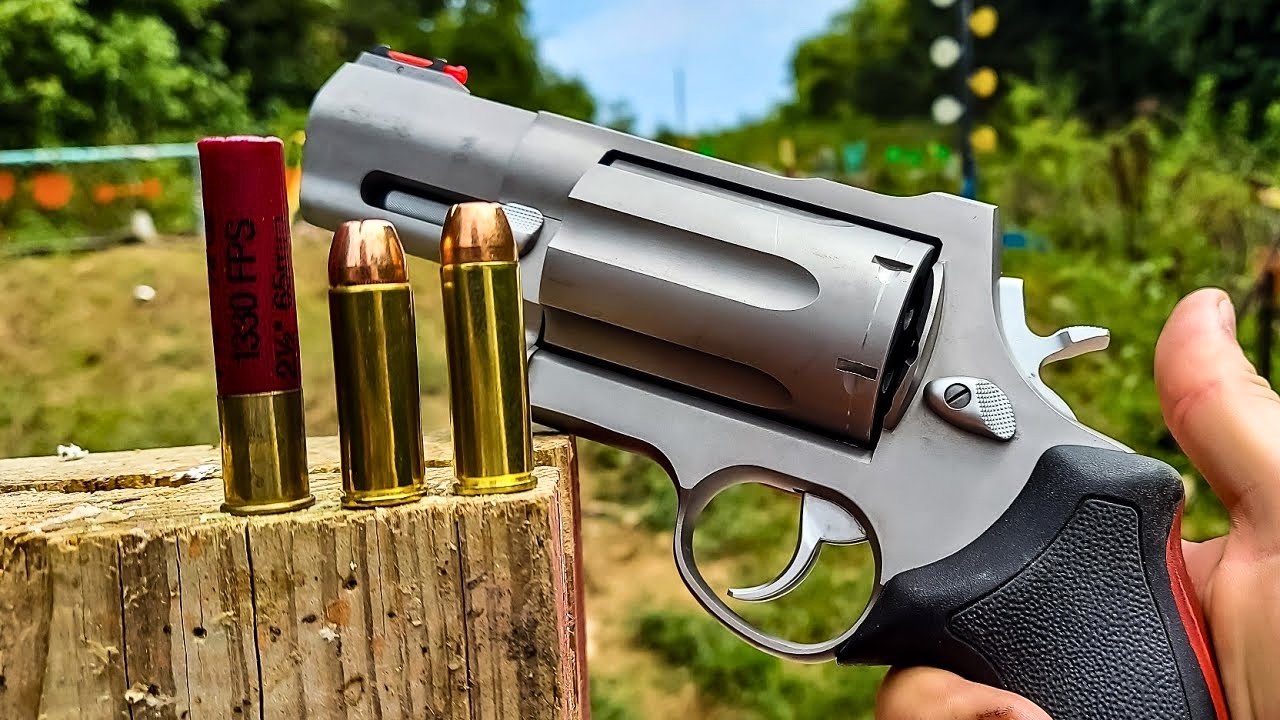
The Taurus Raging Judge Magnum is the kind of revolver that grabs attention immediately. It is huge, heavy, and chambered for a wild mix of .454 Casull, .45 Colt, and .410 shells depending on the version. That sounds fun on paper, but it also means the gun may have lived a hard life before you ever saw it.
A used Raging Judge Magnum deserves a careful inspection because you do not know what the last owner fired through it. Mild .45 Colt is one thing. A steady diet of .454 Casull is another. Check timing, lockup, cylinder play, forcing cone condition, and crane alignment. This is not a revolver to buy casually just because the price looks tempting.
Smith & Wesson 329PD
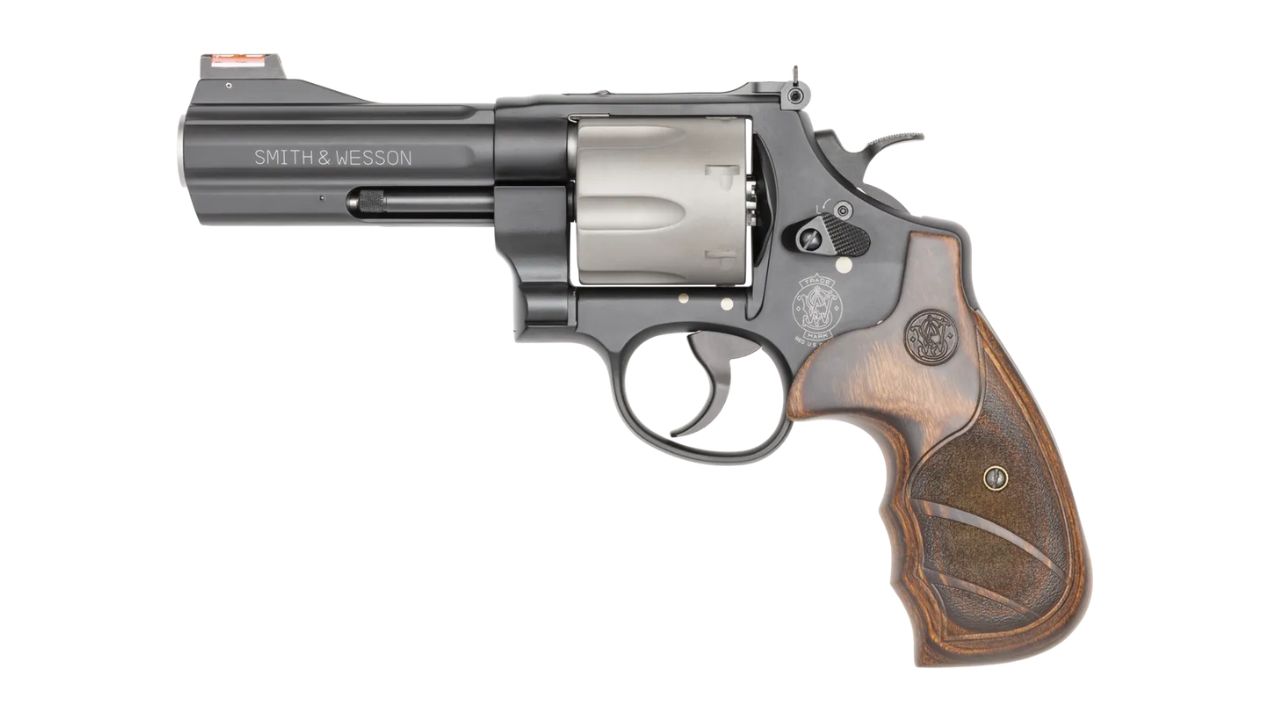
The Smith & Wesson 329PD is impressive because it puts .44 Magnum power into an extremely light scandium-frame revolver. That is also exactly why used examples can be risky. These guns are often bought by people who underestimate the recoil, shoot a few painful cylinders, and sell them.
Even if the round count is low, the gun may have been punished hard by full-power loads. Look for endshake, flame cutting, loose lockup, damaged grips, and any signs the frame has taken a beating. The 329PD is a specialized carry revolver, not a casual range gun. Used, it needs more inspection than most buyers give it.
Charter Arms Bulldog .44 Special
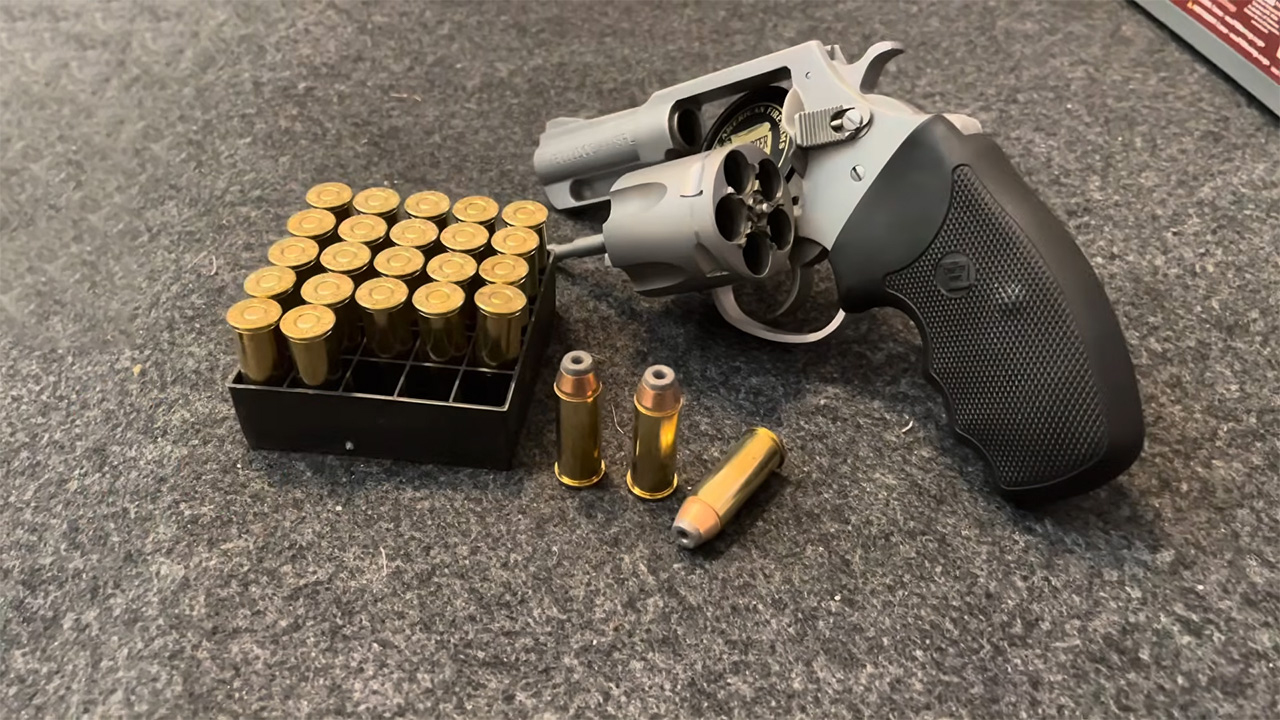
The Charter Arms Bulldog .44 Special has been around for decades, and used examples vary wildly. Some are decent compact big-bore carry revolvers. Others have been carried hard, shot with questionable loads, neglected, or treated like cheap defensive tools instead of carefully maintained guns.
The Bulldog is not something to buy blind. Timing, lockup, cylinder gap, crane fit, and trigger return all need attention. The .44 Special chambering makes it appealing, but it also adds more stress than a small-frame .38. A clean newer Bulldog may be fine, but a random old used one can be more trouble than the savings justify.
Rossi Model 68

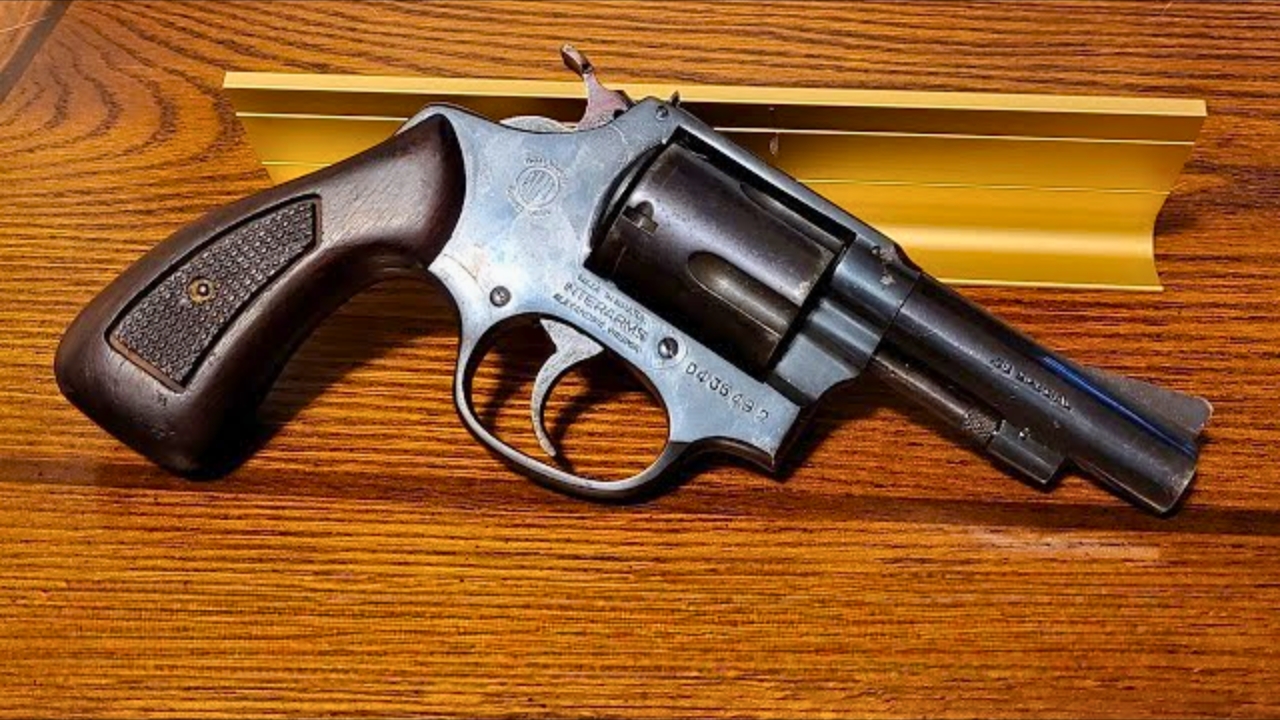
The Rossi Model 68 is tempting because it looks like a budget alternative to a Smith & Wesson J-frame. It is small, simple, and often found at prices that look friendly to someone wanting a cheap .38 Special revolver. That is the hook.
The problem is that older Rossi revolvers can be inconsistent, especially after years of unknown use. Some work fine, but others have rough timing, worn lockwork, or poor trigger feel. Since many were bought as budget defensive guns, they were not always maintained carefully. If the price is anywhere close to a better Smith, Ruger, or Colt, the Model 68 is usually not the smart used buy.
Taurus Model 85 Ultra-Lite

The Taurus Model 85 Ultra-Lite can look like a great used carry revolver because it is small, light, and affordable. Plenty of people bought them for concealed carry, which means many examples spent years in pockets, glove boxes, purses, or nightstands without much careful maintenance.
Used examples deserve extra caution because lightweight snubs can wear harder than people expect, especially if the owner fired a lot of +P loads. Check the frame, cylinder gap, timing, crane alignment, and lockup. A good one may be serviceable, but a worn one is not worth chasing when better small revolvers exist.
Smith & Wesson Model 19
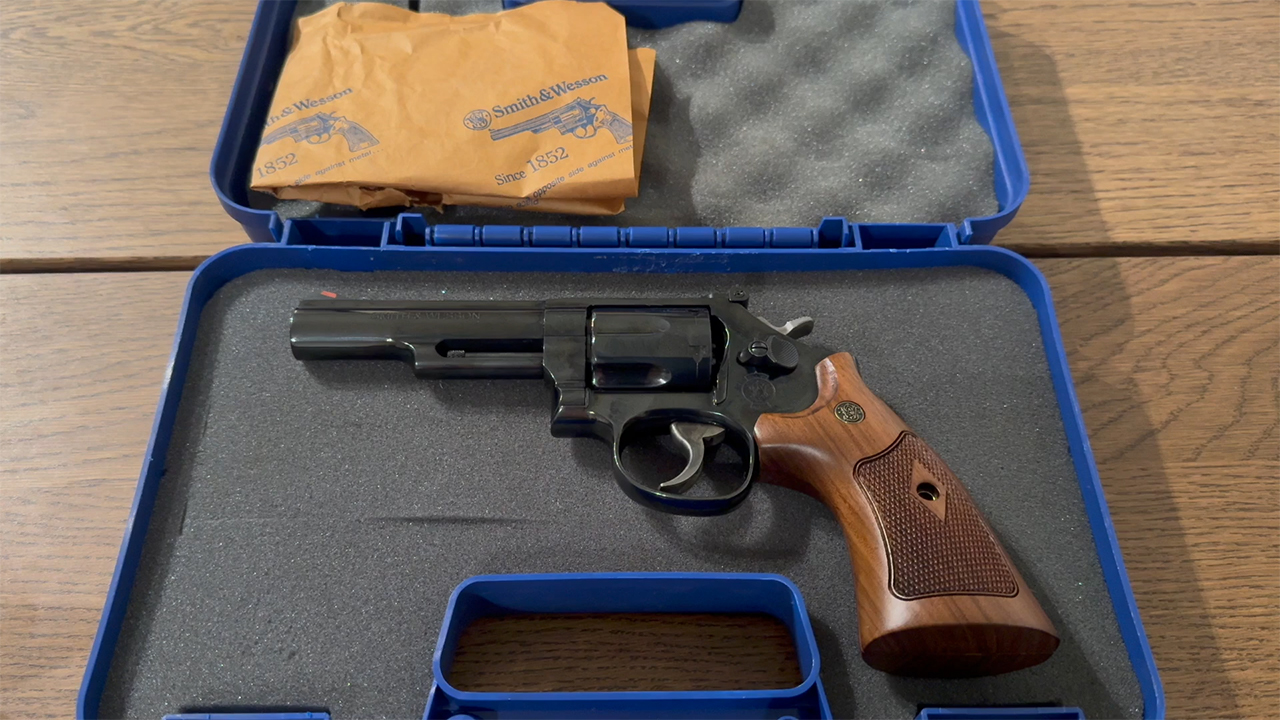
A used Smith & Wesson Model 19 can be a fantastic revolver, but it is also one of the classic guns you need to inspect carefully. The Model 19 is a K-frame .357 Magnum that balances carry size with magnum power. That balance is what made it great, but it also means it was not built like a heavy L-frame or Ruger GP100.
The big concern is heavy magnum wear. Older Model 19s that saw lots of hot 125-grain .357 loads can develop forcing cone issues, endshake, timing problems, and flame cutting. A clean Model 19 is absolutely worth owning. A tired one that has been fed hot magnums for decades can turn into an expensive repair project.
Smith & Wesson Model 66
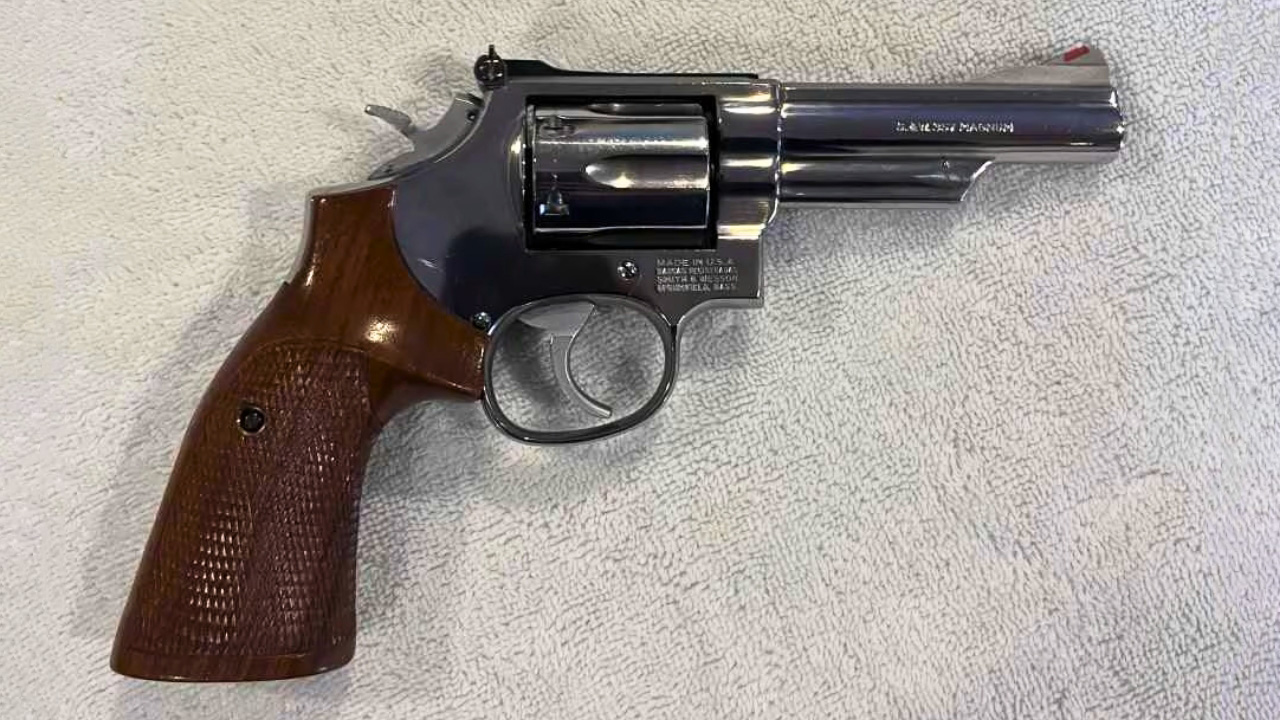
The Smith & Wesson Model 66 has the same basic warning as the Model 19, but some buyers get fooled by the stainless finish. Stainless steel makes it better for weather and carry wear, but it does not magically erase the limits of a K-frame .357. Used examples still need a close look.
Inspect the forcing cone, especially on older guns. Check for endshake, timing, cylinder gap, lockup, and signs of hard magnum use. A good Model 66 is one of the best practical .357 revolvers Smith ever made. A worn one can cost too much to fix compared with just buying a cleaner example.
Colt Trooper Mk III
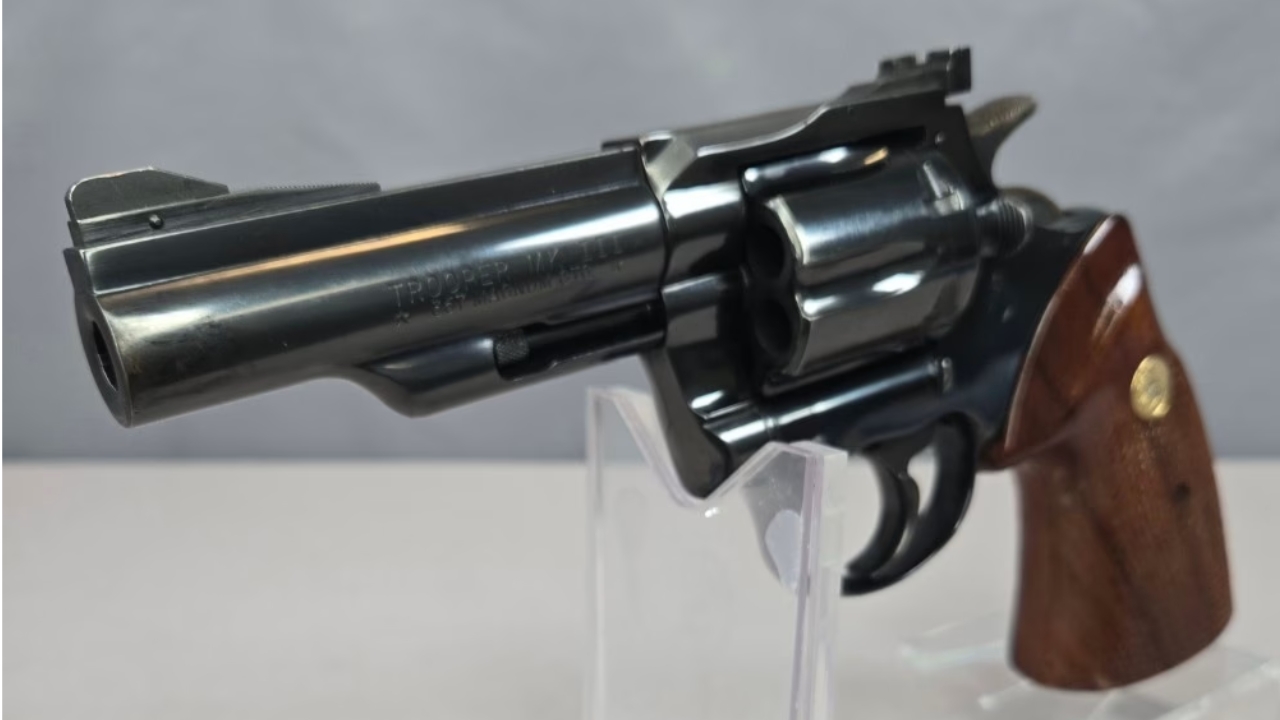
The Colt Trooper Mk III is a strong revolver, but it is not a used gun to buy carelessly. Colt revolvers have their own lockwork, parts situation, and repair considerations. If something is wrong, fixing it can be more complicated and more expensive than dealing with a common Smith or Ruger.
A used Trooper Mk III should be checked closely for timing, lockup, crane fit, cylinder rotation, damaged screws, and signs someone tried to “improve” the action. A clean one is a very good revolver. A problem Colt is not something most buyers want to inherit.
Colt Detective Special

The Colt Detective Special is classic, collectible, and easy to want. It gives shooters six rounds in a compact snubnose package, which still makes it appealing today. The problem is that many used examples are old, expensive, and not always as mechanically sound as they look.
Colt timing matters. Check every chamber slowly in double action and single action if applicable. Look for cylinder play, worn lockup, crane issues, bad refinishing, and signs of pocket abuse. A clean Detective Special is great. A tired one priced like a collectible can be a bad buy fast.
Colt Cobra First Issue
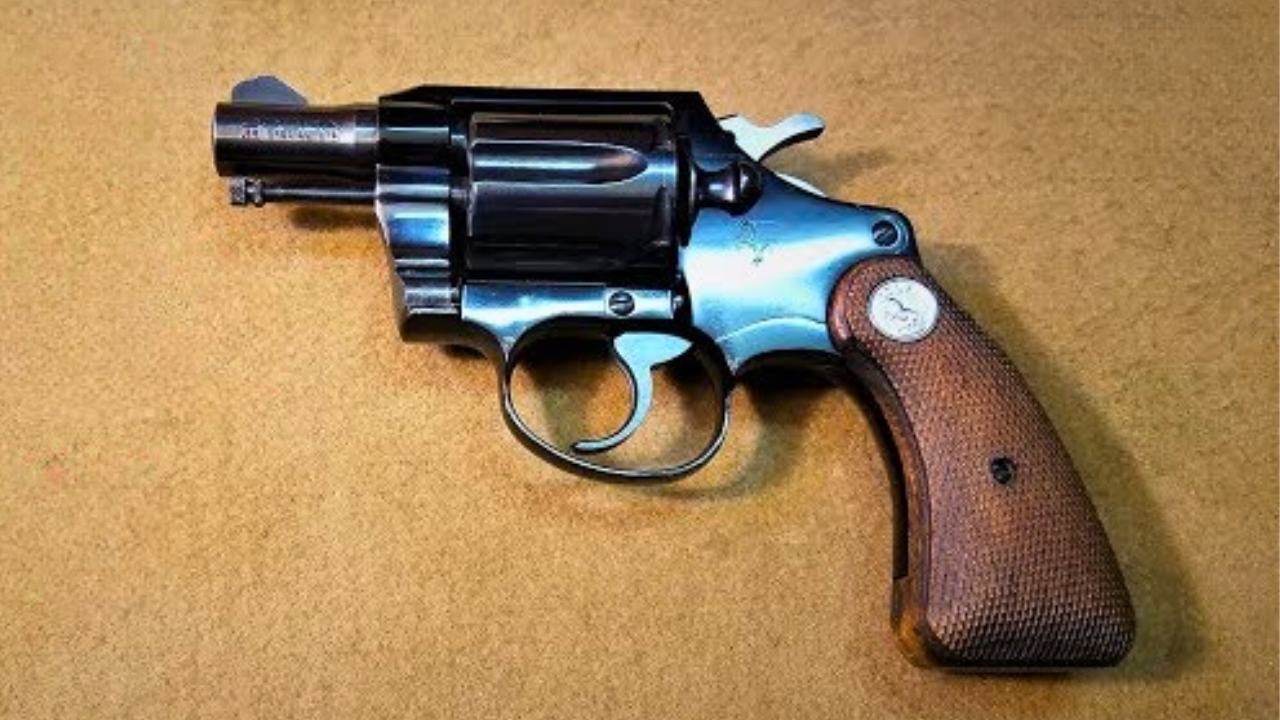
The first-generation Colt Cobra is a lightweight classic, but aluminum-frame snub revolvers need more caution than steel guns. They were built to carry easily, not to soak up endless shooting. Many examples have spent decades being carried, fired occasionally, and stored in less-than-perfect conditions.
Before buying a used first-issue Cobra, check frame condition, timing, lockup, crane alignment, and cylinder gap. Also watch for signs of overpressure loads or rough handling. Prices are often high because of Colt collector interest, so a mechanically tired Cobra can be a bad value even if it looks charming.
Smith & Wesson Model 340PD
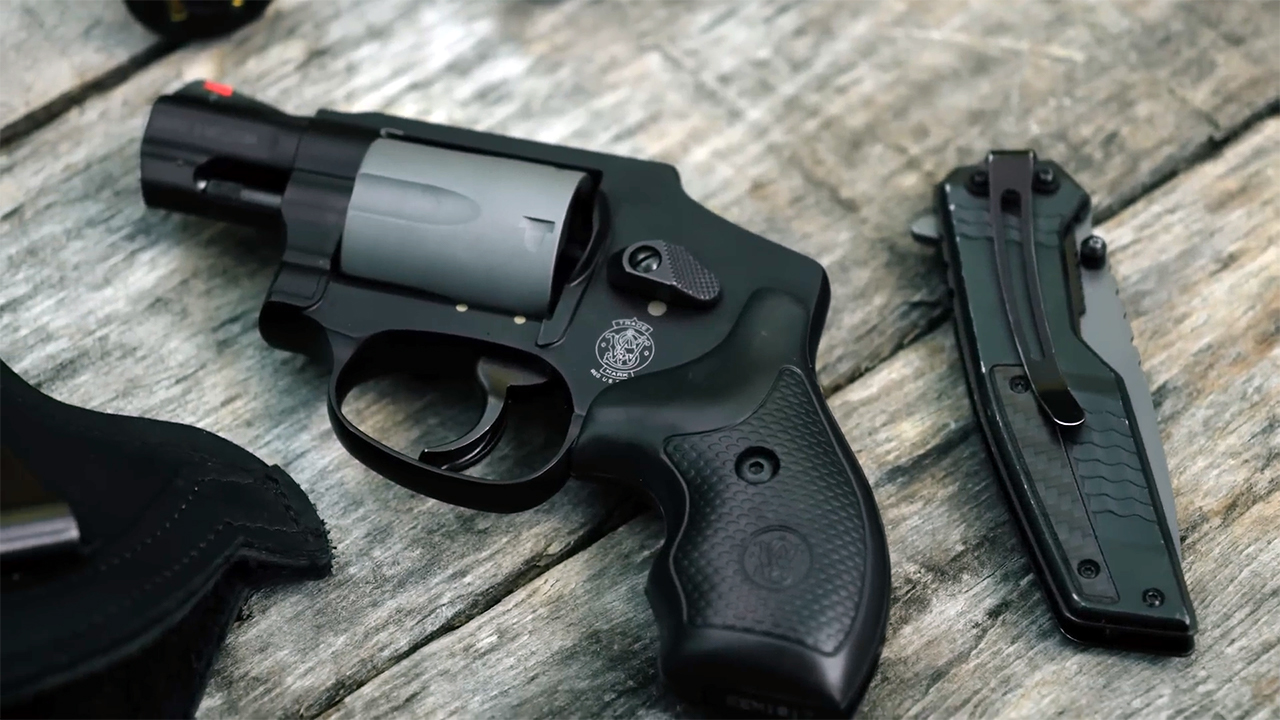
The Smith & Wesson Model 340PD is one of the easiest revolvers to buy for the wrong reason. It is extremely light, chambered in .357 Magnum, and easy to carry. That sounds perfect until you shoot it with real magnum loads.
Used examples can be risky because lightweight magnums get stressed hard. Some owners only fire a few rounds and quit, while others experiment with hot defensive loads before selling the gun. Look for flame cutting, loose lockup, endshake, frame erosion, and cracked or battered grips. This is not a revolver to buy used without knowing exactly what you are inspecting.
Ruger LCR .357 Magnum

The Ruger LCR is generally a good design, but the .357 Magnum version deserves caution on the used market. It is light enough to carry easily, but that also means recoil with magnums is sharp. A lot of owners buy one, discover it is unpleasant, and move it along.
A used LCR .357 may be fine, but inspect it closely. Check lockup, cylinder rotation, trigger feel, frame condition, and signs of harsh recoil wear. If you mostly plan to shoot .38 Special anyway, the .38 Special LCR may be the smarter choice. The .357 version gives flexibility, but it also invites harder use.
Taurus Model 605

The Taurus Model 605 is a compact .357 Magnum that often shows up used at attractive prices. It gives buyers real magnum capability in a small revolver without Smith & Wesson or Ruger money. That makes it tempting.
The used risk is simple: small budget magnums do not leave much room for unknown abuse. You do not know whether the previous owner mostly shot .38s or hammered it with full-power .357 loads. Check timing, cylinder gap, lockup, crane fit, extractor function, and trigger reset. If anything feels off, pass.
EAA Windicator .357 Magnum
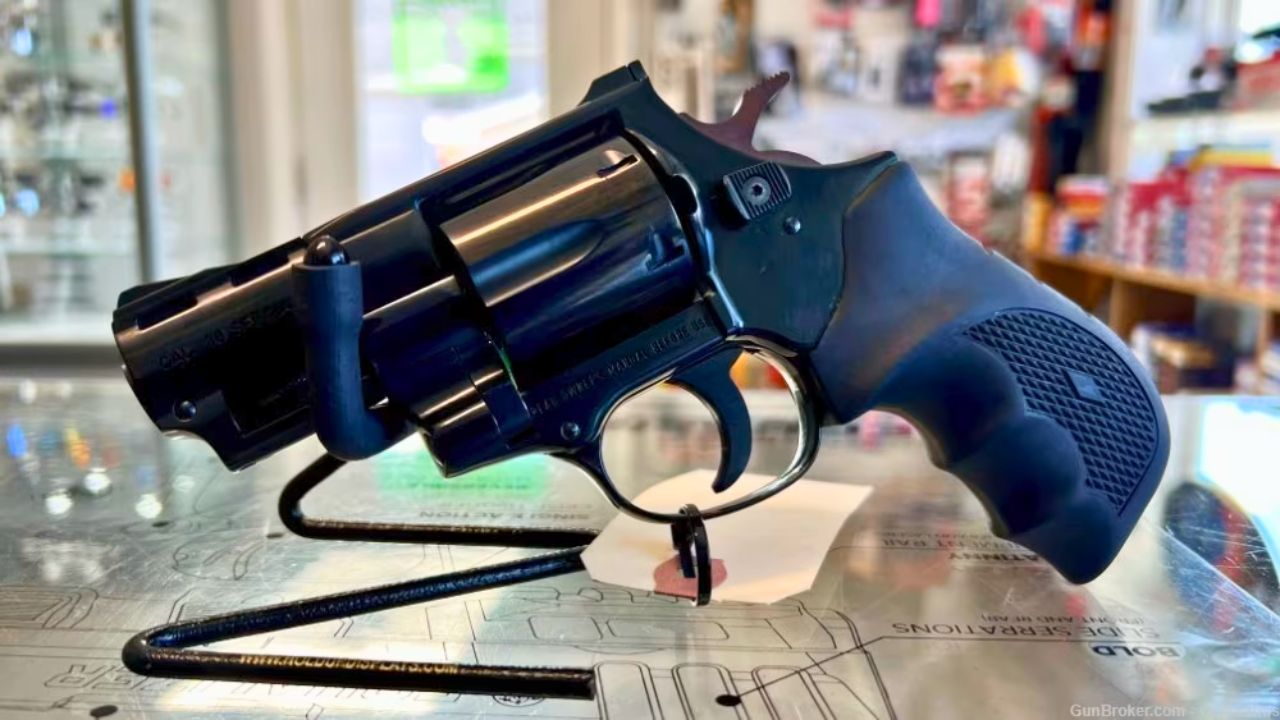
The EAA Windicator .357 Magnum is usually bought because it is inexpensive. It gives shooters a basic .357 revolver at a low entry price, and that can be appealing to someone who just wants a simple wheelgun. New, that argument may have some merit.
Used, it gets weaker. A budget magnum revolver with an unknown history is not where you want surprises. Check timing, lockup, cylinder play, forcing cone wear, and overall fit. If a used Windicator is only a little cheaper than a better revolver, it is not worth the risk.
Rossi Circuit Judge
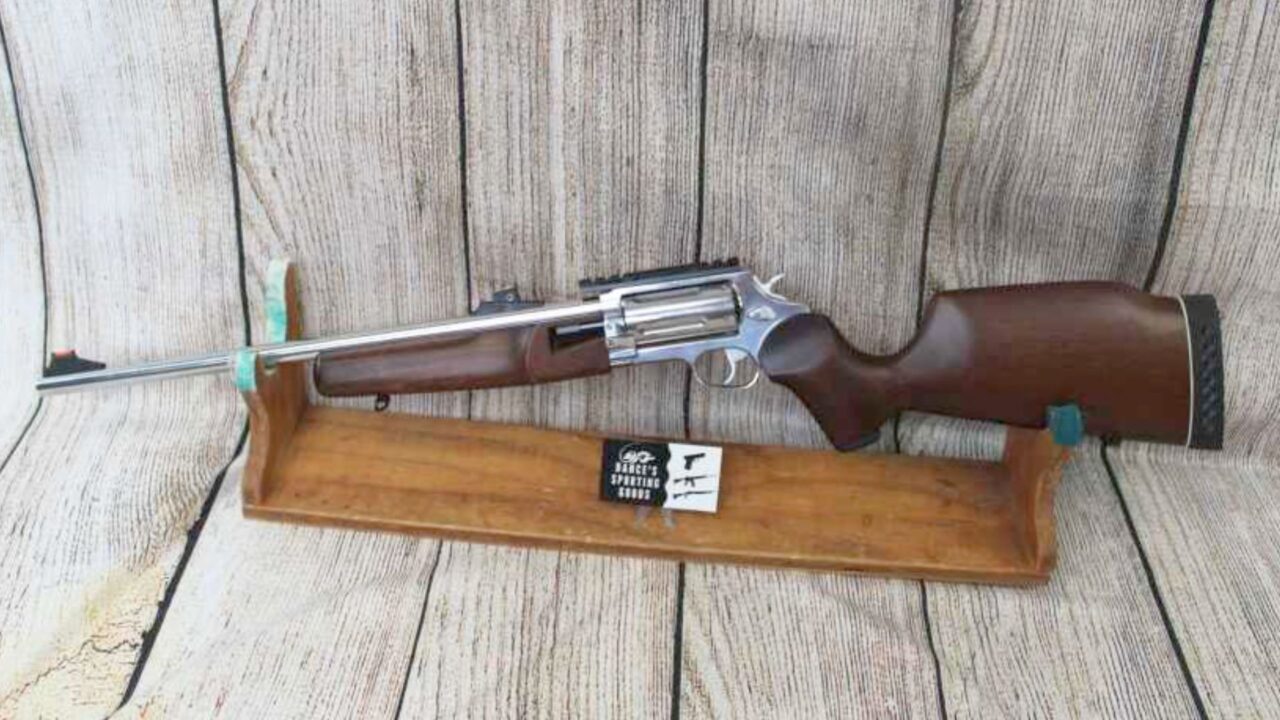
The Rossi Circuit Judge is an oddball revolving carbine, and oddball guns need extra caution used. The .45 Colt/.410 setup attracts novelty buyers, and novelty guns are not always treated like serious firearms. Some get shot hard, cleaned poorly, and sold when the fun wears off.
Because of the revolving-cylinder design, timing and cylinder alignment matter a lot. Check the forcing cone, cylinder gap, lockup, and overall mechanical function. Unless you specifically want the oddball factor and can inspect it properly, a used Circuit Judge is not a great gamble.
Heritage Rough Rider

The Heritage Rough Rider is cheap enough new that buying one used rarely makes much sense unless the price is extremely low. These revolvers are fun plinkers, but they are often treated exactly like cheap plinkers. That means lots of rounds, casual cleaning, and rough handling.
A worn used Rough Rider is not worth chasing. Check timing, cylinder lockup, screws, hammer function, bore condition, and safety function. If anything feels loose or rough, walk away. The savings over buying new usually are not enough to justify inheriting someone else’s worn-out rimfire.
Nagant M1895

The Nagant M1895 is historically interesting, but it is not a practical used revolver for most shooters. The gas-seal design is unusual, the trigger is famously heavy, and the 7.62x38mmR cartridge is not exactly convenient. It is more collectible curiosity than useful range gun.
Used examples are old military surplus revolvers with widely varying condition. Check timing, bore condition, cylinder movement, lockwork, and overall wear. Even when they work, they are not especially fun or practical to shoot. Buy one for history if you want, but do not buy one expecting a useful everyday revolver.
Webley Mk VI
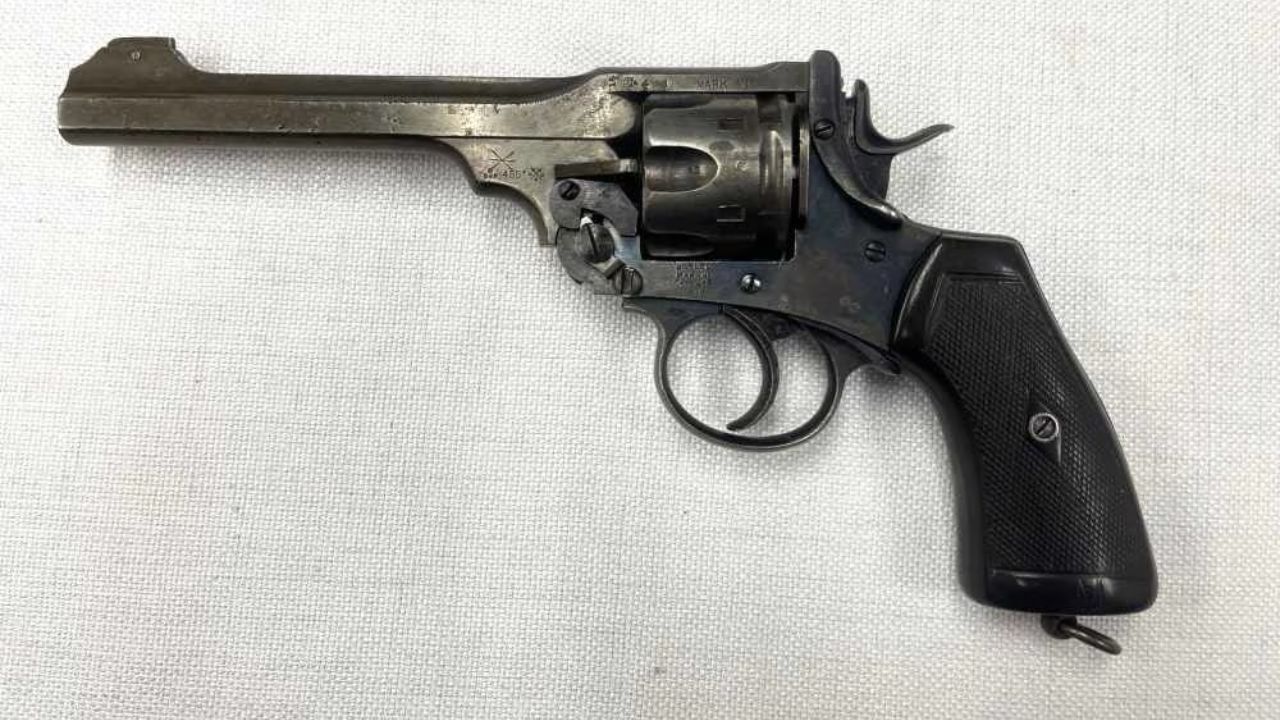
The Webley Mk VI is a fascinating historical revolver, but used examples require real caution. Many were shaved to accept .45 ACP moon clips, and that creates pressure concerns if the owner does not understand what ammunition is appropriate. These revolvers were not built for modern full-pressure .45 ACP loads.
Before buying one, you need to know whether it has been modified, what cartridge it is safe with, and whether the lockup and timing are sound. This is not a revolver for casual shooters who just want something cool and old. A Webley Mk VI belongs with someone who understands historical firearms and pressure limits.
Iver Johnson Safety Automatic Revolver
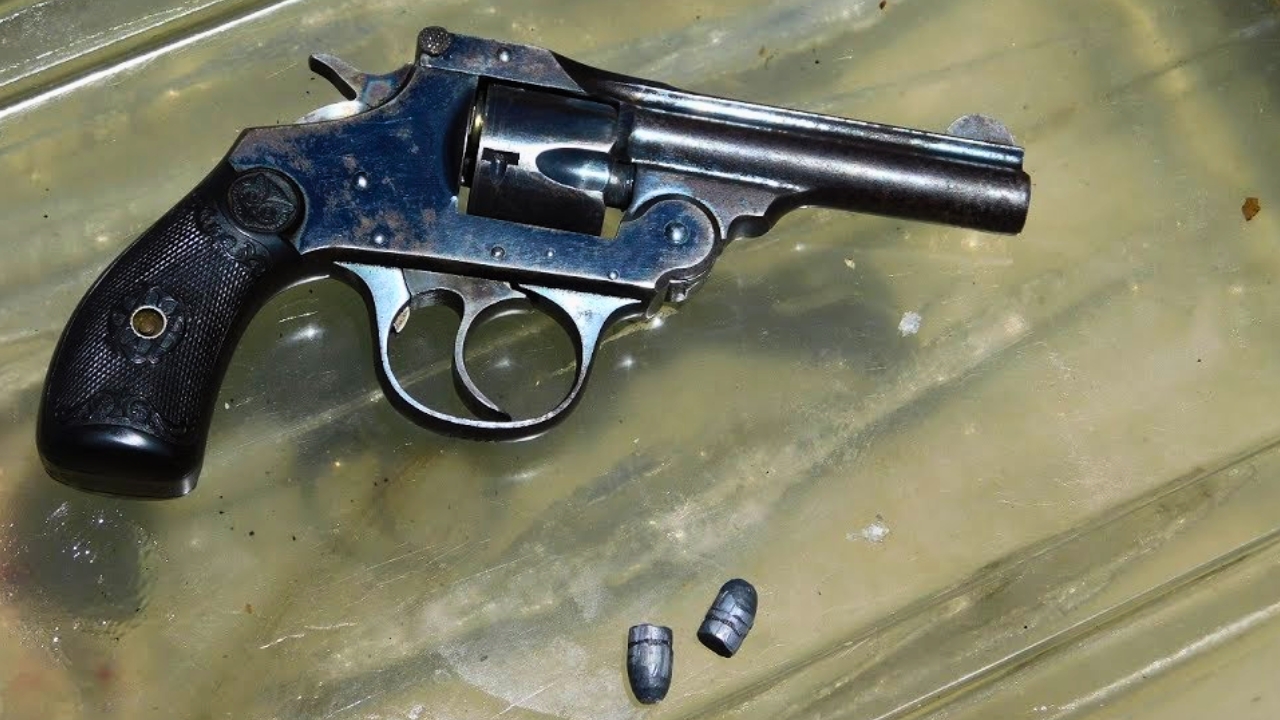
The Iver Johnson Safety Automatic Revolver is a common old top-break revolver that can look tempting because prices are often low and the guns have a lot of character. Many were made in .32 S&W or .38 S&W, and they show up in estate sales and old collections all the time.
The problem is that many are mechanically tired, and not all were made for the same ammunition pressures. Lockup, latch strength, timing, bore condition, and cylinder alignment all matter. Unless you collect antique revolvers and know exactly what you are buying, this is not a used revolver to purchase as a regular shooter.
Harrington & Richardson 922

The Harrington & Richardson 922 is a simple old .22 revolver that can be fun when it is in good shape. The problem is that many used examples are not in good shape. These guns were inexpensive, shot a lot, and often treated like tackle-box or toolbox plinkers.
A used H&R 922 should be inspected for timing, cylinder lockup, bore condition, trigger return, and worn screws. Because values are usually not high, there is not much reason to buy a rough one. If it is clean and cheap, fine. If it feels loose or abused, leave it in the case.
Like The Avid Outdoorsman’s content? Be sure to follow us.
Here’s more from us: