Photo credit: 9-Hole Reviews/Youtube
Every gun shop has that one conversation playing on repeat. A guy walks in wanting something “simple for the nightstand,” and he walks out with a little more history than he planned on. Then a few range trips happen, maybe a class, maybe a hunt invite, and suddenly that “home defense gun” starts getting cleaned more often than it gets carried. Next thing you know it is sitting in the safe like a baseball card you can actually shoot.
Here are 20 firearms I’ve watched make that exact jump—from practical purchase to full-on “no, I’m not selling that” territory.
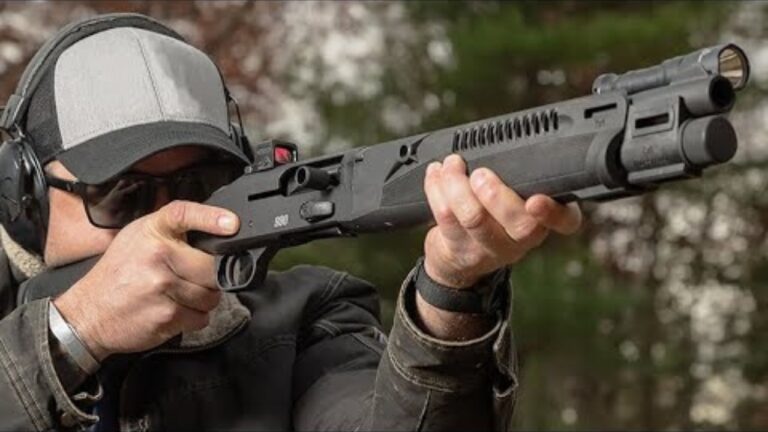
1. Mossberg 590A1
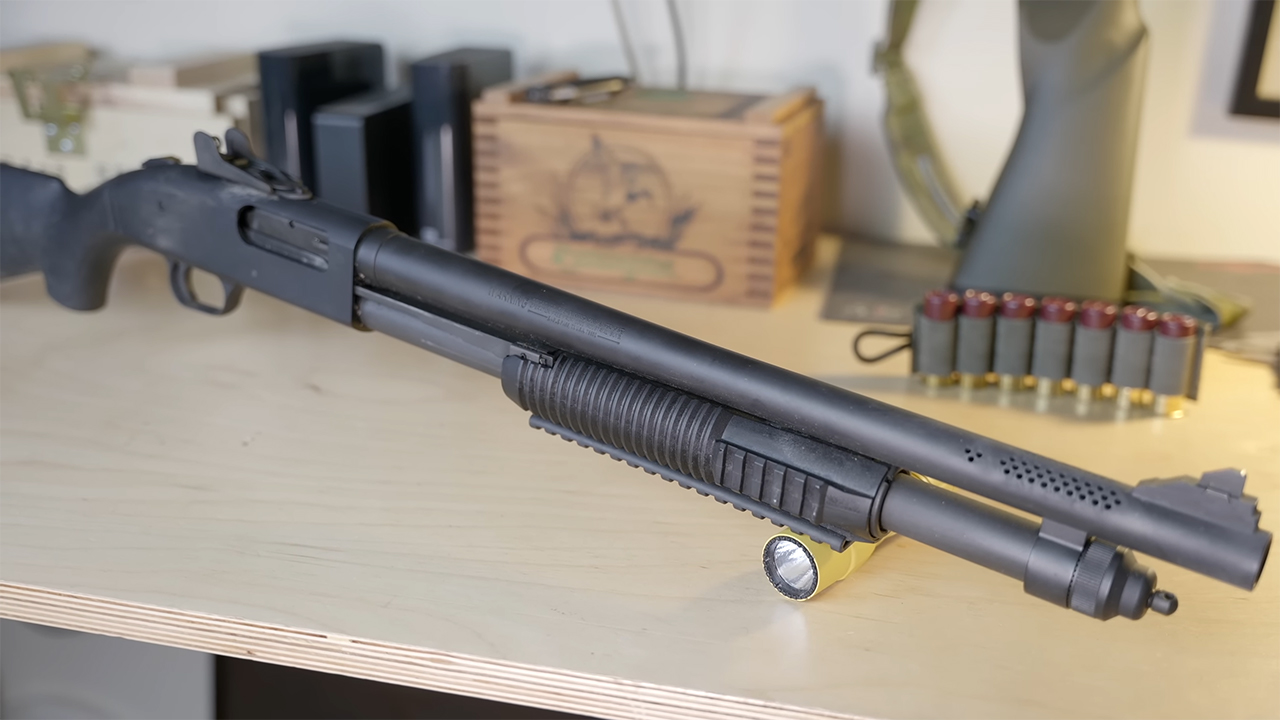
The 590A1 gets bought because it’s the dependable hammer: thick barrel, metal trigger guard, no-nonsense controls. You can run it hard, toss it in a closet, and it’ll still do its job when you pull it out. It’s not fancy, and that’s why it gets picked for guarding a house.
Then somebody takes it to a shotgun class or runs a few boxes of buck through it and realizes how honest it feels. The action smooths out, the gun points naturally, and you start appreciating a scattergun that was built for being treated like a tool. Before long it’s not “the home gun,” it’s “my 590A1,” and it’s not leaving the collection.
2. Remington 870 Wingmaster
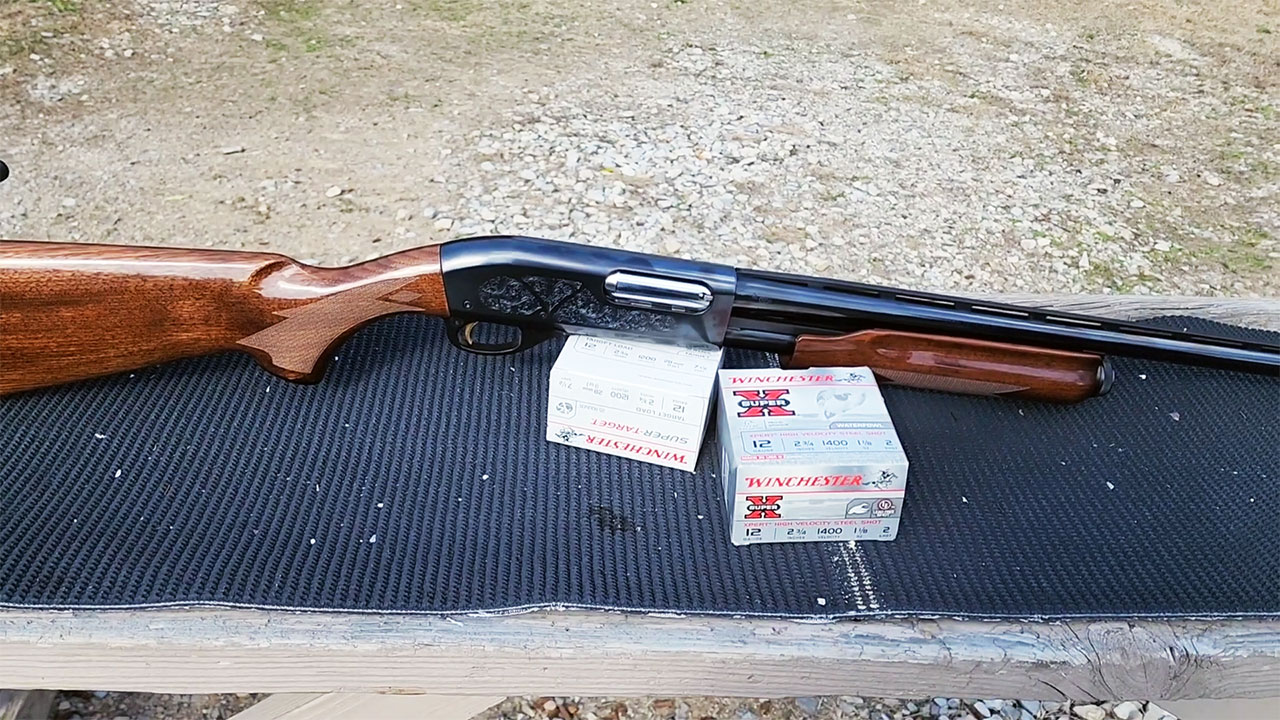
Folks grab an older Wingmaster because it’s “just a pump,” and they want something proven. Then they rack it a few times and hear that slick, bank-vault sound newer budget pumps don’t quite match. That polished bluing and walnut doesn’t hurt either.
Even if it never wears a side saddle or a light, it becomes the shotgun you show a new shooter because it runs and it feels right. The older ones especially have a way of turning into heirlooms while you aren’t paying attention.
3. Glock 19 (Gen 3/4/5)
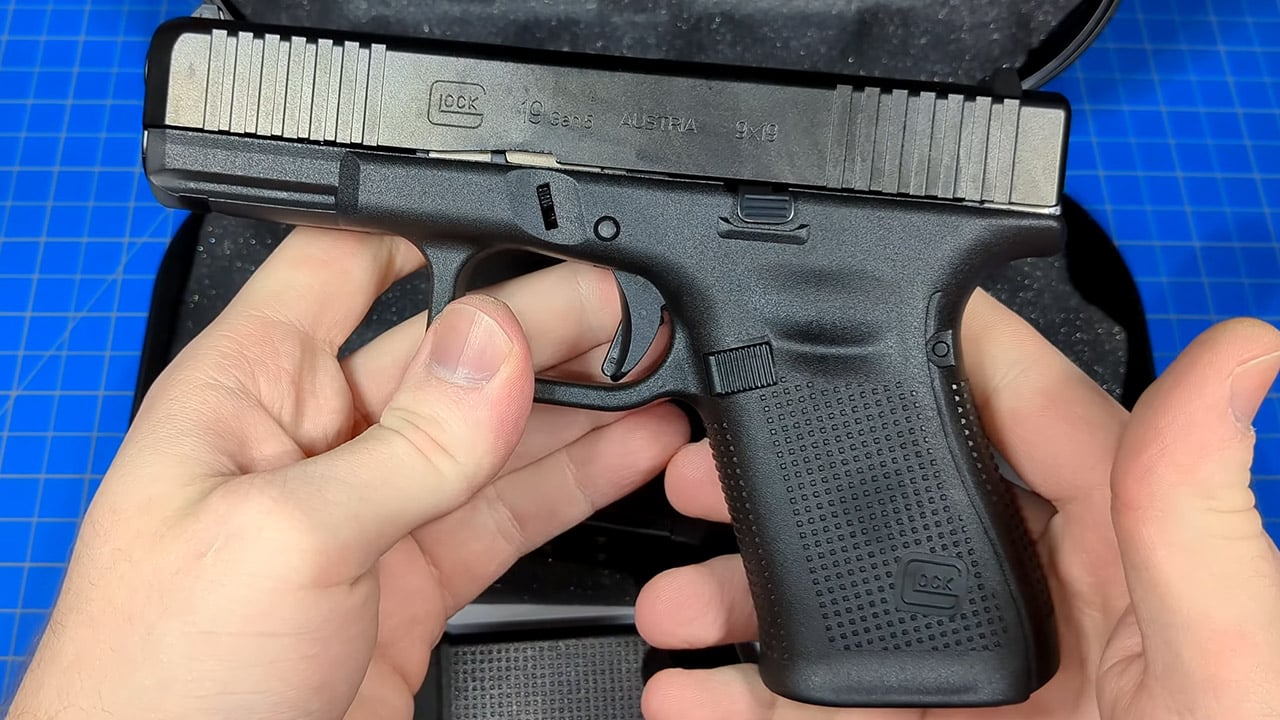
The Glock 19 is the most common “I just need one pistol” choice for a reason. It fits enough hands, it feeds almost anything, magazines are everywhere, and parts are everywhere. It’s boring in the best way.
What pushes it into collection status is all the time you spend with it. After a couple thousand rounds, a Glock 19 starts feeling like a reference point. Even if you move on to something slimmer or nicer, the 19 sticks around because it’s the control sample.
4. Smith & Wesson Model 10
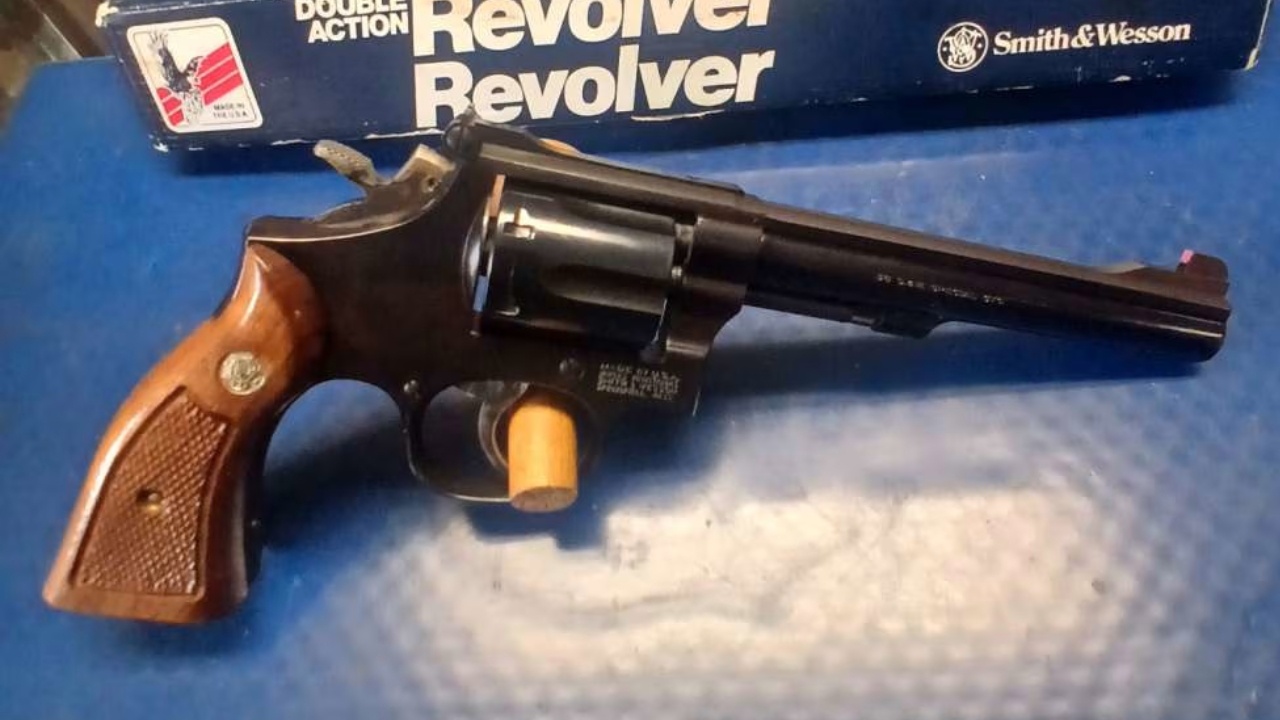
Somebody buys a Model 10 because they want a simple revolver for the house, and they find one used at a fair price. Fixed sights, K-frame balance, and a trigger that’s usually better than it has any right to be. Load it with sensible .38 Special and it’s easy to live with.
Then the rabbit hole opens up: different barrel lengths, old department markings, pinned barrels, the whole deal. A Model 10 is the kind of gun that makes you appreciate how much “serviceable” craftsmanship used to be baked into everyday tools.
5. Ruger GP100 (4-inch)
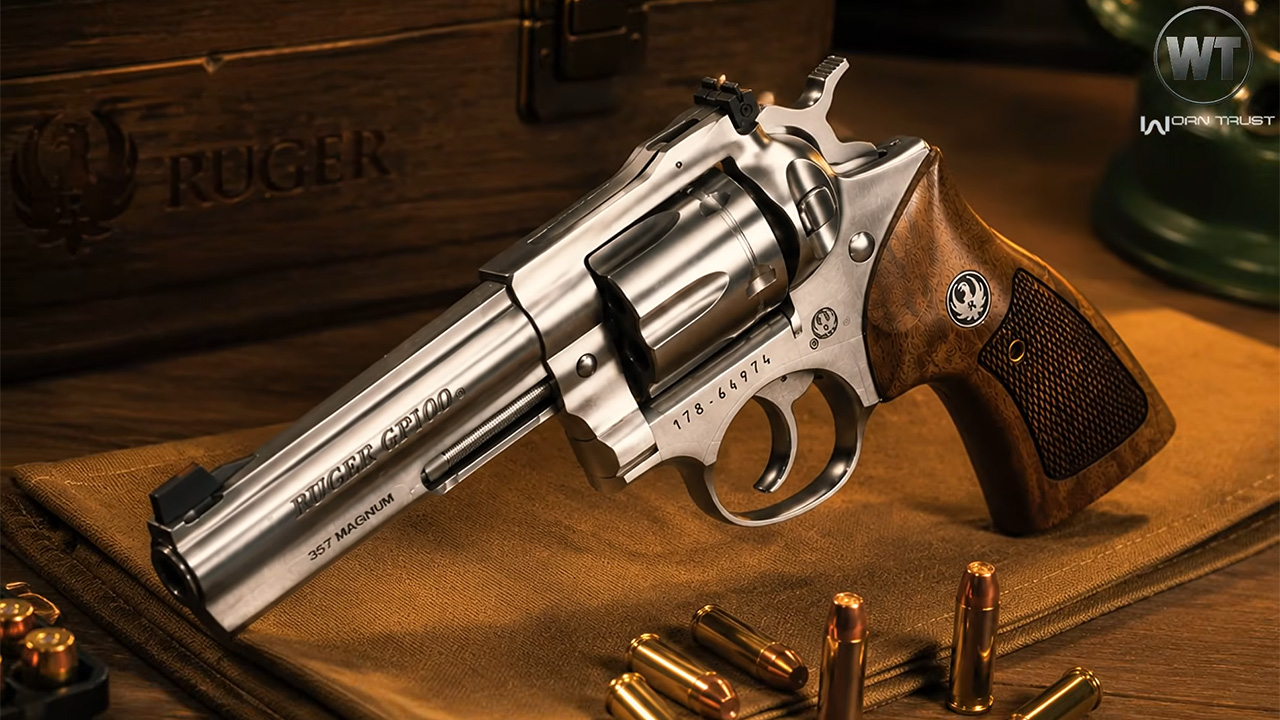
The GP100 is what gets purchased when someone wants revolver reliability without babying it. It’s hefty, it soaks up recoil, and you can shoot .357 Magnum without feeling like the gun is punishing you for your choice. That extra weight is comforting for a nightstand role.
What happens is you start actually enjoying shooting it. The gun will outlast most owners, springs and grips are easy to find, and it’s one of those wheelguns you don’t feel guilty about using hard. It becomes the revolver that’s always “in the rotation.”
6. Colt Python (modern production)
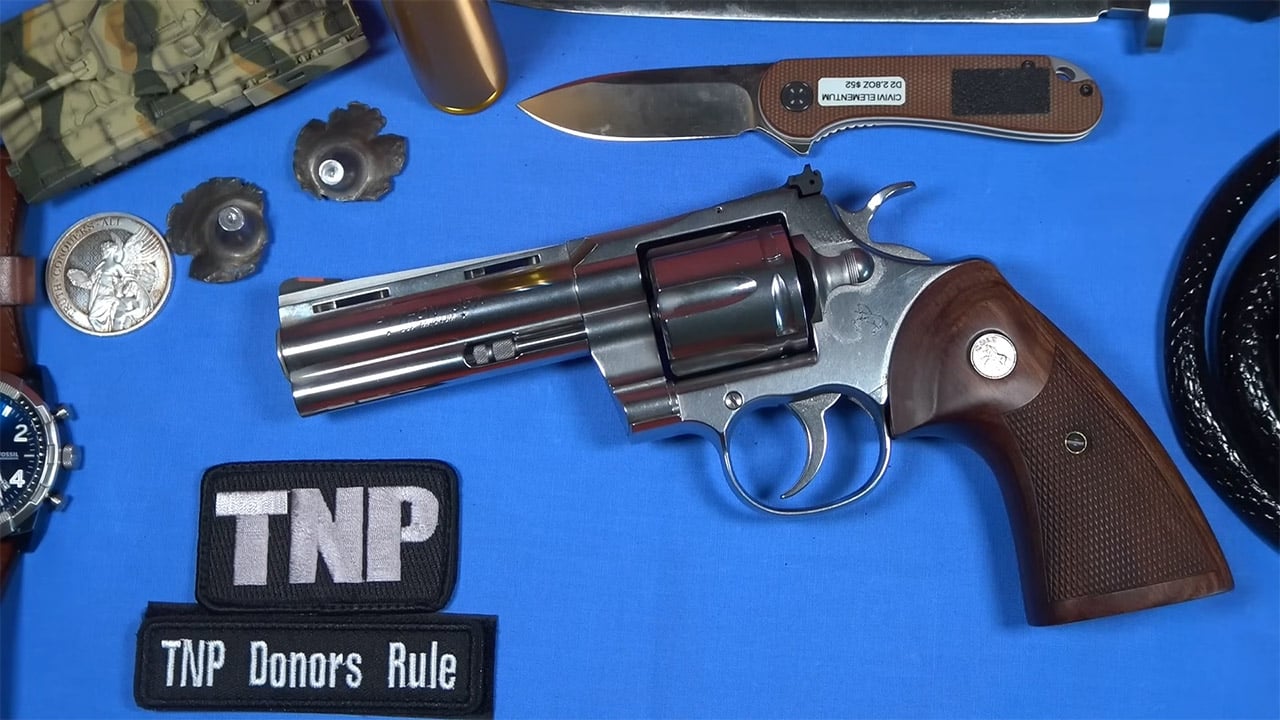
A Python gets bought by someone who wants a premium revolver to “do everything,” including sit by the bed. The truth is, most folks are also buying it because they’ve wanted one forever. The smoothness, the looks, the name—no point pretending otherwise.
Once you’ve got it, you tend to treat it like a nice rifle scope: you use it, but you also take care of it. It’s not the revolver you loan to a buddy for the weekend. It’s the revolver you open the safe just to look at sometimes. Ask me how I know.
7. Beretta 92FS
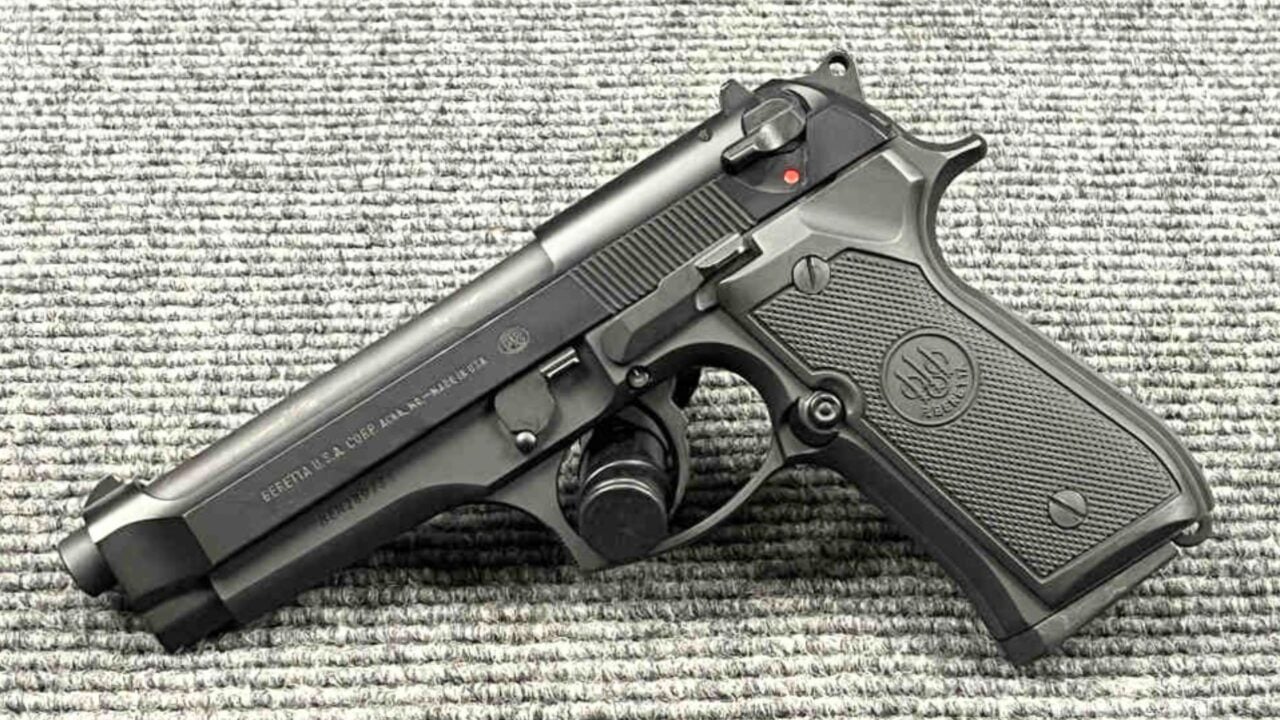
The 92FS is a classic “reliable 9mm for the house” pick, especially for shooters who want a full-size pistol that’s soft shooting. That big slide and open-top design keeps it running, and the recoil impulse is more of a push than a snap.
Then you shoot it side by side with a bunch of polymer striker guns and realize how pleasant the Beretta is for long range days. Mags and holsters are common, and it has that old-school service pistol vibe that turns practical into collectible fast.
8. SIG Sauer P226
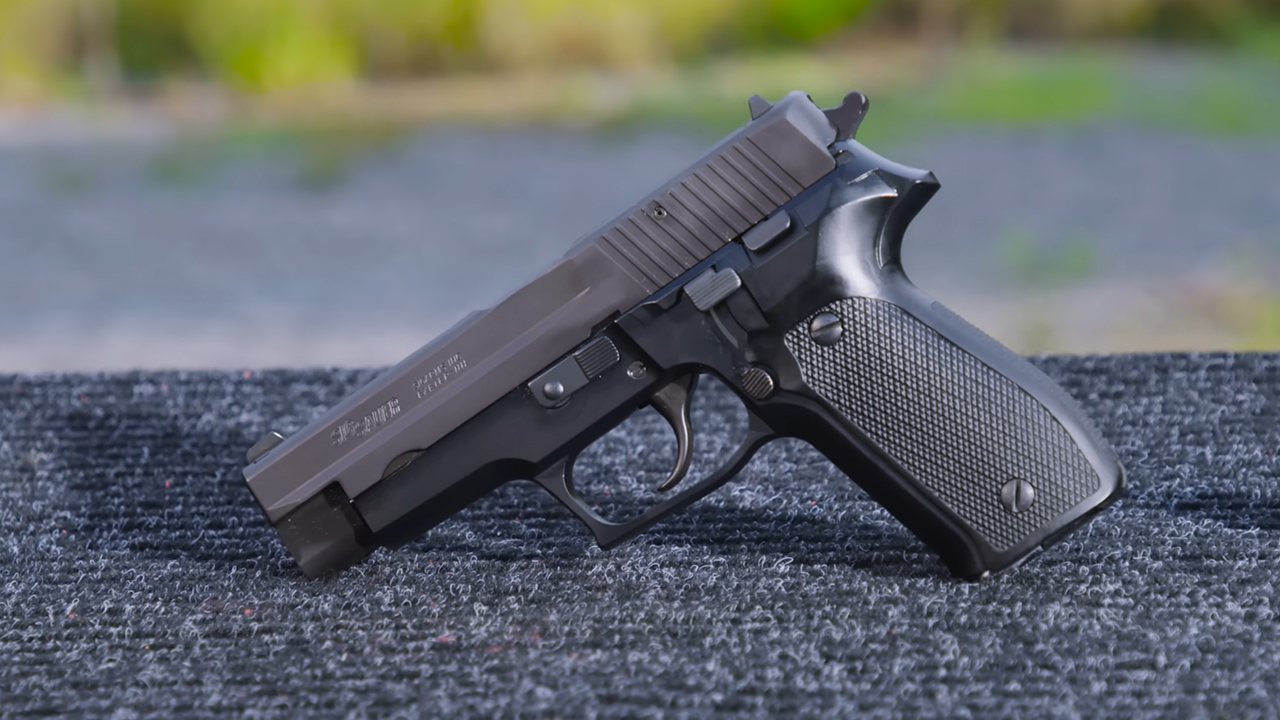
The P226 often starts as a serious choice: durable, accurate, and confidence-inspiring. It’s also a gun that rewards good fundamentals. When you do your part, it prints groups that make you look better than you are.
What moves it into “collection” territory is how solid it feels. The machining, the trigger, the balance—there’s a reason these pistols have a reputation. Even if you eventually carry something smaller, the P226 hangs around as the “nice” duty-size 9mm.
9. CZ 75B

The CZ 75B gets bought because someone heard it’s a sleeper. Then they pick it up and it sits low in the hand, points naturally, and the steel frame makes recoil a non-issue. It’s an easy pistol to shoot well without fighting it.
Once you start tinkering with grips and sights, you realize there are a dozen variants and a whole fan base for a reason. It’s the kind of gun that makes you appreciate ergonomics more than marketing.
10. Ruger SP101 (2.25-inch)
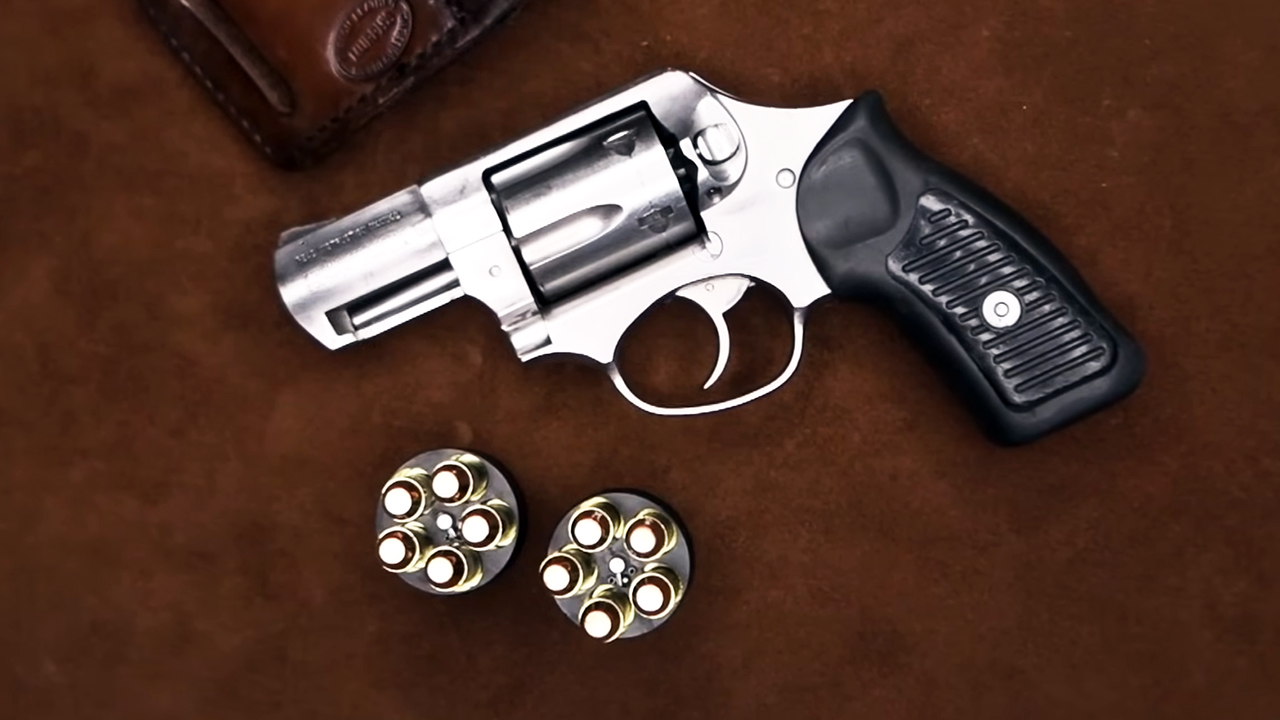
The SP101 often comes home as a “simple house revolver” for someone who doesn’t want to think about magazines or slides. It’s small enough to stash, sturdy enough to run .357 if you insist, and built like Ruger meant it to survive bad decisions.
Then reality sets in: it’s also a great trail and tackle-box companion, and it fits a lot of holsters meant for small-frame revolvers. Once it earns a role beyond the nightstand, it’s hard to justify letting it go.
11. Henry Big Boy ( .357 Mag)
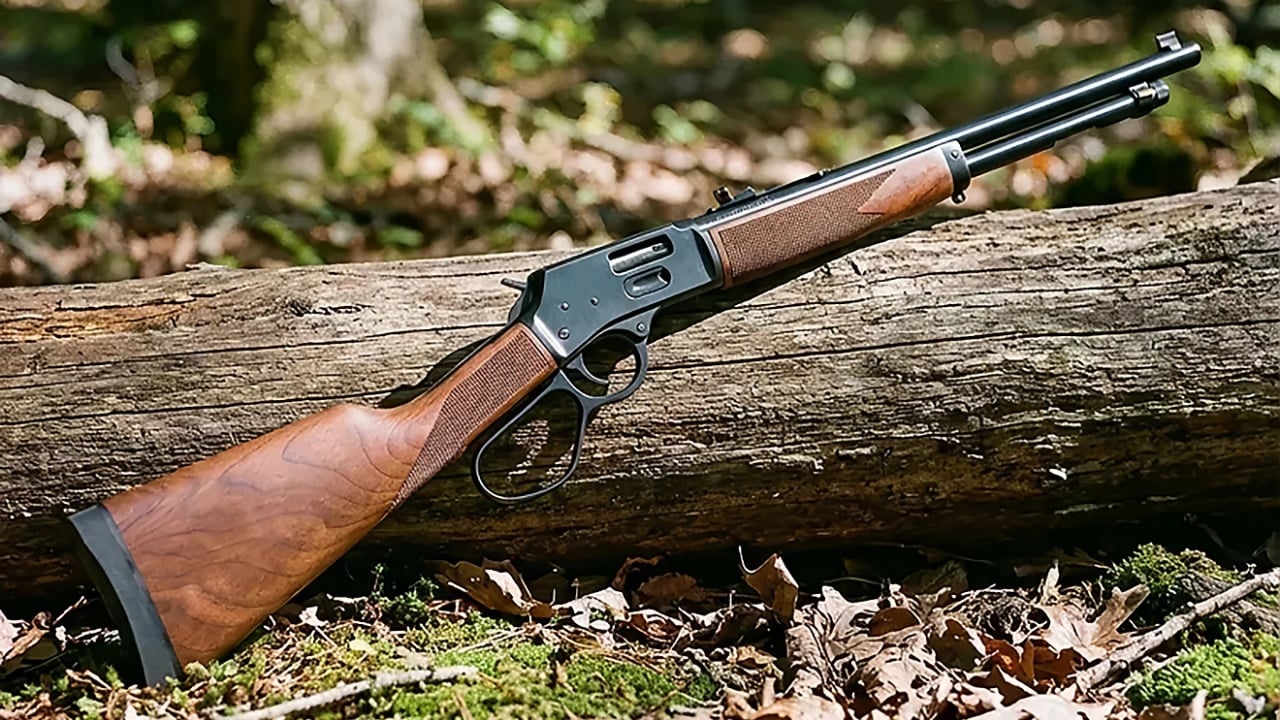
Lever guns get purchased for defense more than folks admit, especially in rural places where “house gun” also means “barn gun.” A .357 Big Boy will run everything from mild .38s to hot magnums, and it’s easy for different family members to handle.
Then it becomes the fun gun. Everybody wants to shoot it. It rides in the truck on fence-check days, it goes to the range when you’re tired of plastic pistols, and before long you’ve got a lever gun collection problem.
12. Marlin 1894 ( .44 Mag)
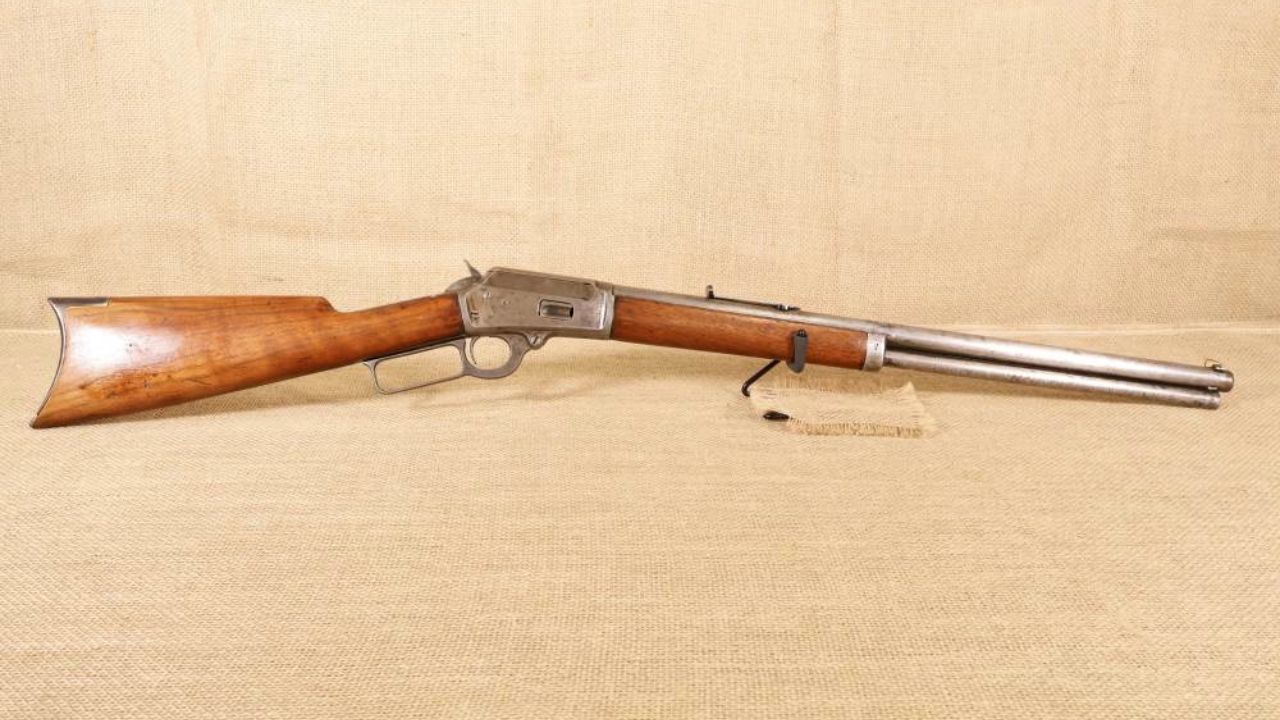
A .44 Mag 1894 makes sense to people who want a handy rifle with real punch in close quarters. It’s quick, it hits hard, and it carries well. It also just feels like a “real gun” in the hands.
Marlin’s ups and downs over the years have made certain versions more desirable, and that’s part of why these end up as safe queens. Even the beat-up ones become projects you don’t want to part with, because a good 1894 is pure woods utility.
13. Ruger Mini-14 Ranch Rifle
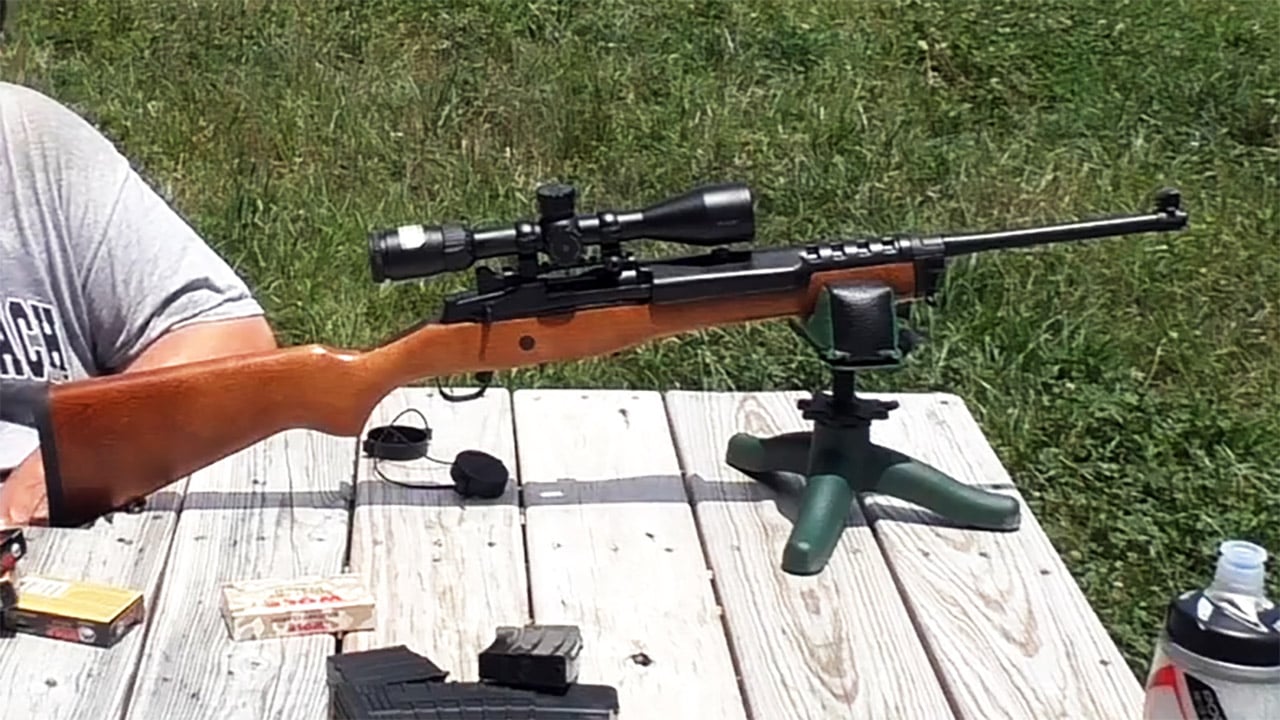
Plenty of Mini-14s were bought as “simple, reliable, not-too-scary” rifles for guarding property. They’re handy, they balance well, and they don’t require the same level of tinkering some folks fall into with ARs. For a lot of landowners, that matters.
Then you learn which magazines it likes, you get the sights dialed, and it becomes a walking-around rifle. Minis have a personality. They’re not the cheapest way to sling .223, but they often become the rifle someone keeps even after buying three other options.
14. Colt AR-15A2 / Sporter-style rifles
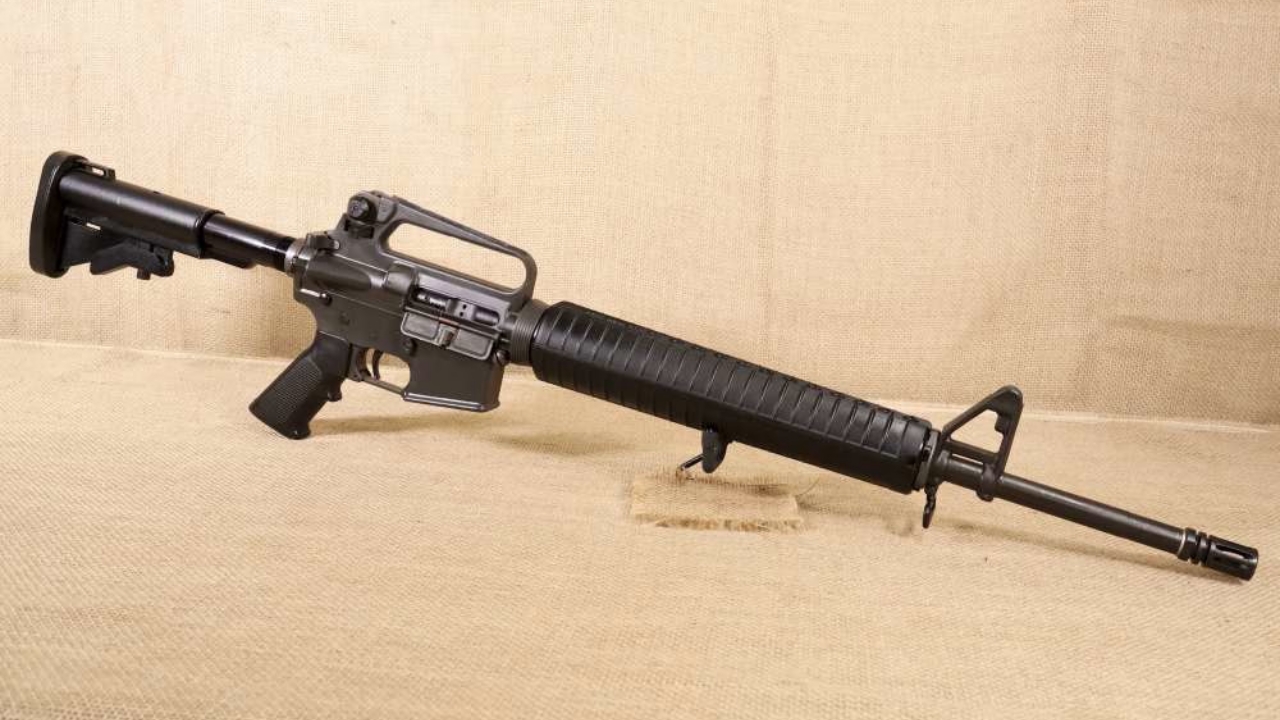
Older Colt ARs show up as defensive buys because the owner wanted a “real Colt” and didn’t want to gamble on bargain parts. Fixed carry handle, simple iron sights, and that old-school vibe. They run, and they have a certain feel you either get or you don’t.
What happens is they stop being “just an AR.” They become a snapshot of a time in the market, and folks start caring about roll marks, pins, and original furniture. You may still keep a modern optic-ready rifle for actual use, but that Colt stays put.
15. Springfield Armory M1A (Standard)
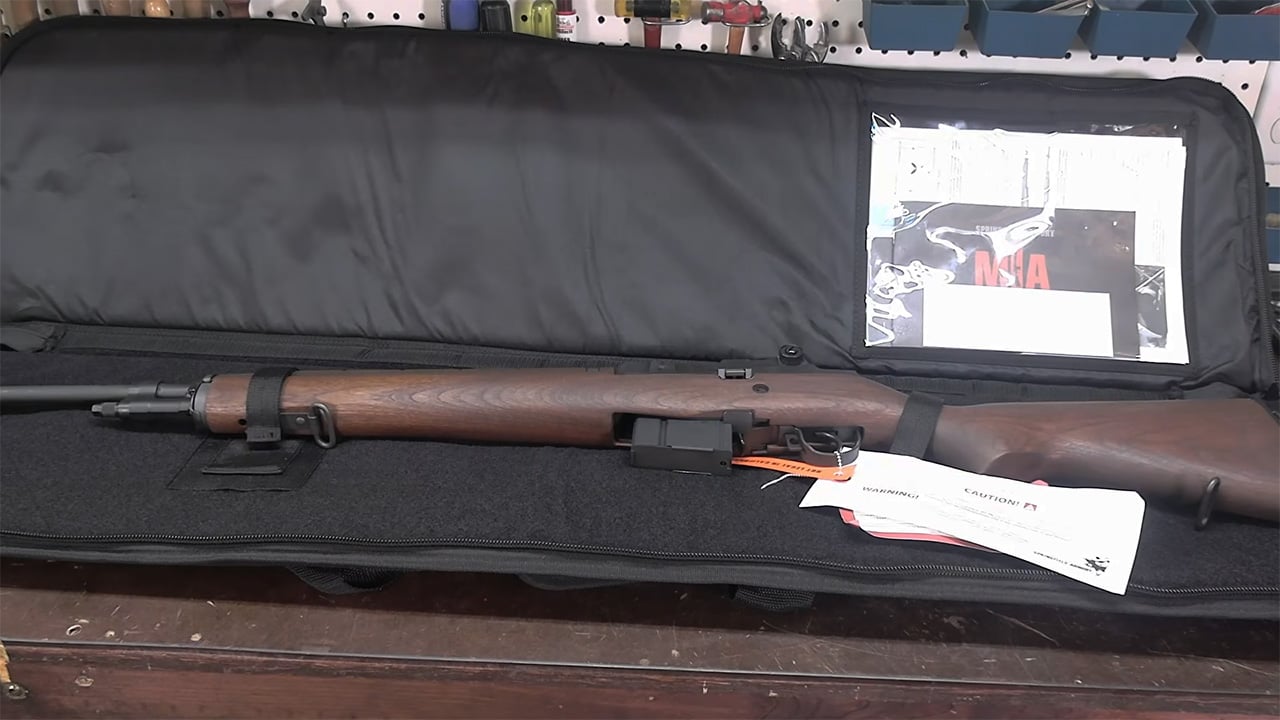
An M1A sometimes gets bought because someone wants a powerful rifle “just in case.” It’s not the most practical home-defense tool, but I’ve met plenty of rural folks who want reach and authority more than they want compact. The rifle scratches that itch.
Then you take it out, feel that .308 thump, and realize it’s a whole experience. Mags aren’t cheap, the gun isn’t light, and it’s not a casual purchase. It tends to become a centerpiece rifle, the kind you build a whole section of the safe around.
16. SKS (Norinco / Yugoslav variants)
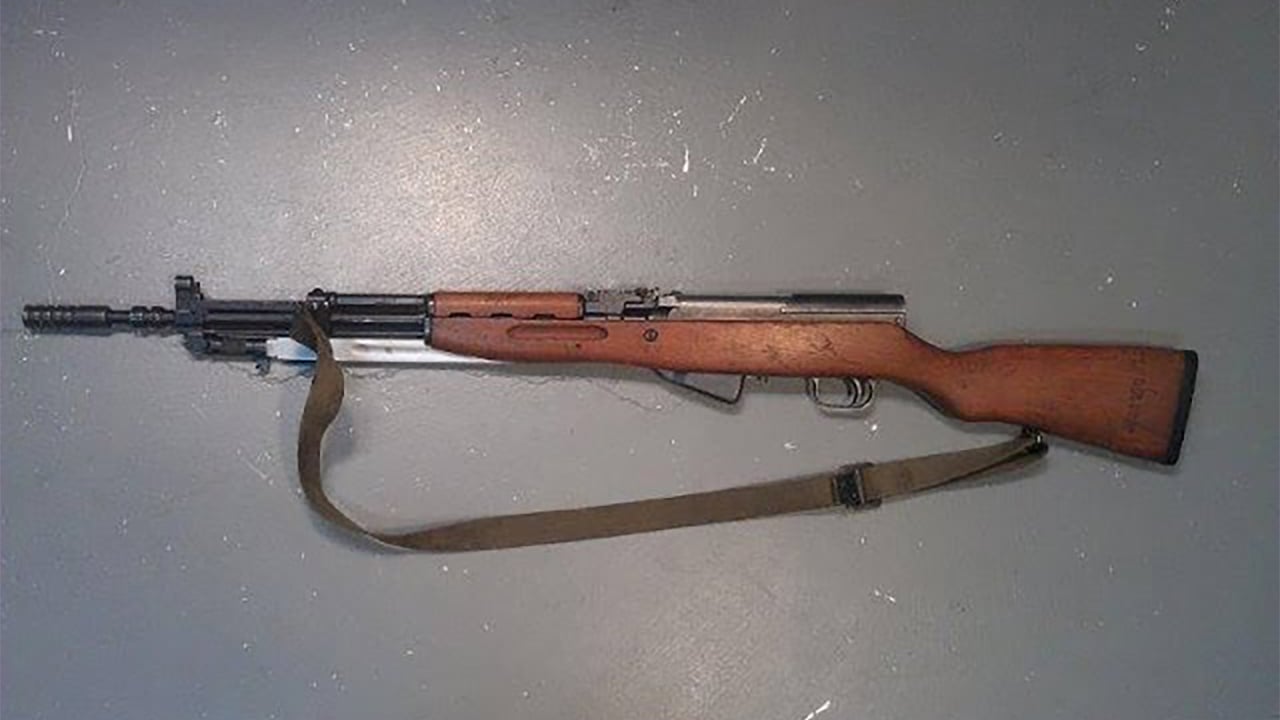
The SKS has been a “cheap and reliable” choice for decades, which is why it ended up in so many closets as a property-defense rifle. It’s simple, it’s rugged, and it runs dirty. The fixed magazine keeps some folks comfortable who don’t want to stack detachable mags.
But once you own one, you start noticing the variations, markings, and history. Then you start leaving it in original configuration instead of “upgrading” it, because the original wood and steel just makes sense. The fun part is they’re still useful rifles, not just wall décor.
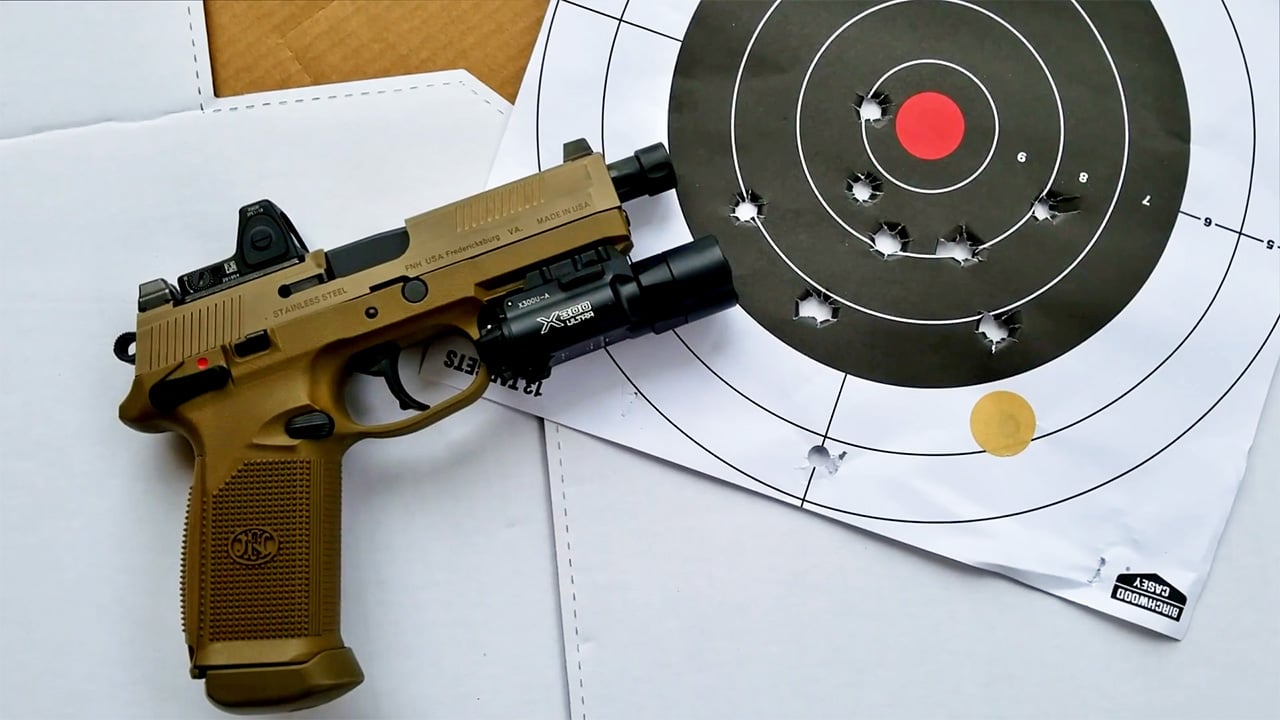
17. FN Herstal FNX-45 Tactical
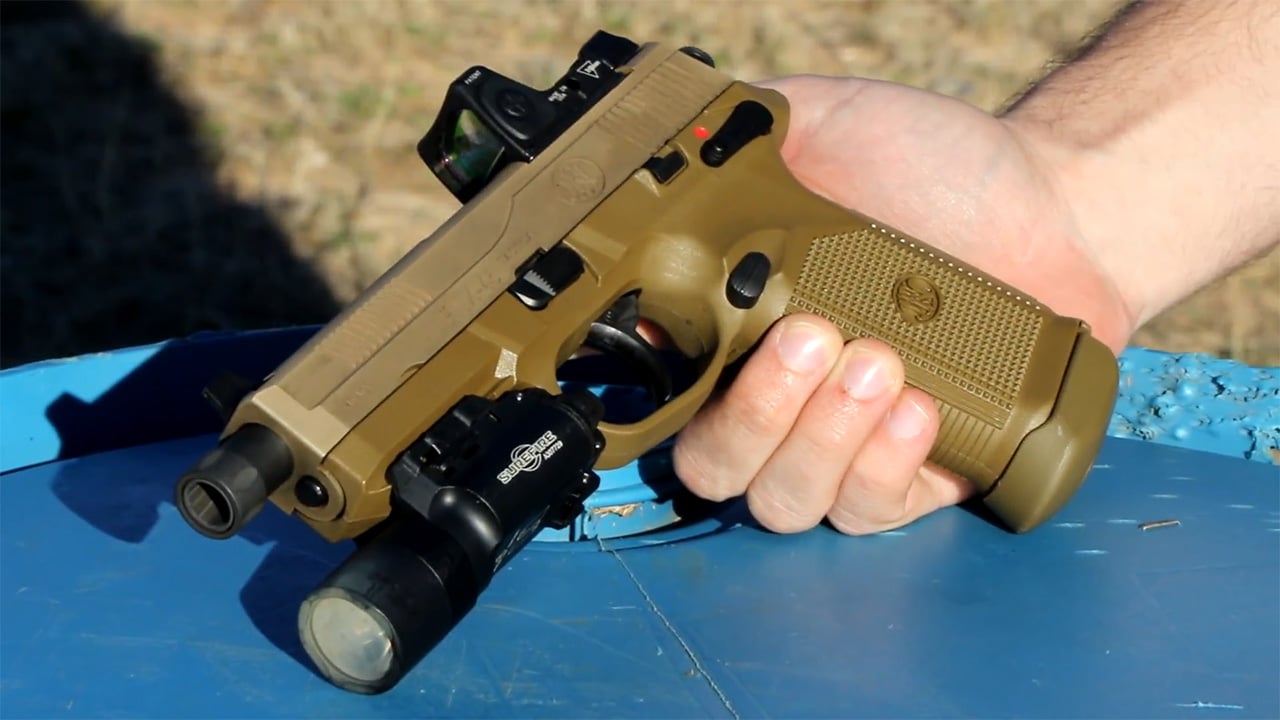
The FNX-45 Tactical gets bought when somebody wants a full-size .45 that holds plenty of rounds and comes ready for modern accessories. It’s a big pistol, and there’s no hiding that. It lives well in a bedside safe because weight and size are not a problem there.
Then it becomes the range-day attention getter. The controls are friendly, the recoil is manageable for a .45, and it’s the kind of gun that makes you want to set up steel just to hear it ring. It’s not for everybody, but the owners who click with it tend to keep it.
18. Heckler & Koch USP 9
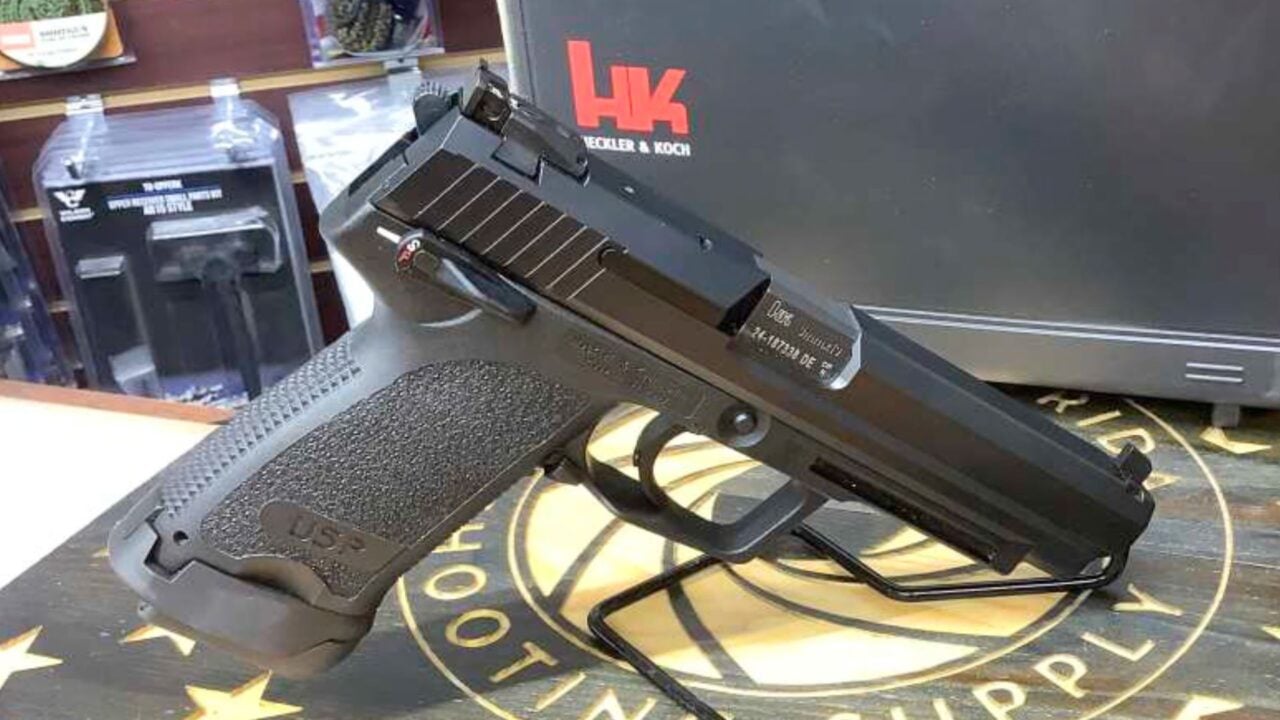
A USP usually gets bought for one reason: you want an HK that will run no matter what. It’s overbuilt, a bit blocky, and not the cheapest way to get a 9mm that goes bang. Still, it has that “this is a serious tool” feel that’s hard to explain until you shoot one.
USPs have a way of turning owners into HK people. The gun becomes the standard you compare durability and reliability against. Even if it’s not your favorite trigger, it ends up staying because it’s the pistol you trust when you’re tired of guessing.
19. Ruger 10/22 Carbine
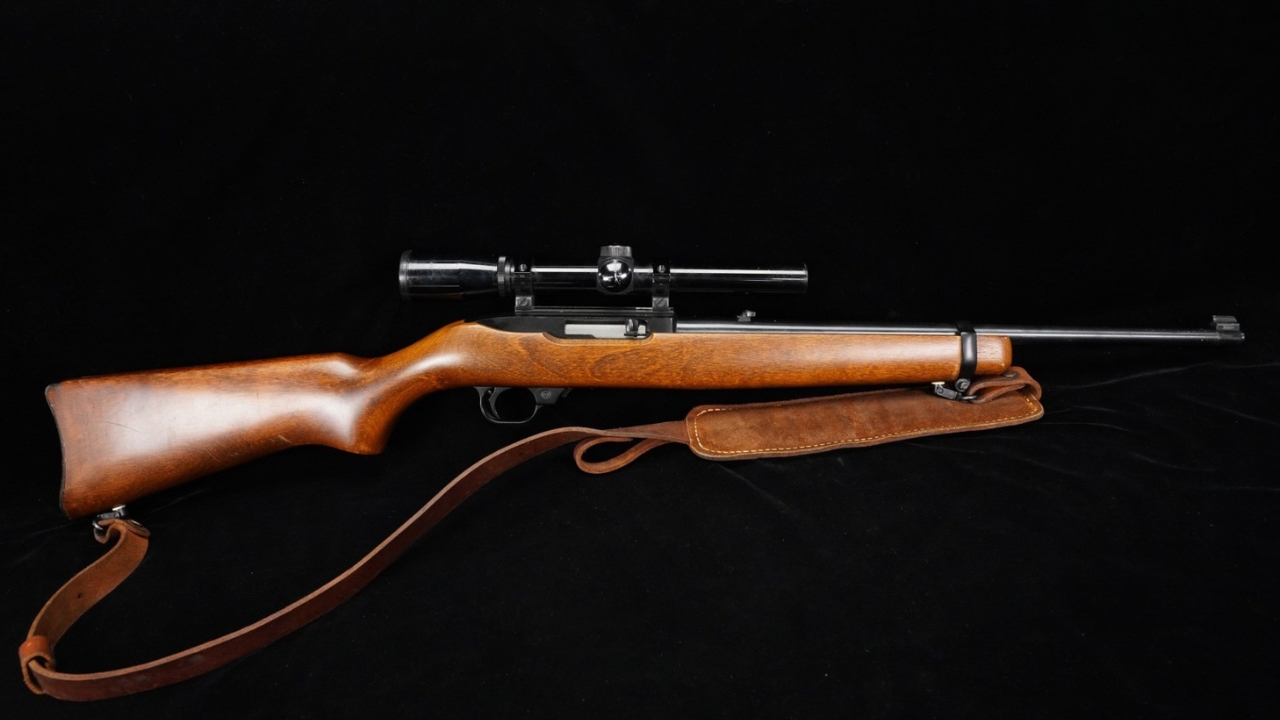
Yes, a .22 ends up in the home-defense conversation more than folks admit, usually as a “something is better than nothing” option or a training tool for a spouse. A basic 10/22 is cheap, easy to run, and easy to make accurate. It’s also one of the best ways to build good habits without burning expensive ammo.
Then it turns into a project gun. Different stocks, barrels, triggers, optics—there’s a whole industry built around this rifle. Even if you never touch a single part, a plain carbine becomes sentimental because it’s often the gun that got the most range time.
20. Smith & Wesson Model 36 Chiefs Special
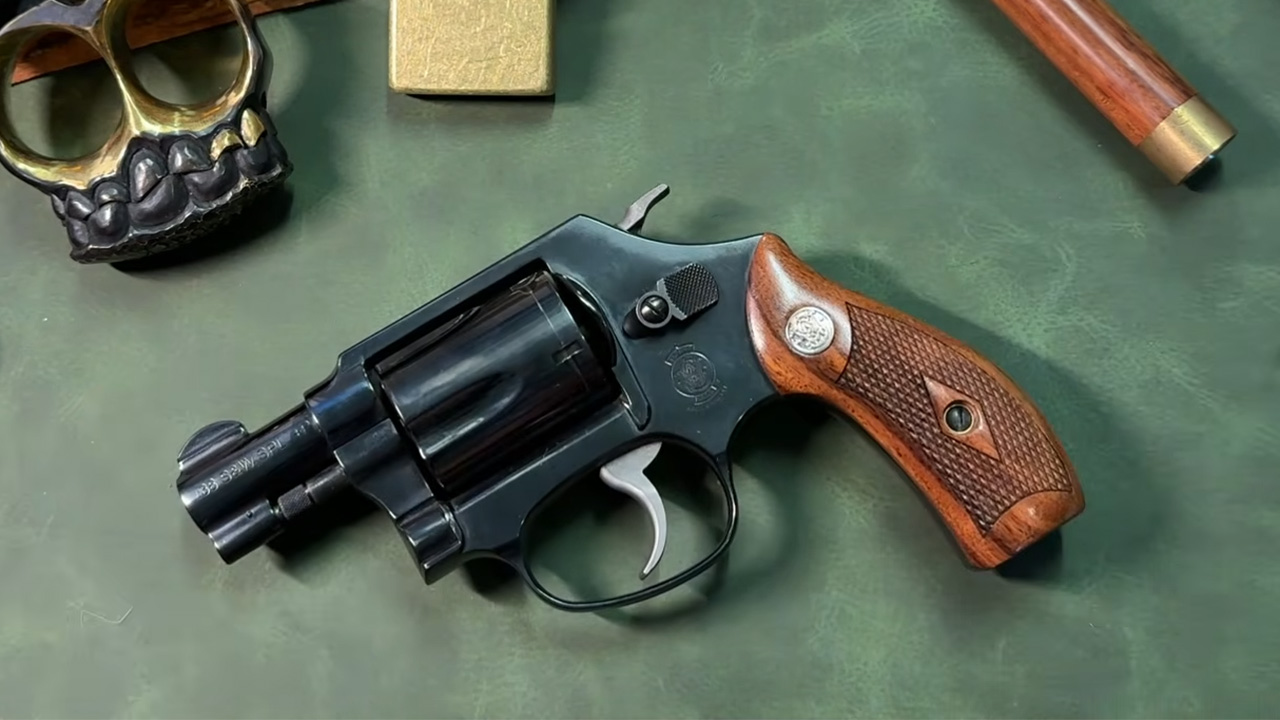
The Model 36 gets picked up as a simple, trustworthy revolver that can live in a drawer without drama. It’s small, it’s classic, and with standard-pressure .38s it’s more pleasant than the ultralight snub-nose crowd. The older ones especially have that tidy fit and finish people miss.
Then you realize it’s not just a “defense gun.” It’s a piece of American gun culture that still works. It might not be your primary go-to for anything, but it’s one of those guns you keep because it represents a whole era of practical carry and home protection.
Most of these started as sensible buys, and some still are. The funny part is how quickly “tool for a job” turns into “part of the family.” If you’re buying for defense, buy what you can run well and store safely. But don’t be surprised when a plain, practical gun teaches you something—and earns a permanent spot in the safe.
Like The Avid Outdoorsman’s content? Subscribe to our newsletter so you never miss an article.
Here’s more from us: