Photo credit: Chris Parkin Shooting Sports/Youtube
Rain that turns to sleet, dust that cakes everything in camp, and a week of riding in a scabbard on the side-by-side will tell you the truth about a rifle. Not “internet truth.” Real truth. The kind where the bolt starts feeling gritty, the stock swells, the cheap scope rings slip, and suddenly that bargain gun you were proud of is acting like it wants to quit right when a buck finally steps out.
I’m not saying you need a museum-piece rifle to hunt hard. But there are certain models that just keep working when conditions get ugly and you’re tired, cold, and a long way from a gun bench. These are rifles that don’t mind being wet, bounced around, or carried all day, and still cycle, feed, and hold zero like they’re supposed to.
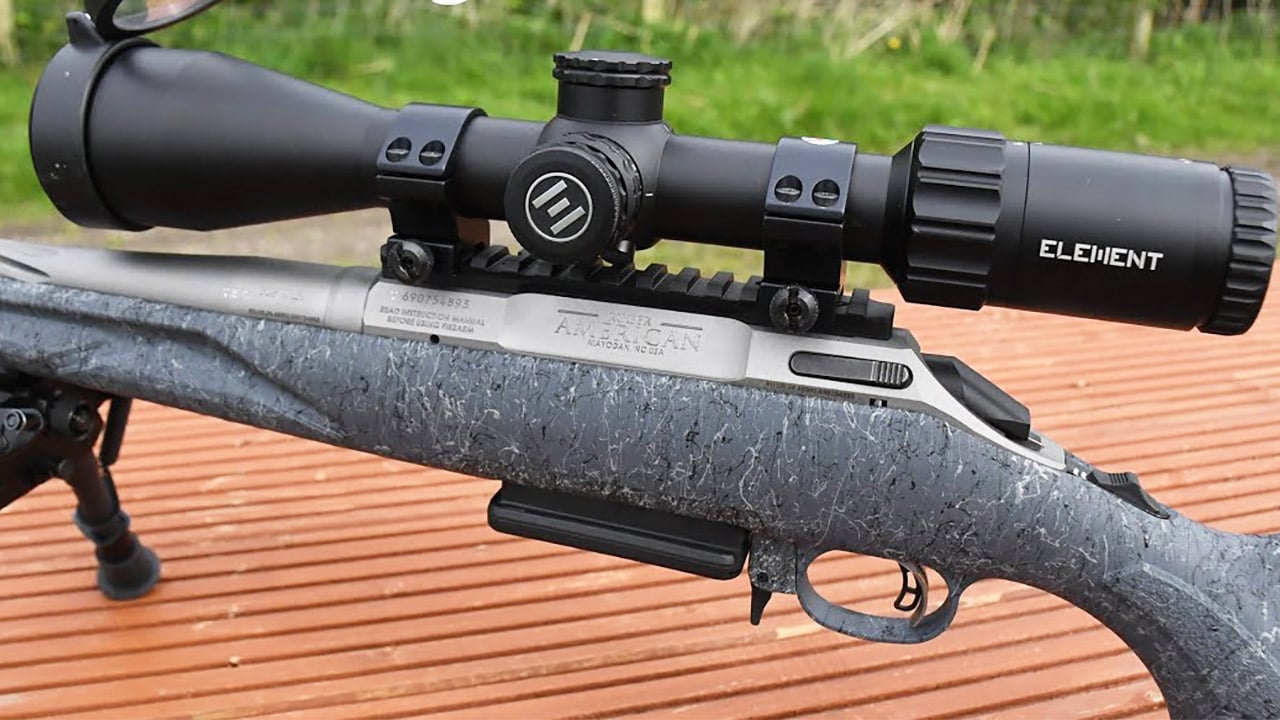
1. Ruger American Rifle (Gen II or original)
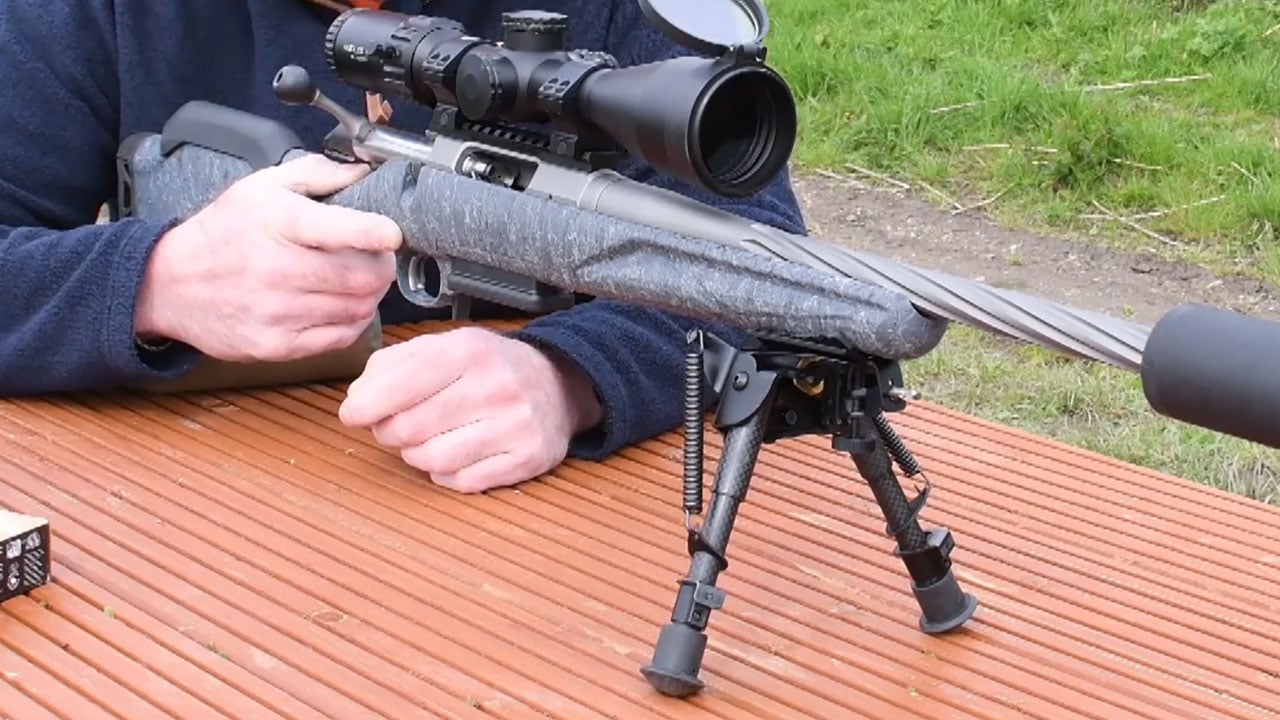
This is one of those “boring on purpose” rifles that ends up looking smarter every season. The action isn’t fancy, but it runs even when it’s dry and dusty, and the magazines are easy enough to live with in the field. If you’ve ever watched a cheap plastic stock twist on a bipod and throw shots, you’ll appreciate how well these shoot for what they cost.
What holds up is the whole package: simple bolt gun, decent factory bedding, and a finish that doesn’t turn into surface rust the first time it rides in a wet case. You can beat on it without feeling like you’re beating up a collector item, and that matters for a working hunting rifle.
2. Tikka T3x Lite
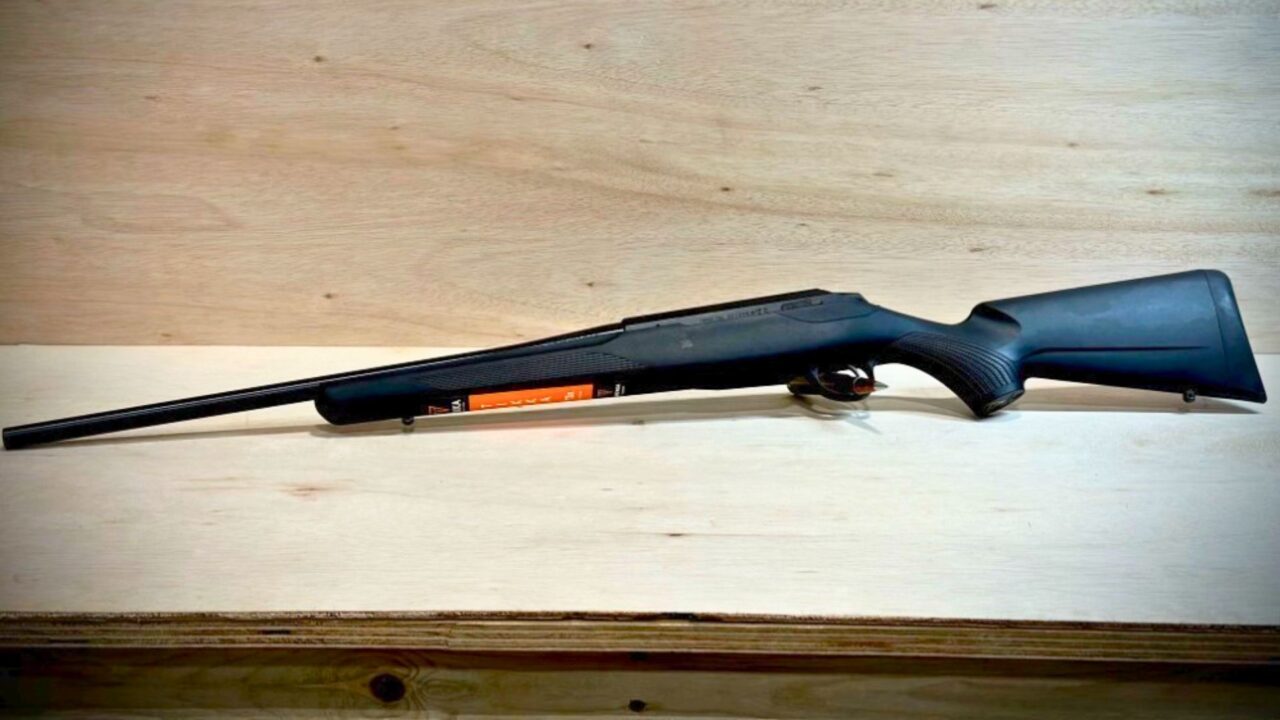
If you’ve carried one all day in steep country, you already know why it’s here. The bolt feels like it’s on rails, and it stays that way longer than it has any right to when you’ve been in grit and wind. The T3x isn’t indestructible, but it’s the kind of rifle that keeps feeding and ejecting smoothly when others start getting sticky.
It also holds zero. That sounds basic until you’ve had a rifle take one bump on a tree stand ladder and suddenly you’re “mysteriously” 4 inches off at 100. The Tikka’s consistency is why so many hunters buy one, then stop shopping.
3. Winchester Model 70 (Extreme Weather or Super Grade)

Controlled-round feed is not just an internet argument when you’re trying to quietly chamber a round with cold hands and a headlamp. The Model 70’s action has a feel to it that inspires confidence, and it’s hard to explain until you’ve run one for a few seasons. It just does what it’s supposed to do.
The Extreme Weather versions in particular take abuse well. Stainless and a solid stock solve a lot of real hunting problems, like wet snow and sweaty pack straps turning blued steel into a rust experiment.
4. Remington Model 700 (older guns, or current with proven parts)
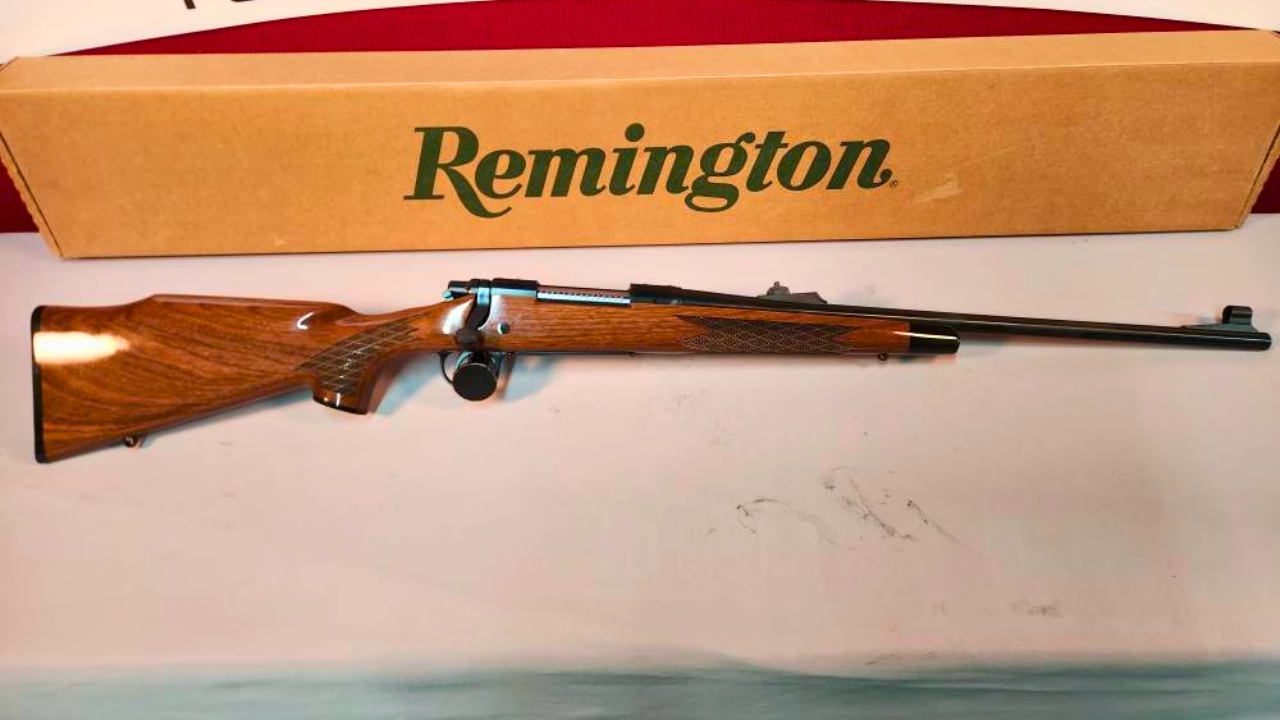
The 700 has been around enough camps to have plenty of opinions attached to it. Still, a good one is hard to kill. The reason they survive nasty hunting conditions is simple: parts are everywhere, the footprint is supported by every stock and mount maker on earth, and the action design has proven itself over decades.
I’m not telling you every 700 that ever left the factory is perfect. I am saying that a properly set-up 700, kept clean and handled safely, is a rifle you can actually keep running long-term even if something breaks in the middle of a season.
5. Browning X-Bolt (Stalker or Hell’s Canyon)

These carry well, point naturally, and they tend to feed slick. That matters when you’re climbing into a stand with gloves on and you want everything to work without thinking about it. The rotary magazine is reliable, and it protects the tips on softer bullets better than a lot of cheap box mags.
They’re not the cheapest option, and you feel that when you swipe the card. But in bad weather they stay smooth, and they don’t feel like they’re made out of leftovers.
6. Weatherby Vanguard (Series 2)
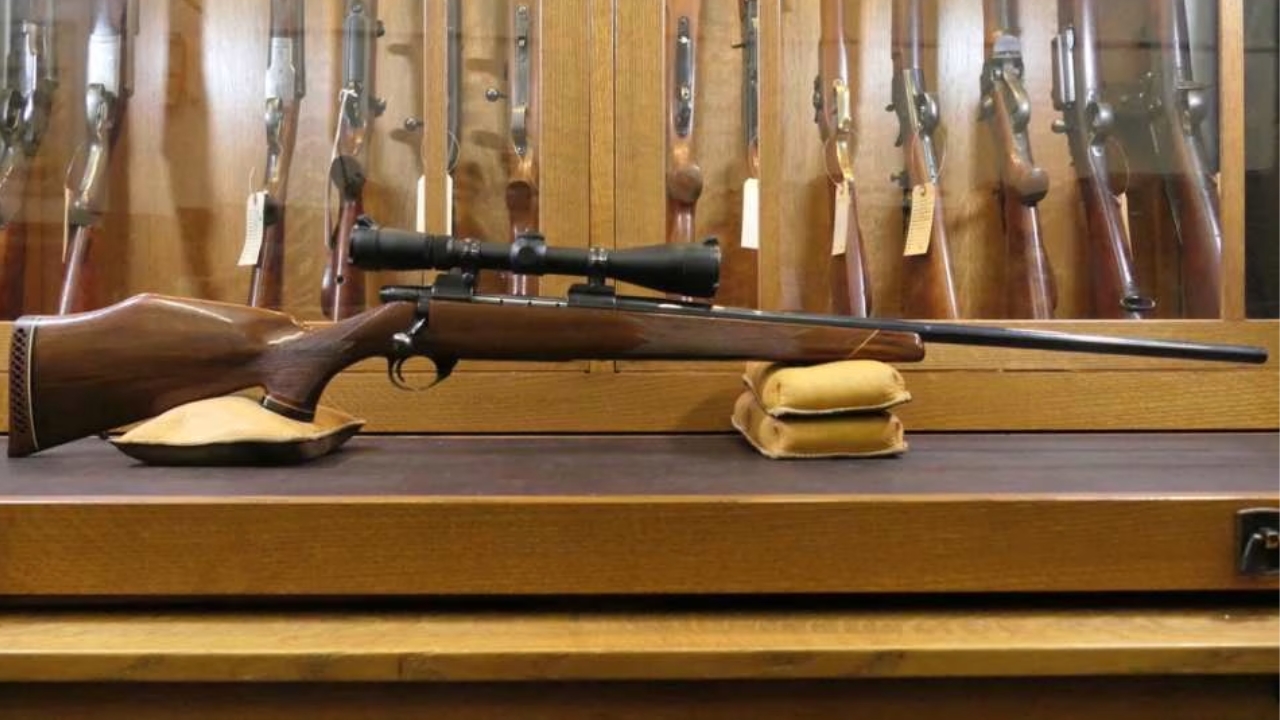
This is one of the best “buy once, cry once a little, then forget about it” rifles for regular hunters. The action is strong and dependable, and these rifles tend to shoot well with hunting ammo without needing a bunch of tinkering. They’re a bit heavier than some mountain rifles, but that weight is part of why they feel steady.
In wet conditions, the Vanguard’s simple reliability shines. It’s not a delicate rifle, and it doesn’t demand babying to keep working.
7. Savage 110 (including 110 Ultralite and 110 Hunter)

Savage rifles aren’t always pretty. Some of them look like they were designed during a long lunch break. But the 110 series has a reputation for shooting and surviving, and it earned that the hard way in a lot of deer camps.
The barrel nut system isn’t a “hunting feature,” but the real-world benefit is you can keep one going and keep it accurate without turning it into a gunsmithing project. The AccuTrigger is also a gift to cold fingers, because a clean trigger pull is a safety issue as much as it is an accuracy thing.
8. Ruger M77 Hawkeye
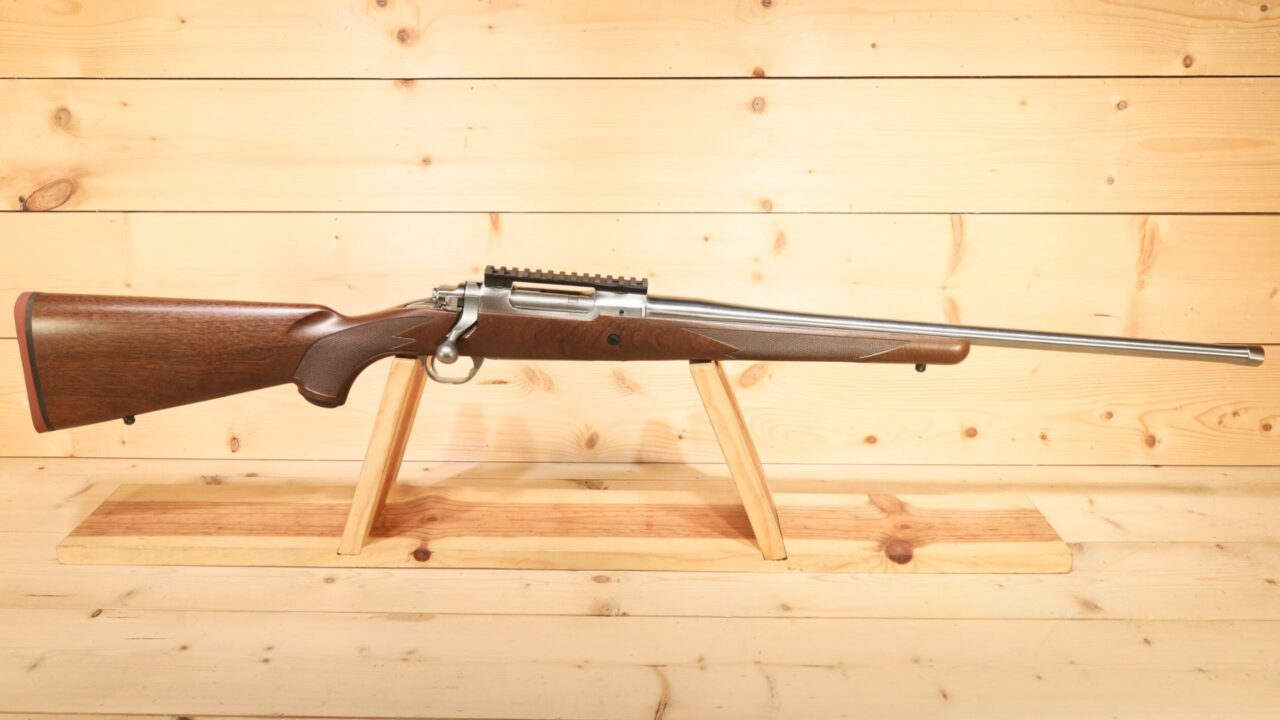
These feel like a rifle should feel. Solid. A little old-school. The Hawkeye isn’t the lightest, and it’s not trying to be a benchrest gun, but it’s tough and reliable in the kind of conditions where you end up wiping your rifle down with a bandana and calling it good.
They also tend to have stout extractors and positive feeding. When you’re hunting in freezing rain and you’re working the bolt like you mean it, that kind of mechanical confidence matters.
9. Kimber Montana

Light rifles can be finicky. Some of them feel like they’re built to be admired more than hunted. The Montana is one of the few lightweight bolt guns that can take real use without feeling fragile, especially in wet country where a good synthetic stock is not optional.
It’s not for everybody because recoil can be sharp in the common big-game calibers. Still, if you want a rifle that disappears on your shoulder and doesn’t soak up water, it earns its keep.
10. CZ 600 Alphad

CZ finally moved on from the 557, and the 600 Alpha is a practical hunting rifle with a lot going for it. It’s not a fashion statement. It’s a tool. The polymer stock is more rigid than many budget stocks, and the rifle handles grime and rough handling better than its price tag suggests.
It’s also the kind of rifle you can carry in bad weather without feeling like you’re risking a pretty walnut finish. That alone makes it a better “real life” choice for a lot of hunters.
11. Sako 85 (or Sako 90)
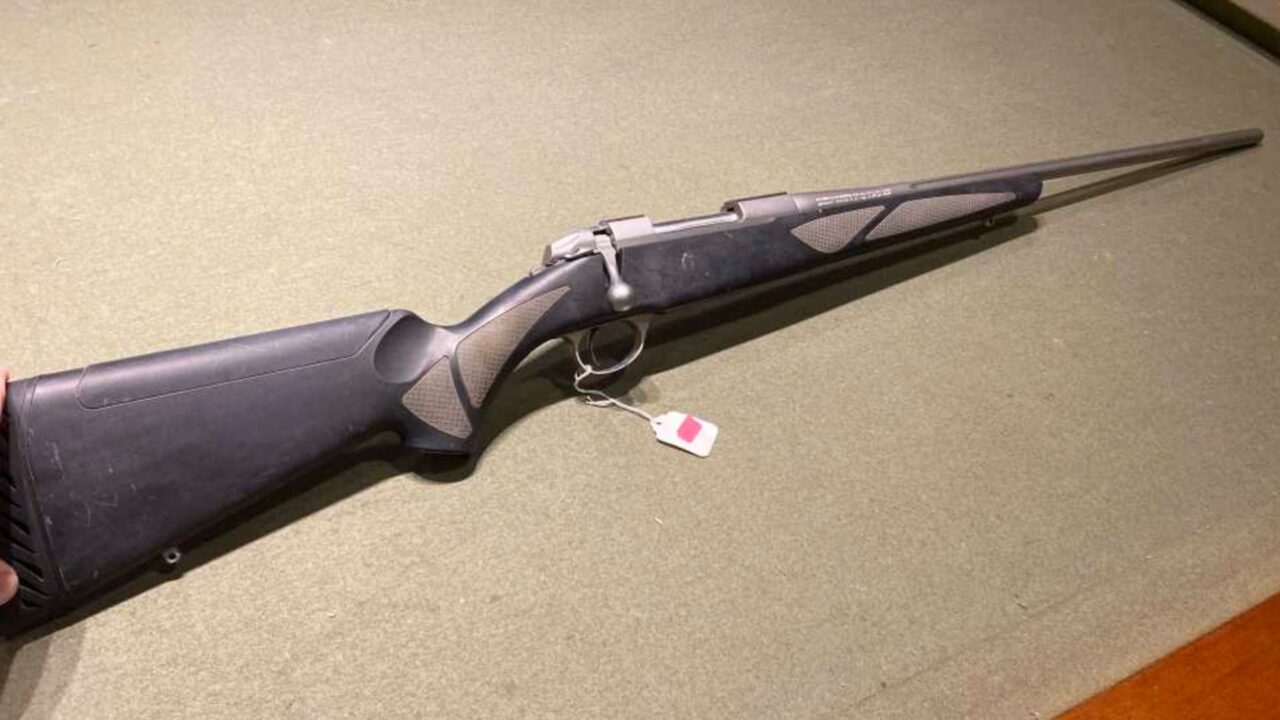
If you’ve ever run a Sako, you know what quality feels like. The bolt lift, the feeding, the way the rifle balances—it all feels deliberate. These rifles don’t just shoot; they keep shooting after seasons of wet mornings, dusty rides, and frozen fingers.
The downside is cost. No way around it. But when a rifle is going to be with you for decades, not just until the next shiny thing shows up, the Sako makes sense.
12. Bergara B-14 Hunter

Bergara built a reputation on barrels, and the B-14 Hunter is a good example of why. These rifles often shoot better than the average hunter can hold in field positions, and that accuracy doesn’t evaporate when the rifle gets banged around in camp.
The action is smooth, and the overall build feels more “grown up” than a lot of bargain rifles. If you hunt hard and travel with your rifle, that extra sturdiness pays off.
13. Howa 1500
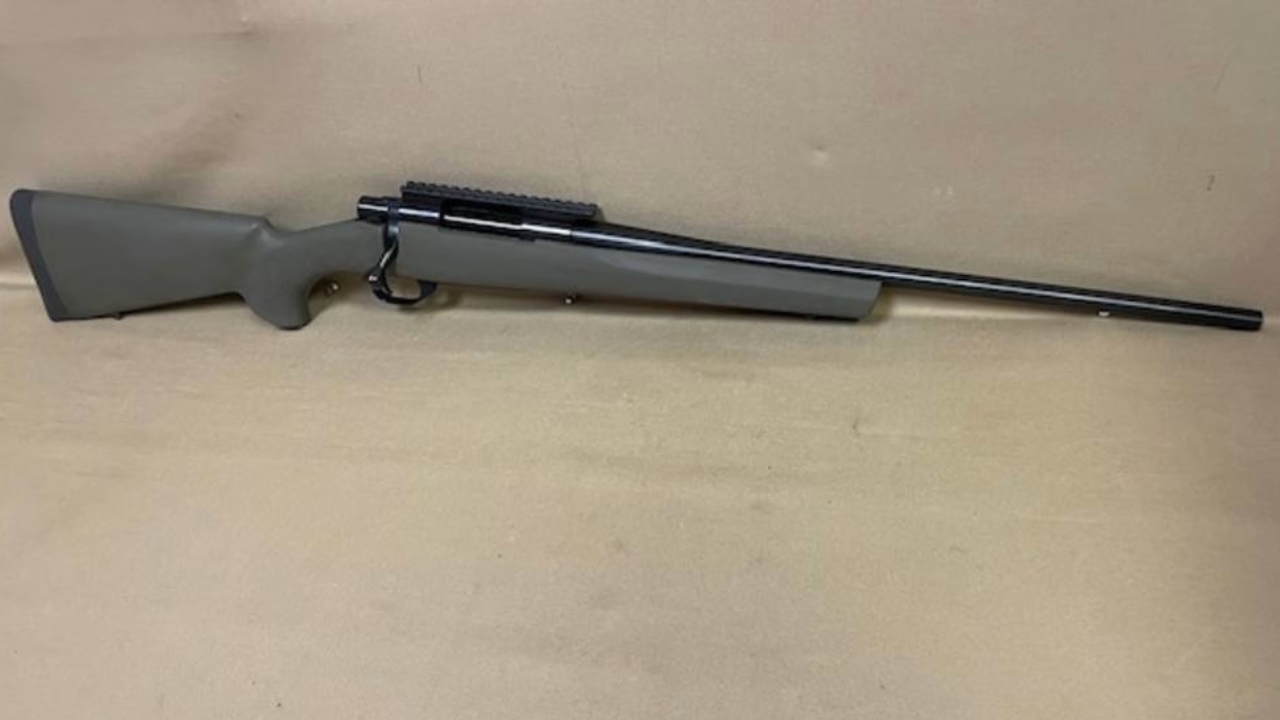
Howa 1500s are quiet achievers. They don’t get the social media love, but they flat work. The action is robust, and the rifles have a reputation for taking abuse without developing weird feeding habits.
They can be a little heavy depending on the stock, but weight is not always the enemy when the wind is up and you need to settle into a shot. If you want a rifle that feels like a hammer, this is one.
14. Springfield Armory Waypoint
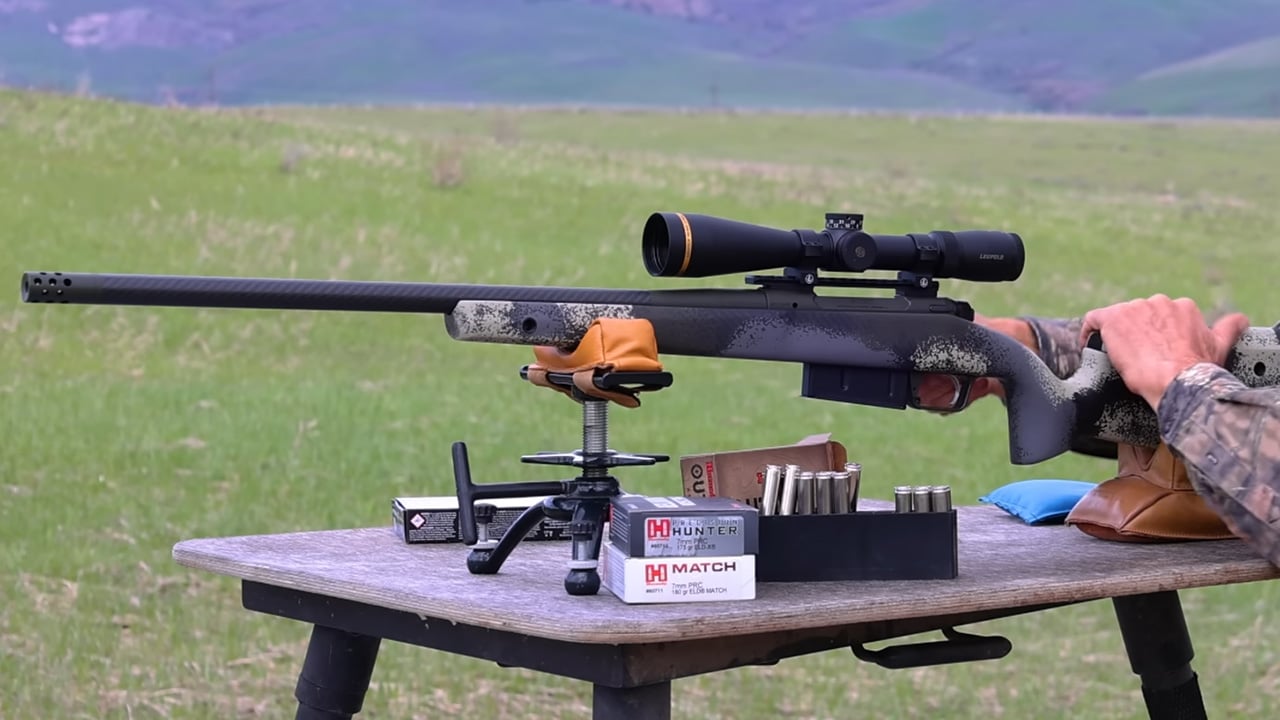
This is a modern “weather rifle” done right: stainless, carbon options, quality components, and a feel that says it’s meant to ride in a pack. It’s expensive, and if you only hunt a mild-weather whitetail season, you might not need it.
But if you’re the guy who keeps hunting when everyone else heads for the truck, the Waypoint’s corrosion resistance and stability start looking like common sense instead of luxury.
15. Christensen Arms Ridgeline

These rifles are built for hunters who cover miles. Light enough to carry, built to shrug off bad conditions, and generally accurate with good ammo. When you’re in steep country and you’re climbing over deadfall, that matters.
They’re not immune to quality-control complaints depending on the era and model, and I won’t pretend every one is perfect. Still, a good Ridgeline is a rifle you can hunt hard without feeling like it’s going to fall apart when it gets wet and cold.
16. Marlin 336 (modern Ruger-made or well-kept older rifles)

A lever gun doesn’t get enough credit for how well it can live in ugly weather. The 336 has been riding behind truck seats and on saddle scabbards for generations. It carries flat, comes up fast, and it doesn’t mind a little dirt as long as you’re not packing mud into the action.
In thick woods and nasty rain, a 336 in .30-30 is still a real tool. There is nothing fancy about it, and that is kind of the point.
17. Henry All-Weather .30-30

This is one of the better “rain and brush” rifles you can buy without overthinking it. The hard-chrome style finish and synthetic furniture are not about looks. They’re about not worrying when your rifle gets soaked, wiped down with a glove, then stuck back in the rack.
The Henry action is slick, and the rifle feels solid. It’s not a long-range setup, but for normal hunting distances in real woods, it’s dependable and quick.
18. Ruger Gunsite Scout Rifle

I’ve seen guys buy these and then complain they’re not a featherweight. No kidding. They’re built to be handy, tough, and practical, not to win a “lightest rifle” contest. The controlled-round-feed action and Ruger’s overall sturdiness make it a good choice when you’re hunting in rough terrain and the rifle is going to get knocked around.
The detachable magazines are a big part of the appeal, and they’re also where cheap rifles often fail. Ruger mags are common and dependable, and that’s one less problem to manage when you’re cold and tired.
19. Daniel Defense DD5 (AR-10 platform)
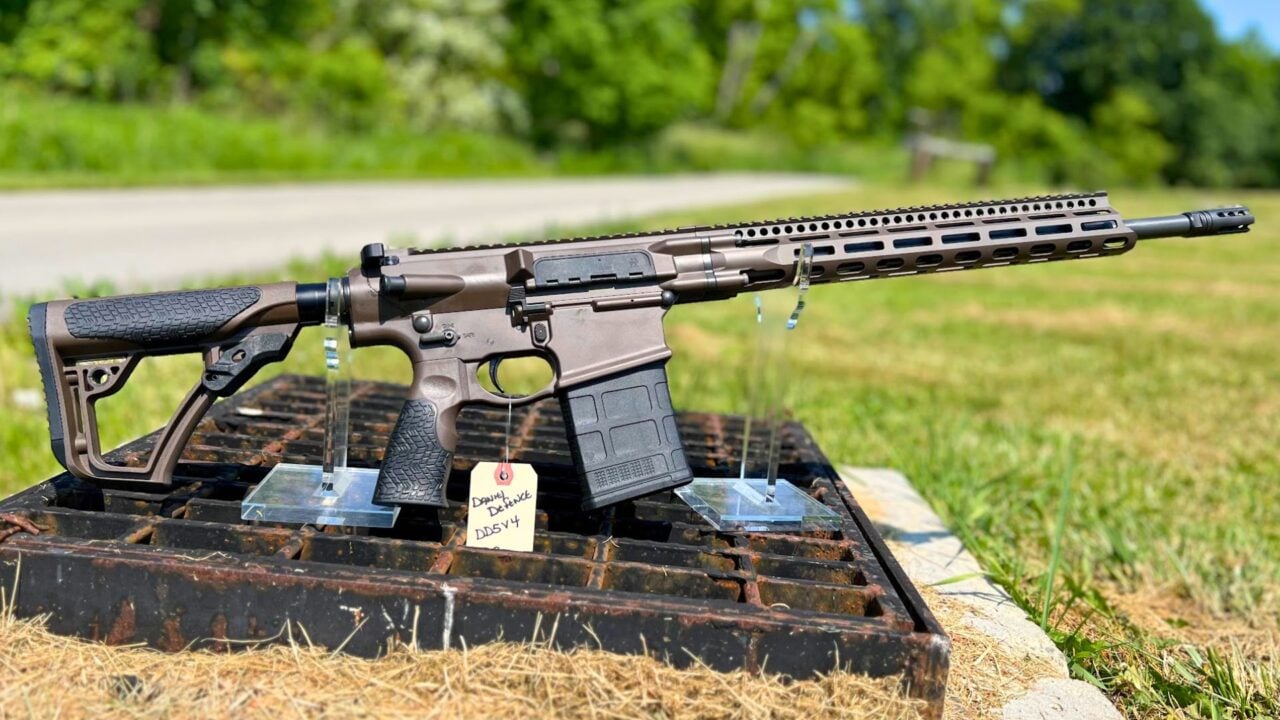
If you want a semi-auto .308 that can handle nasty field conditions, this is one of the better answers. It’s not cheap, and it’s not light, but it’s built like it expects to be used hard. The gas system and overall fit tend to be more reliable than a lot of “deal” AR-10s that start choking once they’re dirty.
For hogs, predators, or any hunt where follow-up shots are likely, a dependable AR-10 is a serious advantage. Just don’t pretend it carries like a slim bolt gun. It doesn’t.
20. Colt LE6920 (AR-15 platform)

For years, this was the plain vanilla AR that just kept running. It’s not the newest, not the lightest, and not the flashiest. But when dust, rain, and neglect start separating rifles, a solid AR from a proven maker stands out.
Magazines and parts are everywhere, and that matters more than most folks admit. If you hunt predators, run a ranch rifle, or just want a semi-auto that won’t turn into a project, the LE6920 is still a safe bet.
Every one of these rifles can still be made to look bad with neglect, a junk scope mount, or ammo it hates. But in real hunting conditions—the ones that chew up cheap finishes, cheap stocks, and cheap small parts—these models tend to keep their heads down and do the work. Spend your money where it keeps you in the hunt: a rifle that runs, a scope that holds, and a setup you can carry without fighting it all day. That’s what lasts.
Like The Avid Outdoorsman’s content? Be sure to follow us.
Here’s more from us: